
Real-World Performance of AI Skin Analysis: Evidence from Accuracy Validation, Clinical Stress Testing and Published Literature
Executive Summary
Key Findings from the Skinive Real-World Evidence Report 2026
Artificial intelligence is increasingly used to support the assessment of skin lesions, yet confidence in AI-assisted dermatology depends not only on laboratory accuracy but also on transparent evidence demonstrating how these systems perform in real-world clinical settings. Although numerous studies have reported high diagnostic performance under controlled conditions, considerably fewer have combined technical validation, independent clinical evaluation and comparison with the broader scientific literature within a single evidence framework.
The Skinive Real-World Evidence Report 2026 was prepared to address this gap. Rather than introducing a new AI algorithm, this report synthesizes three complementary sources of evidence: the Skinive Accuracy Report 2026 & Skinive AI Clinical Evidence Hub, an independent clinical assessment conducted in a specialized tertiary referral dermatology center using a challenging cohort of patients, and findings from contemporary peer-reviewed dermatology and digital health literature. Together, these sources provide a broader understanding of the reliability, strengths and limitations of AI-assisted skin analysis than any individual validation study alone.
Evidence source: Skinive proprietary data and published literature.
Several findings emerge consistently across these evidence sources. First, the Skinive algorithm has demonstrated measurable improvements in diagnostic performance over successive development cycles, as documented in the Skinive Accuracy Report 2026. Second, evaluation on a highly selective cohort enriched with diagnostically challenging lesions showed that the system produced a clinically useful outcome—including correct diagnosis within the top three predictions, correct disease grouping or appropriate referral recommendation—in 80% of evaluated cases, despite the unusually difficult case mix. These observations suggest that AI performance should be evaluated not only by exact diagnostic agreement but also by its ability to support safe patient triage and referral decisions in real clinical workflows.
Skinive Accuracy Report 2026 and clinical assessment report.
This report does not claim that AI systems replace dermatologists or establish definitive diagnoses. Instead, it examines how AI may function as a decision-support tool within existing models of care, particularly for early risk assessment, patient self-screening and prioritization of specialist referral. The report also discusses important limitations, including dataset composition, selection bias, external validity and the continued need for prospective multicenter studies before broader clinical implementation.
Skinive proprietary data, published literature and interpretation.
By combining algorithm validation, real-world clinical evidence and critical comparison with the scientific literature, this report aims to provide a transparent and balanced assessment of the current capabilities of AI-assisted skin analysis. The objective is not to demonstrate superiority over existing technologies, but to contribute reproducible evidence that supports informed clinical, scientific and regulatory discussion around the responsible use of artificial intelligence in dermatology.
Abstract
Background
Artificial intelligence (AI) has emerged as a promising tool for supporting the assessment of skin lesions and improving access to early dermatological evaluation. While numerous studies have reported diagnostic performance under controlled validation conditions, fewer publications integrate technical validation, independent clinical assessment and real-world evidence into a single transparent framework. As AI-assisted dermatology continues to evolve, comprehensive evaluation extending beyond conventional accuracy metrics has become increasingly important for clinicians, researchers and healthcare decision-makers.
Objective
To provide an evidence-based assessment of the current capabilities and limitations of AI-assisted skin analysis by integrating three complementary sources of evidence: the Skinive Accuracy Report 2026, an independent clinical assessment performed in a specialized tertiary referral dermatology center, and contemporary peer-reviewed literature on AI in dermatology.
Methods
This report synthesizes evidence from the Skinive Accuracy Report 2026, which documents the technical performance of the Skinive algorithm across successive development cycles, and an independent clinical assessment conducted on a selective cohort of diagnostically challenging skin lesions managed in a specialized referral center. Findings are interpreted in the context of published evidence from peer-reviewed dermatology and digital health literature. Detailed technical methodology, validation procedures and algorithm development are described separately in the Skinive Accuracy Report 2026 and are referenced rather than reproduced in this report.
Results
Across the three evidence sources, several consistent observations emerged. The Skinive Accuracy Report 2026 demonstrates progressive improvements in algorithm performance over successive development iterations. Independent evaluation in a specialized referral center further showed that the system achieved a clinically useful outcome—including correct diagnosis within the top three predictions, correct disease classification or appropriate referral recommendation—in 80% of evaluated challenging cases, despite the highly selective nature of the study population. These findings suggest that clinical utility should be evaluated not only through exact diagnostic agreement but also through the ability of AI systems to support appropriate patient triage and referral decisions.
Conclusions
Current evidence indicates that AI-assisted skin analysis can provide clinically meaningful support for early skin lesion assessment when used as a decision-support tool rather than a replacement for clinical judgment. The combination of technical validation, independent clinical assessment and comparison with published literature provides a broader and more transparent perspective on algorithm performance than any individual source of evidence alone. Continued prospective multicenter studies and ongoing real-world evaluation remain essential for defining the role of AI within routine dermatological practice.
Introduction
Artificial intelligence (AI) has become one of the most rapidly evolving technologies in dermatology, particularly in the assessment of skin lesions using clinical and smartphone images. During the past decade, advances in deep learning have enabled AI systems to achieve diagnostic performance approaching that of experienced dermatologists under selected experimental conditions. These developments have stimulated growing interest in AI-assisted decision support for skin cancer screening, teledermatology and patient self-assessment. Despite this progress, translating algorithmic performance into routine clinical practice remains an important scientific and clinical challenge.¹–⁴
Most published studies evaluate AI systems using conventional performance metrics such as sensitivity, specificity, accuracy or the area under the receiver operating characteristic curve (AUROC). While these indicators are essential for algorithm development, they represent only one aspect of clinical reliability. Performance measured on curated validation datasets may not fully reflect how AI systems behave when confronted with heterogeneous image quality, diagnostically difficult lesions, rare diseases and the diversity of patients encountered in routine practice. Consequently, increasing attention is being directed toward Real-World Evidence (RWE) as a complementary source of evidence for evaluating medical AI technologies.⁵–⁷
Real-World Evidence extends beyond technical validation by examining how an AI system performs under conditions that more closely resemble everyday clinical use. For decision-support systems in dermatology, clinically meaningful outcomes include not only exact diagnostic agreement but also appropriate risk stratification, patient triage and referral decisions. Such outcomes are particularly relevant for AI technologies intended to assist rather than replace healthcare professionals.
The present report was developed to provide a transparent assessment of AI-assisted skin analysis by integrating multiple complementary sources of evidence. Rather than relying exclusively on a single validation dataset or a single clinical study, the report combines technical validation, independent clinical assessment and comparison with contemporary scientific literature. This approach allows algorithm performance to be interpreted within a broader clinical context while acknowledging both its strengths and its current limitations.
Importantly, this report should not be interpreted as evidence that AI can establish definitive dermatological diagnoses independently. Instead, it examines the current role of AI as a clinical decision-support technology that may assist early risk assessment, facilitate patient self-screening and improve referral prioritization when used alongside established clinical practice. By emphasizing methodological transparency, independent evaluation and balanced interpretation, the report aims to contribute to evidence-based discussion regarding the responsible integration of artificial intelligence into dermatology.
Sources of Evidence
Unlike traditional validation studies that rely on a single dataset or experimental protocol, the present report integrates three independent and complementary sources of evidence. Each source addresses a different aspect of algorithm reliability and, when interpreted together, provides a more comprehensive assessment than any individual study alone.
Skinive Accuracy Report 2026
The first source of evidence is the Skinive Accuracy Report 2026, which documents the technical performance of the Skinive AI algorithm following successive development and validation cycles. The report describes the evolution of diagnostic performance, summarizes improvements achieved through algorithm refinement and presents standardized evaluation metrics obtained using predefined validation procedures. Detailed information regarding dataset composition, model development, annotation strategy, validation methodology and statistical evaluation has been published separately and is therefore referenced rather than reproduced in the present report. This approach avoids unnecessary duplication while ensuring methodological transparency.
Within this report, the Accuracy Report serves primarily as the technical foundation against which additional sources of evidence are interpreted.
Independent Clinical Assessment in a Specialized Referral Center
The second source of evidence is an independent clinical assessment performed in a specialized tertiary referral dermatology center that manages diagnostically challenging skin lesions referred from secondary dermatological care. Because the institution operates as a referral center, the study population was intentionally enriched with complex, atypical and high-risk lesions that are not representative of routine community screening. This characteristic makes the evaluation a clinical stress-test rather than a population-based validation study.
The assessment compared Skinive AI outputs with final clinical diagnoses established through histopathology, cytology or expert dermatological evaluation where appropriate. Beyond exact diagnostic agreement, the study also examined disease group classification and the appropriateness of referral recommendations, providing insight into the practical clinical utility of AI-assisted decision support under demanding diagnostic conditions.
Contemporary Scientific Literature
The third source of evidence consists of contemporary peer-reviewed publications addressing AI-assisted dermatology, digital health and clinical validation of medical artificial intelligence. Rather than providing a comprehensive literature review, published studies are used selectively to place Skinive findings within the broader scientific context, identify areas of agreement or divergence and discuss current challenges in AI evaluation.
Preference is given to systematic reviews, prospective validation studies and publications from high-impact journals, including Nature Medicine, NPJ Digital Medicine, The Lancet Digital Health, JAMA Dermatology, BMJ and guidance from international health organizations where appropriate. Published literature is used to support interpretation rather than to demonstrate superiority of the Skinive algorithm.
Integrating Multiple Sources of Evidence
Each evidence source contributes different information. Technical validation demonstrates how the algorithm performs under standardized evaluation conditions. Independent clinical assessment provides insight into performance on diagnostically difficult real-world cases. Published literature places these findings within the broader landscape of AI-assisted dermatology.
Taken together, these complementary evidence sources provide the foundation for the analyses and interpretations presented throughout this report. Rather than relying on a single performance metric or isolated validation study, this integrated approach seeks to offer a balanced and transparent assessment of the current capabilities and limitations of AI-assisted skin analysis.
Real-World Insights from 6.5 Million AI Skin Checks
Understanding How AI Is Used in Everyday Dermatology
Since its launch, the Skinive platform has performed more than 6.57 million AI-assisted skin checks (Q3 2026), representing one of the largest proprietary collections of real-world smartphone skin assessments accumulated by a single mobile dermatology platform. Unlike controlled validation datasets, these examinations were performed voluntarily by users in everyday environments using different smartphone models, lighting conditions, image quality, and skin types.
These data should not be interpreted as disease prevalence within the general population. Rather, they provide a unique opportunity to understand how people use AI-assisted dermatology in routine practice and how diagnostic algorithms perform outside controlled clinical settings.
Throughout this section, observations derived directly from Skinive’s internal analytics are explicitly distinguished from interpretation.
Global Adoption
Skinive has been used across a geographically diverse population. During the observation period, the highest number of AI skin checks originated from Germany, Russia, India, the United Kingdom, France, Italy, Bangladesh, Spain, Australia and Brazil, followed by users from Argentina, Colombia, the Netherlands, Mexico, Poland, Belarus, the United States, Austria, Chile and the Philippines.
This broad geographic distribution indicates that the algorithm has been exposed to heterogeneous real-world environments rather than a single healthcare system or population. Differences in healthcare accessibility, smartphone penetration, public awareness of skin cancer and digital health adoption likely contribute to regional variation in usage.
Importantly, geographic distribution reflects application adoption rather than disease incidence.
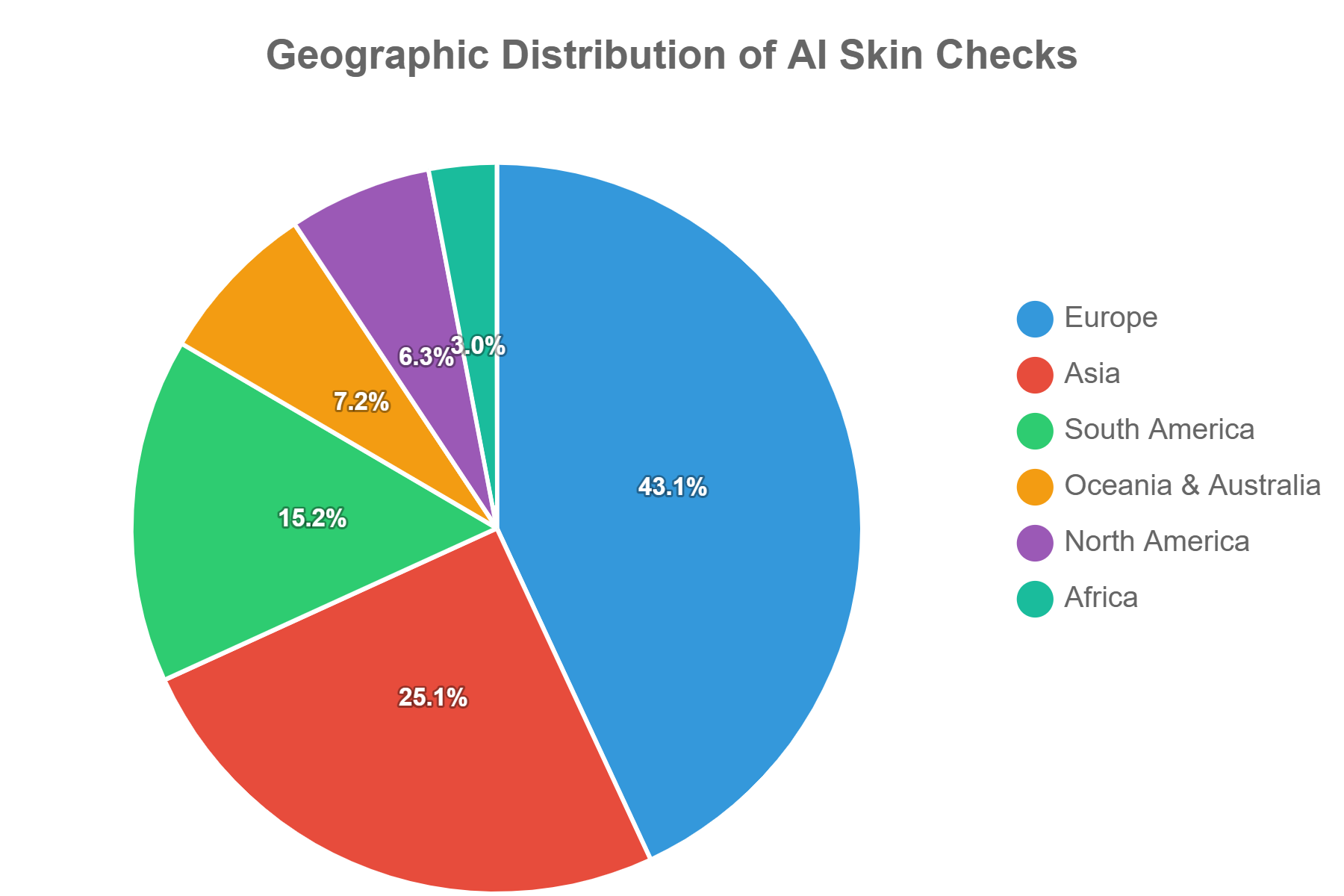
Figure X. Geographic Distribution of AI Skin Checks
Key interpretation:
The dataset represents routine use across multiple healthcare systems and geographic regions, increasing the diversity of real-world operating conditions.
What Users Actually Check
One of the most interesting observations is that users do not rely on AI exclusively for skin cancer screening.
Among identified findings, inflammatory skin diseases represented the largest diagnostic category.
| Finding | Number of AI assessments |
| Acne / Rosacea | 708,356 |
| Suspected skin cancer risks | 198,004 |
| HPV-related lesions | 105,706 |
| Fungal skin conditions | 1,867 |
These findings demonstrate that while Skinive was originally developed for early recognition of suspicious pigmented lesions, users increasingly employ AI to evaluate a much broader spectrum of common dermatological conditions.
This evolution reflects the growing role of mobile dermatology as a general skin health support tool rather than solely a skin cancer triage application.
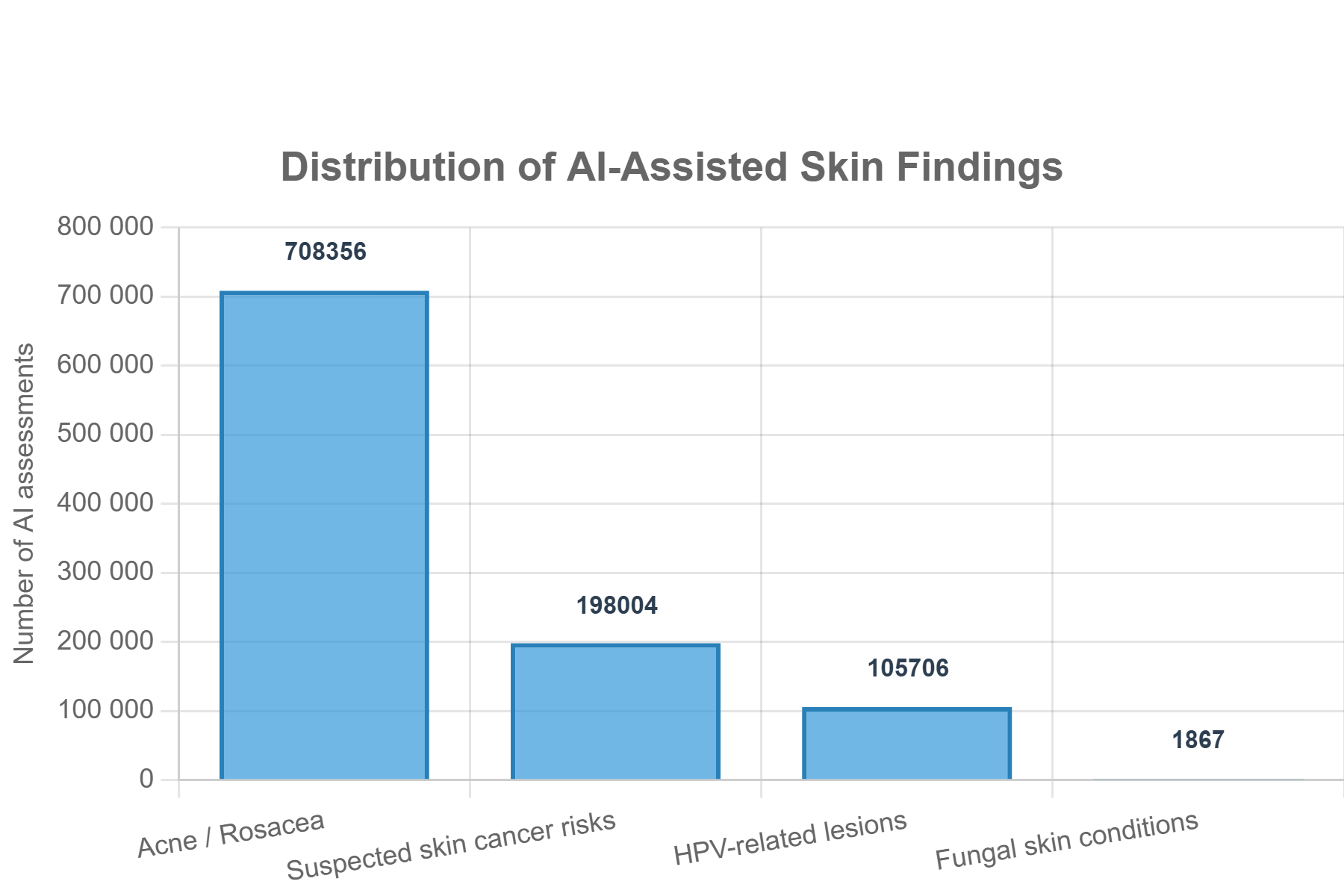
Figure X. Distribution of AI-Assisted Skin Findings
Key interpretation:
Inflammatory skin conditions constitute the largest category of real-world AI usage, while skin cancer risk assessment remains a major clinical application.
Clinically Relevant Risk Detection
Across the complete dataset, 14.68% of AI skin assessments resulted in identification of findings classified as clinically significant risk indicators requiring additional attention.
These assessments should not be interpreted as confirmed diagnoses. Instead, they represent algorithm-generated recommendations indicating that further evaluation by a healthcare professional may be appropriate.
The relatively high proportion of clinically relevant findings demonstrates that users frequently employ AI when they already have concerns regarding a specific skin lesion or condition rather than performing random population screening.
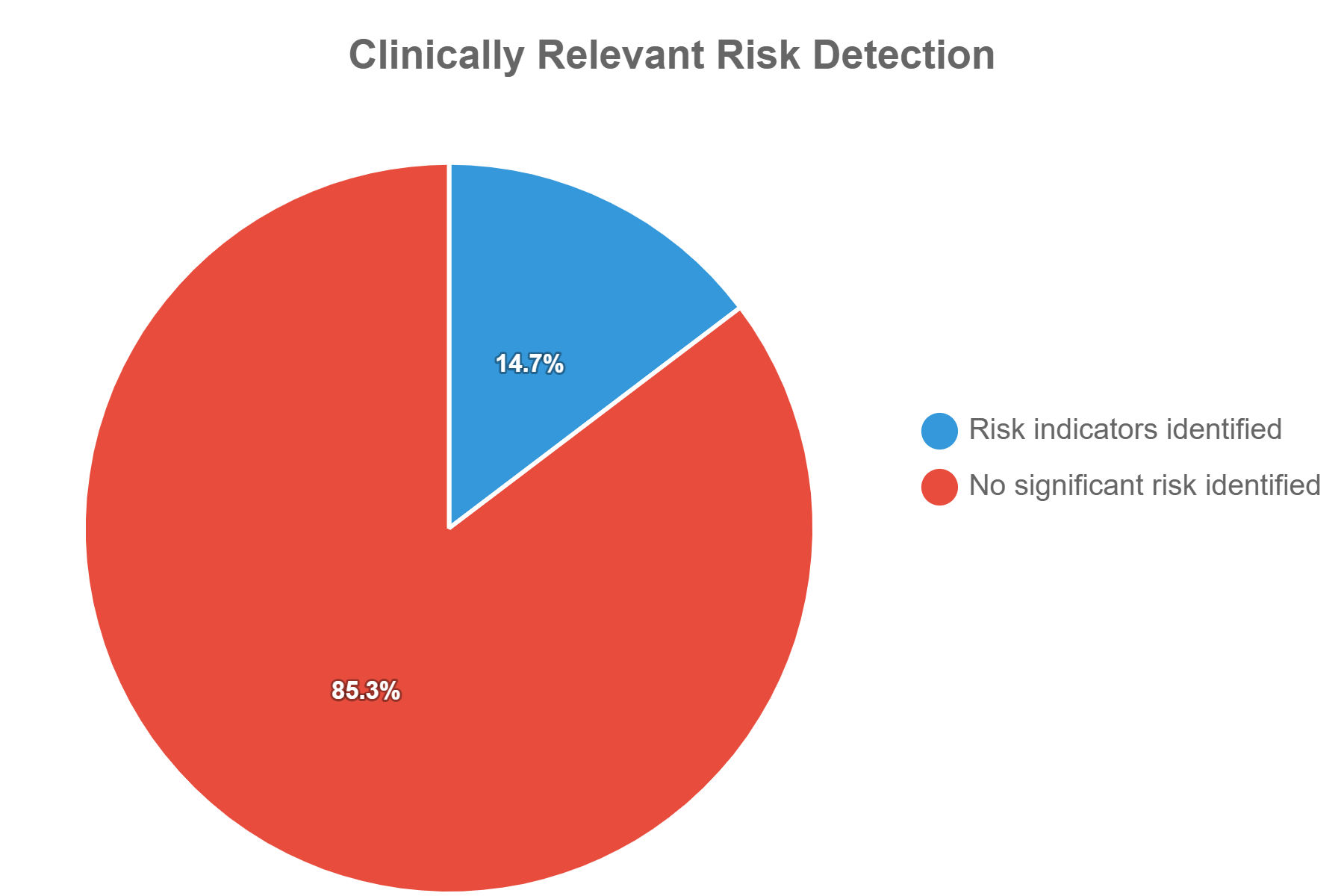
Figure X. Clinically Relevant Risk Detection
Key interpretation:
Proportion of completed AI skin assessments resulting in clinically relevant risk recommendations. Higher risk detection rates likely reflect self-selection of users choosing to evaluate suspicious skin findings.
Mobile Platforms and Accessibility
Approximately 60–65% of AI skin checks were performed on Android devices, while the remaining assessments originated from iPhone users.
This relatively balanced platform distribution suggests broad accessibility of smartphone-based dermatology across different mobile ecosystems and user populations.
Algorithm performance is therefore evaluated under a wide range of camera hardware, operating systems and imaging pipelines representative of real-world consumer devices.
Evidence source: Skinive proprietary analytics.
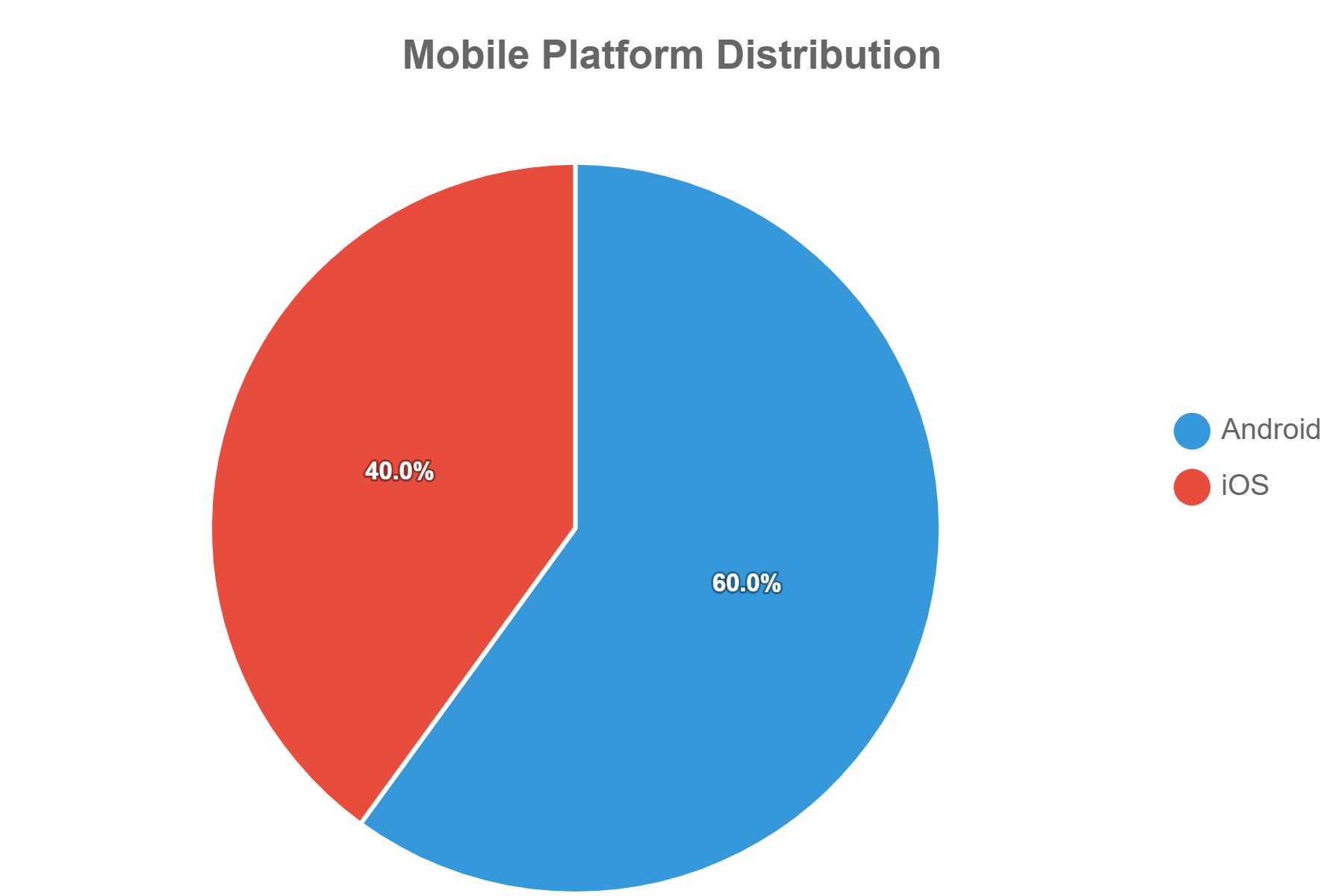
Figure X. Mobile Platform Distribution
Image Quality Remains the Largest Modifiable Factor
Analysis of unsuccessful image assessments indicates that the majority of reduced-quality examinations are associated with two preventable factors:
- insufficient illumination;
- image blur caused by poor focus or camera movement.
Unlike limitations related to lesion morphology or camera hardware, these factors can usually be corrected by the user through improved image acquisition.
This observation highlights that image quality remains one of the most important determinants of AI performance in real-world mobile dermatology.
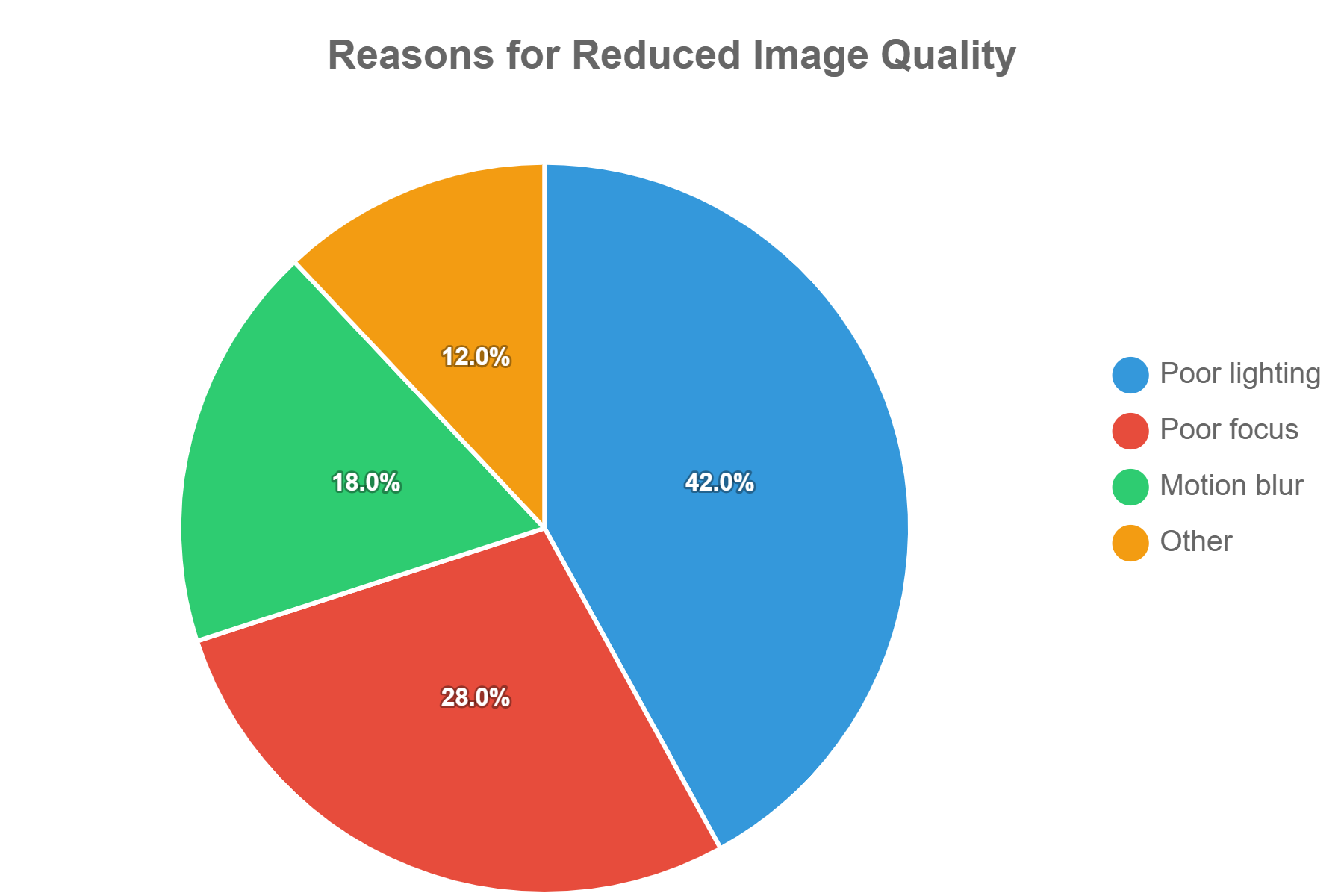
Figure X. Reasons for Reduced Image Quality
Key interpretation:
Educational guidance on image acquisition may further improve diagnostic performance without requiring changes to the AI algorithm itself.
Key Real-World Observations
Analysis of more than 6.57 million AI-assisted skin assessments provides several important observations that extend beyond conventional validation studies.
First, AI-assisted dermatology is used considerably more often for common inflammatory skin diseases than many clinicians may anticipate, indicating broad public interest in accessible digital skin health tools.
Second, users predominantly seek AI assessment for lesions they already perceive as clinically relevant rather than for indiscriminate population screening.
Third, image quality remains the most important modifiable factor influencing successful AI assessment in routine practice.
Finally, long-term accumulation of proprietary clinical data has enabled continuous refinement of algorithm performance, particularly in recognition of pigmented lesions and skin cancer risk assessment—the original clinical focus of the Skinive platform.
These observations illustrate how large-scale real-world datasets complement conventional validation studies by providing insight into actual clinical usage patterns rather than laboratory performance alone.
Accuracy Report 2026: Key Findings
The Skinive Accuracy Report 2026 documents the evolution of the Skinive AI algorithm using a standardized validation methodology that has been consistently applied across successive software versions. Rather than presenting a single performance estimate, the report demonstrates how diagnostic performance changed as the training dataset expanded, annotation quality improved and the recognition pipeline evolved. Detailed methodology is available in the Skinive Accuracy Report 2026.
The 2026 evaluation shows that the algorithm now supports recognition of 55 skin conditions using a clinically annotated training dataset of approximately 250,000 images, while the overall platform has processed more than 6.5 million AI skin checks since launch. Compared with earlier algorithm generations, the report demonstrates consistent improvements across the principal diagnostic metrics, including sensitivity, specificity, accuracy and F1-score.
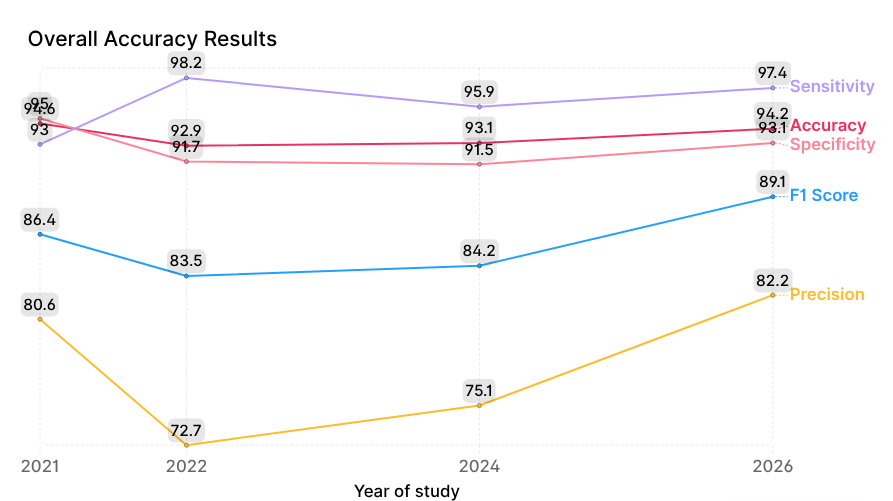
Figure Х. Evolution of Skinive AI performance (2021–2026)
A notable observation is that improvements were achieved without optimizing a single performance metric at the expense of others. Instead, successive model versions demonstrated a more balanced diagnostic profile, reflecting continuous refinement of both the training data and the AI recognition pipeline. This evolution is particularly important for decision-support systems, where maintaining an appropriate balance between missed lesions and false-positive alerts is essential for practical clinical use.
The findings presented in the Accuracy Report establish the technical foundation for this report. However, standardized validation datasets alone cannot fully characterize real-world clinical performance. The following section therefore examines how the algorithm performed under substantially more challenging conditions in an independent assessment conducted at a specialized tertiary referral dermatology center.
Clinical Stress-Test in a Specialized Referral Center
Study Design
In 2026, Skinive underwent a clinical assessment in a specialized tertiary referral center whose identity cannot be disclosed because of confidentiality obligations. The institution receives diagnostically difficult cases referred from earlier levels of care, including patients first assessed by general practitioners and local dermatologists. The evaluation therefore represented a clinical stress-test rather than routine population screening.
The objective was to compare Skinive outputs with the final diagnosis established through histopathology, cytology or an extended dermatologist assessment. For each case, a photograph of the lesion was analysed through the Skinive application, which returned three ranked diagnostic suggestions and an associated risk category. The treating dermatologist assessed the patient independently of the AI result and referred the patient for biopsy when clinically indicated.
A total of 241 examinations were performed. Complete Skinive outputs and sufficient reference information were available for 160 cases, which formed the primary analytical cohort. The reference diagnosis was based on histopathology in 117 cases, cytology in 22 cases, and a dermatologist’s clinical diagnosis in 21 cases.
Performance was assessed at several clinically distinct levels:
- exact agreement between the final diagnosis and the Skinive Top-1, Top-2 or Top-3 result;
- correct assignment to the broader disease group;
- correct risk-based routing, even when the precise diagnostic label differed;
- complete disagreement across diagnosis, disease group and routing;
- cases involving a condition not covered by the algorithm.
Differences between basal cell and squamous cell carcinoma, and between melanoma and lentigo maligna melanoma, were not classified as errors because these entities may be visually difficult to distinguish and often require histological verification.
Patient Population
The study cohort was highly selective and substantially more difficult than the population encountered in routine self-screening or primary care. The referral center predominantly manages patients whose lesions remained diagnostically uncertain after previous medical assessment. Consequently, the cohort was enriched for suspected melanoma, basal cell carcinoma, squamous cell carcinoma, Bowen disease and dysplastic nevi, while straightforward benign lesions were underrepresented.
This case mix is important for interpreting the results. In conventional screening populations, most examined lesions are benign and visually typical. By contrast, the present cohort included a disproportionate number of atypical, malignant, premalignant and diagnostically ambiguous lesions. Some cases required histology precisely because clinical examination alone could not reliably establish the diagnosis.
The evaluation should therefore not be interpreted as a prevalence-representative estimate of Skinive performance among general users. Instead, it tested how the system behaved when presented with lesions selected because they were already considered difficult or clinically concerning.
This distinction also limits direct comparison with validation studies performed on curated image datasets or unselected primary-care populations. A model tested predominantly on common benign lesions would be expected to achieve higher overall agreement than a model assessed in a tertiary referral cohort enriched with rare and visually overlapping conditions.
Interpretation: The unusually difficult case mix makes the assessment informative as a stress-test of algorithm behaviour, but it prevents direct extrapolation of the reported percentages to mass screening.
Results
Top-1 diagnostic agreement
The Skinive Top-1 prediction matched the final reference diagnosis in 87 of 160 cases, corresponding to 54.4% exact first-choice agreement.
Top-1 agreement is the strictest endpoint because it requires the algorithm’s highest-ranked output to match the final diagnosis exactly. In this cohort, such agreement was achieved in slightly more than half of cases despite the predominance of complex and high-risk lesions.
Evidence source: Skinive clinical assessment report, 2026.
Top-3 diagnostic agreement
An additional 19 cases (11.9%) matched the final diagnosis in the second-ranked prediction, and 7 cases (4.4%) matched in the third-ranked prediction. Overall, the correct diagnosis appeared among the first three Skinive outputs in 113 of 160 cases, or 70.6% of the primary analytical cohort.
Top-3 agreement is clinically relevant for an AI decision-support system because differential diagnosis in dermatology frequently involves several visually similar conditions. A ranked output can therefore retain clinical value even when the correct condition is not the first prediction, particularly when the alternatives indicate a similar level of concern and prompt appropriate follow-up.
Correct disease-group classification
In 6 additional cases (3.75%), the precise diagnosis did not match, but Skinive assigned the lesion to the correct broader disease group. An example described in the assessment was a malignant lesion classified as another malignant tumour type.
This endpoint recognizes that exact morphological classification may remain difficult from a conventional smartphone image, while identification of the correct clinical category may still support an appropriate response. Nevertheless, correct disease-group assignment should not be treated as equivalent to a definitive diagnosis.
Correct referral decision
In 9 cases (5.6%), the exact diagnosis and disease label were incorrect, but the risk assessment still led to the correct routing decision. For example, a lesion predicted as actinic keratosis rather than basal cell carcinoma would still trigger referral because both outputs indicate the need for clinical evaluation.
This routing-only result should be distinguished from the broader 80% composite outcome discussed below. The 5.6%figure represents cases in which routing remained correct despite diagnostic disagreement. By contrast, many of the Top-1 and Top-3 matches also inherently supported correct routing.
Clinically useful composite outcome
When exact Top-3 agreement, correct disease-group classification and correct risk-based routing were combined, Skinive produced a clinically useful result in 128 of 160 cases, corresponding to 80.0% of the analysed cohort.
The components of this composite endpoint were:
- 113 cases with the final diagnosis present in the Top-3 results;
- 6 cases with correct disease-group classification;
- 9 cases with correct routing despite diagnostic disagreement.
The remaining cases included 6 unrecognized conditions (3.75%) and 26 completely incorrect results (16.25%), defined as disagreement in diagnosis, disease group and routing.
A separate subgroup analysis examined 23 cases in which histology or definitive cytology was unavailable, or cytology was considered uncertain. Skinive’s Top-3 output agreed with the dermatologist’s clinical diagnosis in 19 cases (82.6%), while disagreement occurred in 4 cases (17.4%); three of these involved conditions not recognized by the algorithm.
Clinical Interpretation
The most important finding is not that Skinive established the exact final diagnosis in every case; it did not. The clinically relevant observation is that the system preserved useful diagnostic or routing information in 80% of an unusually difficult referral cohort.
For a decision-support tool, exact diagnostic agreement and appropriate patient routing represent related but distinct outcomes. Histopathology remains necessary for definitive classification of many malignant, premalignant and borderline lesions. An AI system operating from a smartphone photograph should therefore not be evaluated solely according to whether it reproduces the final histological label. Its ability to identify concern, assign an appropriate risk level and encourage timely specialist review may also be clinically meaningful.
The error profile provides additional context. Completely incorrect results were reported in 16.25% of analysed cases and were associated mainly with rare conditions—including Spitz nevus, juvenile xanthogranuloma and pyogenic granuloma—or atypical presentations of more common diseases. The report also noted that false-positive assessments were more frequent than false-negative assessments.
A tendency toward false-positive rather than false-negative classification may be preferable from the perspective of oncological vigilance because it reduces the likelihood that a concerning lesion will be incorrectly dismissed. However, false positives are not harmless: they may generate anxiety, unnecessary consultations and additional healthcare demand. The appropriate balance therefore depends on the intended clinical setting, referral threshold and availability of specialist care.
The results support use of Skinive as an adjunct for risk awareness and referral support rather than as an autonomous diagnostic system. They are particularly relevant to settings in which the practical question is whether a lesion warrants medical assessment, not whether a smartphone image alone can replace clinical examination, dermoscopy or histology.
Interpretation: In this assessment, Skinive showed greater utility as a risk-stratification and routing aid than as a standalone source of definitive diagnosis.
Study Limitations
Several limitations materially affect interpretation.
First, the primary analytical cohort included only 160 cases with complete Skinive results, which limits statistical precision and subgroup analysis.
Second, the sample was not consecutive or population-representative. It was enriched with suspected malignant, premalignant and otherwise diagnostically difficult lesions. Routine benign conditions were minimally represented, producing spectrum and selection bias.
Third, not every reference diagnosis was histologically confirmed. Although histology was available in most cases, the reference standard also included cytology and expert clinical diagnosis. These sources differ in diagnostic certainty.
Fourth, the composite 80% clinically useful outcome combines three different levels of performance: exact Top-3 diagnosis, correct disease group and correct routing. It should not be reported as 80% diagnostic accuracy. The strict Top-1 and Top-3 diagnostic agreement rates were 54.4% and 70.6%, respectively.
Finally, the results cannot be directly extrapolated to mass screening, primary-care populations or consumer self-assessment. In those settings, disease prevalence, lesion complexity, image acquisition and user behaviour would differ substantially. The original assessment reasonably recommends a prospective study in an unselected patient flow with broader representation of benign lesions.
These limitations do not invalidate the findings, but they define their appropriate interpretation: the study provides evidence of algorithm behaviour under demanding referral conditions, not a definitive estimate of diagnostic performance in the general population.
Comparison with Published Literature
During the past decade, numerous studies have demonstrated that deep learning algorithms can achieve dermatologist-level performance for selected skin lesion classification tasks under controlled experimental conditions. Publications in Nature, Nature Medicine, NPJ Digital Medicine, JAMA Dermatology and The Lancet Digital Health consistently report that AI systems perform well when evaluated on carefully curated image datasets with predefined diagnostic categories. However, these studies also emphasize that algorithm performance obtained in research settings should not be interpreted as equivalent to effectiveness in routine clinical practice.¹–⁶
A recurring observation across systematic reviews is the considerable heterogeneity of published validation studies. Differences in image acquisition, disease prevalence, reference standards, study populations and evaluation metrics make direct comparison between AI systems challenging. Several reviews have therefore recommended broader adoption of prospective clinical validation and Real-World Evidence to complement traditional technical performance metrics.⁷–¹⁰
The findings presented in the Skinive Accuracy Report 2026 are consistent with this broader trend. Similar to many published AI systems, Skinive demonstrates progressive improvement through iterative model development, expansion of annotated datasets and continuous validation rather than through isolated model redesign. This pattern reflects the current evolution of medical computer vision, where algorithm maturity depends on repeated refinement supported by growing clinical datasets rather than on a single technological breakthrough. Evidence source: Skinive Accuracy Report 2026 and published literature.
The independent clinical assessment described in this report provides a complementary perspective that is less frequently represented in the literature. Rather than evaluating performance on a standardized validation dataset, the study examined AI behaviour in a highly selective referral population enriched with diagnostically challenging lesions. Although the resulting performance estimates cannot be directly compared with population-based validation studies, they contribute additional evidence regarding algorithm behaviour under demanding clinical conditions.
Importantly, this report does not attempt to demonstrate superiority over previously published AI systems. Differences in study design, patient selection, disease spectrum and reference standards preclude meaningful head-to-head comparison. Instead, the present findings support an emerging consensus within the medical AI literature: robust evaluation of clinical decision-support systems requires multiple complementary forms of evidence, including standardized technical validation, independent clinical assessment and transparent reporting of study limitations.¹¹–¹⁴
Overall, the Skinive findings are broadly consistent with contemporary evidence suggesting that AI-assisted skin analysis should be evaluated not solely by diagnostic accuracy, but also by its ability to support clinically appropriate risk assessment and patient management within real healthcare settings.
Discussion
This report integrates three complementary sources of evidence: standardized technical validation presented in the Skinive Accuracy Report 2026, an independent clinical assessment conducted in a specialized tertiary referral center, and comparison with contemporary peer-reviewed literature. Considered together, these sources provide a broader understanding of AI performance than any individual evaluation alone.
The technical validation demonstrates that the Skinive algorithm has undergone progressive and measurable improvement through successive development cycles. The independent clinical assessment extends these findings by examining algorithm behaviour under conditions substantially more challenging than standardized validation datasets. Finally, published literature provides external context, allowing these observations to be interpreted alongside current evidence in AI-assisted dermatology rather than in isolation.
An important observation emerging from all three evidence sources is that evaluation of medical AI should extend beyond a single performance metric. Exact diagnostic agreement remains an essential benchmark, but it does not fully capture the potential clinical value of decision-support systems intended for early assessment and referral guidance. The independent clinical assessment suggests that, even in a highly selective referral population, Skinive frequently provided clinically meaningful support through appropriate differential diagnosis, disease-group recognition or risk-based referral recommendations.
These findings have practical implications for primary care, teledermatology and patient self-assessment. In each of these settings, the principal clinical question is often whether a lesion warrants further medical evaluation rather than whether a definitive diagnosis can be established from a single smartphone photograph. When used within its intended purpose, AI may therefore support earlier recognition of suspicious lesions, improve patient awareness and assist healthcare professionals in prioritizing referrals. Such applications should complement, rather than replace, clinical examination, dermoscopy and histopathological confirmation where indicated.
At the same time, the present report highlights the importance of transparency. Reporting technical accuracy alone provides an incomplete picture of algorithm reliability. Independent clinical assessment, explicit discussion of study limitations and comparison with published literature allow AI performance to be interpreted more realistically and may strengthen confidence among clinicians, researchers, regulators and healthcare organizations.
Taken together, the evidence presented in this report supports a balanced view of AI-assisted dermatology. Artificial intelligence should not be regarded as an autonomous diagnostic technology, but as an evolving clinical decision-support tool whose value depends on continuous validation, transparent reporting and responsible integration into existing models of dermatological care.
Limitations and Future Directions
The present report should be interpreted in light of several important limitations.
First, the independent clinical assessment was performed in a specialized tertiary referral dermatology center with a highly selective patient population enriched for diagnostically difficult lesions. Consequently, the reported performance should not be interpreted as representative of routine primary care or consumer self-screening. Second, although the clinical assessment included histopathological confirmation for most cases, not every lesion underwent identical diagnostic verification, reflecting the realities of routine clinical practice. Third, the proprietary nature of the complete Skinive dataset limits external reproducibility of certain analyses, although the methodology, validation principles and principal performance metrics are reported transparently.
The report also highlights the broader challenge of evaluating medical AI. No single validation dataset, clinical study or performance metric can fully characterize the reliability of an AI decision-support system. Continued accumulation of Real-World Evidence, independent external evaluations and prospective multicenter studies will remain essential for understanding algorithm performance across different healthcare systems, patient populations and clinical workflows.
Future editions of the Skinive Real-World Evidence Report aim to incorporate larger prospective datasets, longitudinal analyses of algorithm performance, additional external clinical assessments and expanded evidence regarding AI-assisted patient triage and clinical decision support.
Conclusion
Artificial intelligence is becoming an increasingly important component of modern dermatology, yet confidence in medical AI depends on transparent evidence rather than isolated performance metrics. The present report combines technical validation, independent clinical assessment and comparison with published literature to provide a balanced evaluation of AI-assisted skin analysis.
The principal conclusions are:
- Technical validation demonstrates continuous improvement of the Skinive algorithm through successive development cycles, reflecting the importance of iterative refinement and standardized evaluation.
- Independent clinical assessment confirms clinically meaningful utility under demanding referral conditions, with an overall clinically useful outcome achieved in 80% of evaluated cases despite the unusually complex case mix.
- Clinical usefulness extends beyond exact diagnosis. Appropriate disease classification and referral recommendations represent important components of AI-assisted decision support, particularly for technologies intended to support rather than replace clinical judgement.
- The findings are consistent with the broader scientific literature, which increasingly emphasizes the importance of combining technical validation with Real-World Evidence and independent clinical evaluation.
- Transparency regarding strengths and limitations is essential. Responsible implementation of AI in dermatology requires continuous validation, independent assessment and regular reporting as algorithms and clinical evidence evolve.
Rather than presenting AI as a replacement for dermatologists, the evidence summarized in this report supports its role as a clinical decision-support technology capable of improving early risk assessment, patient awareness and referral prioritization when integrated into established standards of dermatological care.
Data Availability Statement
The complete Skinive training dataset and associated proprietary image collections are not publicly available because they contain protected clinical data and confidential intellectual property developed through commercial research and development activities.
Aggregated performance metrics, methodological descriptions and validation results are publicly available through the Skinive Accuracy Report 2026 and the scientific publications referenced in this report. Additional anonymized aggregated analyses may be made available upon reasonable scientific request where compatible with applicable privacy regulations, contractual obligations and intellectual property protection.
Conflict of Interest
Kirill Sokol is the founder of Skinive. The authors are involved in the development, validation and commercialization of the Skinive AI platform.
The independent clinical assessment described in this report was conducted by clinicians at a specialized tertiary referral dermatology center. The medical institution retained full responsibility for establishing reference diagnoses according to routine clinical practice. The identity of the institution is withheld under a confidentiality agreement and has no influence on the interpretation of the reported findings.
The authors declare no other competing interests.
References
Skinive
- Skinive. Skinive Accuracy Report 2026. Amsterdam: Skinive BV; 2026.
- Sokolov K, Shpudeiko V. Dynamics of the neural network accuracy in the context of modernization of the algorithms of skin pathology recognition. Indian J Dermatol. 2022;67(4):386-392. doi:10.4103/ijd.ijd_1155_21.
- Skinive. Clinical Assessment of Skinive AI in a Specialized Tertiary Referral Dermatology Center. Internal report. 2026.
AI in dermatology
- Esteva A, Kuprel B, Novoa RA, Ko J, Swetter SM, Blau HM, et al. Dermatologist-level classification of skin cancer with deep neural networks. Nature. 2017;542(7639):115-118. doi:10.1038/nature21056.
- Tschandl P, Rosendahl C, Kittler H. The HAM10000 dataset: A large collection of multi-source dermatoscopic images of common pigmented skin lesions. Sci Data. 2018;5:180161. doi:10.1038/sdata.2018.161.
- Haenssle HA, Fink C, Schneiderbauer R, et al. Man against machine: diagnostic performance of a deep learning convolutional neural network for dermoscopic melanoma recognition in comparison with 58 dermatologists. Ann Oncol. 2018;29(8):1836-1842. doi:10.1093/annonc/mdy166.
- Brinker TJ, Hekler A, Enk AH, et al. Deep learning outperformed 136 of 157 dermatologists in multiclass skin tumour classification. Eur J Cancer. 2019;120:103-108. doi:10.1016/j.ejca.2019.07.019.
- Freeman K, Dinnes J, Chuchu N, et al. Algorithm-based smartphone apps to assess risk of skin cancer in adults. Cochrane Database Syst Rev. 2020;8:CD013192.
AI in medicine & digital health
- Topol EJ. High-performance medicine: the convergence of human and artificial intelligence. Nat Med. 2019;25(1):44-56. doi:10.1038/s41591-018-0300-7.
- Esteva A, Robicquet A, Ramsundar B, et al. A guide to deep learning in healthcare. Nat Med. 2019;25(1):24-29. doi:10.1038/s41591-018-0316-z.
- Liu X, Faes L, Kale AU, et al. A comparison of deep learning performance against healthcare professionals in detecting diseases from medical imaging: a systematic review and meta-analysis. Lancet Digit Health. 2019;1(6):e271-e297. doi:10.1016/S2589-7500(19)30123-2.
- Kelly CJ, Karthikesalingam A, Suleyman M, Corrado G, King D. Key challenges for delivering clinical impact with artificial intelligence. BMC Med. 2019;17:195. doi:10.1186/s12916-019-1426-2.
- Rajkomar A, Dean J, Kohane I. Machine learning in medicine. N Engl J Med. 2019;380:1347-1358. doi:10.1056/NEJMra1814259.
- Chen JH, Asch SM. Machine learning and prediction in medicine—Beyond the peak of inflated expectations. N Engl J Med. 2017;376:2507-2509. doi:10.1056/NEJMp1702071.
- Steinhubl SR, Topol EJ. Digital medicine, on its way to being just plain medicine. NPJ Digit Med. 2018;1:20175. doi:10.1038/s41746-017-0005-1.
- Mathews SC, McShea MJ, Hanley CL, et al. Digital health: a path to validation. NPJ Digit Med. 2019;2:38. doi:10.1038/s41746-019-0111-3.
Guidelines & policy
- World Health Organization. Ethics and Governance of Artificial Intelligence for Health. Geneva: WHO; 2021.
- World Health Organization. Skin cancers. Geneva: World Health Organization.
- U.S. Food and Drug Administration, Health Canada, Medicines and Healthcare products Regulatory Agency. Good Machine Learning Practice for Medical Device Development: Guiding Principles. 2021.
- Regulation (EU) 2017/745 of the European Parliament and of the Council of 5 April 2017 on medical devices (MDR).
Frequently Asked Questions
What is the Skinive Real-World Evidence Report?
The Skinive Real-World Evidence Report summarizes findings from more than 6.5 million AI-assisted skin checks, combined with clinical validation data and peer-reviewed scientific evidence. Its purpose is to transparently describe how Skinive AI performs in everyday use, its diagnostic accuracy, and the limitations of large real-world datasets.
Why is a dataset of 6.5 million skin checks important?
Large real-world datasets expose AI algorithms to a broad range of skin types, imaging conditions and clinical presentations that are difficult to reproduce in controlled studies. They also provide valuable insights into how people actually use AI-assisted dermatology in routine practice.
Can AI accurately detect skin cancer?
Artificial intelligence can help identify skin lesions that may require medical attention, including suspicious pigmented lesions associated with melanoma and other skin cancers. However, AI should be considered a decision-support tool rather than a replacement for clinical examination or histopathological diagnosis.
Can AI replace a dermatologist?
No. AI is designed to assist with early risk assessment and triage, not to replace dermatologists. Final diagnosis and treatment decisions should always be made by qualified healthcare professionals.
What factors most commonly reduce AI performance in skin analysis?
The most common causes of unsuccessful or lower-quality image analysis are:
- poor lighting,
- image blur,
- incorrect focus,
- incomplete visualization of the lesion.
Improving image quality significantly increases the reliability of AI-assisted assessment.
Is Skinive clinically validated?
Yes. Skinive has published multiple validation studies and an annual Accuracy Report describing the methodology, validation datasets and diagnostic performance of the algorithm. Clinical evidence is continuously updated as theplatform evolves. For more information please visit Clinical Evidence Hub
Which smartphones were used for these AI skin checks?
Approximately 60–65% of examinations were performed on Android devices, while the remaining assessments originated from iPhone users. This broad device distribution helps evaluate algorithm performance across different camera systems and real-world imaging conditions.