
Squamous cell skin cancer is a malignant tumor that develops from the cells of the upper layer of the skin and can grow deeper, destroying surrounding tissues.
Unlike some other types of skin cancer, it can spread to lymph nodes and other organs. Therefore, it is important to detect it as early as possible. With timely treatment, the prognosis is often favorable.
The disease usually occurs in people over 35–40 years old and most often appears on areas of the skin that are regularly exposed to the sun. It is not contagious.
What to do if you suspect it
If you notice a suspicious skin lesion, it is important not to delay visiting a doctor.
The first step is to make an appointment with a dermatologist or oncologist. The doctor will perform an examination, dermoscopy (magnified skin inspection), and if necessary, order a biopsy — a tissue study.
Additionally:
- if the lesion grows quickly, bleeds, or changes — seek medical attention as soon as possible
- in uncertain cases, the doctor may suggest monitoring or recommend removal immediately
It is important not to try to treat or remove the lesion on your own.
Early diagnosis helps prevent disease progression and makes treatment easier.
What the disease looks like
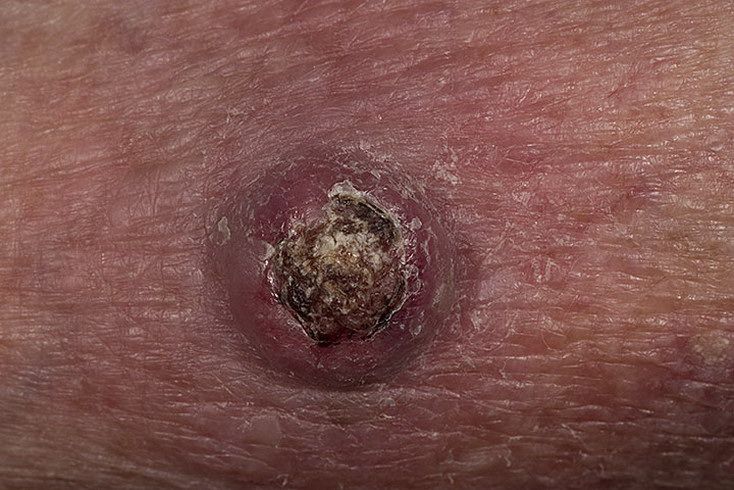
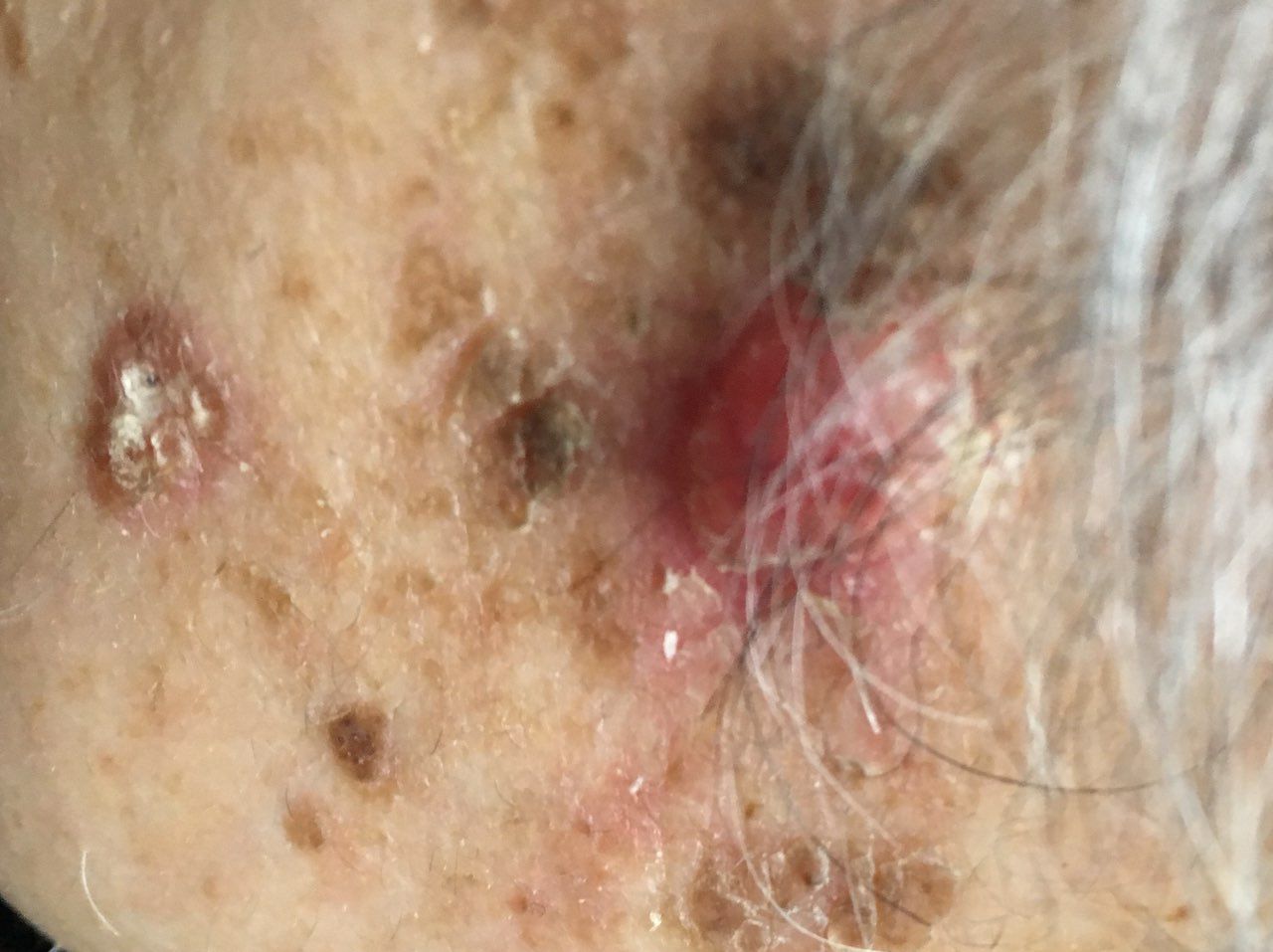
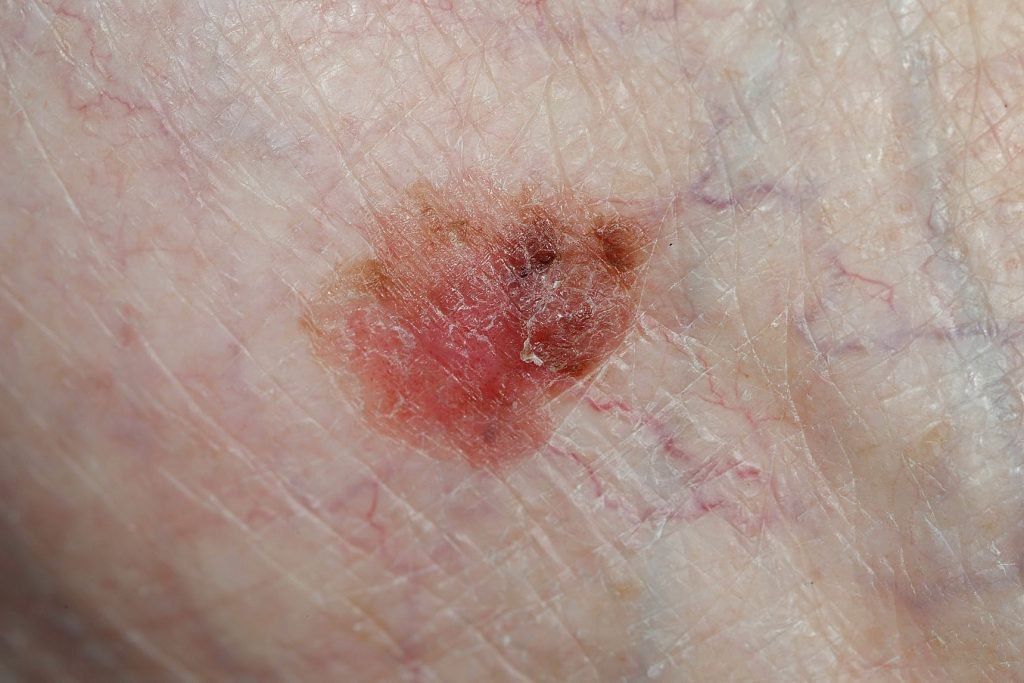
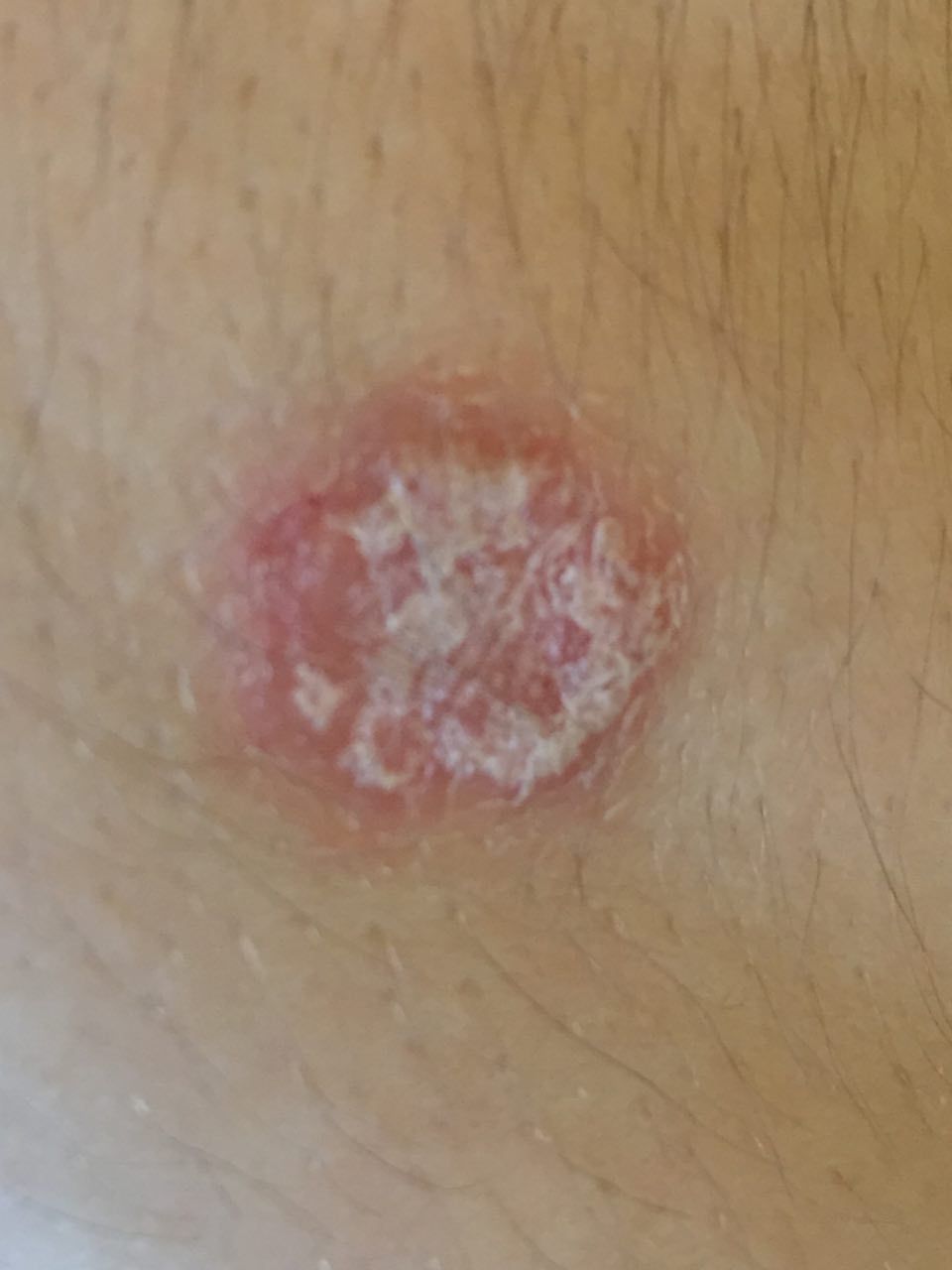
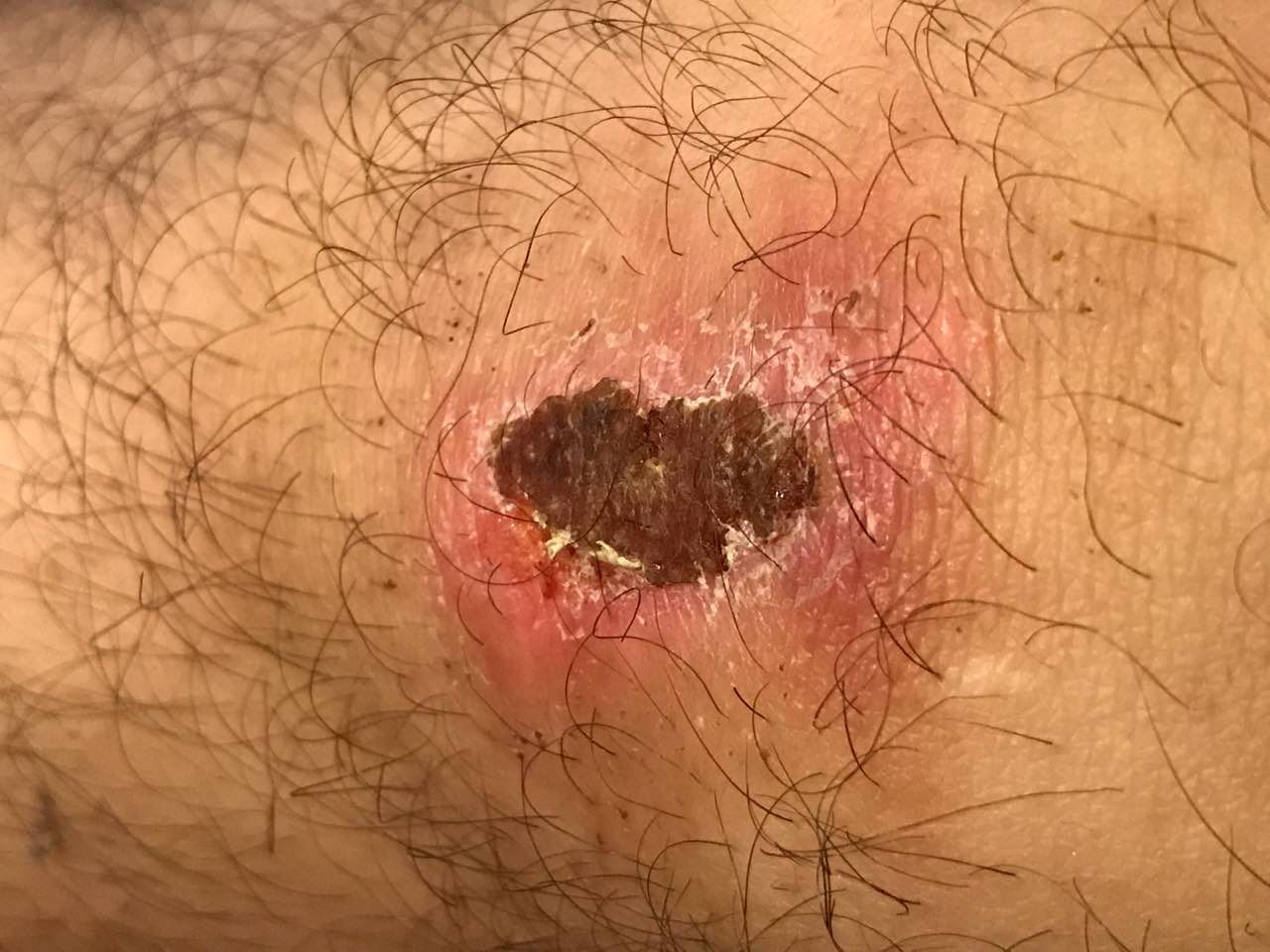
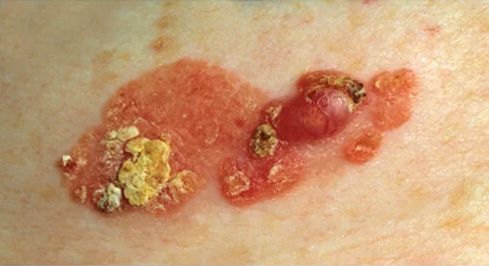
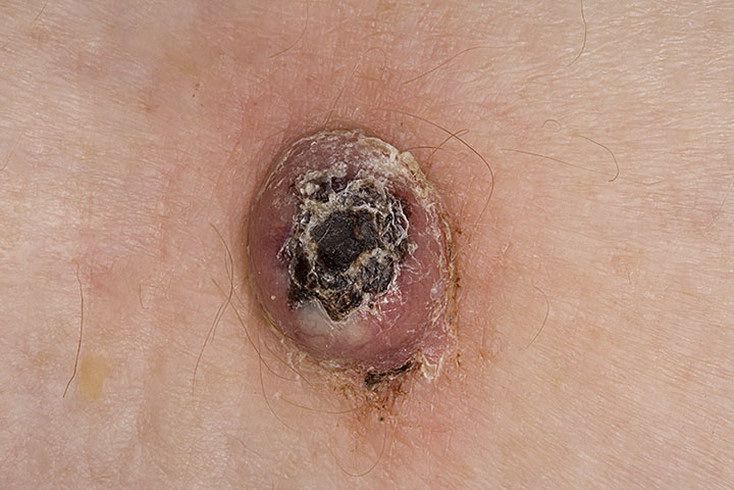
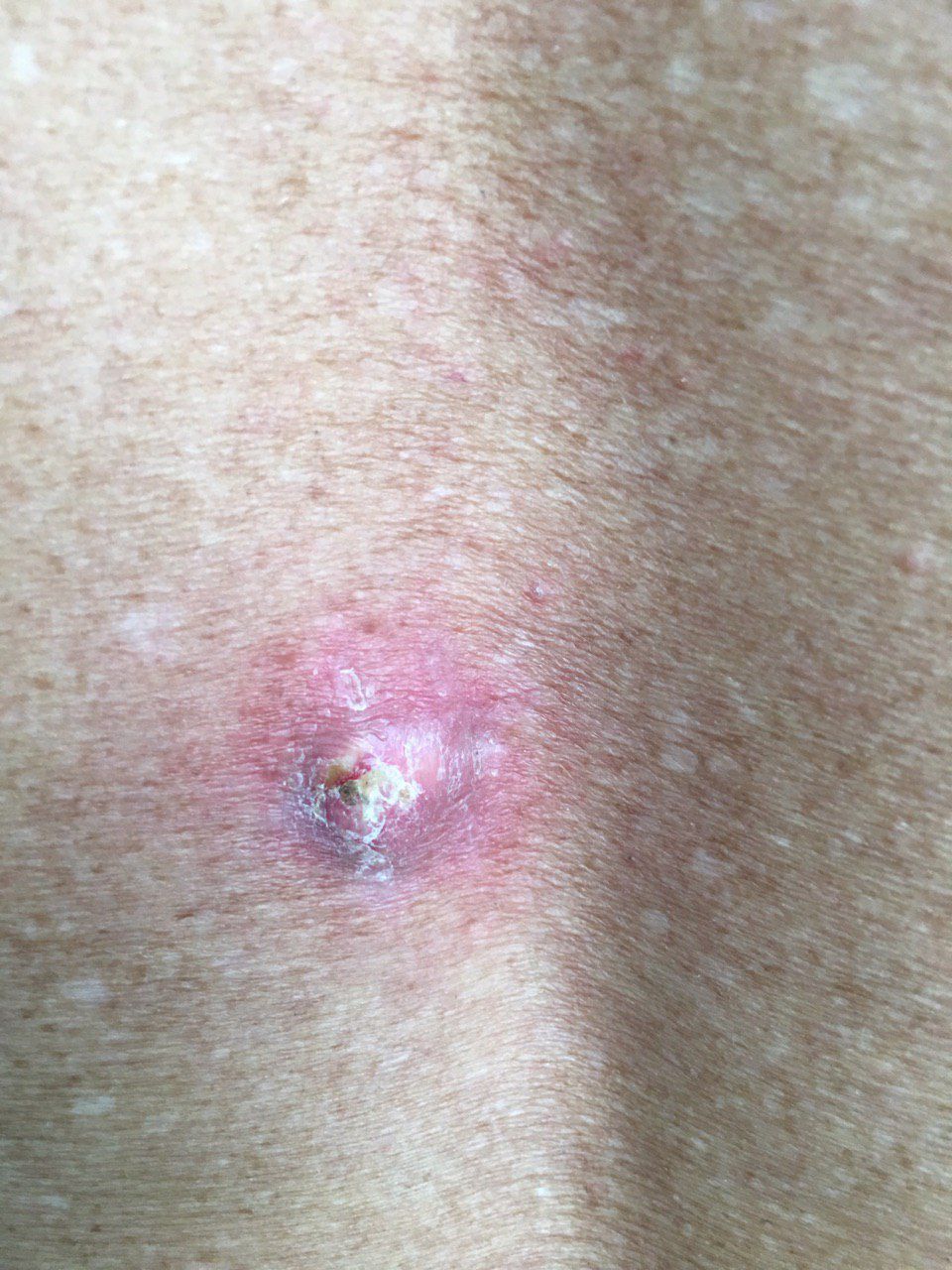
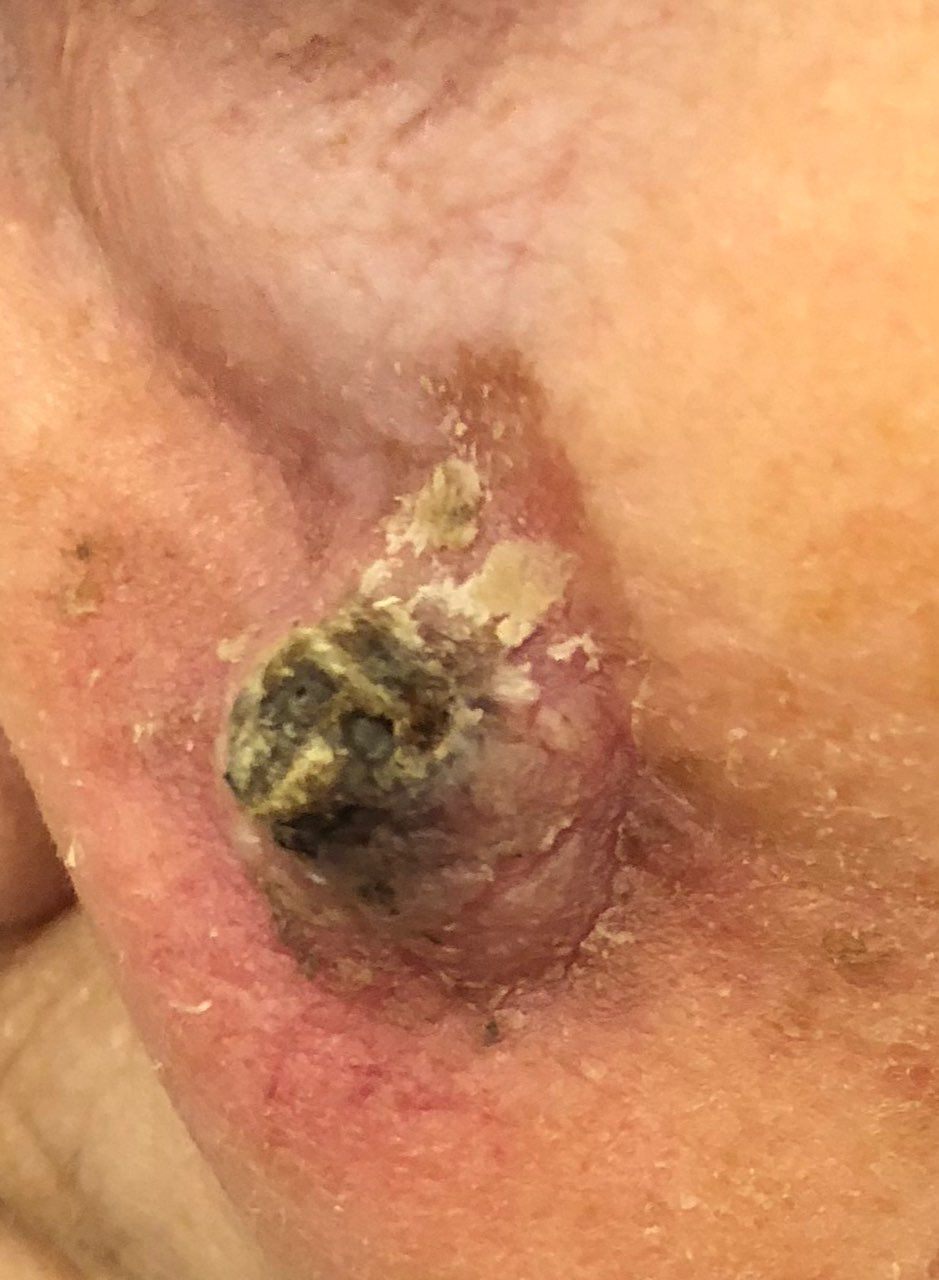
Squamous cell skin cancer can look different, but there are typical signs.
Most often it is:
- a plaque or nodule
- pink or reddish in color
- with an uneven surface
On the surface there may appear:
- crusts
- thickened skin areas (keratinization)
- ulcers
The lesion often bleeds easily even with minor injury.
Sometimes it looks like:
- an ulcer with a central depression
- or a firm raised nodule
Over time, the tumor may grow quickly and penetrate deeper layers of the skin.
Most often these changes appear on the face, scalp, and neck, and less often on the trunk and limbs.
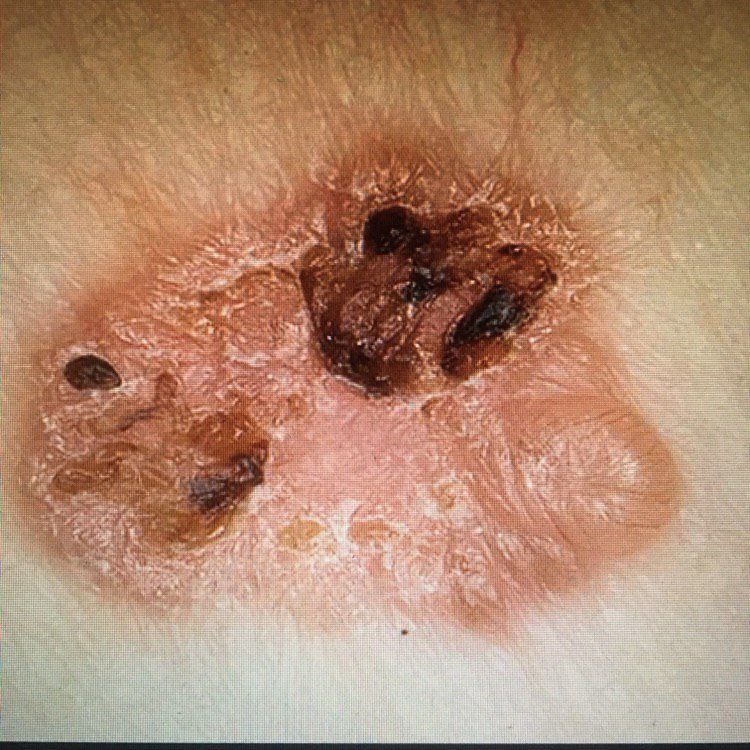
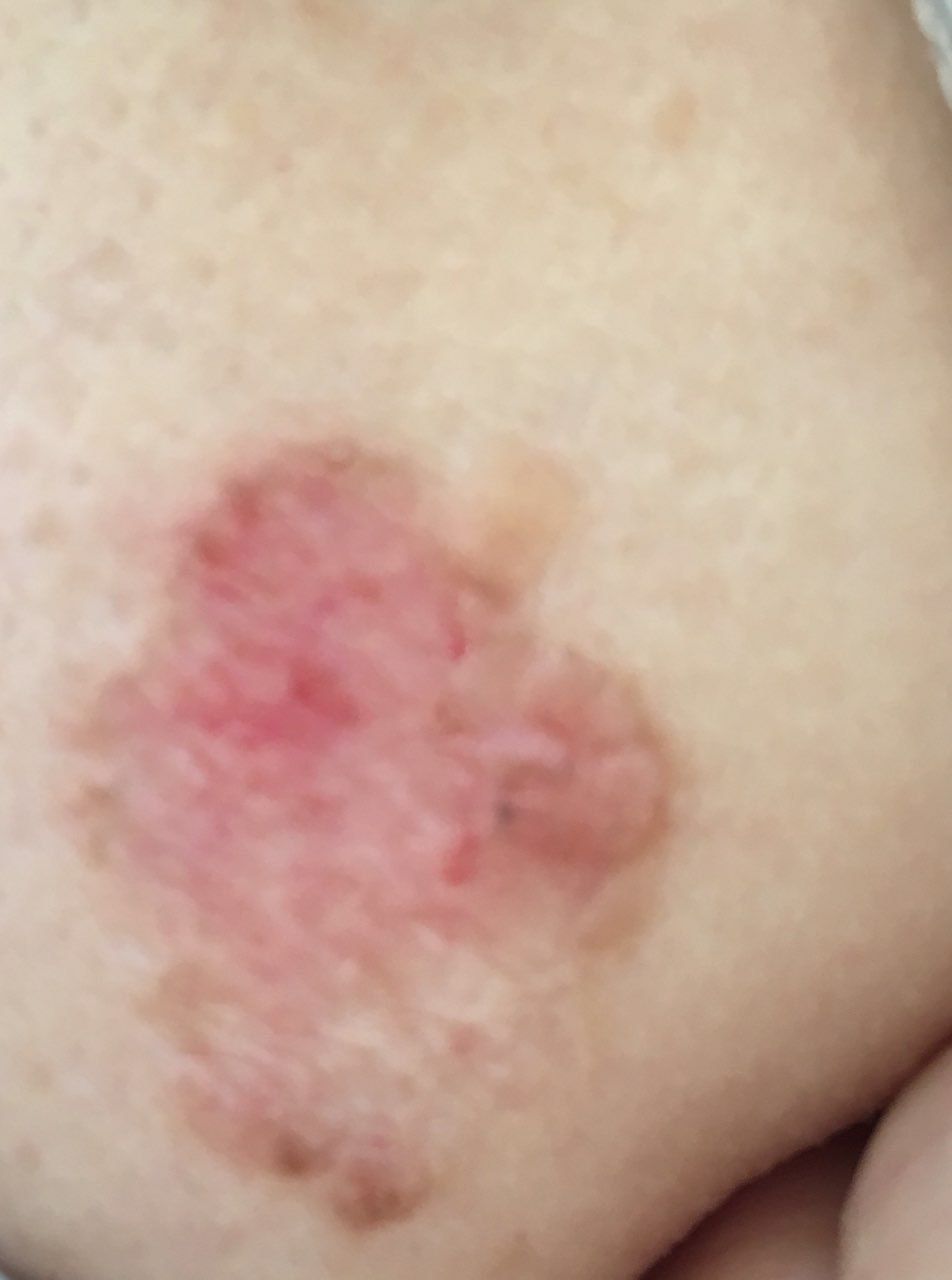
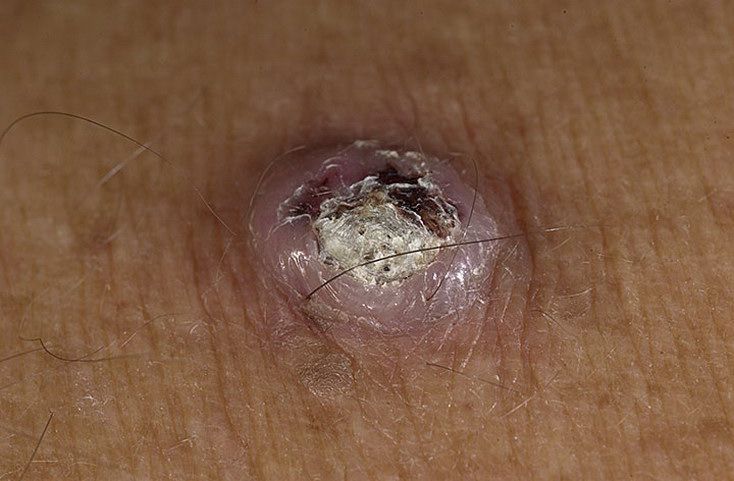
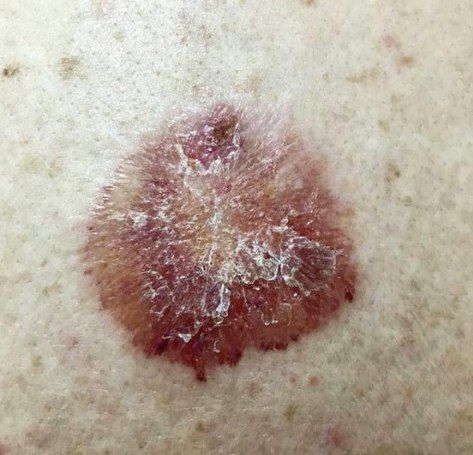
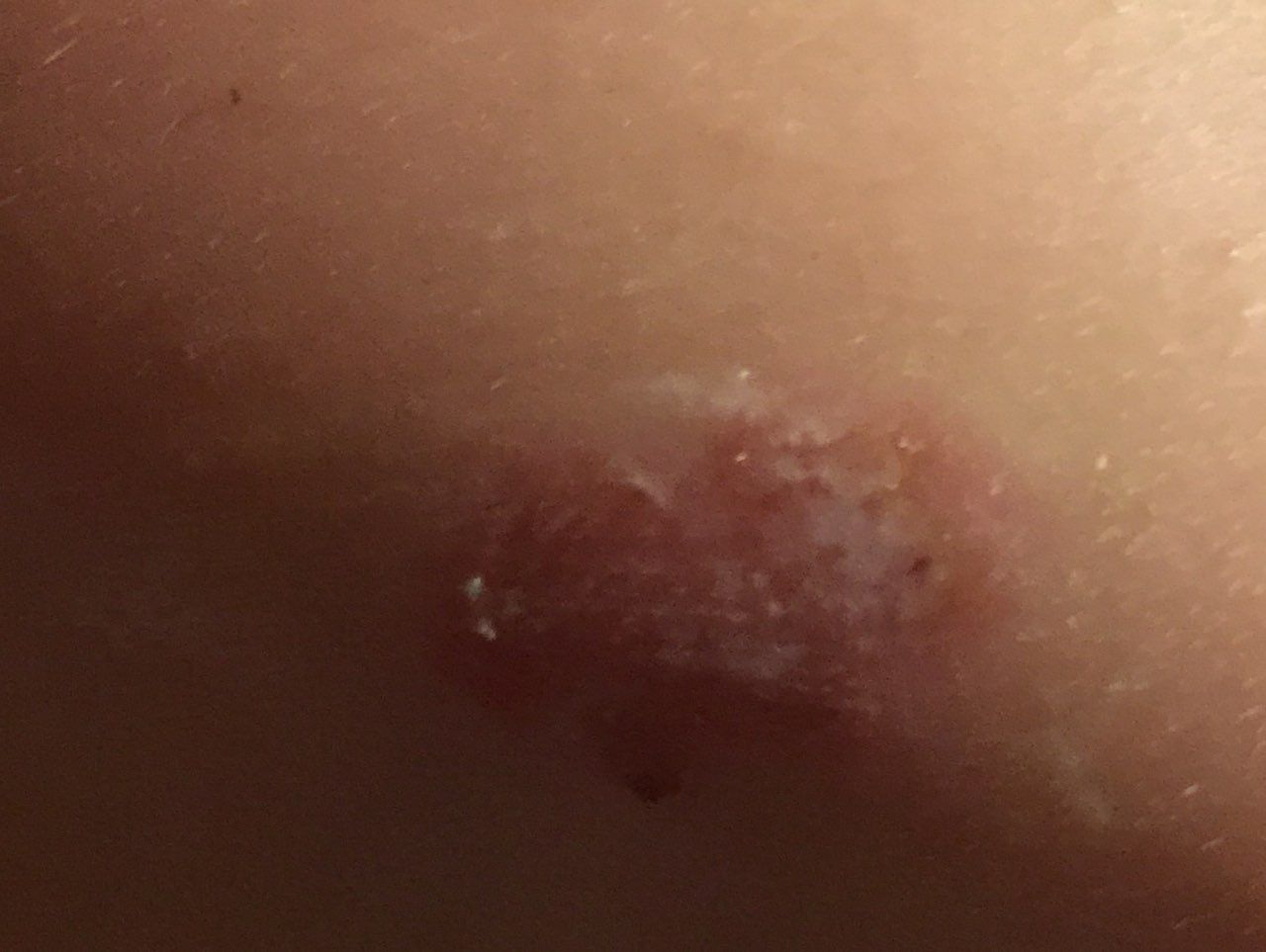
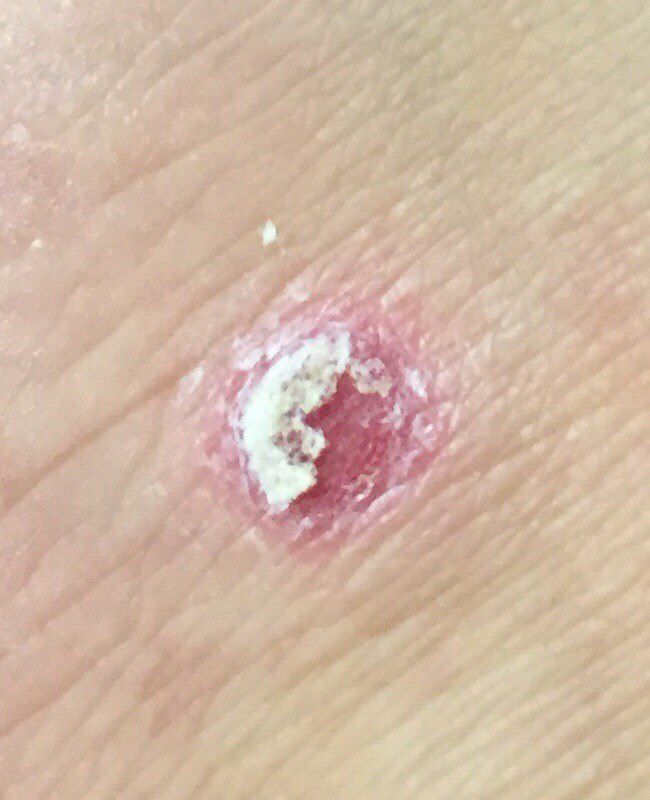
Below in the article you can view real photos to better understand what the disease looks like.
Main symptoms
In the early stages, symptoms may be mild.
Possible signs:
- appearance of a new lesion
- rapid increase in size
- bleeding
- formation of crusts or ulcers
The skin in that area may feel firmer than surrounding tissue. Pain is usually absent but may appear with deeper tumor growth.
Causes of the disease
The exact cause is unknown, but risk factors are known.
External factors:
- long-term exposure to ultraviolet radiation
- ionizing radiation
- contact with chemical substances
- chronic skin injuries
Internal and additional factors:
- some chronic skin diseases
- possible role of human papillomavirus (HPV)
- age
How the disease develops
Squamous cell carcinoma develops from skin cells that begin to divide abnormally.
The tumor may:
- grow on the surface
- then penetrate deeper layers of the skin
Over time, cells may spread through the lymphatic system or blood to other parts of the body.
Forms and types
Squamous cell skin cancer may have different forms:
- superficial plaques
- nodular formations
- ulcerative forms
The appearance depends on the stage and depth of the lesion.
When to see a doctor
You should consult a specialist if:
- a new skin lesion appears
- it grows quickly
- bleeding or ulceration occurs
- the lesion does not heal for a long time
Any such changes require medical evaluation.
Treatment
The main treatment method is surgical removal of the tumor with a margin of healthy tissue.
Additionally, the following may be used:
- radiation therapy
- other methods — depending on indications
The treatment method is selected individually depending on the size, depth, and location of the tumor.
Important:
- treatment must be carried out under medical supervision
- superficial removal methods (laser, cryodestruction) are not suitable
Additionally important:
- protect the skin from the sun
- attend regular check-ups
Questions and answers
Can squamous cell skin cancer be cured?
Yes, if detected early, it is often successfully treated.
How dangerous is it?
It is a malignant tumor with a risk of spreading, so timely treatment is important.
How is it treated?
The main method is surgical removal, sometimes with additional therapy.
Is it more dangerous than basal cell carcinoma?
Yes, the risk of spread is higher, so it requires closer attention.
Can it come back?
Yes, recurrence is possible, so follow-up after treatment is important.
Can it be left untreated if there is no pain?
No, even without pain the tumor may progress.
How can the risk be reduced?
It is important to protect the skin from the sun and avoid skin damage.
Is follow-up needed after treatment?
Yes, regular check-ups help detect new changes in time.
Check Your Skin Instantly
Use the Melanoma app: Skinive AI to take a photo of a skin lesion and get an AI-based risk assessment. It helps determine whether professional consultation is recommended, giving you fast guidance and peace of mind.
Medical sources
- World Health Organization (WHO)
- National Cancer Institute (NCI)
- American Academy of Dermatology (AAD)
- NCCN Clinical Practice Guidelines in Oncology (Squamous Cell Skin Cancer)
🇬🇧 Squamous cell skin cancer: Diagnosis and Treatment in the UK
If you notice suspicious or skin cancer lesions, such as a new growth, persistent sore, or changes in an existing spot—including a raised bump, ulceration, or slow-healing lesion—it’s important to contact your GP immediately and seek professional care, which in the UK is available via the NHS, private clinics, or online dermatology consultations.
👉 How to See a Dermatologist in the UK NHS – This main guide explains how NHS referrals work, what to expect from specialist dermatology services, and how to choose between public and private care.
Dermatologists in Major UK Cities:
- Dermatologist in London
- Dermatologist in Manchester
- Dermatologist in Liverpool
- Dermatologist in Birmingham
- Dermatologist in Leeds
- Dermatologists in Other UK cities
Online Dermatology
If you prefer remote care or faster access, try online dermatology consultations. They allow dermatologists to review images, provide advice, and guide next steps without visiting a clinic. Read more in this article: Online Dermatologists in UK.
🇦🇺 Squamous cell skin cancer: Diagnosis and Treatment in Australia
If you notice suspicious or skin cancer lesions, such as a new growth, persistent sore, or changes in an existing spot—including a raised bump, ulceration, or slow-healing lesion—it’s important to contact your GP immediately and seek professional care. In Australia, dermatology care is available via Medicare (public system), private clinics, or online consultations.
👉 How to See a Dermatologist in Australia – This main guide explains how referrals work through GPs and public clinics, what to expect from specialist dermatology services, and how to choose between public and private care.
Dermatologists in Major Australian Cities:
- Dermatologist in Sydney
- Dermatologist in Melbourne
- Dermatologist in Brisbane
- Dermatologist in Perth
- Dermatologist in Adelaide
- Dermatologists in other Australian cities
Online Dermatology
For faster access or remote care, online dermatology consultations allow dermatologists to review images, provide advice, and guide next steps without visiting a clinic. Read more in this article: Online Dermatologists in Australia.
Images of squamous cell skin cancer :




** Should you identify any copyright infringement regarding the images on this page, kindly reach out to us at info@skinive.com.
Furthermore, please be advised that these photos are not authorized for any purpose.