
Medicare Referrals, Costs, Waiting Times & Skin Cancer Clinics Explained
Introduction: How Dermatology Care Works in Australia
Accessing a dermatologist in Australia involves understanding how the country’s healthcare system operates. Unlike some countries where patients can directly book a specialist, Australia typically follows a GP referral pathway, supported by the national public insurance system, Medicare.
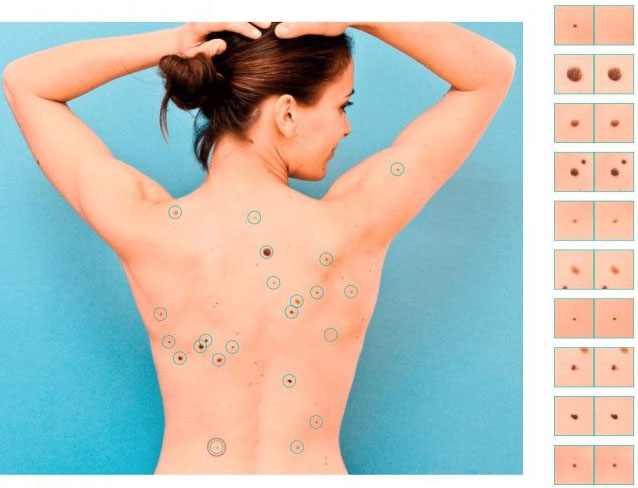
Australia has one of the highest rates of skin cancer in the world. As a result, dermatology services are in high demand — particularly for:
- Suspicious or changing moles
- Skin cancer screening
- Chronic inflammatory conditions (eczema, psoriasis)
- Severe acne
- Rosacea
- Unexplained rashes
- Hair and scalp disorders
Dermatology care is available through:
- Public hospitals (Medicare-funded)
- Private dermatology clinics
- Dedicated skin cancer clinics
- Teledermatology services
However, waiting times, costs, and referral requirements vary significantly depending on which pathway you choose.
This guide explains:
- Whether you need a referral
- How Medicare rebates work
- Public vs private waiting times
- Typical consultation costs
- The role of skin cancer clinics
- How teledermatology fits into the system
How the Australian Dermatology System Works
Australia operates a mixed public–private healthcare system. Dermatology services are delivered through both sectors.
Public Dermatology (Medicare & Public Hospitals)
In the public system, dermatology services are delivered primarily through hospital outpatient departments and specialist clinics funded by Medicare.
Key characteristics:
- A GP referral is required
- Services are subsidised or fully covered
- Patients are triaged by urgency
- Waiting times can be long for non-urgent cases
Conditions suspected to involve skin cancer or severe inflammatory disease are usually prioritised. Routine or cosmetic concerns may experience extended waiting periods.
Public dermatology is typically appropriate for:
- Suspected melanoma or non-melanoma skin cancer
- Severe psoriasis or eczema
- Autoimmune skin disease
- Complex diagnostic cases
For non-urgent issues, patients often choose the private sector due to shorter waiting times.
Private Dermatologists
Private dermatology clinics operate independently of the public hospital system. While most still require a GP referral to access Medicare rebates, appointment availability is generally much faster.
Typical features of private care:
- Shorter waiting times (often weeks rather than months)
- Out-of-pocket costs (gap payments)
- Greater flexibility in appointment scheduling
- Access to procedural dermatology (biopsy, excision, cosmetic treatments)
Typical Costs (Approximate Ranges)
| Service | Estimated Cost (AUD) | Medicare Rebate Applies |
|---|---|---|
| Initial consultation | $250–$400 | Yes (with referral) |
| Follow-up consultation | $150–$250 | Yes |
| Skin biopsy | $150–$300 | Partial rebate |
| Minor excision | $300–$800 | Partial rebate |
Patients with private health insurance may receive additional rebates depending on their level of cover.
When Should You See a Dermatologist in Australia?
Most skin concerns are initially assessed by a GP, who can determine whether specialist referral is appropriate. However, certain symptoms and patterns warrant more urgent or direct dermatological evaluation — particularly in a country with high ultraviolet exposure and elevated skin cancer rates.
Dermatology referral is typically recommended when a condition is persistent, progressive, diagnostically uncertain, or not responding to first-line treatment.
You should consider specialist assessment if you experience:
- A mole that is changing in size, colour, or shape
- A new pigmented lesion appearing in adulthood
- A lesion that bleeds, crusts, or does not heal
- Severe or treatment-resistant acne
- Chronic eczema or psoriasis not controlled with GP management
- Recurrent or unexplained rashes
- Sudden or patchy hair loss
In Australia, particular attention is given to evolving pigmented lesions. Early detection of melanoma significantly improves outcomes, which is why suspicious skin changes are usually prioritised within the referral system.
If a lesion appears rapidly changing, ulcerated, or associated with systemic symptoms, prompt GP assessment is recommended to facilitate urgent referral under the Medicare triage framework.
Do You Need a GP Referral to See a Dermatologist in Australia?
In most cases, yes — a GP referral is required if you want to access specialist dermatology care with a Medicare rebate.
Australia operates a structured primary care model. A general practitioner (GP) acts as the gatekeeper to specialist services, including dermatology.
Step-by-Step: How the Referral Process Works
- Book an appointment with your GP
- Discuss your skin concern (rash, mole change, acne, etc.)
- Receive a written referral to a dermatologist
- Book your specialist consultation
- Claim your Medicare rebate after the appointment
A referral is typically valid for:
- 12 months (standard referral)
- 3 months (urgent referral)
What Happens If You Don’t Have a Referral?
- You may still see a private dermatologist
- However, you usually won’t receive a Medicare rebate
- You may need to pay the full consultation fee
Are There Exceptions?
Some skin cancer clinics and teledermatology services allow direct booking without a GP referral. However, rebate eligibility depends on the service structure and provider type.
If you’re unsure whether specialist care is necessary, a GP consultation is the safest and most cost-effective first step.
Skin Cancer Clinics in Australia: How They Fit Into the System
Skin cancer clinics are a distinctive and well-established part of Australia’s healthcare landscape. Given the country’s high incidence of melanoma and non-melanoma skin cancer, a parallel network of dedicated skin cancer centres has developed alongside traditional dermatology services.
Unlike the standard pathway of GP referral followed by specialist consultation, many skin cancer clinics allow patients to book directly. Depending on how the clinic operates, services may be delivered by general practitioners with advanced training in dermoscopy and skin cancer medicine, or by specialist dermatologists. Where appropriate referral and billing requirements are met, consultations may be eligible for rebates through Medicare.
These clinics typically focus on:
- Comprehensive full-body skin checks
- Dermoscopic assessment of suspicious lesions
- Biopsies
- Minor surgical excisions
- Ongoing surveillance for high-risk patients
It is important to distinguish between skin cancer clinics and specialist dermatologists. Skin cancer clinics are highly efficient for the detection and procedural management of suspicious lesions. However, broader dermatological conditions — such as severe psoriasis, autoimmune skin disease, complex inflammatory disorders, or paediatric dermatology — are generally managed by specialist dermatologists.
For many Australians, the choice between a dermatologist and a skin cancer clinic depends on the nature of the concern. A changing mole may be assessed more quickly at a dedicated clinic, whereas chronic or diagnostically complex conditions are more appropriately managed by a specialist.
Waiting Times in Australia: Public and Private Differences
Waiting times for dermatology in Australia vary significantly depending on whether care is accessed through the public hospital system or privately.
Within the public system, specialist dermatology services are funded through Medicare and delivered primarily via hospital outpatient departments. Patients are triaged according to clinical urgency. Suspected melanoma, aggressive skin cancers, or severe inflammatory disease are prioritised, while stable and non-urgent conditions may face extended delays.
Private dermatology practices operate outside the hospital triage system, which generally allows for faster booking. Skin cancer clinics, due to their procedural focus and high volume model, often provide even quicker access for lesion assessment.
Teledermatology has introduced an additional access pathway, particularly for preliminary evaluation or follow-up management.
Typical Waiting Times in Australia
| Pathway | Referral Required | Typical Waiting Time | Best For |
|---|---|---|---|
| Public hospital dermatology | Yes | 3–12+ months (non-urgent) | Complex or severe medical conditions |
| Public (urgent triage) | Yes | 2–6 weeks | Suspected melanoma or high-risk lesions |
| Private dermatologist | Usually | 2–8 weeks | Faster access to specialist care |
| Skin cancer clinic | Often no | A few days to 3 weeks | Mole checks and lesion assessment |
| Teledermatology | Sometimes | 1–7 days | Preliminary review and triage |
Waiting times vary by state, metropolitan vs regional location, and seasonal demand.
In large metropolitan areas such as Sydney and Melbourne, private waiting times are typically shorter due to greater specialist density. Regional and remote areas may experience longer delays, particularly within the public hospital system.
For many patients, the decision comes down to balancing cost against speed of access — a trade-off that reflects the broader structure of Australia’s Medicare-based healthcare model.
Costs of Dermatology Care in Australia
The cost of dermatology care in Australia depends on whether services are accessed through the public hospital system or in private practice. Because specialist care is partially subsidised through Medicare, most patients receive a rebate when a valid GP referral is provided — but out-of-pocket costs often remain.
In the public system, outpatient dermatology consultations are generally covered by Medicare. There is typically no direct consultation fee, but waiting times may be considerably longer.
In private practice, patients usually pay the full consultation fee upfront and then claim a Medicare rebate. The difference between the specialist’s fee and the rebate is known as the “gap”.
Below is an approximate overview of common dermatology costs in Australia.
Typical Dermatology Costs in Australia (AUD)
| Service | Public (Medicare) | Private Practice (Before Rebate) | Telehealth / Online | Notes |
|---|---|---|---|---|
| GP consultation | $0 (bulk billed) or $70–$120 | Same | $50–$100 | Referral usually required |
| Initial dermatologist consultation | Covered (hospital clinic) | $250–$400 | $150–$300 | Medicare rebate applies with referral |
| Follow-up dermatologist visit | Covered | $150–$250 | $100–$200 | Partial rebate |
| Skin cancer full-body check | Covered (if hospital-based) | $120–$250 | Rare | Often done in skin cancer clinics |
| Mole mapping (digital imaging) | Rare in public | $250–$450 | Not typical | Usually private only |
| Skin biopsy | Covered (public) | $150–$300 | Not available | Medicare rebate partial |
| Minor surgical excision | Covered (public) | $300–$800 | Not available | Cost varies by complexity |
All figures are indicative and may vary by state, clinic, and provider.
How Medicare Rebates Work
For private specialist consultations:
- A valid GP referral is usually required
- Medicare reimburses a fixed scheduled fee
- The remaining amount is paid by the patient
Some private dermatologists offer reduced gap fees, while others charge significantly above the Medicare schedule.
Private health insurance generally plays a limited role in outpatient dermatology consultations. It may assist with hospital-based surgical procedures but does not usually eliminate gap payments for standard clinic visits.
What Patients Should Clarify Before Booking
Before confirming a private appointment, patients are advised to check:
- The total consultation fee
- The expected Medicare rebate
- The estimated gap payment
- Additional procedure costs, if applicable
Having clarity on costs helps patients weigh the trade-off between faster private access and longer public waiting times.
Online Dermatology Services in Australia
Online dermatology has become a recognised adjunct to traditional specialist care in Australia. While in-person assessment remains essential for procedural and high-risk cases, digital services now provide a structured pathway for preliminary review, follow-up care, and triage.
Most Australian platforms operate using a secure store-and-forward model, where patients submit clinical images and medical history for asynchronous review by a clinician. Depending on the provider, this may involve a specialist dermatologist or a GP with additional dermatology training.
Several established services currently operate nationally, including:
- Qoctor
- Pilot
- Eucalyptus
These platforms differ in structure, clinical oversight, pricing models and prescription pathways. Some operate within traditional medical practice frameworks and may support Medicare rebates where referral requirements are met. Others function as direct-to-consumer digital services with fixed out-of-pocket fees.
Online dermatology is generally appropriate for:
- Initial assessment of new rashes
- Acne management
- Chronic skin condition follow-up
- Preliminary mole review
- Medication adjustment
However, teledermatology does not replace dermoscopic examination, biopsy, or surgical treatment. Any lesion suspected of malignancy requires in-person evaluation.
For a comprehensive comparison of digital platforms, service models, pricing structures and clinical oversight standards, see our detailed guide to Online dermatology services in Australia.
Dermatology Access in Australia’s Largest Cities
Access to dermatology services varies considerably across Australia’s metropolitan and regional areas. While Medicare governs the overall referral and funding structure, specialist availability differs by city.
Australia’s five largest cities — Sydney, Melbourne, Brisbane, Perth and Adelaide — provide the broadest access to:
- Public hospital dermatology departments
- Private specialist clinics
- Dedicated skin cancer centres
- Teledermatology providers
In Sydney and Melbourne, higher specialist density typically translates into shorter private waiting times. Brisbane and Perth maintain extensive skin cancer clinic networks due to regional UV exposure patterns. Adelaide offers both public and private pathways, though specialist numbers are more limited compared with the eastern seaboard capitals.
For city-specific guidance, including local waiting times, clinic availability, pricing ranges and public referral pathways, see:
- Dermatologists in Sydney
- Dermatologists in Melbourne
- Dermatologists in Brisbane
- Dermatologists in Perth
- Dermatologists in Adelaide
If you are seeking information tailored to your location, we recommend consulting the dedicated page for your city to better understand local access options and expected timelines.
Using AI for Early Skin Risk Assessment
Digital skin assessment tools are increasingly used as a preliminary step before booking a GP or specialist consultation. In Australia’s referral-based system, this can help patients better understand the potential urgency of their concern before entering the Medicare pathway.
Skinive is a CE-marked medical software that provides:
- Image-based skin risk indication
- Structured guidance on potential concern level
- Support for monitoring visible skin changes over time
Remember: It does not provide a medical diagnosis and does not replace in-person clinical examination, dermoscopy, or biopsy.
In the Australian context, AI-supported assessment may be particularly useful:
- Before deciding whether to book a GP appointment
- While waiting for a public dermatology consultation
- For tracking changes in moles between professional skin checks
- For gaining preliminary insight prior to attending a skin cancer clinic
Digital tools should be viewed as triage support rather than definitive clinical evaluation. Any high-risk indication should be followed by face-to-face medical assessment.
How to Choose a Dermatologist in Australia
Selecting a dermatologist involves more than availability. Patients should consider professional registration, clinical focus, waiting time and cost transparency.
All practising dermatologists in Australia must be registered with the Australian Health Practitioner Regulation Agency. Specialist dermatologists typically hold fellowship with the Australasian College of Dermatologists, which recognises accredited specialist training.
When choosing a provider, it is helpful to consider:
- Whether the dermatologist specialises in medical, surgical or cosmetic dermatology
- Experience with skin cancer management
- Availability of dermoscopy or mole mapping
- Expected waiting time for new patients
- Estimated consultation fees and gap payments
- Whether telehealth follow-ups are offered
Patients in metropolitan areas generally have broader private options, whereas regional patients may rely more heavily on telehealth or referral to larger centres.
Taking the time to clarify referral requirements, expected costs and appointment timelines can make the pathway through Australia’s Medicare-based system significantly more predictable.
FAQ: Seeing a Dermatologist in Australia
Do you need a GP referral to see a dermatologist in Australia?
Yes, in most cases you need a GP referral to receive a Medicare rebate for a dermatology consultation.
You can book a private dermatologist without a referral, but you will usually not receive a Medicare reimbursement. Public hospital dermatology services always require referral and triage.
How long does it take to see a dermatologist in Australia?
Waiting times depend on the pathway.
Public hospital dermatology can involve a wait of several months for non-urgent cases, while private dermatologists typically offer appointments within a few weeks. Skin cancer clinics often provide faster access for mole checks.
How much does a dermatologist cost in Australia?
A private initial consultation typically costs between AUD $250 and $400 before Medicare rebate.
Medicare reimburses part of the scheduled fee if you have a valid GP referral. Public hospital dermatology clinics are generally covered by Medicare but may have longer waiting times.
Does Medicare cover dermatology?
Yes, Medicare covers medically necessary dermatology services when referral requirements are met.
Public hospital consultations are usually fully covered. In private practice, Medicare provides a partial rebate, and patients pay the remaining gap.
Can I go directly to a skin cancer clinic?
Yes, many skin cancer clinics allow direct booking without referral.
Some services may still be eligible for Medicare rebates depending on how the clinic operates. Skin cancer clinics focus primarily on lesion detection, biopsy and minor procedures.
Is teledermatology available in Australia?
Yes, online dermatology services operate nationwide.
Some telehealth consultations may qualify for Medicare support if delivered within a registered medical framework. Others operate privately with fixed out-of-pocket fees.
When should you urgently see a doctor for a skin concern?
You should seek prompt medical assessment if you notice a rapidly changing mole, bleeding lesion, non-healing ulcer, or severe spreading rash.
In Australia, suspected melanoma is typically prioritised within the referral system.
Conclusion: Navigating Dermatology Care in Australia
Seeing a dermatologist in Australia involves understanding how referral, triage and funding operate within the Medicareframework.
Patients generally begin with a GP consultation, followed by referral to either public hospital dermatology or private specialist care. Waiting times, costs and access vary depending on urgency, location and chosen pathway. Skin cancer clinics and teledermatology services provide additional access points within the broader system.
By understanding:
- Referral requirements
- Expected waiting times
- Approximate cost ranges
- The role of skin cancer clinics
- The limitations and benefits of online services
patients can make informed decisions aligned with both medical need and practical considerations.
For city-specific guidance, explore our dedicated pages for Sydney, Melbourne, Brisbane, Perth and Adelaide.