
Melanoma is a malignant tumor that develops from pigment-producing skin cells (melanocytes). In most cases it arises in the skin, but it can also occur in other parts of the body.
It is one of the most serious skin diseases because melanoma can grow quickly and spread throughout the body. However, in early stages it is often successfully treated. The condition is not contagious.
Melanoma can develop either from an existing mole or on previously normal-looking skin. It most commonly occurs in people aged 30–50, but it can appear later as well.
Want to analyse and monitor a visible skin change with AI? Learn how the Melanoma Checker App from Skinive uses AI-assisted image analysis and what its results can — and cannot — tell you.
What to do if suspected
If you notice changes in a mole or the appearance of a new unusual spot, it is important not to delay a visit to a doctor.
The first step is to see a dermatologist or oncologist. The doctor will perform an examination, dermoscopy, and if necessary recommend removal of the lesion or a biopsy for an accurate diagnosis.
Additionally:
- any changes in shape, color, or size are a reason for consultation
- if bleeding, itching, or thickening appears — seek medical attention as soon as possible
It is important not to attempt removal of a mole or use folk remedies.
The earlier melanoma is detected, the higher the chance of successful treatment.
How the disease looks
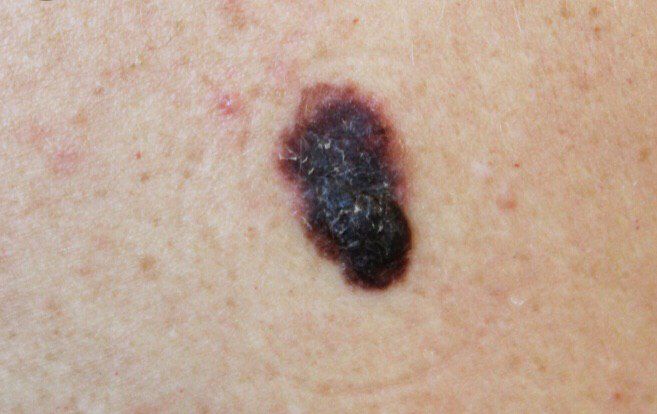
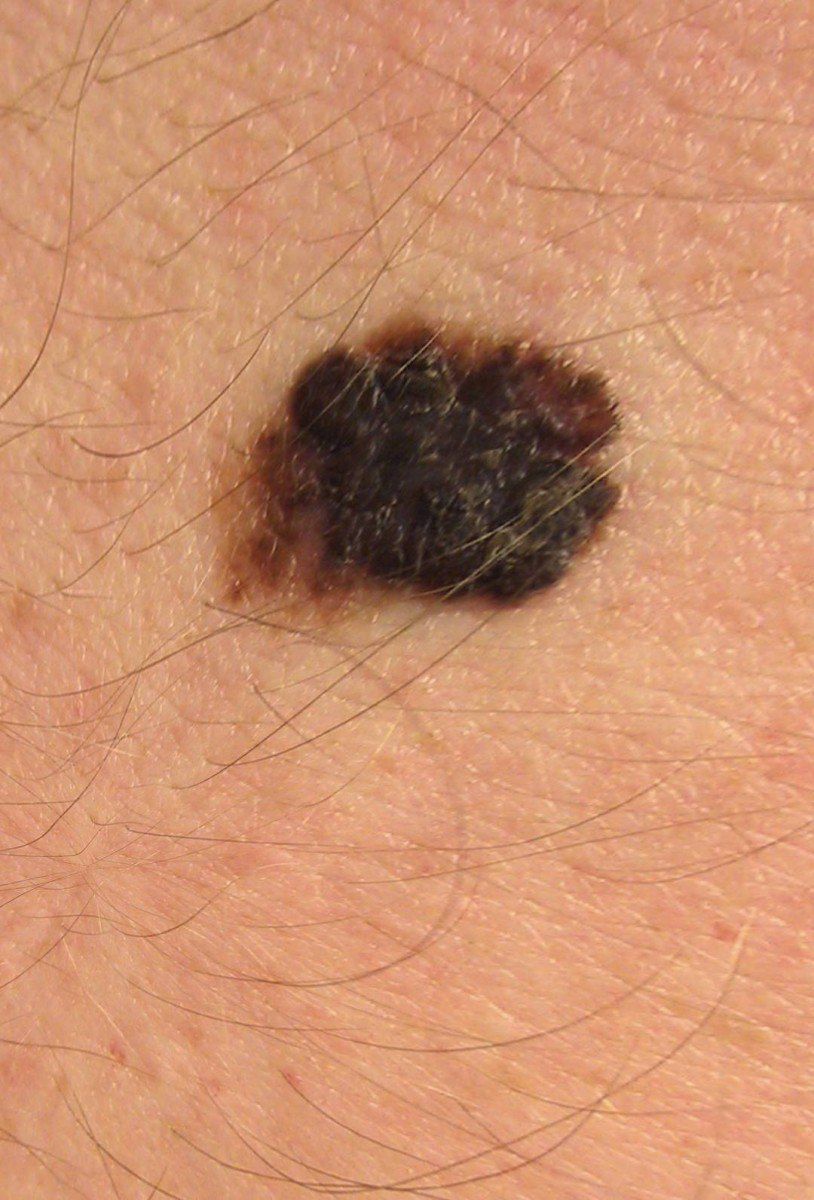
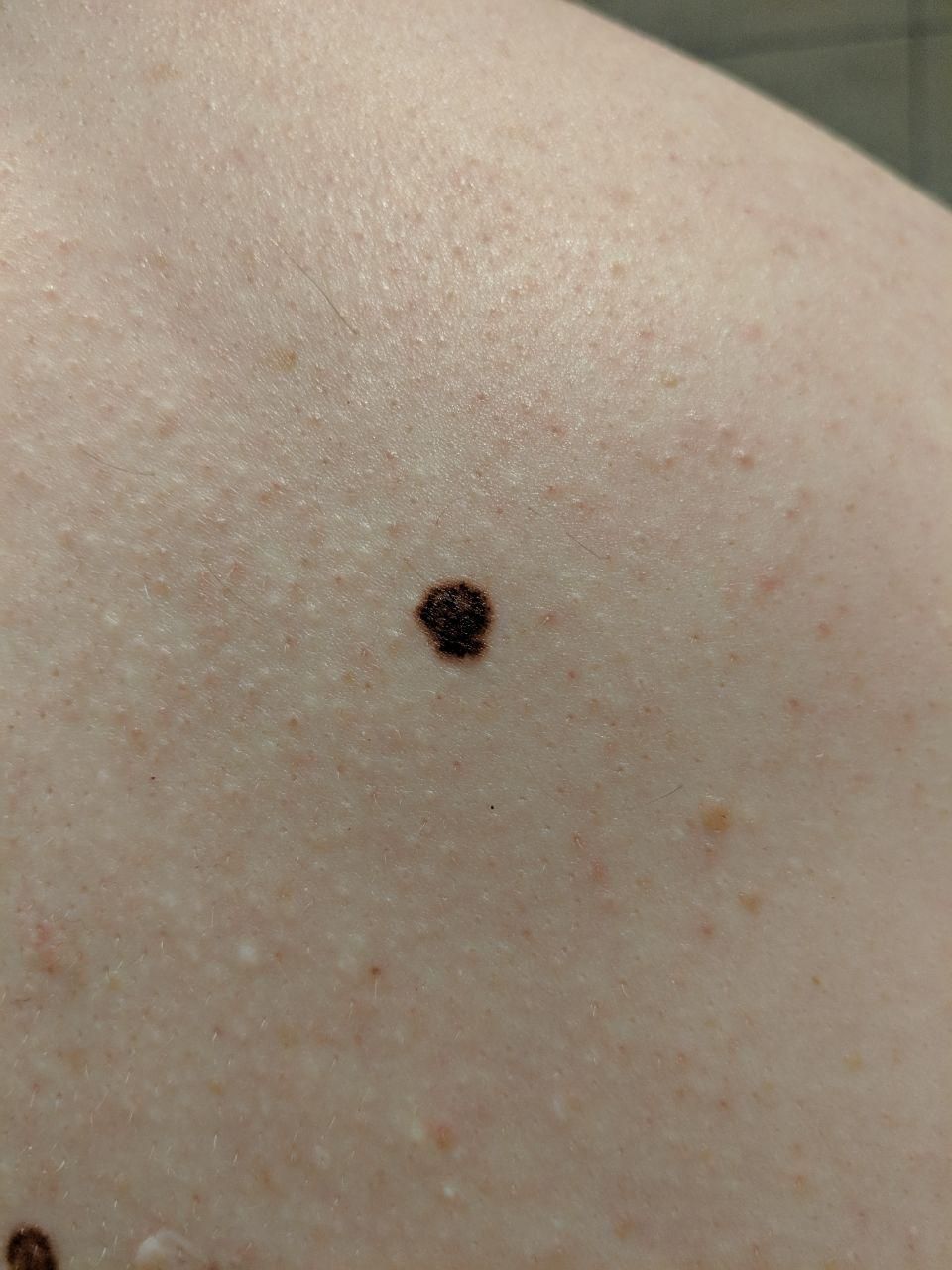
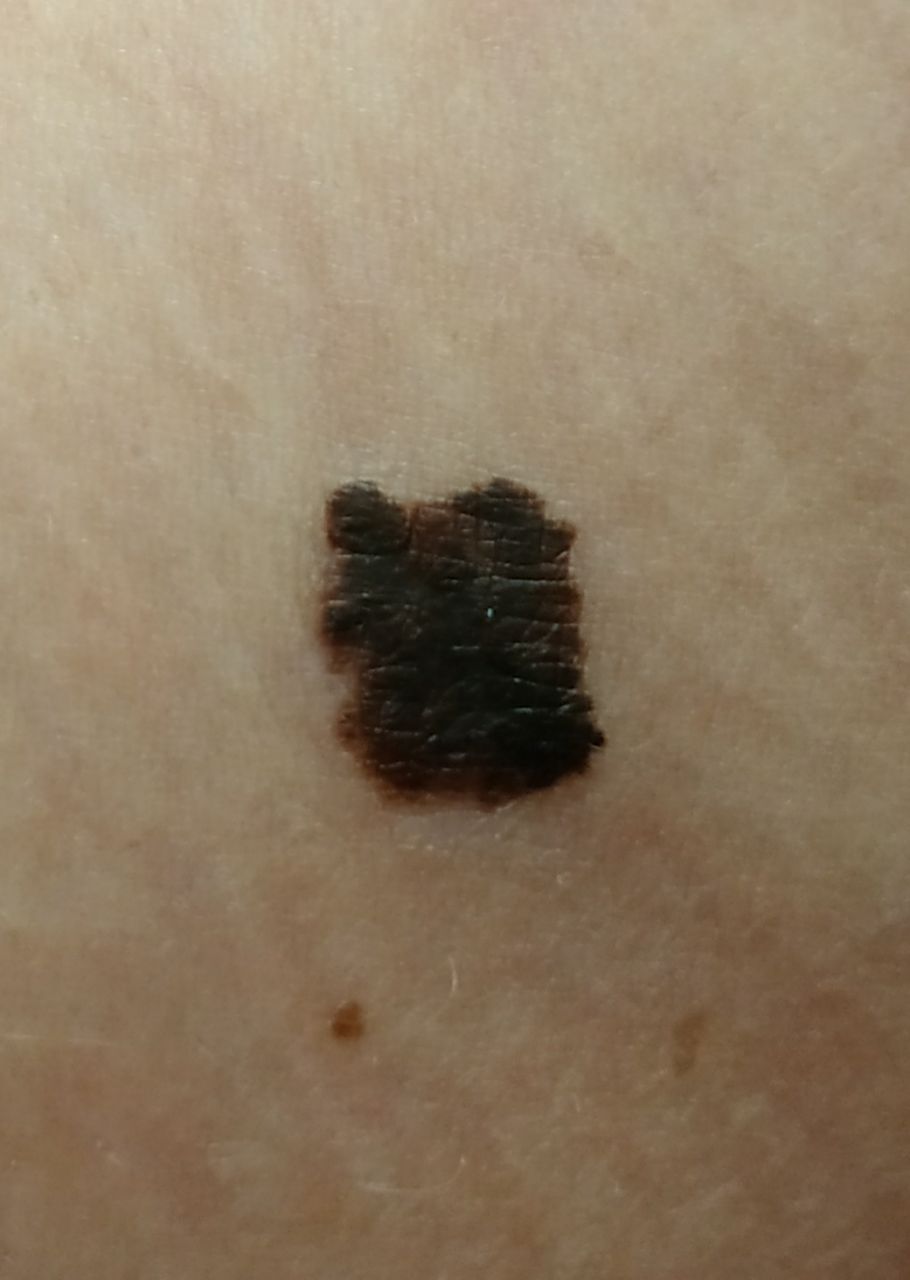
Melanoma can look different, but there are key signs to watch for.
Often it appears as:
- a pigmented patch or nodule
- with irregular shape
- with uneven coloration
The color may include:
- brown and black
- blue, reddish, or whitish tones
Over time, the lesion may develop:
- thickening
- bumpiness
- ulceration or bleeding
A useful guideline is the ABCDE rule:
- asymmetry
- irregular borders
- multiple colors
- diameter greater than ~5–6 mm
- changes over time
Melanoma can appear anywhere on the body. In women it is more common on the legs, in men on the trunk.
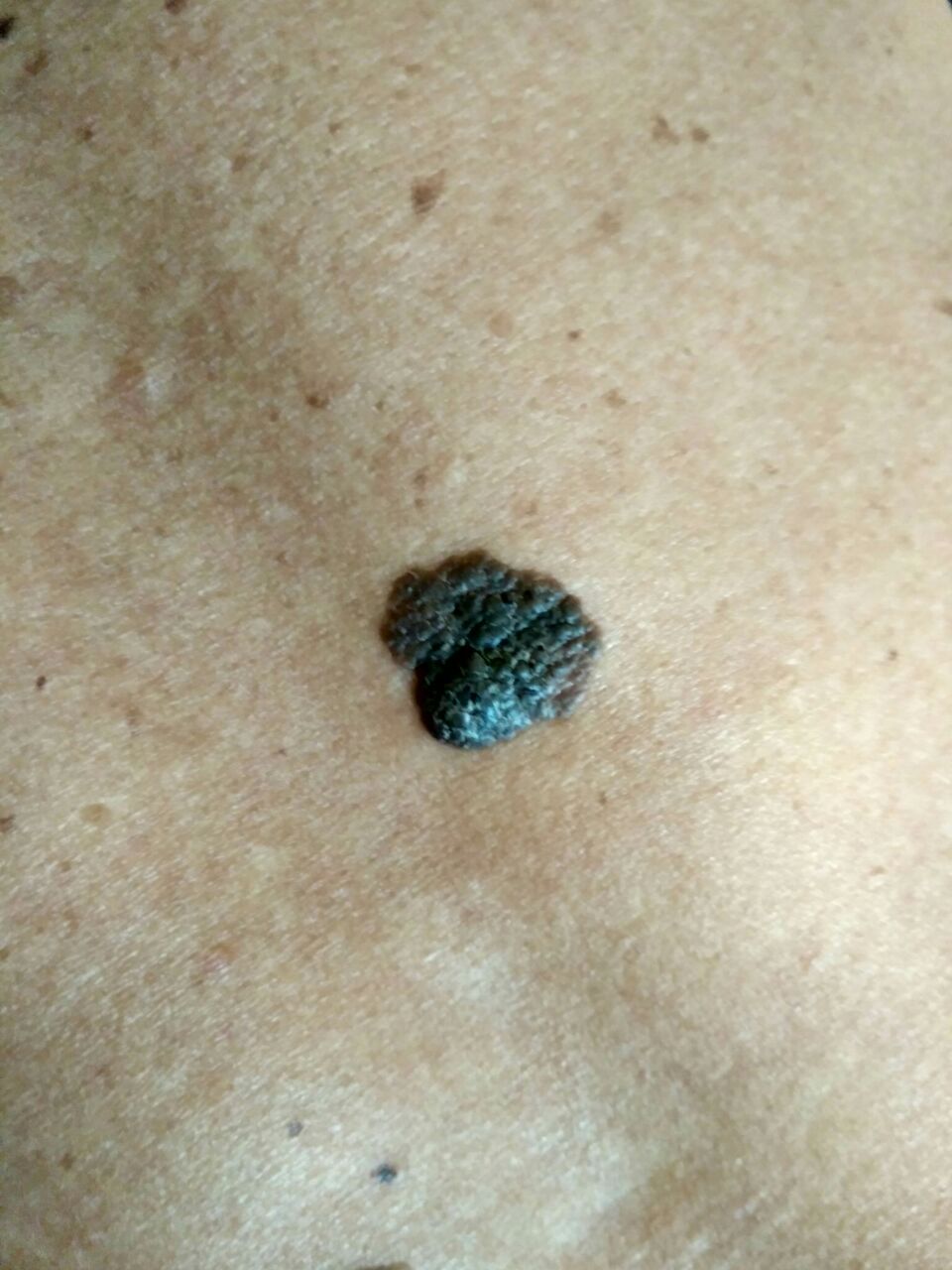
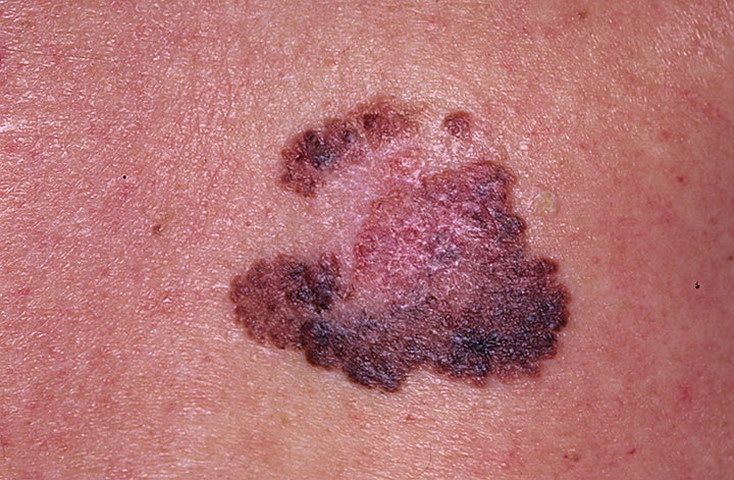
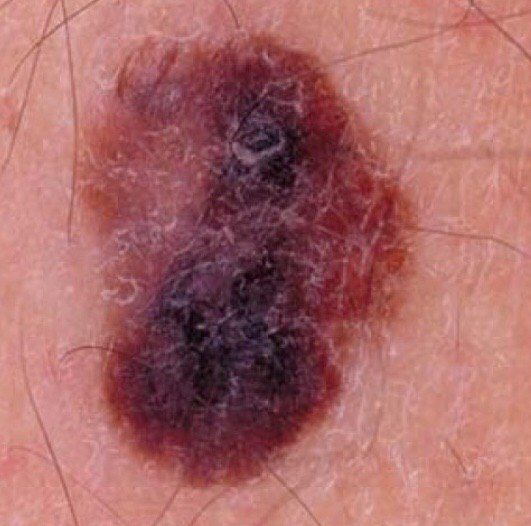
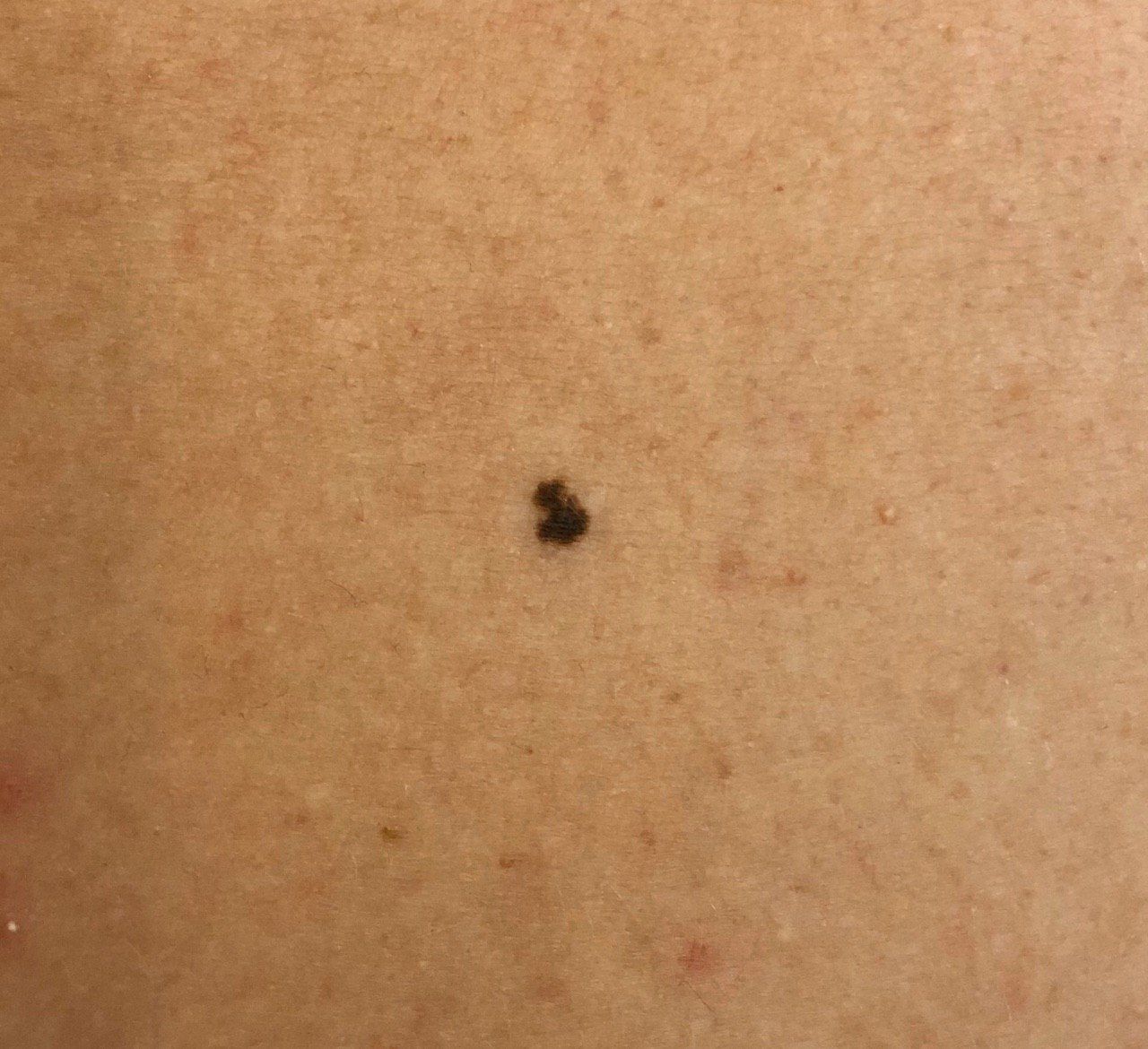
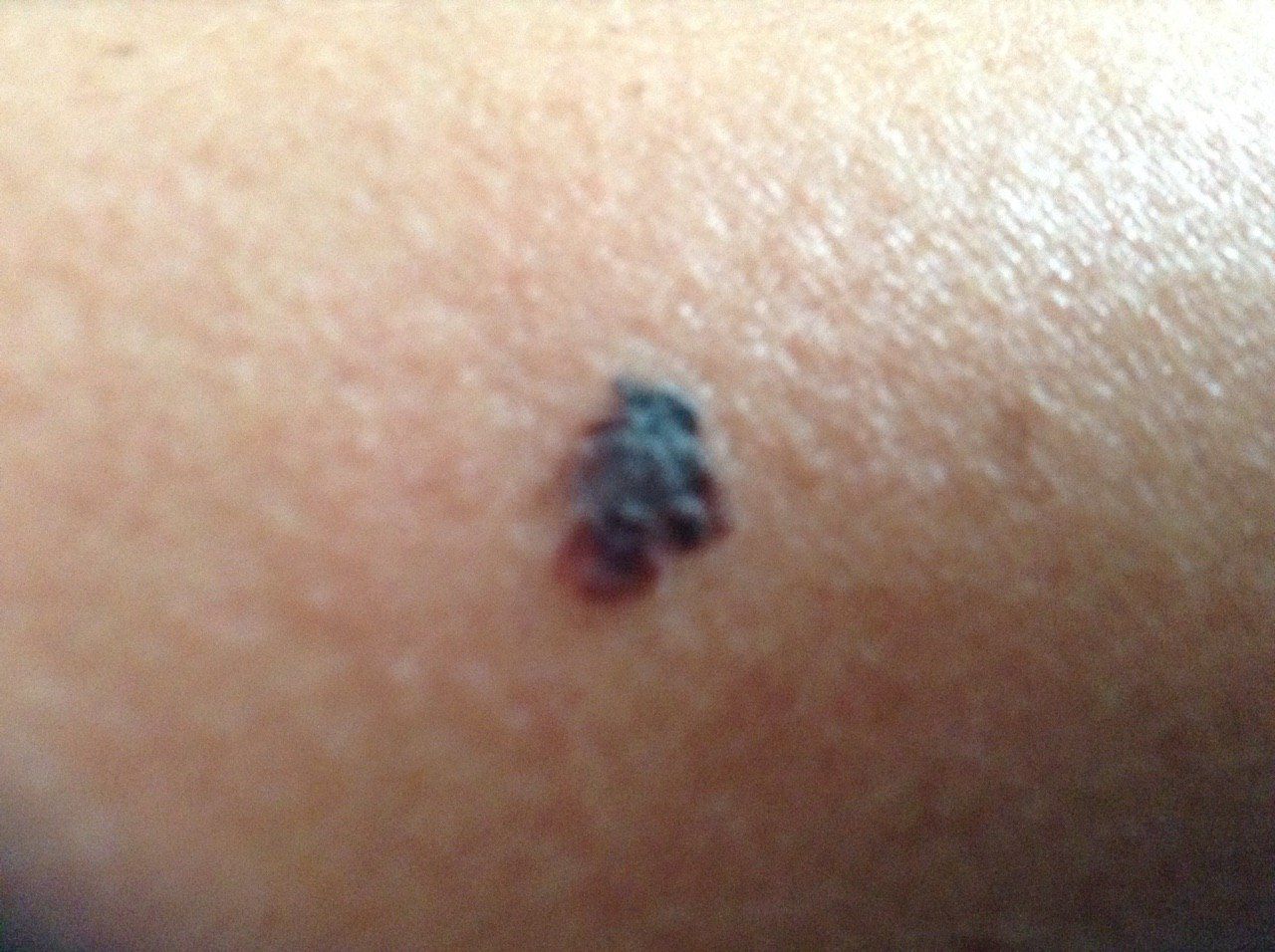
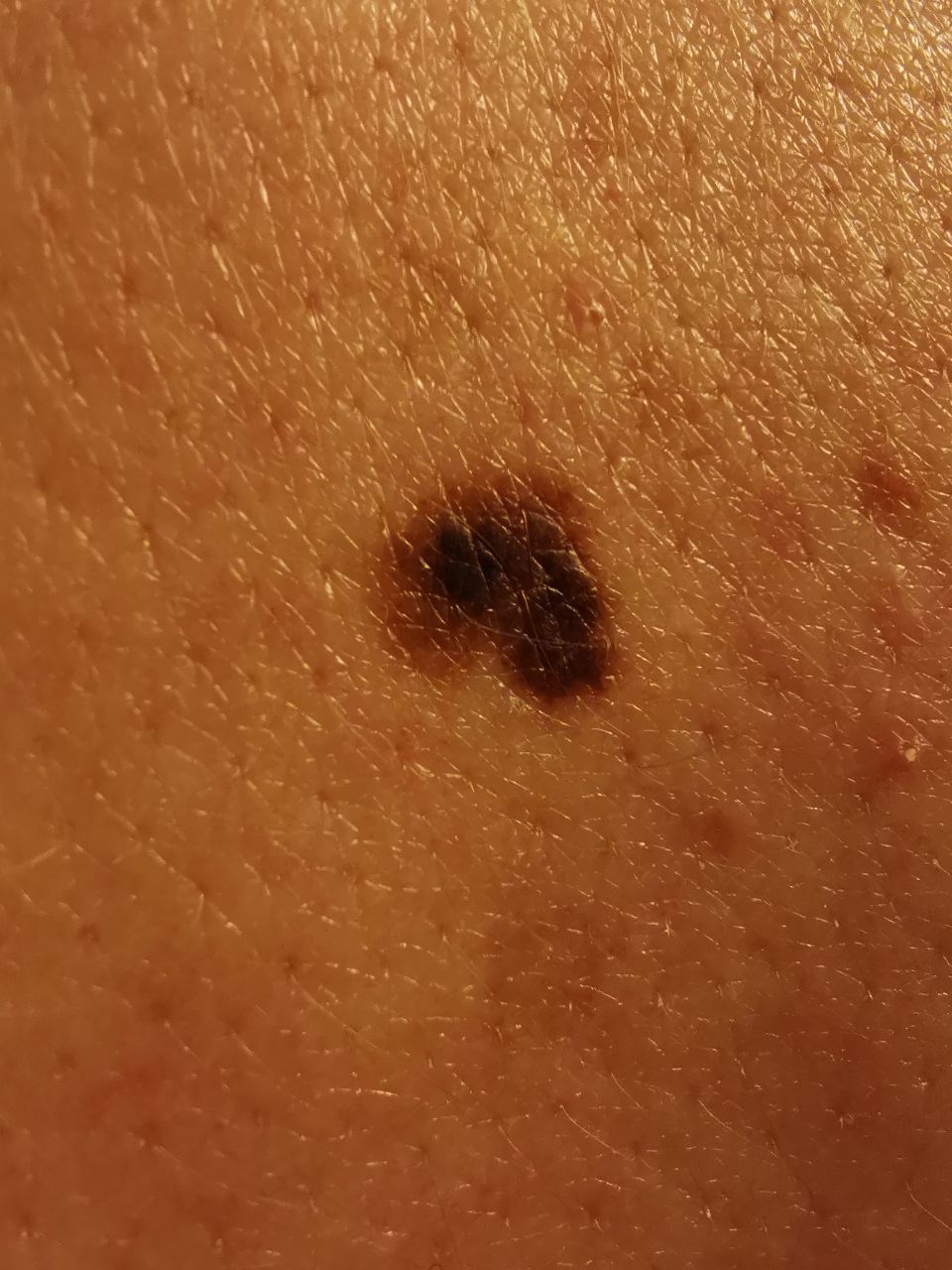
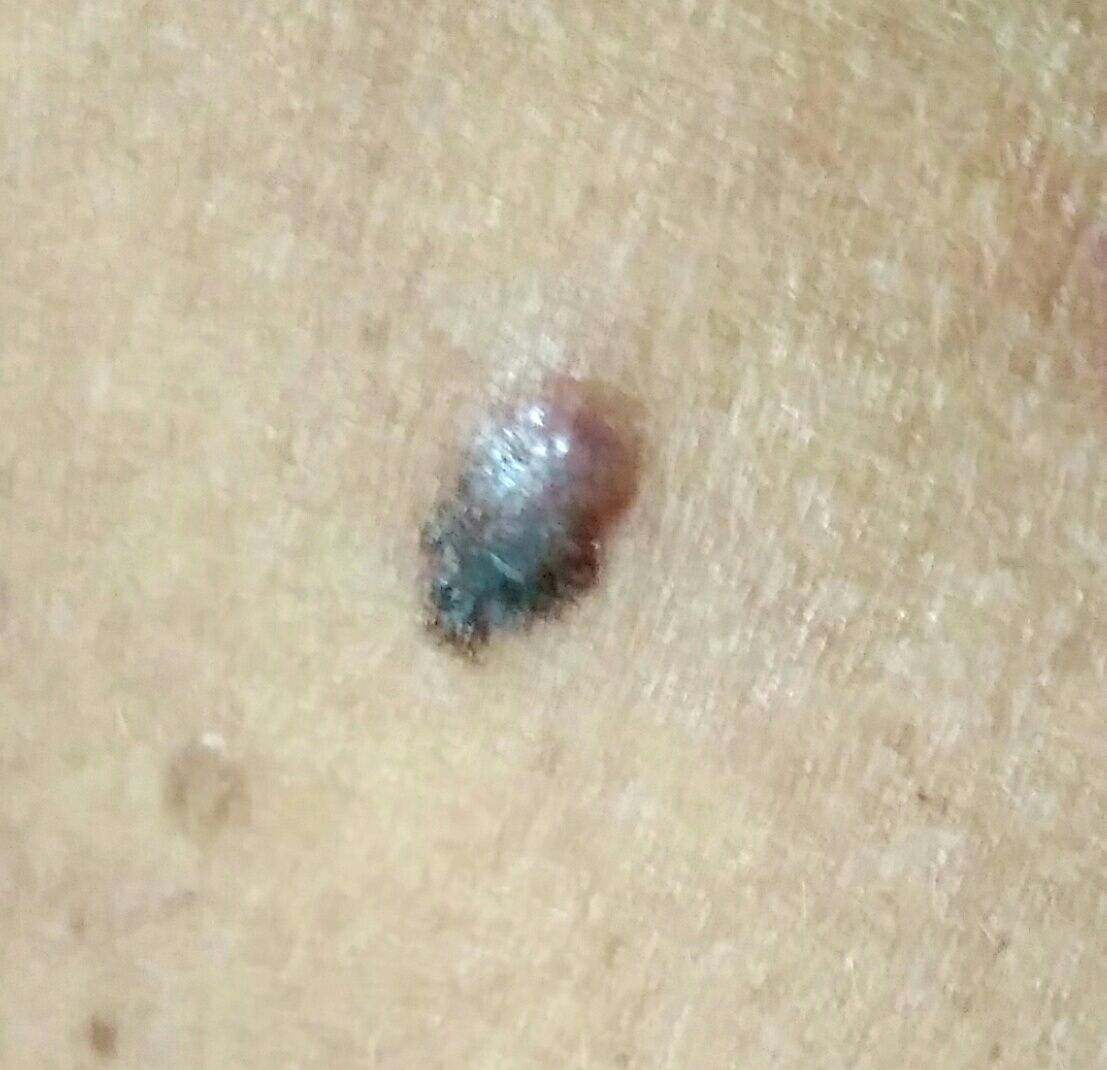
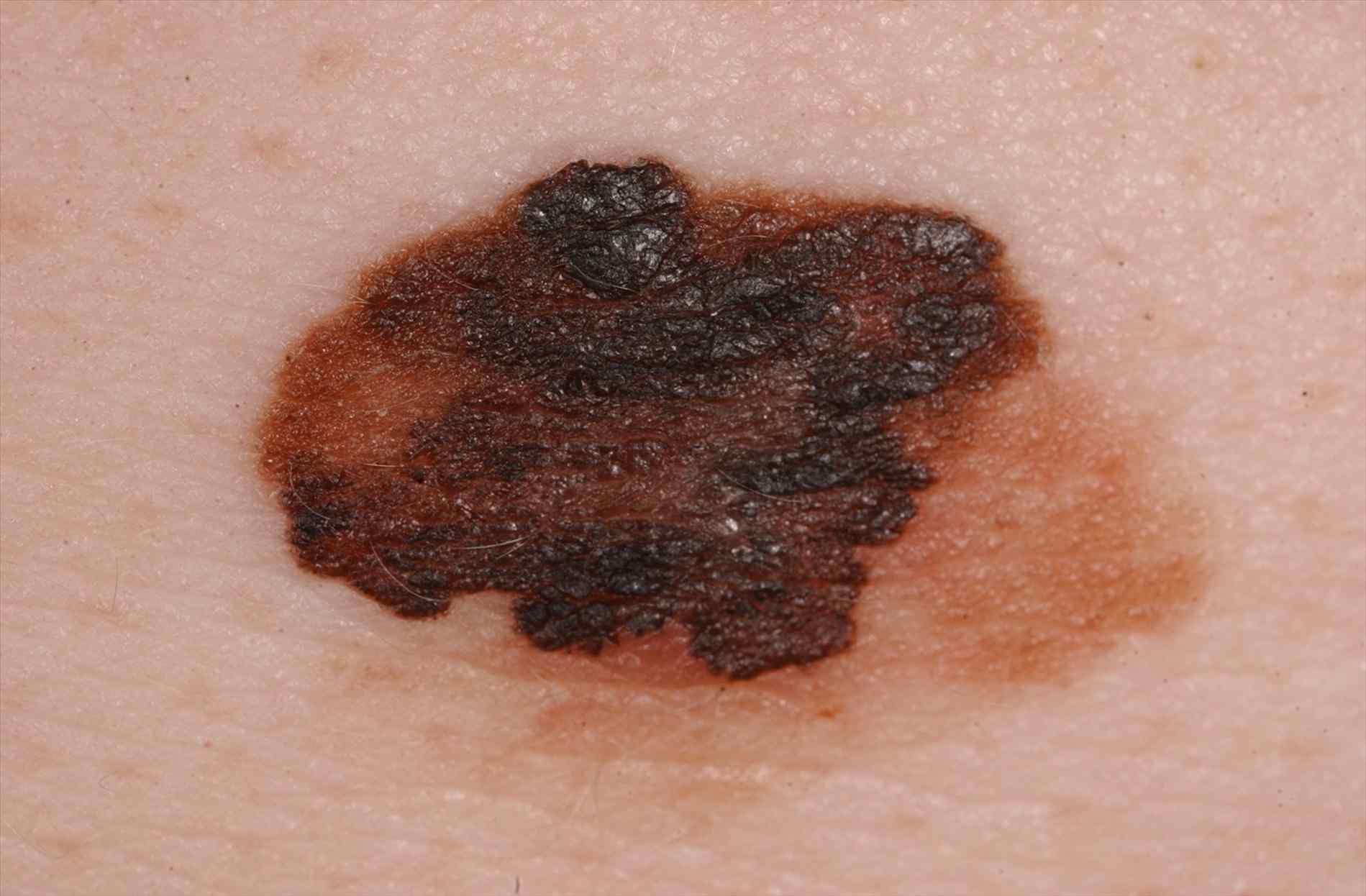
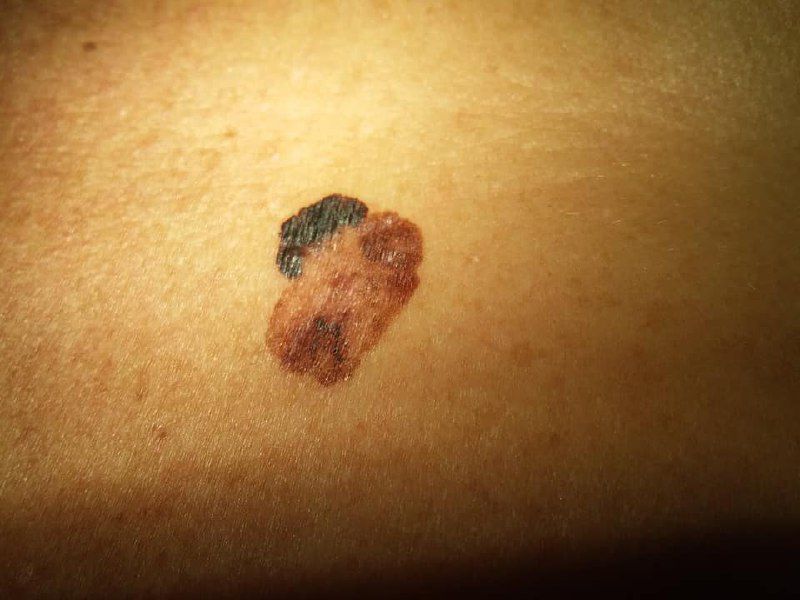
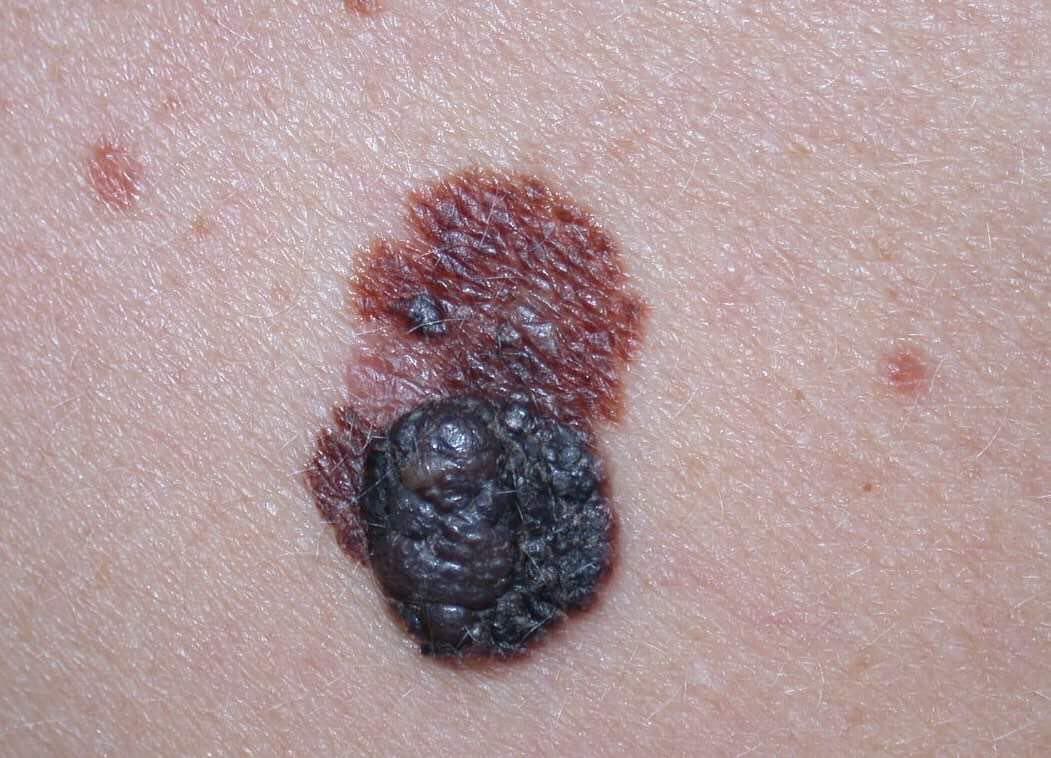
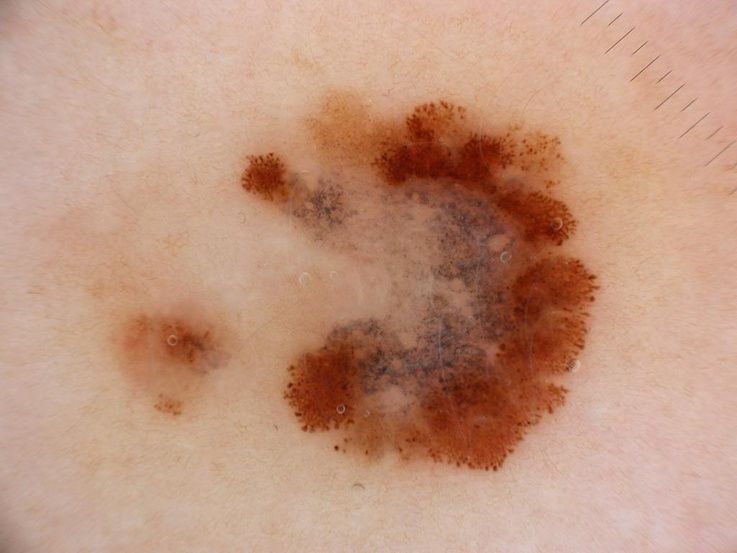
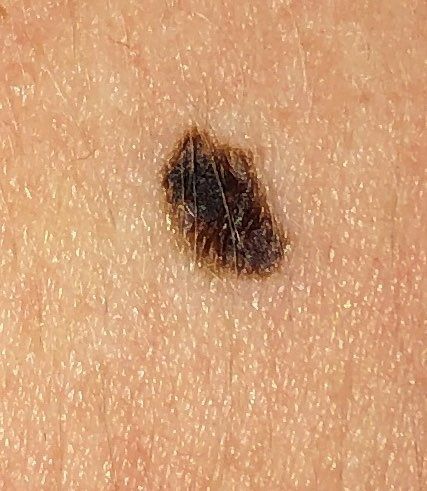
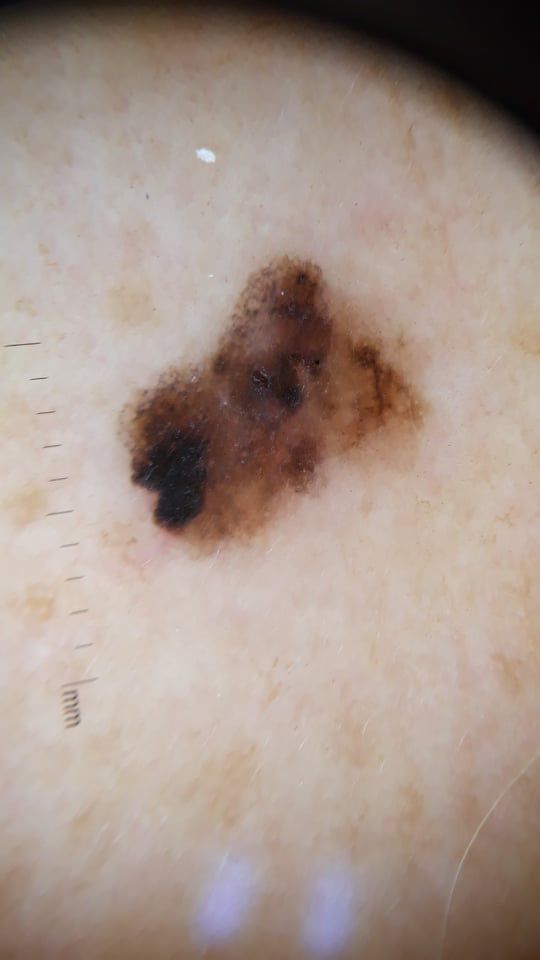
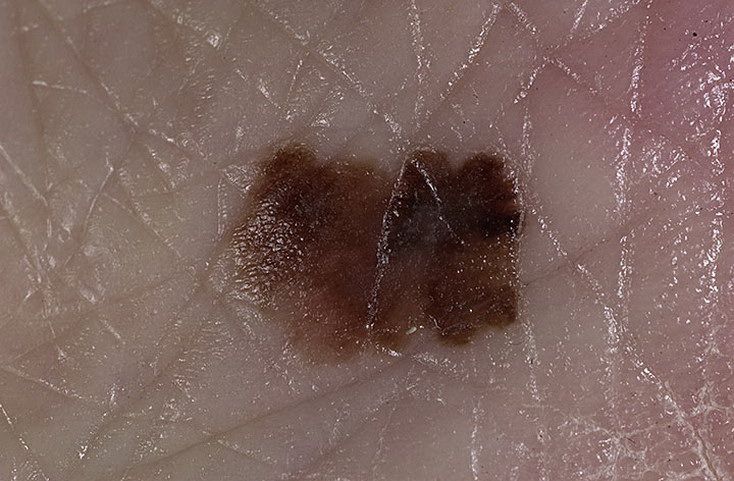
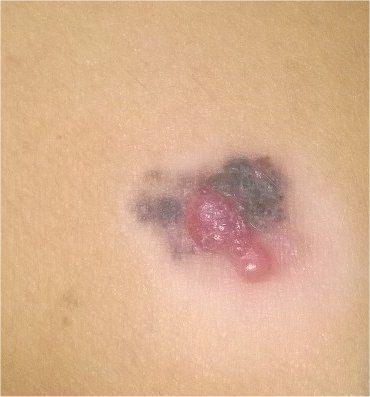
Below in the article you can see real photos to better understand what the condition looks like.
Main symptoms
In early stages, symptoms may be minimal.
Possible signs:
- change in an existing mole or appearance of a new one
- rapid growth
- change in color or shape
Also possible:
- itching, burning
- bleeding
- loss of hair in the lesion area
In later stages, lymph nodes near the tumor may enlarge.
Causes of the disease
The exact cause of melanoma is unknown, but risk factors are well recognized.
External factors:
- ultraviolet radiation (sun, tanning beds)
- sunburns
Internal factors:
- fair skin
- light eyes and hair
- large number of moles
- genetic predisposition
- age
Risk is also higher in people with atypical (unusual) moles.
How the disease develops
Melanoma begins with changes in skin cells that produce pigment.
At first, the tumor may grow along the surface of the skin. Later, it begins to penetrate deeper and can spread through the bloodstream and lymphatic system.
This transition is what makes the disease dangerous, which is why early detection is essential.
Forms and types
There are several types of melanoma:
- superficial spreading
- nodular (more aggressive)
- acral (palms, soles, under nails)
- lentiginous
They differ in appearance and growth speed.
When to see a doctor
You should see a specialist if:
- a mole has changed
- a new suspicious spot appears
- the lesion becomes asymmetrical or uneven
- bleeding, itching, or thickening occurs
Even one of these signs is enough for consultation.
Treatment
The main treatment is surgical removal of the tumor.
Depending on the stage, treatment may include:
- wide local excision
- treatment of lymph nodes
- immunotherapy
- drug or radiation therapy
Treatment strategy is individually selected.
Important:
- treatment must be supervised by a doctor
- surface methods (laser or cryodestruction) are not suitable
After treatment, regular follow-up is required.
Q&A
Can melanoma be cured?
Yes, if detected early, treatment is often successful.
How dangerous is it?
It is one of the most aggressive forms of skin cancer, so prompt diagnosis is essential.
How is melanoma treated?
Mainly by surgical removal, sometimes combined with other therapies.
How is melanoma different from a normal mole?
It changes over time: grows, changes color and shape, and may bleed.
Can it be identified on your own?
Suspicious signs can be noticed, but diagnosis must be made by a doctor.
Is melanoma always dark?
No, some forms may be light or almost colorless.
How often should skin be checked?
Regular self-examination is recommended, and any changes should be evaluated by a doctor.
Can melanoma be prevented?
Reducing sun exposure and protecting the skin helps lower the risk.
Check Your Skin Instantly
Use the Melanoma app: Skinive AI to take a photo of a mole or lesion and get an AI-based risk assessment. It helps determine whether professional consultation is recommended, giving you fast guidance and peace of mind.
Medical sources
- World Health Organization (WHO)
- National Cancer Institute (NCI)
- American Academy of Dermatology (AAD)
- NCCN Clinical Practice Guidelines in Oncology (Melanoma)
🇬🇧 Melanoma: Diagnosis and Treatment in the UK
If you notice suspicious or skin cancer lesions, such as a new growth, persistent sore, or changes in an existing spot—including a raised bump, ulceration, or slow-healing lesion—it’s important to contact your GP immediately and seek professional care, which in the UK is available via the NHS, private clinics, or online dermatology consultations.
👉 How to See a Dermatologist in the UK NHS – This main guide explains how NHS referrals work, what to expect from specialist dermatology services, and how to choose between public and private care.
Dermatologists in Major UK Cities:
- Dermatologist in London
- Dermatologist in Manchester
- Dermatologist in Liverpool
- Dermatologist in Birmingham
- Dermatologist in Leeds
- Dermatologists in Other UK cities
Online Dermatology
If you prefer remote care or faster access, try online dermatology consultations. They allow dermatologists to review images, provide advice, and guide next steps without visiting a clinic. Read more in this article: Online Dermatologists in UK.
🇦🇺 Melanoma: Diagnosis and Treatment in Australia
If you notice suspicious or skin cancer lesions, such as a new growth, persistent sore, or changes in an existing spot—including a raised bump, ulceration, or slow-healing lesion—it’s important to contact your GP immediately and seek professional care. In Australia, dermatology care is available via Medicare (public system), private clinics, or online consultations.
👉 How to See a Dermatologist in Australia – This main guide explains how referrals work through GPs and public clinics, what to expect from specialist dermatology services, and how to choose between public and private care.
Dermatologists in Major Australian Cities:
- Dermatologist in Sydney
- Dermatologist in Melbourne
- Dermatologist in Brisbane
- Dermatologist in Perth
- Dermatologist in Adelaide
- Dermatologists in other Australian cities
Online Dermatology
For faster access or remote care, online dermatology consultations allow dermatologists to review images, provide advice, and guide next steps without visiting a clinic. Read more in this article: Online Dermatologists in Australia.
Images of melanoma:

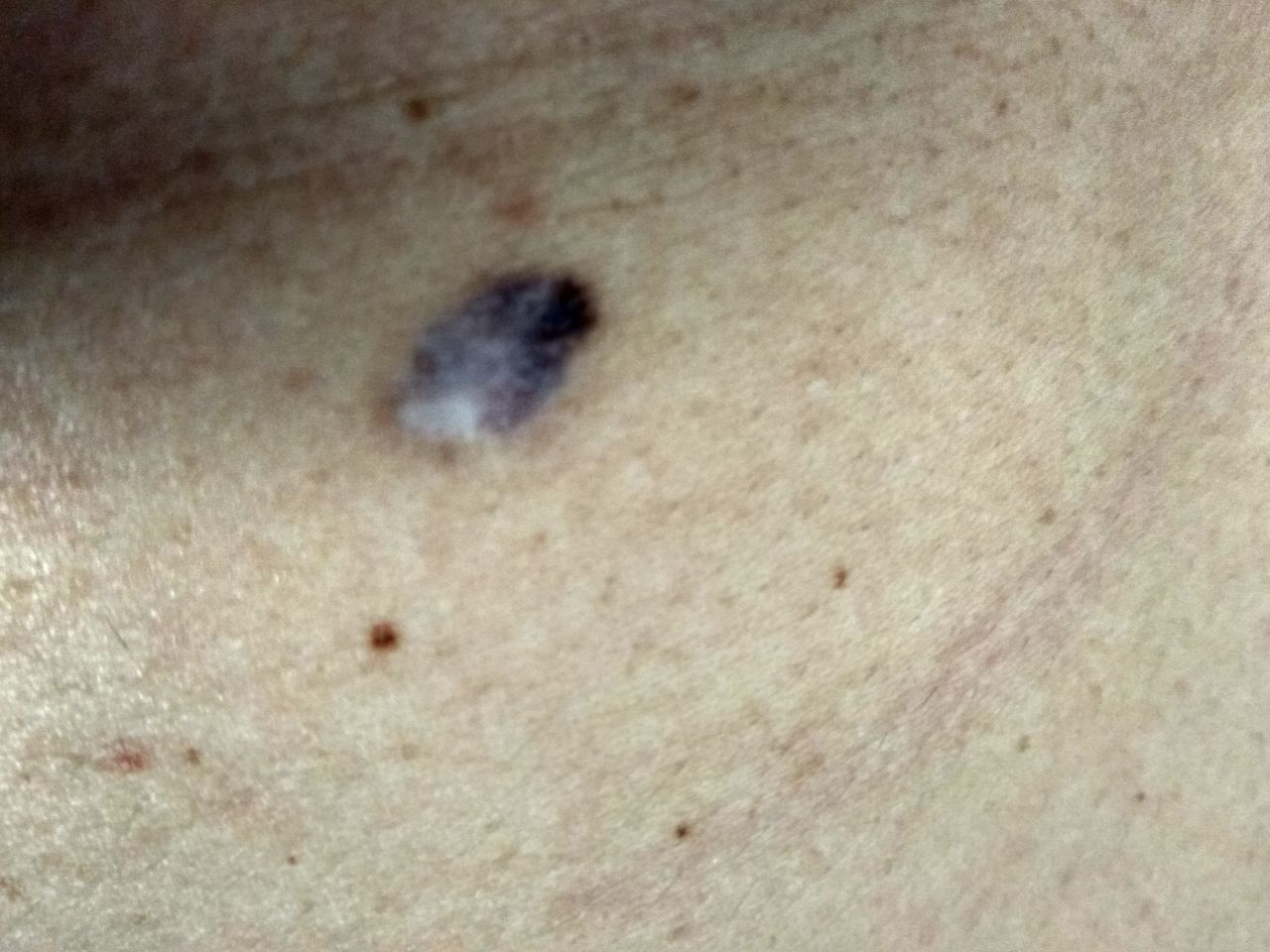
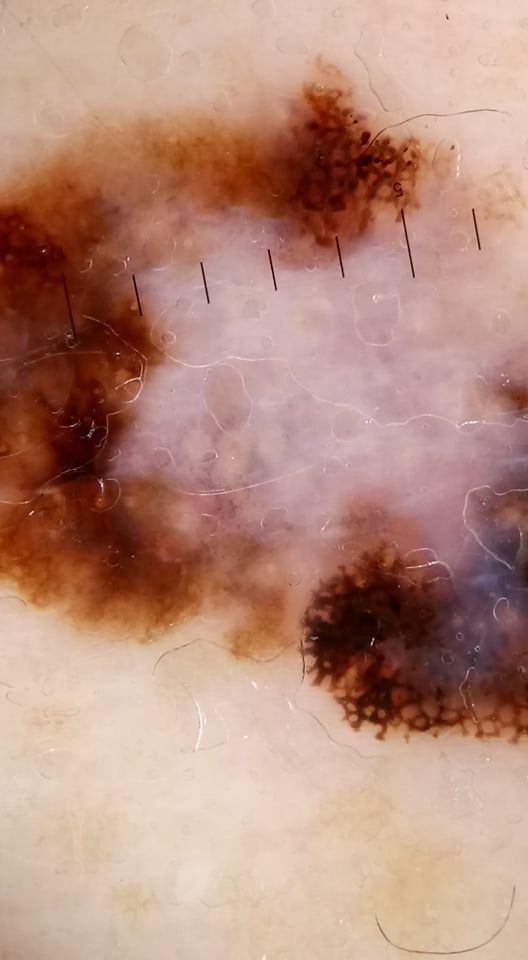
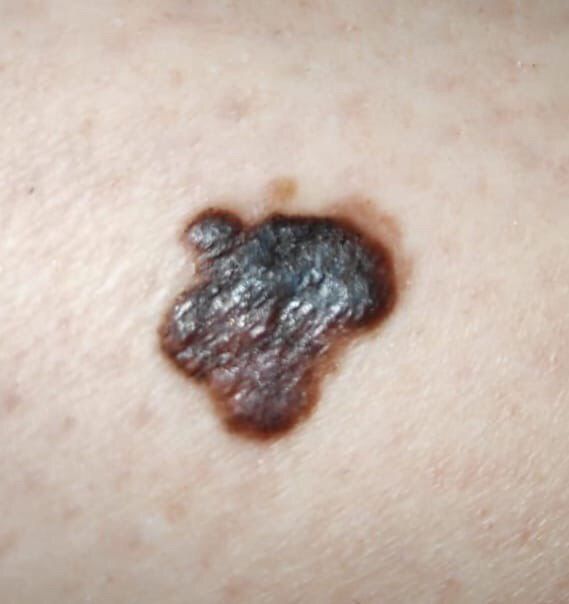
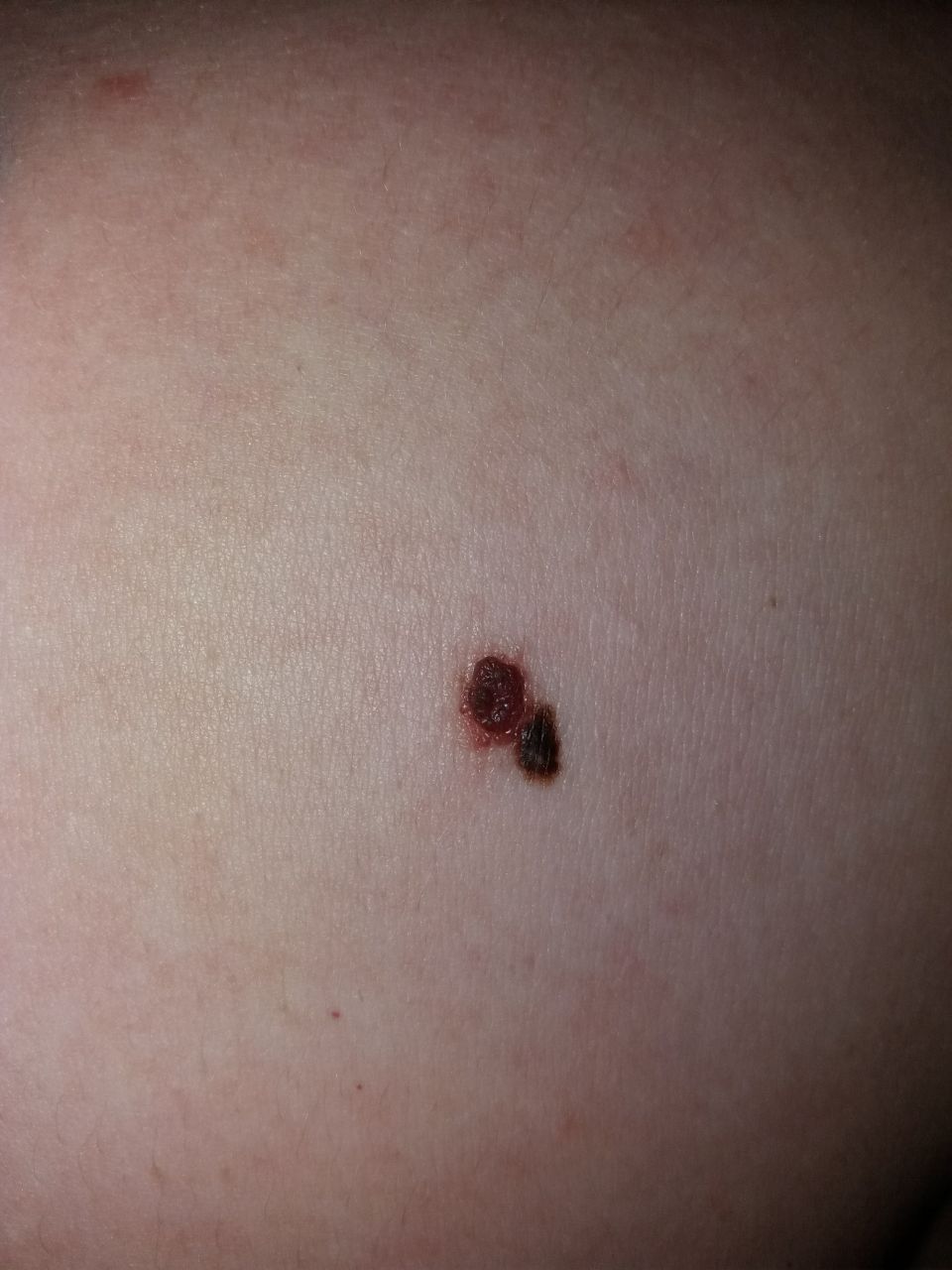


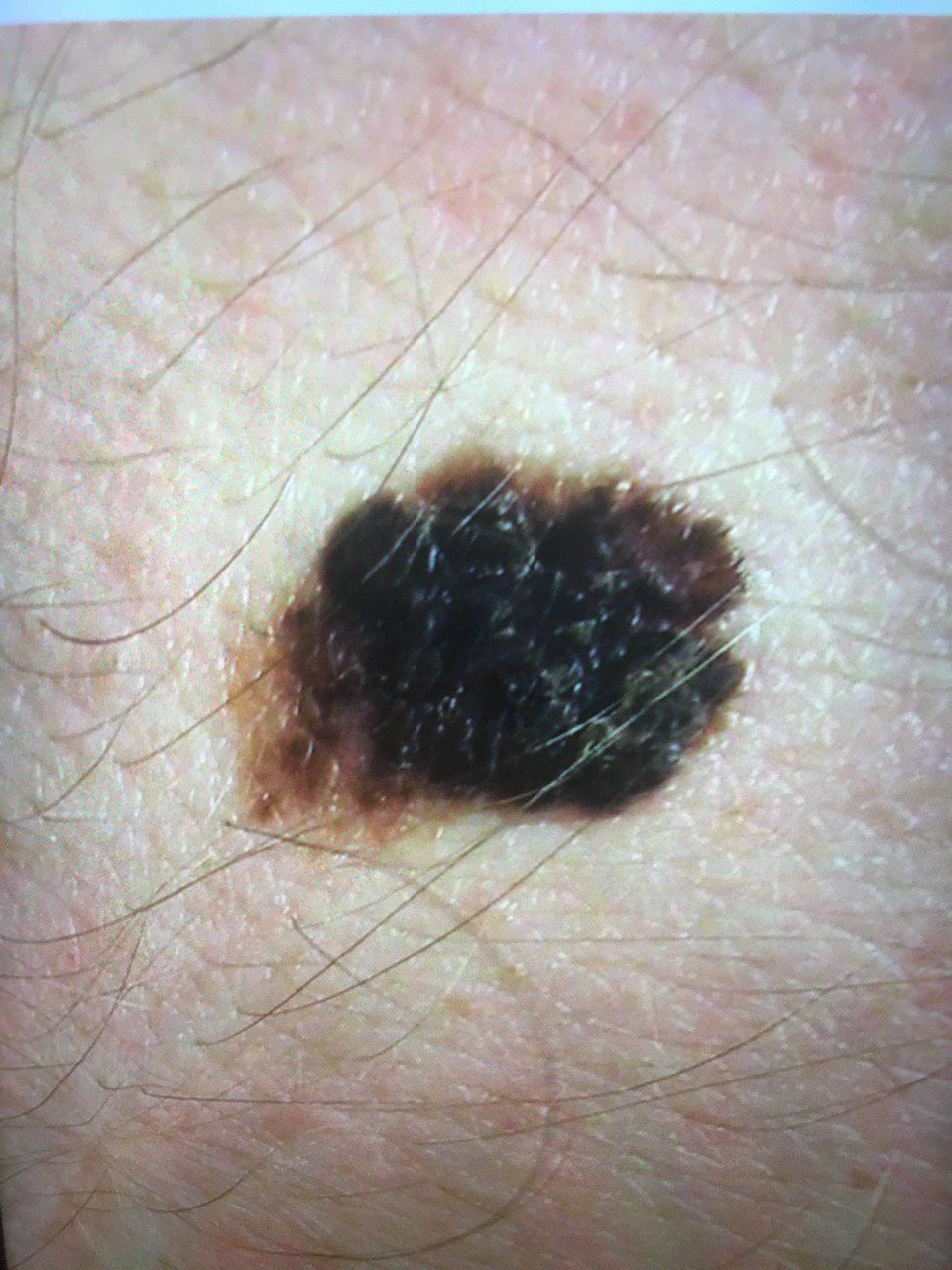
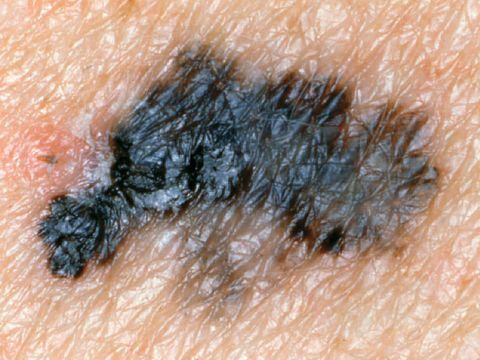
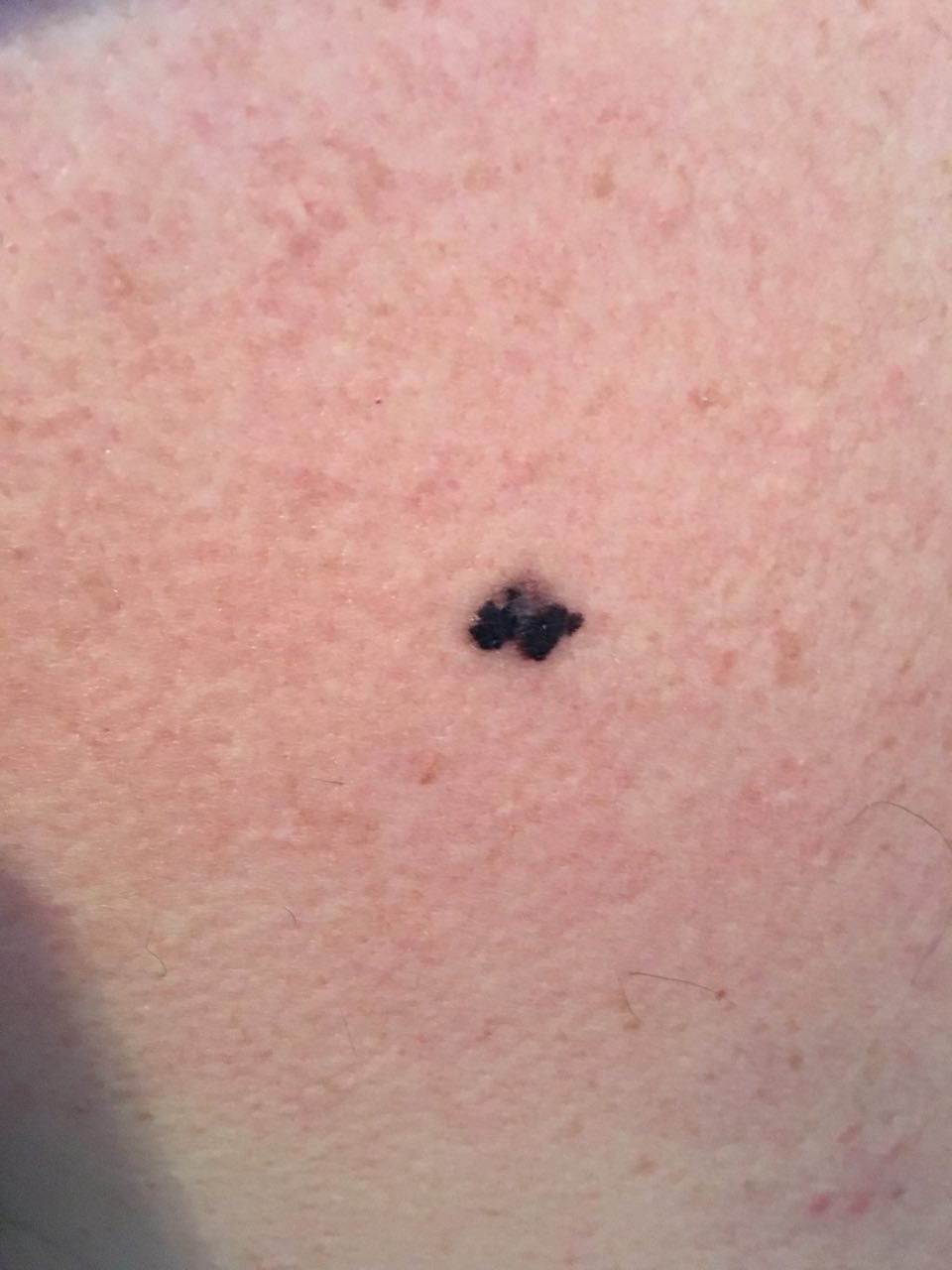
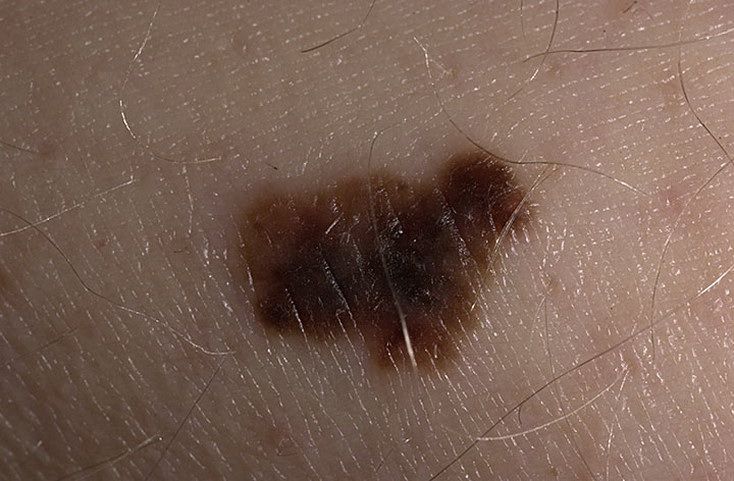
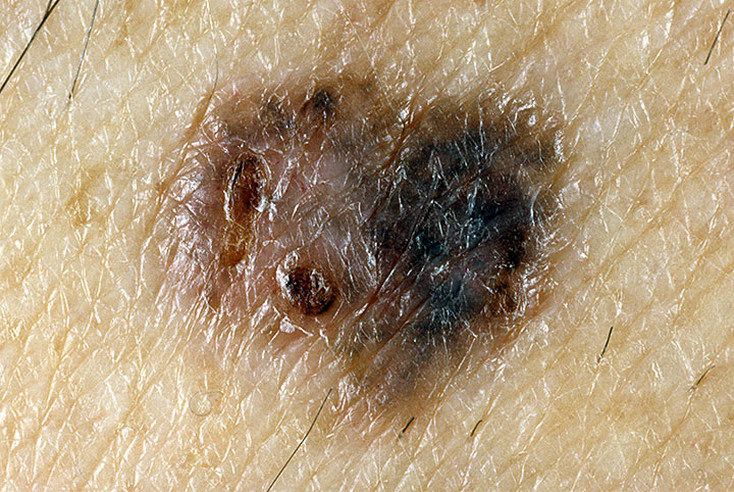
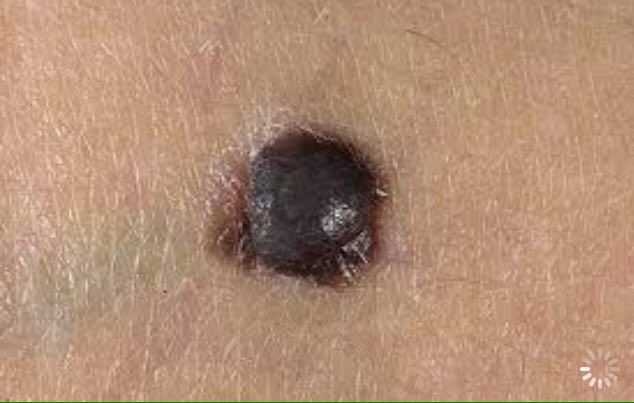
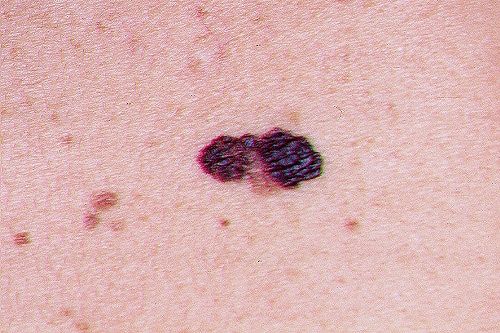
** Should you identify any copyright infringement regarding the images on this page, kindly reach out to us at info@skinive.testovii.fun.
Furthermore, please be advised that these photos are not authorized for any purpose.