Summer brings longer days, outdoor activities, beach holidays and more opportunities to enjoy the sunshine. But increased exposure to ultraviolet (UV) radiation, heat, sweat and humidity can also affect your skin.
Whether you’re spending the day at the beach, exploring a new city or simply enjoying time outdoors, protecting your skin should be part of your daily routine.
The good news? Keeping your skin healthy in summer doesn’t require a complicated skincare routine. A few consistent habits can help protect against sunburn, premature skin ageing, dehydration and other common summer skin concerns.
In this guide, we’ll explore 10 practical summer skincare tips, explain how to use the UV Index to make safer decisions outdoors and show how Skinive can help you monitor your skin throughout the season.
1. Check the UV Index Before Going Outside
One of the most effective ways to protect your skin in summer is to understand how strong the sun’s ultraviolet radiation is.
The UV Index (UVI) measures the intensity of UV radiation reaching the Earth’s surface. Unlike temperature, it indicates the potential for UV-related skin damage.
A warm day doesn’t necessarily mean UV exposure is high, and a cool or cloudy day doesn’t mean your skin is protected.
What Does the UV Index Mean?
| UV Index | Exposure Level | Recommended Protection |
|---|---|---|
| 0–2 | Low | Minimal protection is generally needed under normal conditions |
| 3–5 | Moderate | Use sunscreen, protective clothing and shade |
| 6–7 | High | Limit direct sun exposure, especially around midday |
| 8–10 | Very High | Seek shade and use comprehensive sun protection |
| 11+ | Extreme | Minimise exposure during peak UV hours |
The World Health Organization recommends using sun protection when the UV Index reaches 3 or higher.
Checking the UV Index before leaving home can help you plan outdoor activities and decide when additional protection is necessary.
How Skinive Can Help
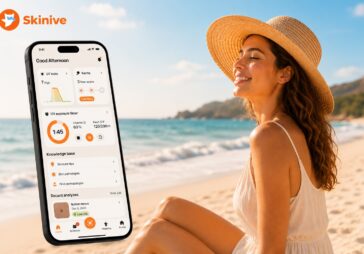
The Skinive app includes a UV Index feature that helps users understand current UV conditions.
It also provides a personalised sun exposure timer based on factors such as skin phototype and SPF.
These features can support more informed decisions about time spent outdoors, but they cannot determine an individually safe tanning duration or eliminate the risks associated with UV exposure.
Check the UV Index with Skinive
2. Choose the Right Sunscreen for Your Skin
Sunscreen is an essential part of summer skincare.
It helps protect your skin against ultraviolet radiation, which contributes to sunburn, premature ageing and skin cancer.
When choosing a sunscreen, look for three important features:
- Broad-spectrum protection: protects against both UVA and UVB radiation.
- SPF 30 or higher: provides substantial protection against UVB radiation.
- Water resistance: particularly important when swimming, exercising or sweating.
SPF 30 vs SPF 50: What’s the Difference?
SPF measures protection primarily against UVB radiation under standard testing conditions.
SPF 30 filters approximately 97% of UVB rays, while SPF 50 filters approximately 98%.
Although higher SPF products provide somewhat greater protection, no sunscreen blocks 100% of UV radiation.
More importantly, a higher SPF does not mean you can remain in direct sunlight indefinitely.
How Often Should You Reapply Sunscreen?
Apply sunscreen generously before going outdoors and reapply approximately every two hours while outside.
Reapply sooner after swimming, heavy sweating or towel-drying, following the product’s instructions.
Don’t forget commonly missed areas, including:
- Ears
- Neck
- Lips
- Hands
- Tops of the feet
- Exposed scalp
For effective protection, sunscreen should be combined with shade and protective clothing rather than used as the only defence against UV radiation.
3. Avoid Excessive Sun Exposure During Peak UV Hours
Sunlight can feel pleasant, but prolonged exposure during periods of high UV radiation increases the risk of skin damage.
UV intensity is generally highest around midday, although the exact timing varies by location, season and weather conditions.
A practical approach is to:
- Plan longer outdoor activities for the morning or late afternoon.
- Seek shade when the UV Index is high.
- Take regular breaks from direct sunlight.
- Use umbrellas, covered terraces or other shaded areas when possible.
Remember that shade does not completely eliminate UV exposure.
Reflected radiation from water, sand and surrounding surfaces can still reach your skin.
The UV Index provides a more useful indication of exposure risk than relying on the clock alone.
4. Wear Sun-Protective Clothing and Accessories
Sunscreen is important, but clothing provides an additional physical barrier against UV radiation.
Consider wearing:
- Lightweight, long-sleeved shirts
- Loose-fitting trousers
- Wide-brimmed hats
- Sunglasses with UVA and UVB protection
- Clothing labelled with an Ultraviolet Protection Factor (UPF)
UPF-rated clothing can be particularly useful for people who spend extended periods outdoors.
A wide-brimmed hat also helps protect areas that are easy to overlook, such as the ears, scalp and back of the neck.
For beach holidays, swimming and outdoor sports, protective clothing can reduce the amount of exposed skin that requires sunscreen.
5. Keep Your Skin Hydrated
Hot weather increases sweating, which can contribute to fluid loss.
Staying adequately hydrated is important for your overall health and normal skin function.
However, drinking more water than your body needs does not automatically make your skin more moisturised.
Skin hydration also depends on the condition of the skin barrier and the products you use.
Summer Hydration Tips
- Drink fluids regularly, particularly during hot weather and physical activity.
- Use a lightweight moisturiser suited to your skin type.
- Apply moisturiser after showering or washing your face.
- Avoid excessively hot showers that can contribute to dryness.
- Choose gentle skincare products if your skin becomes irritated.
Ingredients such as glycerin, hyaluronic acid and ceramides can help support skin hydration and barrier function.
Even oily skin may benefit from a lightweight, non-comedogenic moisturiser during summer.
6. Adjust Your Skincare Routine for Hot and Humid Weather
Your skin may behave differently in summer.
Heat, humidity, sweat and frequent sunscreen application can affect how your usual skincare products feel and perform.
Some people experience increased oiliness or breakouts, while others develop dryness or irritation from sun exposure, swimming or air conditioning.
A simple summer skincare routine may include:
Morning
- Cleanse your face with a gentle cleanser.
- Apply a lightweight moisturiser if needed.
- Use broad-spectrum SPF 30+ sunscreen.
- Reapply sun protection throughout the day when outdoors.
Evening
- Remove sunscreen, makeup and accumulated impurities.
- Cleanse gently without excessive scrubbing.
- Apply moisturiser to support the skin barrier.
- Continue any prescribed skincare treatments according to professional advice.
Avoid introducing several strong active ingredients at once, particularly if your skin is already irritated.
If you use products that increase sensitivity to sunlight, follow the instructions provided by your dermatologist or healthcare professional.
7. Protect Your Skin While Swimming
Swimming is one of the most popular summer activities, but spending time in pools or seawater can affect your skin.
Chlorinated water may contribute to dryness or irritation in some people, while saltwater can cause discomfort when the skin barrier is already compromised.
Swimming also affects sunscreen coverage.
How to Care for Your Skin After Swimming
- Use water-resistant sunscreen before entering the water.
- Follow the sunscreen label’s reapplication instructions.
- Rinse your skin with fresh water after swimming.
- Use a gentle cleanser if necessary.
- Apply moisturiser after drying your skin.
- Change out of wet clothing when practical.
Remember that water-resistant does not mean waterproof.
Even water-resistant sunscreens need to be reapplied according to their instructions, particularly after swimming or towel-drying.
8. Don’t Ignore Changes in Moles and Skin Spots
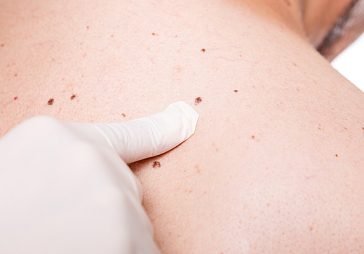
Summer is a good opportunity to become more familiar with your skin.
When wearing lighter clothing, you may notice moles, freckles or other skin spots that you don’t usually see.
Regular skin self-examination can help you recognise visible changes.
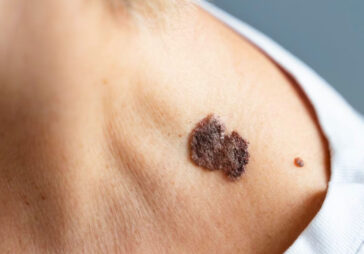
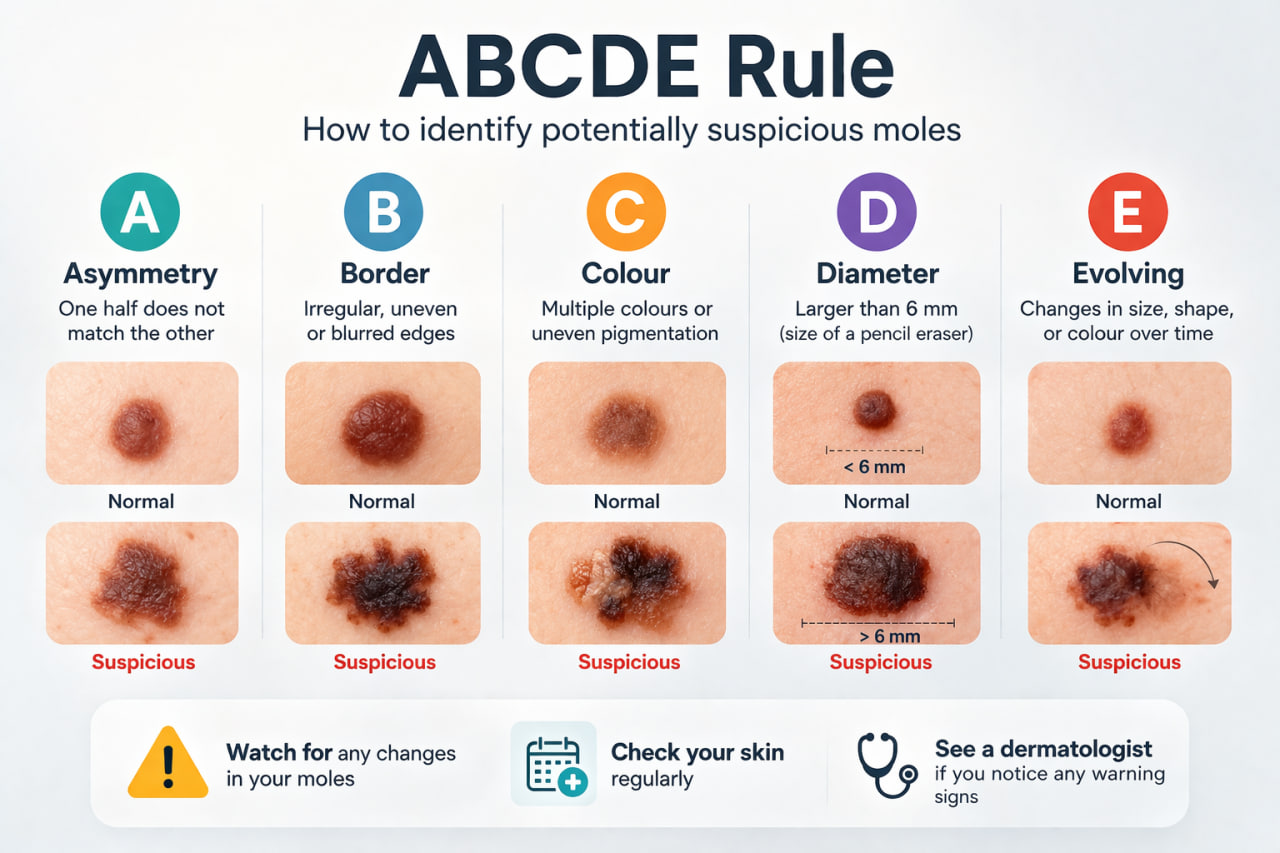
One useful guide is the ABCDE rule, which describes features that may warrant professional evaluation.
The ABCDE Rule for Checking Moles
| Letter | Meaning | What to Look For |
|---|---|---|
| A | Asymmetry | One half looks different from the other |
| B | Border | Irregular or poorly defined edges |
| C | Colour | Uneven colour or multiple shades |
| D | Diameter | Larger than approximately 6 mm, although melanomas can be smaller |
| E | Evolving | Changes in size, shape, colour or appearance |
Another important warning sign is a mole or skin spot that looks noticeably different from your others.
This is sometimes called the ugly duckling sign.
The ABCDE rule is a helpful awareness tool, not a diagnostic test. Not every melanoma follows these characteristics.
If you notice a new, changing, bleeding, painful or otherwise concerning skin lesion, consult a qualified healthcare professional.
Monitor Your Skin with Skinive
Skinive uses AI-assisted image analysis to help users check and monitor visible skin concerns.
With the app, you can:
- Photograph moles and skin spots.
- Receive AI-assisted analysis of visual characteristics.
- Save previous skin checks.
- Monitor visible changes over time.
- Keep a record of areas you want to follow.
Skinive does not diagnose, confirm or rule out skin cancer or melanoma. It is not a substitute for a professional skin examination.
Try Skinive AI Skin & Mole Checker
9. Know What to Do If You Get Sunburned
Despite taking precautions, sunburn can still happen.
Sunburn is an inflammatory response to excessive UV exposure and is a sign of skin damage.
If your skin becomes sunburned:
- Move out of direct sunlight.
- Cool the affected area with a cool shower or damp compress.
- Apply a gentle moisturiser while the skin is still slightly damp.
- Drink fluids to replace losses associated with heat and sweating.
- Avoid further sun exposure while the skin heals.
- Do not deliberately burst any blisters.
Avoid applying ice directly to burned skin.
If sunburn is accompanied by extensive blistering, severe pain, fever, confusion, fainting or signs of dehydration, seek medical advice promptly.
Preventing repeated sunburn is important because cumulative UV damage increases the risk of skin cancer and premature skin ageing.
10. Make Sun Protection a Daily Habit
Healthy summer skin is not the result of a single skincare product or occasional sunscreen use.
It comes from consistent habits.
A practical daily approach includes checking UV conditions, choosing suitable sun protection, maintaining a gentle skincare routine and paying attention to changes in your skin.
Your Daily Summer Skin Checklist
- Check the UV Index before planning outdoor activities.
- Apply broad-spectrum SPF 30+ sunscreen.
- Wear protective clothing, a hat and sunglasses.
- Seek shade during periods of high UV exposure.
- Drink enough fluids throughout the day.
- Moisturise according to your skin’s needs.
- Reapply sunscreen when necessary.
- Monitor new or changing skin spots.
- Consult a dermatologist if you notice concerning changes.
Small daily decisions can make a meaningful difference to your skin’s long-term health.
How Skinive Helps You Take Care of Your Skin in Summer
Skinive combines sun-awareness features with AI-assisted skin monitoring tools in one smartphone app.
Whether you’re preparing for a beach holiday or want to keep a closer eye on your skin, Skinive can help you build more consistent habits.
| Skinive Feature | How It Can Help |
|---|---|
| UV Index | Understand current UV radiation levels |
| Personalised sun exposure timer | Support awareness of outdoor exposure based on selected personal factors |
| AI Skin Analysis | Analyse visual characteristics of photographed skin concerns |
| Mole Monitoring | Save checks and follow visible changes over time |
| Skin Check History | Keep previous photographs and analysis results |
These tools support awareness and monitoring. They do not make sunbathing risk-free or replace medical advice.
Final Thoughts: Healthy Summer Skin Starts with Prevention
Enjoying summer and protecting your skin can go hand in hand.
The most important habits are straightforward: understand UV exposure, use sunscreen correctly, wear protective clothing, stay hydrated and monitor changes in your skin.
Technology can make some of these habits easier to maintain.
With UV Index information, sun exposure awareness tools and AI-assisted skin monitoring, Skinive can support a more informed approach to everyday skin care.
Take care of your skin this summer — and throughout the year.
Start Your Free Skin Check with Skinive
Medical disclaimer: Skinive provides AI-assisted skin image analysis and monitoring. It does not diagnose, confirm or rule out skin cancer or melanoma and should not replace examination by a qualified healthcare professional. If you notice a new, changing, bleeding, painful or otherwise concerning skin lesion, seek professional medical advice regardless of an app result.