
How to See a Dermatologist in the UK NHS 🇬🇧
Skin conditions are among the most common health concerns in the United Kingdom ща Great Britain, ranging from acne and eczema to potentially serious issues such as skin cancer. While many mild problems can be managed with pharmacy treatments or GP advice, some situations require assessment by a dermatologist — a specialist trained in diagnosing and treating skin, hair, and nail conditions.
In the UK, there are several ways to see a dermatologist. Patients may be referred through the NHS by their GP, book a private consultation for faster access, or use online dermatology services for remote assessment. The right pathway depends on the urgency of your symptoms, waiting times in your region, and your personal preference.
This guide explains when you should consider seeing a dermatologist, how NHS referrals work, what waiting times to expect, and what alternatives are available if you need faster advice.
Quick skin check from home
Not every skin change is serious, but it can be hard to know when to seek medical advice.
Skinive is CE-marked medical app that analyses photos of skin concerns and provides instant risk guidance. It does not replace a doctor, but can help you decide whether a dermatology visit may be needed.
WHEN SHOULD YOU SEE A DERMATOLOGIST?
Many skin conditions improve with basic treatment, but certain symptoms should prompt specialist evaluation. Seeing a dermatologist is particularly important if a condition is persistent, worsening, or affecting your quality of life.
You should consider seeing a dermatologist if you notice:
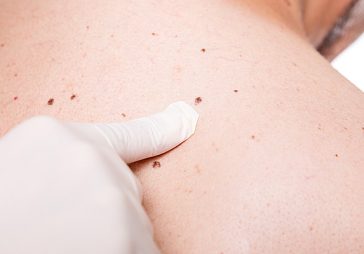
- a mole that changes in size, colour, or shape
- a new or unusual skin lesion
- a sore that does not heal
- persistent acne that does not respond to treatment
- chronic eczema, psoriasis, or recurring rashes
- unexplained itching, redness, or skin inflammation
- sudden hair loss or nail changes (onychomycosis)
Skin cancer concerns are one of the most important reasons to seek specialist advice. If you notice rapid changes in a mole, bleeding, crusting, or asymmetry, you should contact your GP promptly for assessment.
Even when symptoms seem mild, a dermatologist can help confirm a diagnosis, rule out serious conditions, and recommend effective treatment options.
HOW TO SEE A DERMATOLOGIST THROUGH THE NHS
For most patients in the UK, the NHS is the primary route to dermatology care. In most cases, you cannot book directly with an NHS dermatologist — instead, access usually begins with your GP.
Visiting your GP first
If you are concerned about a skin problem, your first step is usually to make an appointment with your GP. They will examine the affected area, ask about your symptoms, and decide whether specialist care is needed.
Your GP may:
- diagnose and treat the condition directly
- prescribe medication or topical treatment
- monitor the condition over time
- refer you to dermatology if specialist input is required
Many common skin issues can be managed in primary care, but persistent or suspicious lesions are more likely to be referred.
NHS dermatology waiting times
Waiting times for NHS dermatology appointments vary widely across the UK and depend on local demand, hospital capacity, and urgency of the referral. Routine dermatology referrals may take several weeks or even months before an appointment is available. Because of this, some patients choose private consultations if they want faster access or reassurance.
If your GP believes your condition may be serious or rapidly progressing, they may arrange an urgent referral.
Urgent suspected cancer referral pathway
If your GP suspects melanoma or another form of skin cancer, you may be referred through the Urgent Suspected Cancer Pathway (often known as the “two-week wait” referral).
This pathway aims for you to be seen by a specialist within two weeks of referral. It is used when symptoms suggest a higher risk of cancer and rapid evaluation is important.
Early diagnosis significantly improves treatment outcomes, so you should seek medical advice promptly if you notice changes in a mole, a new growing lesion, or a non-healing sore.
Private Dermatologists in the UK
While the NHS is the main route to dermatology care, many patients choose private consultations when they want faster access, a second opinion, or more flexibility in appointment times.
Private dermatology clinics are available across the UK and often allow you to book directly without a GP referral. Appointments are typically available within days rather than weeks, and consultations may include dermoscopic examination, biopsy referral, and treatment planning.
Private consultations can be particularly helpful if:
- your symptoms are causing anxiety or discomfort
- you want a faster diagnosis or reassurance
- NHS waiting times in your area are long
- you need specialist expertise in skin cancer, acne, or chronic skin disease
Costs vary depending on the clinic and location, but initial consultations often range from around £150 to £300.
You can explore dermatology options in your area:
Online dermatology services in the UK
Online dermatology consultations are becoming increasingly common in the UK. These services allow you to upload photos of your skin concern, complete a short questionnaire, and receive medical advice remotely — often within 24–48 hours.
Online services may be suitable for many non-urgent skin conditions, follow-up care, or initial triage before deciding whether an in-person appointment is necessary.
Examples of online dermatology services in the UK
Below are several well-known services offering remote dermatology assessments:
- Boots Online Doctor — allows patients to upload photos and receive clinical advice, often within 24 hours, with treatment options where appropriate.
- MySkinDoctor — provides remote dermatology consultations via smartphone or tablet without the need to visit a clinic.
- Skindoc — offers access to UK dermatologists online with diagnosis, treatment plans, and medication delivery where prescribed.
Read more: Top 10 online dermatology services in the UK
Other clinics and telehealth providers also offer video or photo-based consultations, making it easier to obtain specialist advice from home.
Online dermatology can be helpful for:
- initial evaluation of new symptoms
- chronic skin conditions requiring follow-up
- treatment reviews and prescription adjustments
- deciding whether an in-person consultation is needed
However, some conditions — particularly suspected skin cancer or rapidly changing lesions — may still require examination in person.
Can AI help you decide when to see a dermatologist?
New digital tools are changing how people assess skin concerns. AI-supported skin analysis can help evaluate photos of moles, rashes, or lesions and indicate whether a condition may require medical attention.
These tools do not replace a doctor, but they can be useful as an early triage step — particularly when you are unsure whether a symptom is serious or when waiting times for appointments are long.
AI-based skin checks may help you:
- assess whether a mole or lesion appears suspicious
- monitor changes in your skin over time
- decide how urgently to seek medical advice
- prepare information before visiting a GP or dermatologist
If you notice a new or changing skin concern, using an AI-based assessment can be a practical first step before booking an appointment.
A fast first step to check skin symptoms with Skinive app
If you want immediate guidance before booking any consultation, AI-based Skin Scanner apps like Skinive can help you quickly assess risk and decide how urgently you should seek medical advice.
Dermatology waiting times in the UK (NHS vs private vs online
Waiting times for dermatology care in the UK can vary significantly depending on how you access specialist services. While the NHS provides free care, routine referrals may take longer, whereas private and online options often provide faster access.
The table below compares typical waiting times for different routes to dermatology advice.
| Route to dermatologist | Typical waiting time | Notes |
|---|---|---|
| NHS referral (routine cases) | ~15–20+ weeks on average | Official NHS target is treatment within 18 weeks, but real waits can be longer depending on region. (nhs.uk) |
| NHS referral (urgent suspected cancer) | Usually within 2 weeks | Used when melanoma or serious skin cancer is suspected. (NHS Liverpool Hospitals) |
| Private dermatologist | From a few days to 1–8 weeks | Private clinics often offer much faster access than the NHS. (Practice Plus Group) |
| Online dermatology consultation | Often 24–48 hours | Photo-based services typically provide responses within 1–2 days. (Simplyhealth) |
| AI skin assessment tools | Immediate | Can help decide urgency before booking a consultation |
Waiting times depend on your region, the urgency of your condition, and clinic availability. For suspected skin cancer, referrals are prioritised and usually seen much faster than routine cases.
Because access times differ widely, some patients choose to start with a rapid assessment — such as an online consultation or AI-supported skin check — before arranging further medical care if needed.
Cost of seeing a dermatologist in the UK
The cost of dermatology care in the UK depends on the pathway you choose.
NHS dermatology costs
NHS consultations are free for eligible patients, including referrals to dermatologists and treatment for most skin conditions. Prescription charges may apply in England, while they are free in Scotland, Wales, and Northern Ireland.
The main limitation of NHS care is often waiting time rather than cost.
Private dermatology costs
Private consultations typically range from around £150 to £300 for an initial appointment, depending on the clinic, location, and specialist experience. Additional tests, procedures, or follow-up visits may increase the total cost.
Private care may be preferred if:
- you want faster access
- you need specialist expertise
- you want a second opinion
Online dermatology consultation costs
Online dermatology services usually cost less than in-person private visits, with many consultations priced roughly between £30 and £100 depending on the provider and type of assessment.
These services can be useful for non-urgent conditions, follow-up advice, or deciding whether an in-person visit is necessary.
For people unsure whether medical care is needed at all, an initial risk assessment — including AI-supported tools — may help determine the next step before incurring consultation costs.
How to choose the right dermatologist
Choosing the right dermatologist can make a significant difference in diagnosis, treatment outcomes, and overall reassurance. While many skin conditions are routine, others — particularly suspected skin cancer or chronic diseases — benefit from specialist expertise. When selecting a dermatologist in the UK, consider the following factors:
Qualifications and registration
Ensure the dermatologist is registered with the General Medical Council (GMC) and listed on the specialist register for dermatology. This confirms they have completed accredited specialist training.
Area of expertise
Some dermatologists specialise in particular fields such as:
- skin cancer and mole assessment
- acne and cosmetic dermatology
- inflammatory skin diseases (eczema, psoriasis)
- paediatric dermatology
Choosing a specialist with relevant experience can improve both diagnosis and treatment options.
Access and waiting times
Consider how quickly you need to be seen. NHS appointments may take longer, while private clinics often provide faster access. Online consultations may be suitable for initial advice or follow-up care.
Location and convenience
If in-person examination is needed, selecting a clinic close to home can simplify follow-up visits or procedures.
Communication and reassurance
A good dermatologist should explain findings clearly, outline treatment options, and answer questions in a way that helps you feel confident about your care.
If you are unsure whether specialist care is needed, an initial GP visit, online consultation, or early risk assessment can help guide your next step.
FAQ about seeing a dermatologist in the UK
Do I need a GP referral to see a dermatologist in the UK?
For NHS dermatology appointments, a GP referral is usually required. However, private dermatologists can often be booked directly without referral.
How long does it take to see a dermatologist on the NHS?
Routine referrals may take several weeks or months depending on local demand. Urgent suspected cancer referrals are prioritised and usually seen within two weeks.
Can I see a dermatologist privately without referral?
Yes. Most private dermatology clinics allow self-referral, meaning you can book an appointment directly.
Are online dermatology consultations reliable?
Online consultations can be useful for many non-urgent skin concerns and follow-up care. However, some conditions — particularly suspected skin cancer — may still require in-person examination.
When should I worry about a mole?
You should seek medical advice if a mole changes in size, colour, or shape, bleeds, becomes asymmetrical, or looks different from other moles on your skin.
Can AI tools help assess skin problems?
AI-supported tools can provide early guidance and help determine whether a dermatology consultation may be needed. They do not replace a doctor but can support decision-making and early triage.