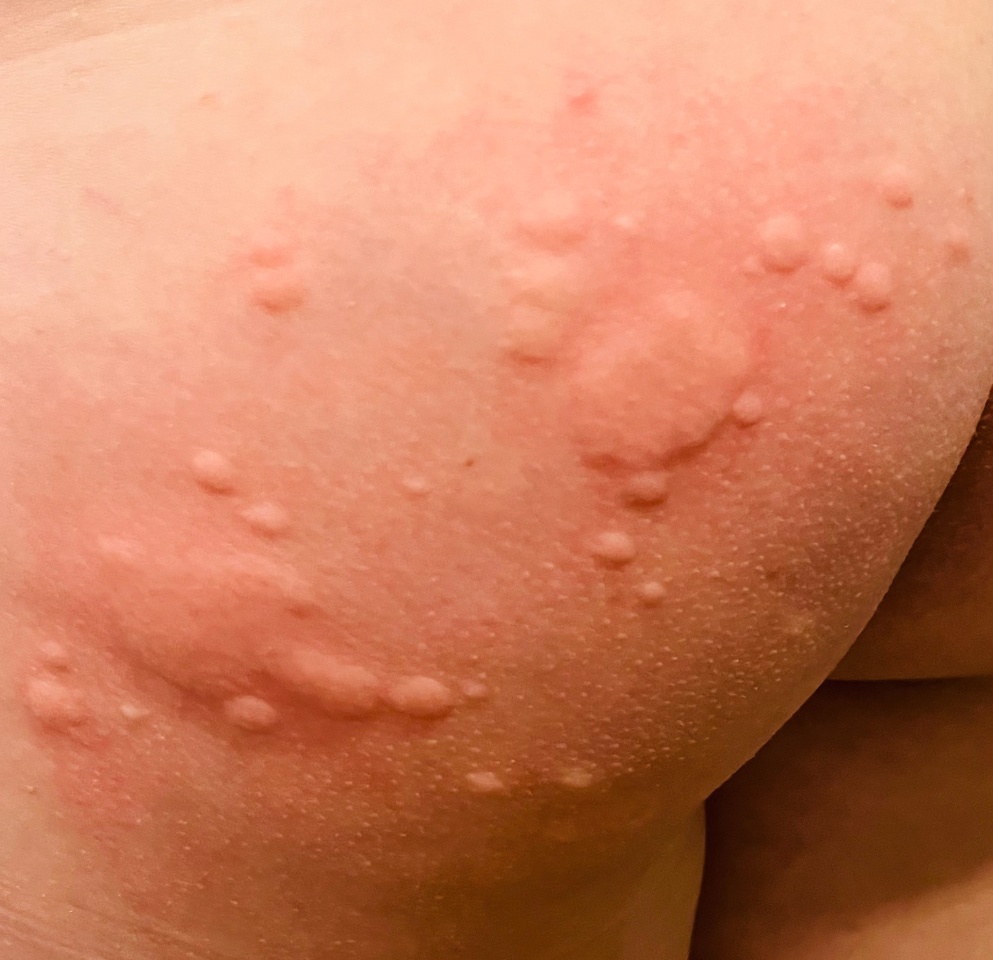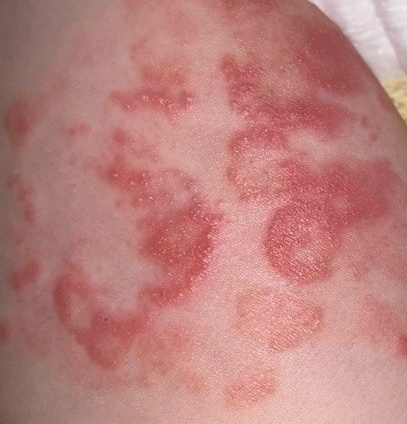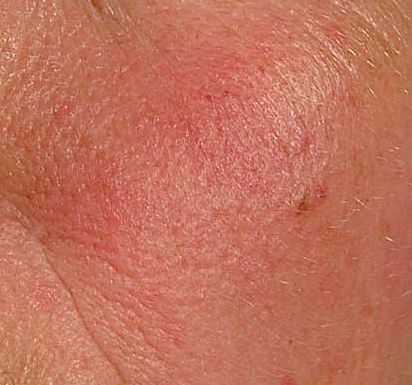
Urticaria, erythema, and rosacea are immune- and inflammation-related skin conditions that can lead to redness, visible skin changes, itching, and discomfort. These conditions may be triggered or worsened by allergens, infections, insect bites, environmental factors (such as heat or cold), spicy foods, alcohol, sun exposure, or stress.
⚠️ Medium Risk: Although erythema and rosacea are not contagious, they can sometimes appear alongside other underlying conditions or flare due to triggers. Rosacea in particular may cause persistent facial redness and visible blood vessels, and can worsen over time without management. It is important to consult a dermatologist for proper diagnosis and ongoing care. Regular monitoring of symptoms helps in controlling flare-ups effectively.
🚨 High Risk: Urticaria (hives) can sometimes indicate a serious allergic reaction. If you notice widespread itchy rashes, swelling of the face, lips, or neck, difficulty breathing, or any other severe symptoms, seek emergency medical attention immediately.
💊 Treatment: Management depends on the specific condition and severity. Antihistamines are commonly used for urticaria, while erythema and rosacea may require targeted topical or oral treatments prescribed by a doctor. Identifying and avoiding triggers is essential in all three conditions. A healthcare professional should guide diagnosis and treatment planning.
💡 Skin Self-Examination Tips: At the first sign of urticaria, erythema, or rosacea symptoms, consult a qualified healthcare provider. Regularly check your skin for new or changing redness, rashes, or persistent flushing. Track possible triggers such as food, medications, temperature changes, or stress. Keeping a symptom diary can help identify patterns and improve long-term management. Always follow a medically supervised treatment plan.
Use the Skin Scanner app – Skinive AI to get an AI-based risk assessment in seconds. Quickly check whether a professional consultation is recommended and take the next step with confidence, guided insights, and peace of mind.
🇬🇧 Urticaria, erythema, and rosacea: Diagnosis and Care in the UK
If you notice urticaria (hives) or erythema (red skin reactions), it’s important to get a professional opinion. In the UK, you can access dermatology care via the NHS, private clinics, or online dermatology consultations.
👉 How to See a Dermatologist in the UK NHS – This main guide explains how NHS referrals work, what to expect from specialist dermatology services, and how to choose between public and private care.
Dermatologists in Major UK Cities:
- Dermatologist in London
- Dermatologist in Manchester
- Dermatologist in Liverpool
- Dermatologist in Birmingham
- Dermatologist in Leeds
- Dermatologists in Other UK cities
Online Dermatology
If you prefer remote care or faster access, try online dermatology consultations. They allow dermatologists to review images, provide advice, and guide next steps without visiting a clinic. Read more in this article: Online Dermatologists in UK.
🇦🇺 Urticaria, erythema, and rosacea: Diagnosis and Care in Australia
If you notice urticaria (hives) or erythema (red skin reactions), it’s important to get a professional opinion. In Australia, dermatology care is available via Medicare (public system), private clinics, or online consultations.
👉 How to See a Dermatologist in Australia – This main guide explains how referrals work through GPs and public clinics, what to expect from specialist dermatology services, and how to choose between public and private care.
Dermatologists in Major Australian Cities:
- Dermatologist in Sydney
- Dermatologist in Melbourne
- Dermatologist in Brisbane
- Dermatologist in Perth
- Dermatologist in Adelaide
- Dermatologists in other Australian cities
Online Dermatology
For faster access or remote care, online dermatology consultations allow dermatologists to review images, provide advice, and guide next steps without visiting a clinic. Read more in this article: Online Dermatologists in Australia.
Types of Immune-related skin conditions: