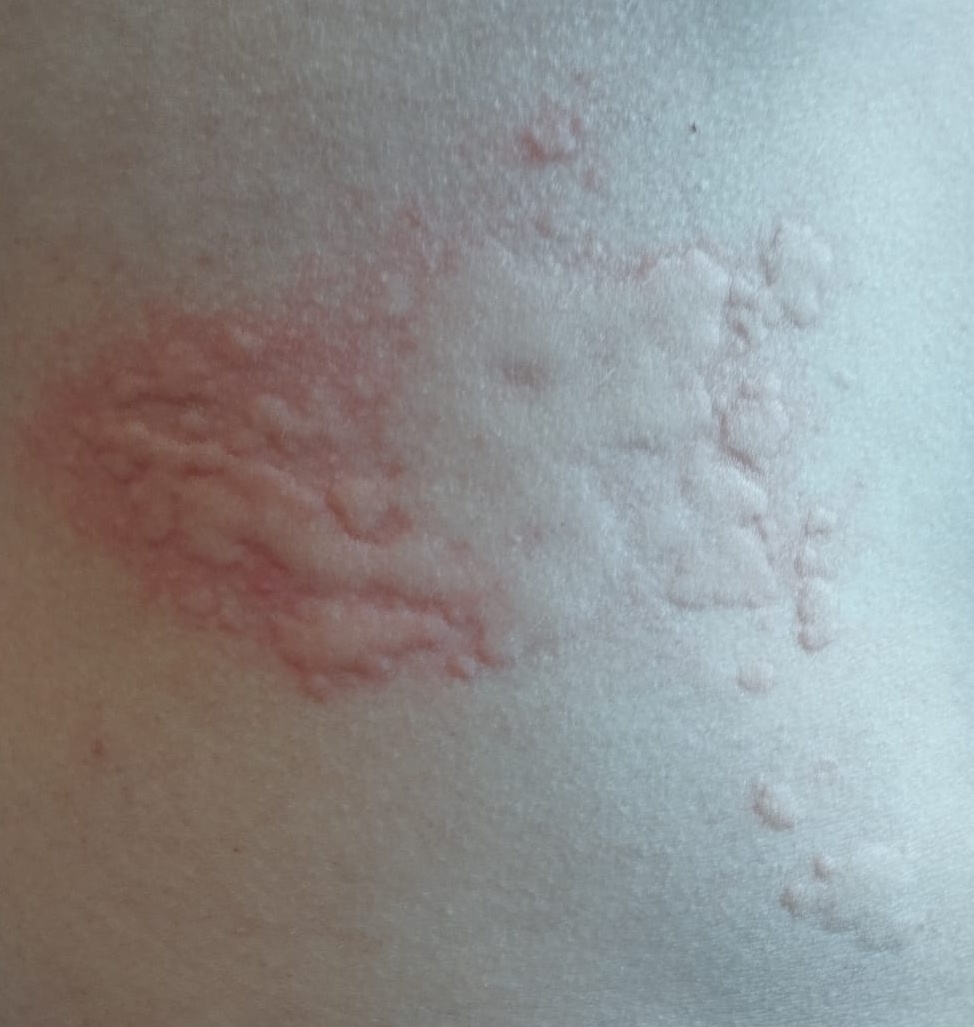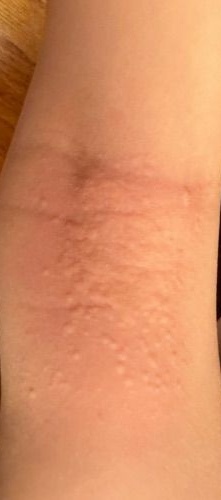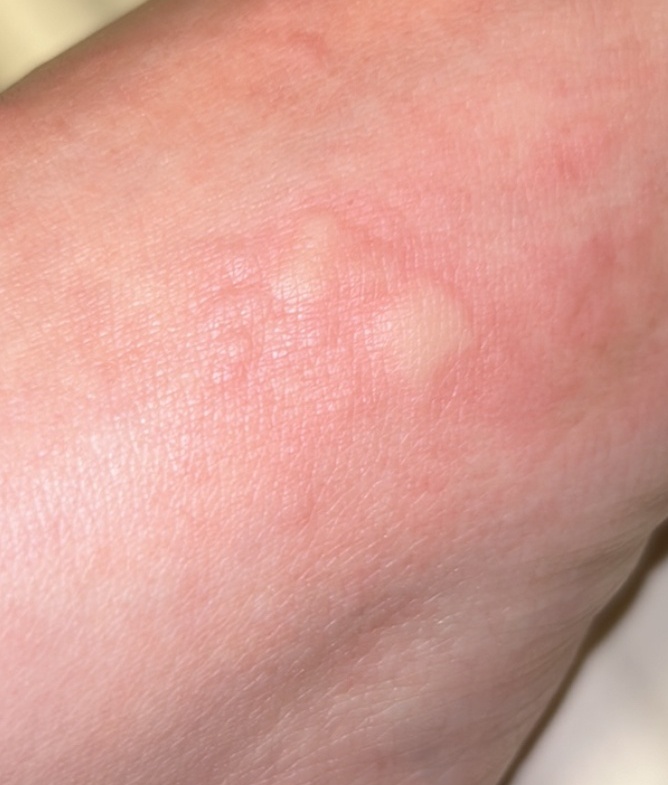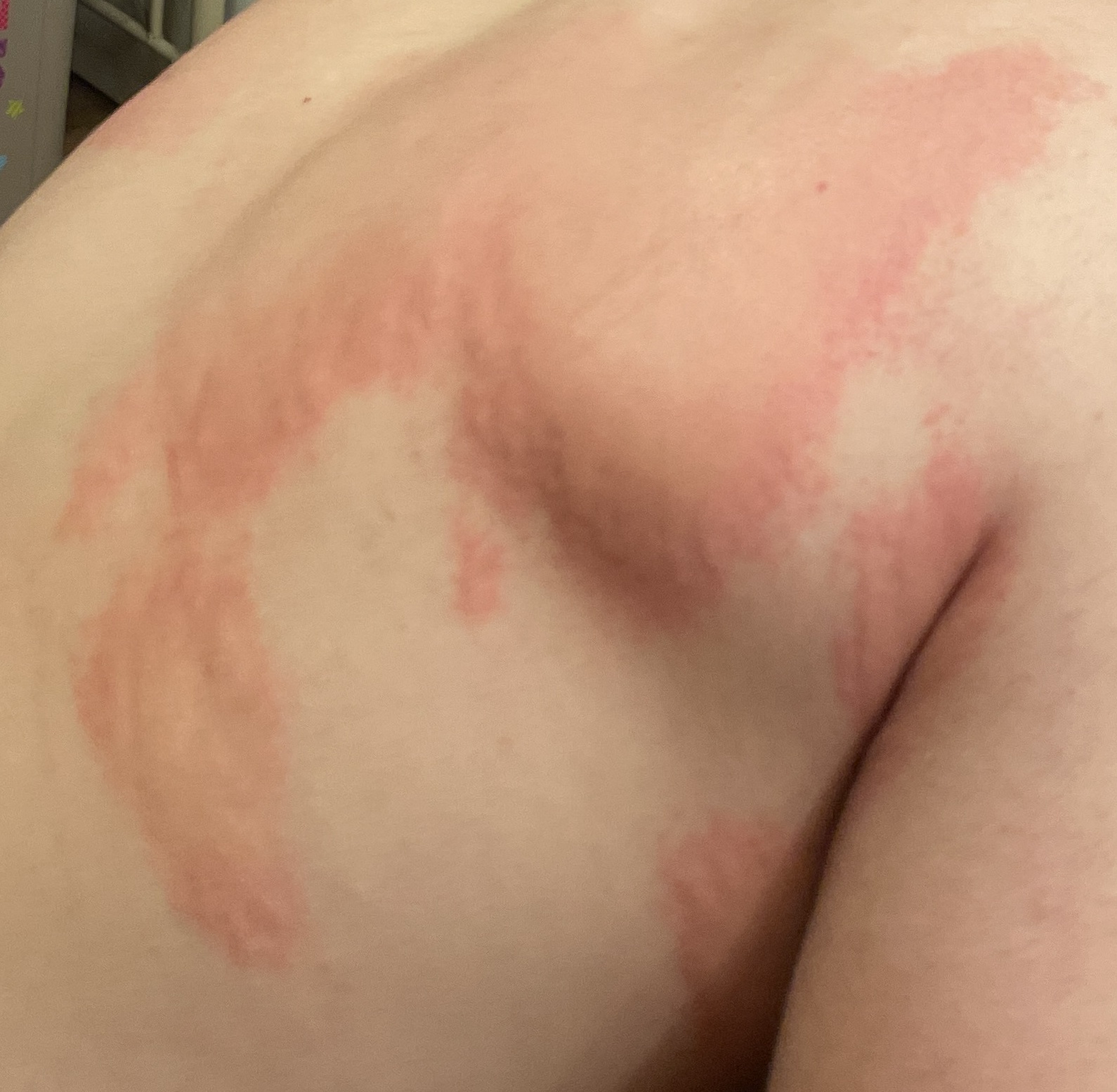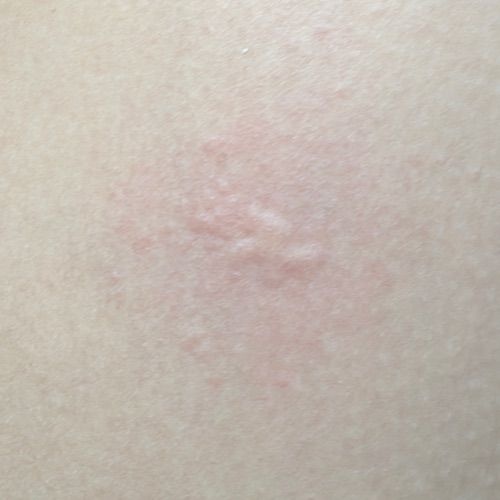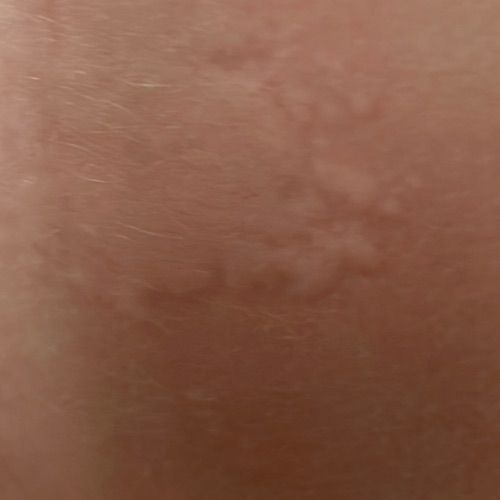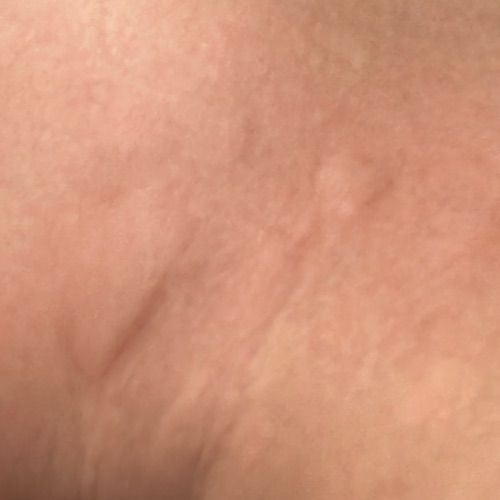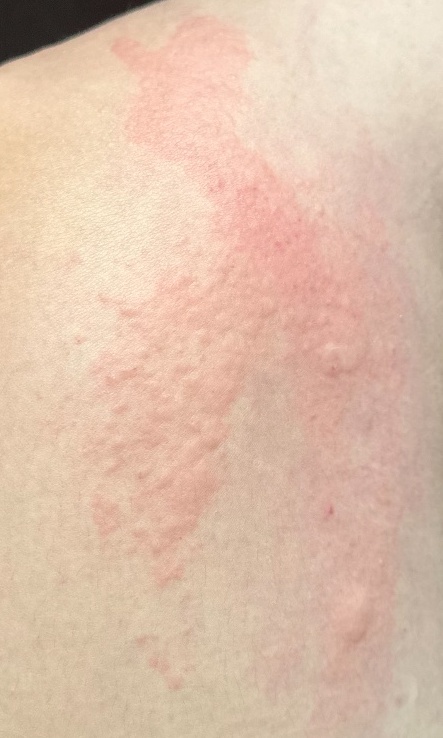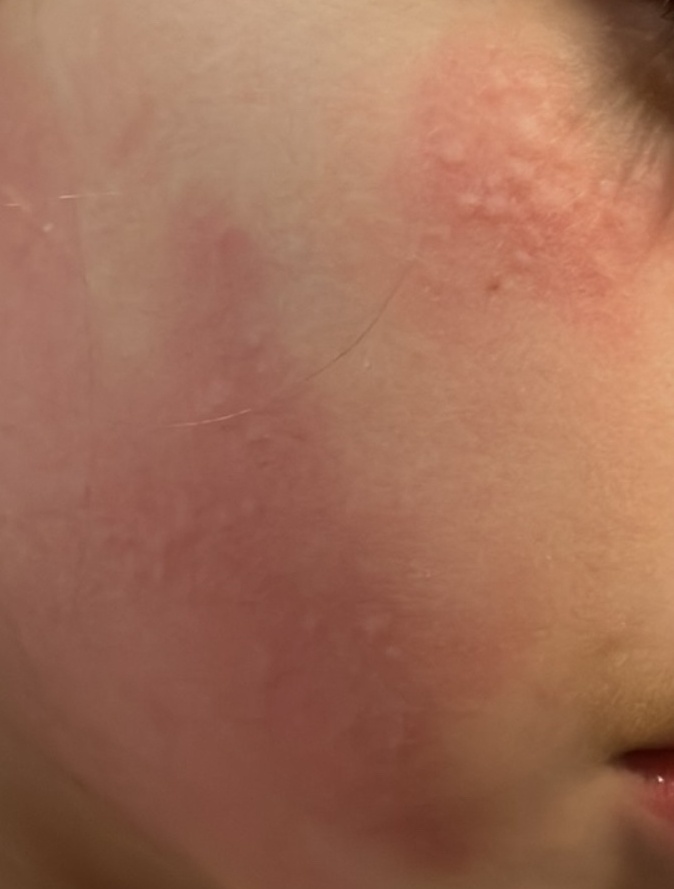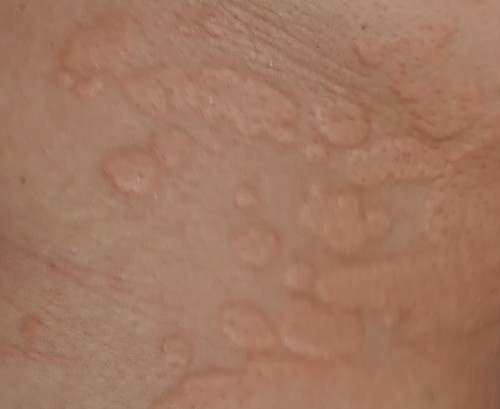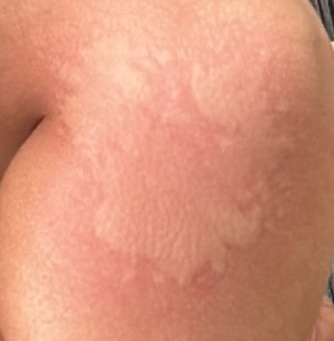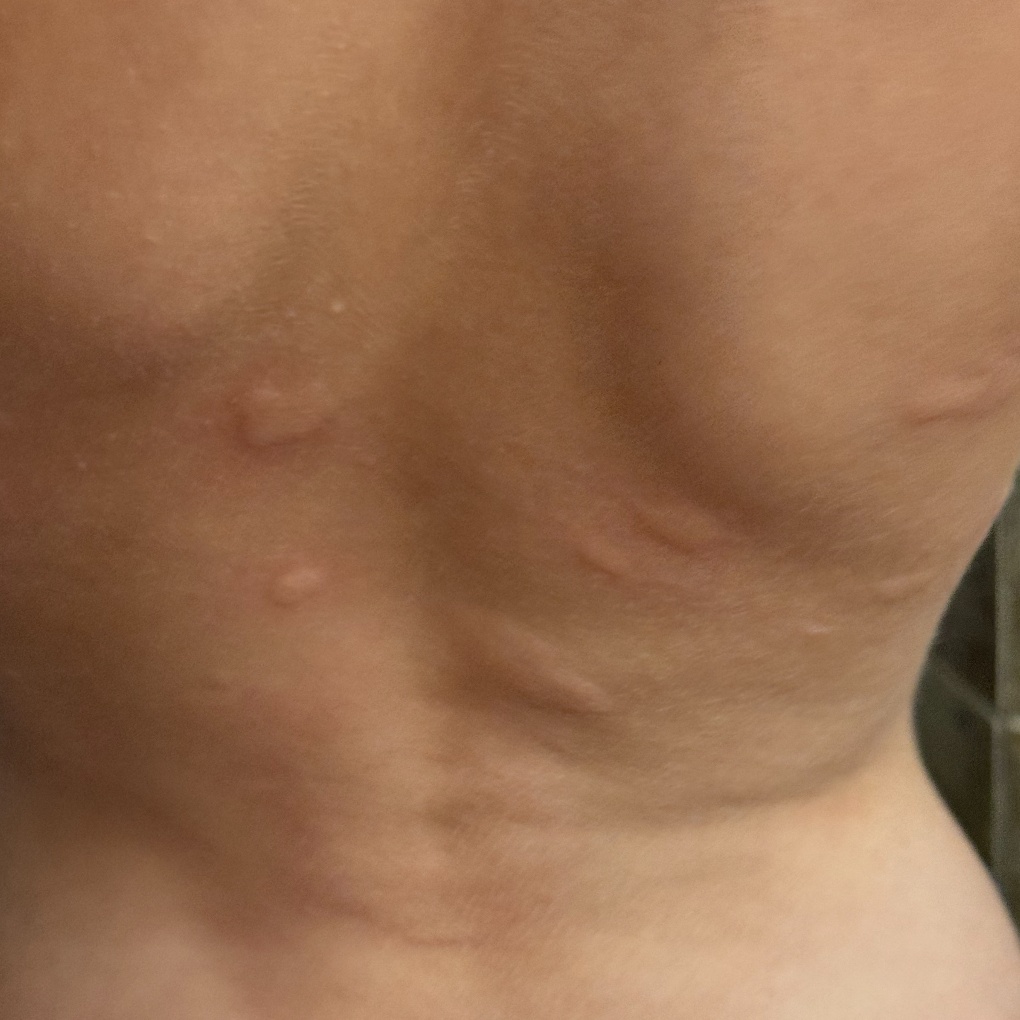
Allergic urticaria is a condition in which itchy, swollen rashes suddenly appear on the skin, resembling insect bites or nettle burns.
The main symptoms are rapidly appearing blisters, itching, and skin redness. These lesions may disappear and reappear over several hours or days. The condition is not contagious and cannot be transmitted through contact.
Urticaria occurs as an immune system reaction to an allergen or other triggering factor. In most cases, the condition is manageable, especially with timely medical attention.
What to Do if You Suspect It
If itchy blisters suddenly appear on the skin, it is important to consult a doctor—usually a dermatologist or allergist.
The first step is to assess the condition and identify possible causes. The doctor will ask about recent contact with allergens, new medications, or other triggering factors.
If swelling of the face, lips, or difficulty breathing occurs along with the rash, urgent medical assistance is required. This may indicate a severe allergic reaction.
It is important not to ignore the symptoms and not to rely solely on self-treatment. Even if the lesions resolve on their own, it is important to identify the cause and reduce the risk of recurrence.
Appearance of the Condition
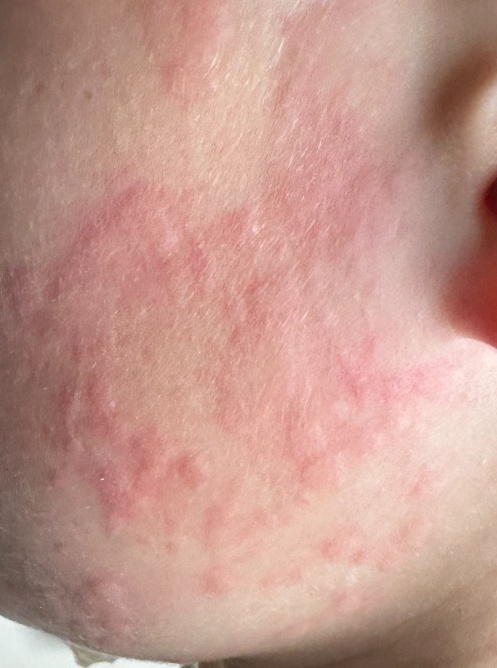
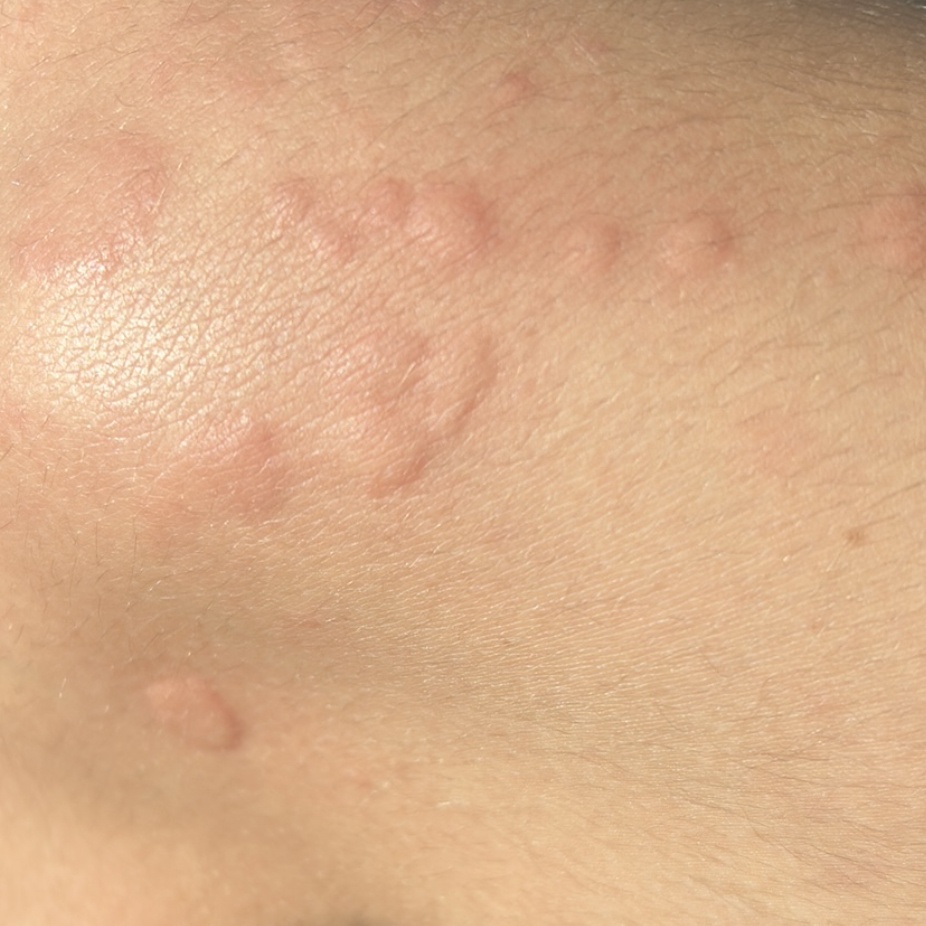
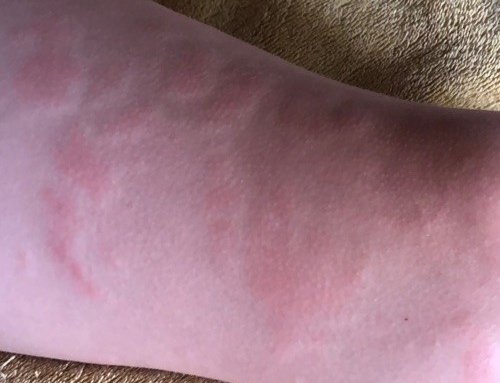
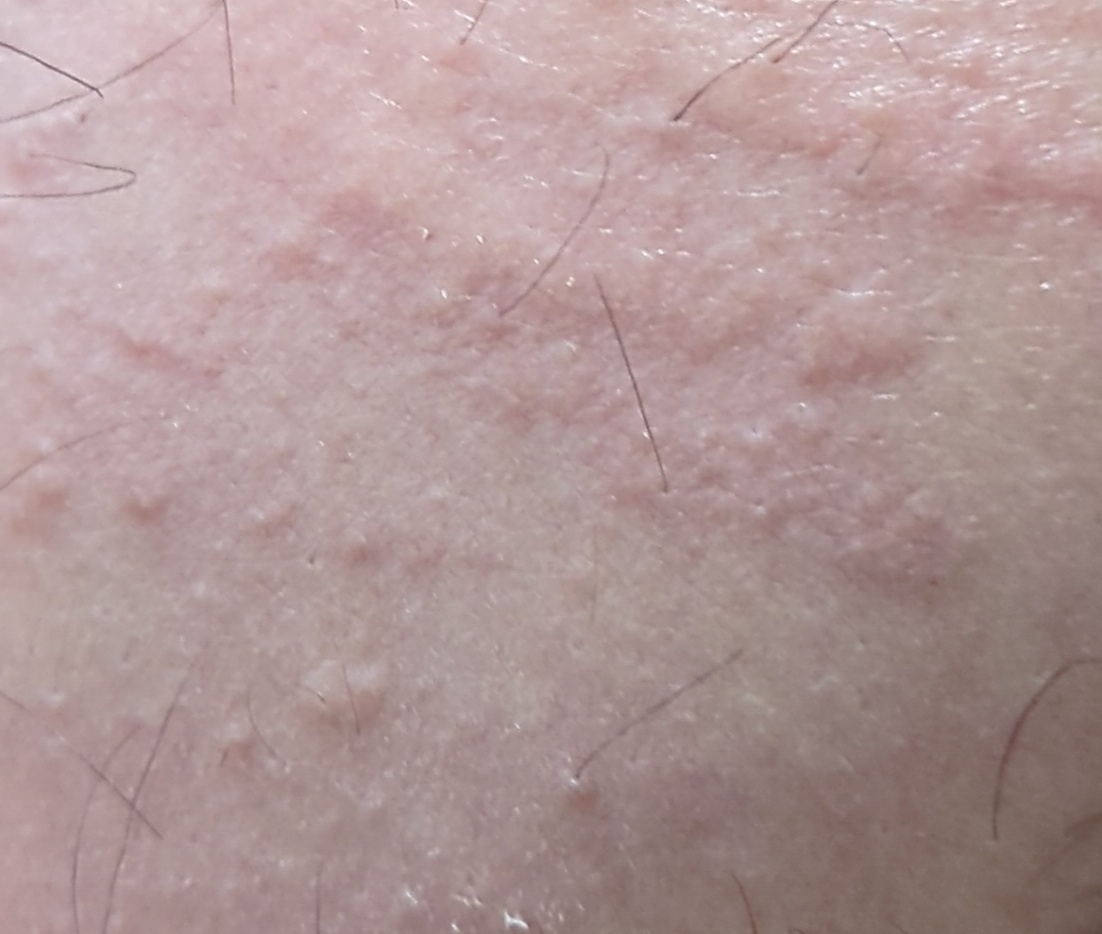
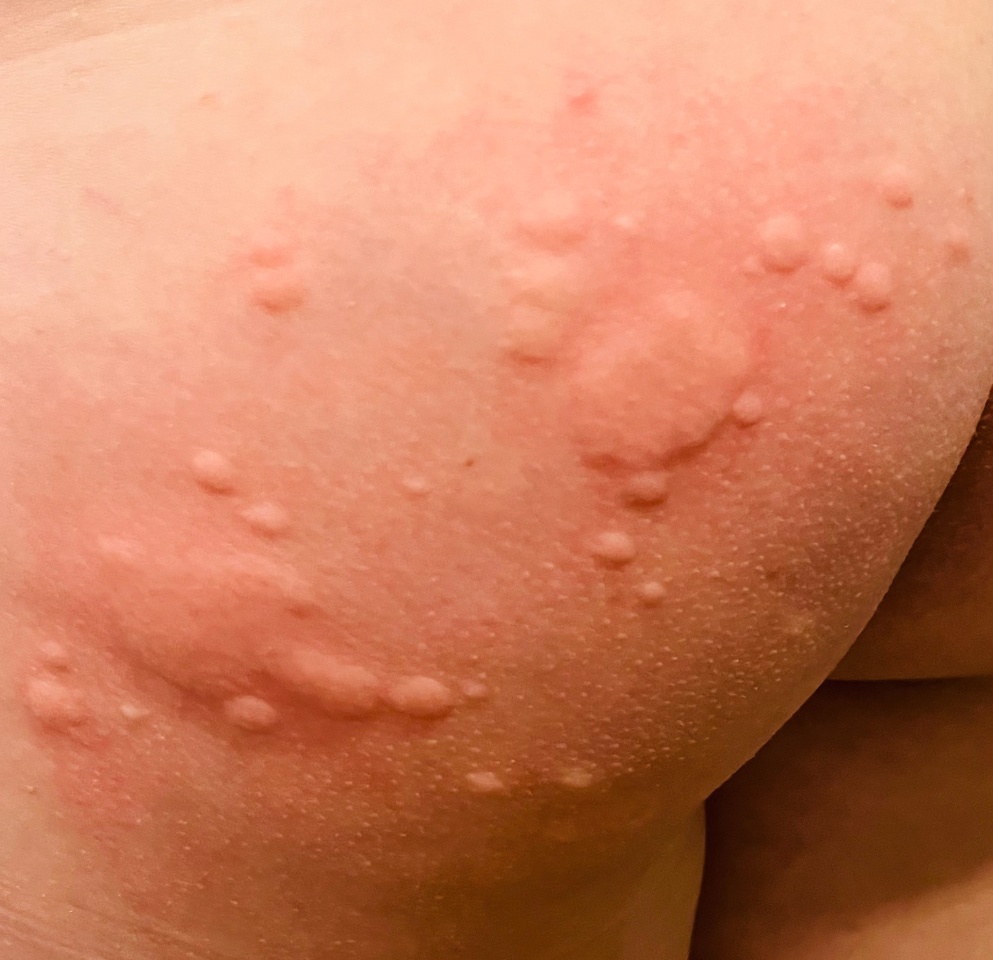
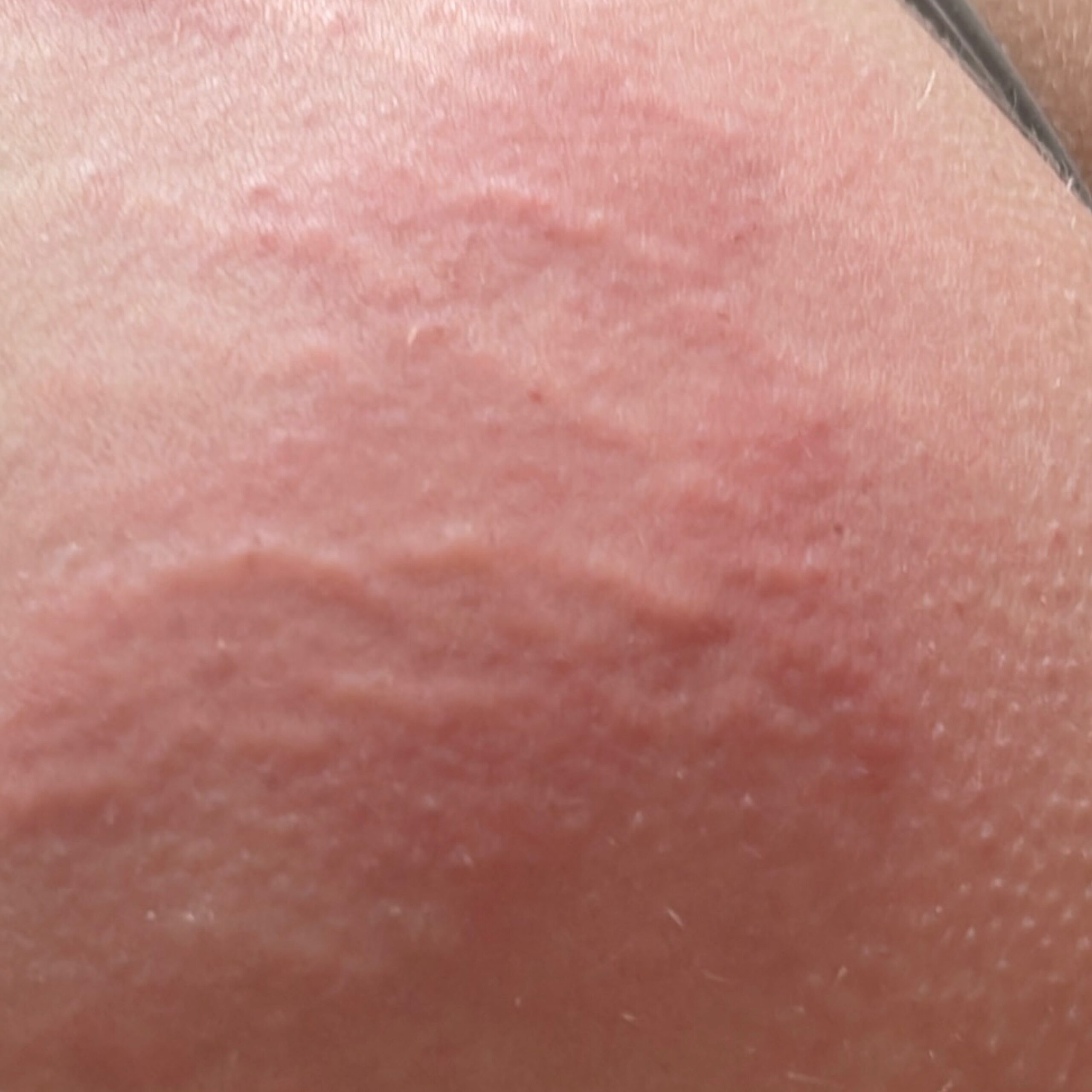
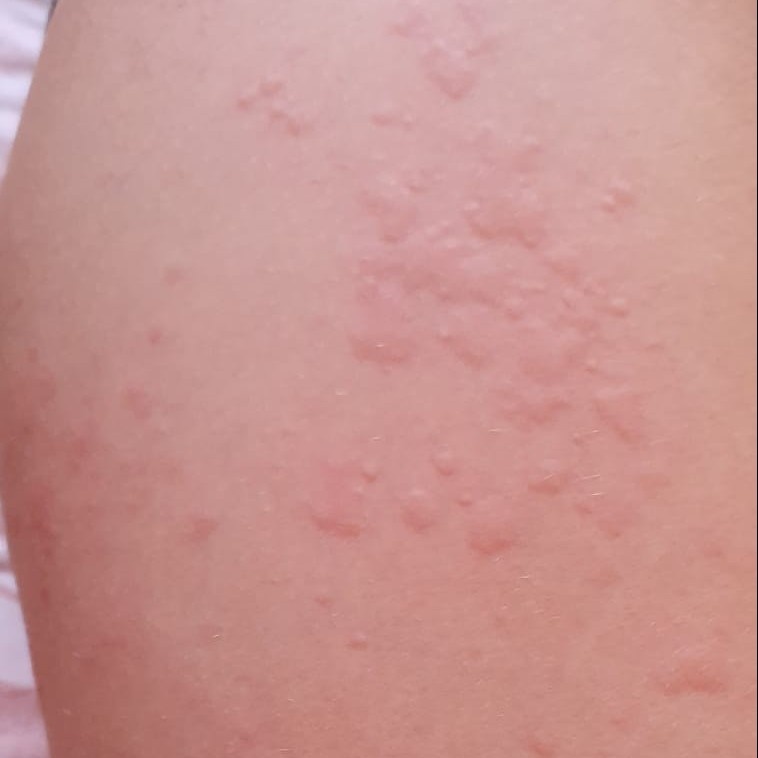
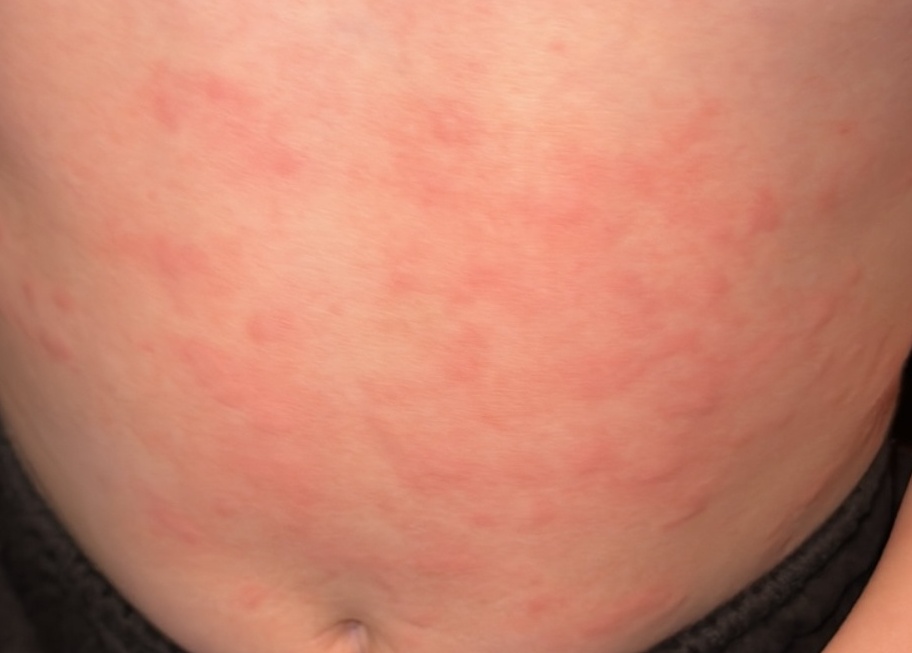
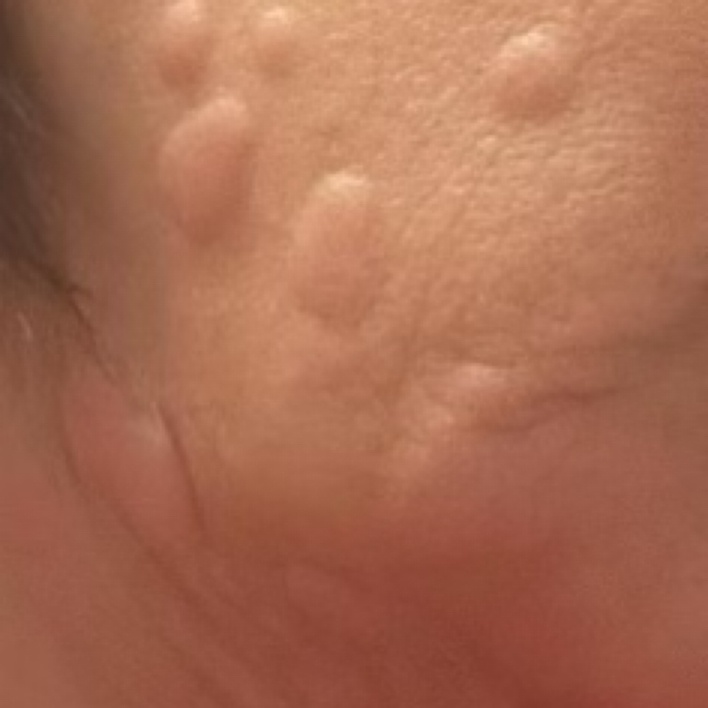
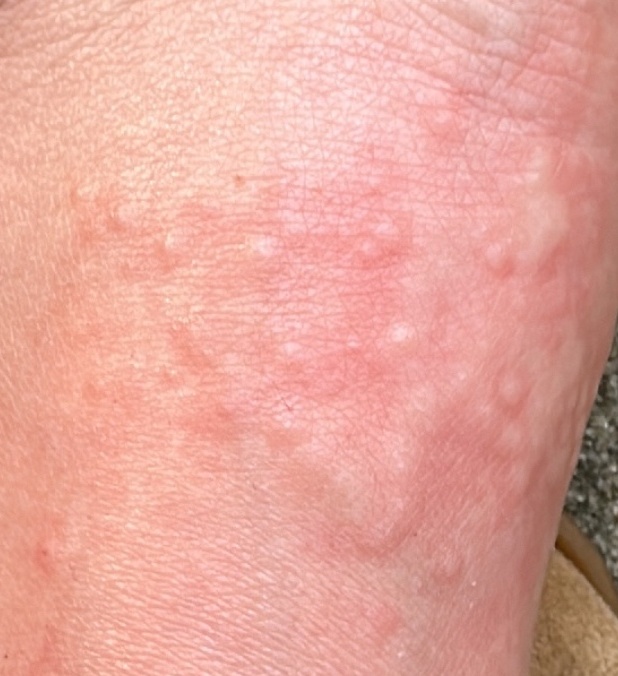
Urticaria appears as raised blisters on the skin with clearly defined borders.
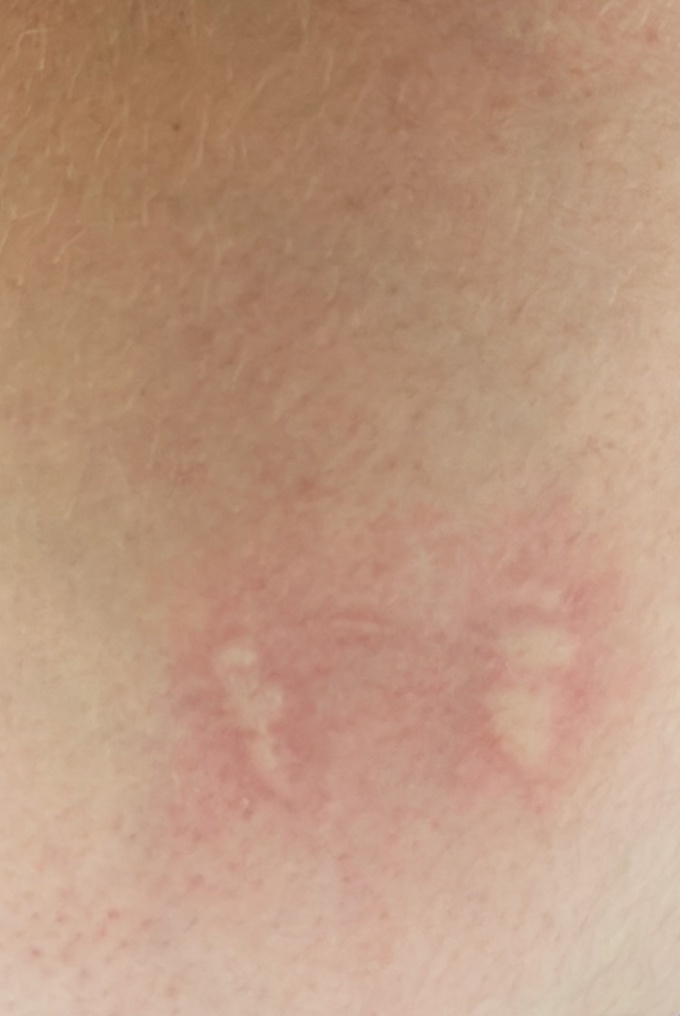
- The lesions may be pink or red, sometimes with a lighter center.
- When pressed, they usually blanch.
- Rash can appear anywhere on the body: face, trunk, arms, or legs.
- Lesions often merge and change shape.
- A key feature of urticaria is that lesions can disappear quickly and appear in other locations.
Main Symptoms
The primary symptom is intense itching accompanied by blisters on the skin.
Other possible symptoms include:
- Burning or tingling sensations
- Rapid appearance and disappearance of lesions
- Skin swelling in affected areas
In more severe cases, additional symptoms may include swelling of the face, lips, eyelids, or general malaise.
Causes
Urticaria is caused by an immune response to various triggers.
- When the skin encounters a trigger, histamine is released—a substance that dilates blood vessels and causes swelling. In simple terms, the skin overreacts, resulting in blisters.
Common triggers include:
- Foods (e.g., nuts, fish, eggs)
- Medications
- Insect bites
- Contact with chemicals or cosmetics
- Physical factors—cold, heat, pressure, or sunlight
Sometimes, especially in chronic urticaria, the cause cannot be determined.
How the Condition Develops
After contact with a trigger, immune cells in the skin become activated and release substances that cause inflammation.
- Blood vessels in the skin dilate, their permeability increases, and fluid leaks into tissues, forming characteristic swollen blisters.
- In some people, this reaction occurs quickly and resolves just as fast; in others, it may recur over a longer period.
Forms and Types
Based on duration, there are two main types:
- Acute — lasts up to 6 weeks and usually resolves quickly.
- Chronic — persists for more than 6 weeks and may recur regularly. Chronic urticaria is sometimes associated with immune system peculiarities or other diseases.
When to See a Doctor
Seek medical attention if:
- Lesions appear frequently or do not resolve
- Itching is severe and interferes with daily life
- Swelling of the face, lips, or eyelids occurs
- Difficulty breathing or chest tightness appears
- Suspected link to medications or foods
Signs of a severe allergic reaction require immediate attention.
Treatment
Treatment depends on the cause and severity of the condition.
- The main goal is to reduce symptoms and prevent recurrence.
- Most often, medications that block histamine are used to relieve itching and swelling.
- Identifying and avoiding triggers—such as certain foods, drugs, or irritants—is crucial.
- In more complex cases, additional treatments may be applied under medical supervision.
Self-adjusting or discontinuing prescribed medications is not recommended.
FAQs
Is urticaria contagious?
No, urticaria is not transmitted from person to person.
Can urticaria be cured?
Acute urticaria often resolves completely. Chronic urticaria can be managed to reduce frequency and severity.
How is urticaria treated?
Treatment includes medications to reduce allergic reactions and avoidance of triggers. The specific regimen is determined by a doctor.
Why do the rashes appear and disappear?
This is due to the blood vessels in the skin reacting—swelling appears rapidly and can resolve just as quickly.
Can I scratch the blisters?
No, scratching worsens irritation and may damage the skin.
Do I need a special diet?
If a food allergy is identified—yes. Otherwise, strict dietary restrictions are not always necessary.
Is urticaria dangerous?
Most cases are not dangerous, but swelling of the airways can be a serious condition.
What is angioedema (Quincke’s edema)?
This is pronounced swelling of the skin and mucous membranes, which can affect the airways and requires urgent medical attention.
Check Your Skin Instantly
Use the Skin Scanner app -Skinive AI to take a photo of a skin lesion and get an AI-based risk assessment. It helps determine whether professional consultation is recommended, giving you fast guidance and peace of mind.
Sources
- Clinical Guidelines in Allergy and Dermatology
- American Academy of Dermatology (AAD)
- European Academy of Allergy and Clinical Immunology (EAACI)
- World Health Organization (WHO)
🇬🇧 Allergic urticaria: Diagnosis and Care in the UK
If you notice urticaria (hives), it’s important to get a professional opinion. In the UK, you can access dermatology care via the NHS, private clinics, or online dermatology consultations.
👉 How to See a Dermatologist in the UK NHS – This main guide explains how NHS referrals work, what to expect from specialist dermatology services, and how to choose between public and private care.
Dermatologists in Major UK Cities:
- Dermatologist in London
- Dermatologist in Manchester
- Dermatologist in Liverpool
- Dermatologist in Birmingham
- Dermatologist in Leeds
- Dermatologists in Other UK cities
Online Dermatology
If you prefer remote care or faster access, try online dermatology consultations. They allow dermatologists to review images, provide advice, and guide next steps without visiting a clinic. Read more in this article: Online Dermatologists in UK.
🇦🇺 Allergic urticaria: Diagnosis and Care in Australia
If you notice urticaria (hives), it’s important to get a professional opinion. In Australia, dermatology care is available via Medicare (public system), private clinics, or online consultations.
👉 How to See a Dermatologist in Australia – This main guide explains how referrals work through GPs and public clinics, what to expect from specialist dermatology services, and how to choose between public and private care.
Dermatologists in Major Australian Cities:
- Dermatologist in Sydney
- Dermatologist in Melbourne
- Dermatologist in Brisbane
- Dermatologist in Perth
- Dermatologist in Adelaide
- Dermatologists in other Australian cities
Online Dermatology
For faster access or remote care, online dermatology consultations allow dermatologists to review images, provide advice, and guide next steps without visiting a clinic. Read more in this article: Online Dermatologists in Australia.
Images of allergic urticaria: