
Centrifugal annular erythema is a rare skin condition in which ring-shaped rashes appear on the skin and gradually increase in size.
The main sign is spots or plaques that grow from the center to the periphery and may resemble rings. Sometimes they are accompanied by mild itching. The condition is not contagious and cannot be transmitted through contact.
This condition is often associated with the body’s reaction to various internal or external factors. In most cases, the prognosis is favorable, especially if the underlying cause can be identified.
What to Do if Suspected
If ring-shaped spots appear on the skin and gradually enlarge, it is important to see a dermatologist.
The first step is a specialist examination. The doctor will assess the appearance of the rash and clarify whether there are potential triggering factors — infections, medications, or other conditions.
Additional tests may be required to rule out other diseases and identify possible causes.
It is important not to try to treat the rash on your own. Conditions that look similar may require different approaches, so an accurate diagnosis is essential.
How the Disease Appears
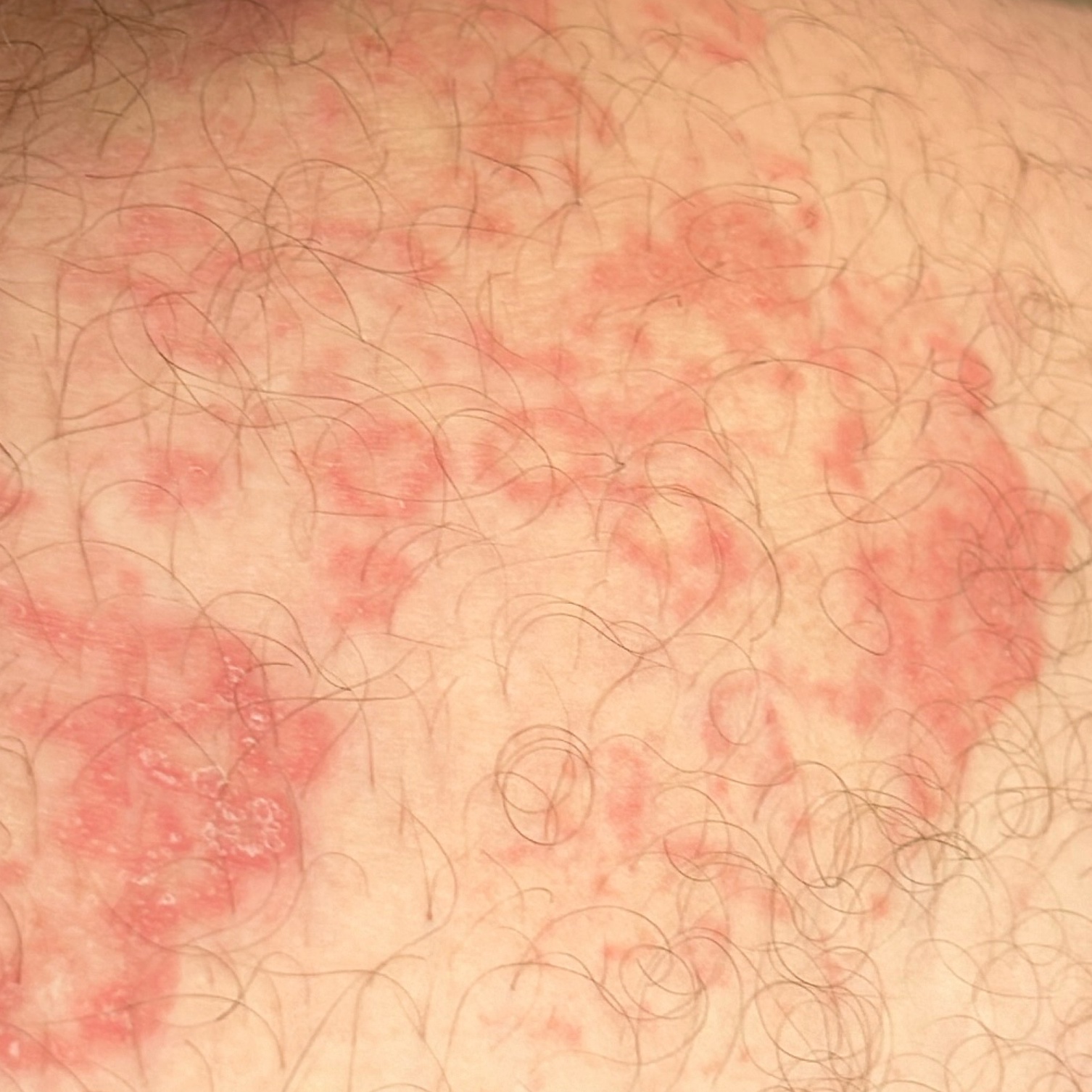
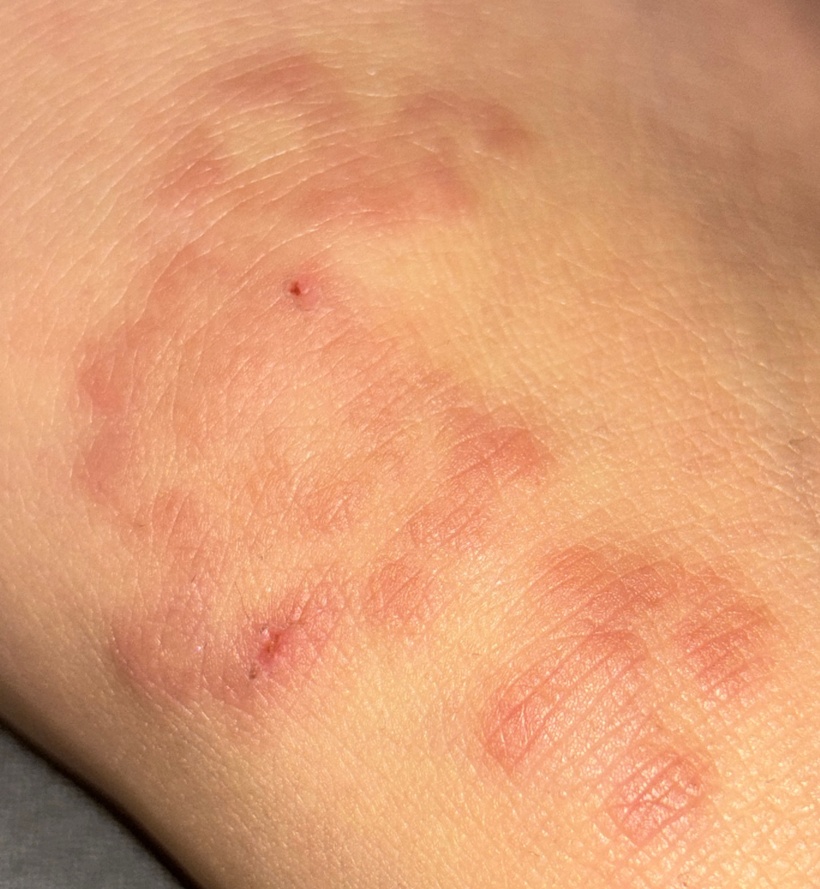
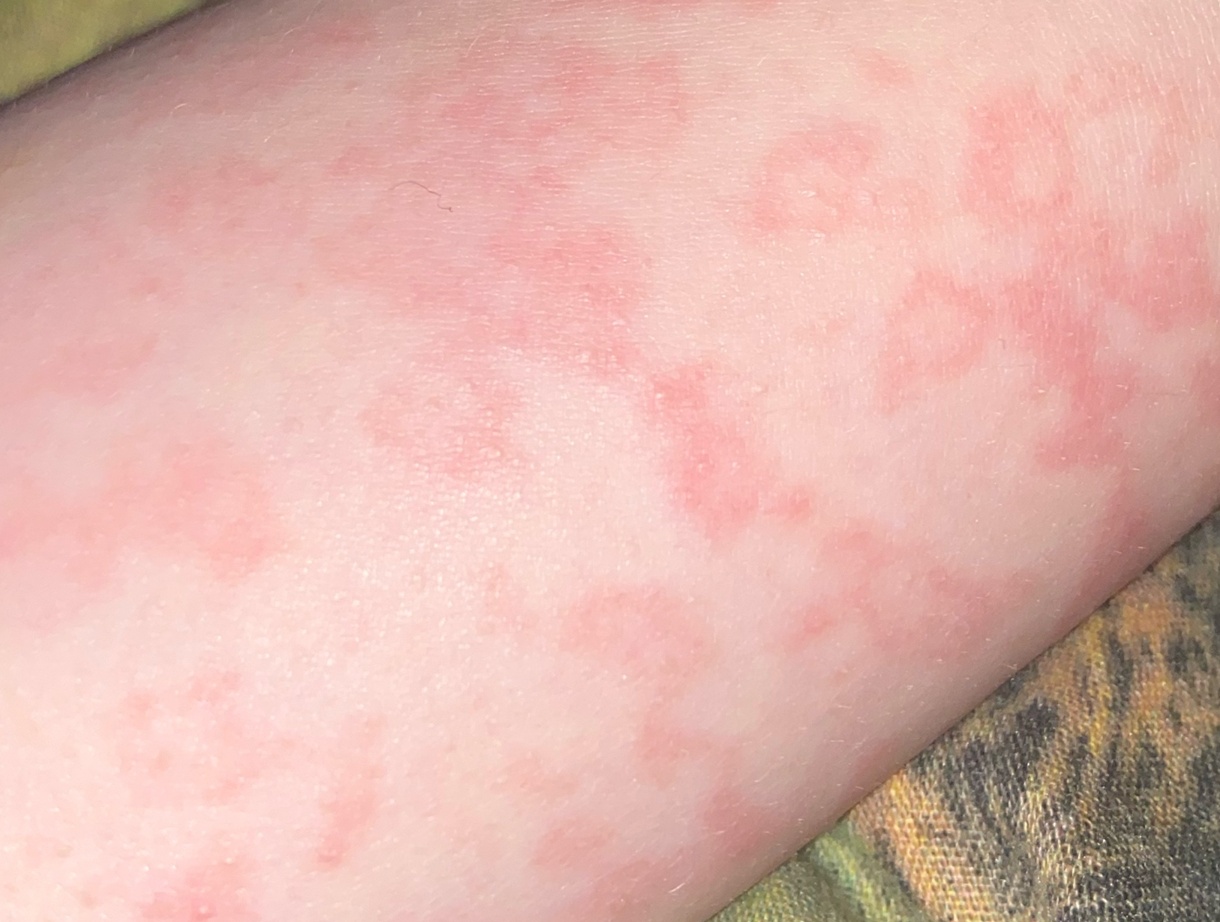
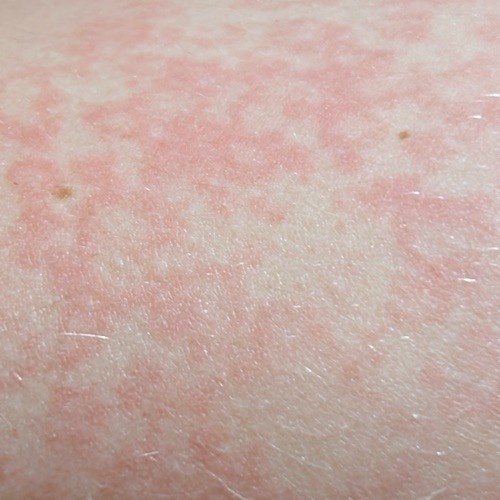
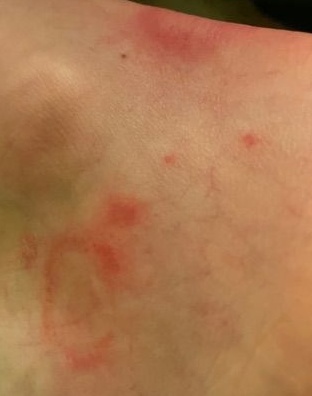
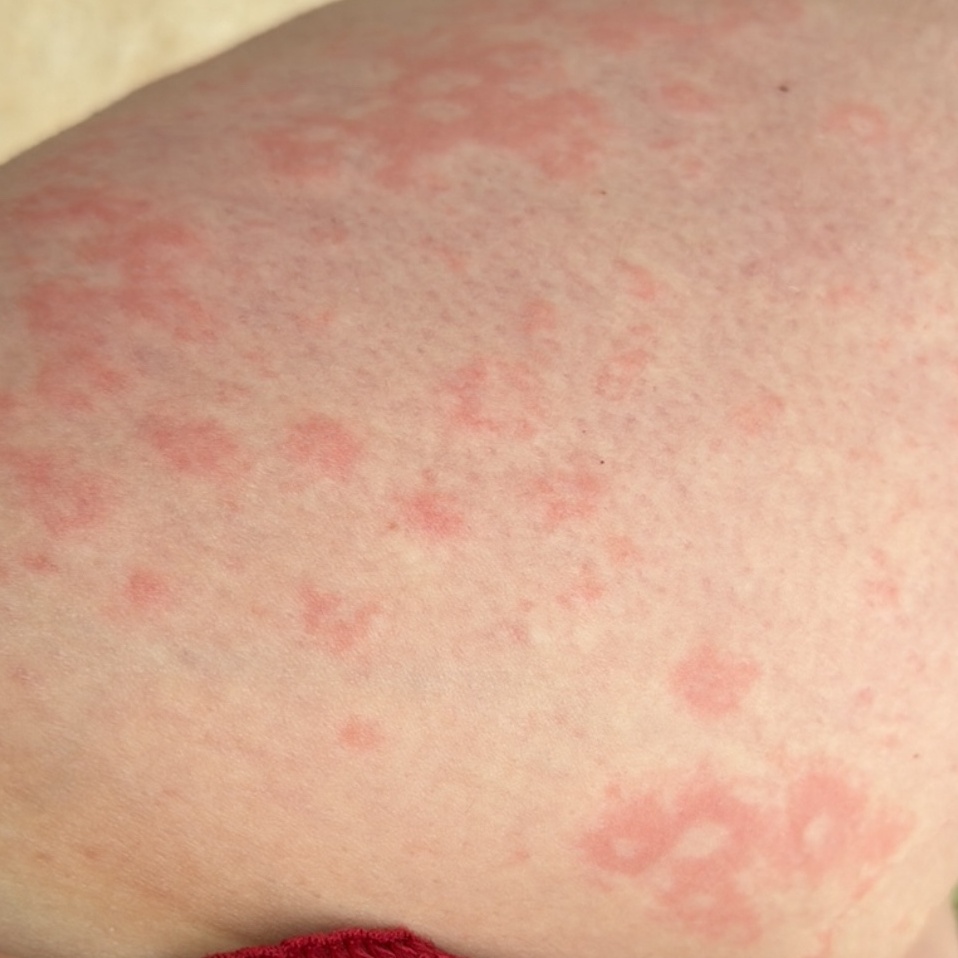
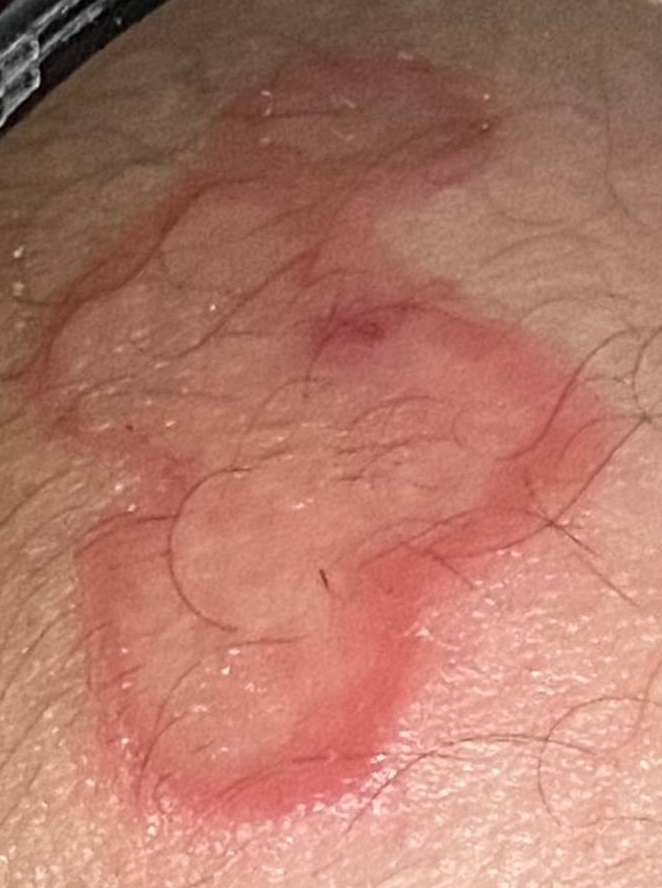
Centrifugal annular erythema appears as round or ring-shaped spots of pink or red color.
The rash usually starts as small elements that gradually expand at the edges, becoming lighter in the center.
The size of these rings can reach several centimeters. Sometimes a slight scaling is visible along the edge.
Rashes most often appear on the thighs, lower legs, and torso, and less commonly on the face. The palms and soles are usually not affected.
Manifestations can vary in intensity, and the course of the disease may change over time.
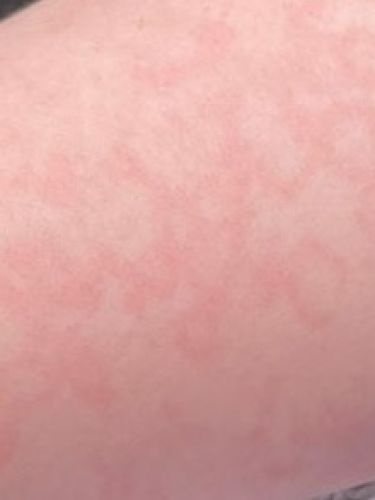
Below in the article, you can view real photos to better understand what the condition looks like.
Main Symptoms
- Ring-shaped rashes on the skin
- Mild or moderate itching
- Gradual enlargement of the spots
- Clearing of the skin in the center of the elements
- Occasionally, slight scaling along the edges
After the rashes disappear, temporary skin darkening may remain, which gradually fades.
Causes of the Disease
The exact cause is not always known.
Centrifugal annular erythema is often considered a reaction of the skin to various factors.
Possible causes include:
- Internal: infections, autoimmune diseases, in rare cases, tumors
- External: medications, chemicals, insect bites, certain foods
Sometimes the condition occurs without an obvious cause — this is normal for this disease.
How the Disease Develops
It is believed that the condition is based on an immune system reaction to a specific trigger.
Immune cells accumulate around the blood vessels in the skin and cause inflammation. This leads to redness that gradually spreads outward, forming a ring-shaped pattern.
The surface layer of the skin may remain relatively intact, so pronounced damage does not always occur.
Forms and Types
Two main forms are distinguished:
- Superficial: accompanied by itching and mild scaling
- Deep: usually without pronounced itching or scaling
The differences between forms are related to the depth of inflammation in the skin.
When to See a Doctor
Consult a specialist if:
- The spots increase in size or new lesions appear
- The rash persists for a long time
- There is itching or discomfort
- The cause of the rash is unclear
- There are accompanying symptoms (e.g., weakness, fever)
Examination is especially important if the rashes appear against the background of other diseases.
Treatment
Treatment depends on the underlying cause.
If a triggering factor (e.g., medication or infection) is identified, its removal often leads to resolution of skin manifestations.
If the cause is unknown, symptomatic treatment is used — remedies that reduce inflammation and itching.
In some cases, medications affecting the immune system may be used, but only under medical supervision.
Treatment may be prolonged, and relapses can occur after discontinuation of therapy. Therefore, monitoring by a specialist helps control the course of the disease.
Q&A
Is centrifugal annular erythema contagious?
No, the condition is not transmitted through contact and is not related to infection.
Is this condition dangerous?
In most cases, no, but sometimes it can be associated with other diseases, so medical evaluation is important.
How is this condition treated?
Treatment depends on the cause. Often, remedies are used to reduce inflammation and itching.
Can the condition resolve on its own?
Yes, in some cases the rashes may disappear spontaneously, especially if the triggering factor is eliminated.
Will there be marks on the skin?
Scars usually do not remain, but temporary skin darkening may persist.
Why do the spots form rings?
This is due to the pattern of inflammation spreading in the skin — it moves from the center outward.
Are tests required?
Yes, sometimes tests are necessary to rule out other diseases and identify possible causes.
Can the condition recur?
Yes, relapses are possible, especially if the triggering factor persists.
Check Your Skin Instantly
Use the Skin Scanner app -Skinive AI to take a photo of a skin lesion and get an AI-based risk assessment. It helps determine whether professional consultation is recommended, giving you fast guidance and peace of mind.
Sources
- Clinical Dermatology Guidelines
- American Academy of Dermatology (AAD)
- European Academy of Dermatology and Venereology (EADV)
- World Health Organization (WHO)
🇬🇧 Erythema: Diagnosis and Care in the UK
If you notice erythema (red skin reactions), it’s important to get a professional opinion. In the UK, you can access dermatology care via the NHS, private clinics, or online dermatology consultations.
👉 How to See a Dermatologist in the UK NHS – This main guide explains how NHS referrals work, what to expect from specialist dermatology services, and how to choose between public and private care.
Dermatologists in Major UK Cities:
- Dermatologist in London
- Dermatologist in Manchester
- Dermatologist in Liverpool
- Dermatologist in Birmingham
- Dermatologist in Leeds
- Dermatologists in Other UK cities
Online Dermatology
If you prefer remote care or faster access, try online dermatology consultations. They allow dermatologists to review images, provide advice, and guide next steps without visiting a clinic. Read more in this article: Online Dermatologists in UK.
🇦🇺 Erythema: Diagnosis and Care in Australia
If you notice erythema (red skin reactions), it’s important to get a professional opinion. In Australia, dermatology care is available via Medicare (public system), private clinics, or online consultations.
👉 How to See a Dermatologist in Australia – This main guide explains how referrals work through GPs and public clinics, what to expect from specialist dermatology services, and how to choose between public and private care.
Dermatologists in Major Australian Cities:
- Dermatologist in Sydney
- Dermatologist in Melbourne
- Dermatologist in Brisbane
- Dermatologist in Perth
- Dermatologist in Adelaide
- Dermatologists in other Australian cities
Online Dermatology
For faster access or remote care, online dermatology consultations allow dermatologists to review images, provide advice, and guide next steps without visiting a clinic. Read more in this article: Online Dermatologists in Australia.
Images of erythema:
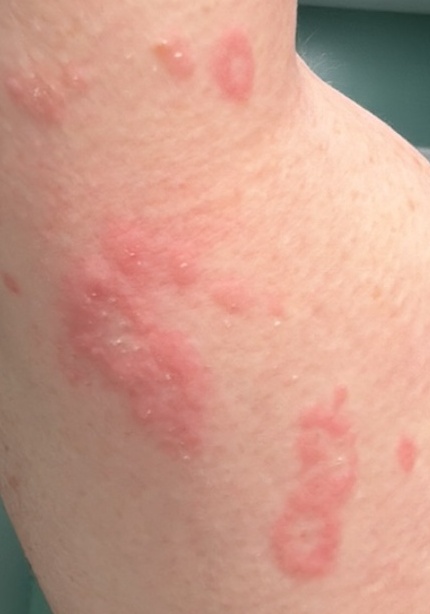
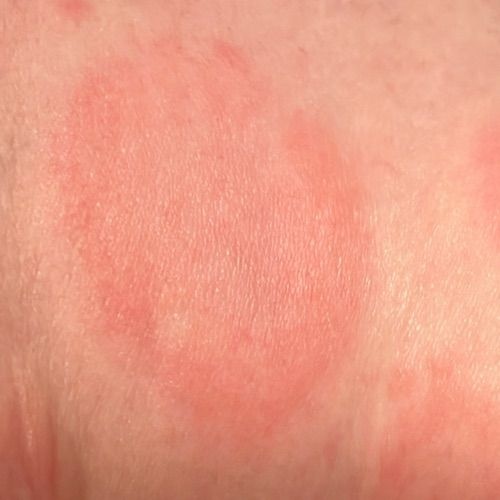
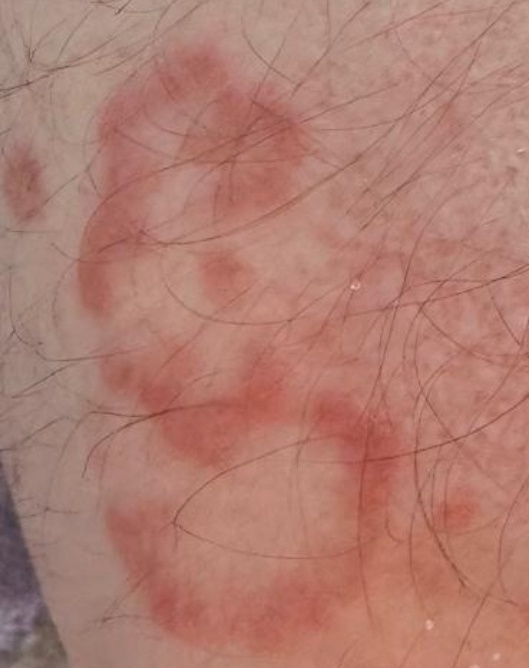
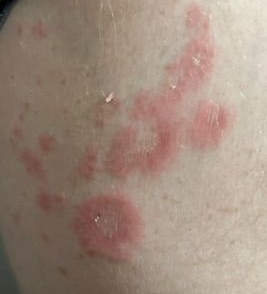
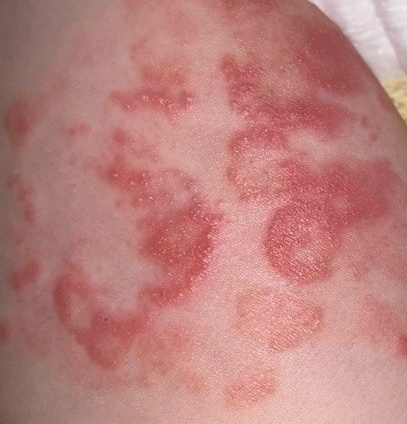
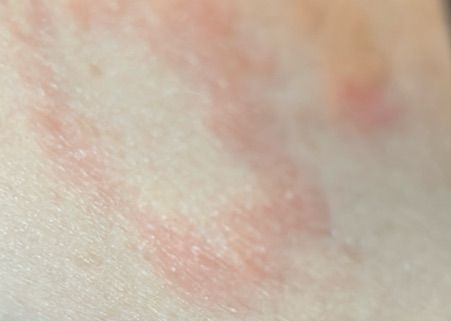
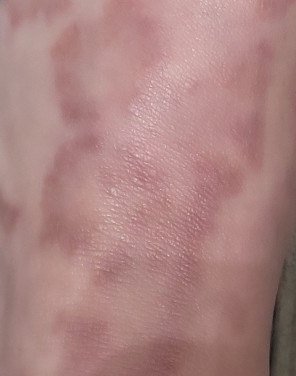
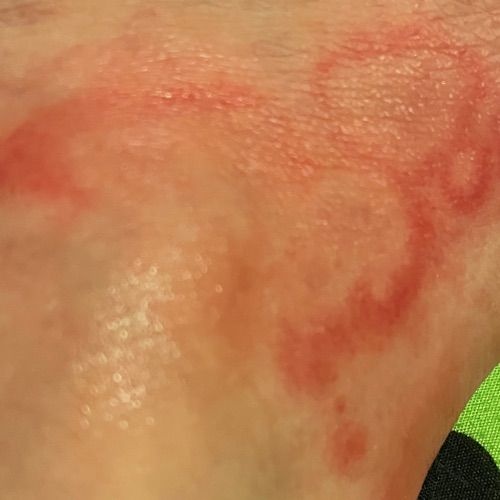
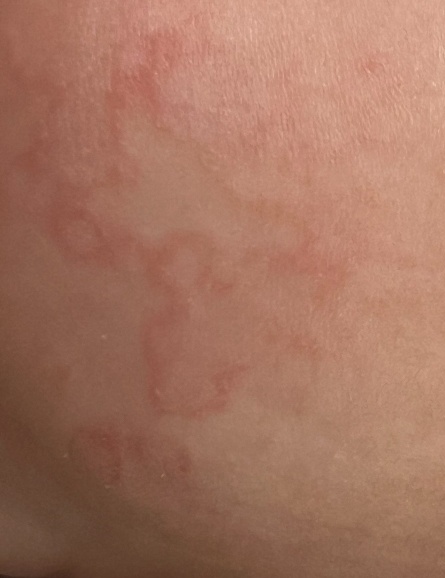
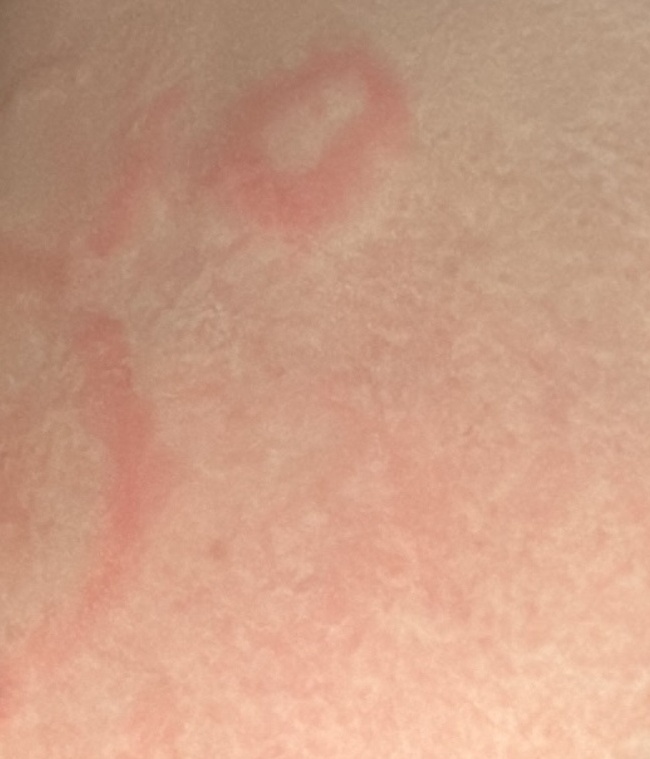
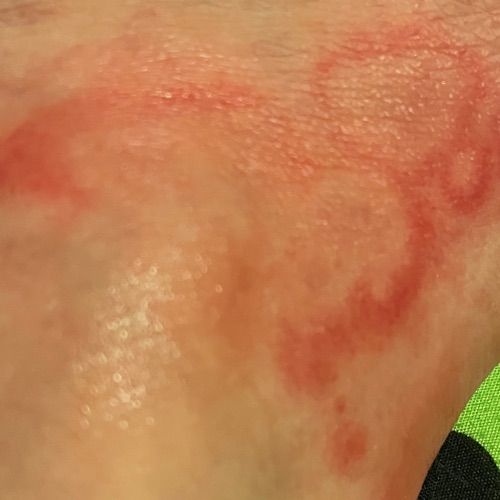
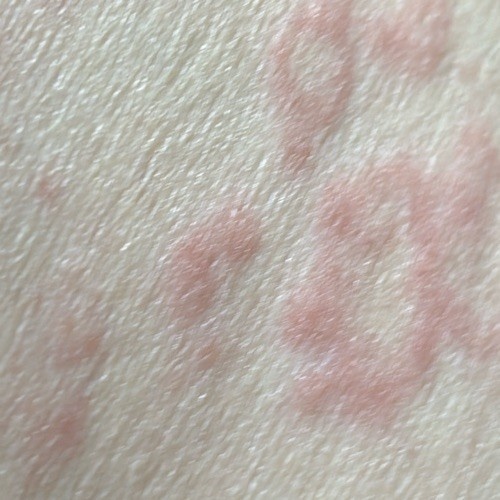
** Should you identify any copyright infringement regarding the images on this page, kindly reach out to us at info@skinive.testovii.fun.
Furthermore, please be advised that these photos are not authorized for any purpose.