
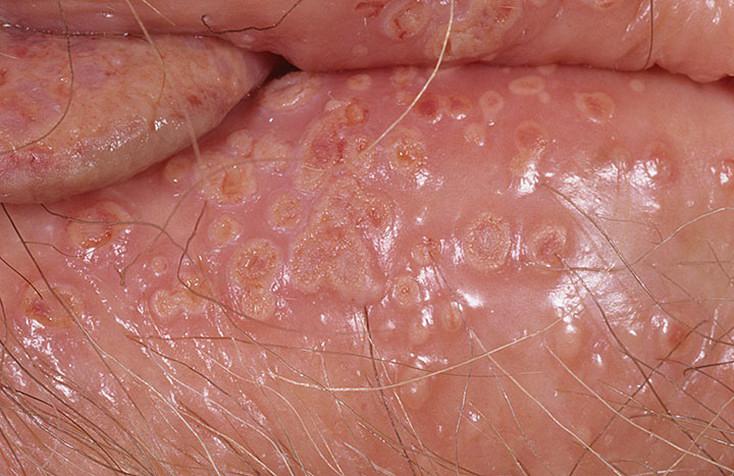
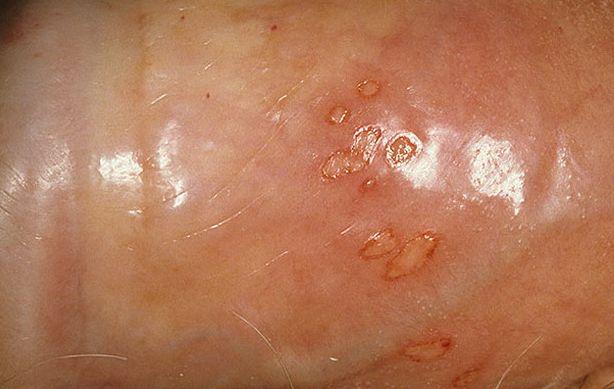
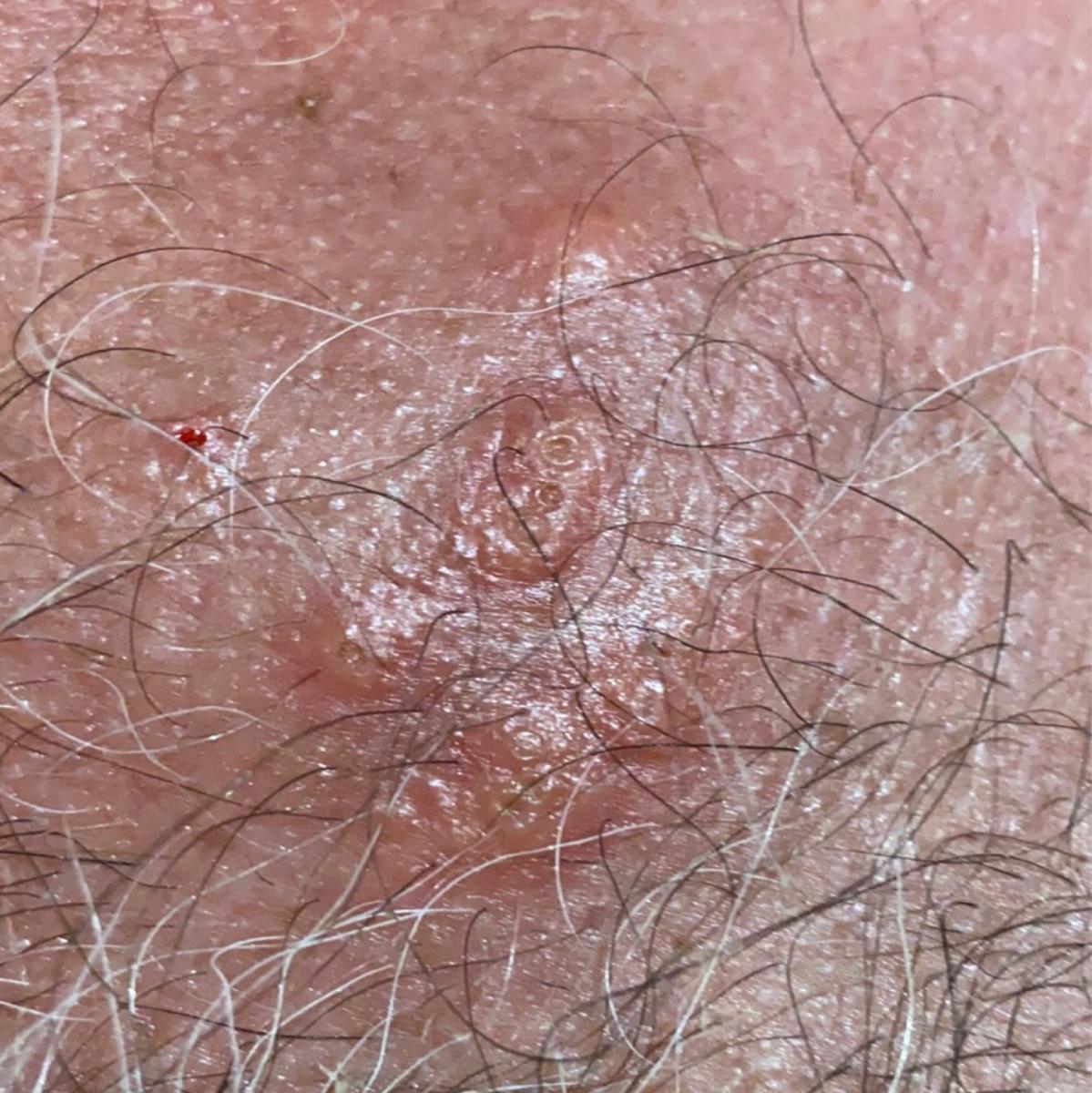
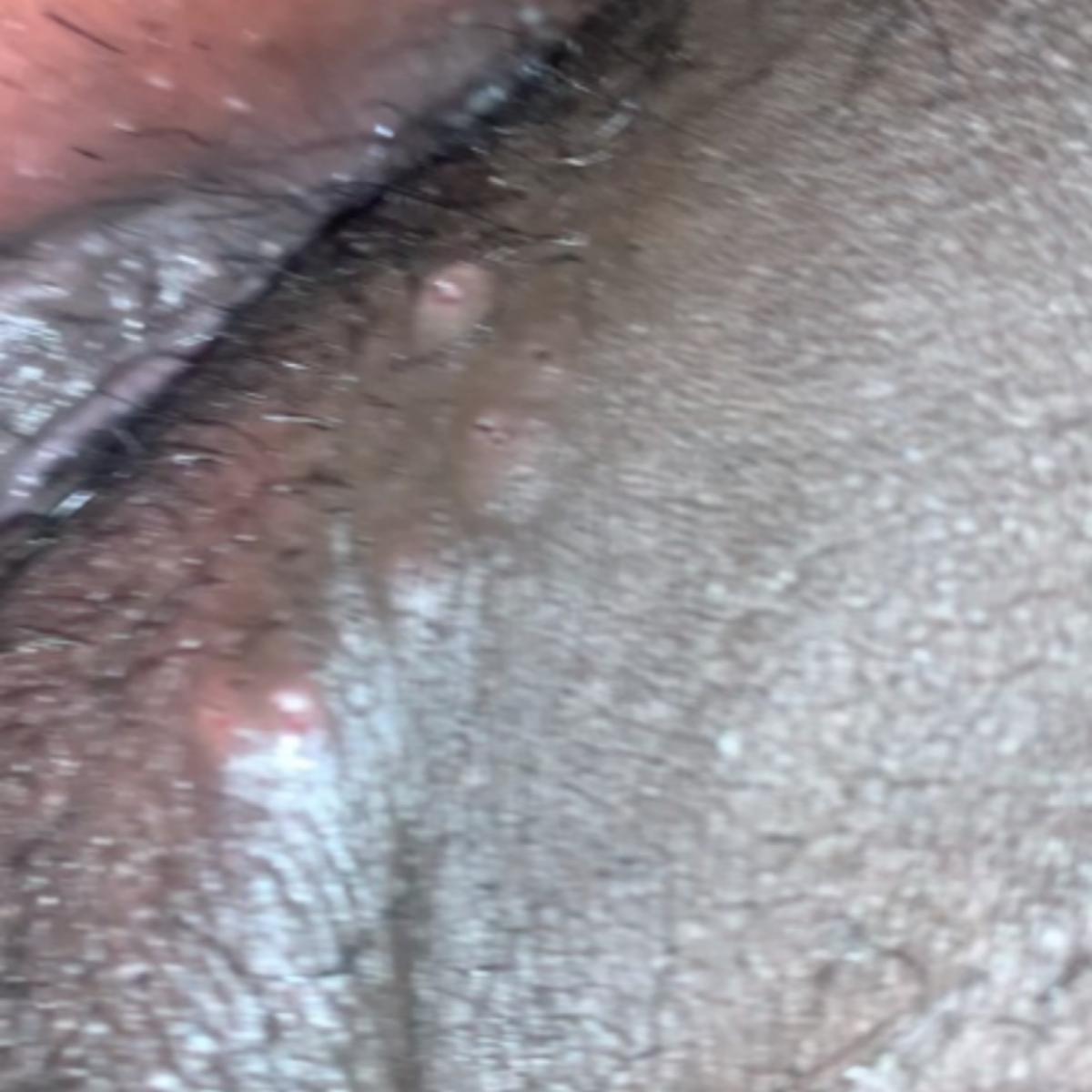
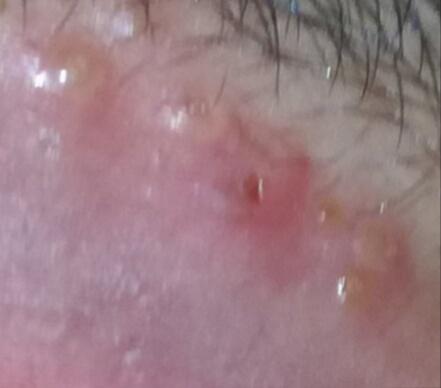
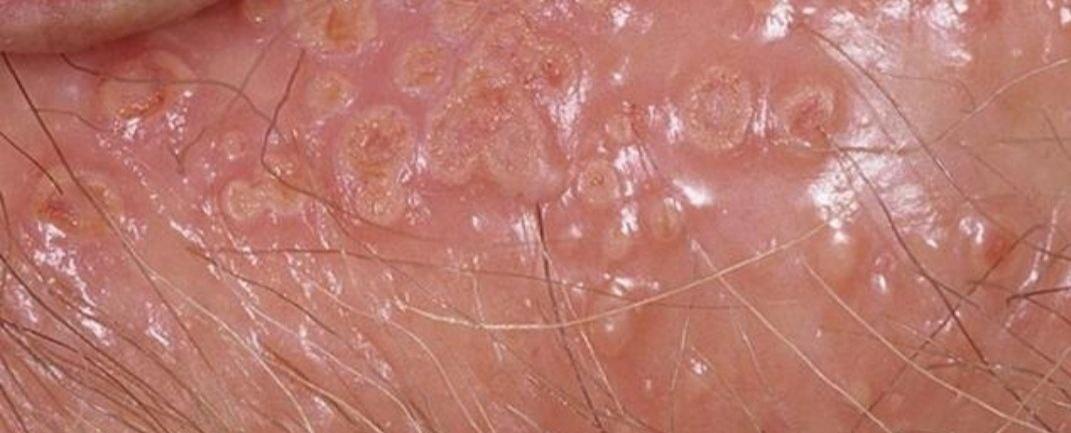
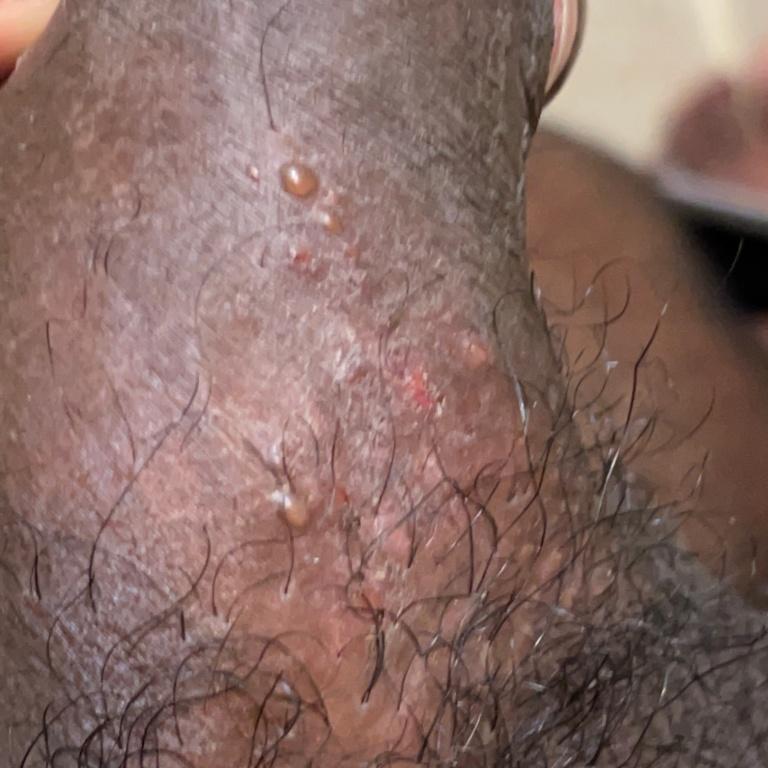
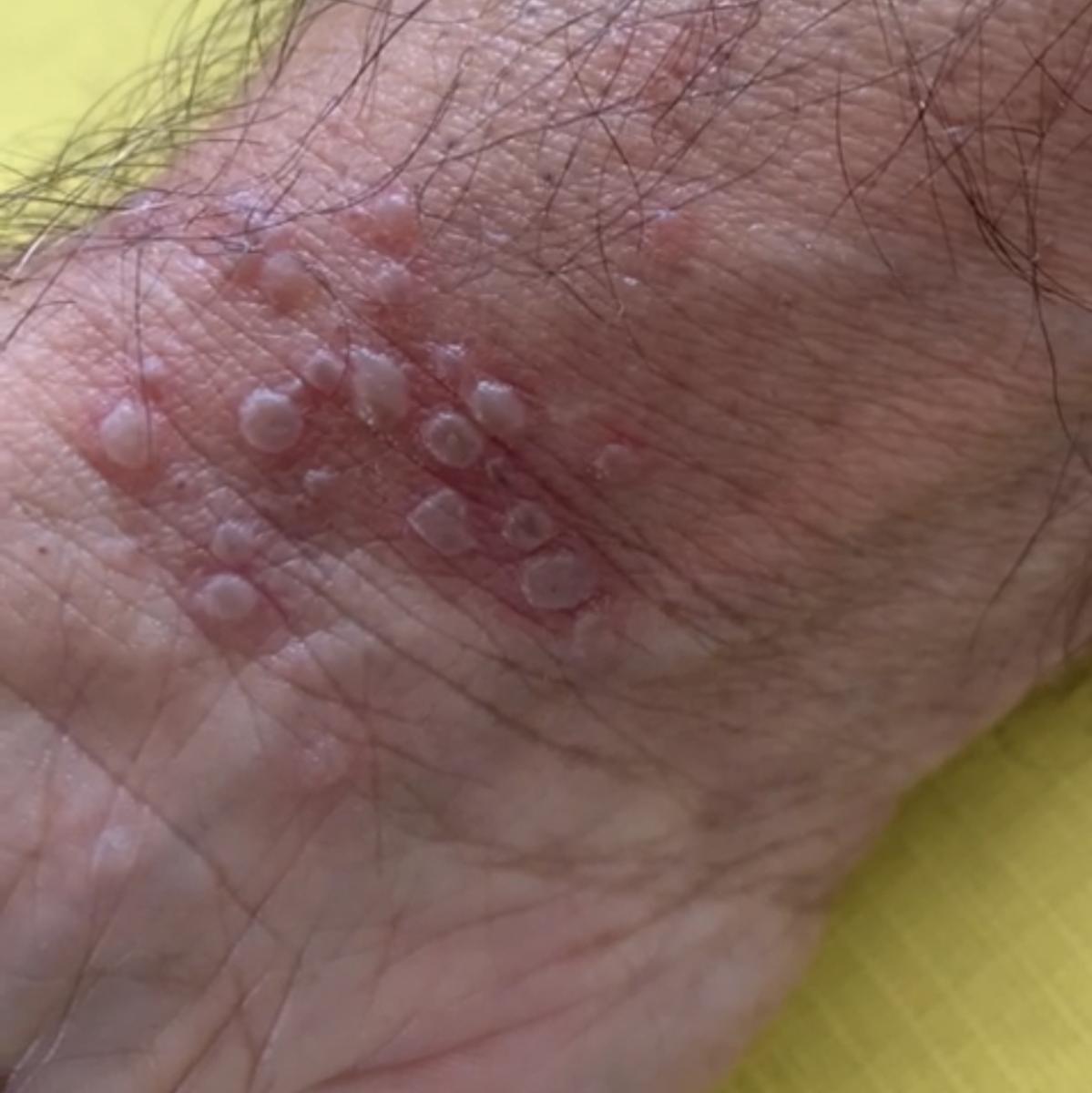
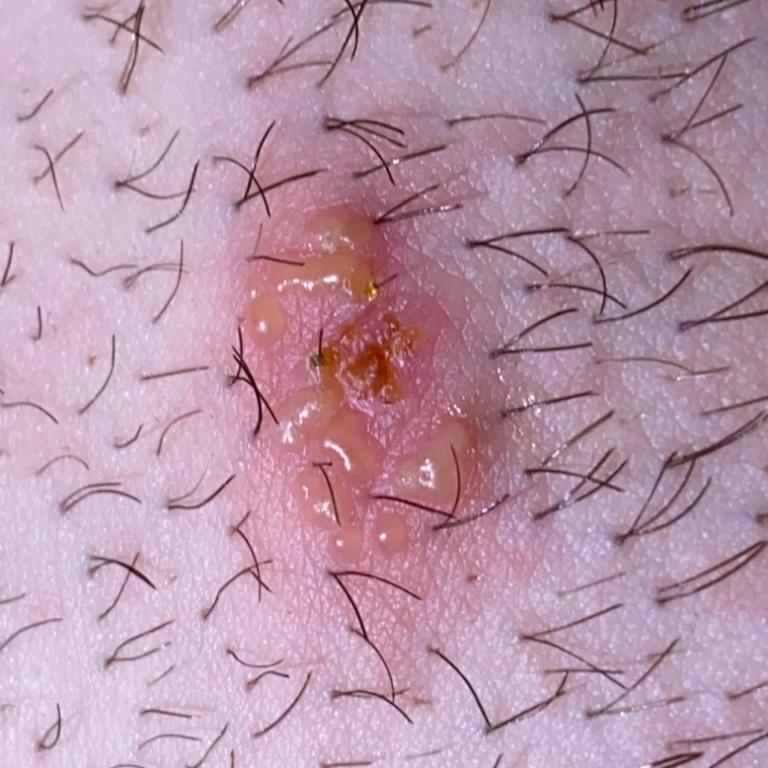
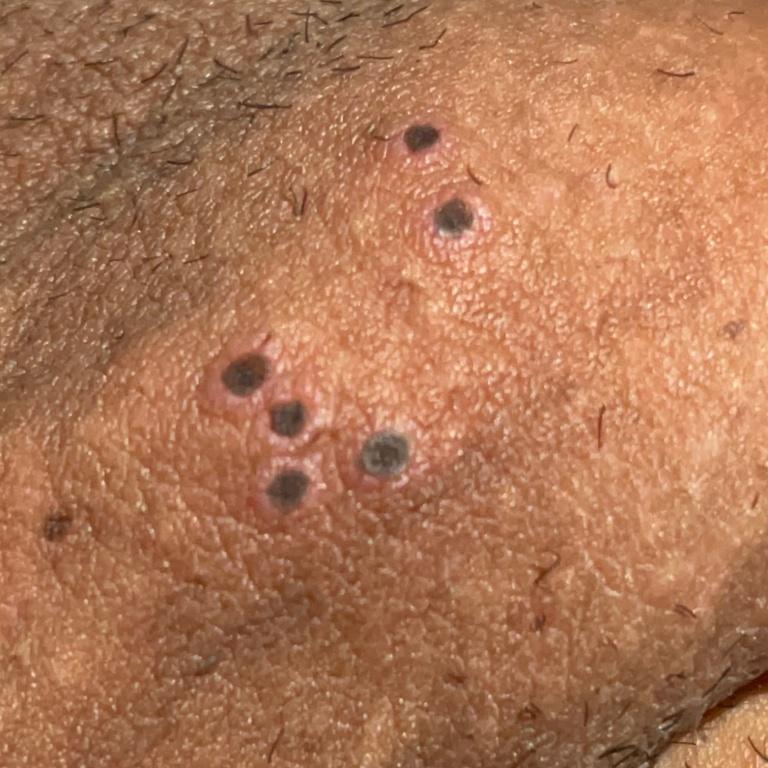
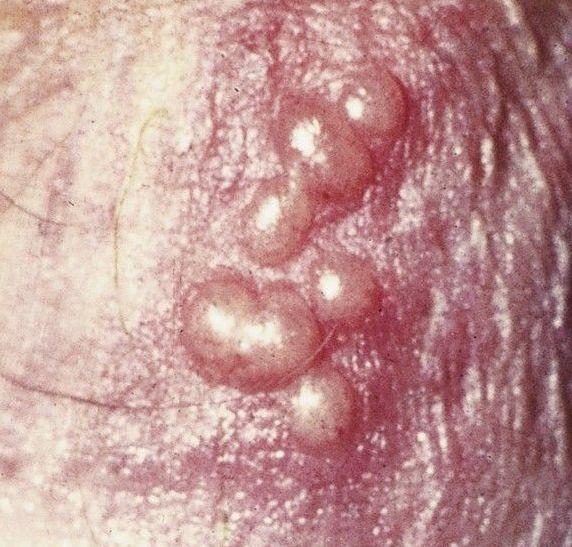
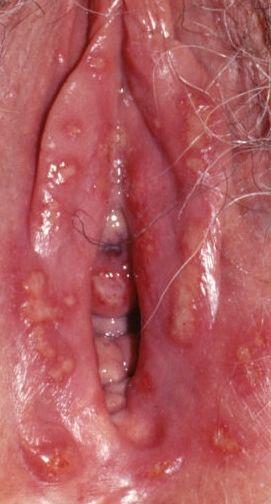
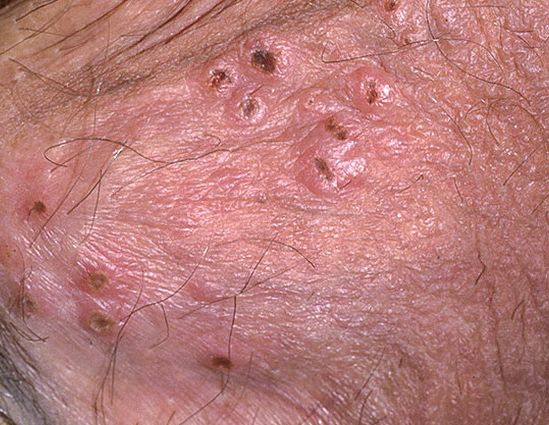
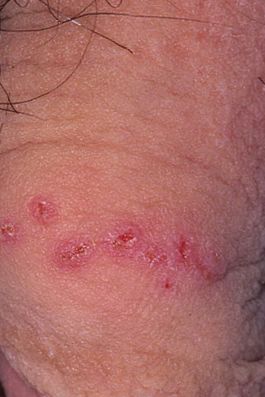
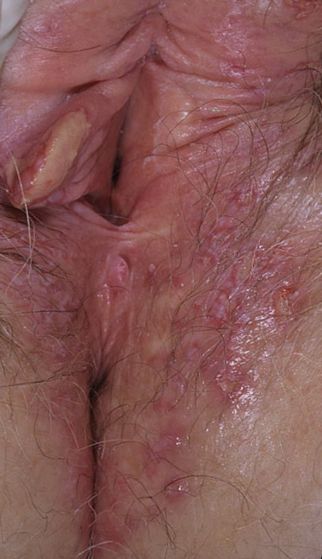
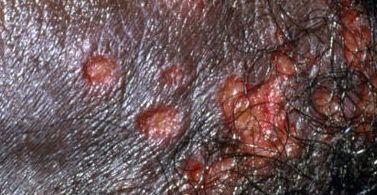
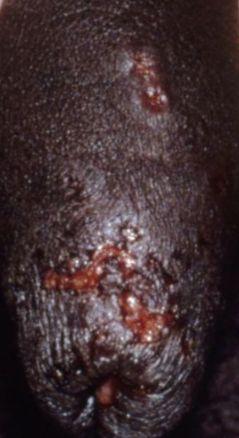
Genital herpes is a sexually transmitted infection caused by the herpes simplex virus (HSV). There are two different types of virus (type 1 and type 2), both of which can infect the genitals. One type (type 1) is the same virus that causes labial herpes (in the lip area). The main manifestation of genital herpes is a painful blistering rash, often with ulceration in the genital area.
Infection options
Herpes simplex virus (HSV) is easily transmitted from person to person through close, direct contact, including:
- Unprotected sexual intercourse;
- Infected hygiene items.
The infection process can occur even if the sexual partner has no visible symptoms. This is sometimes referred to as “asymptomatic discharge.”
Genital herpes symptoms
Many people with the herpes virus do not experience any symptoms immediately after infection. The first manifestations occur approximately 2-12 days after contact. Sometimes symptoms may not be visible for months, and sometimes even several years after exposure to the virus.
Once infected, the herpes virus remains in the body. It can remain dormant for a long time, but it can reactivate in the originally infected area with the onset of symptoms in the form of a painful rash. This is known as a “recurrent episode” of genital herpes.
The first episode of genital herpes can last two to four weeks. If repeated episodes occur, they are usually not as severe and prolonged as the first.
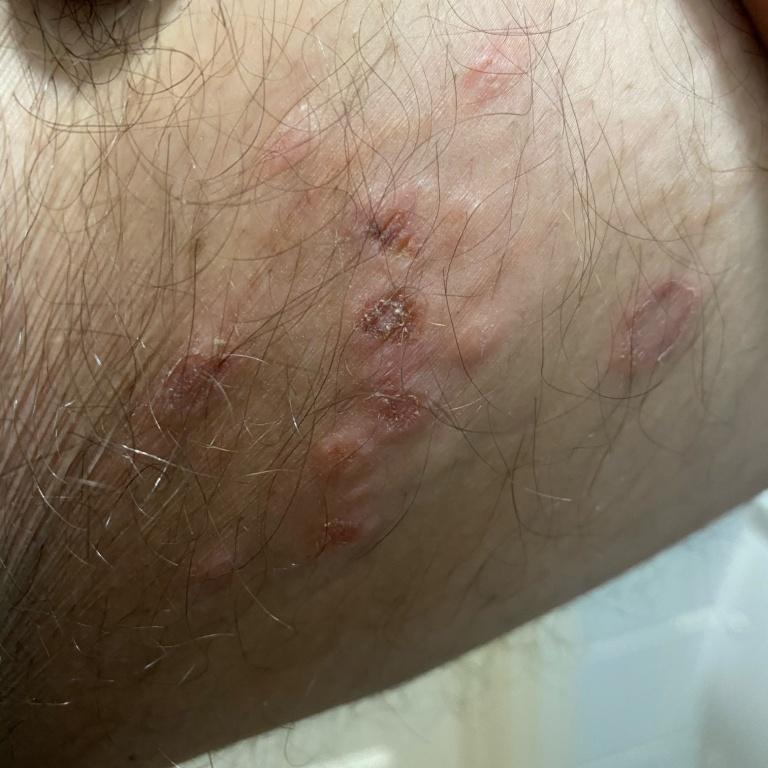
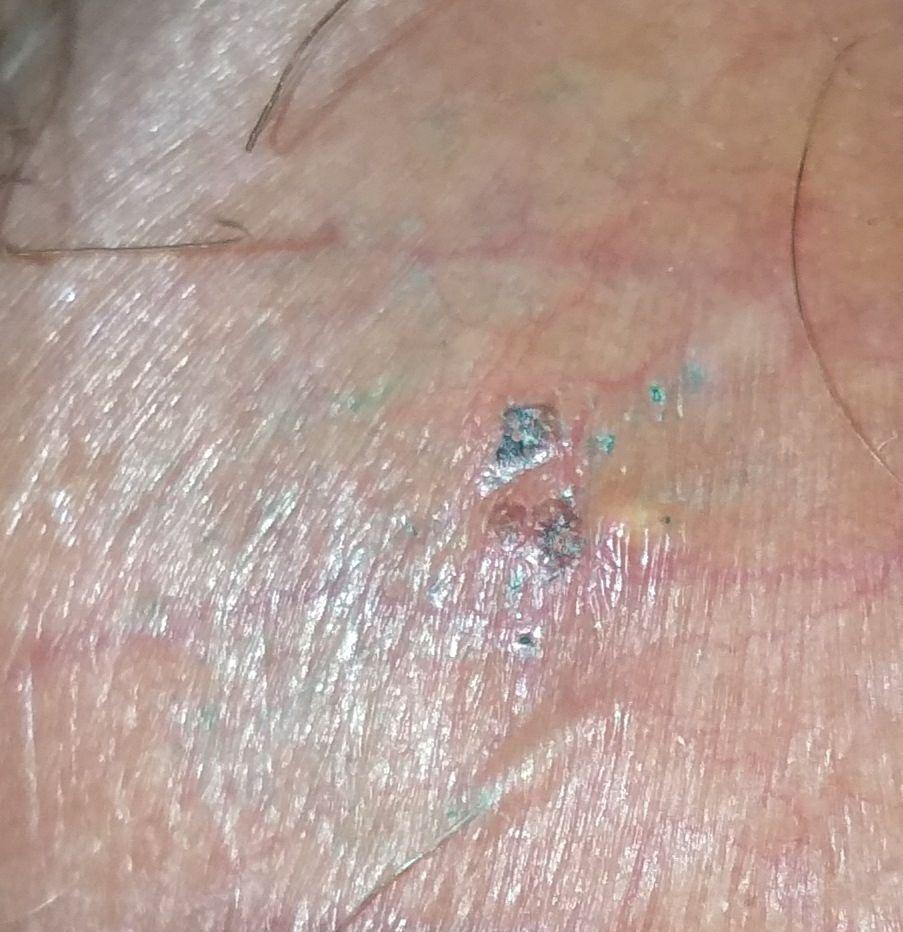
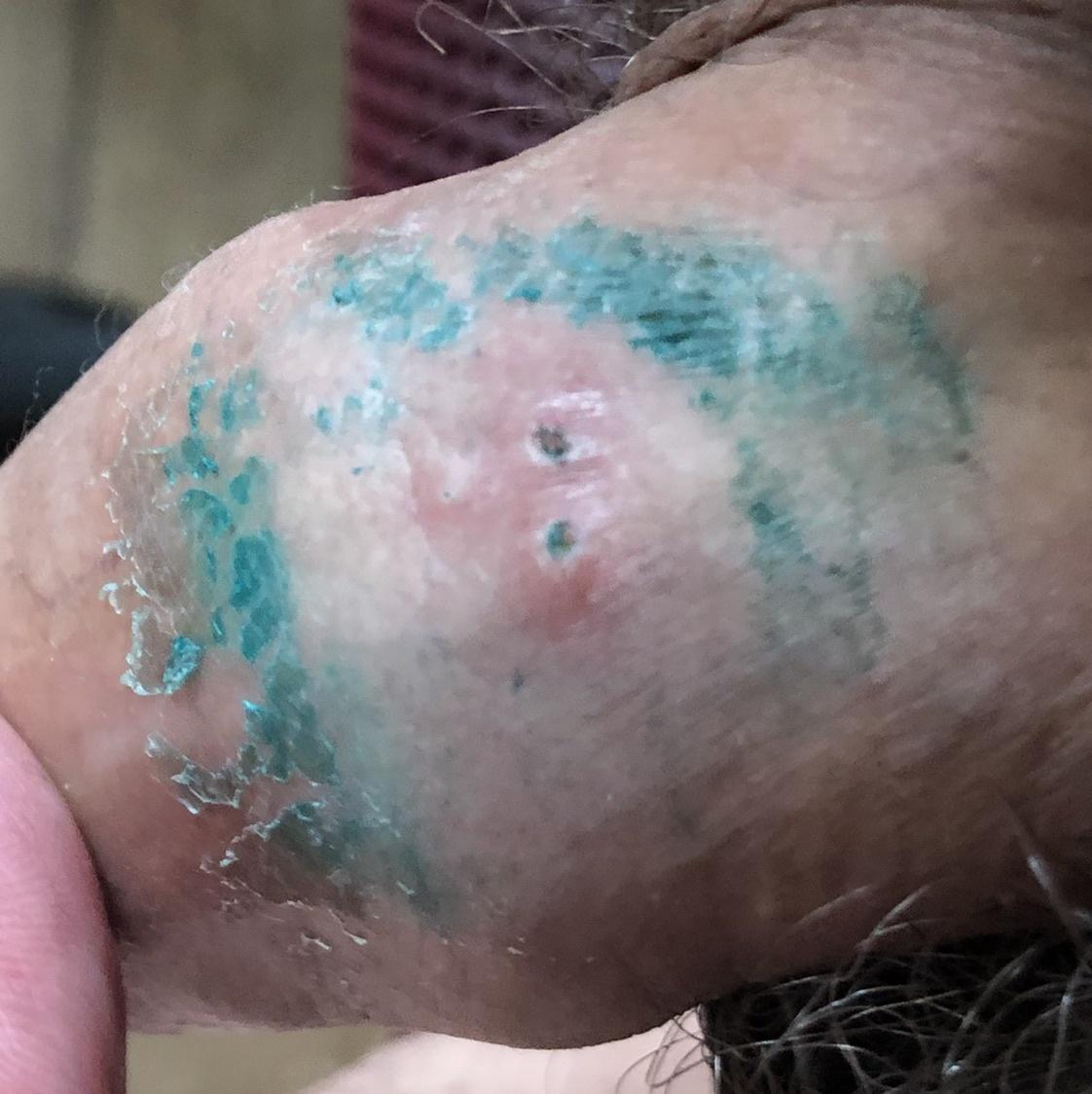
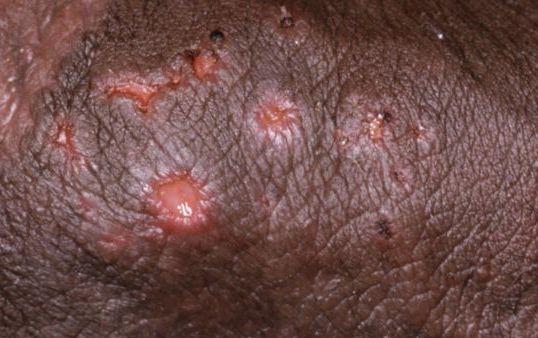
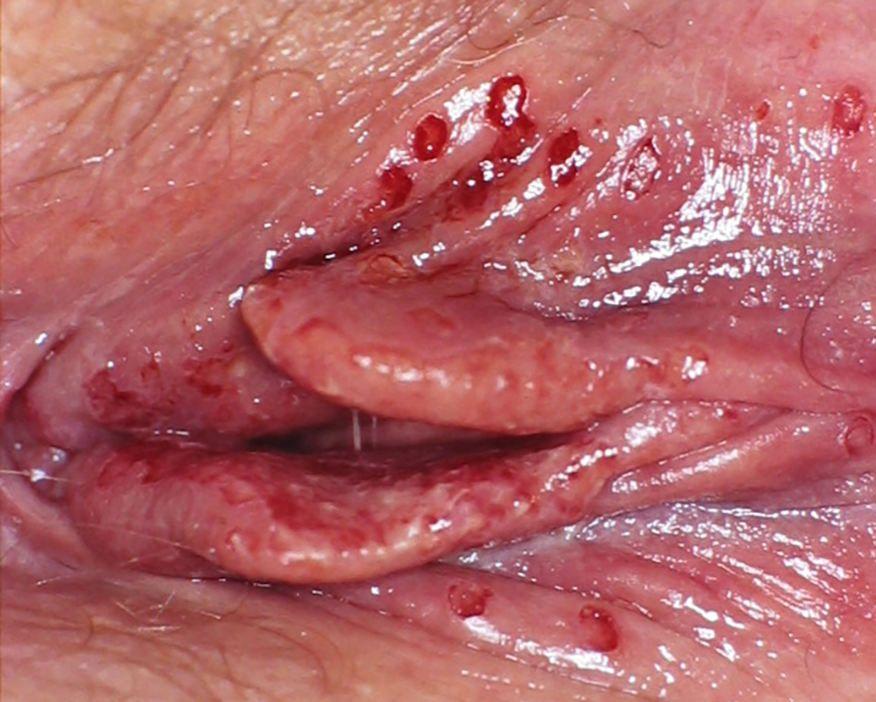
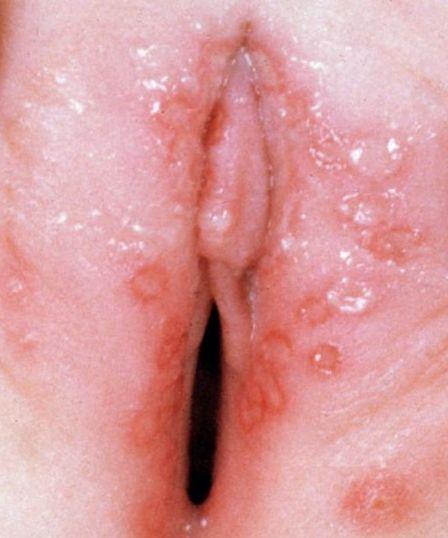
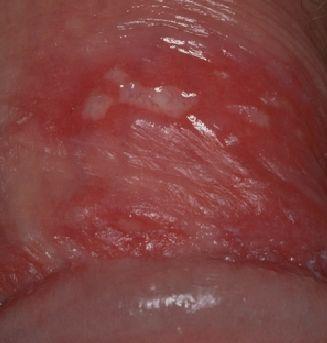
Symptoms of genital herpes can include patches or a red rash, often very painful, around the genitals. Over time, these spots or rashes can open up to form ulcers. The sores gradually crust over, forming new skin as they heal.
Other symptoms of genital herpes include:
- Pain in the vagina, glans penis, or rectum;
- Vaginal discharge;
- Pain when urinating or urinary retention;
- Increased body temperature;
- Flu-like symptoms, back pain, headache, and swollen lymph nodes in the groin.
Recurrent genital herpes often presents with a tingling or burning sensation before the rash appears (one of the first symptoms of a recurrent infection).
Tactics for suspected genital herpes
If you suspect genital herpes, you should make an appointment with a dermatovenereologist.
Diagnosis is clinical.
If necessary (the indications are determined by the doctor), a smear is taken for analysis to confirm the herpes infection and determine the type of herpes.
Genital herpes treatment
In the case of a mild or asymptomatic course of genital herpes infection, special antiviral drugs are usually not prescribed. It is enough only for nonspecific measures that help speed up the healing process and reduce the severity of symptoms:
- Thorough hygiene;
- Warm bath;
- Cotton linen;
- Casual clothes;
- To relieve painful sensations, non-steroidal anti-inflammatory drugs (NSAIDS).
In more severe cases, antiviral drugs are prescribed on the recommendation of a doctor, which not only reduce symptoms and speed up the healing process, but also reduce the frequency of recurrent infections. The frequency and duration of admission is determined by the doctor.
Preventing transmission of genital herpes to a partner
- Inform your partner about the presence of genital herpes.
- Learn to recognise in a timely manner the precursors of the appearance of genital herpes (tingling, itching or flushing of the skin);
- Exclude sexual intercourse during an episode of herpes.
- Exclude other contacts of a healthy person with the affected area in an infected person.
Preventing the recurrence of herpes
It is recommended to memorise or write down the time, conditions of appearance, taking medications and other moments, possibly accompanying recurrent episodes of genital herpes. This can make it possible to find the patterns of recurrence of herpes infection and determine the trigger factors.
Most common triggers:
- Postponed another infection;
- Severe concomitant diseases;
- Weakening of immunity due to nutritional problems, deficiency of essential vitamins, macro- and microelements;
- Stress;
- Immunosuppressive therapy;
- Surgical interventions;
- Chronic skin trauma or other dermatological problems.
Reducing the risk of genital herpes
The best way to prevent genital herpes from developing is through protected intercourse. The herpes virus is not transmitted by condoms. However, if the virus is present and active on the skin in areas around the genitals that are not covered by a condom (as is often the case), the risk of infection is high. Therefore, after intercourse, careful hygiene is necessary.
When symptoms of herpes appear in a partner, refuse sexual intercourse for a while until complete recovery.
🇬🇧 Herpes Genital: Diagnosis and Care in the UK
The UK sees a range of viral skin and mucosal infections, so early assessment of suspicious or recurring lesions is strongly recommended. Genital herpes is a viral infection caused by the herpes simplex virus (HSV) and typically presents as painful blisters or sores in the genital or anal area. If you notice new or recurring lesions, you should first consult a GP (General Practitioner) for evaluation.
GPs in the UK can examine affected areas, confirm the diagnosis, provide antiviral treatment, and refer patients to dermatologists or sexual health specialists if infections are severe, recurrent, or complicated. Many clinics also provide:
- Clinical examination of skin and mucosal lesions
- Diagnosis of herpes simplex virus infection
- Prescription antiviral therapy for acute outbreaks or suppression
- Patient education on transmission prevention, recurrence management, and sexual health
Seek medical advice if:
- The diagnosis is uncertain
- Lesions are severe, painful, or spreading
- Symptoms keep recurring
- Warts or sores do not improve with over-the-counter treatment
- You have a weakened immune system
- Genital lesions or symptoms appear
Your GP may provide treatment, testing, or refer you to a dermatologist, sexual health clinic, or specialist service through the National Health Service.
Faster access to specialist advice
Waiting times for routine dermatology appointments on the NHS may be long in some regions. If you would like quicker evaluation, you may consider:
- seeing a private dermatologist in the UK
- attending a private sexual health clinic
- using an online dermatology consultation service
- performing an AI-based skin check for preliminary assessment of visible lesions
Find a dermatologist in major UK cities
If you prefer to seek care directly, you can explore dermatology services in your area:
- Dermatologist in London
- Dermatologist in Manchester
- Dermatologist in Liverpool
- Dermatologist in Birmingham
- Dermatologist in Leeds
Check your skin condition instantly
You can also use the Skinive AI – Skin Scanner app for photo-based skin analysis. The system helps assess visible skin changes such as warts, cold sores, or other lesions and can guide you on whether professional medical consultation is recommended.
🇦🇺 Herpes Genital: Diagnosis and Care in Australia
Australia sees a range of viral skin conditions, so early assessment of suspicious or recurring lesions is strongly recommended. Genital herpes is a contagious viral infection caused by herpes simplex virus (HSV) that can lead to painful blisters or sores in the genital area. If you notice new or recurring blisters, sores, or discomfort, you should first consult a GP (General Practitioner) for initial evaluation.
GPs in Australia can assess viral infections like genital herpes, provide antiviral therapy, advise on symptom management, and refer patients to dermatologists or sexual health specialists if complications arise. Many clinics also provide:
- Clinical examination of genital lesions
- Diagnosis of HSV infection through clinical assessment or lab testing
- Prescription antiviral therapy for outbreaks or suppression
- Patient education on preventing transmission and recurrence
Because public dermatology or sexual health clinic waiting times may vary by region, patients often choose:
- visiting a private dermatologist
- attending a skin cancer clinic for rapid screening
- using an online skin consultation service
- performing an immediate AI-based skin assessment
Find dermatology services in major Australian cities
You can explore dermatology options in:
- Dermatologist in Sydney
- Dermatologist in Melbourne
- Dermatologist in Brisbane
- Dermatologist in Perth
- Dermatologist in Adelaide
Check your skin condition instantly
You can also use the Skinive AI- Mole Checker app for skin analysis to evaluate suspicious lesions from a photo and determine whether medical consultation is recommended.
Add your title here
Far far away, behind the word mountains, far from the countries Vokalia and Consonantia, there live the blind texts. Separated they live in Bookmarksgrove right at the coast of the Semantics, a large language ocean.





** Should you identify any copyright infringement regarding the images on this page, kindly reach out to us at info@skinive.com.
Furthermore, please be advised that these photos are not authorized for any purpose.