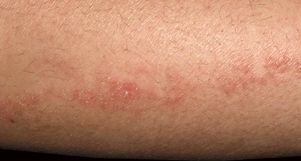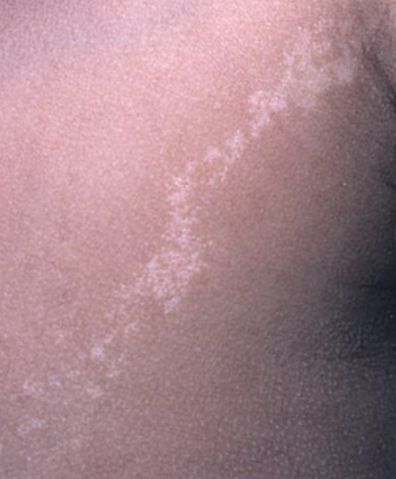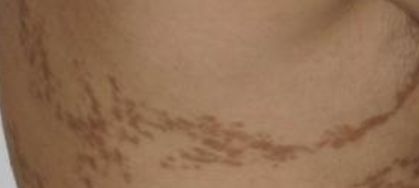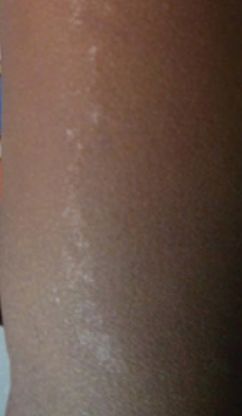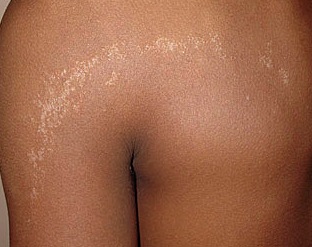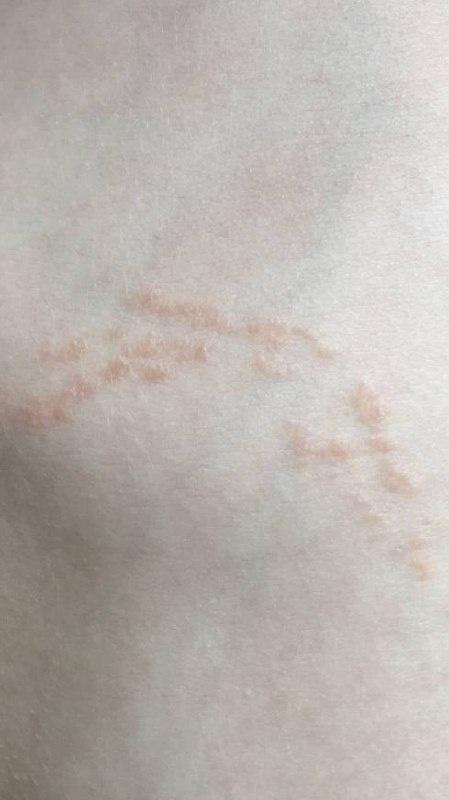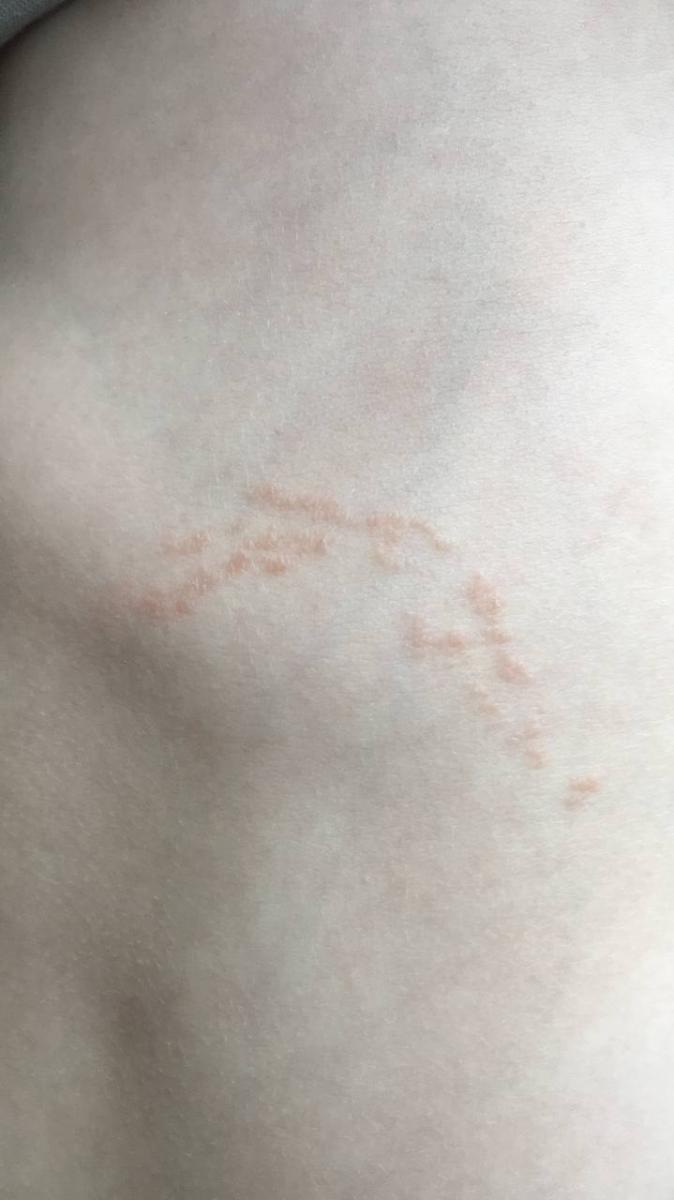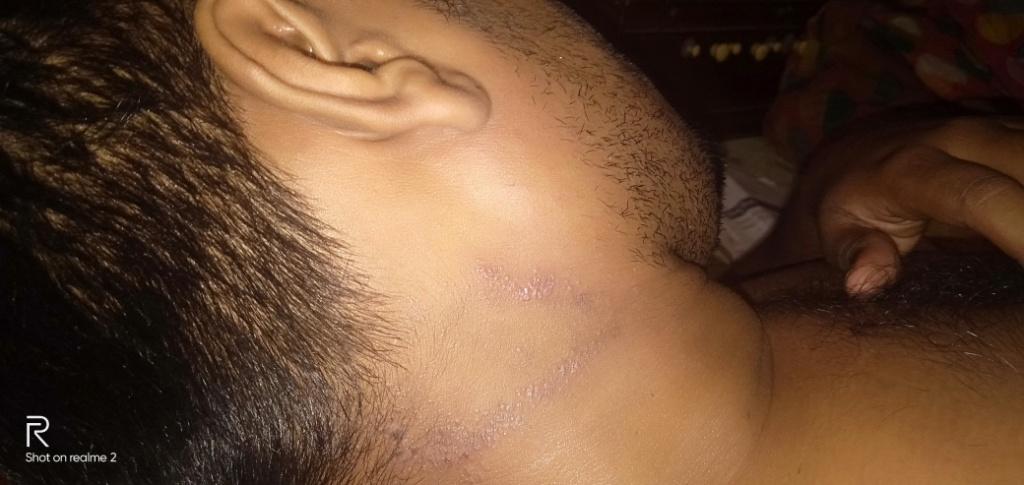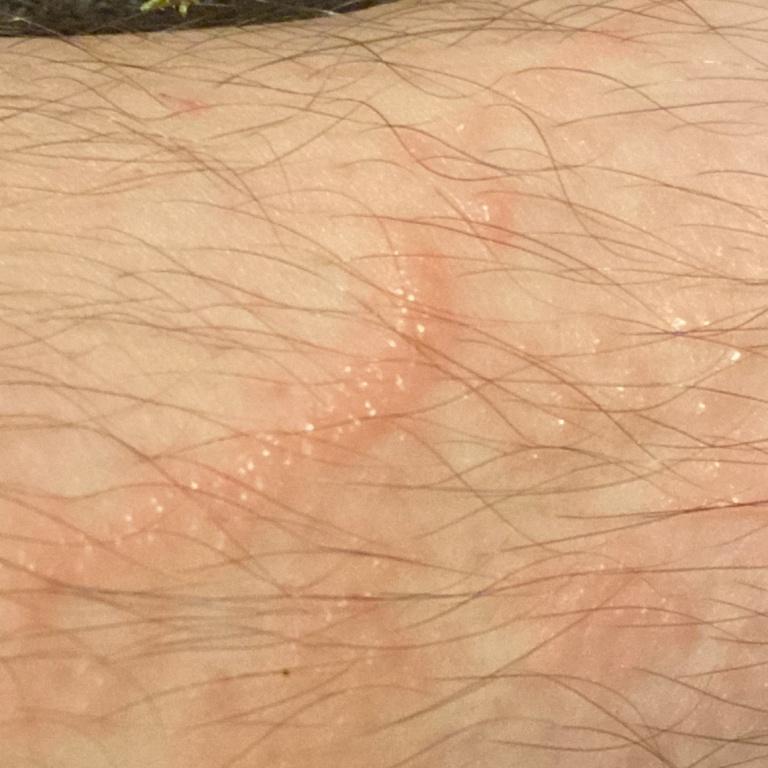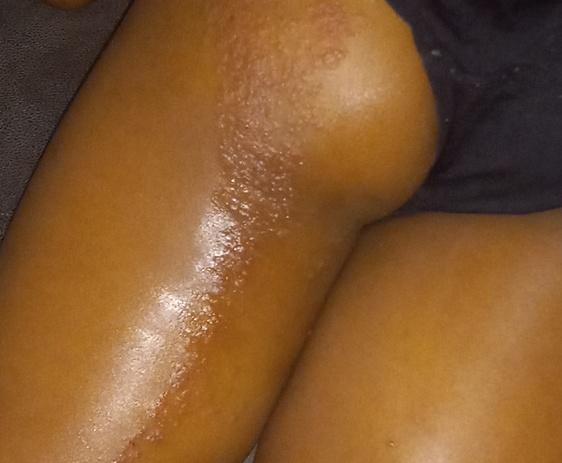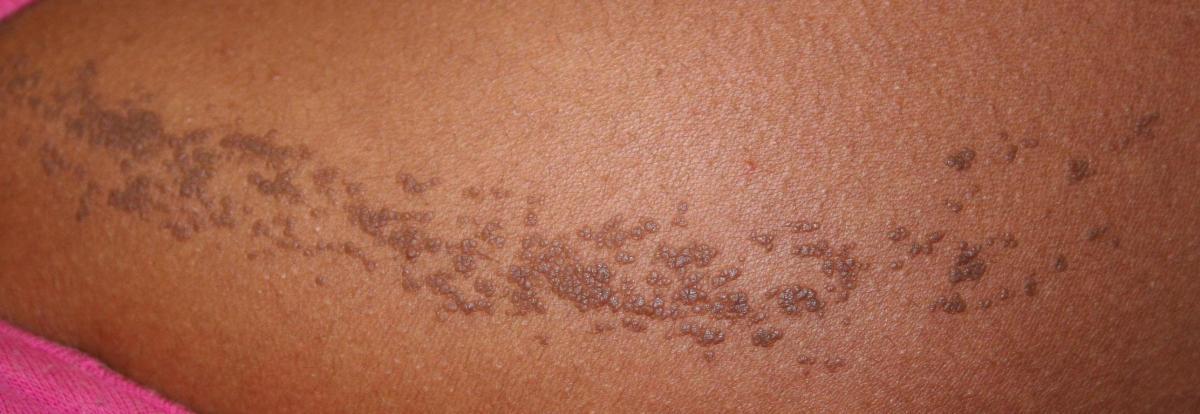
Linear lichen is a rare inflammatory skin condition in which lesions appear in a narrow line or band. These lines follow the so-called Blaschko lines — invisible developmental pathways of the skin formed before birth.
The condition is not contagious and is not transmitted from person to person. It is not related to fungi, bacteria, or parasites.
In most cases, the course is benign: lesions may persist for a long time but often resolve spontaneously over time.
What to do if suspected
If you notice a linear band of papules or rough skin lesions, it is important to clarify the diagnosis.
The first step is to consult a dermatologist. The specialist will assess the appearance of the lesions and may order additional tests if needed.
Additionally:
- do not attempt self-treatment
- avoid harsh or irritating products
- monitor changes in the lesions
This is important because similar patterns can occur in other skin conditions, and without accurate diagnosis treatment may be ineffective.
How it looks
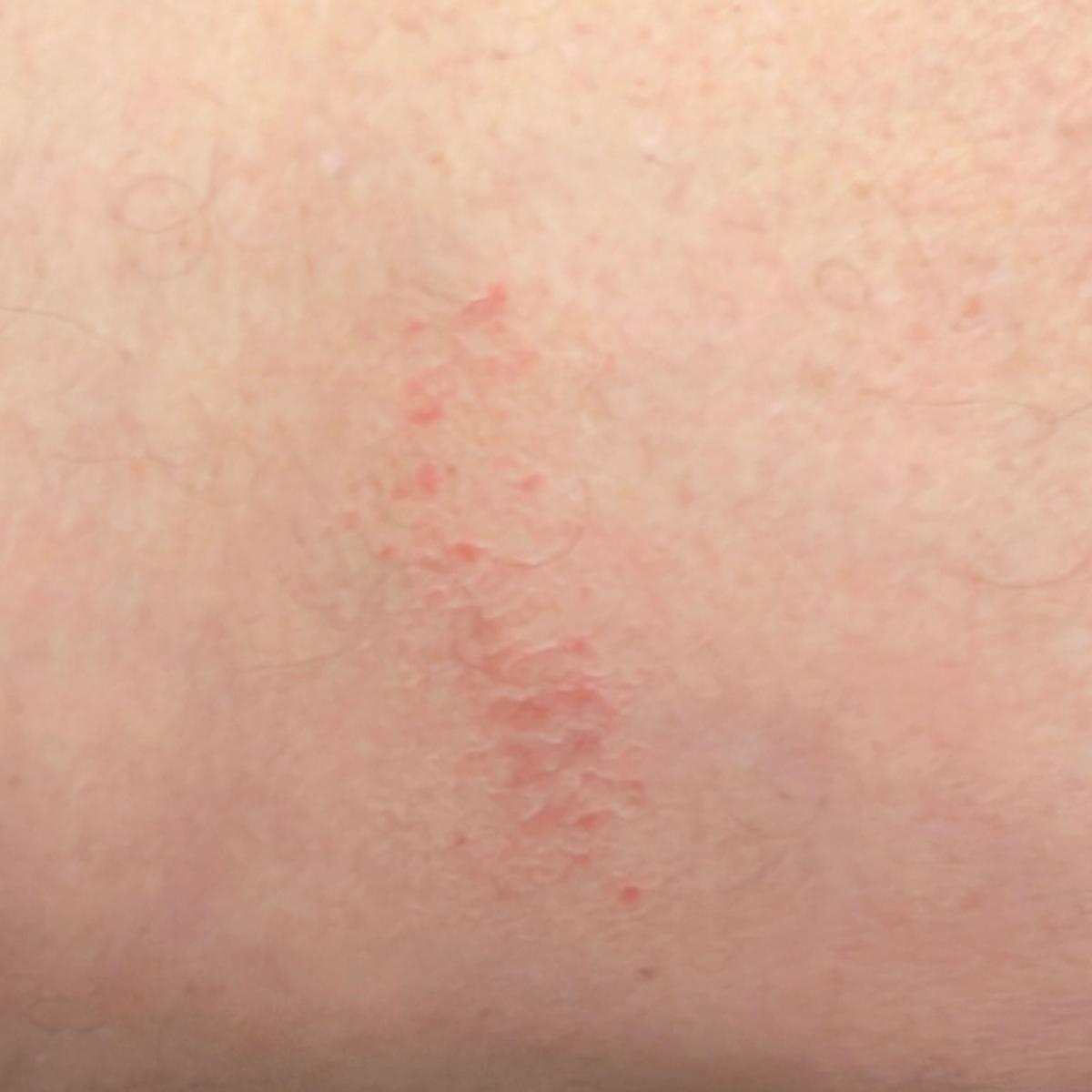
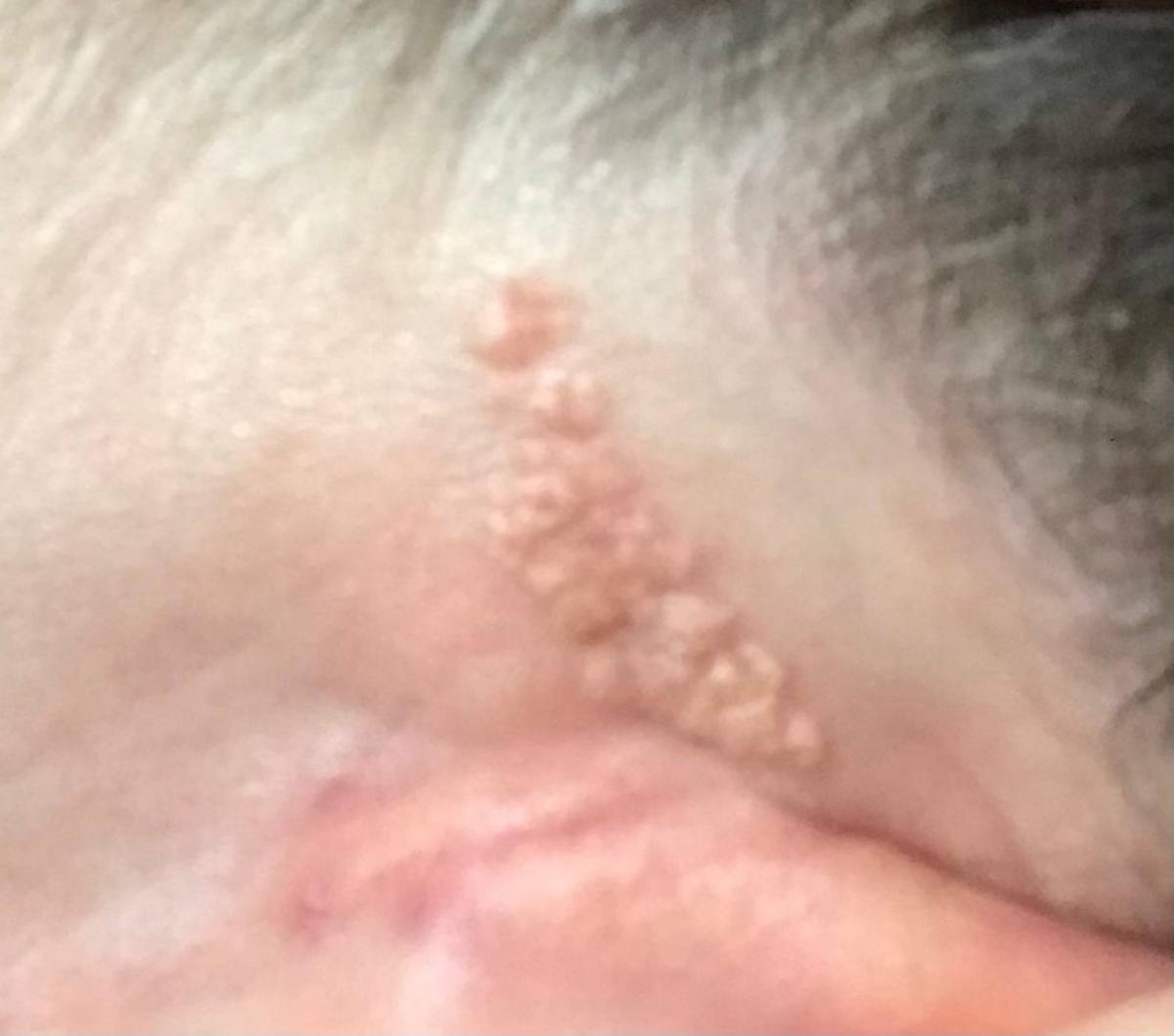
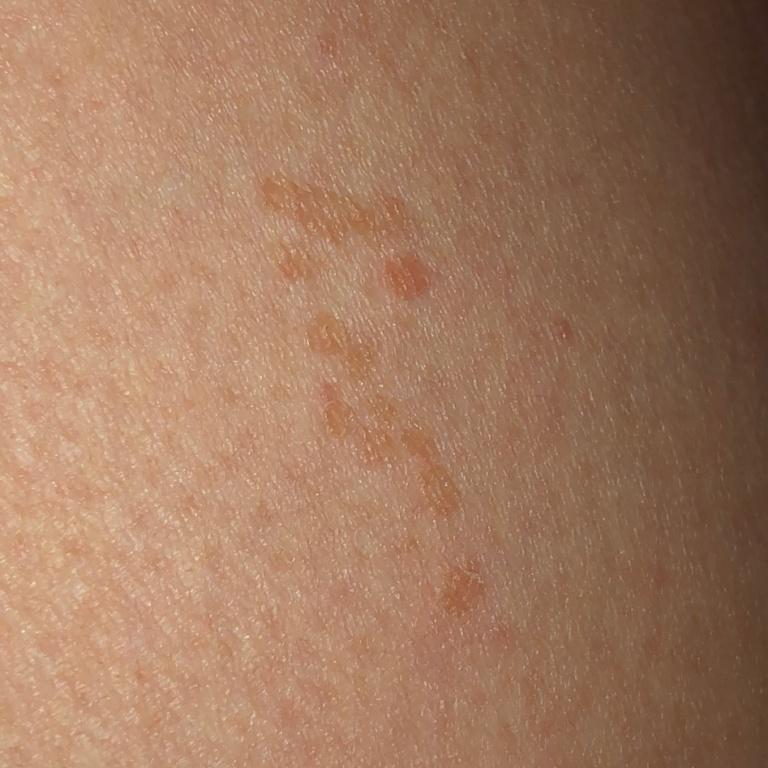
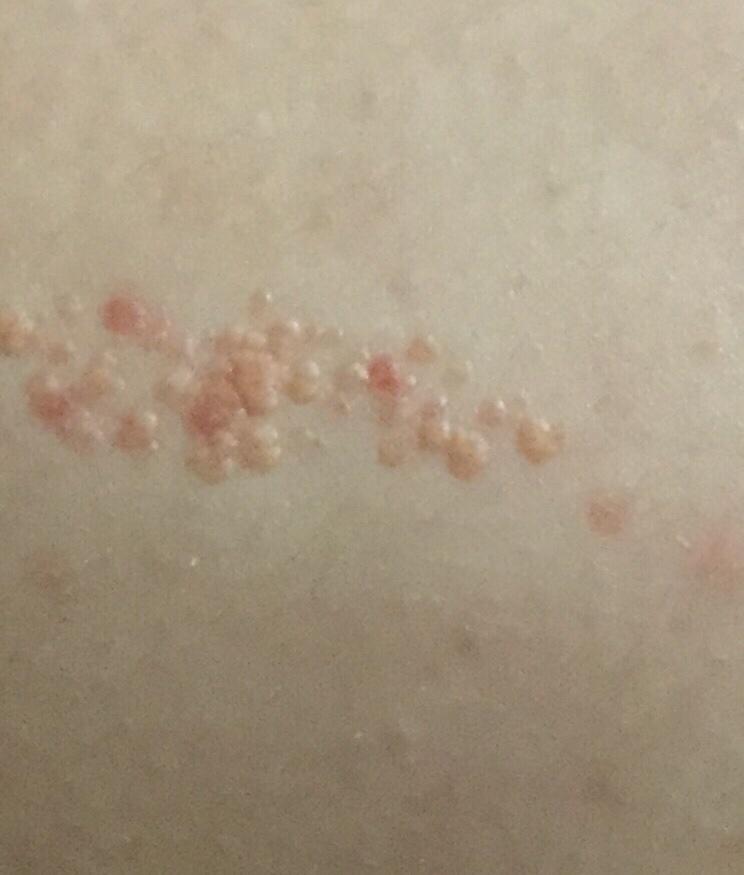
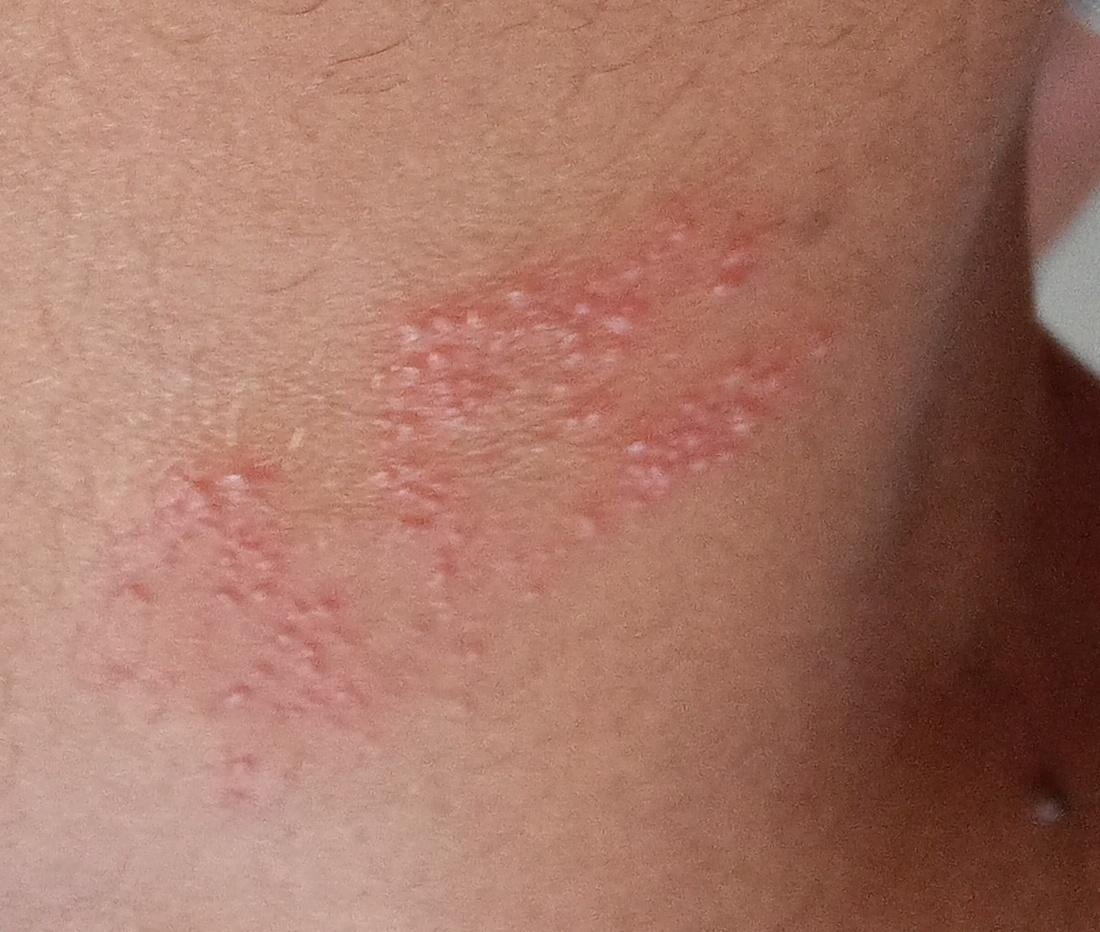
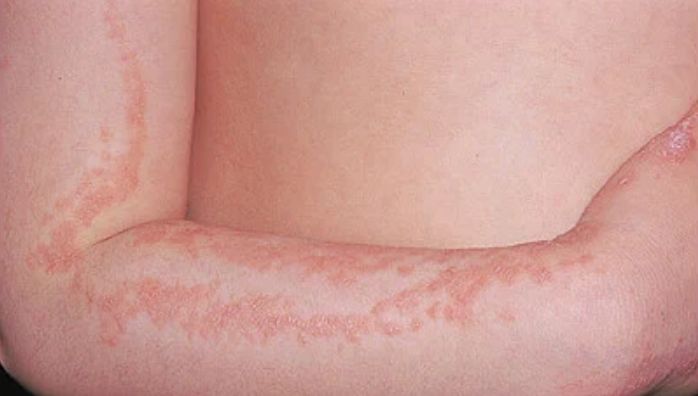
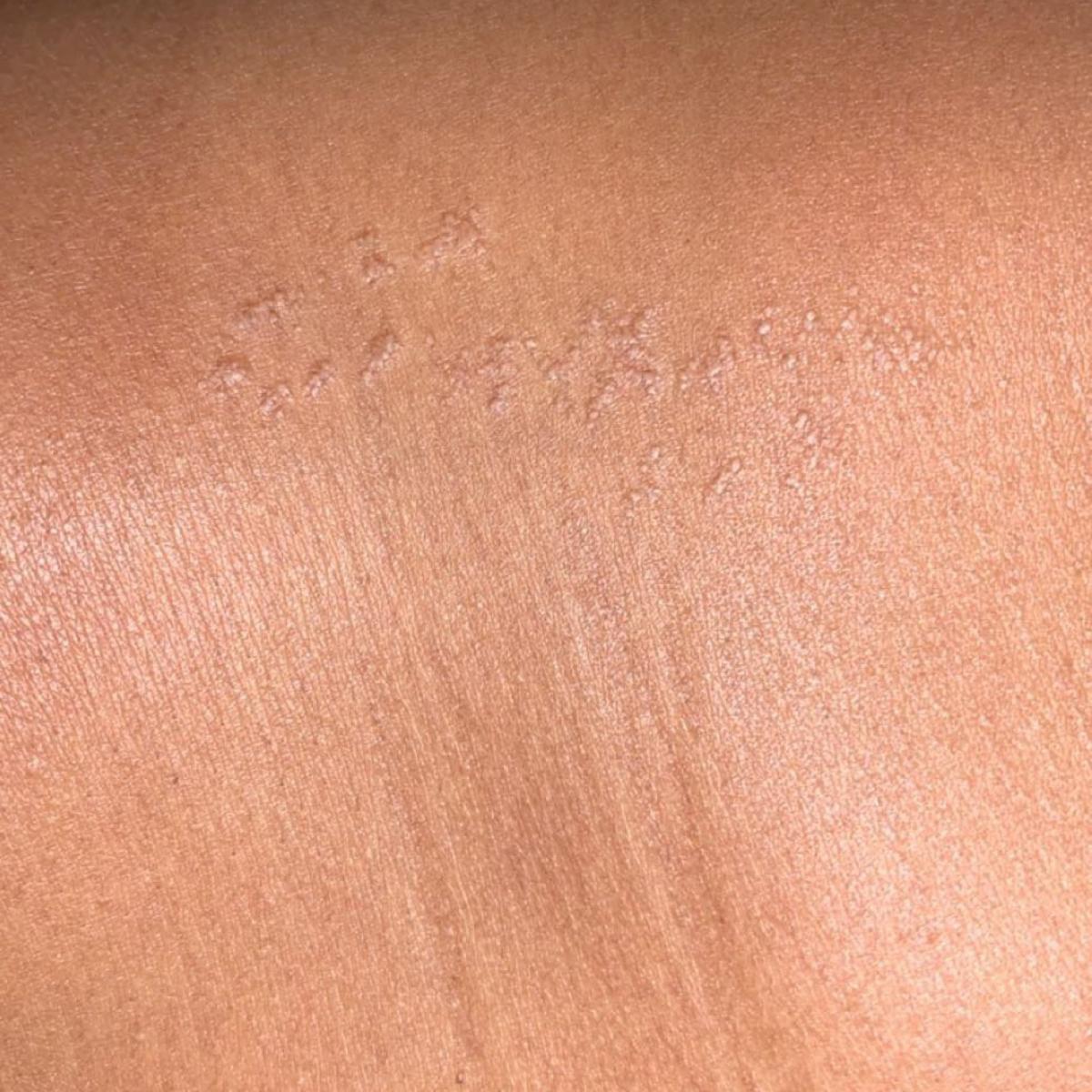
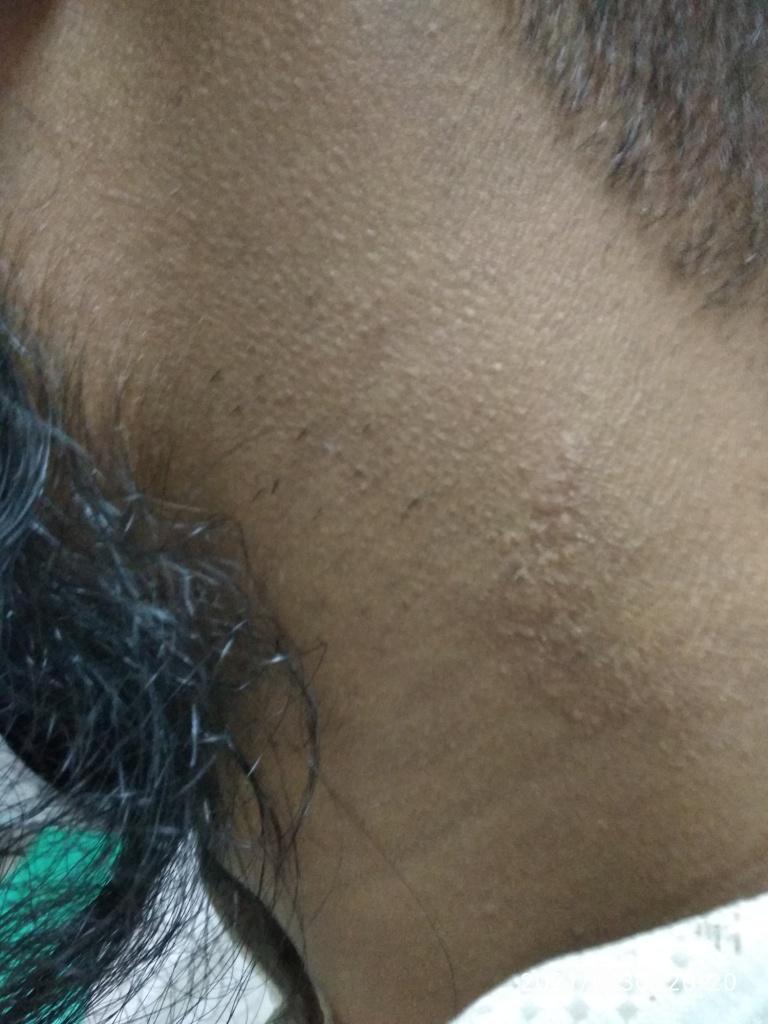
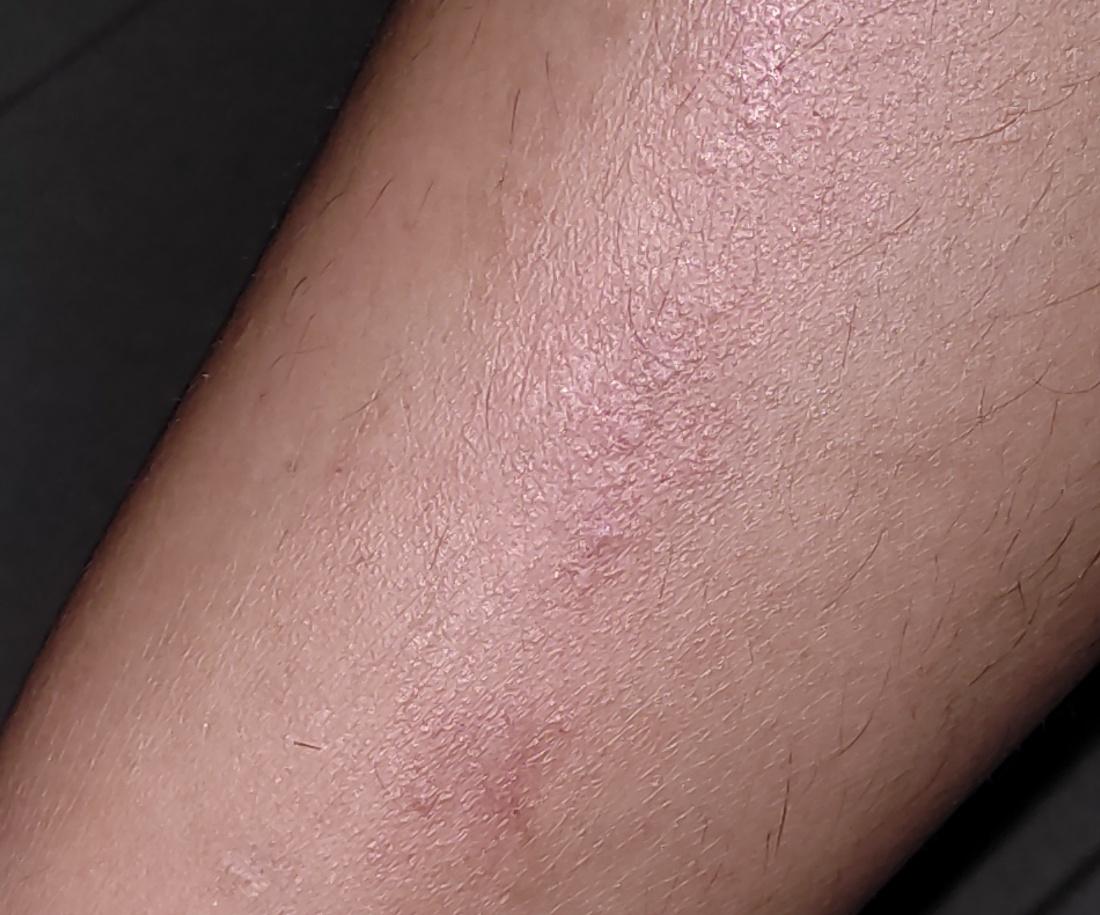
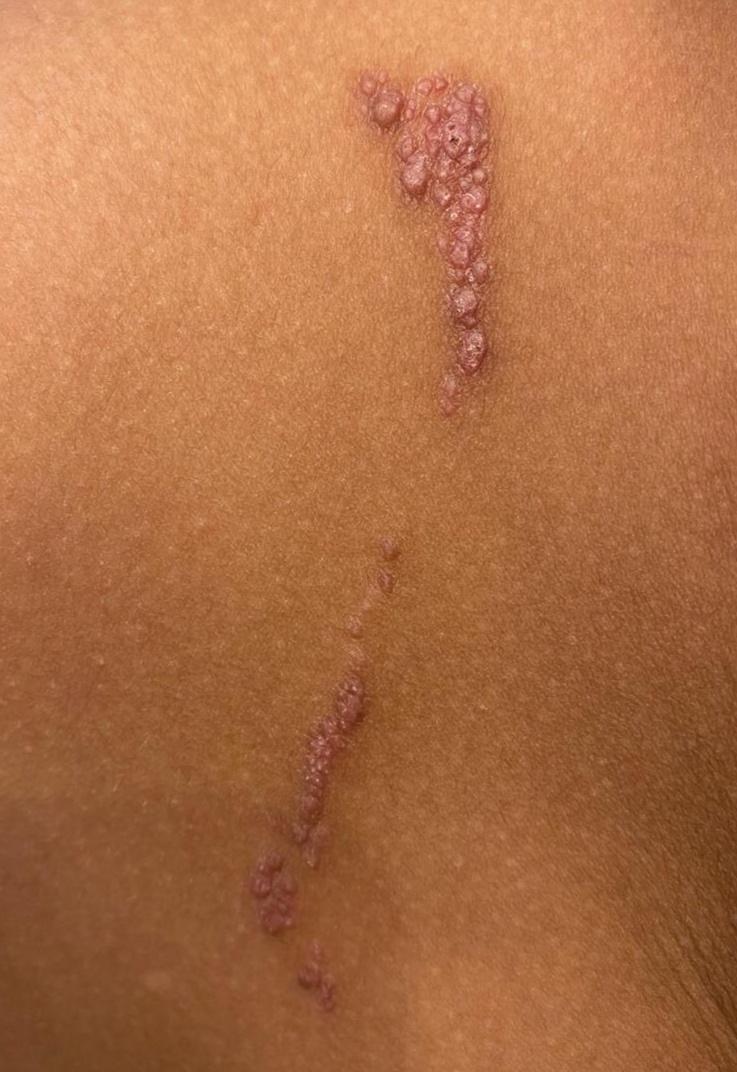
Linear lichen has a characteristic appearance.
Typically, you may see:
- small papules or slightly raised skin lesions
- size around 1–3 mm
- skin-colored, pinkish, or slightly brownish tone
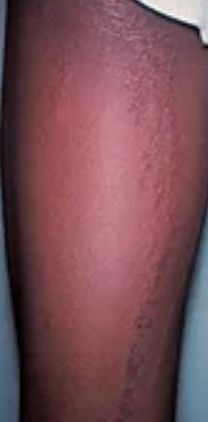
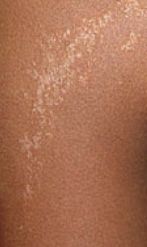
- linear or band-like distribution
Common locations include:
- arms or legs
- trunk
Usually, only one side of the body is affected.
Lesions may feel slightly rough and can sometimes merge into longer streaks.
Appearance may vary slightly between individuals in color and intensity.
Below in the article you can view real photos to better understand how the condition looks.
Main symptoms
The main sign is linearly arranged skin lesions.
Additionally:
- mild itching (not always present)
- dry skin in affected areas
- rough texture
In most cases, the condition does not cause significant discomfort.
Causes
The exact cause of linear lichen is unknown.
It is believed to involve a localized immune reaction in the skin, leading to inflammation in a restricted area.
Important:
- it is not an infection
- it is not contagious
How it develops
A localized inflammatory reaction develops in a specific area of the skin. It spreads along Blaschko lines, which explains the linear pattern.
Only the superficial layers of the skin are affected, leading to papules and a rough texture.
Over time, inflammation usually decreases and the skin gradually recovers.
Forms and types
The most common form is the classic linear pattern.
Sometimes:
- longer streak-like lesions may appear
- grouped papules may develop within the same line
Overall, the condition is typically uniform in presentation.
When to see a doctor
See a specialist if:
- lesions persist for a long time
- they spread or change in appearance
- itching becomes significant
- there is uncertainty about the diagnosis
Medical evaluation is especially important in children or if lesions rapidly increase.
Treatment
In many cases, no treatment is required, as the condition may resolve on its own.
If needed, treatment options include:
- topical anti-inflammatory medications
- anti-itch treatments
- supportive skin care products
In rare, more pronounced cases, additional therapies may be used.
Additionally:
- keep the skin moisturized
- avoid irritants
- do not traumatize affected areas
Treatment is individualized by a physician.
Q&A
Do I need to treat linear lichen?
Not always. In mild cases, it may resolve spontaneously.
Is it contagious?
No, it does not spread between people.
Can it disappear on its own?
Yes, in most cases lesions gradually resolve over time.
Is linear lichen dangerous?
No, it is a benign condition.
Why do lesions form in a line?
This is due to skin development patterns known as Blaschko lines.
Do lesions leave marks?
Sometimes temporary pigmentation changes may remain, but usually the skin recovers.
Can it be confused with other diseases?
Yes, so medical confirmation is important.
Does it require lifestyle restrictions?
Usually not, only gentle skin care is needed.
Check Your Skin Instantly
Use Dermatology scanner app – Skinive AI to take a photo of a skin lesion and get an AI-based risk assessment. It helps determine whether professional consultation is recommended, giving you fast guidance and peace of mind.
Used medical sources
- Fitzpatrick’s Dermatology, 9th Edition
- European Academy of Dermatology and Venereology (EADV) Guidelines
- American Academy of Dermatology (AAD)
- Clinical Dermatology (Bolognia et al.)
🇬🇧 Linear Lichen: Diagnosis and Treatment in the UK
If you notice papulosquamous disorders—conditions that cause raised red bumps and scaling on the skin, such as psoriasis or lichen planus—it’s important to get a professional opinion. In the UK, you can access dermatology care via the NHS, private clinics, or online dermatology consultations.
👉 How to See a Dermatologist in the UK NHS – This main guide explains how NHS referrals work, what to expect from specialist dermatology services, and how to choose between public and private care.
Dermatologists in Major UK Cities:
- Dermatologist in London
- Dermatologist in Manchester
- Dermatologist in Liverpool
- Dermatologist in Birmingham
- Dermatologist in Leeds
- Dermatologists in Other UK cities
Online Dermatology
If you prefer remote care or faster access, try online dermatology consultations. They allow dermatologists to review images, provide advice, and guide next steps without visiting a clinic. Read more in this article: Online Dermatologists in UK.
🇦🇺 Linear Lichen: Diagnosis and Treatment in Australia
If you notice papulosquamous disorders—conditions that cause raised red bumps and scaling on the skin, such as psoriasis or lichen planus, it’s important to get a professional opinion. In Australia, dermatology care is available via Medicare (public system), private clinics, or online consultations.
👉 How to See a Dermatologist in Australia – This main guide explains how referrals work through GPs and public clinics, what to expect from specialist dermatology services, and how to choose between public and private care.
Dermatologists in Major Australian Cities:
- Dermatologist in Sydney
- Dermatologist in Melbourne
- Dermatologist in Brisbane
- Dermatologist in Perth
- Dermatologist in Adelaide
- Dermatologists in other Australian cities
Online Dermatology
For faster access or remote care, online dermatology consultations allow dermatologists to review images, provide advice, and guide next steps without visiting a clinic. Read more in this article: Online Dermatologists in Australia.
Images of linear lichen: