
Lichen planus is a chronic inflammatory disease affecting the skin and mucous membranes. It typically presents as flat-topped, purple-red papules and is often associated with itching. It may involve not only the skin but also the oral cavity, nails, and hair.
The condition is not contagious and is not transmitted from person to person. It is related to immune system dysfunction and is not caused by fungi or parasites.
The course is usually relapsing, with periods of flare-ups and improvement. In many cases, the condition can be controlled, and in some people, symptoms may eventually resolve completely.
What to do if suspected
If you develop itchy skin lesions or changes in the oral mucosa, it is important not to delay medical evaluation.
The first step is to consult a dermatologist.
If the oral cavity is affected, a dentist should also be consulted.
Depending on the situation, other specialists may be involved.
Additionally:
- do not self-medicate
- do not use strong medications without medical advice
- avoid trauma or irritation of the skin
This is important because without proper treatment the condition may persist, cause significant itching, and in some cases lead to long-lasting changes in skin, nails, or hair.
How it looks
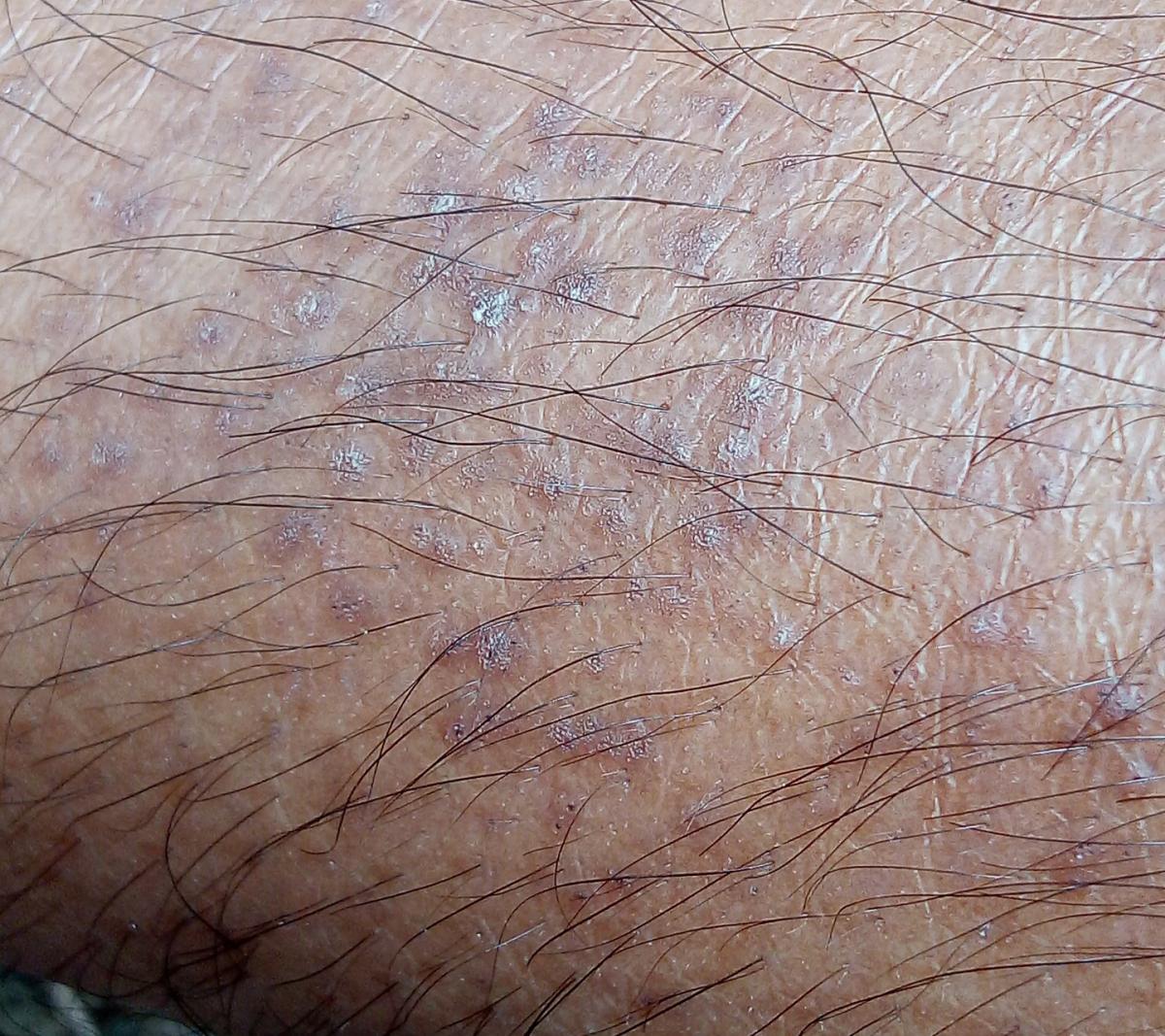
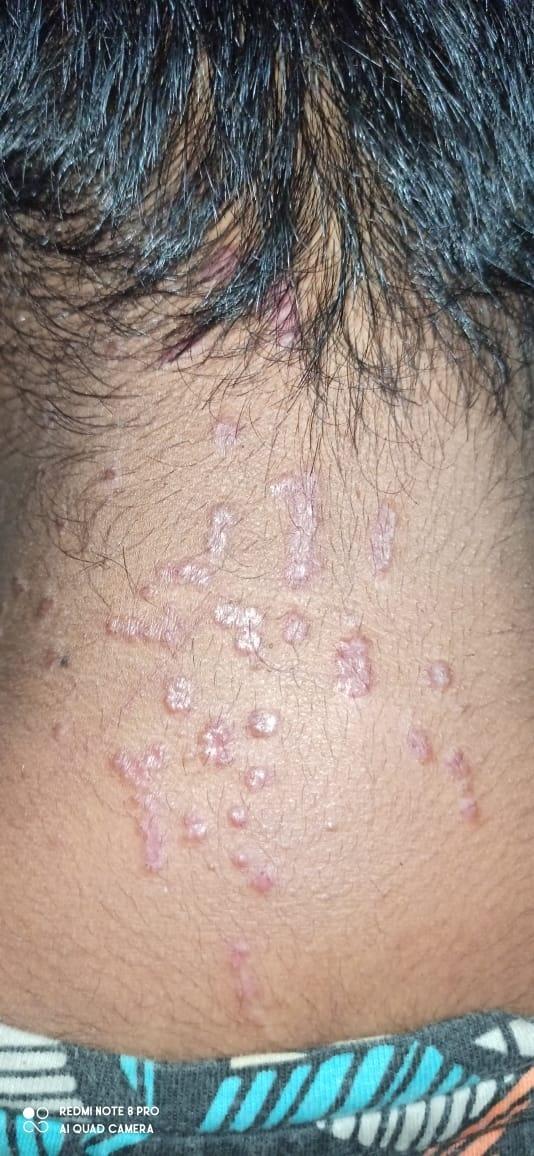
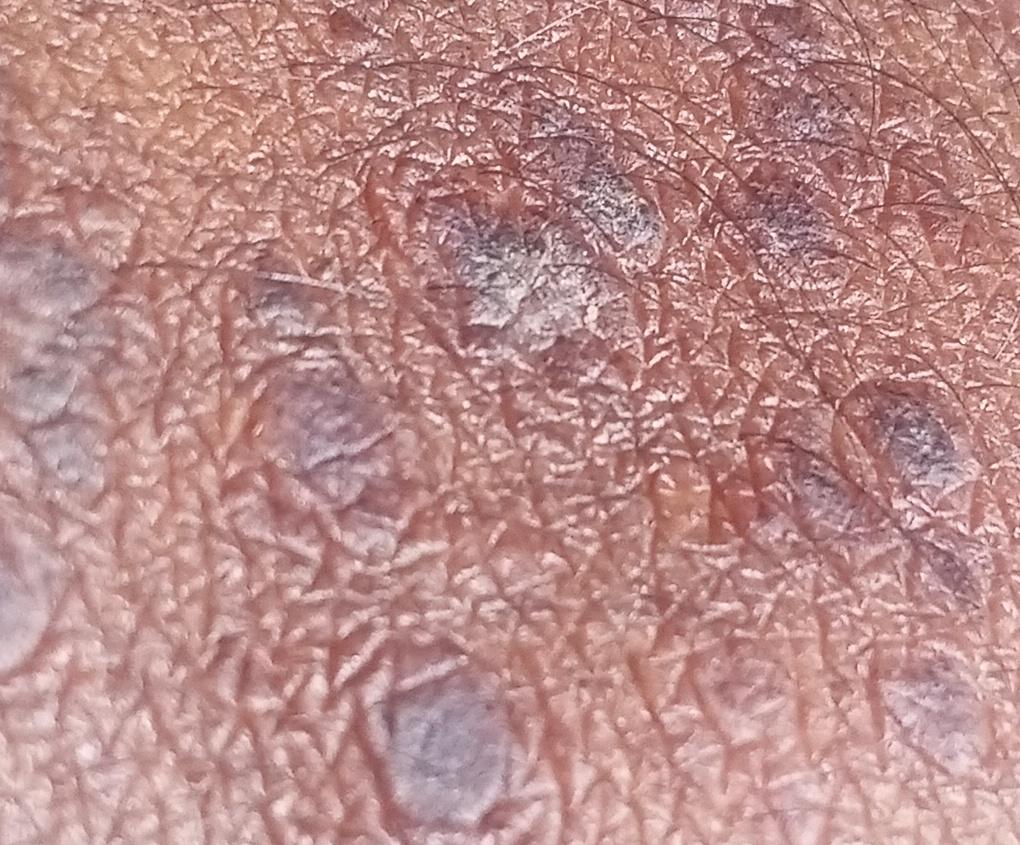
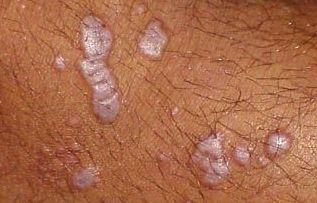
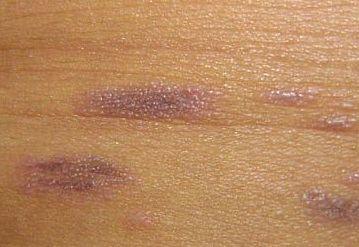
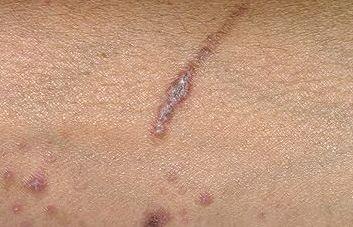
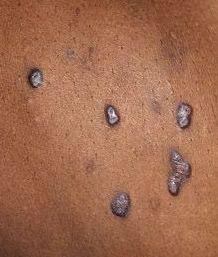
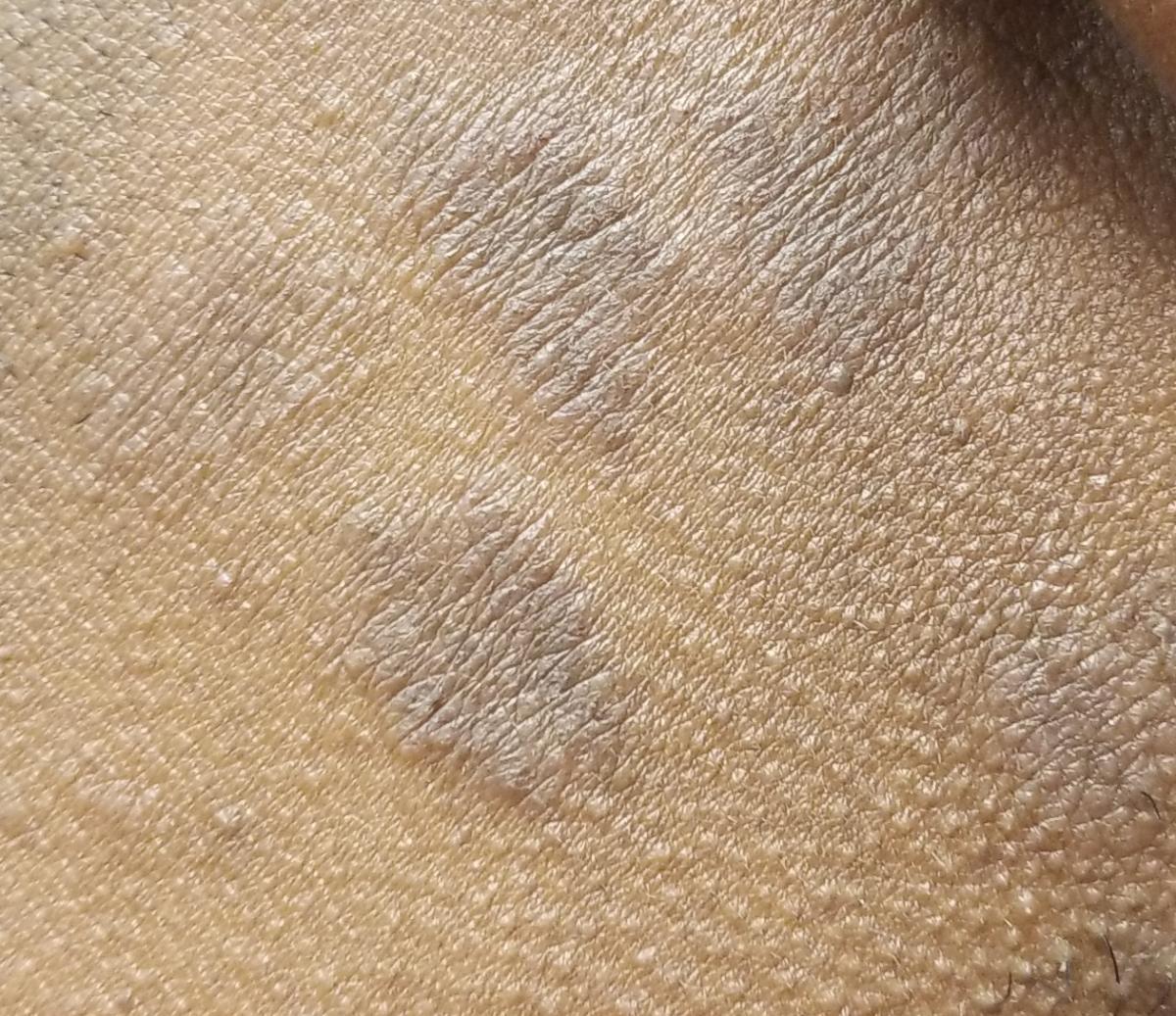
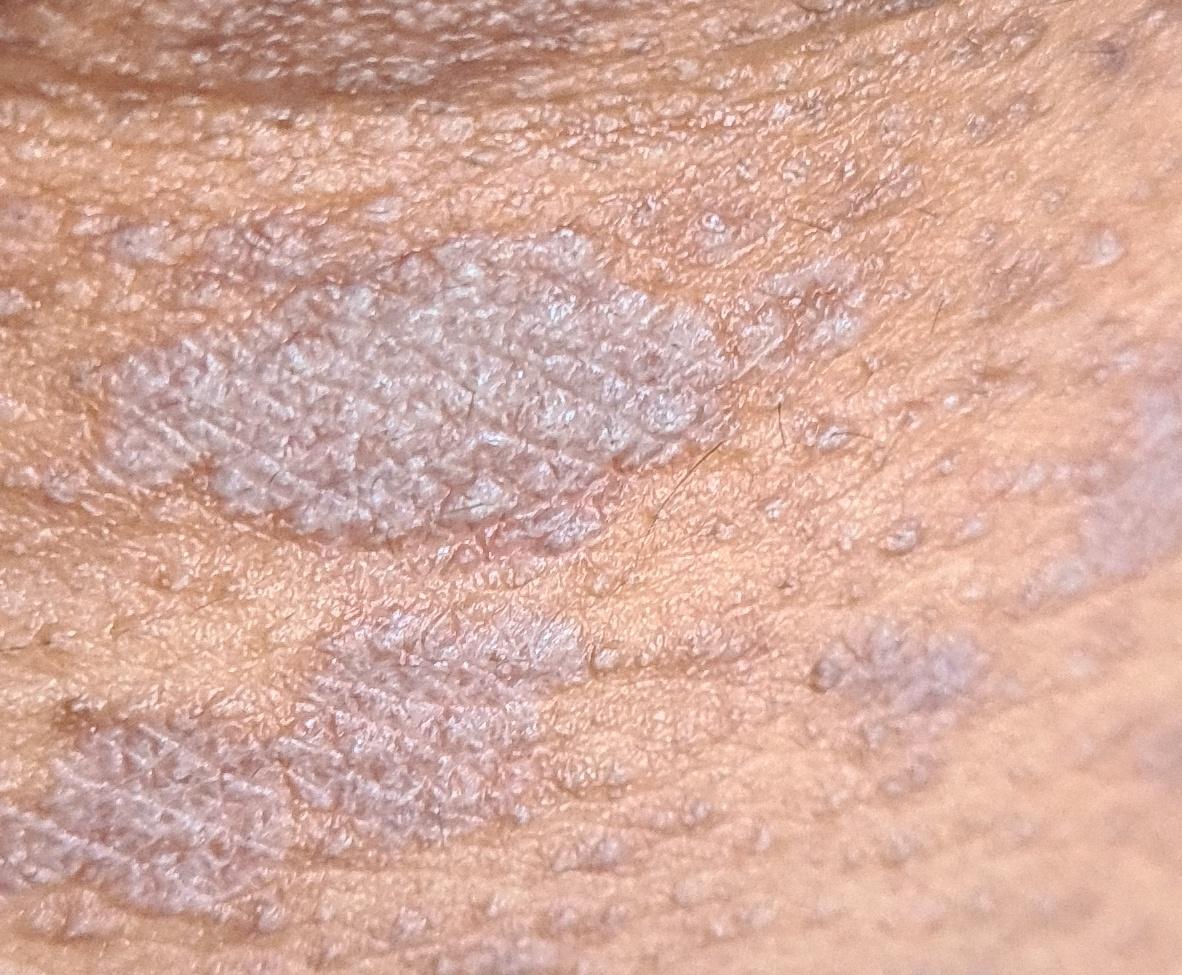
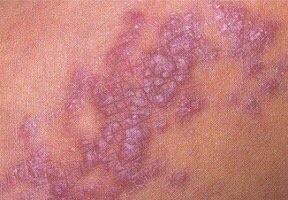
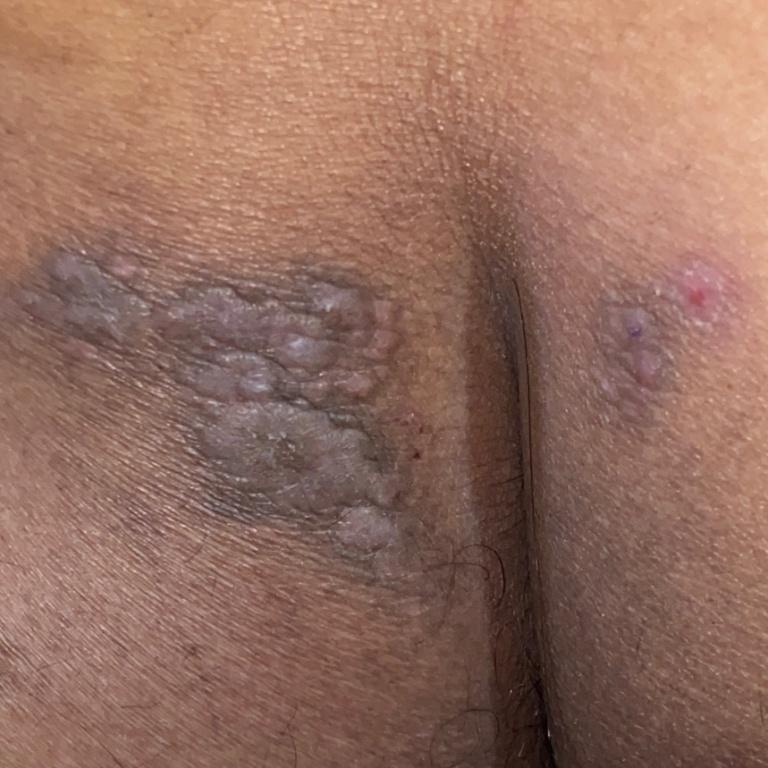
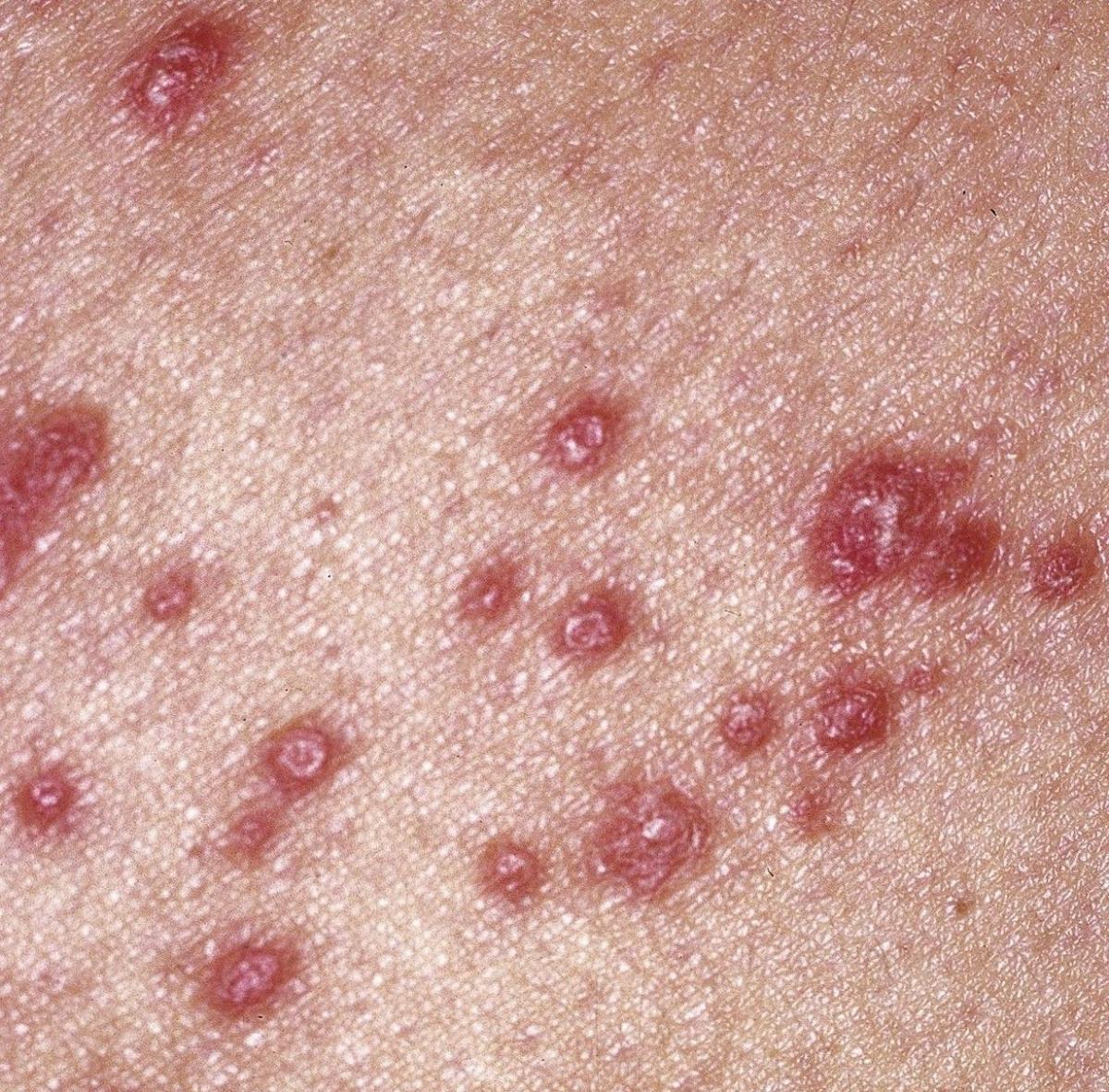
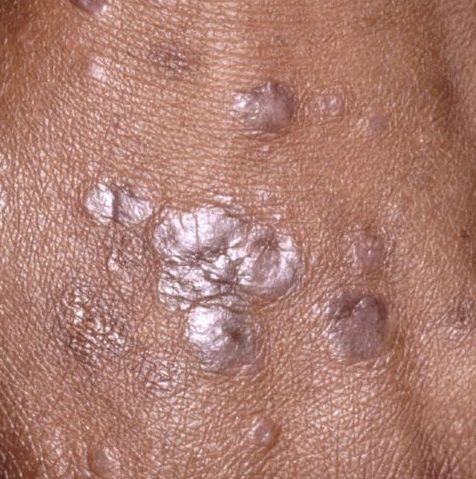
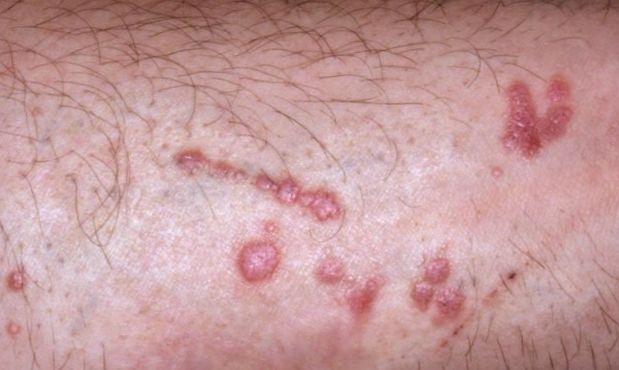
The classic presentation includes small, flat-topped papules with a characteristic color and shine.
They are usually:
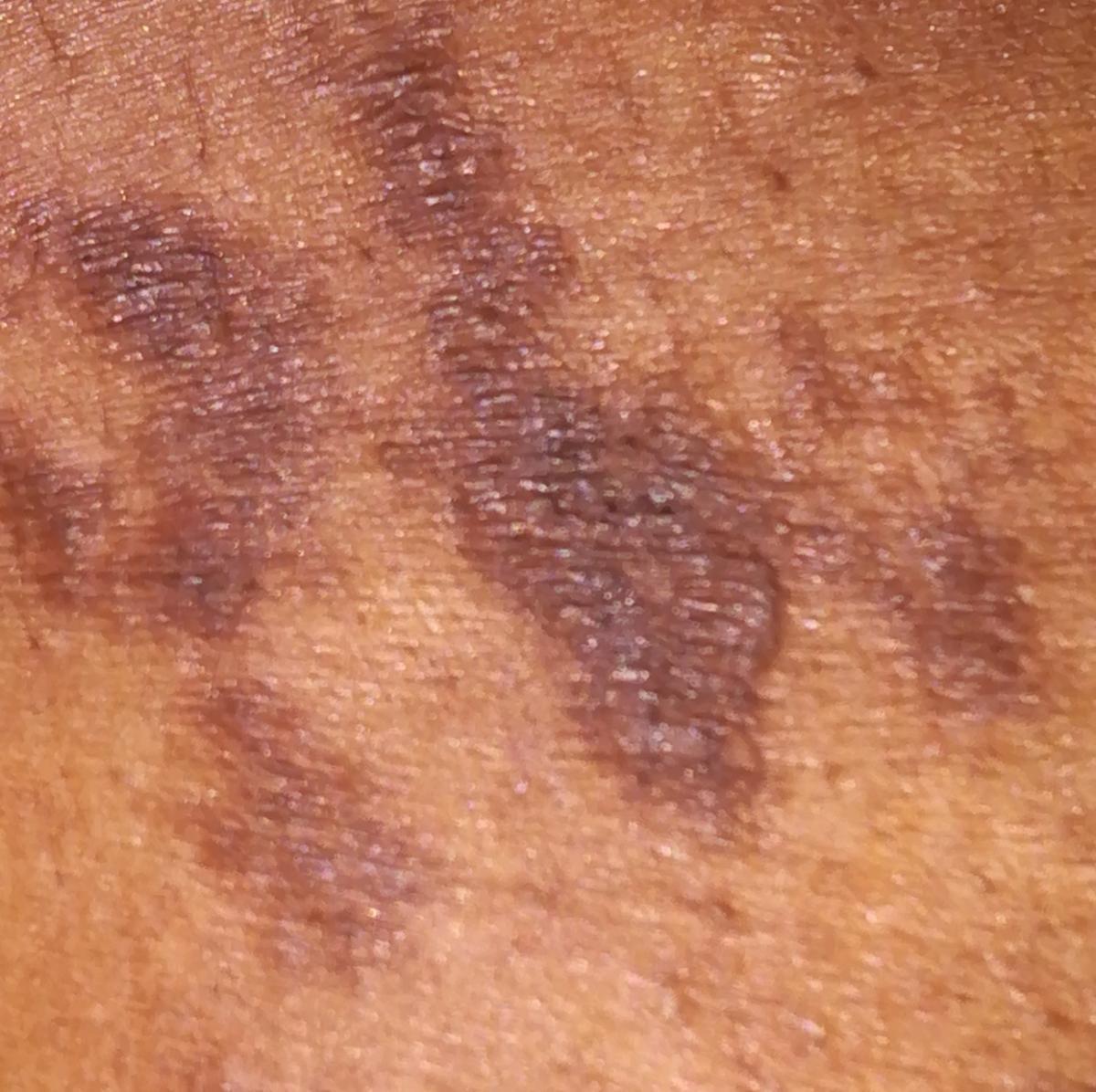
- purple-red or violaceous
- smooth and slightly shiny
- may show fine white lacy patterns on the surface
Common locations include:
- wrists and forearms
- shins
- lower back
- lateral trunk
Other possible forms:
- oral mucosa — white lacy lines or patches
- scalp — areas of hair loss
- nails — ridging, thinning, brittleness
Lesions may appear in groups and sometimes merge. Clinical appearance can vary significantly between individuals.
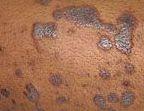
Below in the article you can view real photos to better understand how the condition looks.
Main symptoms
The main symptom is itching, which can be quite intense.
Other signs include:
- characteristic skin eruptions
- dry skin
- burning or discomfort (especially in mucosal involvement)
With long-standing disease, the skin may become thicker due to chronic irritation.
Causes
The exact cause is unknown.
It is believed that the immune system mistakenly attacks skin and mucosal cells, triggering inflammation.
Possible triggers include:
- certain medications
- viral infections
- stress
- skin trauma
- chronic diseases
Important: it is not an infection and is not contagious.
How it develops
The immune system mistakenly identifies skin cells as foreign and triggers an inflammatory response.
As a result:
- papules appear
- itching develops
- normal skin structure is disrupted
When the scalp is involved, inflammation may affect hair follicles and sometimes lead to hair loss.
Forms and types
The condition may present in different forms:
- cutaneous form — most common
- oral mucosal involvement
- scalp involvement
- nail involvement
By course:
- acute — lasting several months
- chronic — with recurrent flare-ups
When to see a doctor
See a specialist if:
- lesions are accompanied by severe itching
- oral mucosa is affected
- nail or hair changes occur
- symptoms persist for a long time
Also seek medical advice if the condition worsens or causes significant discomfort.
Treatment
Treatment aims to reduce inflammation and itching.
Main approaches include:
- topical anti-inflammatory medications
- anti-itch treatments
- skin care measures
In more severe cases, systemic therapy may be used to modulate immune activity.
Additionally:
- avoid triggering factors
- care for the skin gently
- manage underlying conditions
Treatment is always individualized by a physician.
Q&A
Can lichen planus be cured?
In many cases, symptoms can be controlled, and in some people the condition resolves over time.
Is it contagious?
No, it is not transmitted between people.
Should mild cases be treated?
Yes, medical evaluation is still recommended to prevent progression.
Is it dangerous?
Usually not, but it can significantly affect quality of life due to itching.
Why does itching occur?
It is caused by an inflammatory reaction in the skin.
Can it come back?
Yes, relapses are possible, especially with triggers.
Do lesions leave marks?
Sometimes temporary pigmentation changes may remain.
Can the course be influenced?
Yes, proper care and treatment help control symptoms.
Check Your Skin Instantly
Use Dermatology scanner app – Skinive AI to take a photo of a skin lesion and get an AI-based risk assessment. It helps determine whether professional consultation is recommended, giving you fast guidance and peace of mind.
Used medical sources
- Fitzpatrick’s Dermatology, 9th Edition
- European Academy of Dermatology and Venereology (EADV) Guidelines
- American Academy of Dermatology (AAD)
- Clinical Dermatology (Bolognia et al.)
🇬🇧 Lichen Planus: Diagnosis and Treatment in the UK
If you notice papulosquamous disorders—conditions that cause raised red bumps and scaling on the skin, such as psoriasis or lichen planus—it’s important to get a professional opinion. In the UK, you can access dermatology care via the NHS, private clinics, or online dermatology consultations.
👉 How to See a Dermatologist in the UK NHS – This main guide explains how NHS referrals work, what to expect from specialist dermatology services, and how to choose between public and private care.
Dermatologists in Major UK Cities:
- Dermatologist in London
- Dermatologist in Manchester
- Dermatologist in Liverpool
- Dermatologist in Birmingham
- Dermatologist in Leeds
- Dermatologists in Other UK cities
Online Dermatology
If you prefer remote care or faster access, try online dermatology consultations. They allow dermatologists to review images, provide advice, and guide next steps without visiting a clinic. Read more in this article: Online Dermatologists in UK.
🇦🇺 Lichen Planus: Diagnosis and Treatment in Australia
If you notice papulosquamous disorders—conditions that cause raised red bumps and scaling on the skin, such as psoriasis or lichen planus, it’s important to get a professional opinion. In Australia, dermatology care is available via Medicare (public system), private clinics, or online consultations.
👉 How to See a Dermatologist in Australia – This main guide explains how referrals work through GPs and public clinics, what to expect from specialist dermatology services, and how to choose between public and private care.
Dermatologists in Major Australian Cities:
- Dermatologist in Sydney
- Dermatologist in Melbourne
- Dermatologist in Brisbane
- Dermatologist in Perth
- Dermatologist in Adelaide
- Dermatologists in other Australian cities
Online Dermatology
For faster access or remote care, online dermatology consultations allow dermatologists to review images, provide advice, and guide next steps without visiting a clinic. Read more in this article: Online Dermatologists in Australia.
Images of lichen planus:


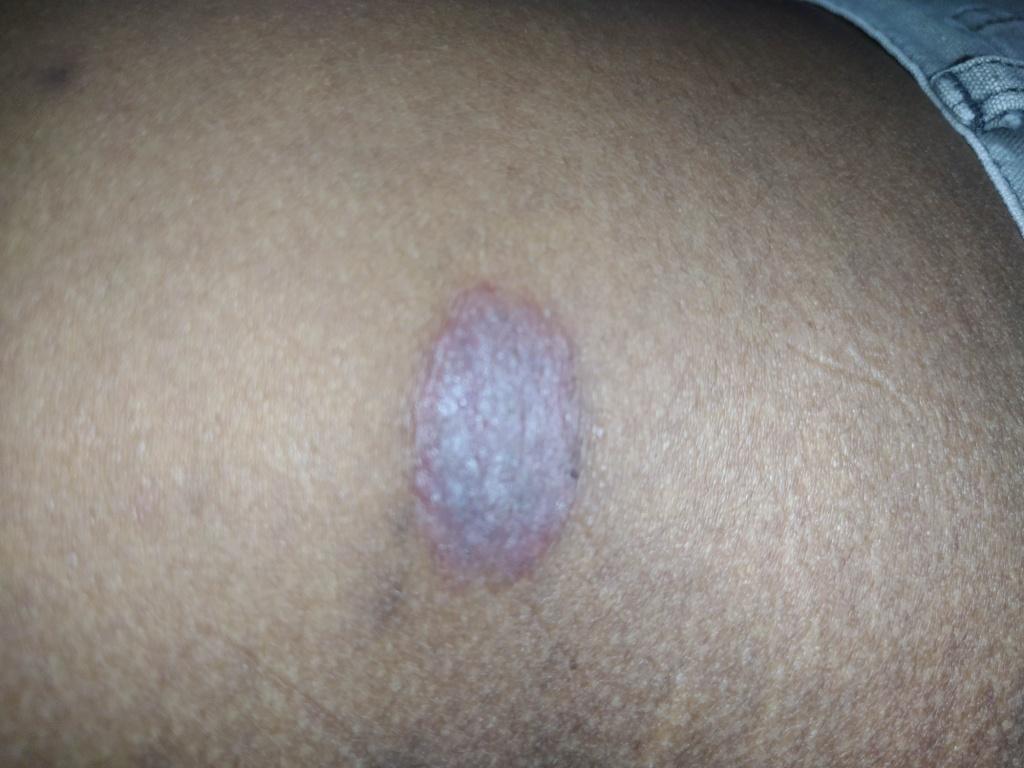
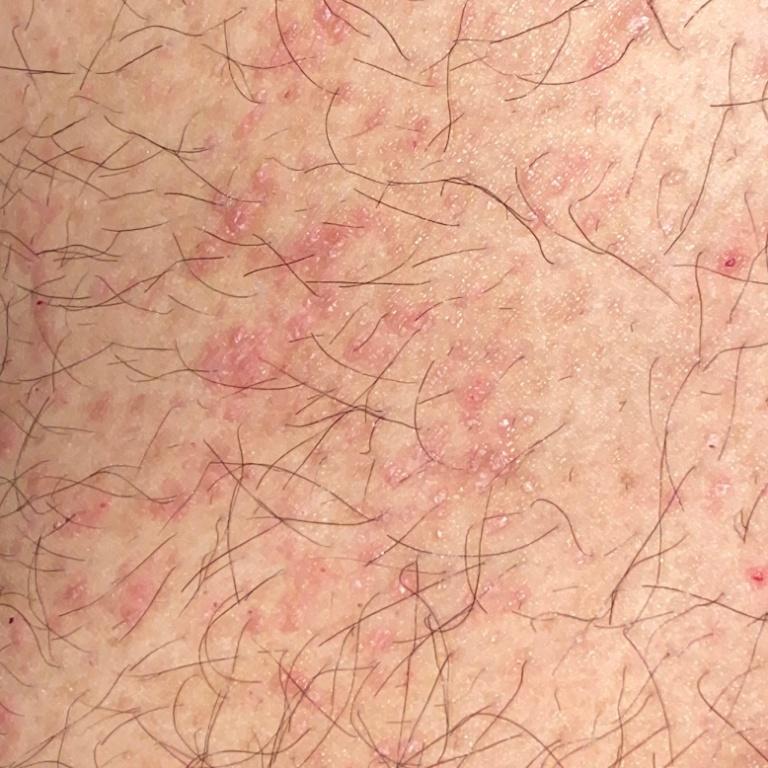
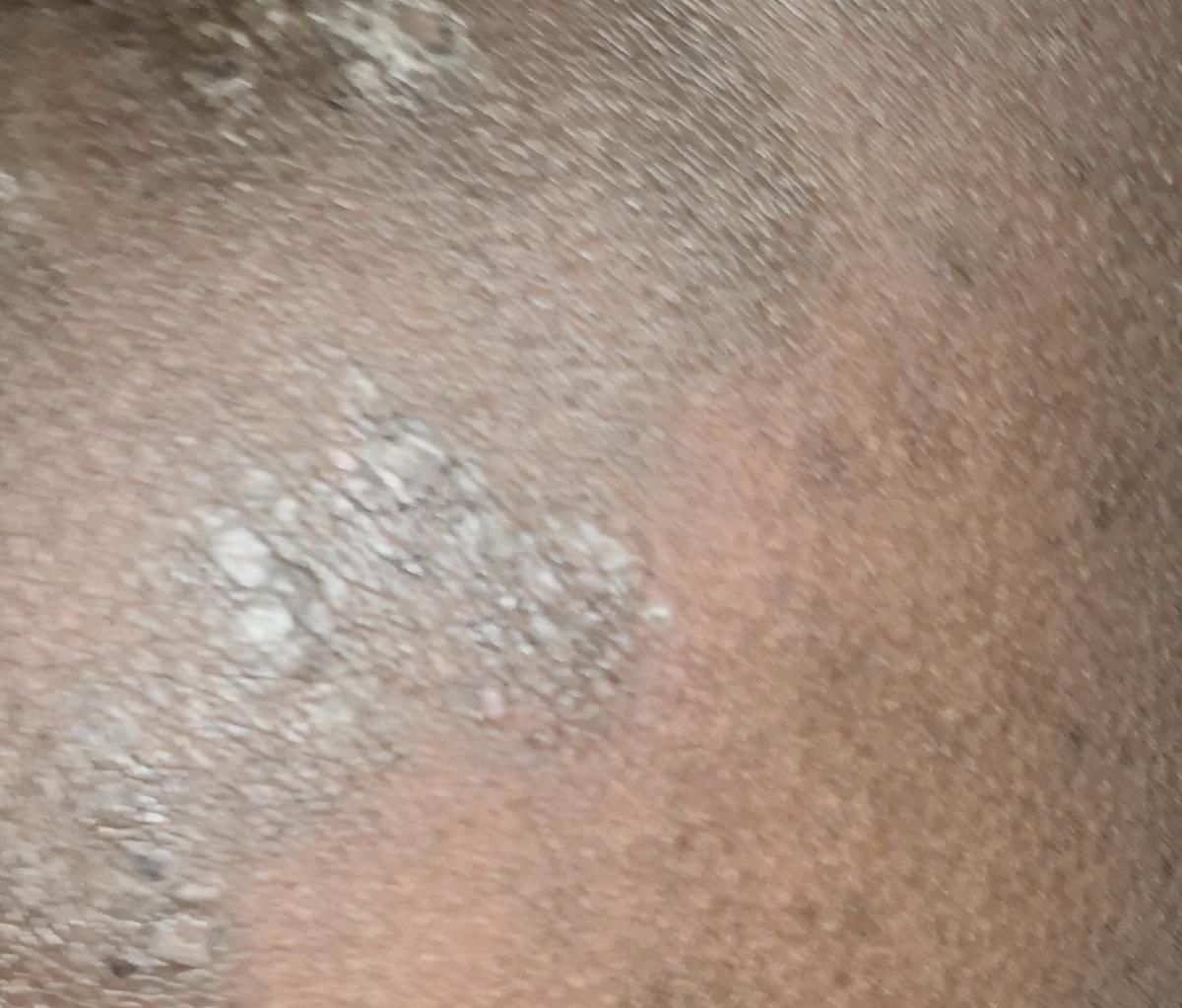
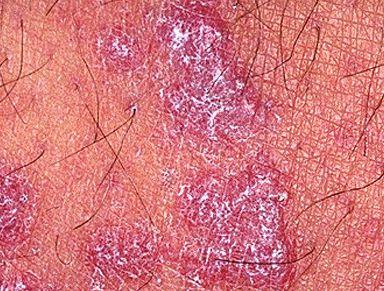



** Should you identify any copyright infringement regarding the images on this page, kindly reach out to us at info@skinive.testovii.fun.
Furthermore, please be advised that these photos are not authorized for any purpose.