
Pityriasis versicolor is a chronic mycosis caused by fungi of the genus Malassezia, most commonly M. furfur. It can exist as a saprophyte, a yeast-like type that is a normal inhabitant of sebum-rich skin areas, and as a pathogen, an “activated” mold-like (mycelial) type that causes shingles.
Factors responsible for mycelial transformation include a warm, humid environment, use of oral contraceptives, heredity, use of systemic corticosteroids, Cushing’s disease, immunosuppression, hyperhidrosis and malnutrition.
Clinical picture
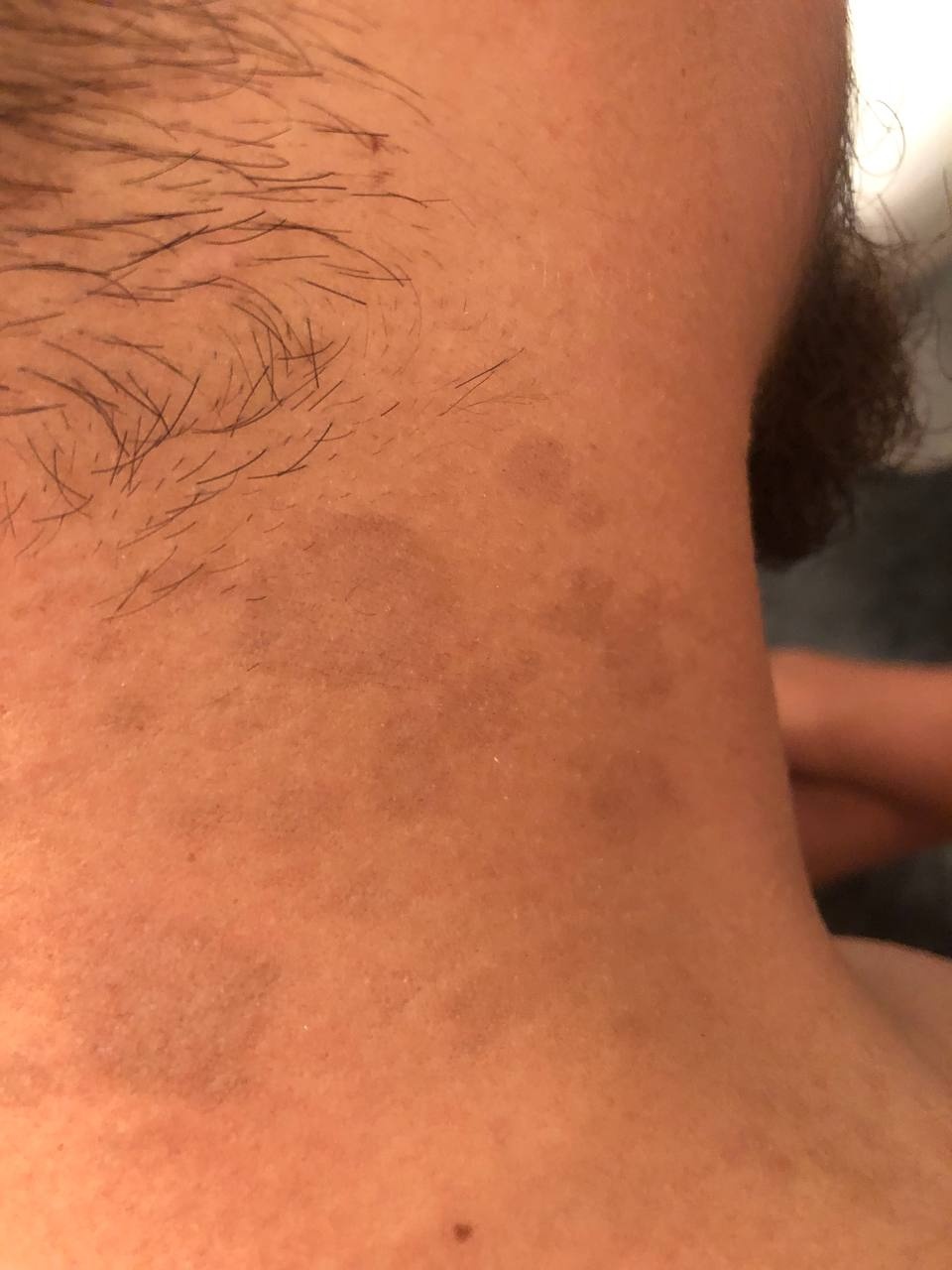
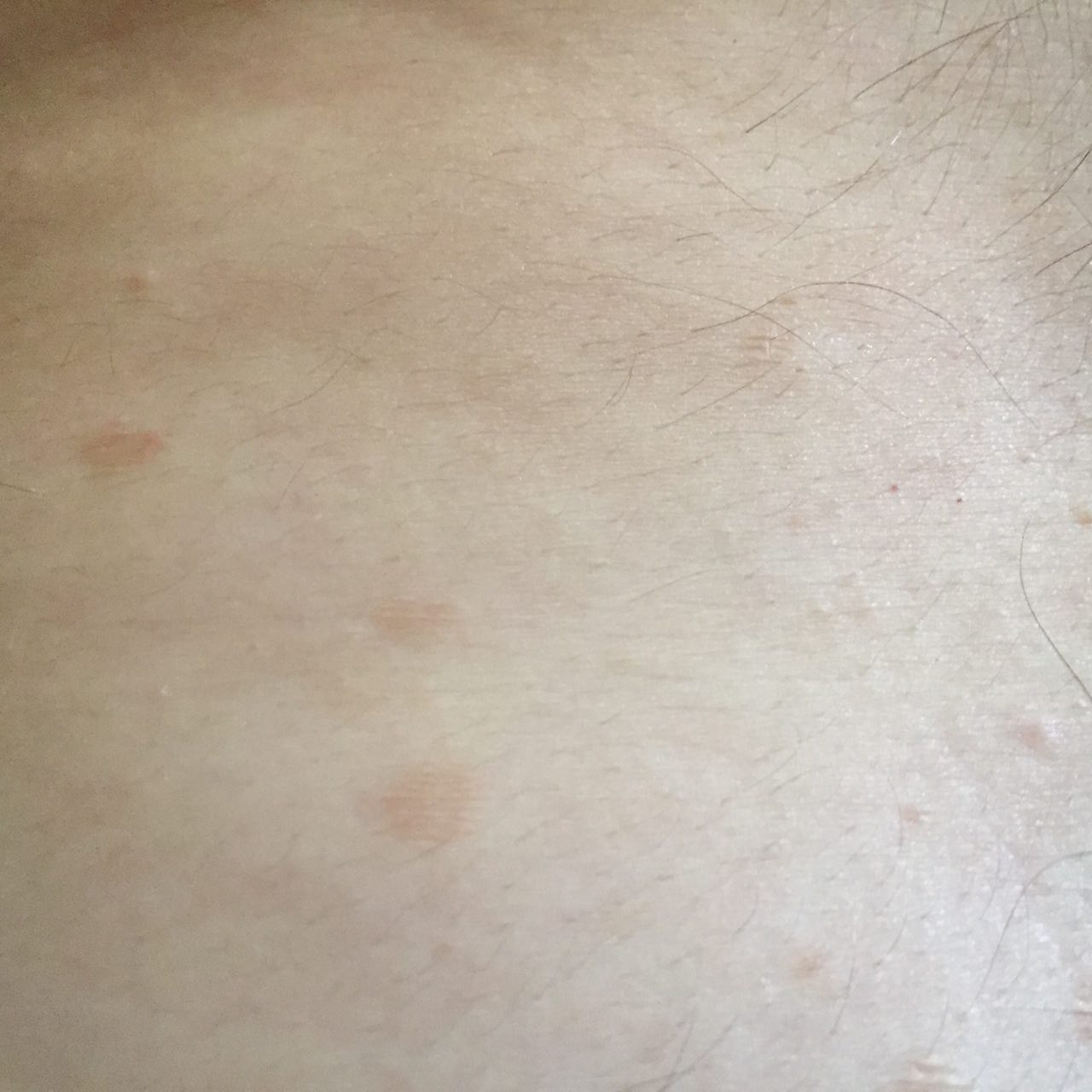
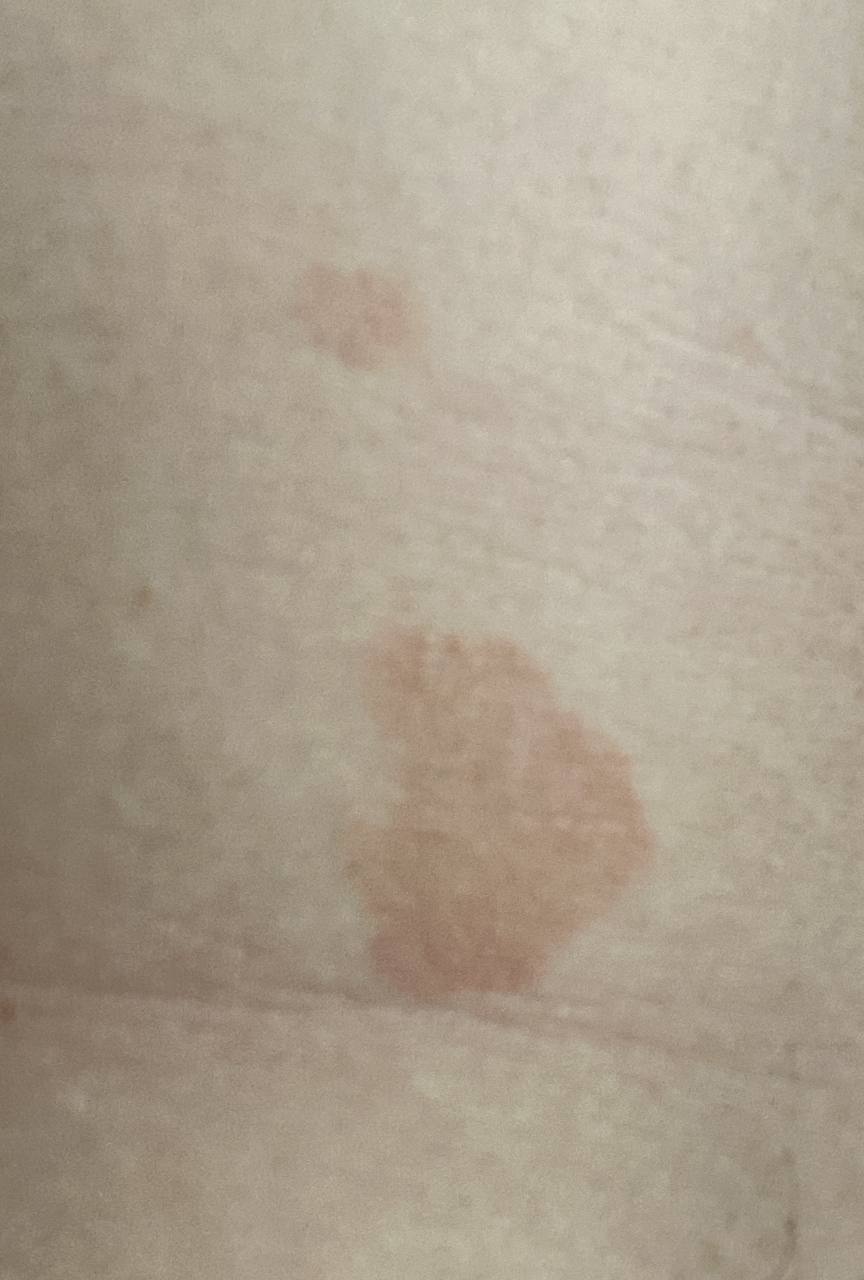
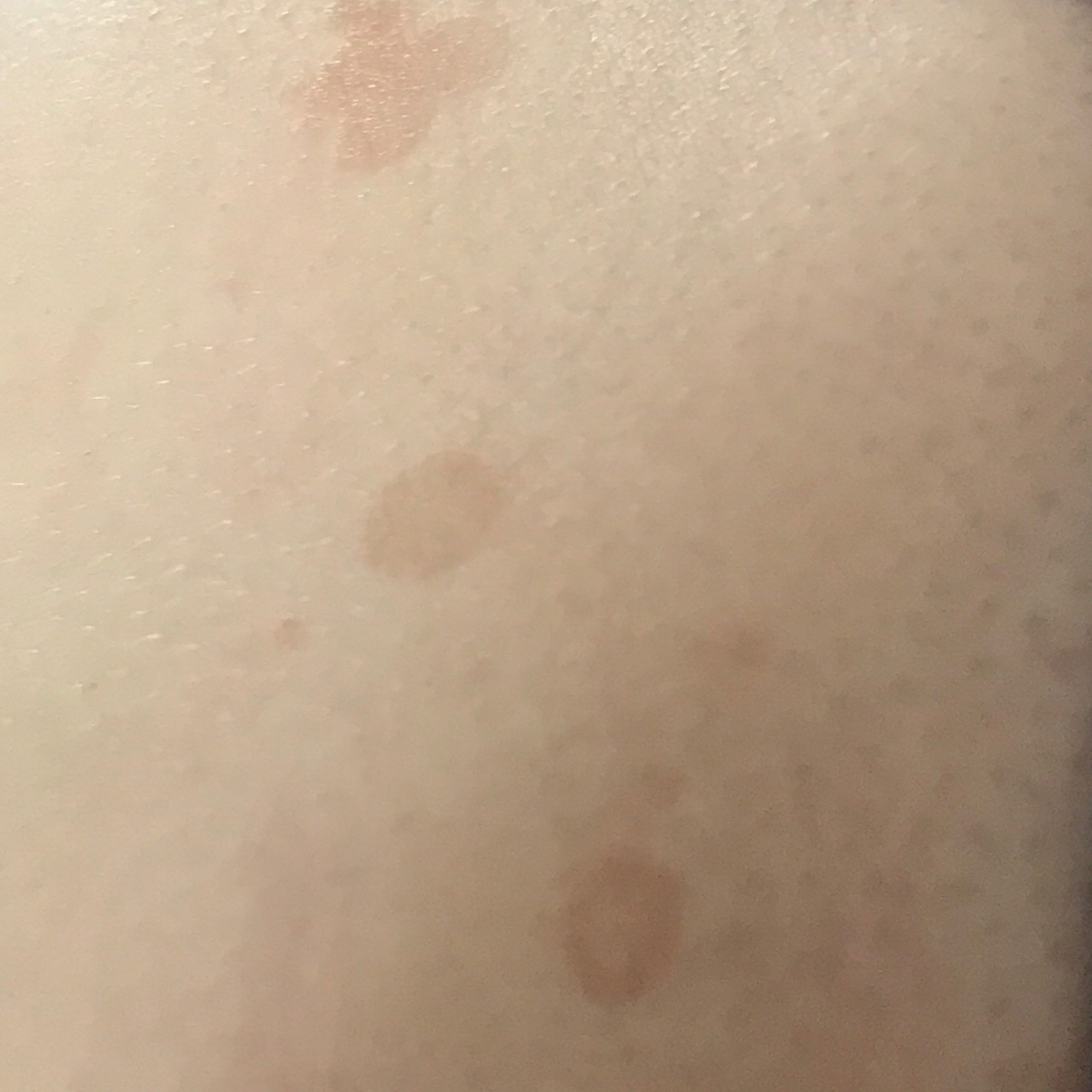
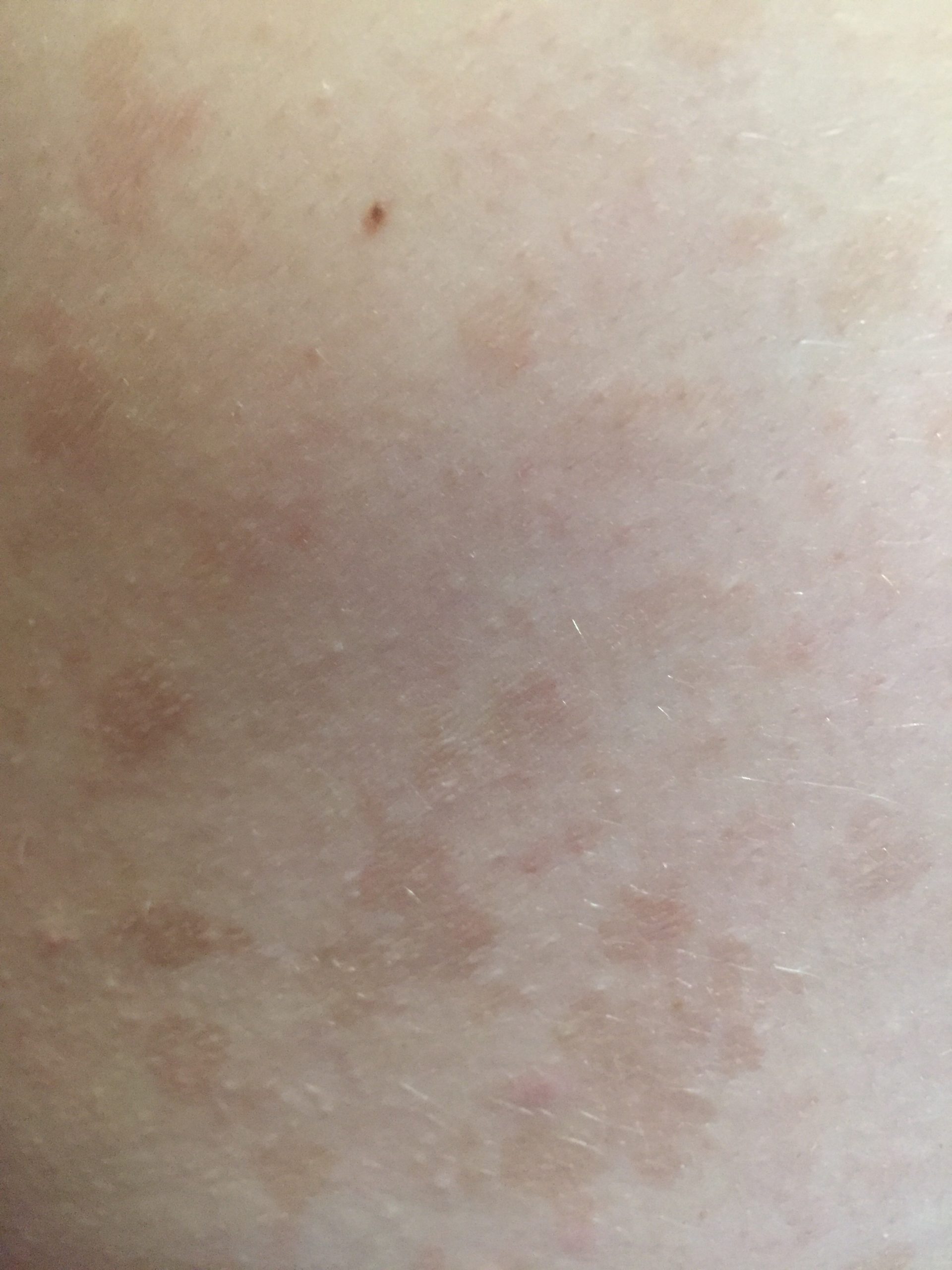
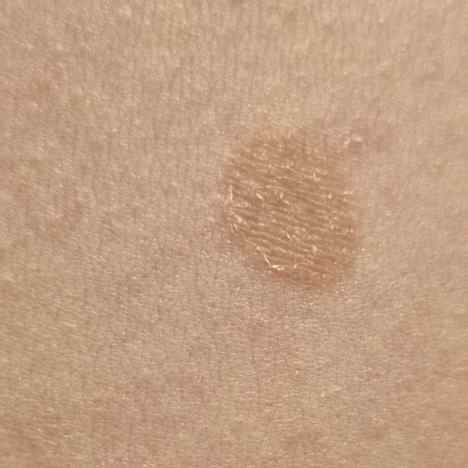
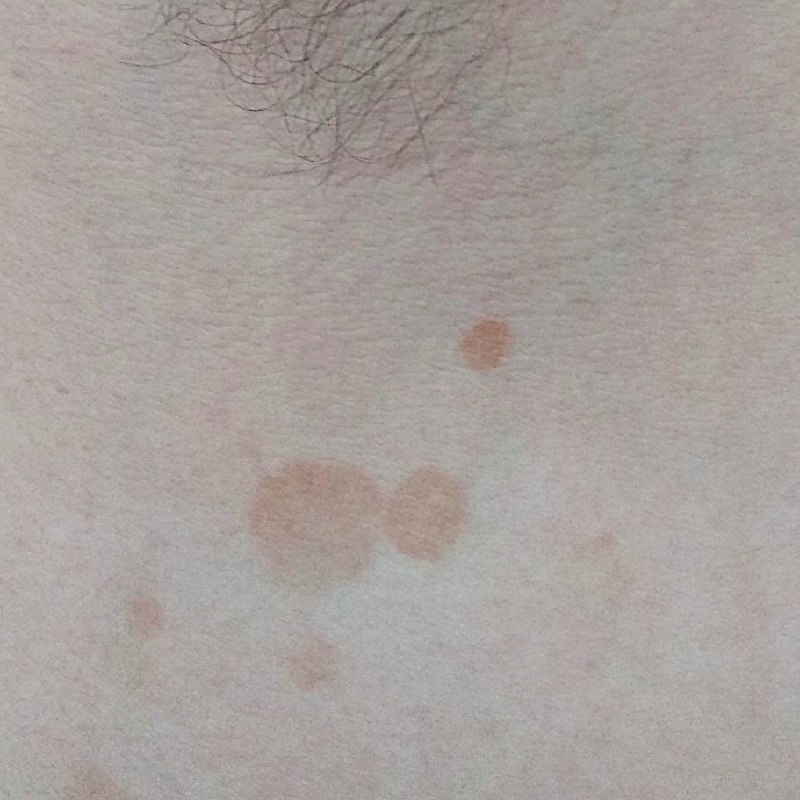
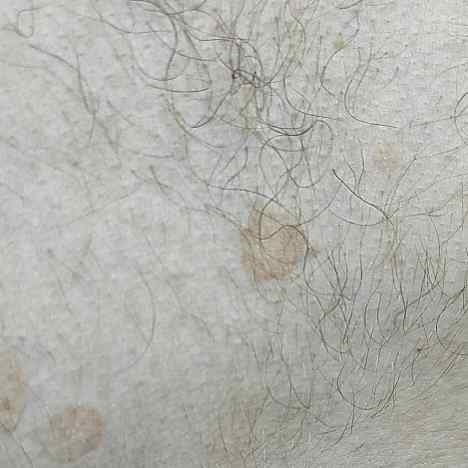
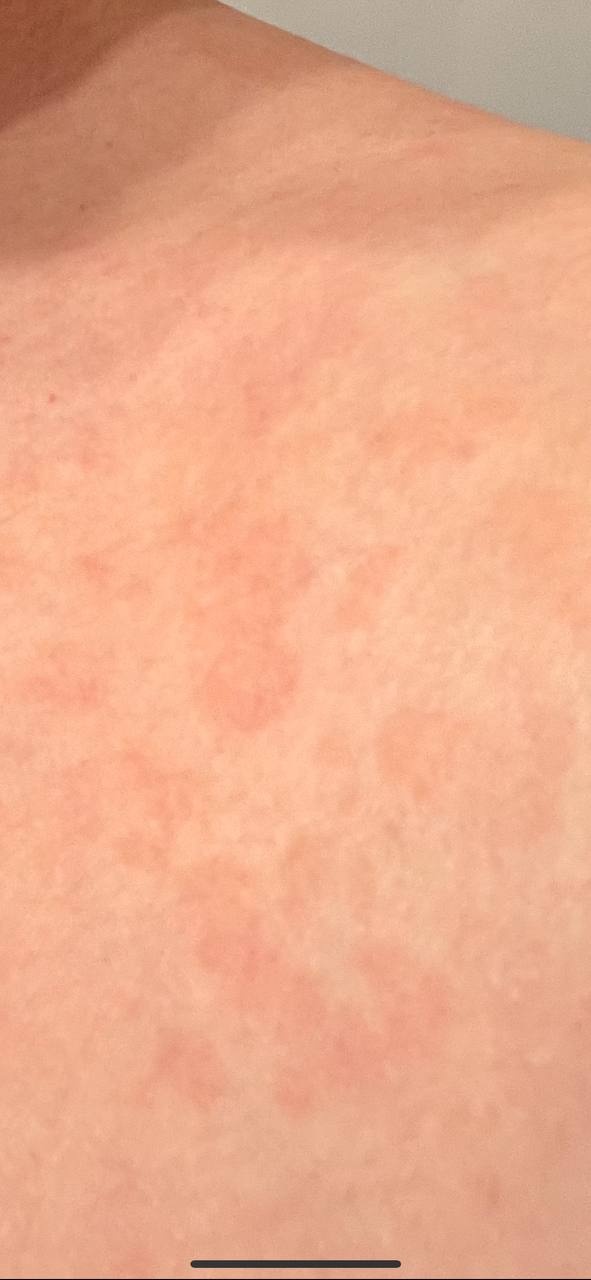
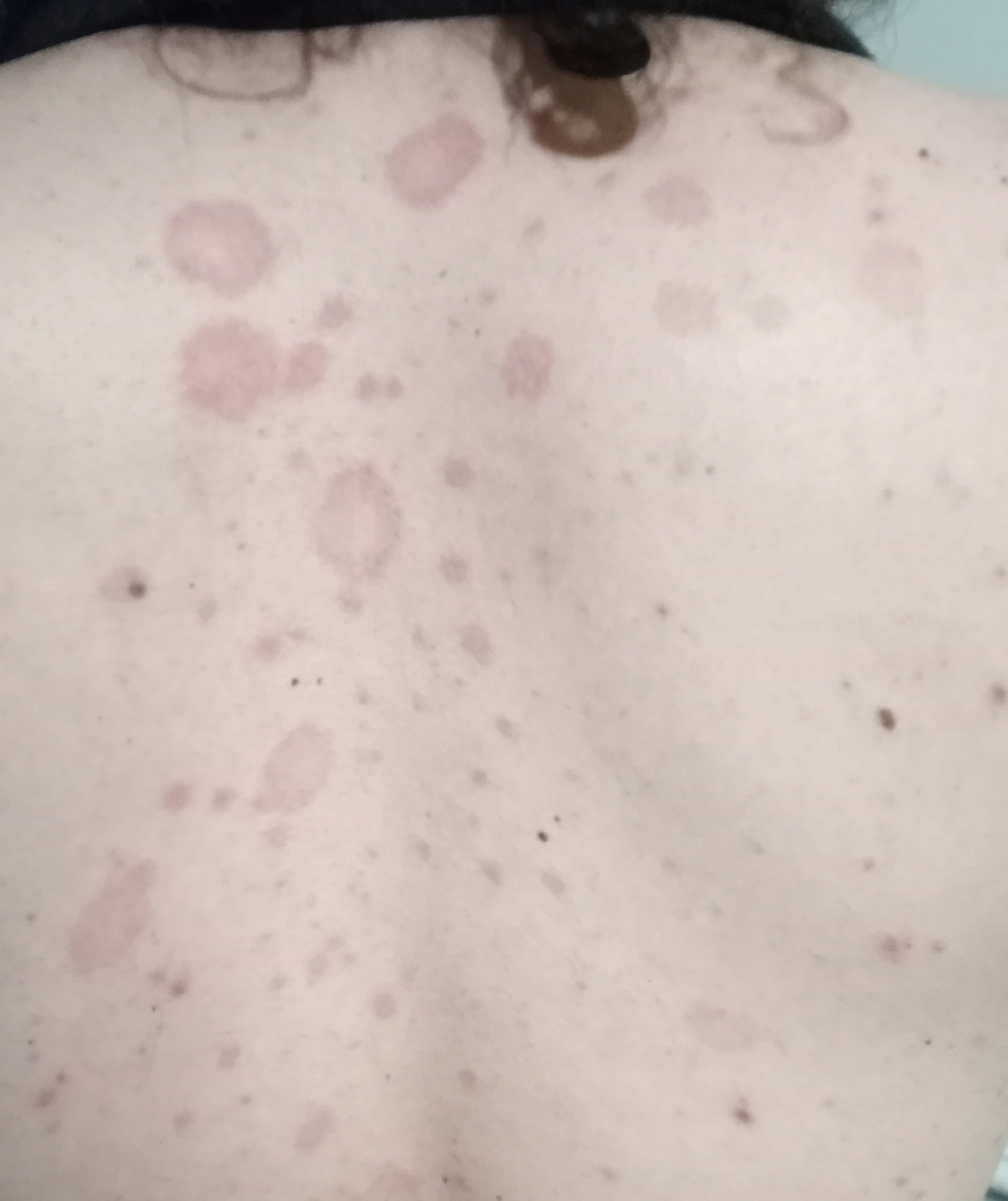
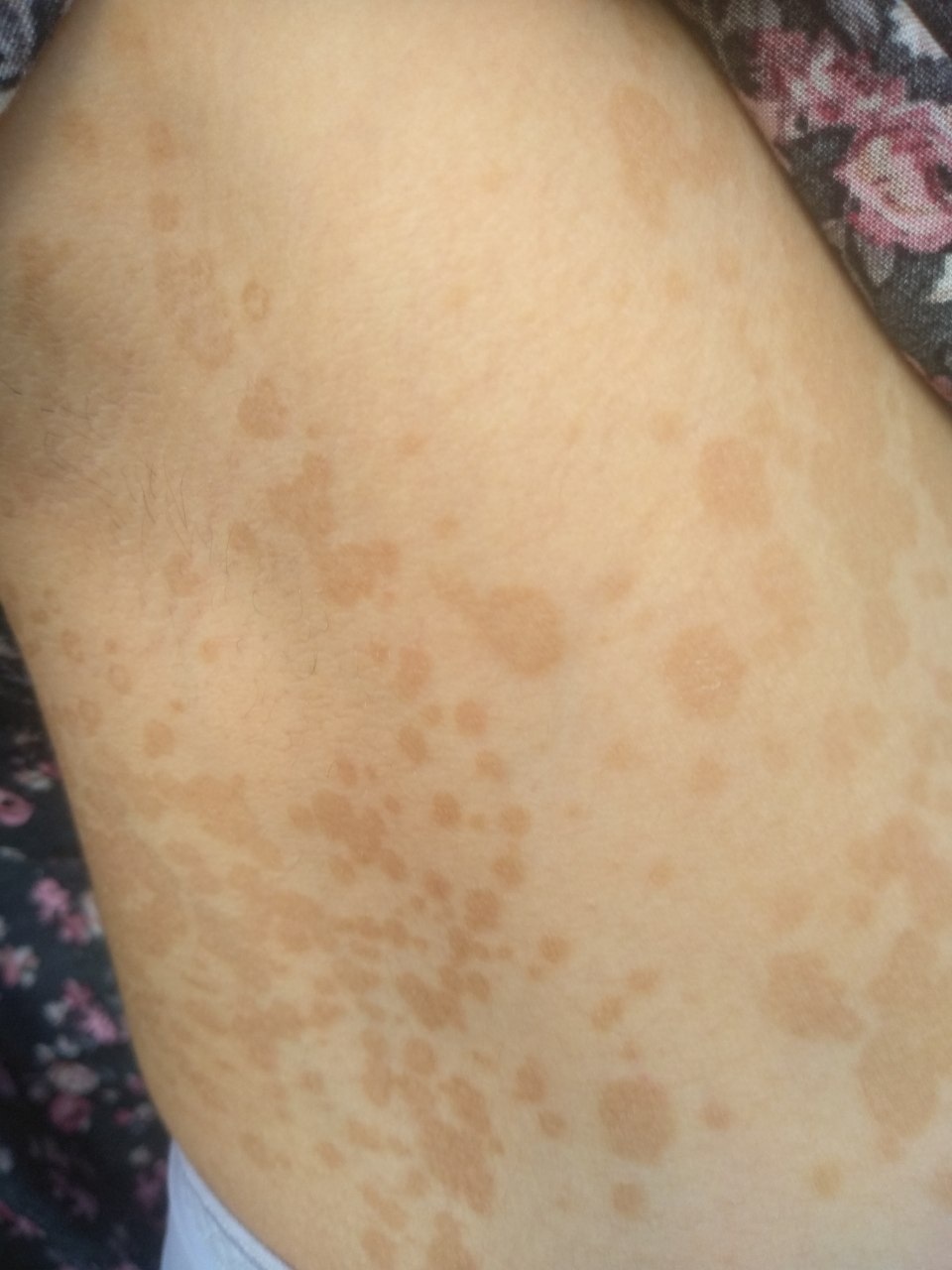
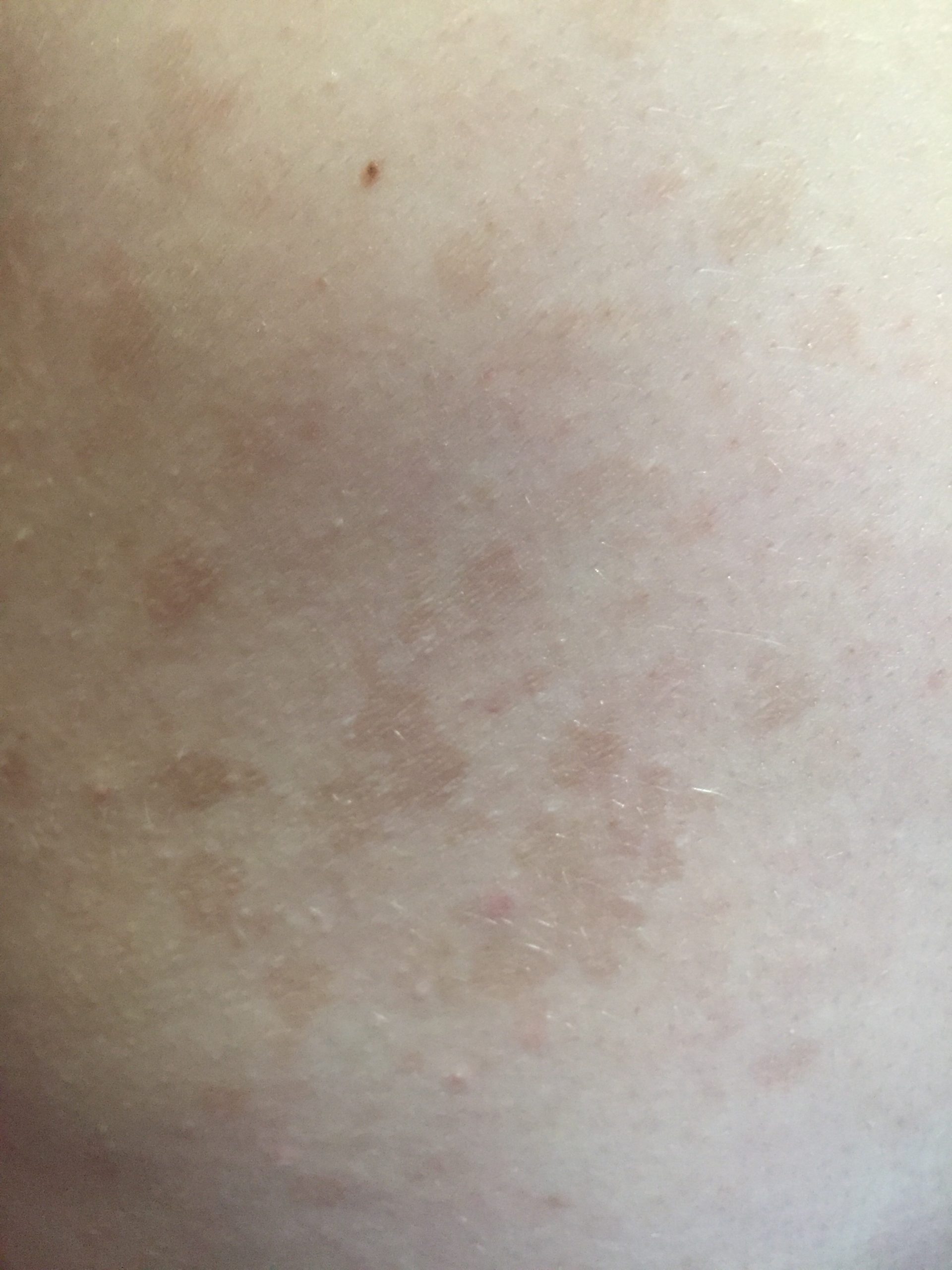
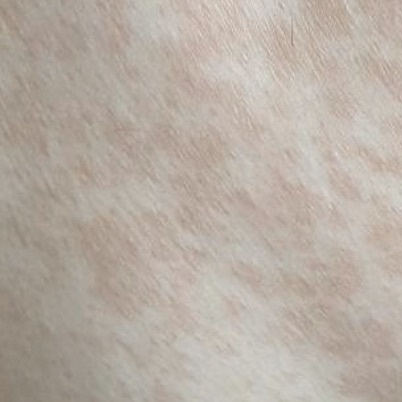
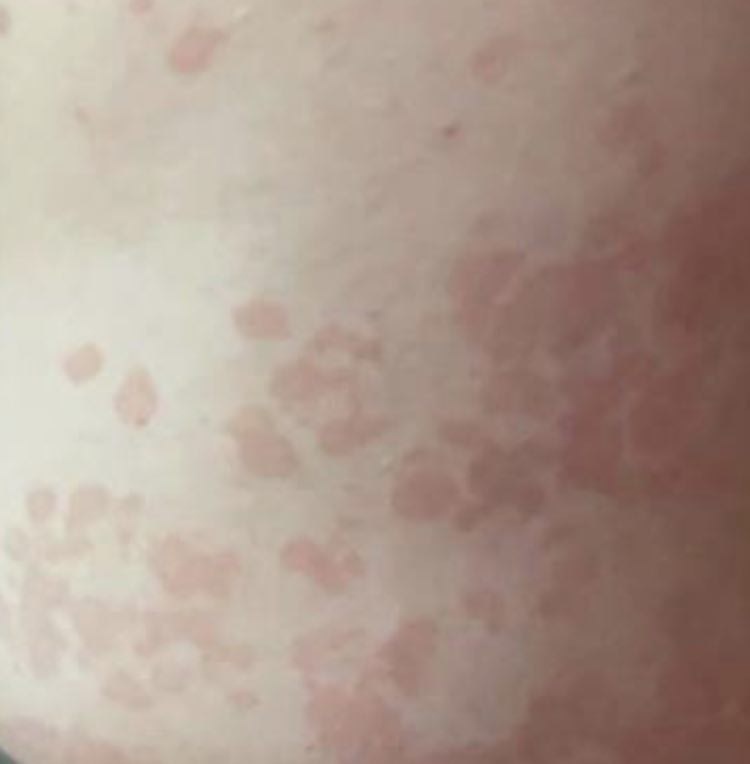
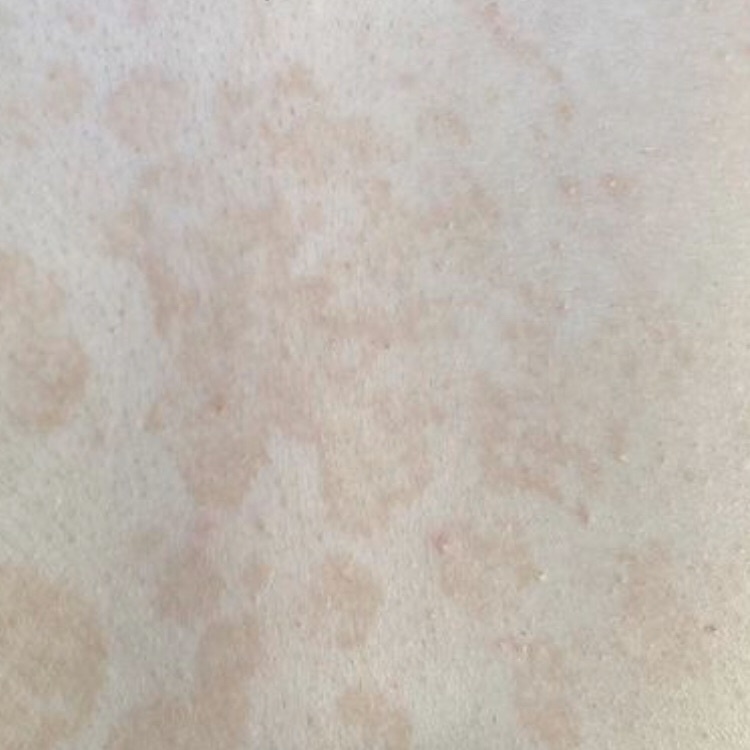
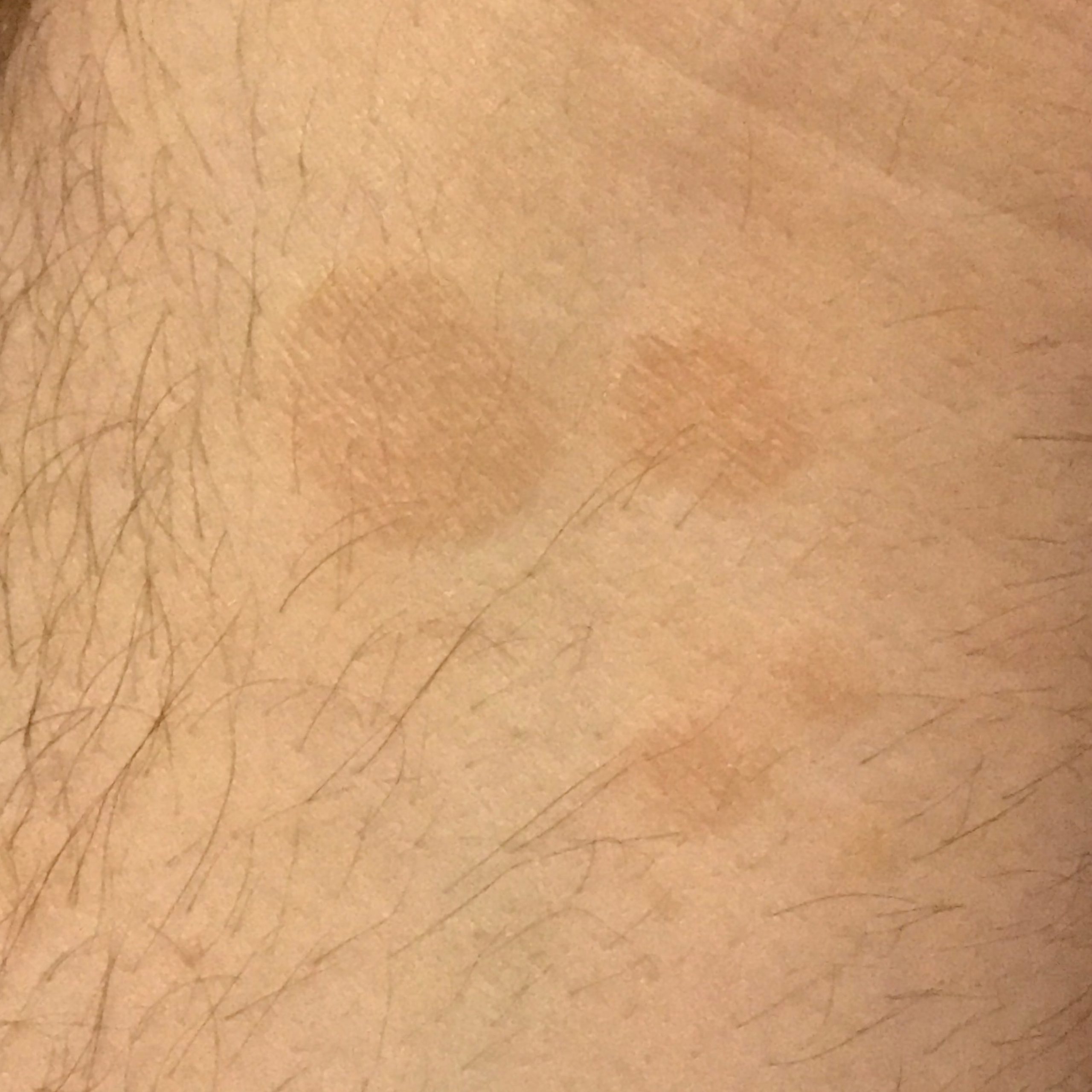
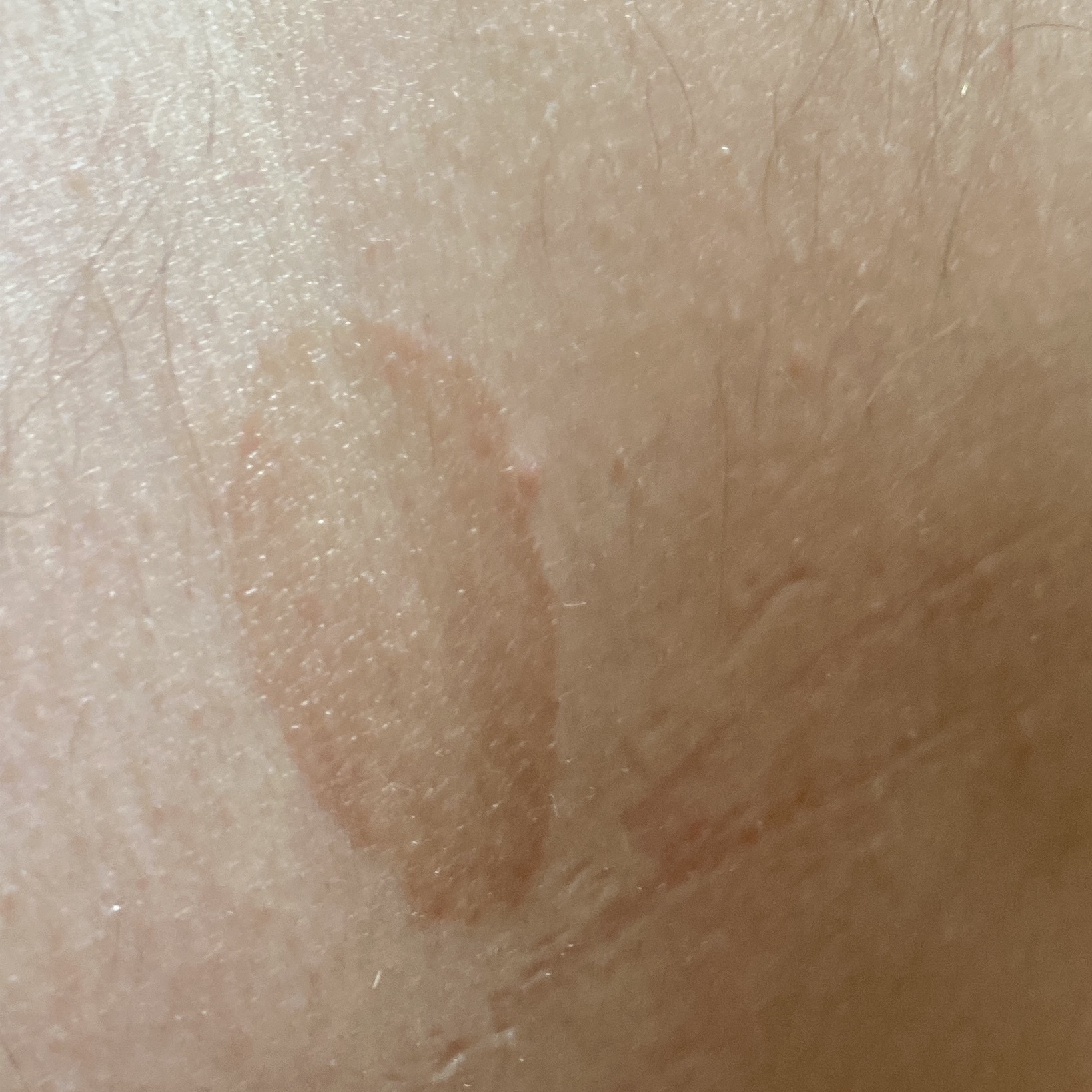
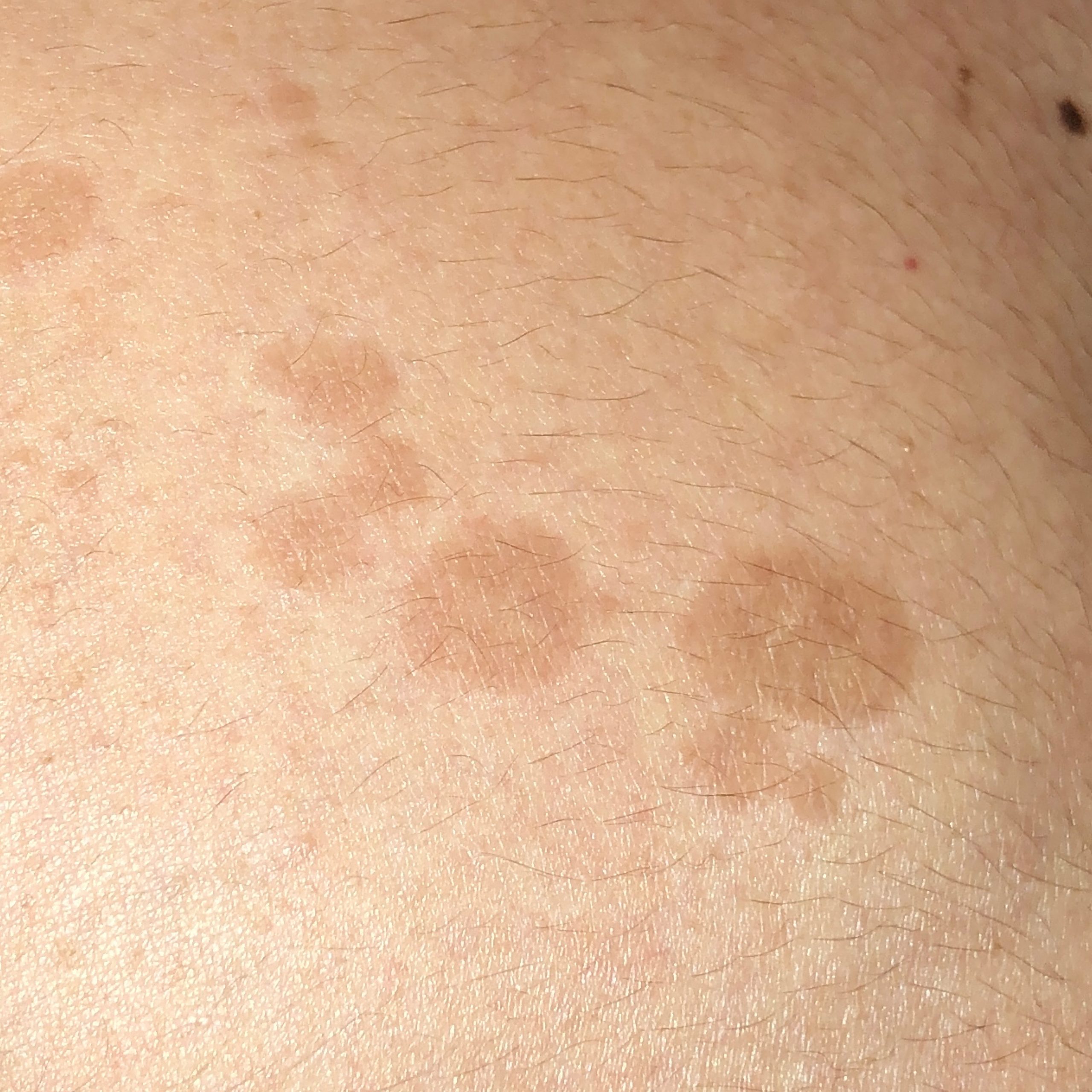
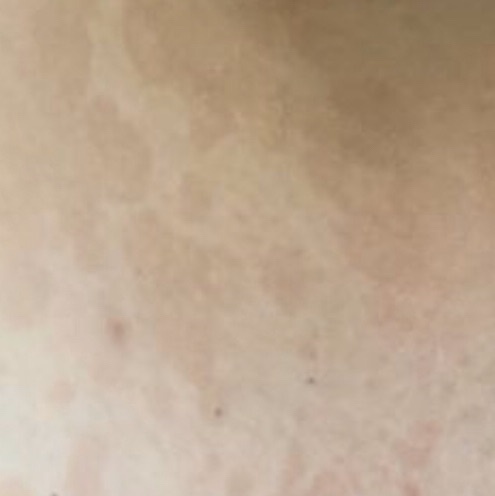
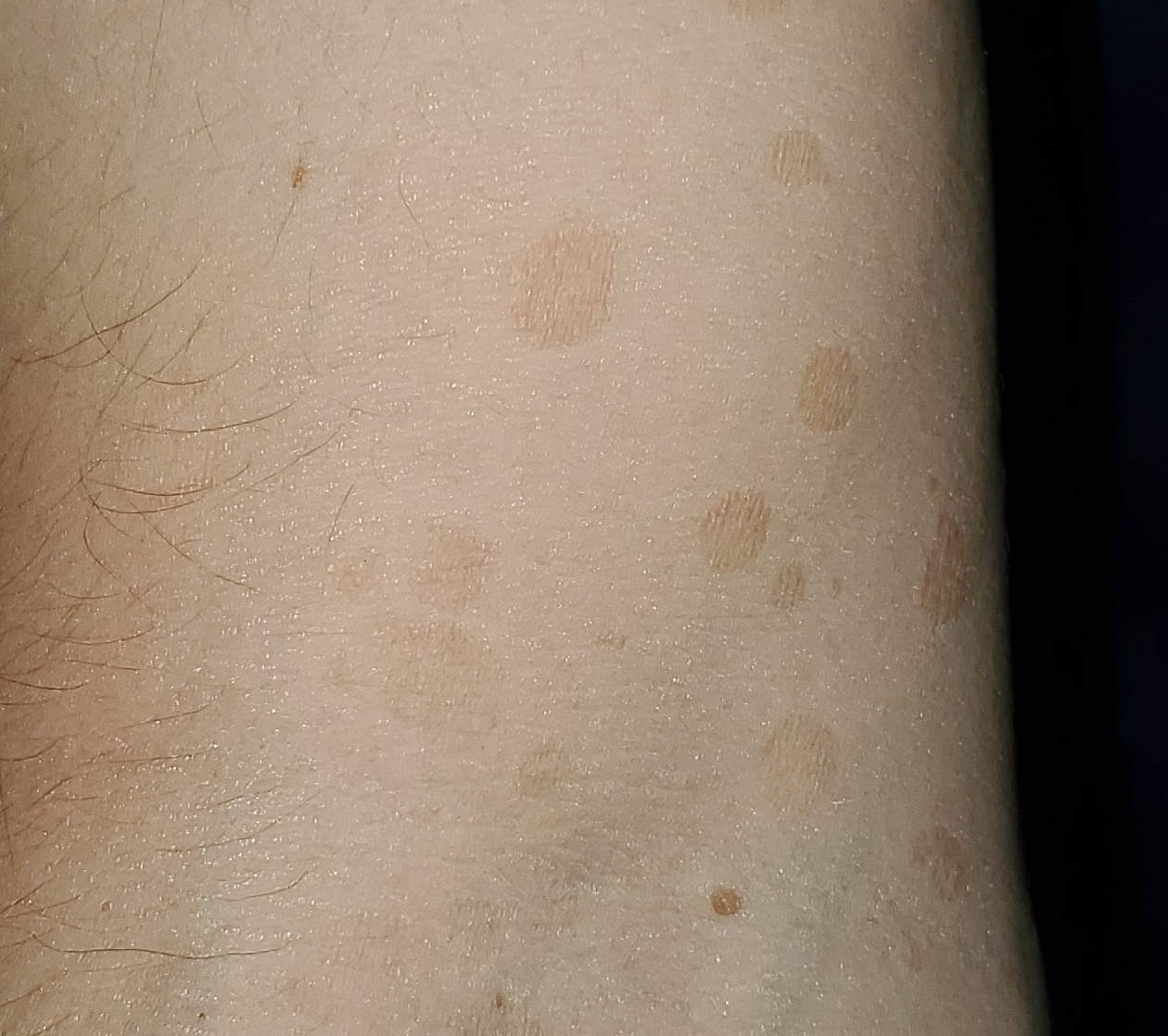
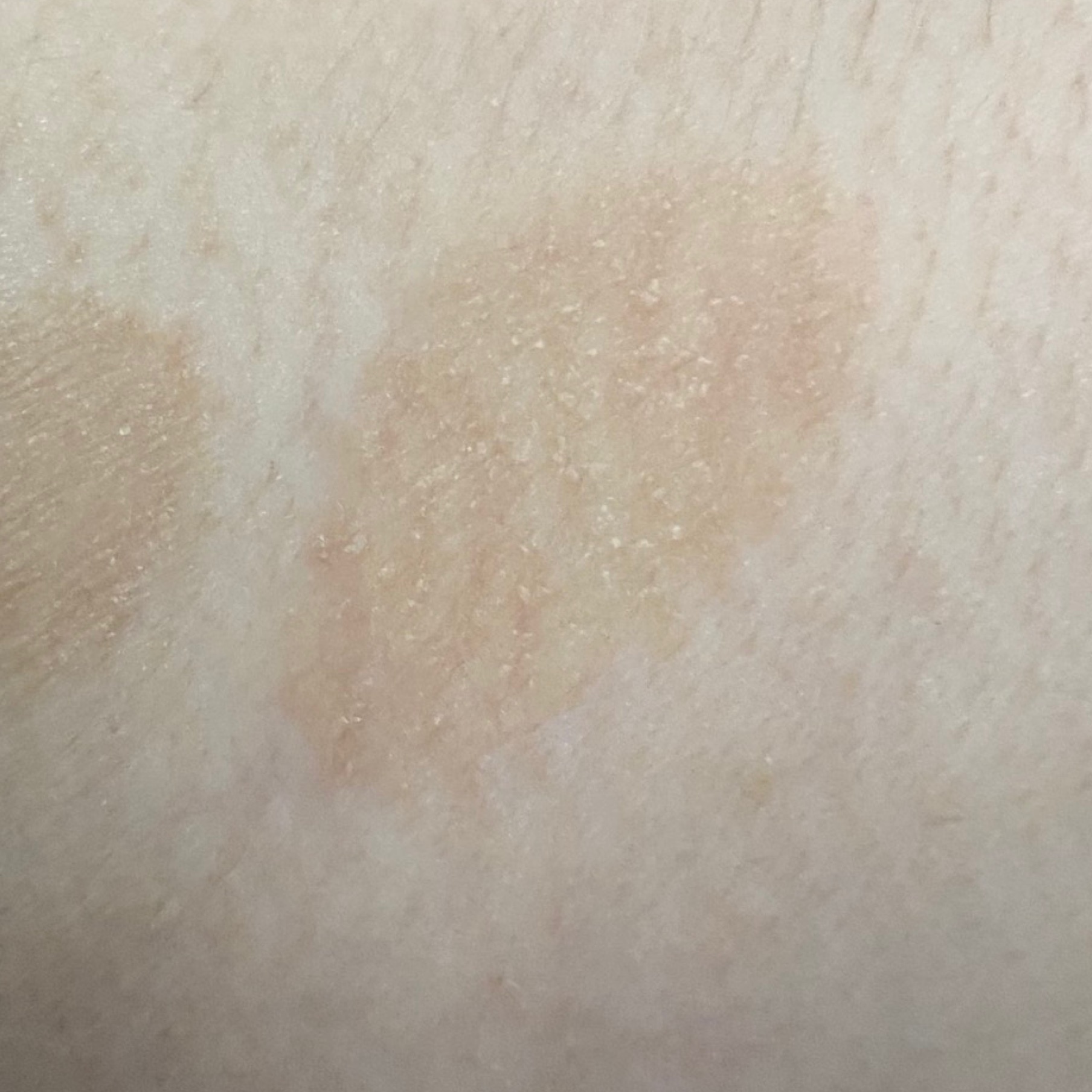
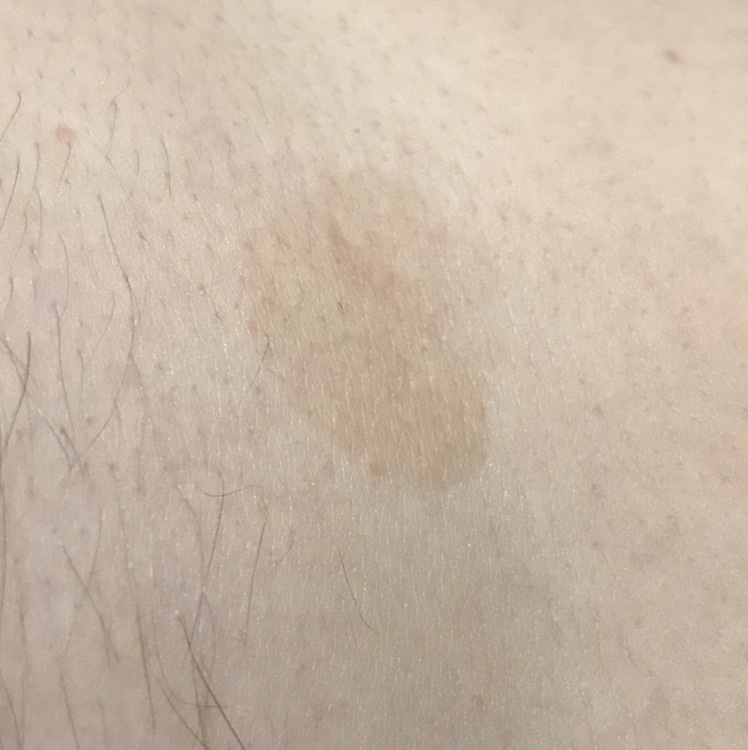
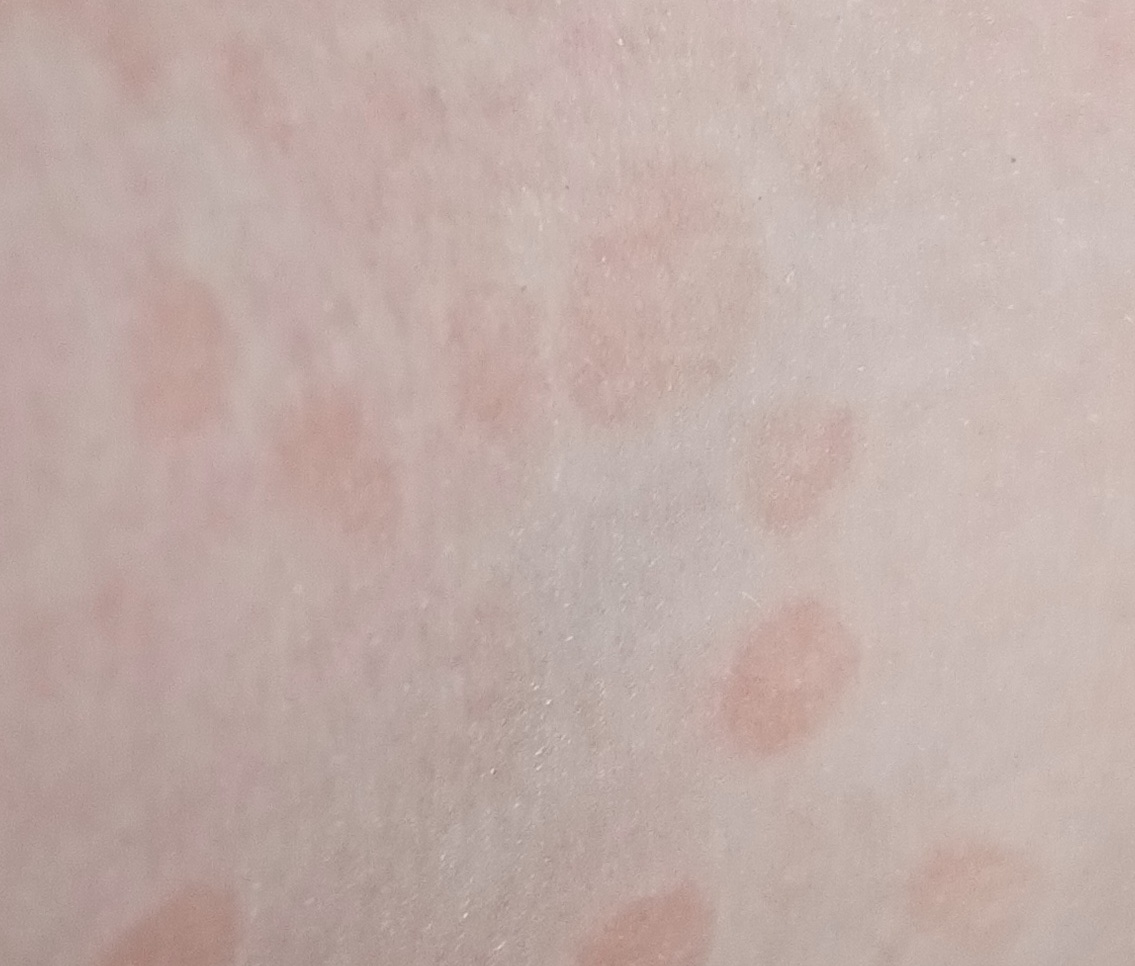
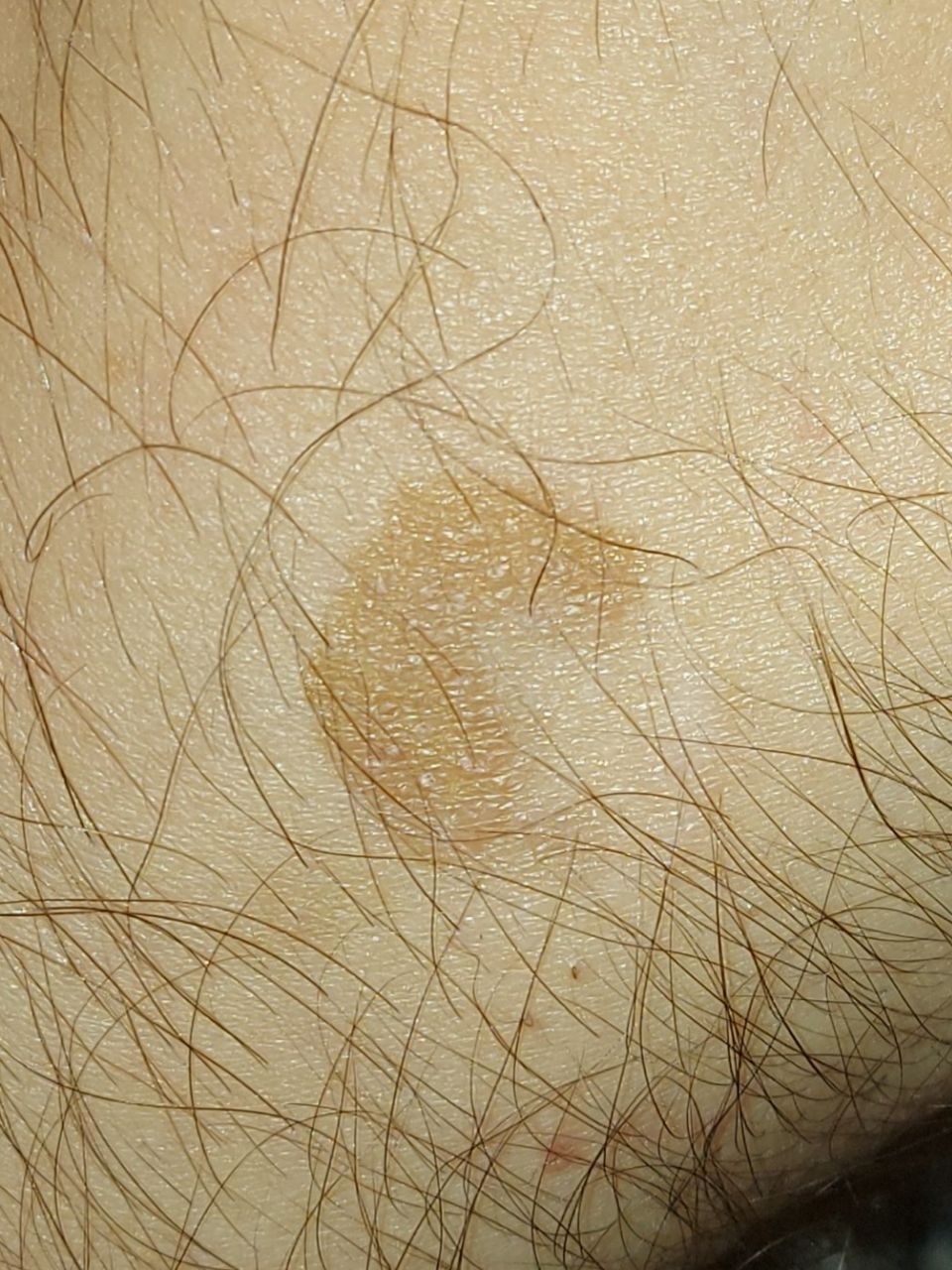
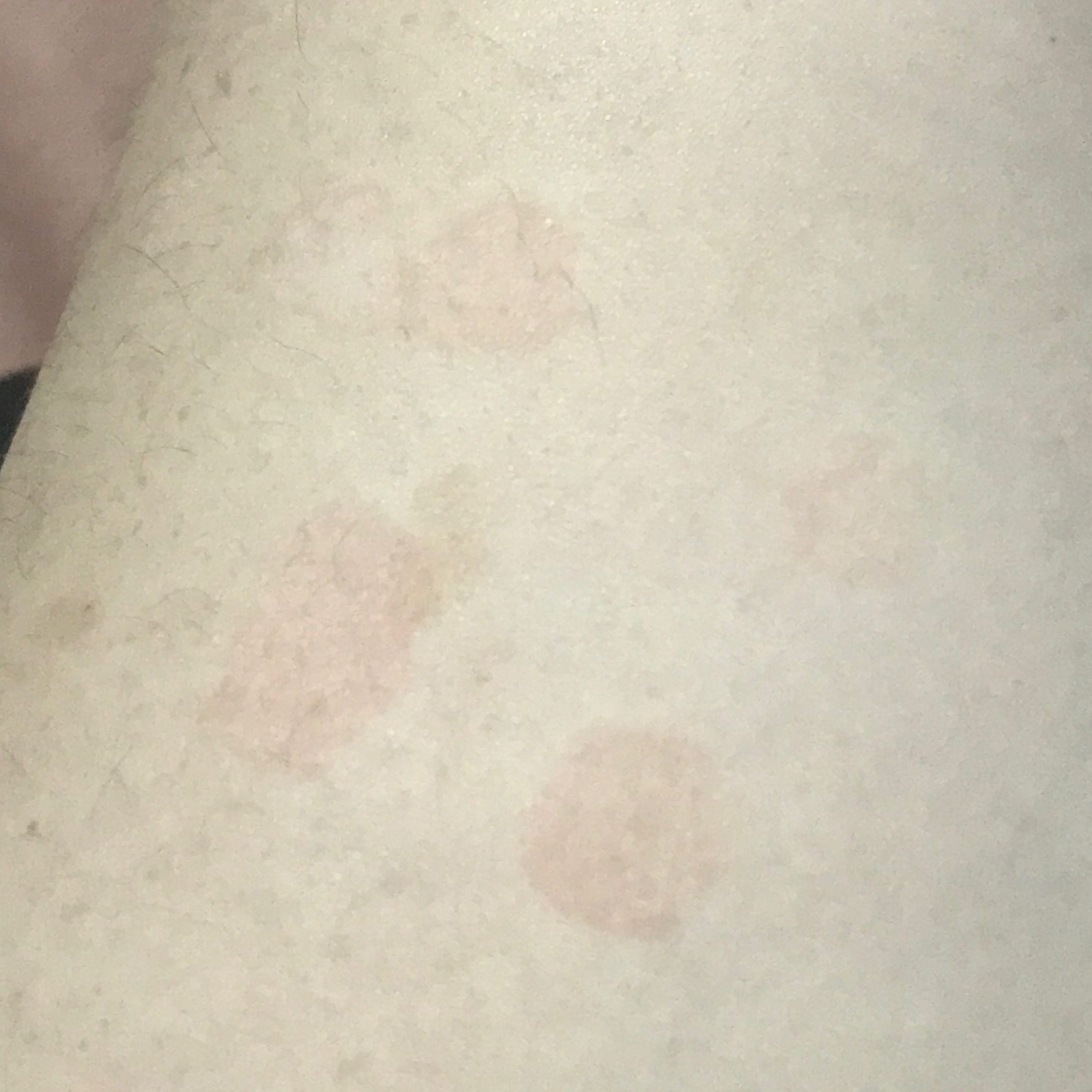
The most common manifestations of Pityriasis versicolor are flaky, pigmented (noninflammatory) patches of pink, yellow, brown, and coffee and milk. In dark-skinned individuals, they are lighter in color than the surrounding skin.
Location
- Chest
- Back
- Abdomen
- Proximal limbs.
The face, scalp, and genitals are less frequently affected, and in severe cases, the process may spread to extensive areas.
Borders are clearly delineated. The spots are up to 1 cm in size, but they tend to coalesce, forming large lesion foci. Presented complaints, as a rule, have an aesthetic character. Itching is moderate or absent. A secondary hypopigmentation (reversible) remains after tanning.
The disease may also manifest as itchy folliculitis in the back, chest, and sometimes on the extremities. The primary rashes are perfollicular, erythematous, in the form of papules or pustules 2-3 mm in diameter. Only appropriate culture and KOH (potassium hydroxide) testing can distinguish this infection from bacterial folliculitis.
Diagnosis
- Wood lamp – yellow or orange glow;
- KOH microscopy – detection of filamentous mycelium and globular pseudomycelium (a “meatball-spaghetti” appearance);
- Mucilaginous creamy colonies.
Treatment
Antiseptics and antifungal agents in the form of shampoos, solutions or creams (ketoconazole, clotrimazole, terbinafine) are used to treat mild forms 2 times a day for 2-4 weeks.
Therapy for severe forms includes systemic itraconazole (100 mg twice daily) or fluconazole (50 mg once daily) or ketoconazole (200 mg twice daily) for 2-4 weeks.
🇬🇧 Pityriasis Versicolor: Diagnosis and Treatment in the UK
If you notice pityriasis versicolor (Tinea Versicolor)—patchy, discolored skin with mild scaling, often on the chest, back, or shoulders—it’s important to get a professional opinion. In the UK, you can access dermatology care via the NHS, private clinics, or online dermatology consultations.
👉 How to See a Dermatologist in the UK NHS – This main guide explains how NHS referrals work, what to expect from specialist dermatology services, and how to choose between public and private care.
Dermatologists in Major UK Cities:
- Dermatologist in London
- Dermatologist in Manchester
- Dermatologist in Liverpool
- Dermatologist in Birmingham
- Dermatologist in Leeds
- Dermatologists in Other UK cities
Online Dermatology
If you prefer remote care or faster access, try online dermatology consultations. They allow dermatologists to review images, provide advice, and guide next steps without visiting a clinic. Read more in this article: Online Dermatologists in UK.
Check Your Skin Instantly
Use the Rash identifier app – Skinive AI to take a photo of a skin lesion and get an AI-based risk assessment. It helps determine whether professional consultation is recommended, giving you fast guidance and peace of mind.
🇦🇺 Pityriasis Versicolor: Diagnosis and Treatment in Australia
If you notice pityriasis versicolor (Tinea Versicolor)—patchy, discolored skin with mild scaling, often on the chest, back, or shoulders, it’s important to get a professional opinion. In Australia, dermatology care is available via Medicare (public system), private clinics, or online consultations.
👉 How to See a Dermatologist in Australia – This main guide explains how referrals work through GPs and public clinics, what to expect from specialist dermatology services, and how to choose between public and private care.
Dermatologists in Major Australian Cities:
- Dermatologist in Sydney
- Dermatologist in Melbourne
- Dermatologist in Brisbane
- Dermatologist in Perth
- Dermatologist in Adelaide
- Dermatologists in other Australian cities
Online Dermatology
For faster access or remote care, online dermatology consultations allow dermatologists to review images, provide advice, and guide next steps without visiting a clinic. Read more in this article: Online Dermatologists in Australia.
Check Your Skin Instantly
Use the Skin scanner App – Skinive AI to take a photo of a skin lesion and get an AI-based risk assessment. It helps determine whether professional consultation is recommended, giving you fast guidance and peace of mind.
** Should you identify any copyright infringement regarding the images on this page, kindly reach out to us at info@skinive.com.
Furthermore, please be advised that these photos are not authorized for any purpose.