
Plantar wart is a benign skin growth on the sole of the foot caused by the human papillomavirus (HPV). It most often appears in pressure areas such as the heel, ball of the foot, or base of the toes, and may cause pain while walking.
This is a common condition that is often confused with a callus. Unlike a callus, a plantar wart grows inward into the skin due to body pressure. It is not dangerous, but it can cause significant discomfort and may spread to nearby areas.
The condition is contagious: the virus can be transmitted through surfaces, especially in moist environments such as swimming pools or communal showers.
What to do if you suspect it
If a painful, firm lesion appears on the sole of the foot, it is important not to delay diagnosis.
The first step is to see a dermatologist. A specialist can distinguish a wart from a callus or other skin condition and choose the appropriate treatment approach.
Until consultation, reduce pressure on the affected area: avoid long walking distances in tight shoes and do not traumatize the skin.
It is important not to cut or burn the lesion yourself. This may worsen inflammation and spread the virus.
Timely medical evaluation helps reduce discomfort faster and prevent enlargement of the wart.
How the condition looks
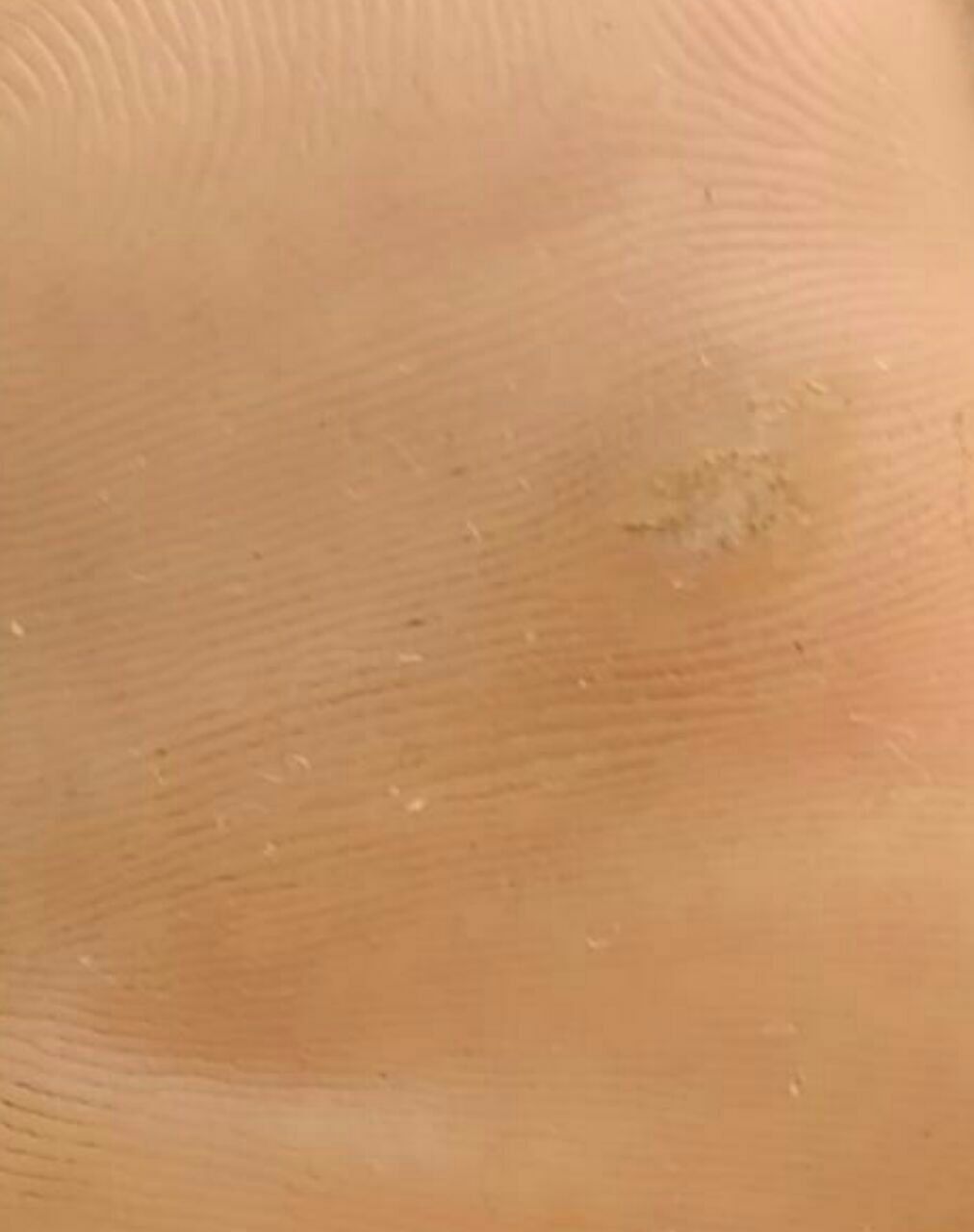
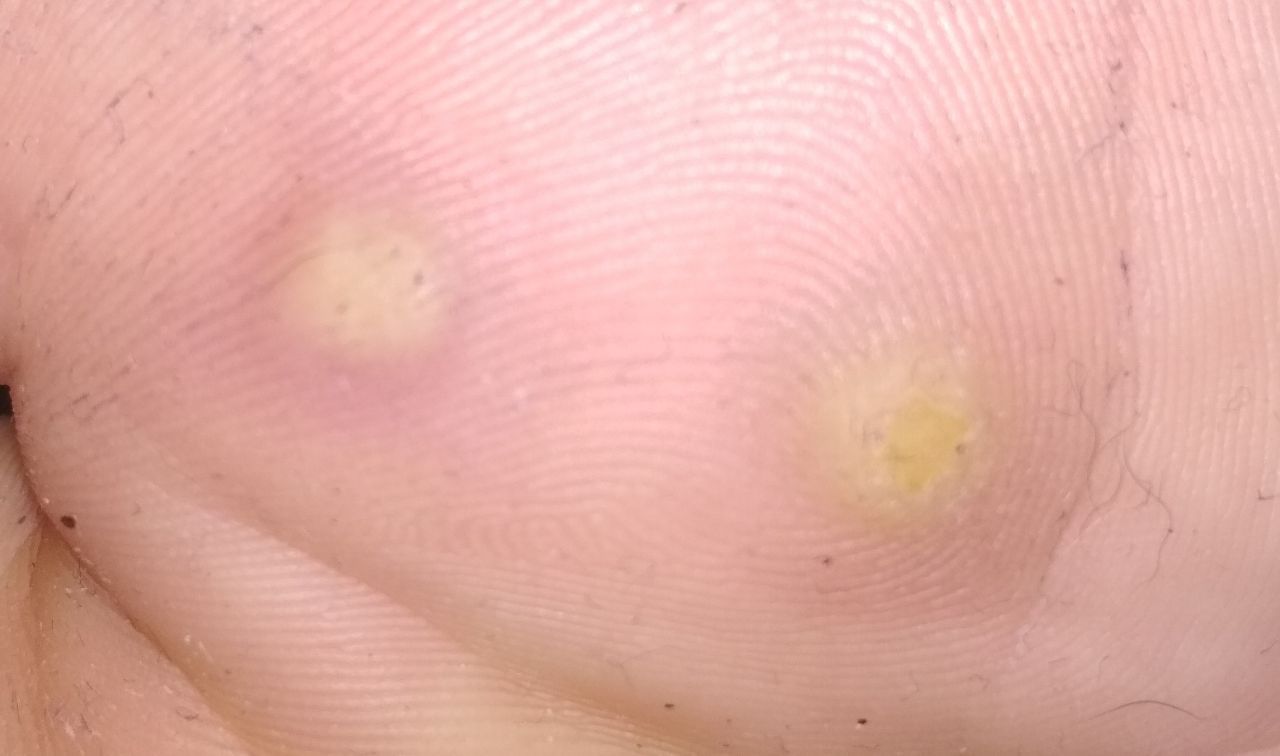
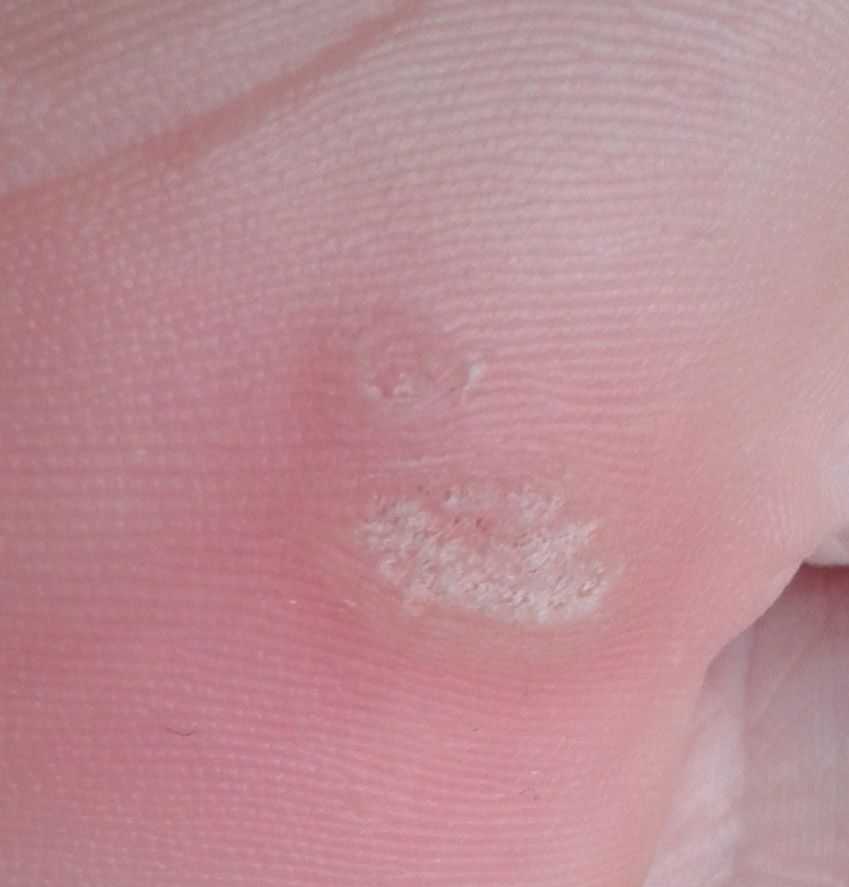
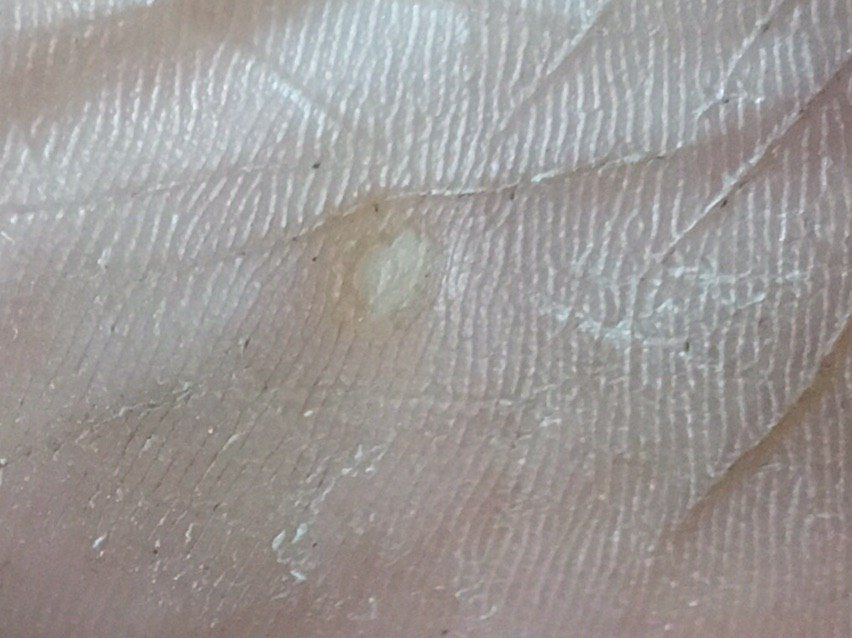
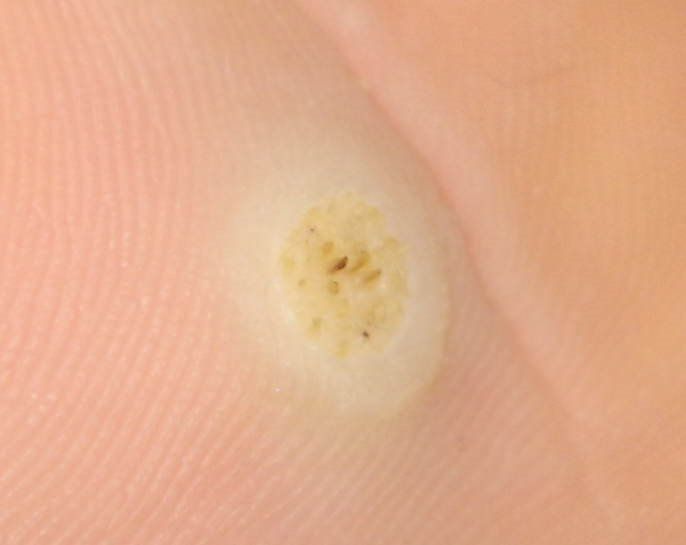
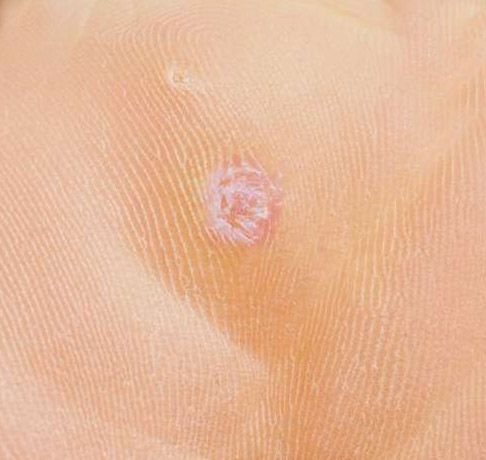
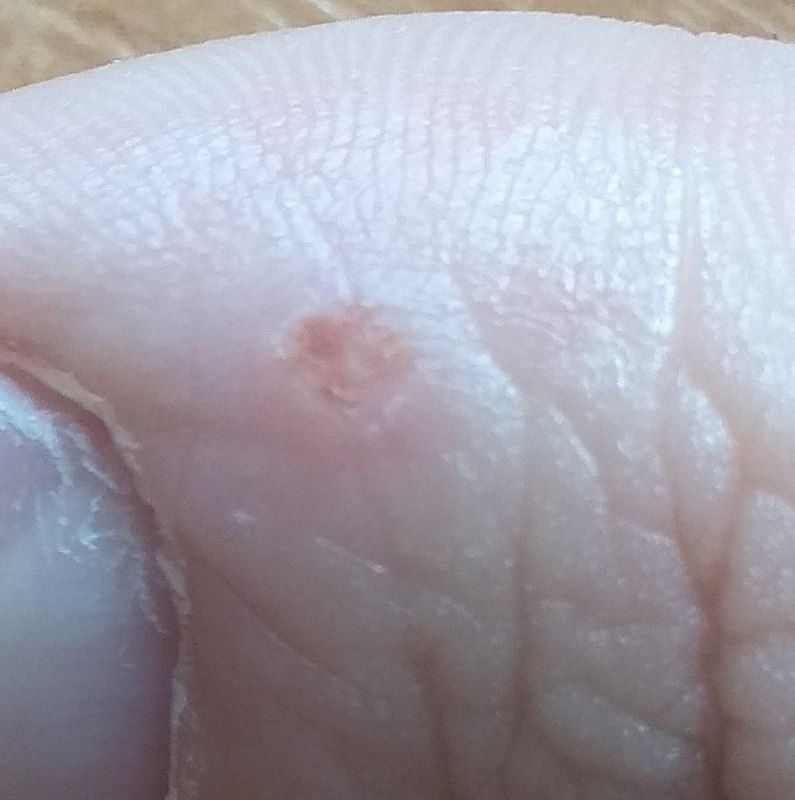
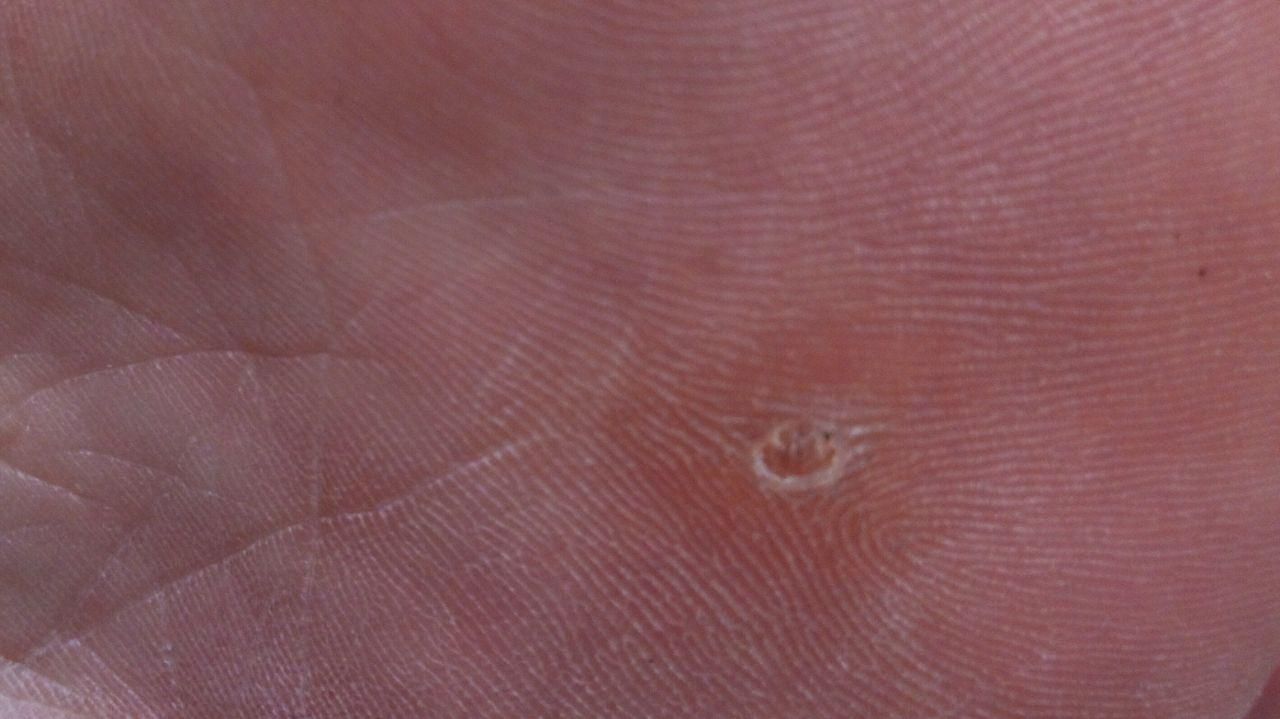
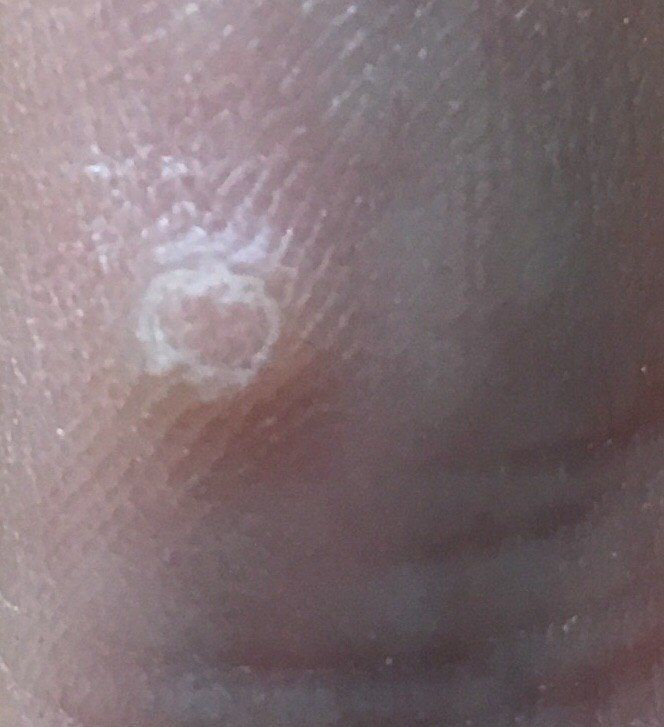
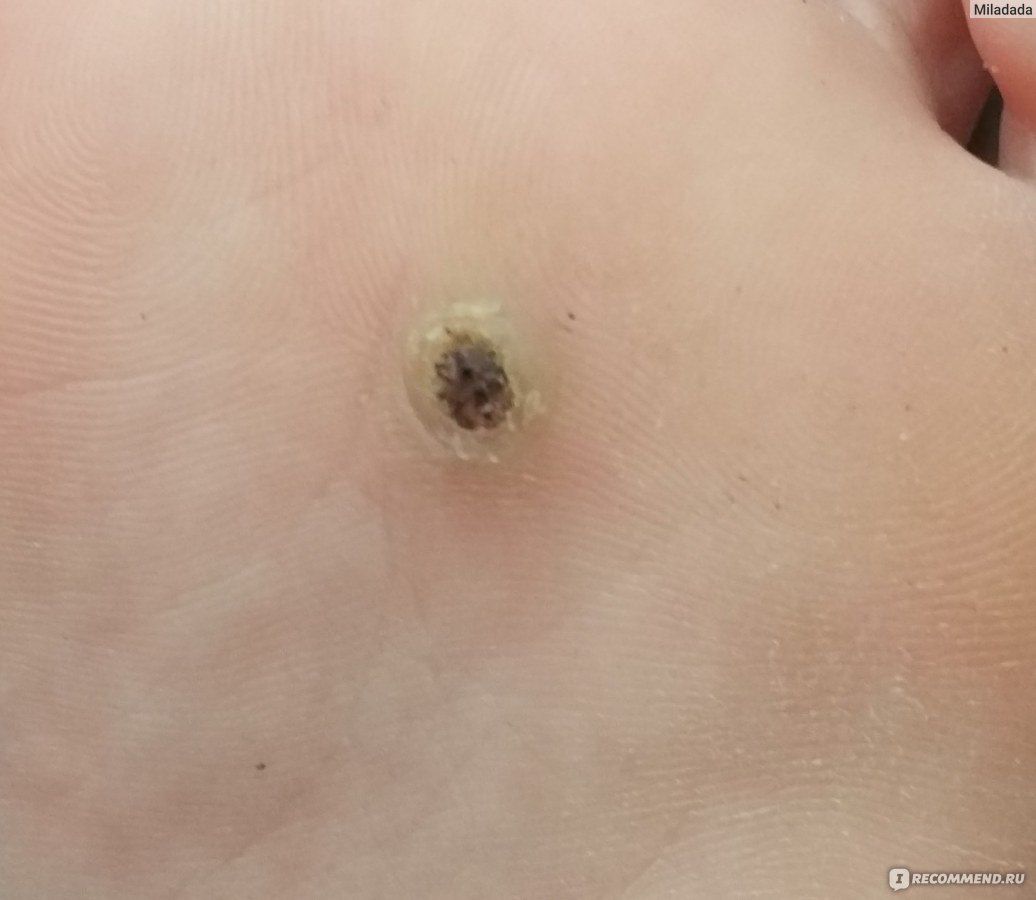
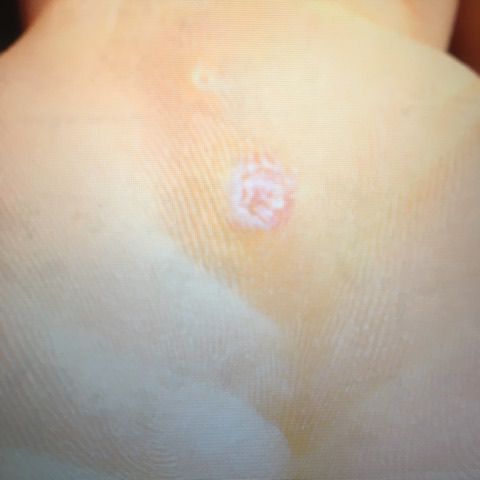
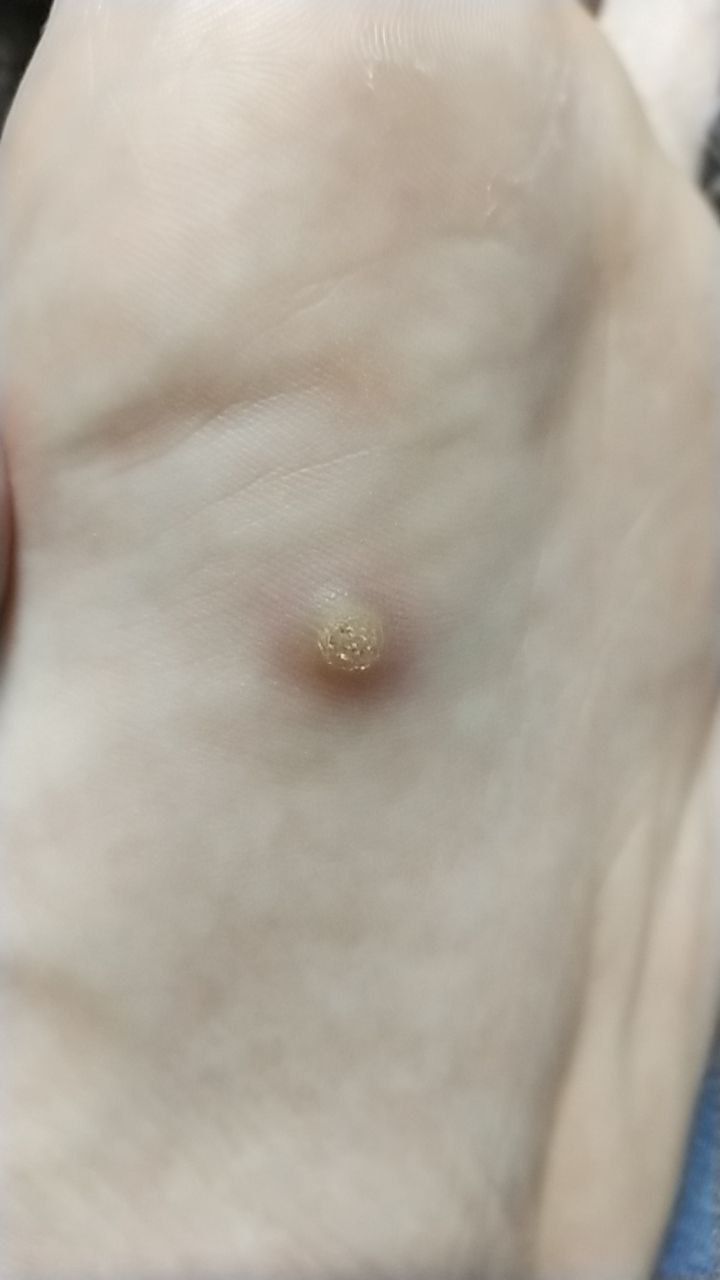
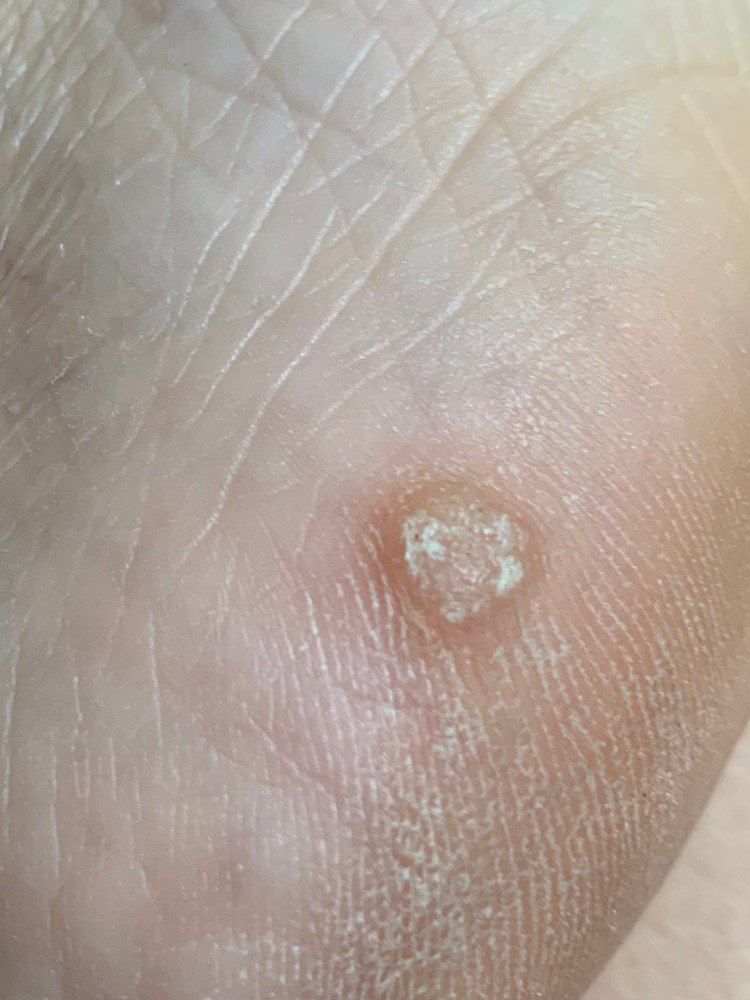
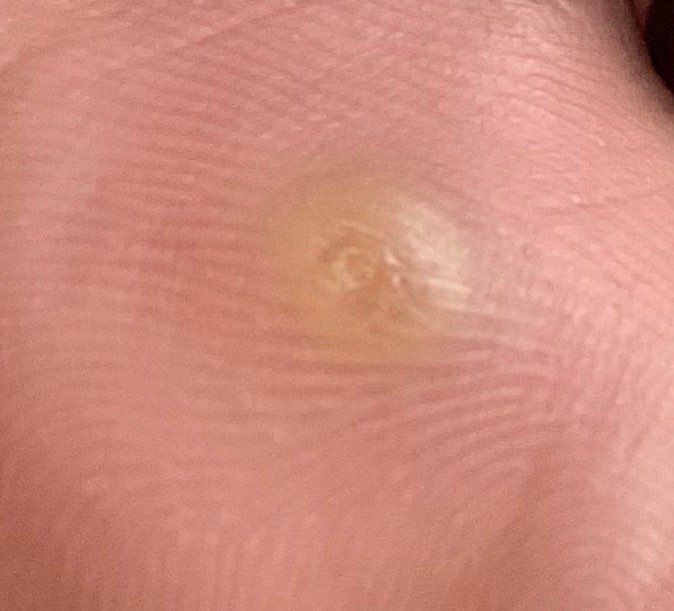
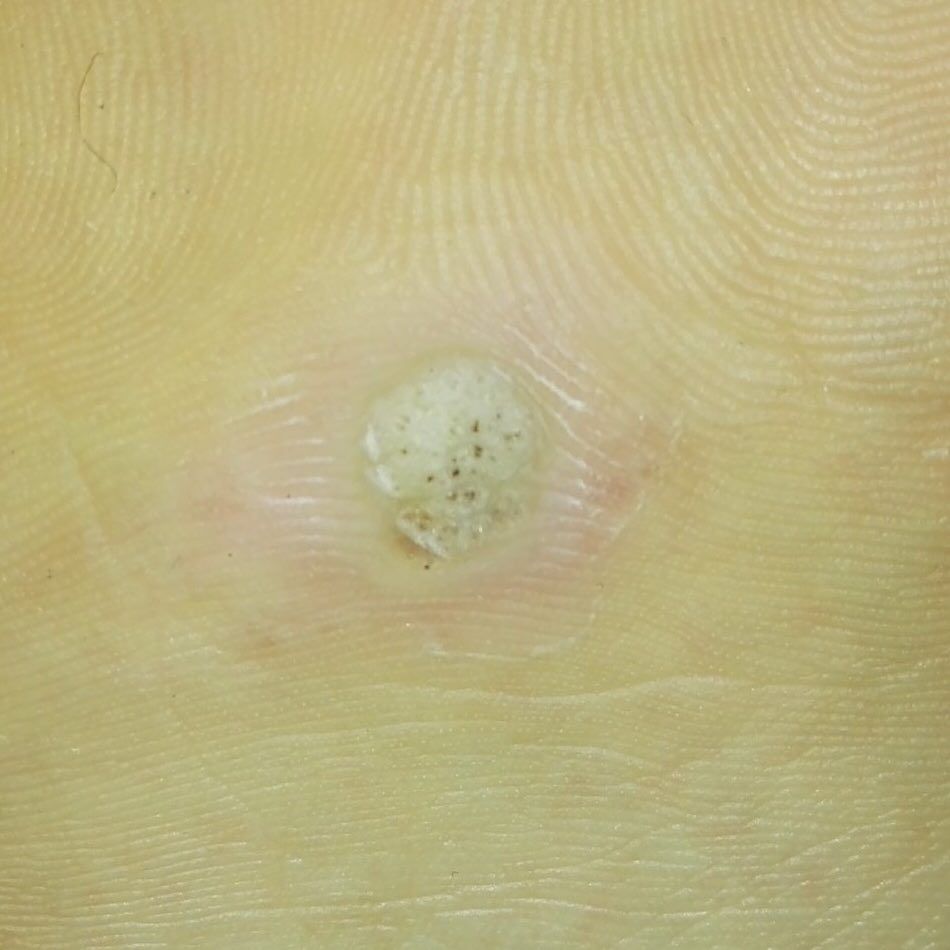
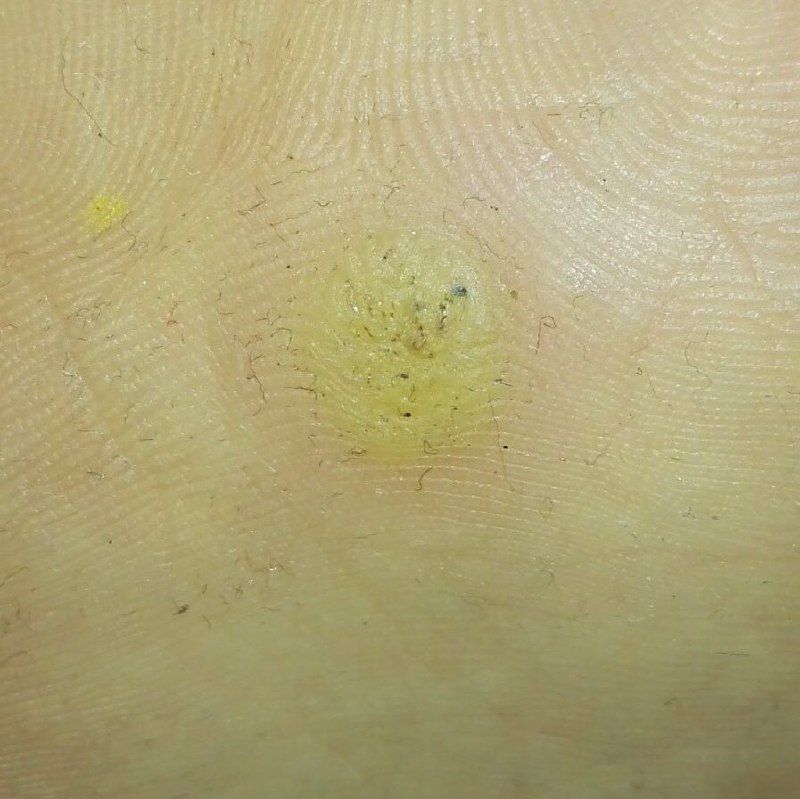
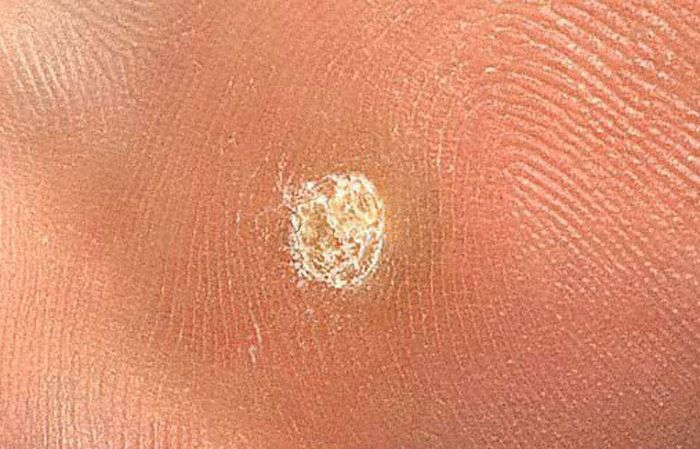
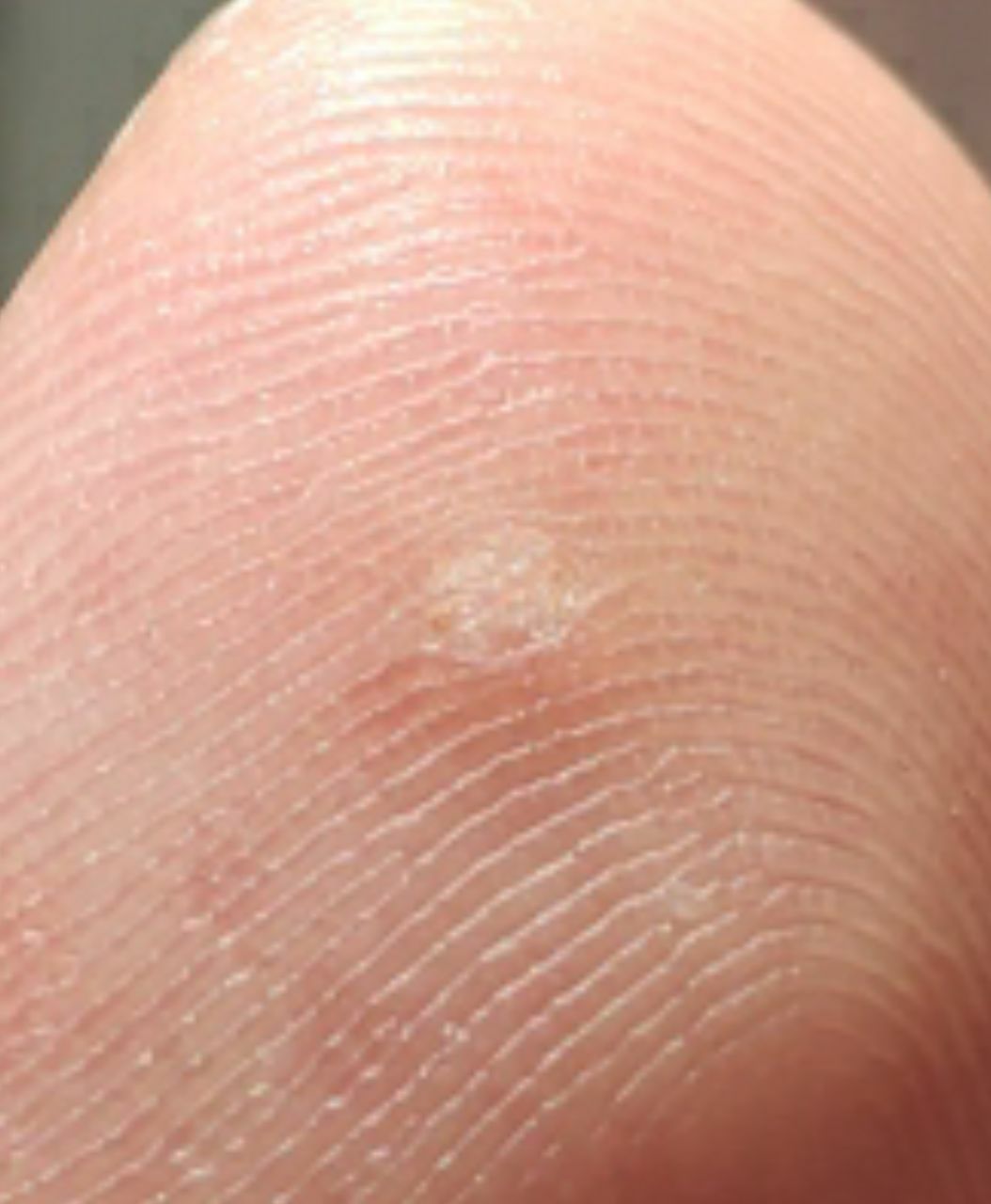
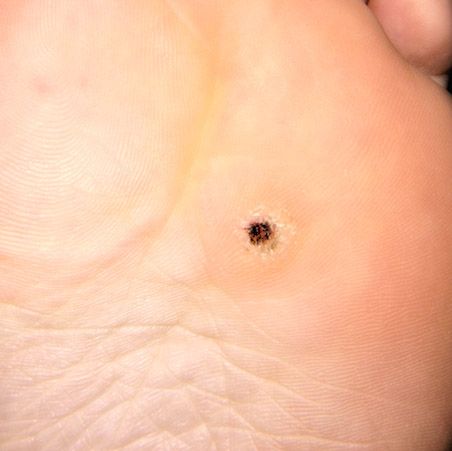
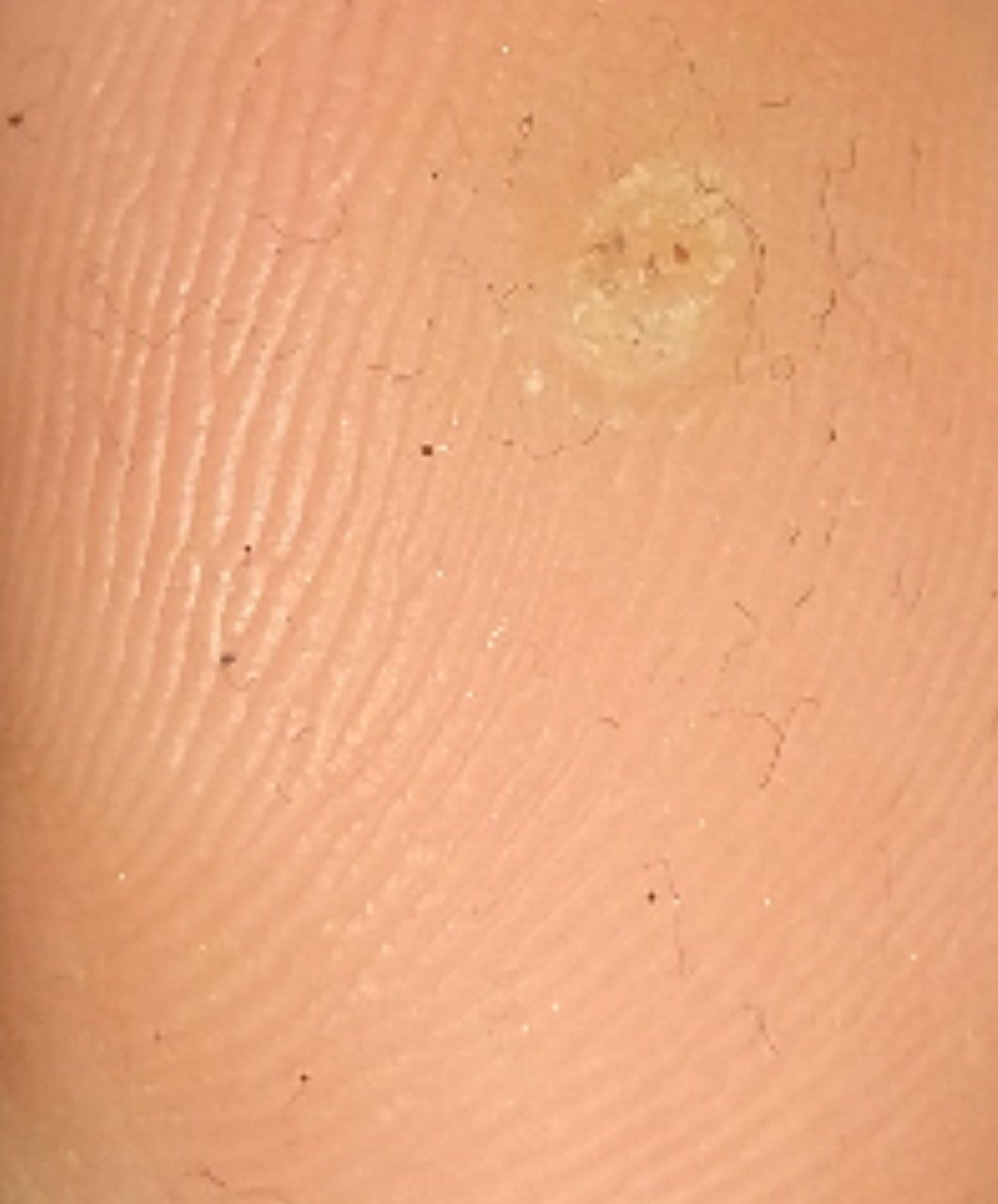
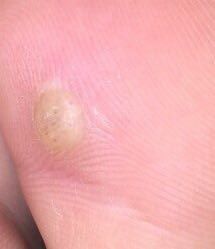
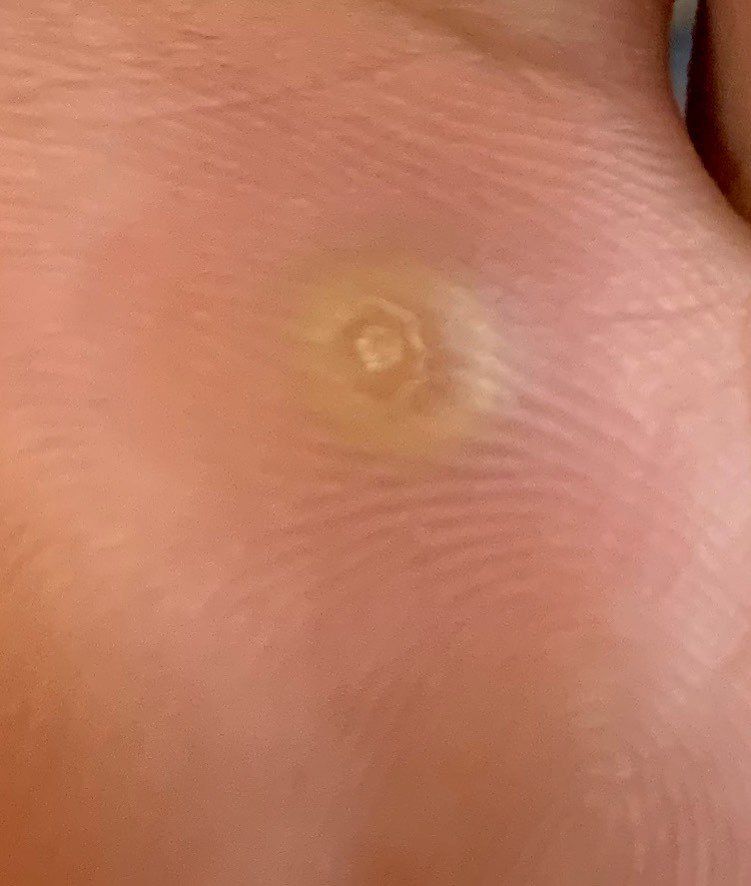
A plantar wart usually appears as a thickened, rough patch of skin. It may look slightly sunken and resemble a callus.
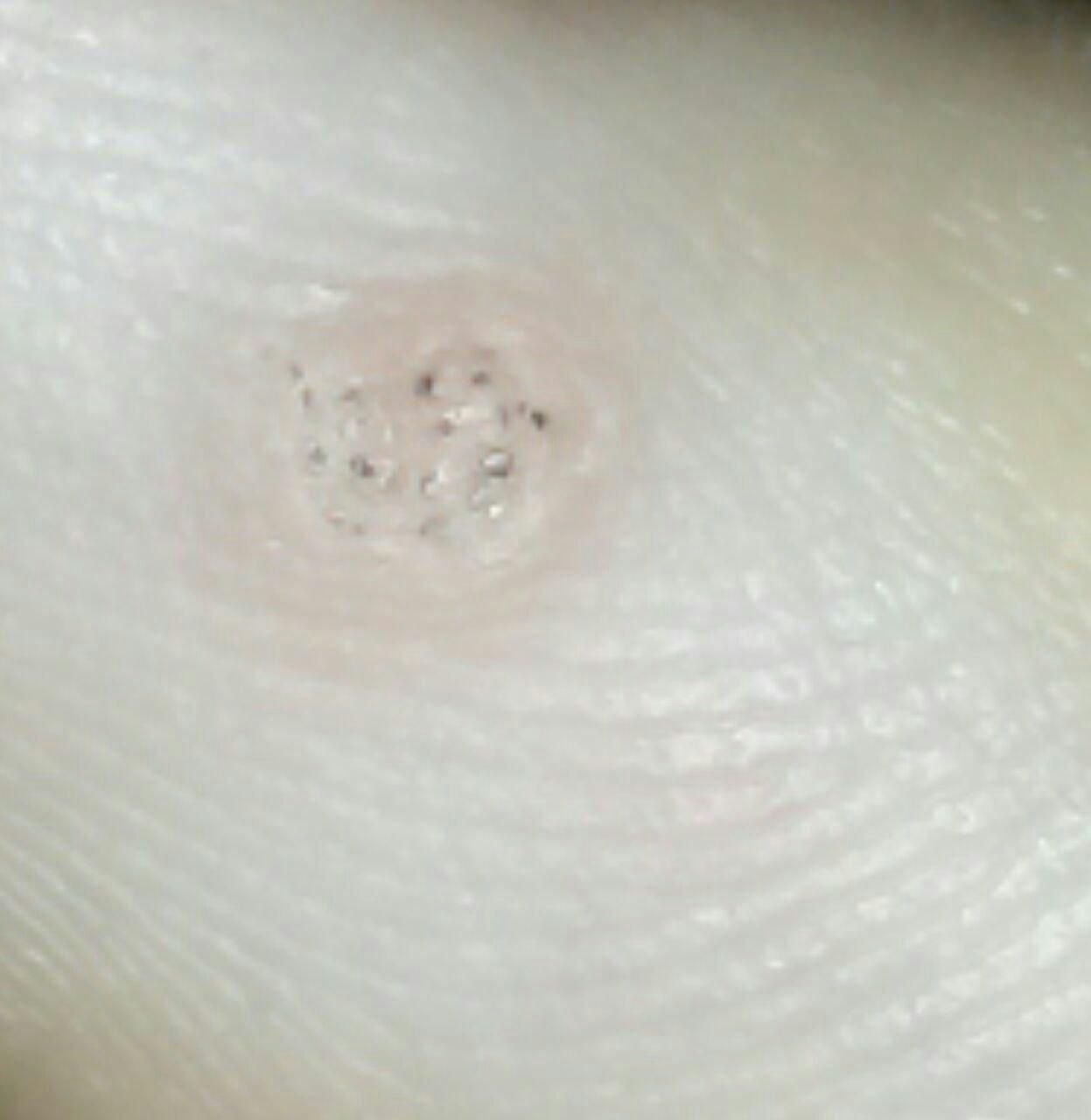
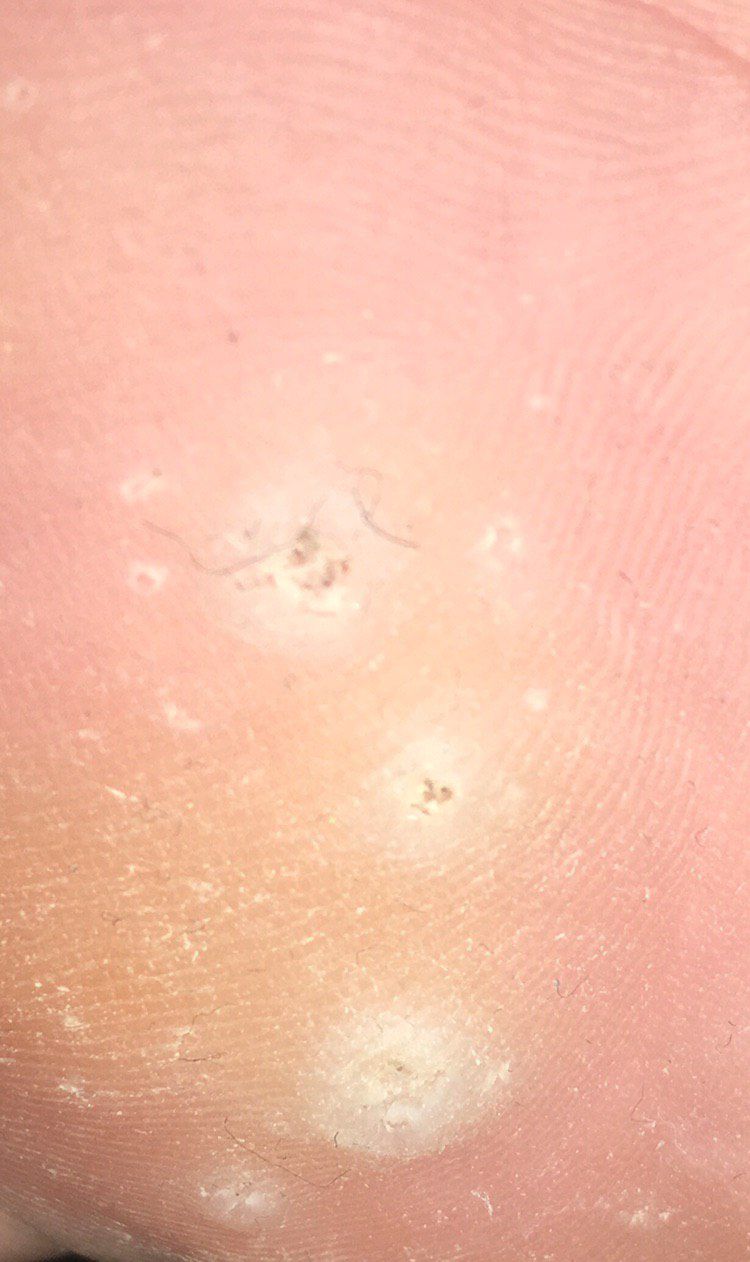
The color is typically skin-toned or grayish. Small dark spots are often visible on the surface—these are clotted capillaries.
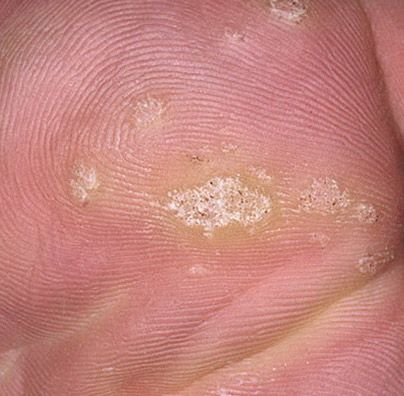
Warts most commonly occur in pressure-bearing areas such as the heel, ball of the foot, or under the toes. Sometimes multiple lesions merge into clusters known as mosaic warts.
Over time, the lesion may enlarge or become more painful, especially during walking.
Below in the article you can view real photos to better understand how the condition looks.
Main symptoms
The main symptom is a firm lesion on the sole of the foot that causes discomfort.
Common signs include:
- pain when walking or pressing on the area
- feeling of a “foreign body” in the foot
- thickened skin over the affected area
- sometimes cracks or inflammation
Pain usually increases with pressure, which distinguishes it from many other skin conditions.
Causes of the condition
The main cause is infection with the human papillomavirus.
The virus enters the skin through micro-injuries such as small cracks or abrasions. It then triggers rapid skin cell growth, leading to a thickened lesion.
Infection most often occurs through:
- contact with contaminated surfaces
- moist public environments
- shared objects
How the condition develops
After entering the skin, the virus stimulates growth of cells in the outer skin layer. Due to pressure from walking, the lesion grows inward rather than outward.
This inward growth is what causes pain—the wart is essentially pushed deeper into the skin.
Over time, the immune system may suppress the virus, and the wart can sometimes disappear on its own. However, this process may take a long time.
Forms and types
Plantar warts may be single or multiple.
Sometimes several small lesions merge into a larger area, known as a mosaic wart. These forms can be more resistant and require longer treatment.
When to see a doctor
See a specialist if:
- the lesion causes pain while walking
- it grows or changes quickly
- multiple new lesions appear
- there is uncertainty about the diagnosis
- it does not go away over time
Medical advice is also important for people with chronic illnesses or weakened immune systems.
Treatment
Treatment is individualized and may take time because plantar warts are deep and covered by thick skin.
The main approach is gradual destruction of the affected tissue. This may include cryotherapy (freezing), laser treatment, or electrocautery.
Topical treatments may also be used to soften thickened skin and gradually reduce the lesion.
In some cases, doctors may recommend methods that stimulate the local immune response.
Treatment requires patience. Sometimes warts resolve spontaneously, but if pain is significant, delaying treatment is not recommended.
Q&A
Can plantar warts be completely cured?
Yes, in most cases they can be removed. However, the virus may remain in the skin, so recurrence is possible.
Why do plantar warts hurt?
Because they grow inward under pressure from walking, causing pain and discomfort.
Can I treat it myself?
Self-treatment may be ineffective and can cause complications. Medical guidance is recommended.
How is it different from a callus?
A wart is viral in origin and often painful when pressed, while a callus is caused by friction and is usually less sensitive.
Is it contagious?
Yes, the virus can spread through surfaces, especially in moist environments.
Can I walk barefoot in public places?
This increases infection risk, so protective footwear is recommended.
How long does treatment take?
It depends on size and depth—multiple procedures may be required.
Can it be prevented?
Good hygiene, foot protection, and avoiding skin injuries can reduce the risk.
Check Your Skin Instantly
Use the Skin Scanner app – Skinive AI to take a photo of a skin lesion and get an AI-based risk assessment. It helps determine whether professional consultation is recommended, giving you fast guidance and peace of mind.
Medical sources
- World Health Organization (WHO) — Human Papillomavirus (HPV)
- Centers for Disease Control and Prevention (CDC) — HPV and Skin Warts
- American Academy of Dermatology (AAD) — Warts: Diagnosis and Treatment
- British Association of Dermatologists (BAD) — Viral Warts
🇬🇧 Plantar Wart: Diagnosis and Care in the UK
If you notice plantar warts (hard, thickened bumps on the soles of the feet, sometimes painful when walking), it’s important to get a professional opinion. In the UK, you can access dermatology care via the NHS, private clinics, or online dermatology consultations.
👉 How to See a Dermatologist in the UK NHS – This main guide explains how NHS referrals work, what to expect from specialist dermatology services, and how to choose between public and private care.
Dermatologists in Major UK Cities:
- Dermatologist in London
- Dermatologist in Manchester
- Dermatologist in Liverpool
- Dermatologist in Birmingham
- Dermatologist in Leeds
- Dermatologists in Other UK cities
Online Dermatology
If you prefer remote care or faster access, try online dermatology consultations. They allow dermatologists to review images, provide advice, and guide next steps without visiting a clinic. Read more in this article: Online Dermatologists in UK.
🇦🇺 Plantar Wart: Diagnosis and Care in Australia
If you notice plantar warts (hard, thickened bumps on the soles of the feet, sometimes painful when walking), it’s important to get a professional opinion. In Australia, dermatology care is available via Medicare (public system), private clinics, or online consultations.
👉 How to See a Dermatologist in Australia – This main guide explains how referrals work through GPs and public clinics, what to expect from specialist dermatology services, and how to choose between public and private care.
Dermatologists in Major Australian Cities:
- Dermatologist in Sydney
- Dermatologist in Melbourne
- Dermatologist in Brisbane
- Dermatologist in Perth
- Dermatologist in Adelaide
- Dermatologists in other Australian cities
Online Dermatology
For faster access or remote care, online dermatology consultations allow dermatologists to review images, provide advice, and guide next steps without visiting a clinic. Read more in this article: Online Dermatologists in Australia.
Images of plantar wart:





** Should you identify any copyright infringement regarding the images on this page, kindly reach out to us at info@skinive.testovii.fun.
Furthermore, please be advised that these photos are not authorized for any purpose.