
Atopic dermatitis is a chronic inflammatory skin disease characterized by dryness, irritation, and intense itching. It most often begins in childhood and may flare up periodically throughout life.
The condition is associated with immune system and skin barrier abnormalities. Many people with atopic dermatitis or their relatives also have other allergic conditions, such as allergic rhinitis, asthma, or seasonal allergies.
Atopic dermatitis is not contagious. In most cases, it can be controlled, although it tends to recur in flares.
What to do if suspected
If the skin becomes dry, itchy, or develops rashes or irritated patches, it is important not to delay consultation.
The first step is to see a dermatologist or allergist. The specialist will assess the skin, clarify symptoms, and may order additional tests if needed.
Additionally:
- identify possible triggers (food, cosmetics, stress)
- avoid scratching the skin to reduce inflammation
- use gentle skincare products without irritating ingredients
It is important not to self-medicate. Without proper management, symptoms may worsen and the disease may become more severe.
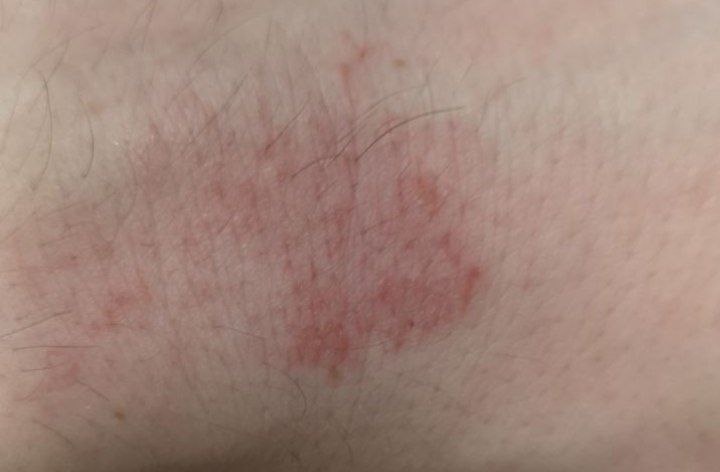
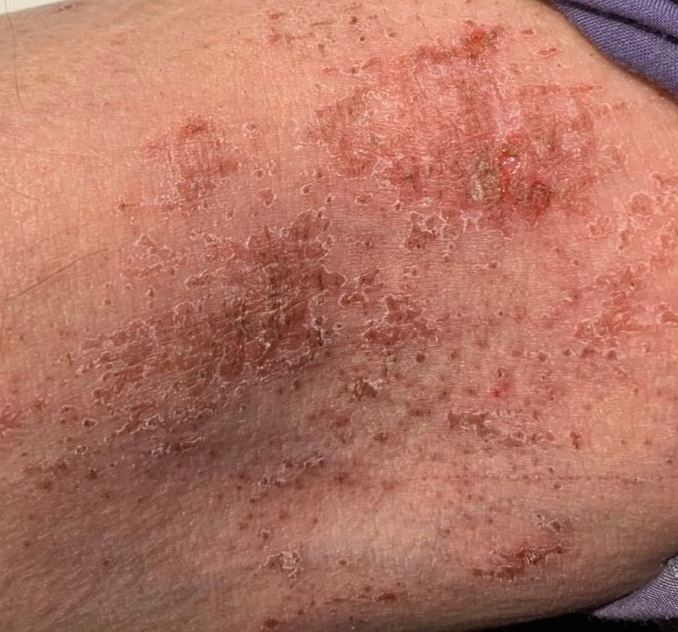
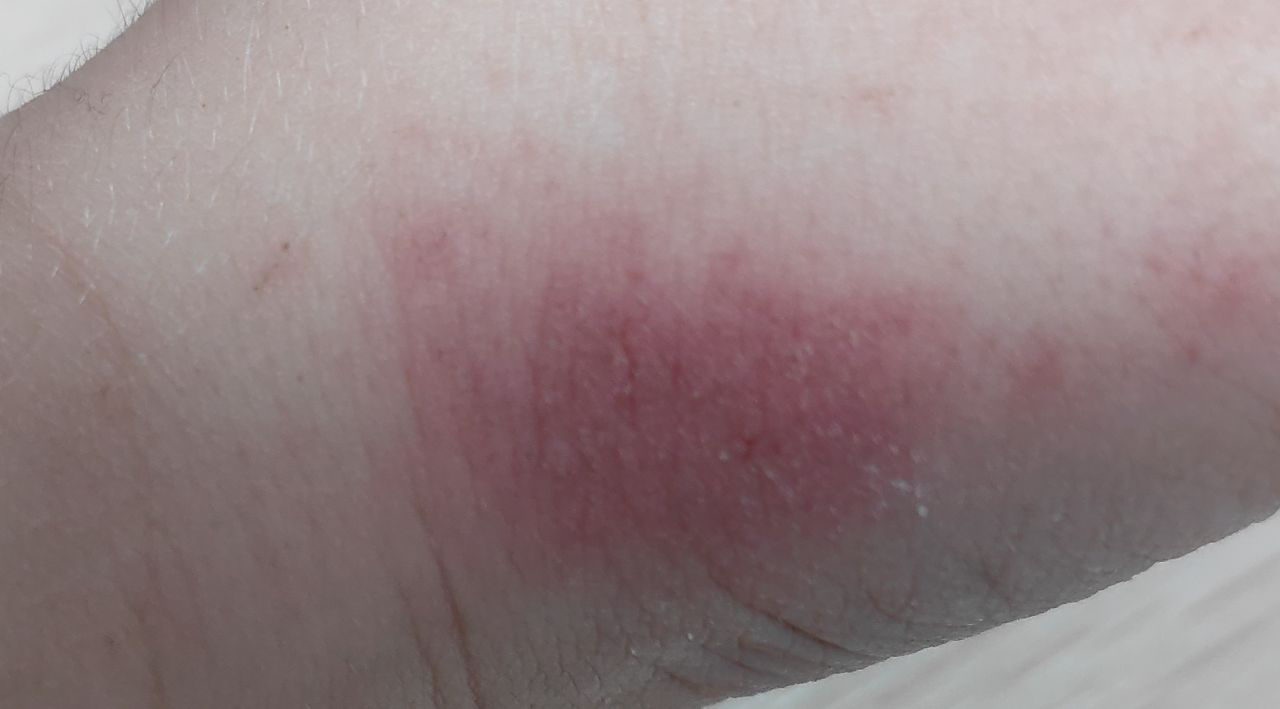
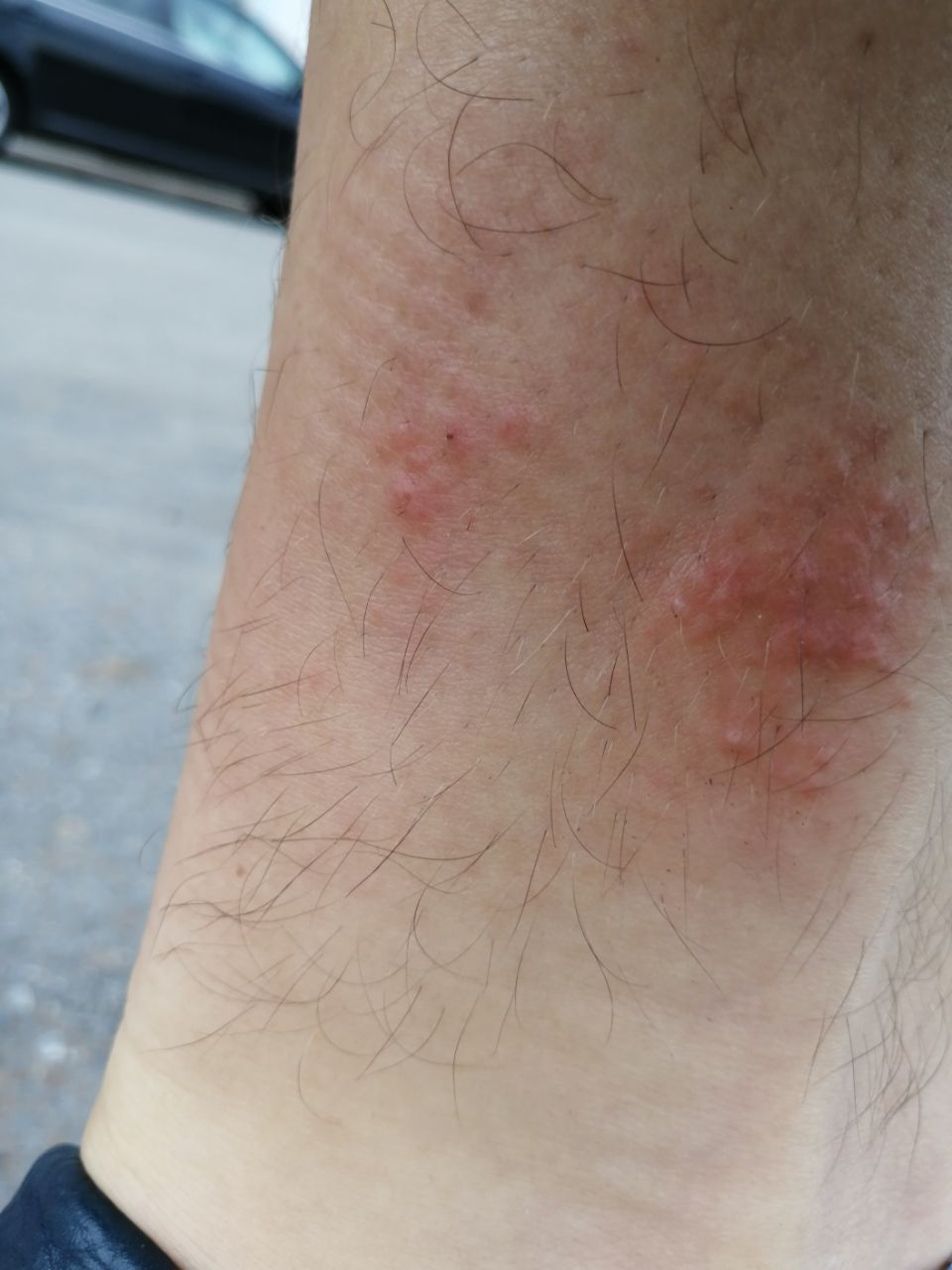
How the condition looks
Clinical appearance varies depending on age and stage of the disease.
Most commonly observed:
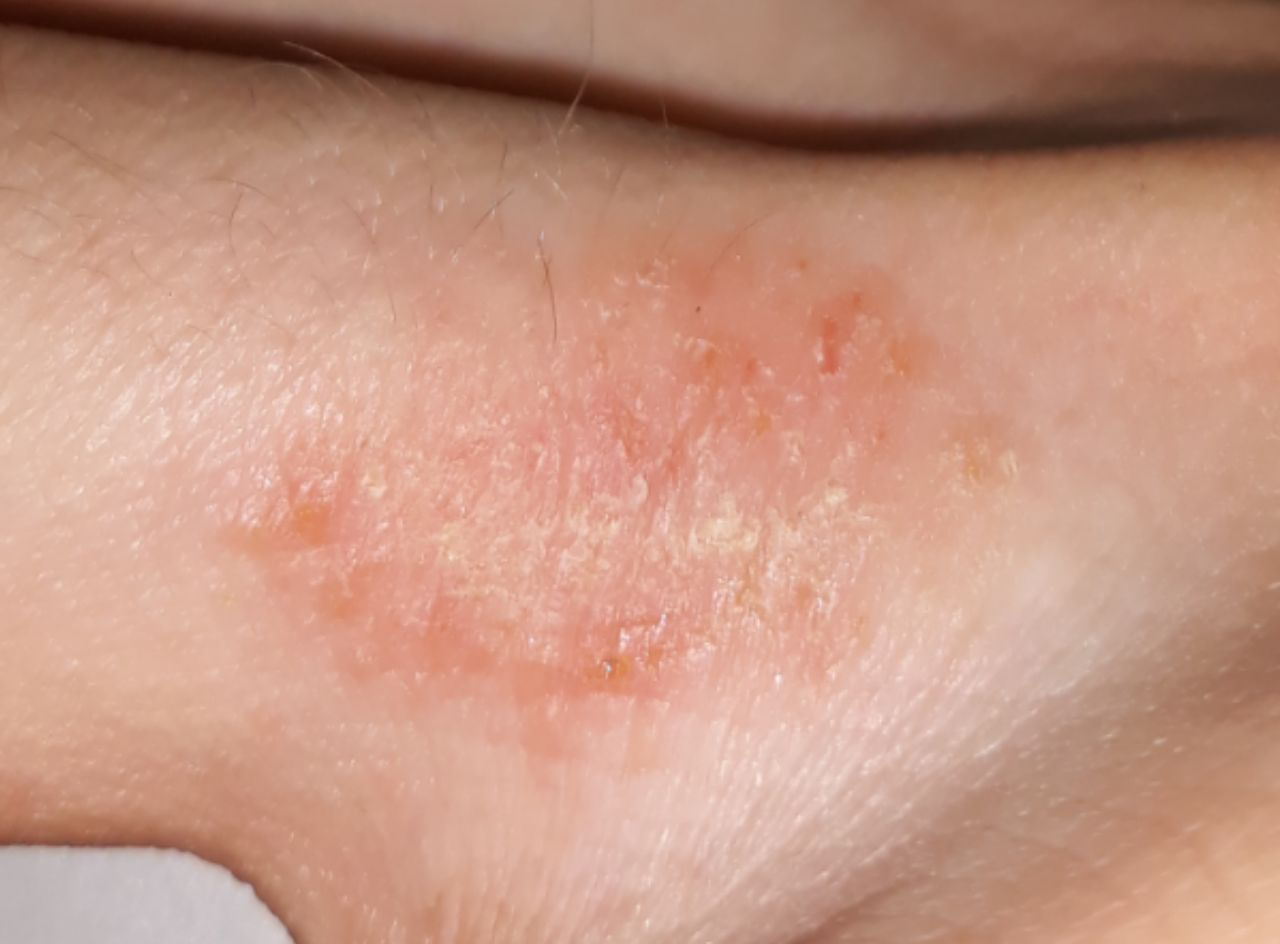
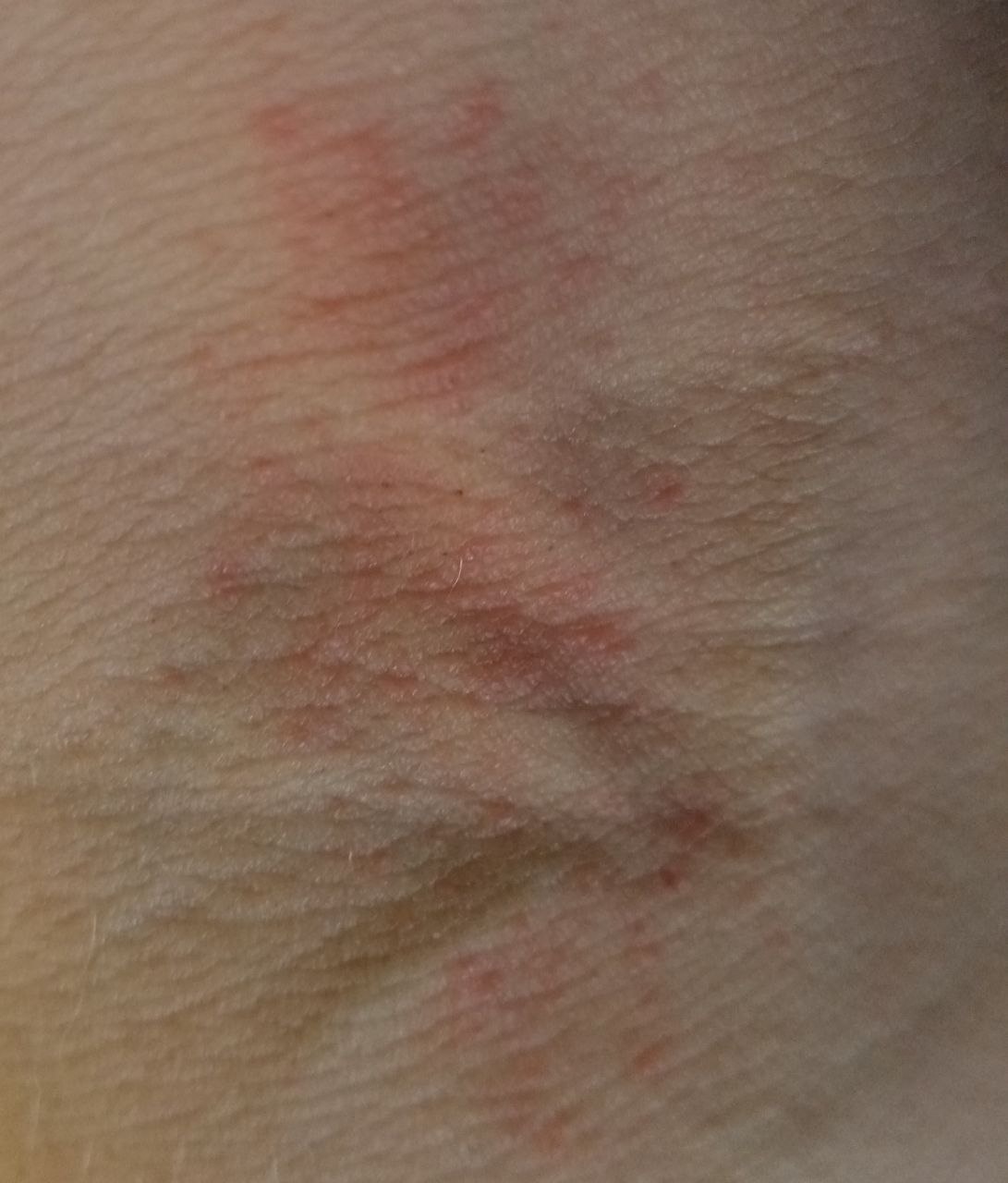
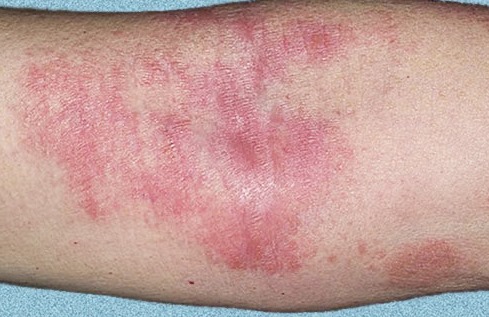
- redness with poorly defined borders
- flaking and scaling
- dry, thickened skin
- scratch marks
During flare-ups, the following may appear:
- small blisters or oozing areas
- crusting
- swelling
Over time, the skin may thicken and become rough due to repeated scratching.
Typical affected areas:
- flexural areas of elbows and knees
- neck
- face (especially eyelids and forehead)
- hands and feet
In infants, the face and extensor surfaces of limbs are more commonly affected.
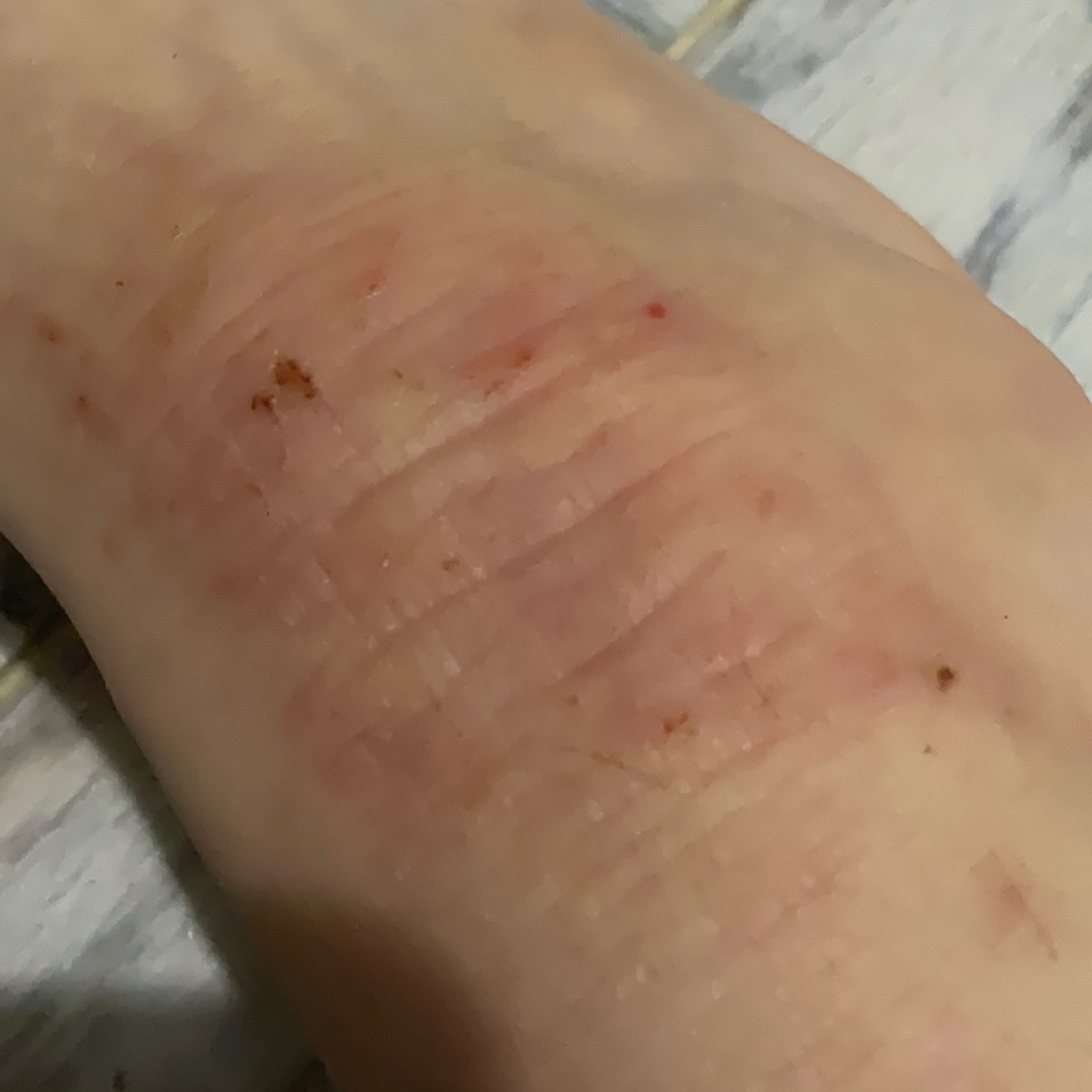
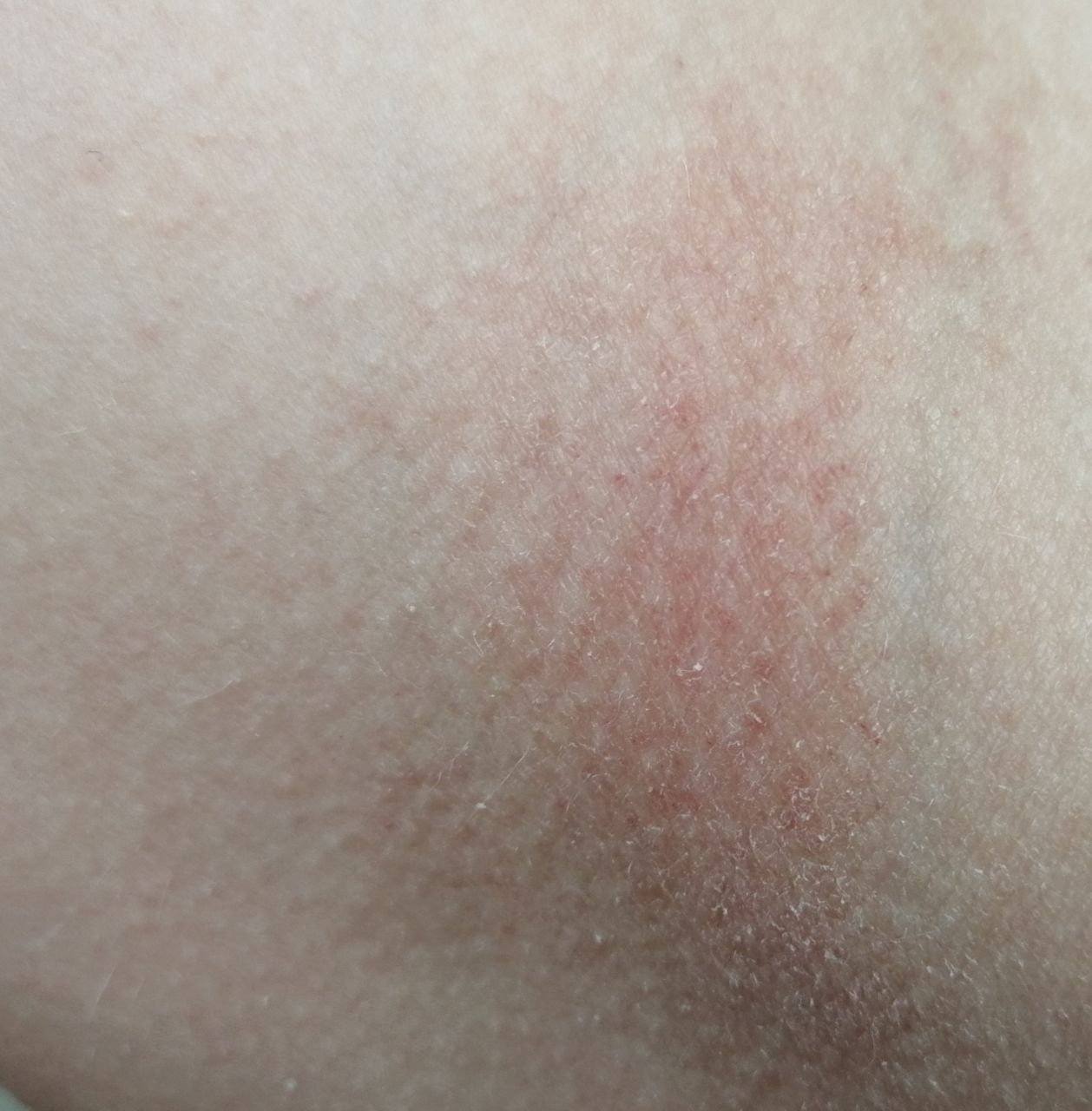
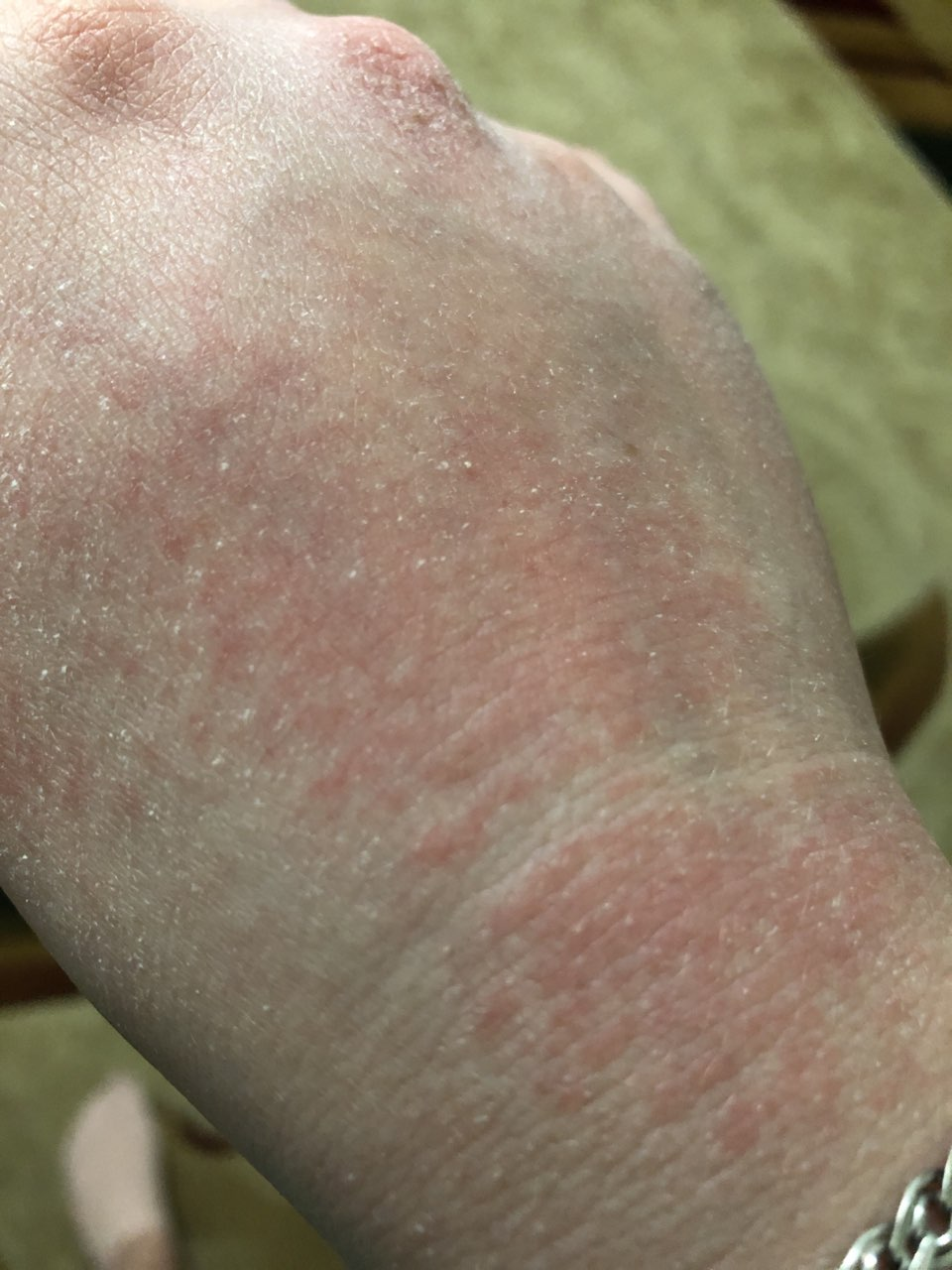
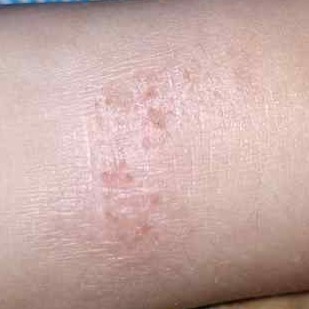
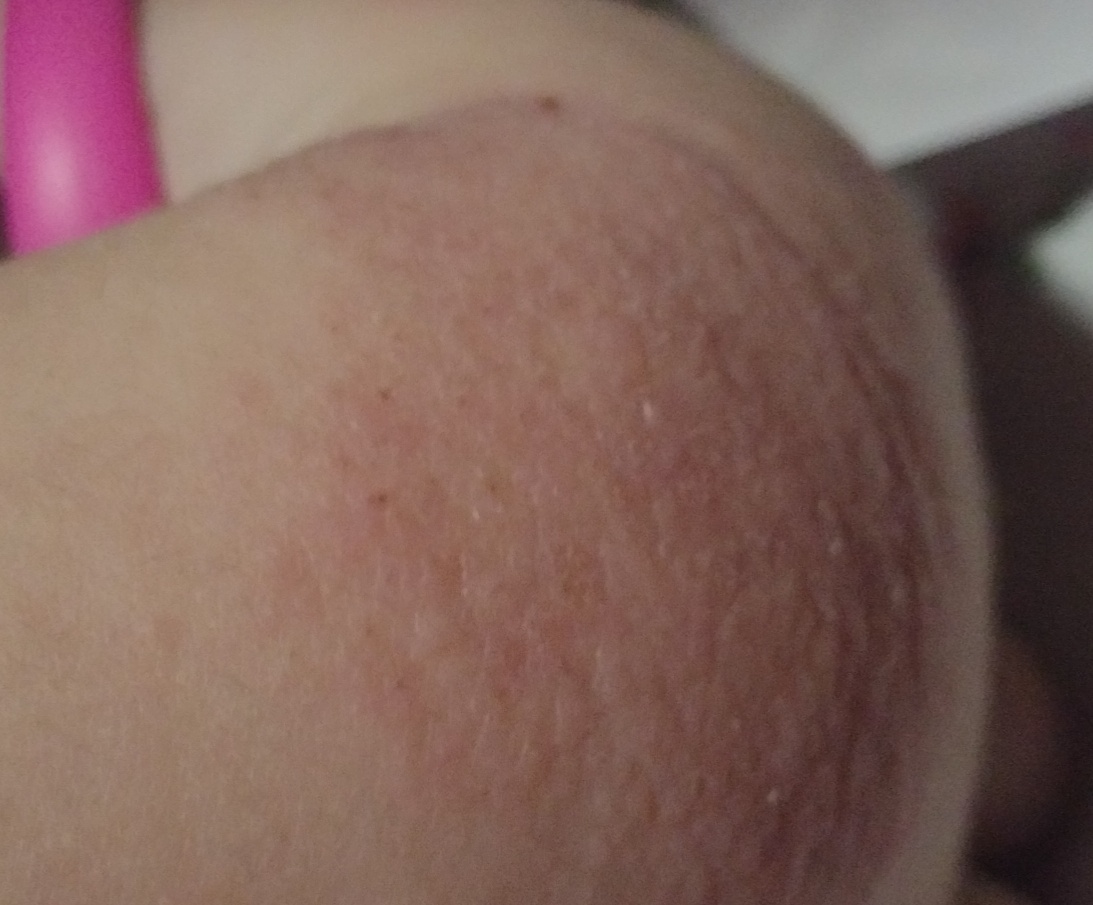
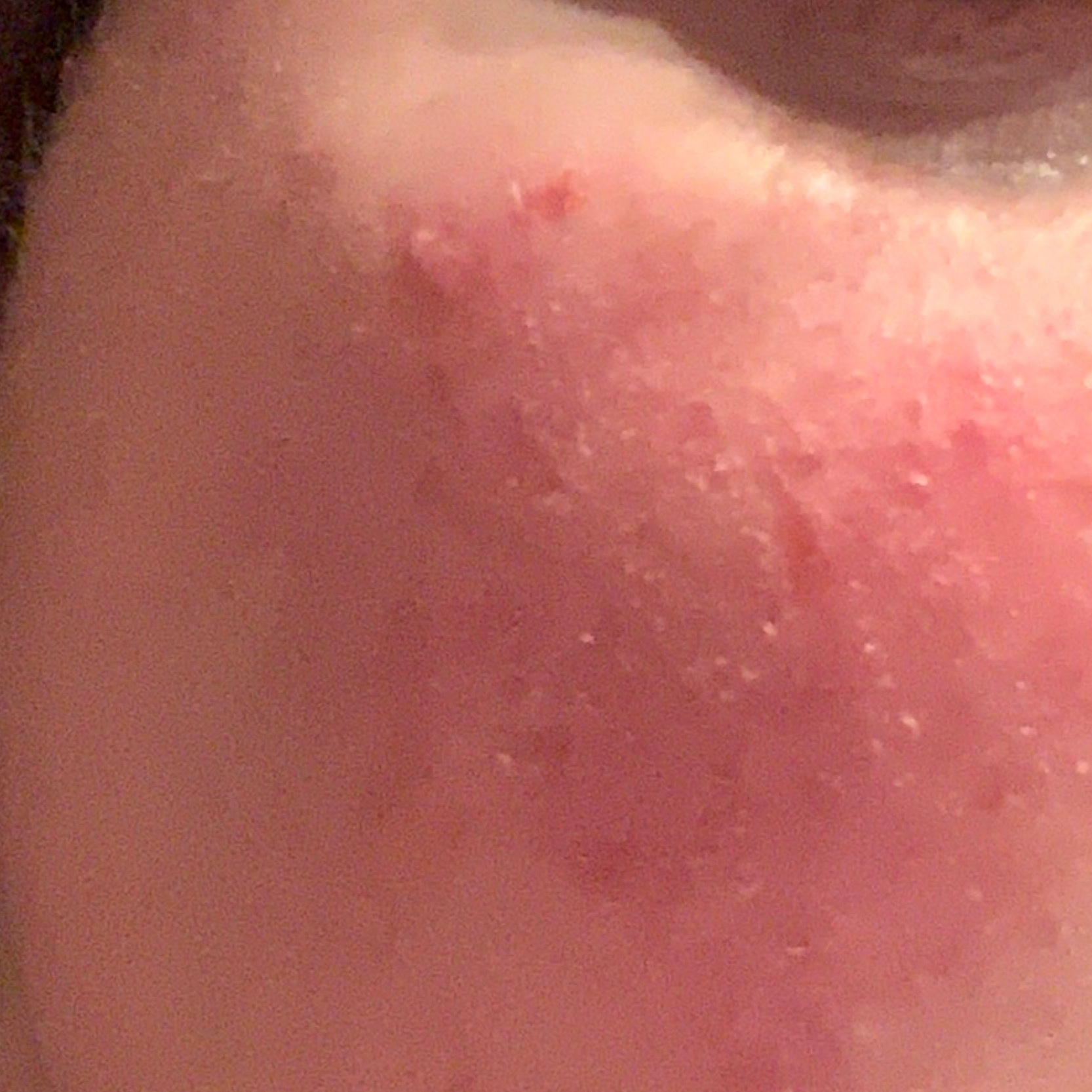
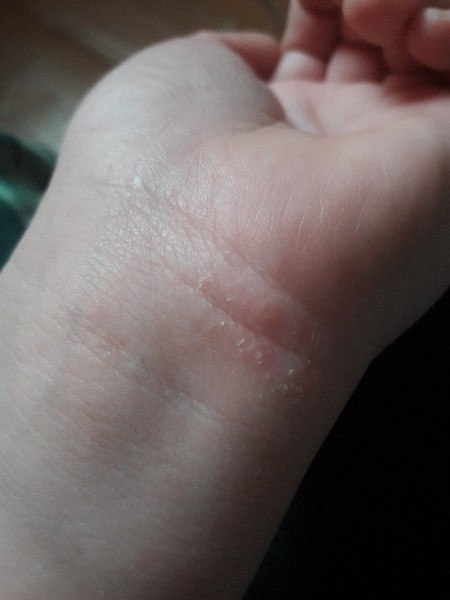
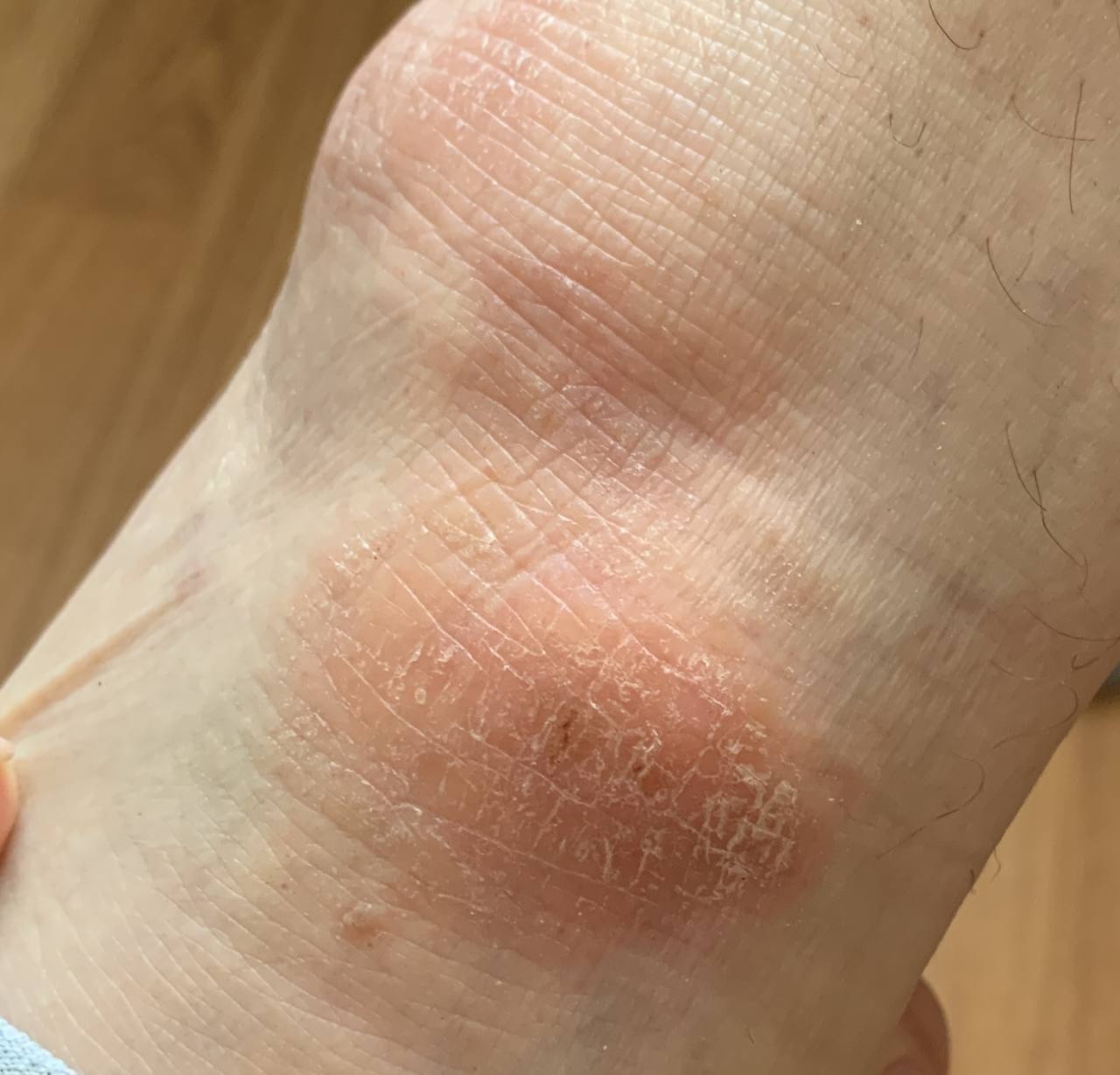
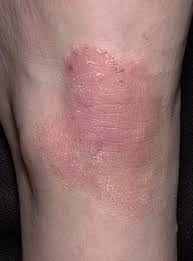
Below in the article you can view real photos to better understand how the condition looks.
Main symptoms
The main symptom is itching, which can be persistent and worse at night.
Other typical features:
- pronounced dry skin
- redness and rashes
- flaking
- skin cracks
A “vicious cycle” often occurs: itching → scratching → worsening inflammation → more itching.
Causes
Atopic dermatitis develops due to a combination of factors.
Main causes:
- genetic predisposition
- immune system dysregulation
- impaired skin barrier function (increased water loss and sensitivity)
Triggering factors:
- allergens (food, dust, pollen)
- dry air and frequent washing
- stress and emotional strain
- hormonal changes
- skin infections
- wool or synthetic clothing
How it develops
In atopic dermatitis, the skin loses moisture more easily and becomes more vulnerable to external irritants.
The immune system overreacts to otherwise harmless stimuli, leading to inflammation, redness, and itching.
Scratching further damages the skin, increasing inflammation and sometimes leading to secondary infection.
The disease typically follows a relapsing course, with periods of improvement and flare-ups.
Forms and types
Clinical presentation varies by age.
In infants:
- redness and rashes on the face and limbs
- oozing and crusting
In children:
- involvement of elbow and knee folds
- dryness and scaling
In adults:
- chronic course with thickened skin
- more intense itching
- wider affected areas
When to see a doctor
Consult a specialist if:
- itching interferes with sleep or daily life
- rashes spread or worsen
- signs of infection appear (pustules, crusts, pain)
- skin becomes severely cracked or inflamed
- symptoms recur regularly
Early consultation helps improve disease control and reduces complications.
Treatment
Treatment focuses on reducing inflammation, restoring the skin barrier, and controlling symptoms.
Main approaches:
- regular skincare (moisturizing and protection)
- avoidance of triggers
- topical anti-inflammatory treatments
- systemic therapy when necessary
Additionally:
- maintain adequate humidity indoors
- use gentle cleansing products
- avoid overheating and excessive sweating
Treatment is always individualized and may change depending on disease severity.
Q&A
Can atopic dermatitis be cured?
The underlying predisposition cannot be completely eliminated, but symptoms can usually be well controlled.
Do I need oral medications?
Sometimes, especially in more severe cases. The decision is made by a doctor.
Is it contagious?
No, atopic dermatitis does not spread from person to person.
Why does itching occur?
It is caused by inflammation and increased skin sensitivity.
Can it go away with age?
Symptoms often improve over time in many people, but not always.
Can I exercise with it?
Yes, but overheating and sweating may worsen symptoms.
Is it dangerous?
Usually not, but it can significantly affect quality of life if uncontrolled.
Why does the skin thicken?
Due to repeated scratching and friction, the skin becomes thicker and rougher.
Check Your Skin Instantly
Use the Rash identifier app – Skinive AI to take a photo of a skin lesion and get an AI-based risk assessment. It helps determine whether professional consultation is recommended, giving you fast guidance and peace of mind.
Medical sources
- World Health Organization (WHO) — Atopic dermatitis
- Fitzpatrick’s Dermatology, 9th Edition
- European Academy of Dermatology and Venereology (EADV) Guidelines
- American Academy of Dermatology (AAD) — Atopic dermatitis
- Clinical Dermatology (Bolognia et al.)
🇬🇧 Atopic Dermatitis: Diagnosis and Care in the UK
👉 How to See a Dermatologist in the UK NHS – This main guide explains how NHS referrals work, what to expect from specialist dermatology services, and how to choose between public and private care.
Dermatologists in Major UK Cities:
- Dermatologist in London
- Dermatologist in Manchester
- Dermatologist in Liverpool
- Dermatologist in Birmingham
- Dermatologist in Leeds
- Dermatologists in Other UK cities
Online Dermatology
If you prefer remote care or faster access, try online dermatology consultations. They allow dermatologists to review images, provide advice, and guide next steps without visiting a clinic. Read more in this article: Online Dermatologists in UK.
🇦🇺 Atopic Dermatitis: Diagnosis and Care in Australia
If you notice dermatitis (inflammation of the skin)—such as redness, itching, swelling, or rashes, it’s important to get a professional opinion. In Australia, dermatology care is available via Medicare (public system), private clinics, or online consultations.
👉 How to See a Dermatologist in Australia – This main guide explains how referrals work through GPs and public clinics, what to expect from specialist dermatology services, and how to choose between public and private care.
Dermatologists in Major Australian Cities:
- Dermatologist in Sydney
- Dermatologist in Melbourne
- Dermatologist in Brisbane
- Dermatologist in Perth
- Dermatologist in Adelaide
- Dermatologists in other Australian cities
Online Dermatology
For faster access or remote care, online dermatology consultations allow dermatologists to review images, provide advice, and guide next steps without visiting a clinic. Read more in this article: Online Dermatologists in Australia.
Images of atopic dermatitis:








** Should you identify any copyright infringement regarding the images on this page, kindly reach out to us at info@skinive.testovii.fun.
Furthermore, please be advised that these photos are not authorized for any purpose.