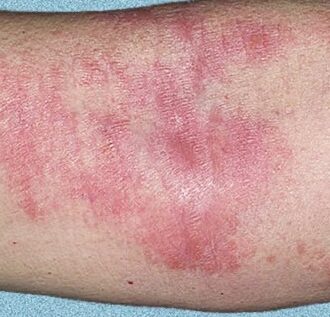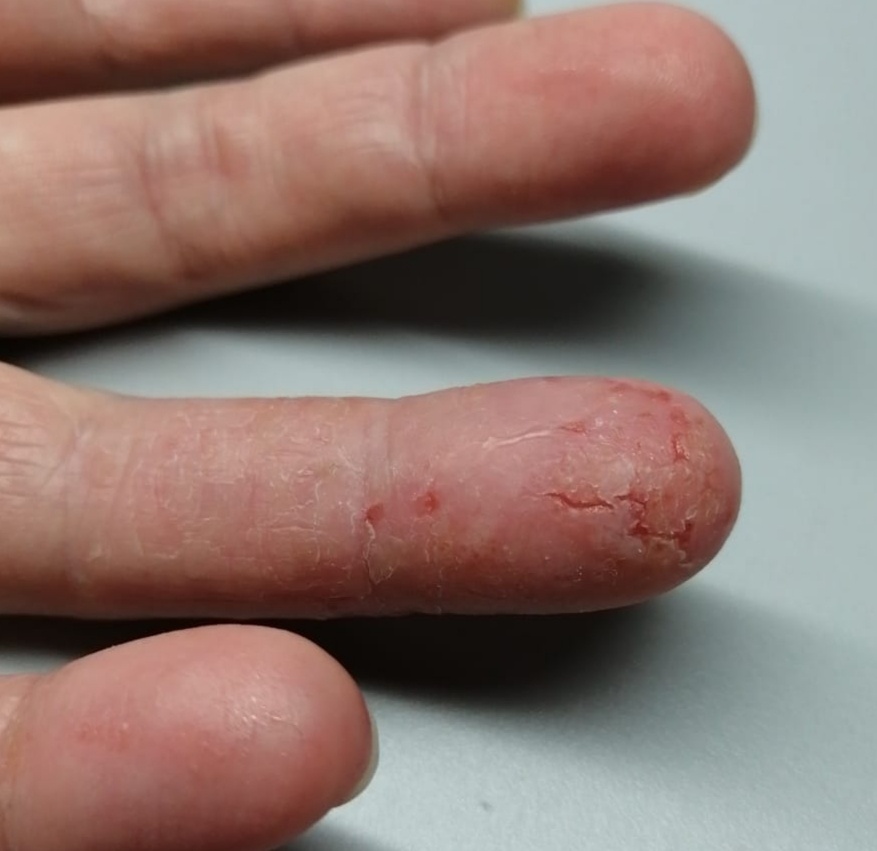
Eczema is a chronic skin condition characterized by inflammation, itching and redness. It often manifests as dry, scaly patches on the skin.
🚨 High risk: Eczema itself is usually not dangerous, but it can significantly reduce your quality of life due to discomfort and itching. If not treated properly, it can lead to complications such as skin infections or significant aesthetic changes.
💊 Treatment: Treatment and diagnosis of eczema depend on the severity of your symptoms. If you suspect you have eczema, it is best to see a dermatologist for proper evaluation and treatment. The urgency depends on the symptoms and severity.
💡 Skin Self-Exams tips: Regular skin self-examinations are essential to monitor any changes and progression of eczema. Do these exams regularly, especially if you or your family has a history of eczema or if you notice the first signs appearing in the form of redness, itching, flaking. If you notice such changes or a worsening of existing symptoms, see your doctor immediately.
Use the Dermatology scanner app – Skinive AI to get an AI-based risk assessment in seconds. Quickly check whether a professional consultation is recommended and take the next step with confidence, guided insights, and peace of mind.
🇬🇧 Eczema: Diagnosis and Care in the UK
If you notice eczema (atopic dermatitis)—such as itchy, inflamed, or dry patches of skin—it’s important to get a professional opinion. In the UK, you can access dermatology care via the NHS, private clinics, or online dermatology consultations.
👉 How to See a Dermatologist in the UK NHS – This main guide explains how NHS referrals work, what to expect from specialist dermatology services, and how to choose between public and private care.
Dermatologists in Major UK Cities:
- Dermatologist in London
- Dermatologist in Manchester
- Dermatologist in Liverpool
- Dermatologist in Birmingham
- Dermatologist in Leeds
- Dermatologists in Other UK cities
Online Dermatology
If you prefer remote care or faster access, try online dermatology consultations. They allow dermatologists to review images, provide advice, and guide next steps without visiting a clinic. Read more in this article: Online Dermatologists in UK.
🇦🇺 Eczema: Diagnosis and Treatment in Australia
If you notice eczema (atopic dermatitis)—such as itchy, inflamed, or dry patches of skin of the skin, it’s important to get a professional opinion. In Australia, dermatology care is available via Medicare (public system), private clinics, or online consultations.
👉 How to See a Dermatologist in Australia – This main guide explains how referrals work through GPs and public clinics, what to expect from specialist dermatology services, and how to choose between public and private care.
Dermatologists in Major Australian Cities:
- Dermatologist in Sydney
- Dermatologist in Melbourne
- Dermatologist in Brisbane
- Dermatologist in Perth
- Dermatologist in Adelaide
- Dermatologists in other Australian cities
Online Dermatology
For faster access or remote care, online dermatology consultations allow dermatologists to review images, provide advice, and guide next steps without visiting a clinic. Read more in this article: Online Dermatologists in Australia.