
Seborrheic keratosis is a benign skin growth that usually appears as a firm, slightly raised “plaque” with a rough or scaly surface. It most often develops after the age of 50 and is not contagious.
Typically, it ranges in color from flesh-toned to gray or brown and may look like a “stuck-on” spot. Over time, the number of lesions may increase, which is a common age-related skin change. Most seborrheic keratoses are harmless but occasionally require monitoring for rare changes.
What to do if you notice one
If you spot a new firm or rough lesion, it’s best to see a dermatologist.
- The doctor may use dermoscopy, a magnified skin examination, to distinguish seborrheic keratosis from other, more serious skin conditions.
- If there’s any uncertainty, a biopsy may be done to confirm the diagnosis.
Avoid trying to remove or scrape the lesion yourself, as this can cause inflammation or complicate diagnosis. Early evaluation ensures proper management, whether that’s monitoring or removal.
Appearance
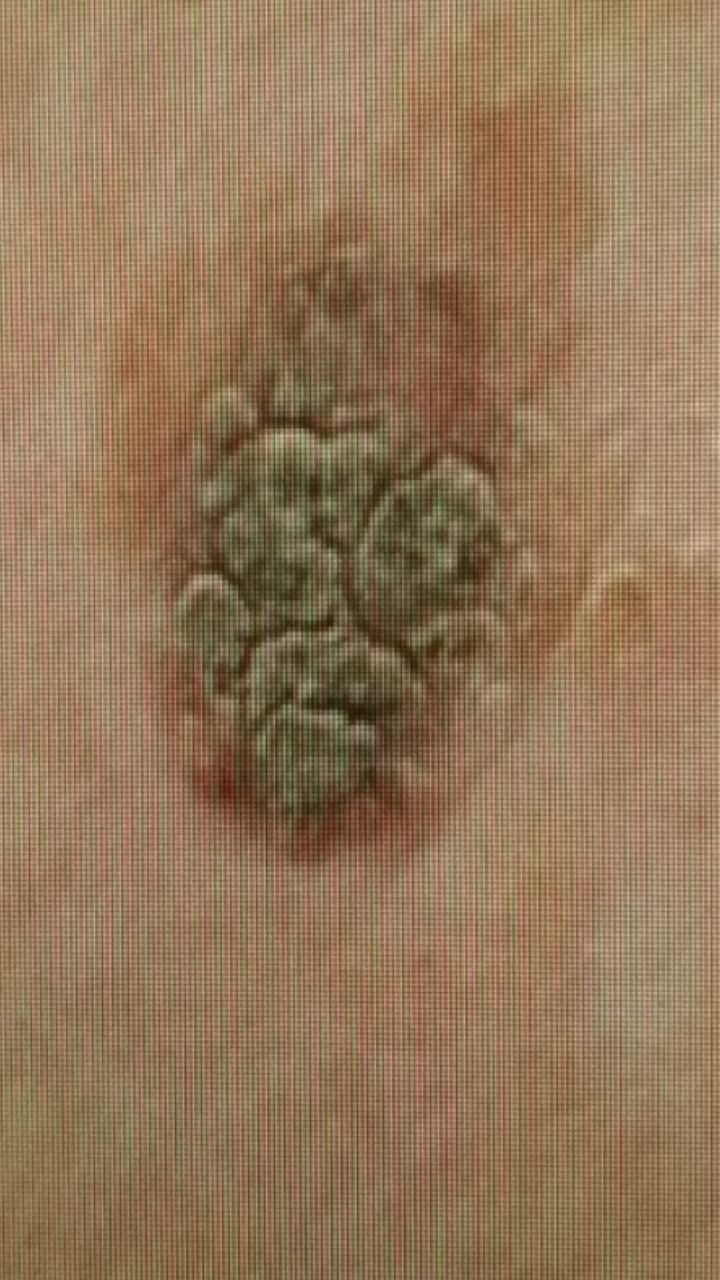
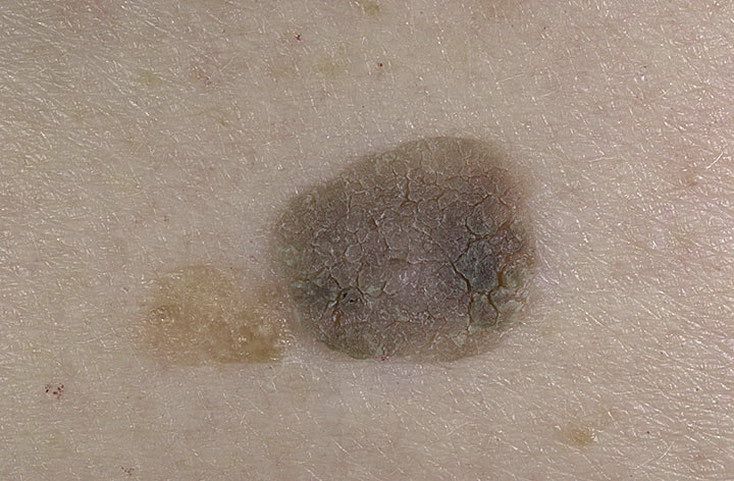
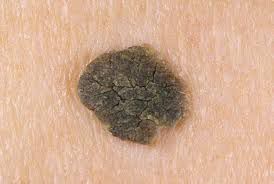
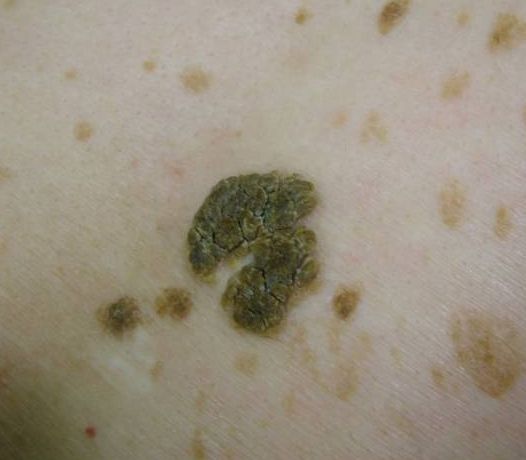
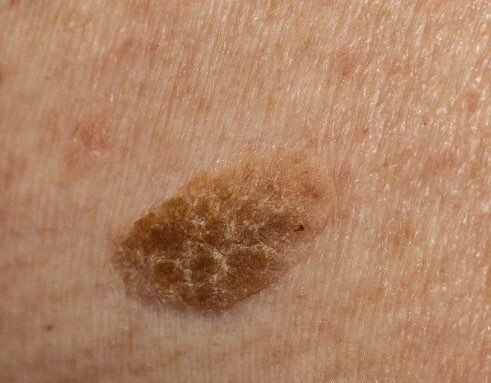
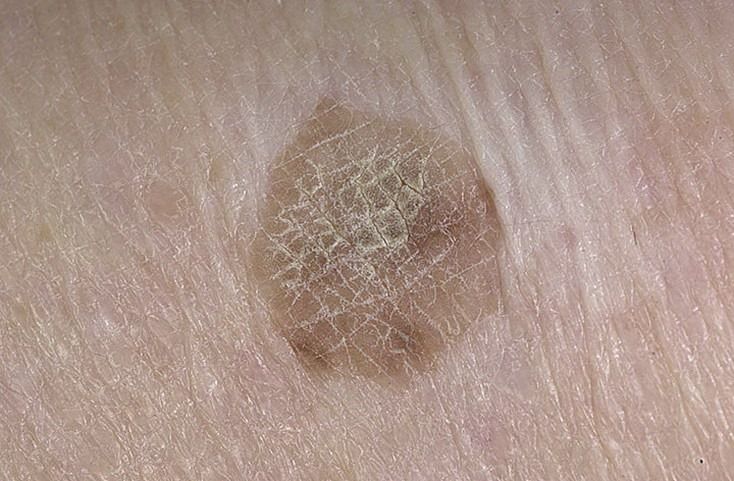
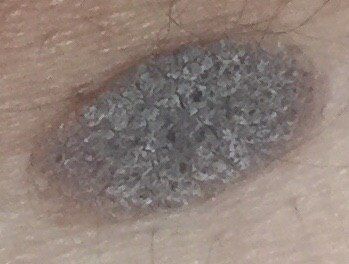
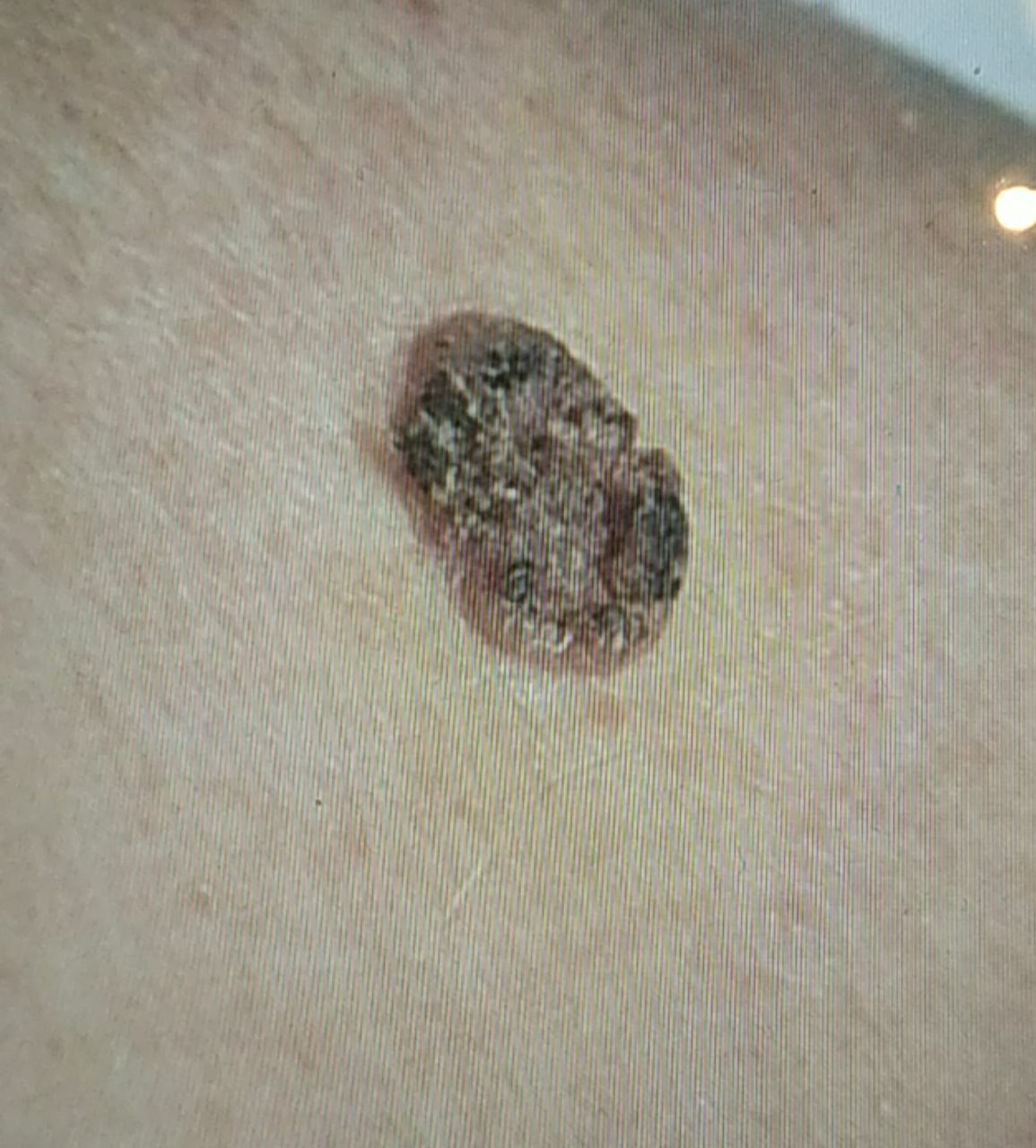
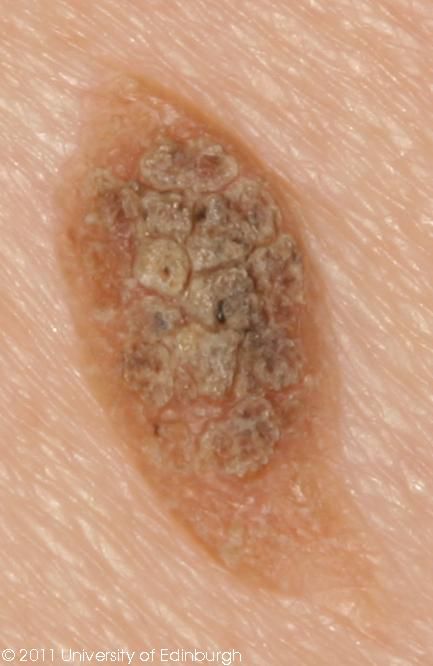
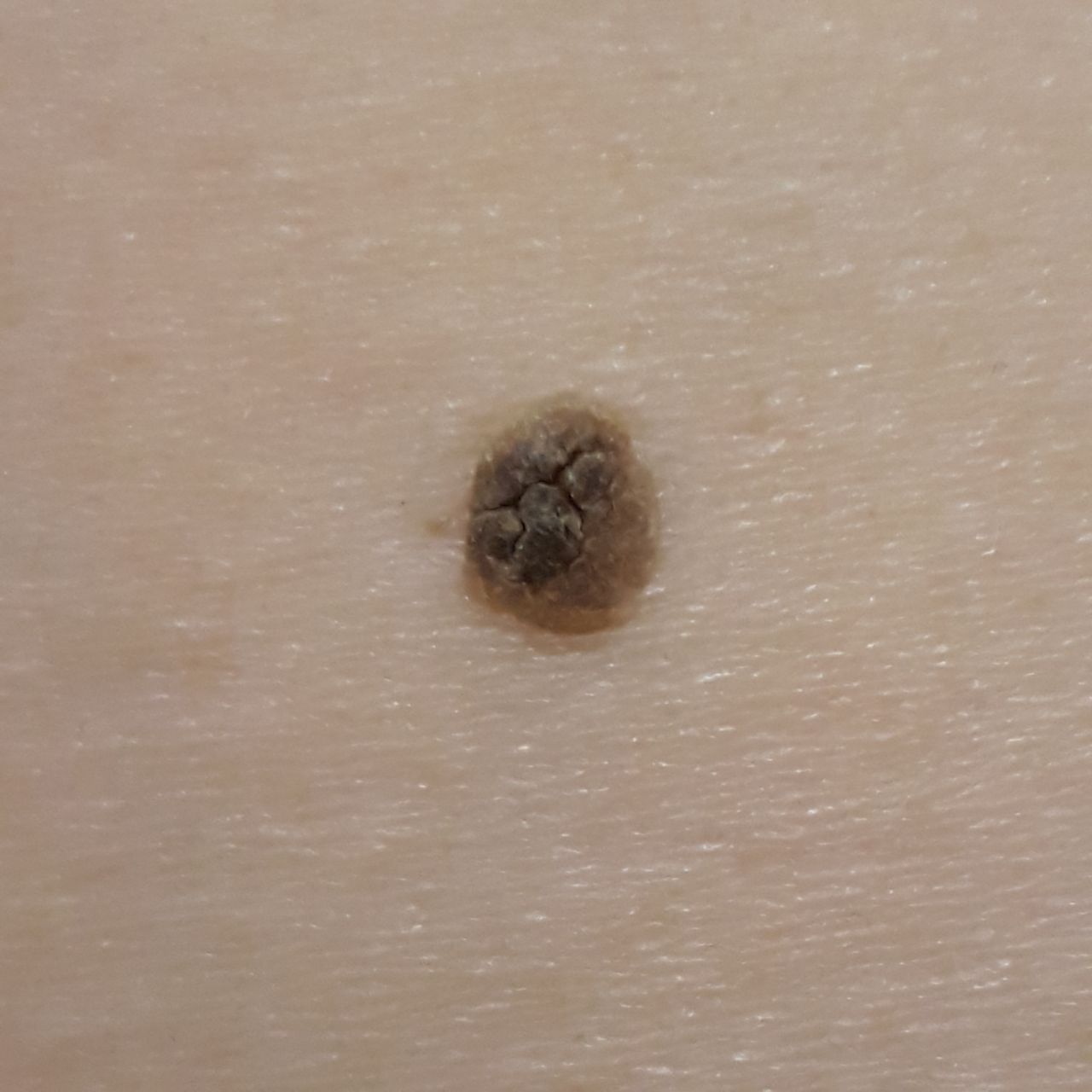
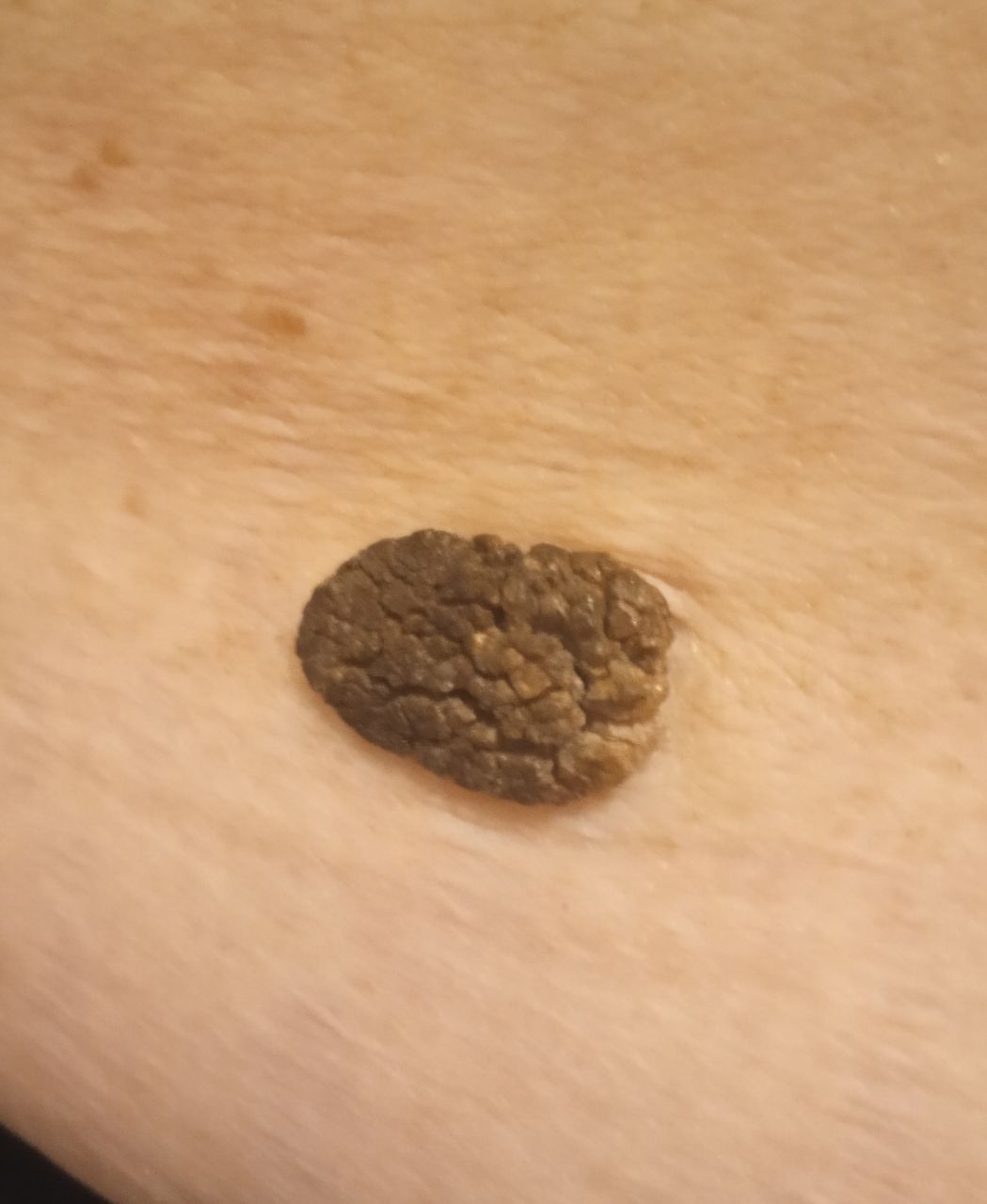
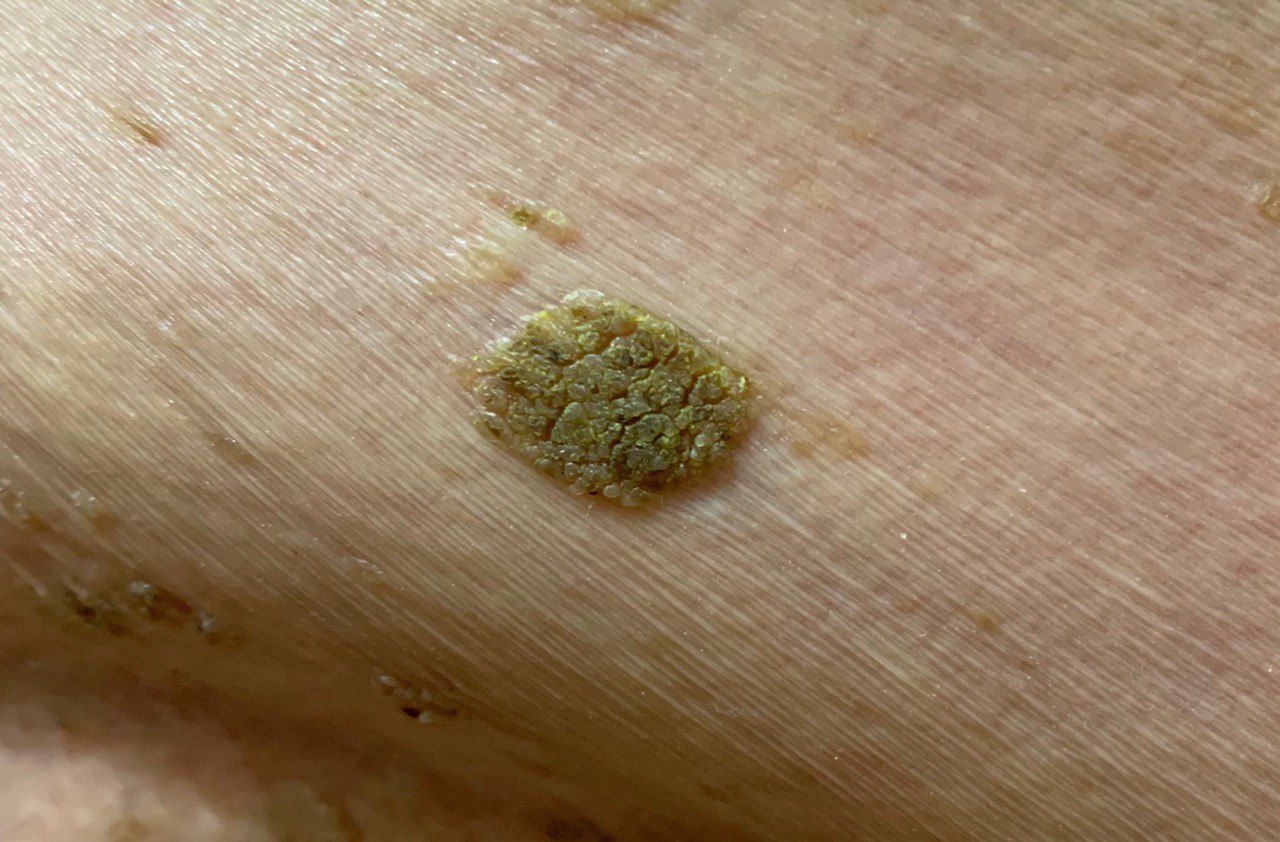
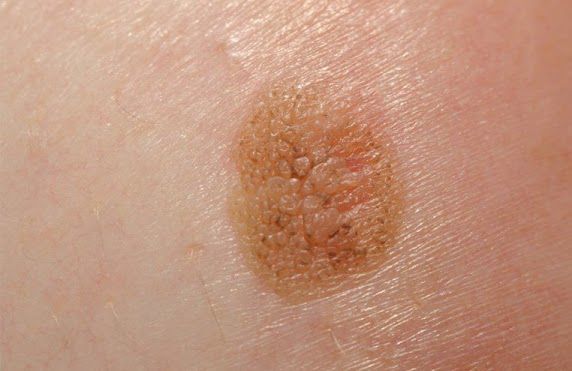
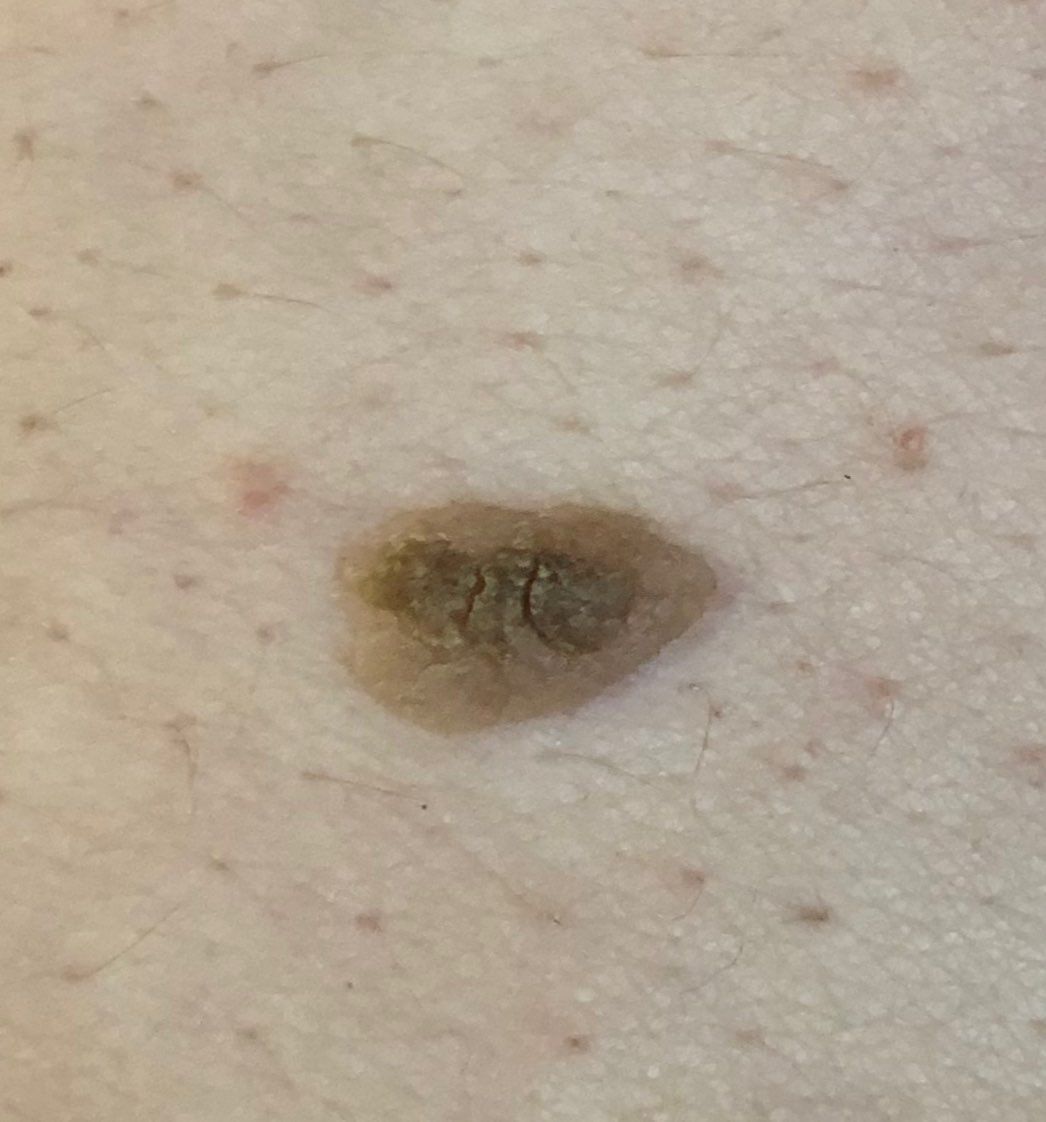
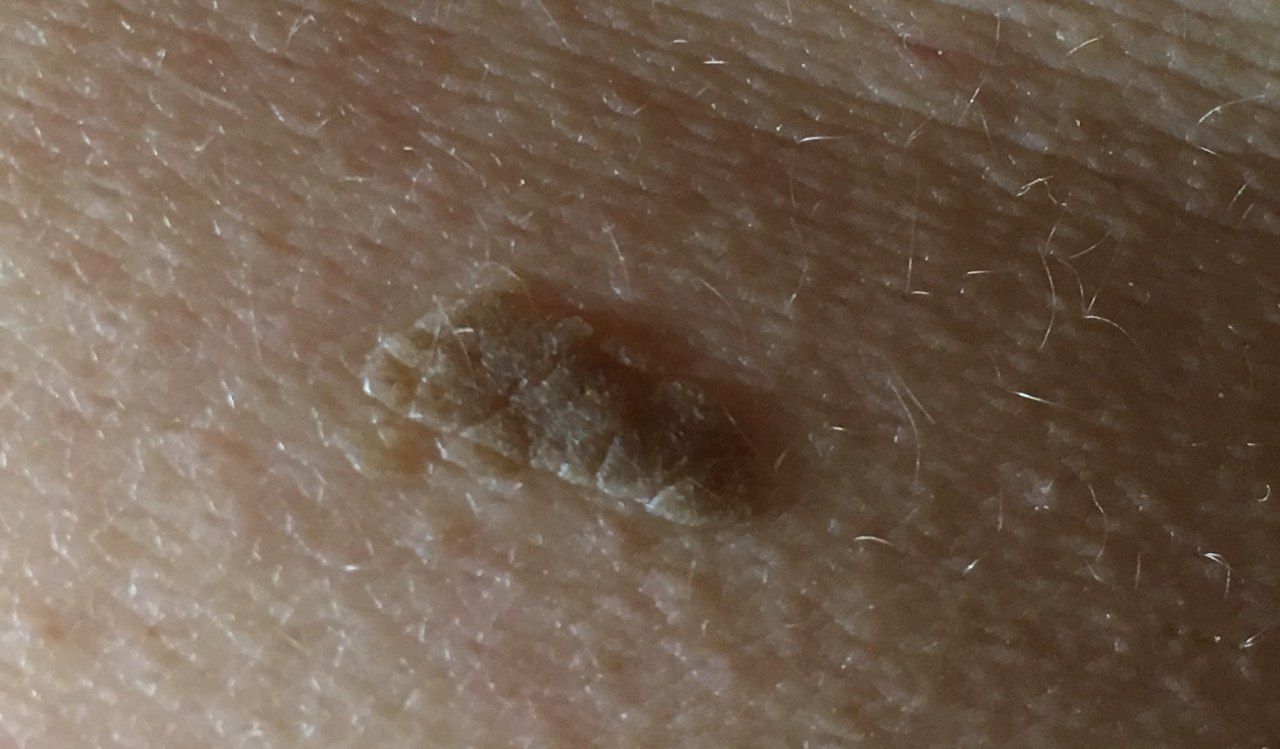
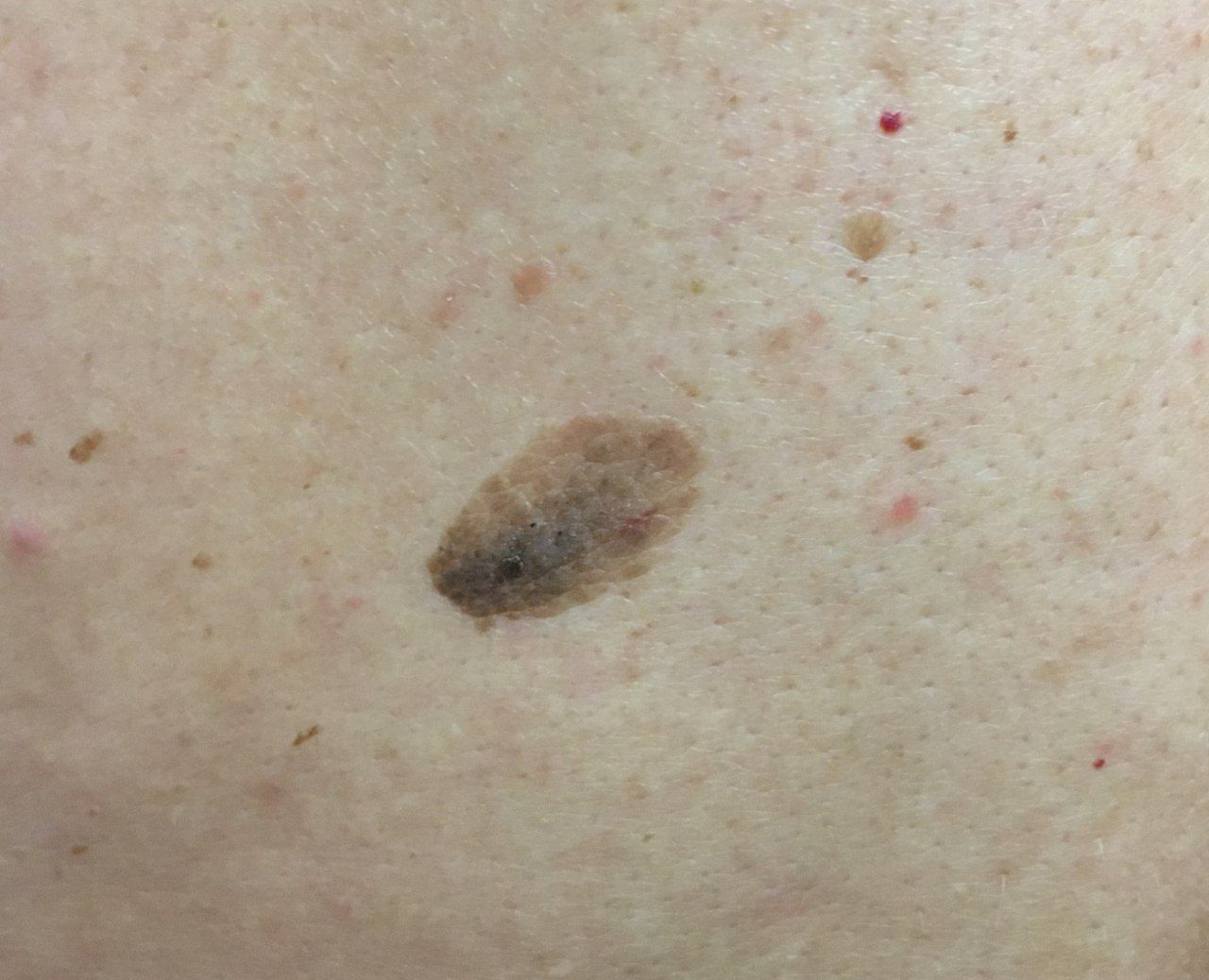
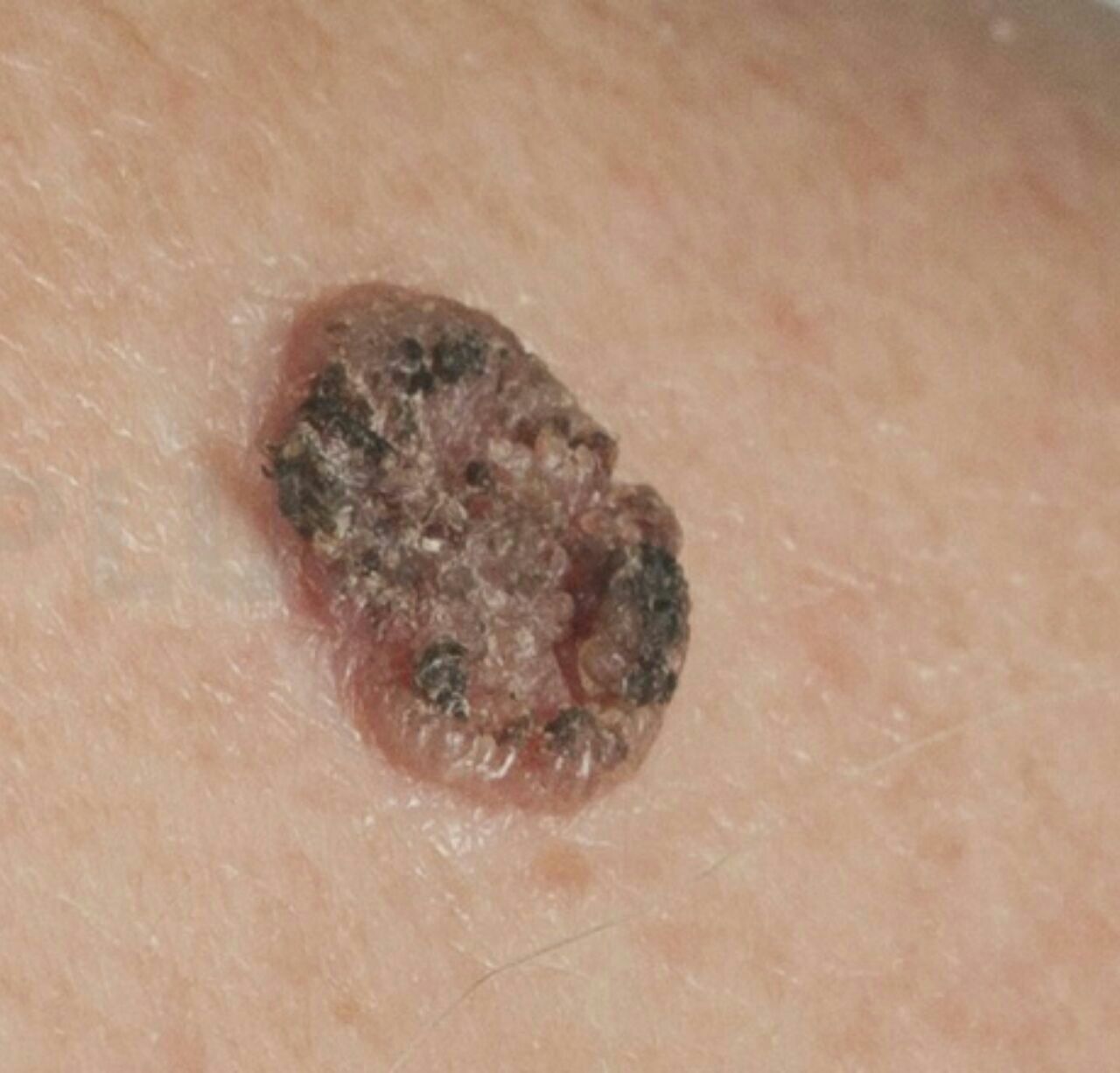
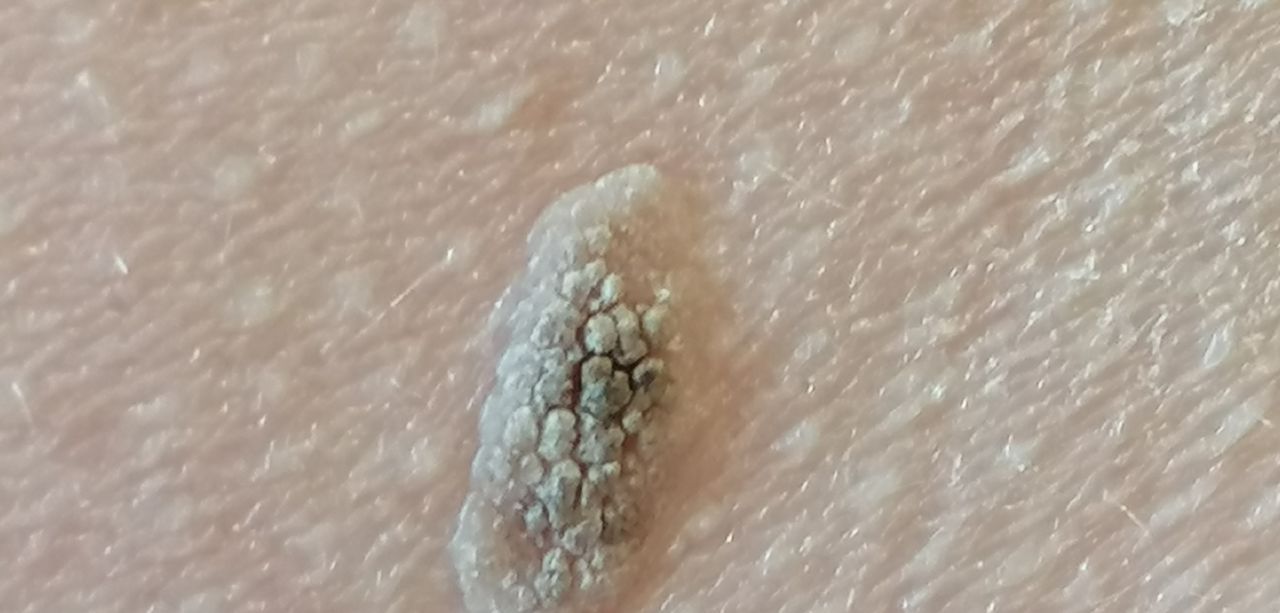
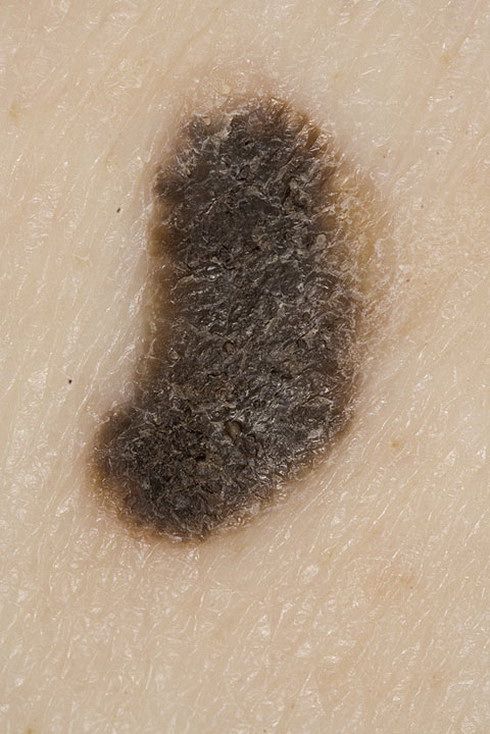
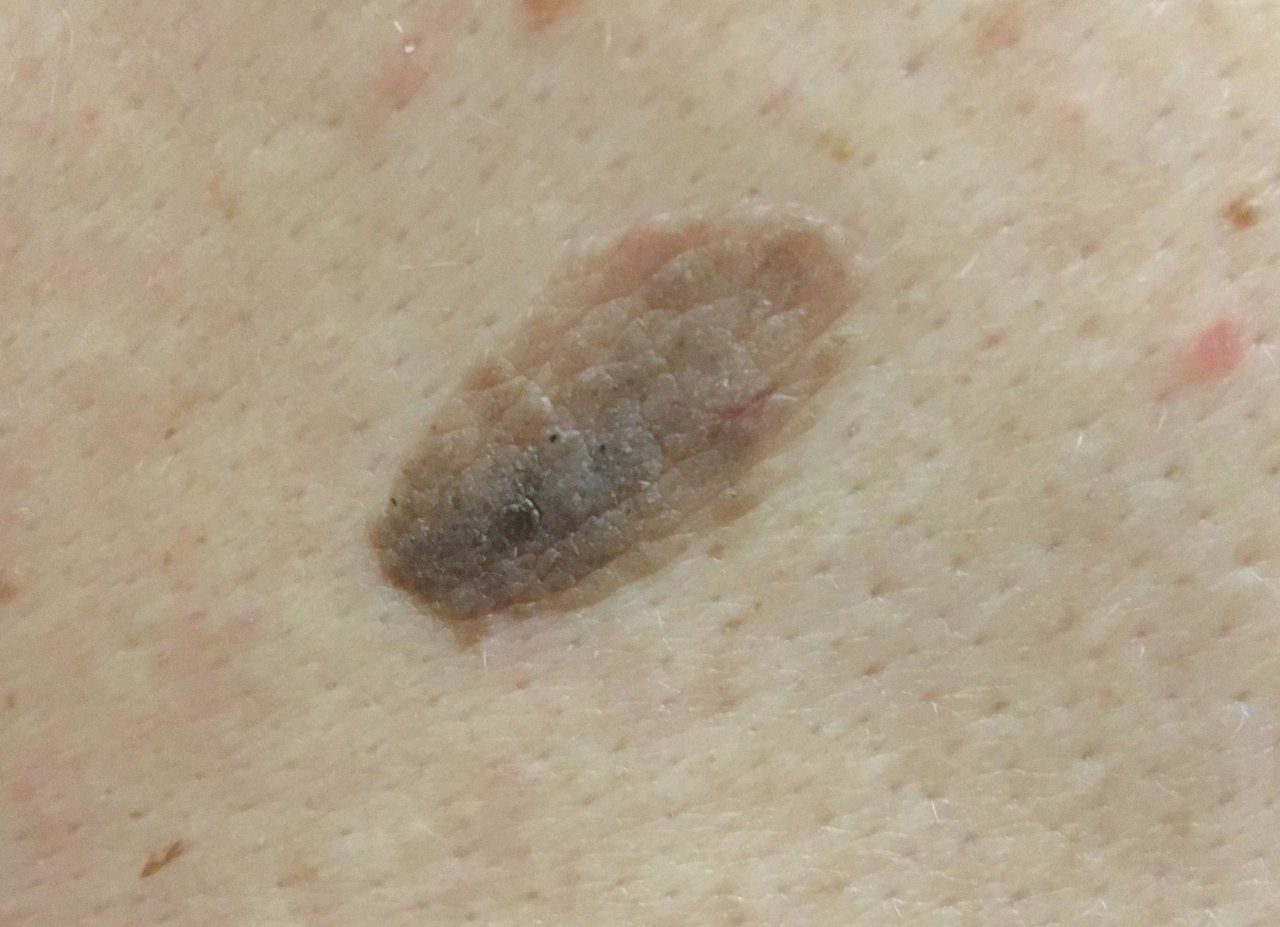
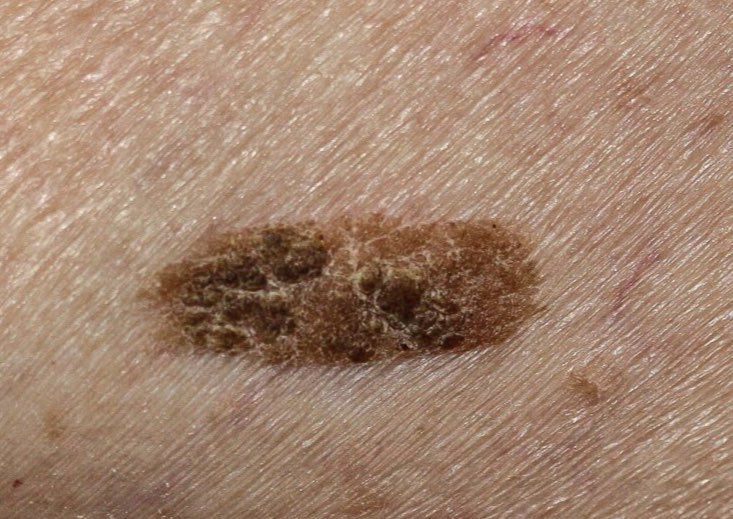
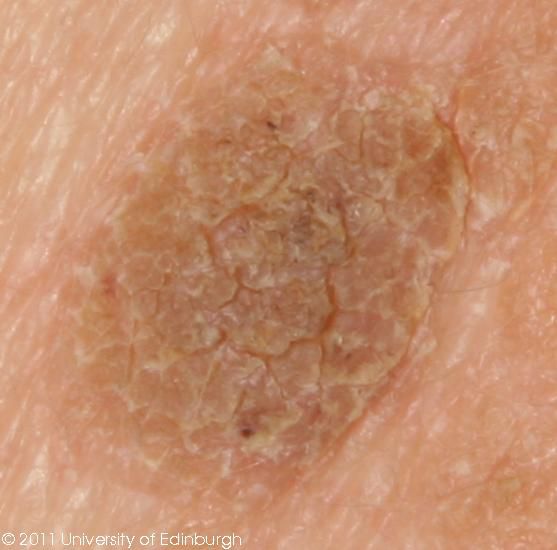
Seborrheic keratosis typically looks like a raised lesion with a rough, dry surface.
Characteristics:
- Color: flesh-toned, gray, or brown
- Well-defined borders
- “Stuck-on” appearance
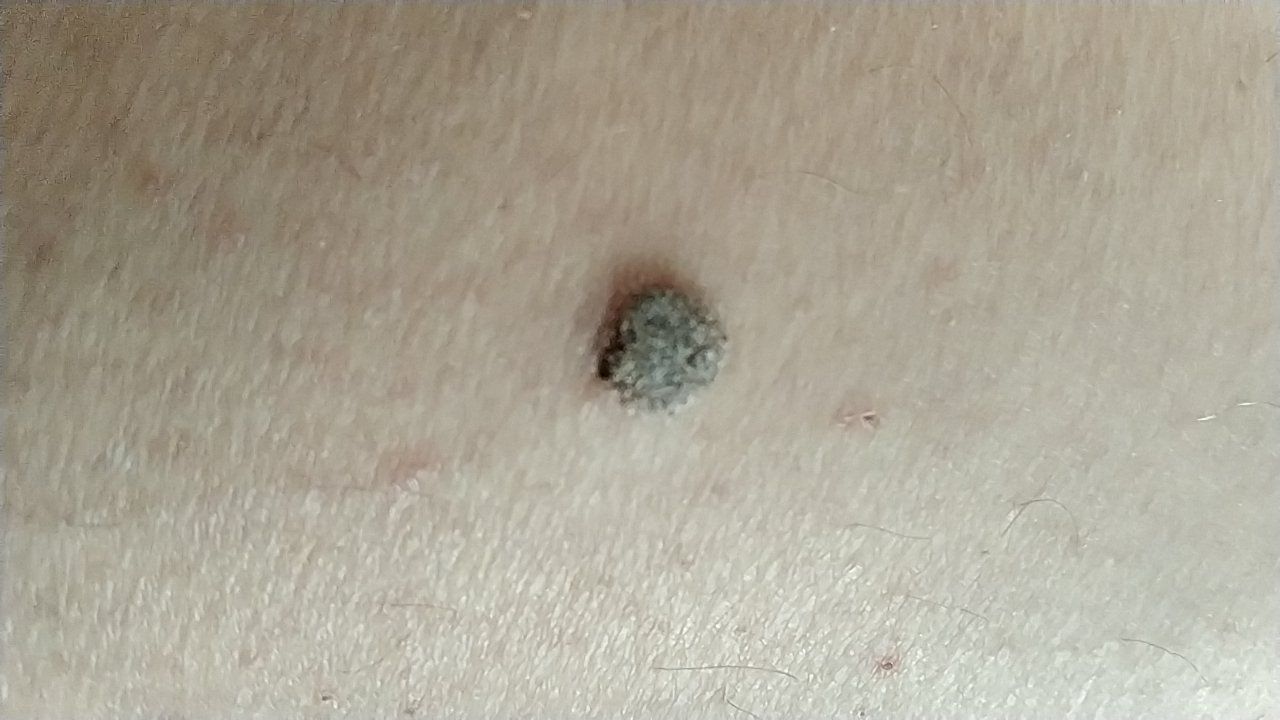
- Surface can be scaly, bumpy, or wart-like
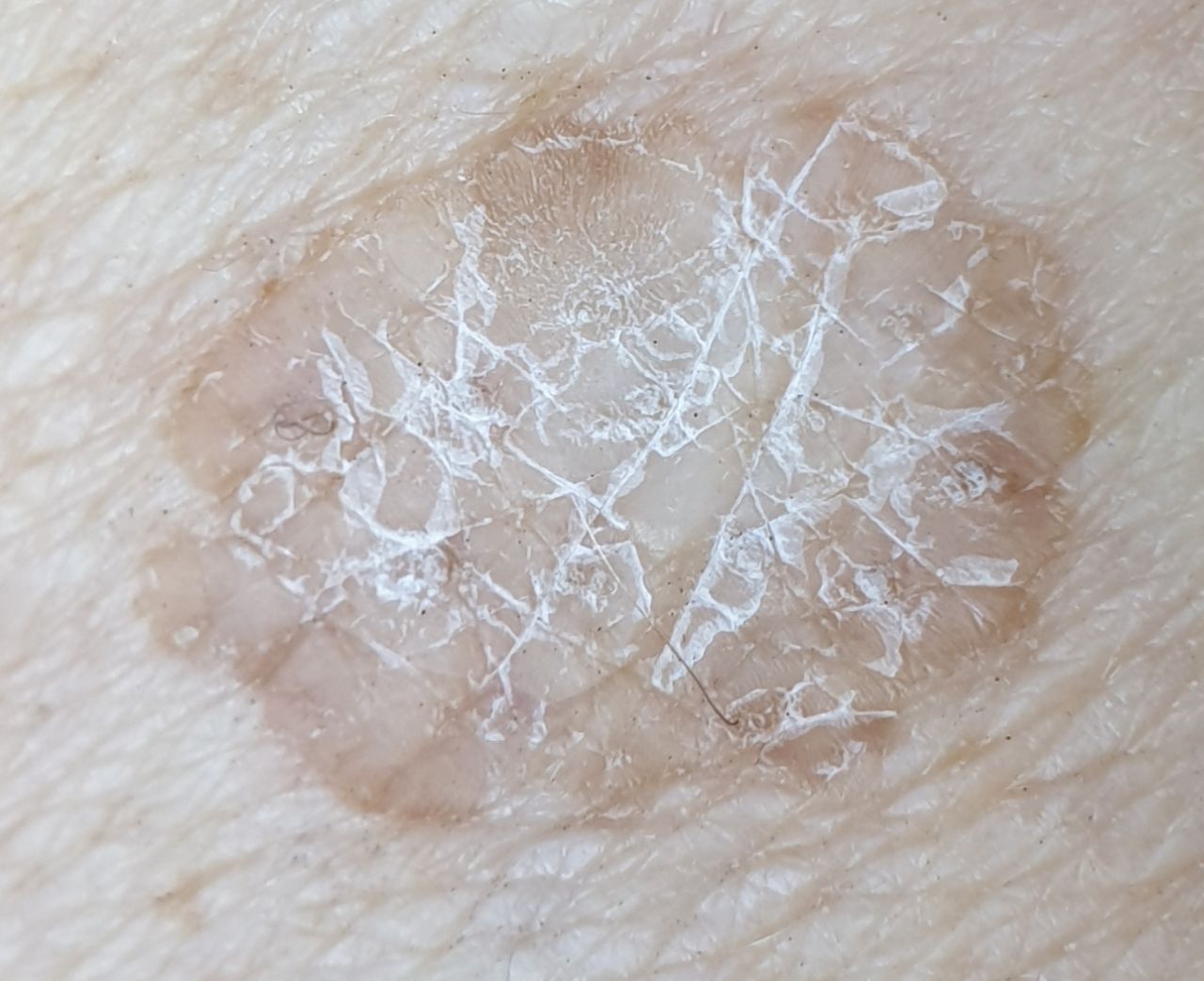
- Sometimes, small flakes may peel off
Size: usually a few millimeters to 1–2 cm
Common locations:
- Trunk
- Arms
- Face
- Neck
Over time, new lesions may appear, especially with age.
Symptoms
Seborrheic keratosis usually causes few symptoms. Occasionally:
- Mild itching
- Rough texture
- Discomfort when rubbing against clothing
The main sign is the characteristic firm, dry skin growth.
Causes
Exact causes are unknown, but contributing factors include:
External:
- Ultraviolet (UV) exposure
Internal:
- Age-related changes in skin (slower cell turnover)
- Genetic predisposition
- Past illnesses or environmental factors
It develops from keratinocytes, the cells of the upper skin layer, which accumulate over time, forming a thickened growth. This is benign and unrelated to skin cancer.
Types and forms
Seborrheic keratosis can vary:
- Flat to highly bumpy lesions
- Smooth or rough surface
- Color variations
These differences usually do not affect safety; management is determined by a doctor.
When to see a doctor
Seek evaluation if:
- The lesion grows quickly
- Color or shape changes
- Inflammation, pain, or bleeding occurs
- Trauma damages the lesion
- Many new lesions appear rapidly
Regular checkups are recommended, especially if multiple lesions are present.
Treatment
Not all seborrheic keratoses require treatment if asymptomatic.
Removal options:
- Laser therapy
- Cryotherapy (freezing)
- Radio-wave or electrosurgical removal
- Surgical excision
If diagnosis is uncertain, methods with histological examination are preferred.
Key points:
- Treatment is individualized by a doctor
- Self-removal is not recommended
FAQs
Is seborrheic keratosis dangerous?
Mostly no, it’s benign, but monitoring is important for rare changes.
Does it need removal?
Only if it changes, causes discomfort, or for cosmetic reasons.
Can it go away on its own?
Usually not; lesions persist and may increase over time.
Is it skin cancer?
No, but it should be distinguished from other skin conditions.
Can you pick or scrape it off?
No, this can lead to inflammation and complications.
Why do they increase with age?
Due to natural skin changes and genetic factors.
Can you sunbathe with seborrheic keratoses?
Limit sun exposure and use protective measures.
Check Your Skin Instantly
Use the Mole Checker app: Skinive AI to take a photo of a mole or lesion and get an AI-based risk assessment. It helps determine whether professional consultation is recommended, giving you fast guidance and peace of mind.
Medical sources:
- Fitzpatrick’s Dermatology
- American Academy of Dermatology (AAD)
- DermNet NZ
- World Health Organization (WHO)
- UpToDate
🇬🇧 Seborrheic Keratosis: When to Seek Medical Advice in the UK
If you notice benign neoplasms, nevi, or moles, it’s important to get a professional opinion. In the UK, you can access dermatology care via the NHS, private clinics, or online consultations.
👉 How to See a Dermatologist in the UK NHS – This main guide explains how NHS referrals work, what to expect from specialist dermatology services, and how to choose between public and private care.
Dermatologists in Major UK Cities:
- Dermatologist in London
- Dermatologist in Manchester
- Dermatologist in Liverpool
- Dermatologist in Birmingham
- Dermatologist in Leeds
- Dermatologists in Other UK cities
Online Dermatology
If you prefer remote care or faster access, try online dermatology consultations. They allow dermatologists to review images, provide advice, and guide next steps without visiting a clinic. Read more in this article: Online Dermatologists in UK.
🇦🇺 Seborrheic Keratosis: When to Seek Medical Advice in Australia
If you notice benign neoplasms, nevi, or moles, it’s important to get a professional opinion. In Australia, you can access dermatology care via Medicare (public system), private clinics, or online consultations.
👉 How to See a Dermatologist in Australia – This main guide explains how referrals work through GPs and public clinics, what to expect from specialist dermatology services, and how to choose between public and private care.
Dermatologists in Major Australian Cities:
- Dermatologist in Sydney
- Dermatologist in Melbourne
- Dermatologist in Brisbane
- Dermatologist in Perth
- Dermatologist in Adelaide
- Dermatologists in other Australian cities
Online Dermatology
For faster access or remote care, online dermatology consultations allow dermatologists to review images, provide advice, and guide next steps without visiting a clinic. Read more in this article: Online Dermatologists in Australia.
Images of seborrheic keratosis:






** Should you identify any copyright infringement regarding the images on this page, kindly reach out to us at info@skinive.com.
Furthermore, please be advised that these photos are not authorized for any purpose.