
Acne vulgaris is a chronic inflammatory skin condition in which familiar “pimples,” blackheads, and inflamed lesions appear. It is related to the function of the sebaceous glands and hair follicles (skin pores).
It most commonly appears as comedones (blackheads and whiteheads) and small inflamed pimples. In some cases, deeper lesions and post-inflammatory marks may also develop. The main affected areas are the face, back, chest, and shoulders.
This condition is not contagious. In most cases, acne begins during adolescence and may persist for several years, with periods of worsening and improvement. It is a very common condition that affects most people.
What to do if you suspect it
If pimples appear regularly on the skin, do not resolve, or gradually worsen, it is important not to delay addressing the problem.
The first step is to see a dermatologist. The doctor will assess the type and severity of the lesions and select appropriate treatment.
Additionally:
- if hormonal imbalance is suspected, an endocrinologist consultation may be needed
- for significant post-acne marks, a cosmetologist may help
- if acne affects self-esteem, psychological support may be beneficial
Important:
- do not squeeze pimples
- do not use harsh products without medical advice
- do not ignore worsening skin condition
Early consultation helps bring acne under control faster and reduces the risk of scars and pigmentation.
What the disease looks like
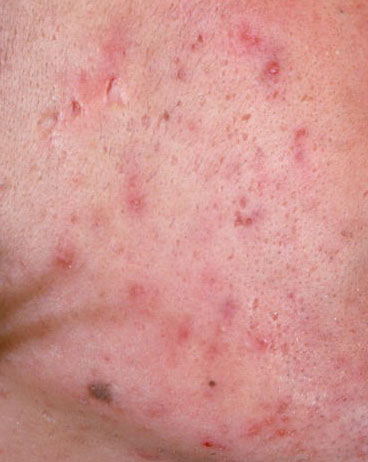
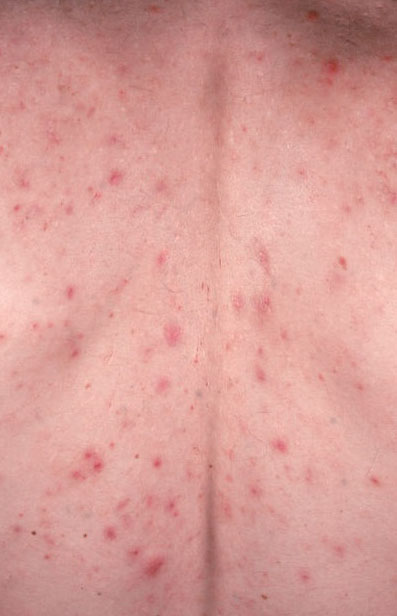
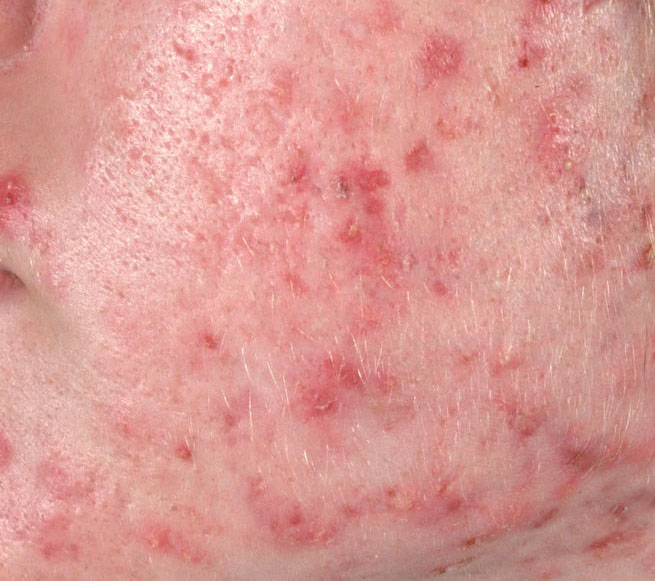
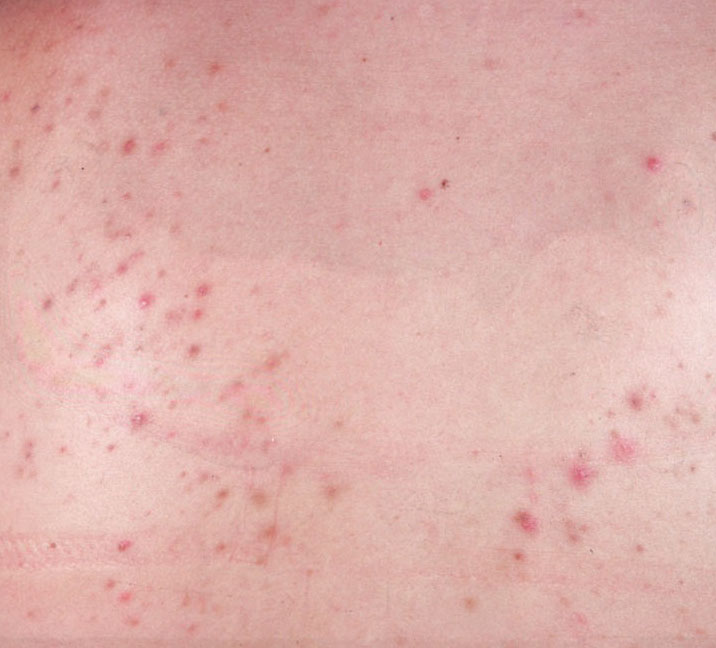
Acne manifestations may vary, but typical lesions are usually present.
On the skin you may see:
- comedones — blackheads or small white “subcutaneous” bumps
- papules — small red inflamed pimples without pus
- pustules — pimples with white or yellowish fluid
Sometimes there may also be:
- deeper painful lesions
- post-inflammatory spots
- scars (in more severe cases)
Comedones form due to blockage of pores with sebum. The black color is not dirt, but the result of oxidation of the contents when exposed to air.
Lesions most commonly appear on the face (forehead, cheeks, chin), as well as on the back and chest.
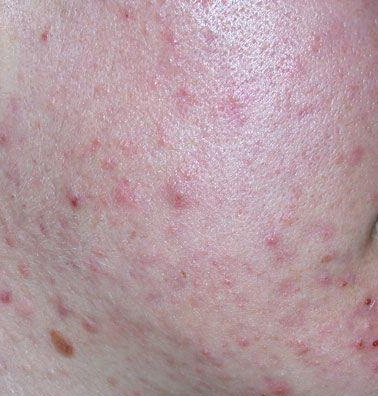
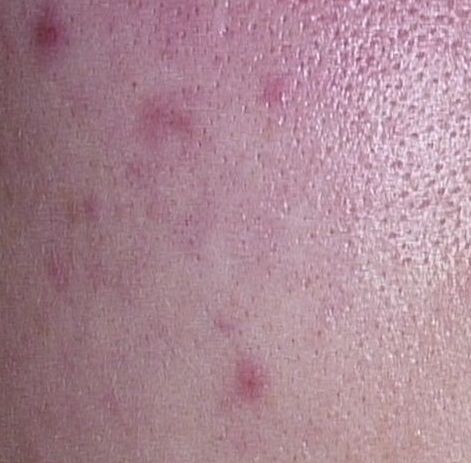
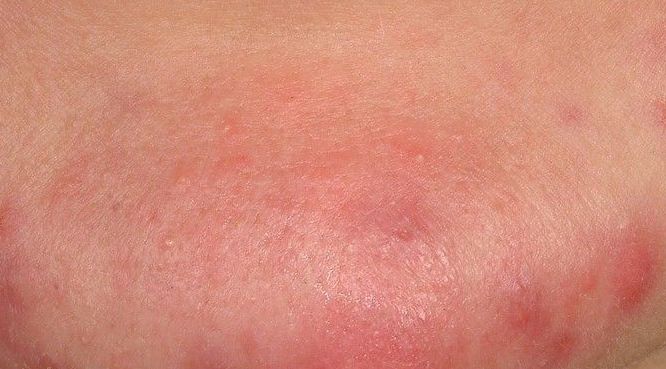
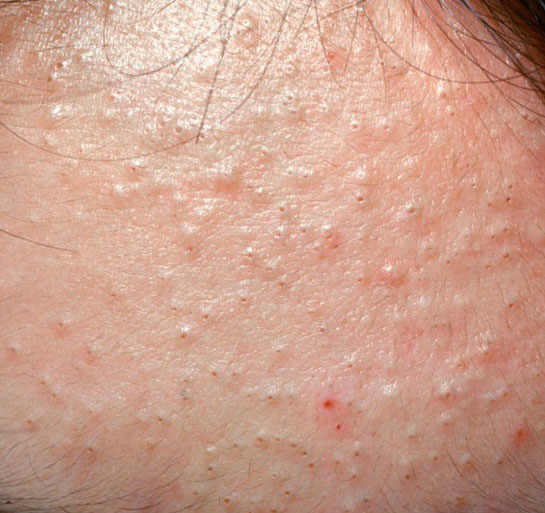
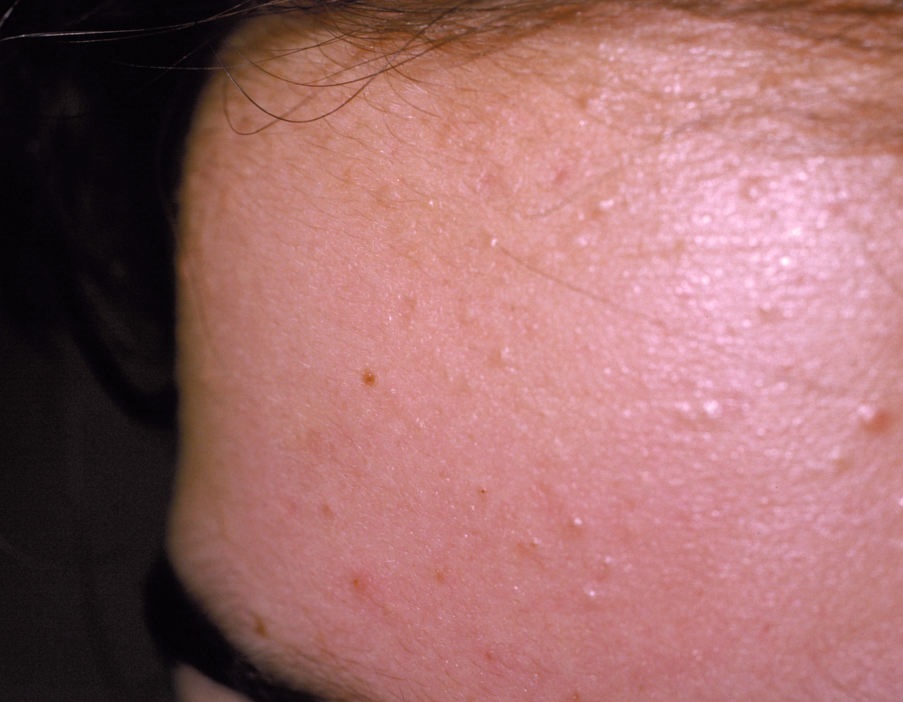
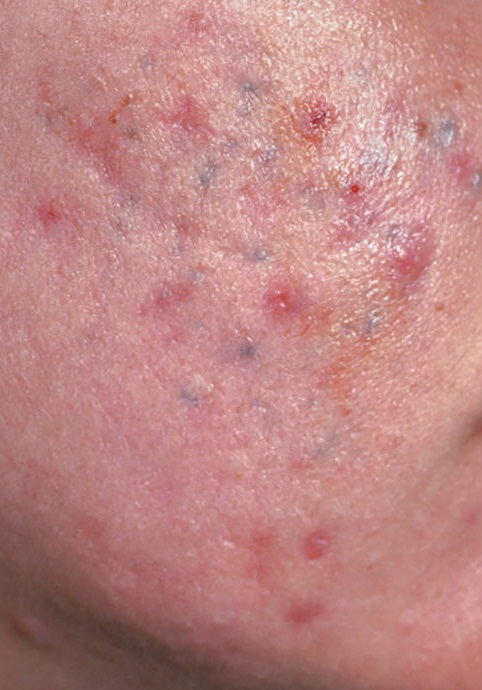
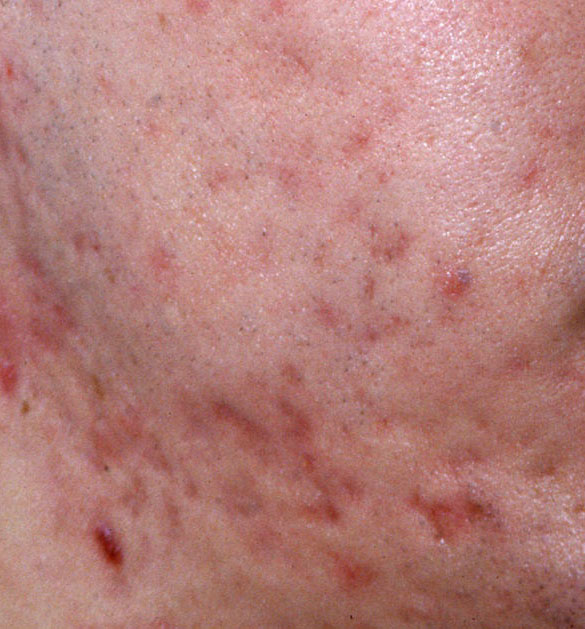
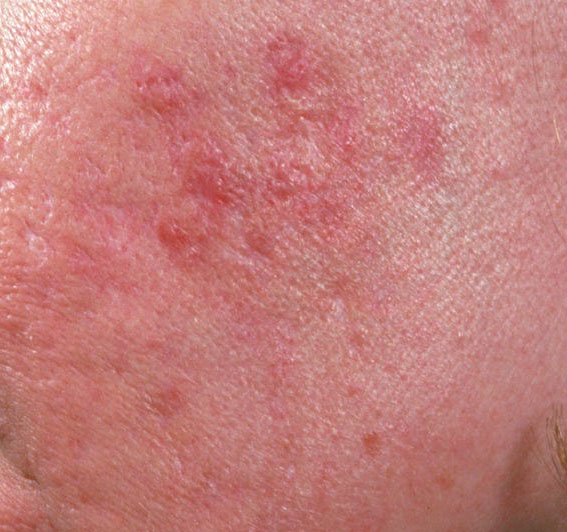
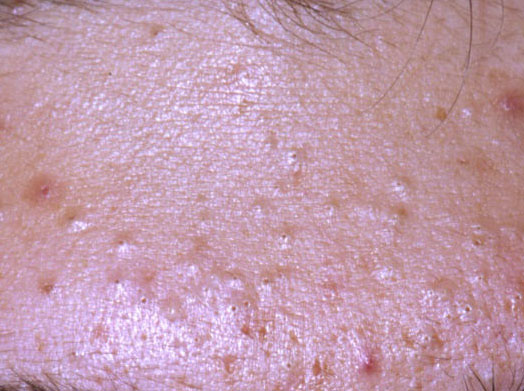
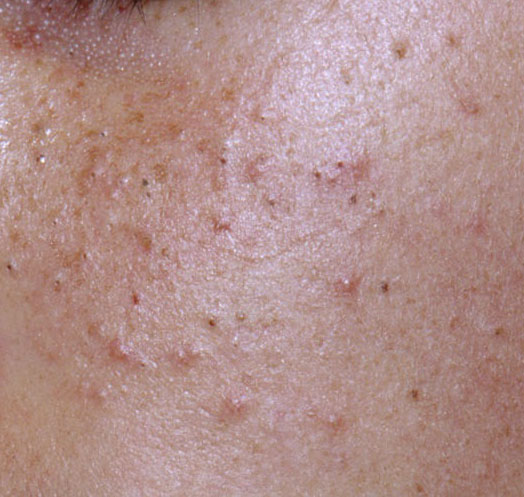
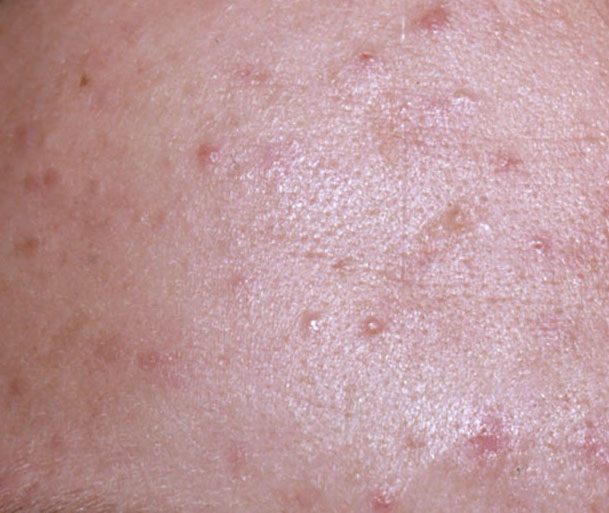
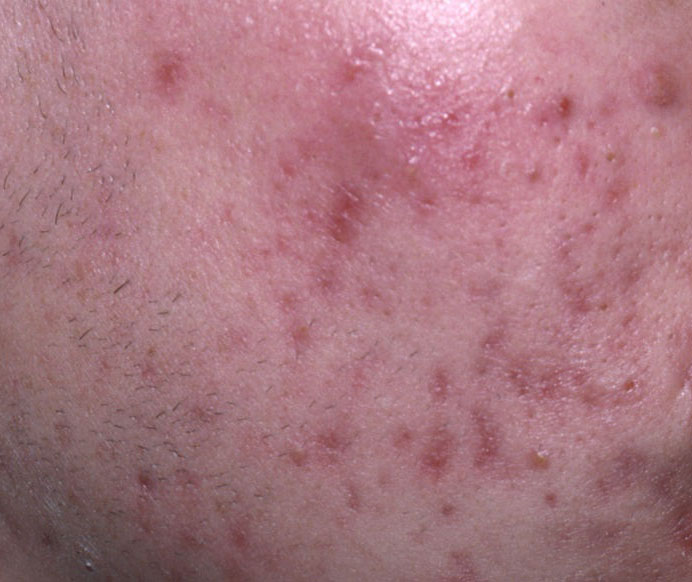
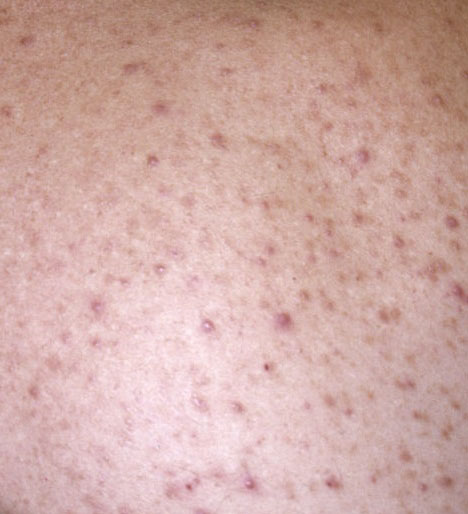
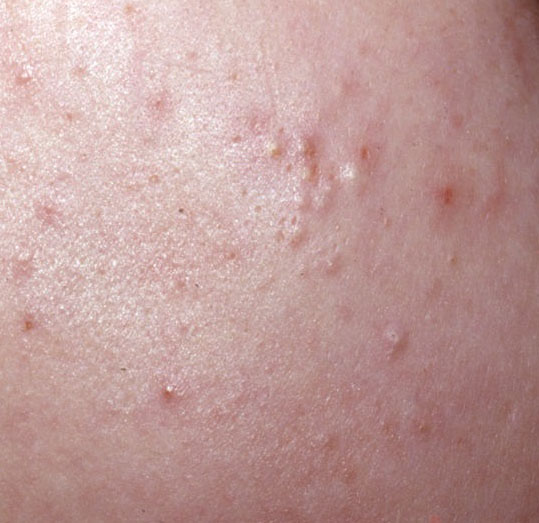
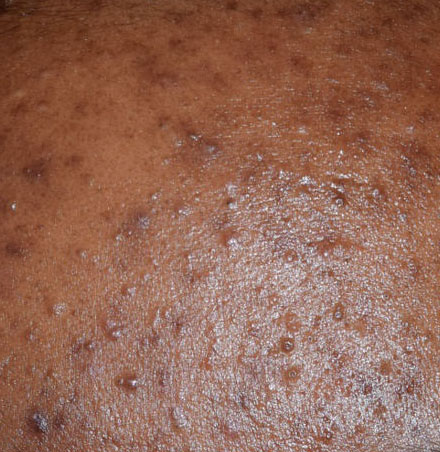
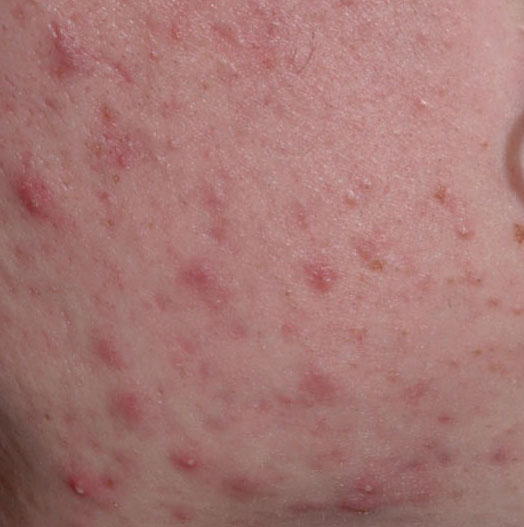
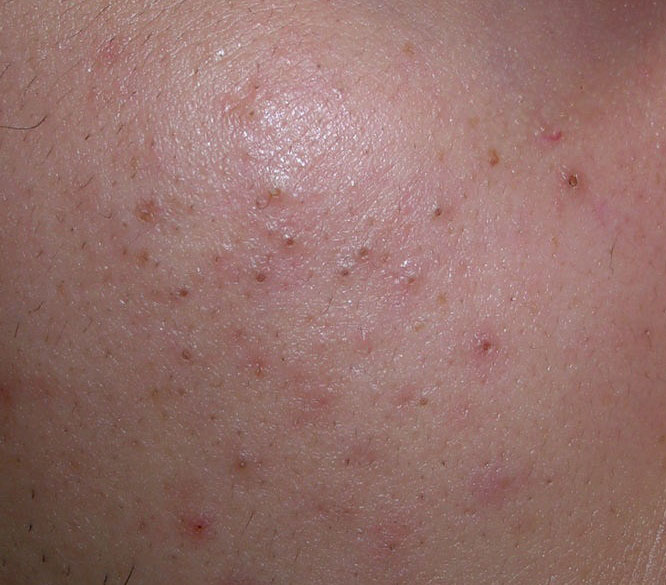
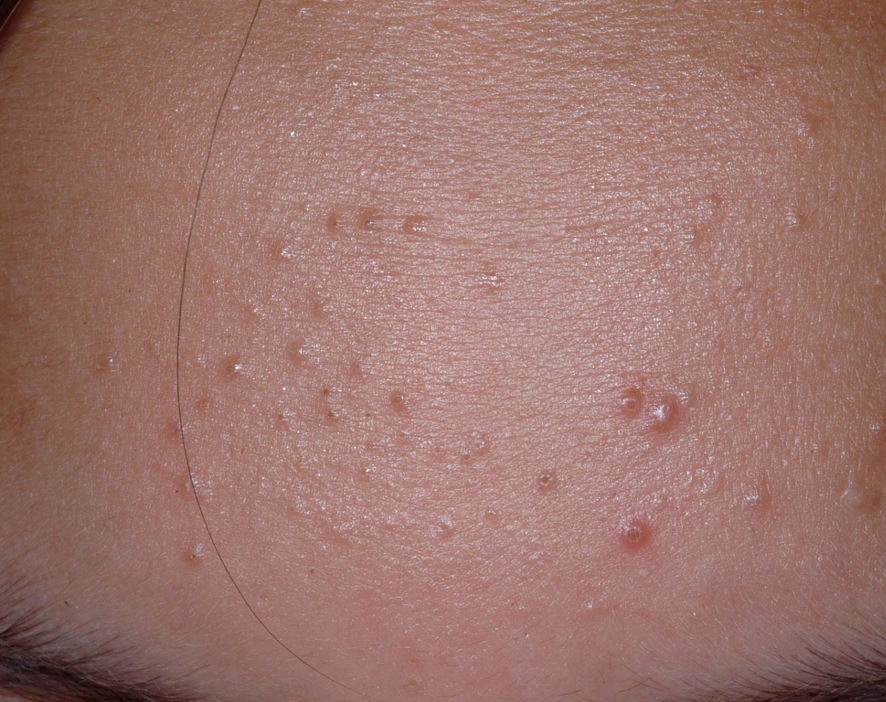
Below in the article you can view real photos to better understand what the disease looks like.
Main symptoms
Typical signs of acne vulgaris include:
- blackheads and whiteheads
- inflamed pimples
- redness of the skin
- sometimes tenderness when touched
- oily skin appearance
- post-healing spots
In most people, superficial lesions predominate without deep skin involvement.
Causes of the disease
Acne develops due to a combination of several factors.
External factors:
- inappropriate cosmetics
- mechanical irritation of the skin (friction, pressure)
- stress
- dietary factors (individual effect varies)
Internal factors:
- hormonal changes, especially during adolescence
- increased sebum production
- genetic predisposition
- individual skin immune response
The bacterium Cutibacterium acnes also plays an important role. It is usually harmless but can contribute to inflammation when pores become blocked.
How the disease develops
First, sebaceous glands produce more sebum. Skin pores become blocked, forming comedones — “plugs.”
If inflammation develops in these areas, red pimples and pustules appear. This is the body’s response to trapped sebum and bacteria.
In mild forms, the process remains superficial, so the skin often heals without significant long-term damage.
Forms and types
Acne can vary in severity.
Acne vulgaris is characterized by:
- predominance of comedones and superficial inflamed lesions
- mild to moderate course in most cases
More severe forms include nodules and cysts, but these are less common.
When to see a doctor
You should see a dermatologist if:
- lesions persist for a long time
- the number of pimples increases
- painful lesions appear
- spots or scars remain
- skincare products are not effective
Also seek medical advice if:
- the skin condition suddenly worsens
- unusual changes in lesions appear
- there is uncertainty about the diagnosis
Treatment
Treatment for acne vulgaris is individualized and usually includes several approaches.
Main principles:
Skin care
Gentle cleansing and use of non-comedogenic products.
Topical treatment
Most commonly creams and gels with anti-inflammatory and antibacterial effects.
Addressing contributing factors
Choosing appropriate skincare, reducing irritation, managing stress.
Systemic treatment
Used less often — in more severe cases or when topical therapy is insufficient.
Additionally, the following may be used:
- cosmetic procedures
- anti-inflammatory treatments
- management of post-acne effects (scars, pigmentation)
It is important to understand that treatment takes time and consistency. Changing products or stopping therapy without guidance often reduces effectiveness.
Q&A
Can acne be completely cured?
In many cases, clear or nearly clear skin can be achieved, but maintenance therapy may be needed.
Do mild acne cases need treatment?
Yes, especially if lesions persist. This helps prevent worsening and scarring.
When is stronger treatment prescribed?
If topical therapy is insufficient or acne becomes more severe, a doctor may escalate treatment.
Is acne only a teenage problem?
No. Although it often begins in adolescence, it can persist into adulthood.
Why do blackheads appear?
They are clogged pores where the contents oxidize and darken when exposed to air.
Can washing the face more often help acne?
Excessive washing can irritate the skin and worsen the condition.
Do acne lesions leave marks?
Sometimes yes — in the form of pigmentation or scars, especially if inflammation is significant or lesions are manipulated.
Does diet affect acne?
In some individuals certain foods may worsen breakouts, but this is highly individual.
Check Your Skin Instantly
Use the Skin disease scanner – SKinive AI to take a photo of a skin lesion and get an AI-based risk assessment. It helps determine whether professional consultation is recommended, giving you fast guidance and peace of mind.
Medical literature and sources
- American Academy of Dermatology (AAD)
- European Academy of Dermatology and Venereology (EADV)
- Fitzpatrick’s Dermatology, 9th Edition
- Bolognia Dermatology, 4th Edition
- Journal of the American Academy of Dermatology (JAAD)
- World Health Organization (WHO) guidelines on skin conditions
🇬🇧 Acne Vulgaris: Diagnosis and Treatment in the UK
If you notice acne, pimples, or persistent breakouts, it’s important to get a professional opinion. In the UK, you can access dermatology care via the NHS, private clinics, or online dermatology consultations.
👉 How to See a Dermatologist in the UK NHS – This main guide explains how NHS referrals work, what to expect from specialist dermatology services, and how to choose between public and private care.
Dermatologists in Major UK Cities:
- Dermatologist in London
- Dermatologist in Manchester
- Dermatologist in Liverpool
- Dermatologist in Birmingham
- Dermatologist in Leeds
- Dermatologists in Other UK cities
Online Dermatology
If you prefer remote care or faster access, try online dermatology consultations. They allow dermatologists to review images, provide advice, and guide next steps without visiting a clinic. Read more in this article: Online Dermatologists in UK.
🇦🇺 Acne Vulgaris: Diagnosis and Treatment in Australia
If you notice acne, pimples, or persistent breakouts, it’s important to get a professional opinion. In Australia, dermatology care is available via Medicare (public system), private clinics, or online consultations.
👉 How to See a Dermatologist in Australia – This main guide explains how referrals work through GPs and public clinics, what to expect from specialist dermatology services, and how to choose between public and private care.
Dermatologists in Major Australian Cities:
- Dermatologist in Sydney
- Dermatologist in Melbourne
- Dermatologist in Brisbane
- Dermatologist in Perth
- Dermatologist in Adelaide
- Dermatologists in other Australian cities
Online Dermatology
For faster access or remote care, online dermatology consultations allow dermatologists to review images, provide advice, and guide next steps without visiting a clinic. Read more in this article: Online Dermatologists in Australia.
Images of acne vulgaris:



** Should you identify any copyright infringement regarding the images on this page, kindly reach out to us at info@skinive.com.
Furthermore, please be advised that these photos are not authorized for any purpose.