
Trichomycoses are a group of fungal diseases that affect hair and hair follicles. Most often, they involve the scalp or the beard area in men.
The main cause is infection by fungi capable of destroying the hair structure. This leads to hair fragility, hair loss, and areas of altered skin.
The condition can be contagious and may spread through contact with an infected person, animals, or shared objects. In most cases, trichomycoses respond well to treatment, especially when medical care is sought early.
What to do if suspected
If you notice areas of hair loss, scalp scaling, or inflamed patches, it is important not to delay diagnosis.
The first step is to consult a dermatologist. The doctor will examine the skin and hair and may order additional tests to confirm a fungal infection.
Additionally:
- report contact with animals or people with similar symptoms
- avoid using medicated shampoos or treatments before diagnosis
- avoid scratching or damaging the skin
Do not delay a medical visit. Without treatment, the infection may spread and in some cases lead to permanent hair loss.
How the condition looks
The appearance of trichomycosis varies depending on the form of the disease.
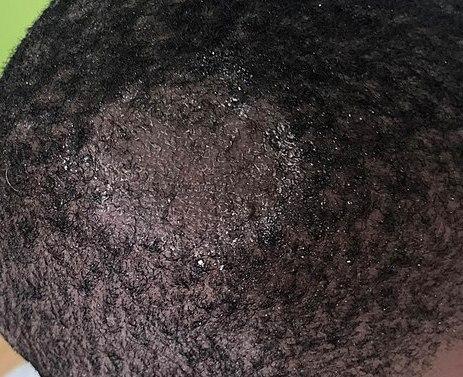
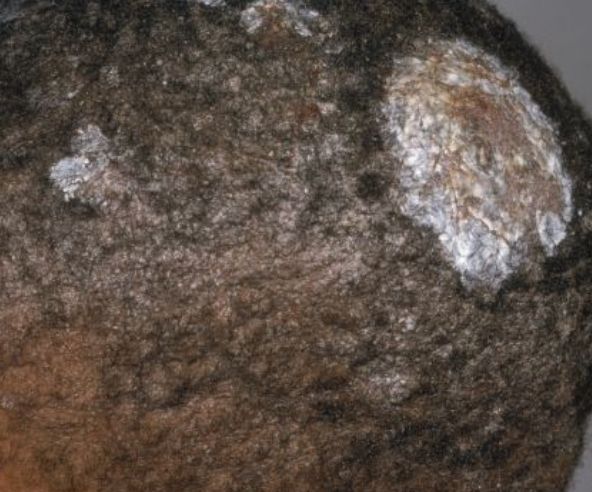
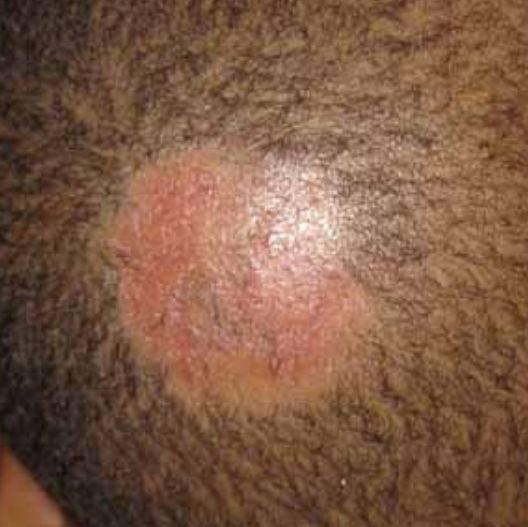
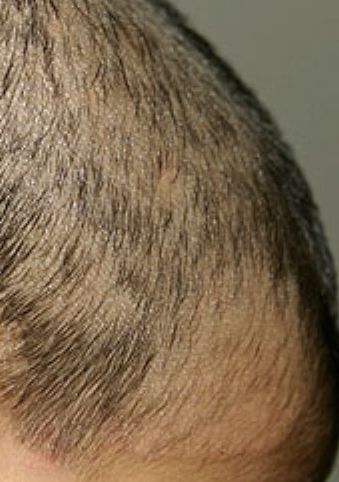
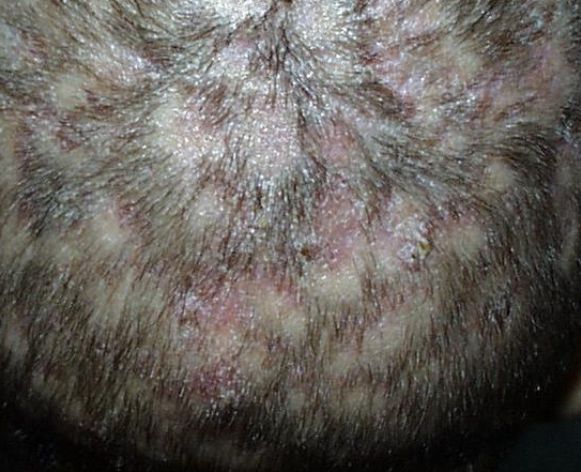
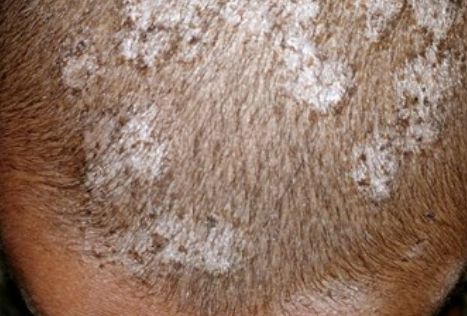
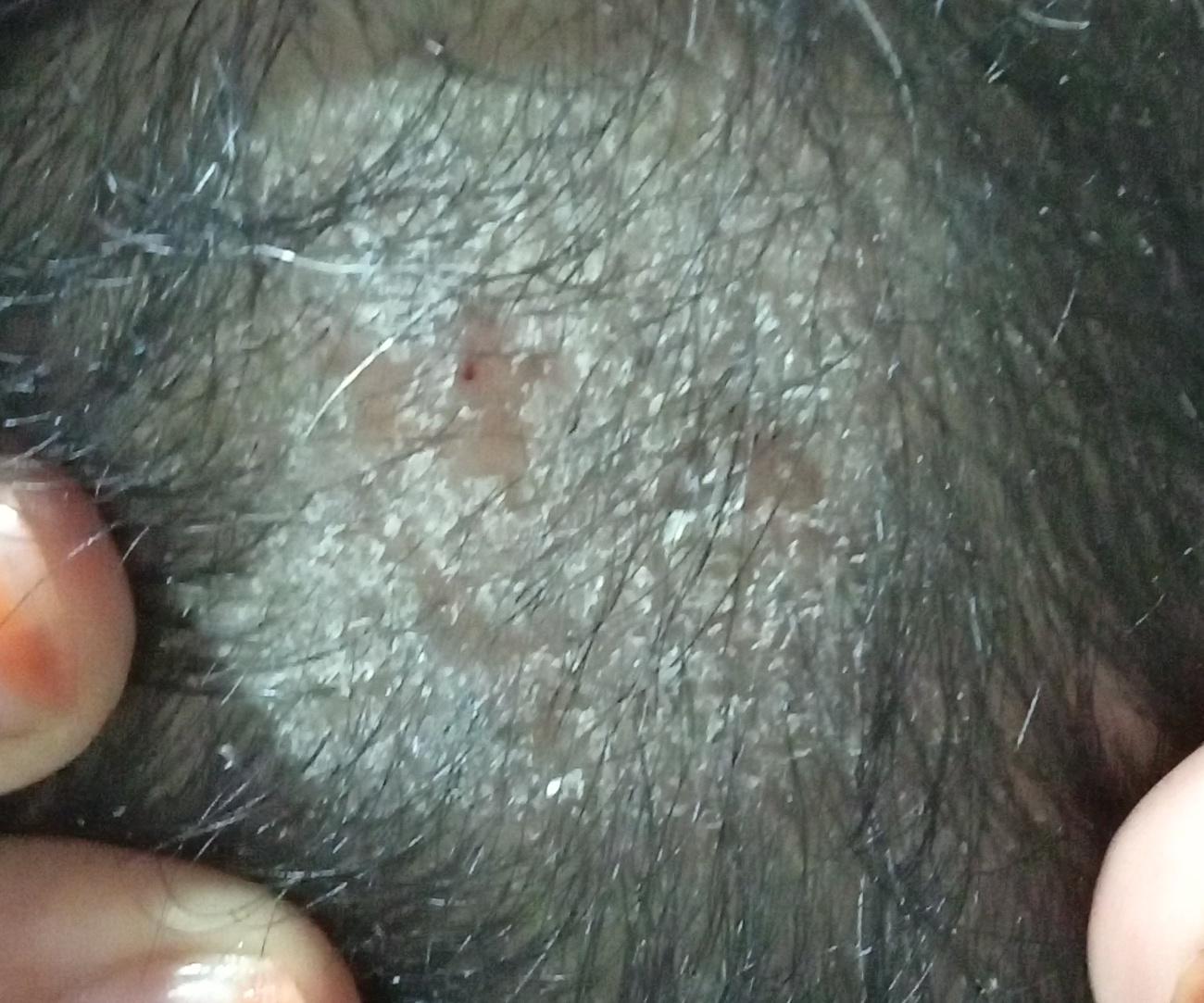
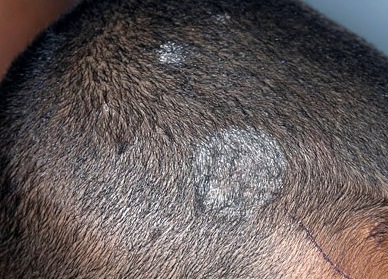
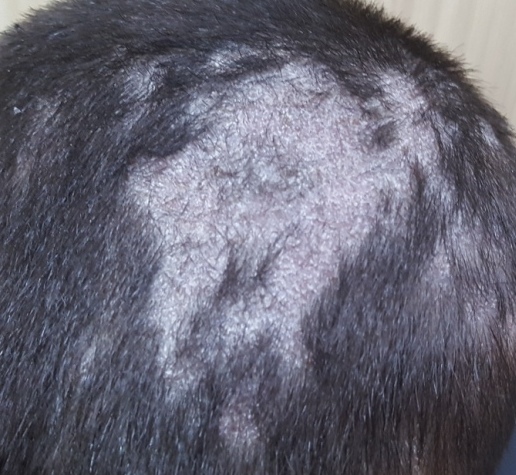
On the scalp, the most common signs include:
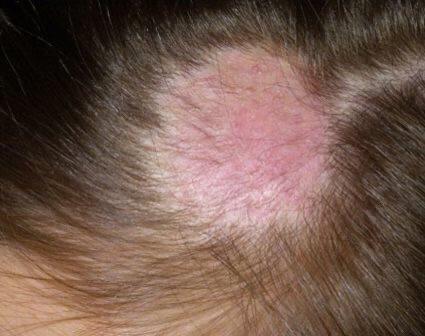
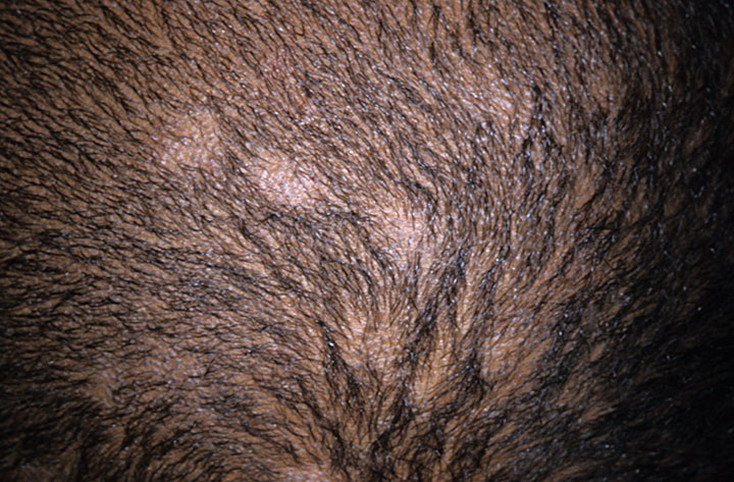
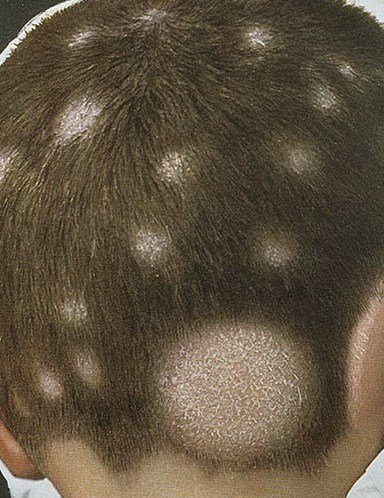
- round areas of thinning or hair loss
- skin scaling
- redness of varying intensity
Sometimes hairs in the affected area break off close to the skin surface, creating a “black dots” appearance or short broken stubs.
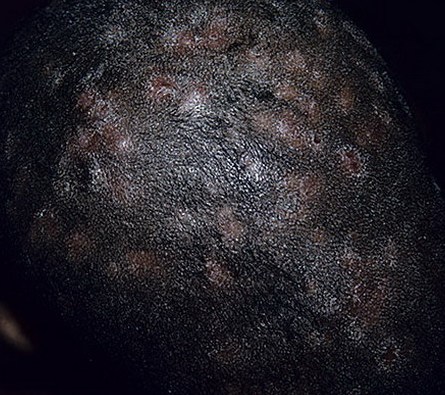
In more severe cases, inflamed painful areas with pustules may appear. These lesions can be swollen, firm, and sometimes discharge fluid.
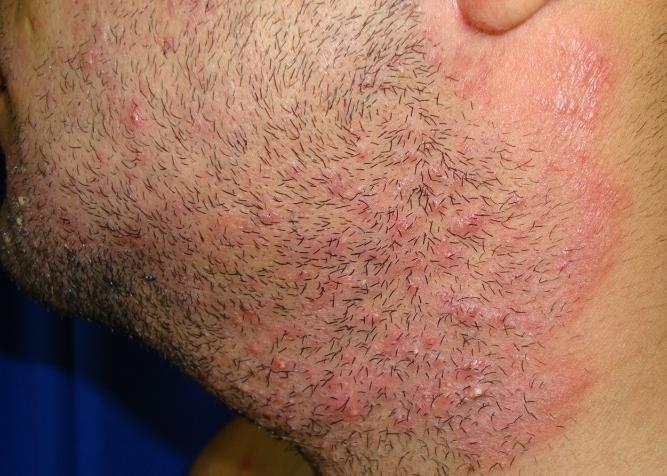
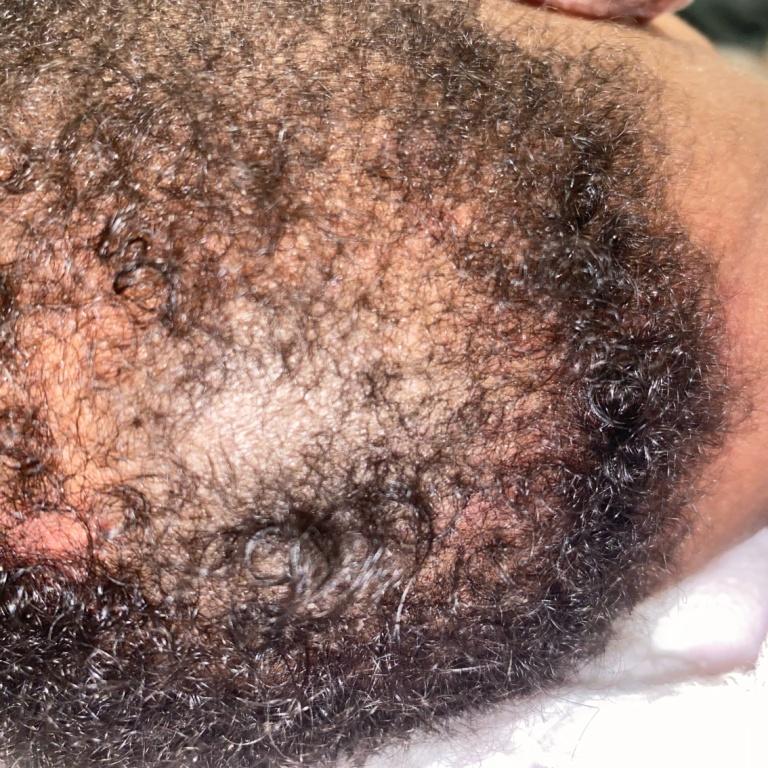
In the beard area, possible signs include:
- inflamed nodules and pustules
- redness of the skin
- tenderness on touch
Symptoms vary widely between individuals — from mild scaling to severe inflammation.
Main symptoms
Symptoms depend on the form but most commonly include:
- hair loss or hair breakage
- areas of sparse or absent hair
- skin scaling
- redness
- sometimes itching
In inflammatory forms:
- pain
- pustules
- skin swelling
Causes
The main cause is infection by fungi that affect hair and skin.
Infection can occur:
- through contact with an infected person
- through contact with animals (especially cats, dogs, farm animals)
- via shared objects (combs, hats, towels)
Risk factors include:
- close contact in groups (e.g., children)
- skin damage
- weakened immune system
- increased skin moisture
How it develops
Fungi enter the skin and penetrate the hair follicle, the structure from which the hair grows.
They then destroy the hair structure, making it weak and prone to breaking. This results in patches of short broken hairs or complete hair loss.
The body reacts with inflammation. In mild cases it is minimal, while in more severe cases it may form painful lesions.
Severe inflammation can damage hair follicles, sometimes leading to permanent hair loss.
Forms and types
Trichomycoses can appear in different forms.
On the scalp:
- superficial form — scaling and mild hair loss
- inflammatory form — painful lesions with pustules
- “black dot” form — hair breaks at the skin level
In the beard area:
- inflammatory form — redness and pustules
- superficial form — mild changes
- ring-like lesions resembling other fungal infections
When to see a doctor
Consult a specialist if:
- hair loss patches appear
- scalp or facial skin is scaling and inflamed
- pain or pustules are present
- symptoms spread or worsen
- the condition recurs
It is especially important not to delay care in cases of strong inflammation to reduce the risk of permanent hair loss.
Treatment
Treatment aims to eliminate the fungus and restore healthy skin and hair.
A combined approach is usually used:
- systemic medications (oral) — the main treatment
- topical treatments — for mild or adjunct therapy
Additionally:
- maintain hygiene of skin and hair
- prevent spread of infection
- complete the full treatment course
Sometimes additional medications are used to reduce itching or inflammation.
Treatment is individualized by a physician and may take time.
Q&A
Can trichomycosis be cured?
Yes, in most cases the infection can be eliminated with proper treatment. Early therapy is important.
Are oral medications necessary?
Often yes, especially when the scalp or beard is affected, as fungi reside inside hair follicles.
Is it contagious?
Yes, some forms can spread through direct contact or shared items.
Can it be caught from animals?
Yes, this is a common source of infection, especially from infected pets or livestock.
Can hair loss become permanent?
In severe inflammation, hair follicles may be permanently damaged, so early treatment is essential.
Is hair cutting necessary?
Sometimes a doctor may recommend trimming hair to improve treatment effectiveness, but it is decided individually.
Is it dangerous?
Usually not, but it can progress and cause significant discomfort if untreated.
How long does treatment take?
It may take several weeks or longer depending on severity and form.
Check Your Skin Instantly
Use the Skin Scanner app – Skinive AI to take a photo of a skin lesion and get an AI-based risk assessment. It helps determine whether professional consultation is recommended, giving you fast guidance and peace of mind.
Medical sources
- World Health Organization (WHO) — Dermatophytosis
- Fitzpatrick’s Dermatology, 9th Edition
- European Academy of Dermatology and Venereology (EADV) Guidelines
- American Academy of Dermatology (AAD) — Scalp fungal infections
- Clinical Dermatology (Bolognia et al.)
🇬🇧 Trichomycosis: Diagnosis and Treatment in the UK
If you notice trichomycosis (fungal infections of the hair or scalp)—such as hair breakage, scalp scaling, redness, or patchy hair loss—it’s important to get a professional opinion. In the UK, you can access dermatology care via the NHS, private clinics, or online dermatology consultations.
👉 How to See a Dermatologist in the UK NHS – This main guide explains how NHS referrals work, what to expect from specialist dermatology services, and how to choose between public and private care.
Dermatologists in Major UK Cities:
- Dermatologist in London
- Dermatologist in Manchester
- Dermatologist in Liverpool
- Dermatologist in Birmingham
- Dermatologist in Leeds
- Dermatologists in Other UK cities
Online Dermatology
If you prefer remote care or faster access, try online dermatology consultations. They allow dermatologists to review images, provide advice, and guide next steps without visiting a clinic. Read more in this article: Online Dermatologists in UK.
🇦🇺 Trichomycosis: Diagnosis and Treatment in Australia
If you notice trichomycosis (fungal infections of the hair or scalp)—such as hair breakage, scalp scaling, redness, or patchy hair loss, it’s important to get a professional opinion. In Australia, dermatology care is available via Medicare (public system), private clinics, or online consultations.
👉 How to See a Dermatologist in Australia – This main guide explains how referrals work through GPs and public clinics, what to expect from specialist dermatology services, and how to choose between public and private care.
Dermatologists in Major Australian Cities:
- Dermatologist in Sydney
- Dermatologist in Melbourne
- Dermatologist in Brisbane
- Dermatologist in Perth
- Dermatologist in Adelaide
- Dermatologists in other Australian cities
Online Dermatology
For faster access or remote care, online dermatology consultations allow dermatologists to review images, provide advice, and guide next steps without visiting a clinic. Read more in this article: Online Dermatologists in Australia.
Images of trichomycosis :





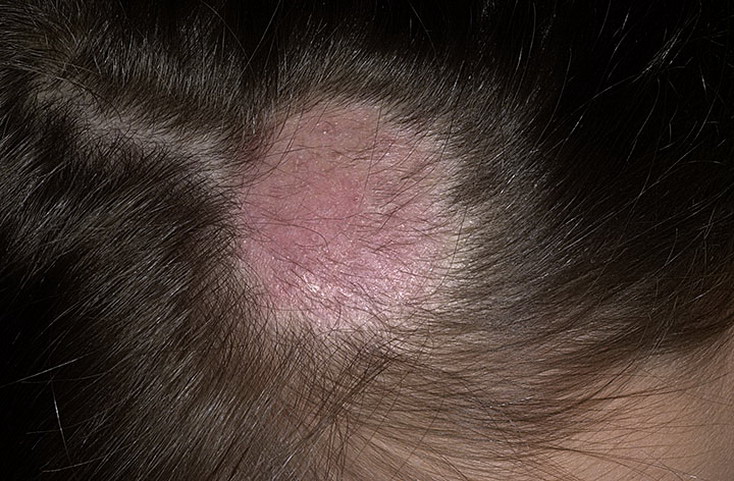
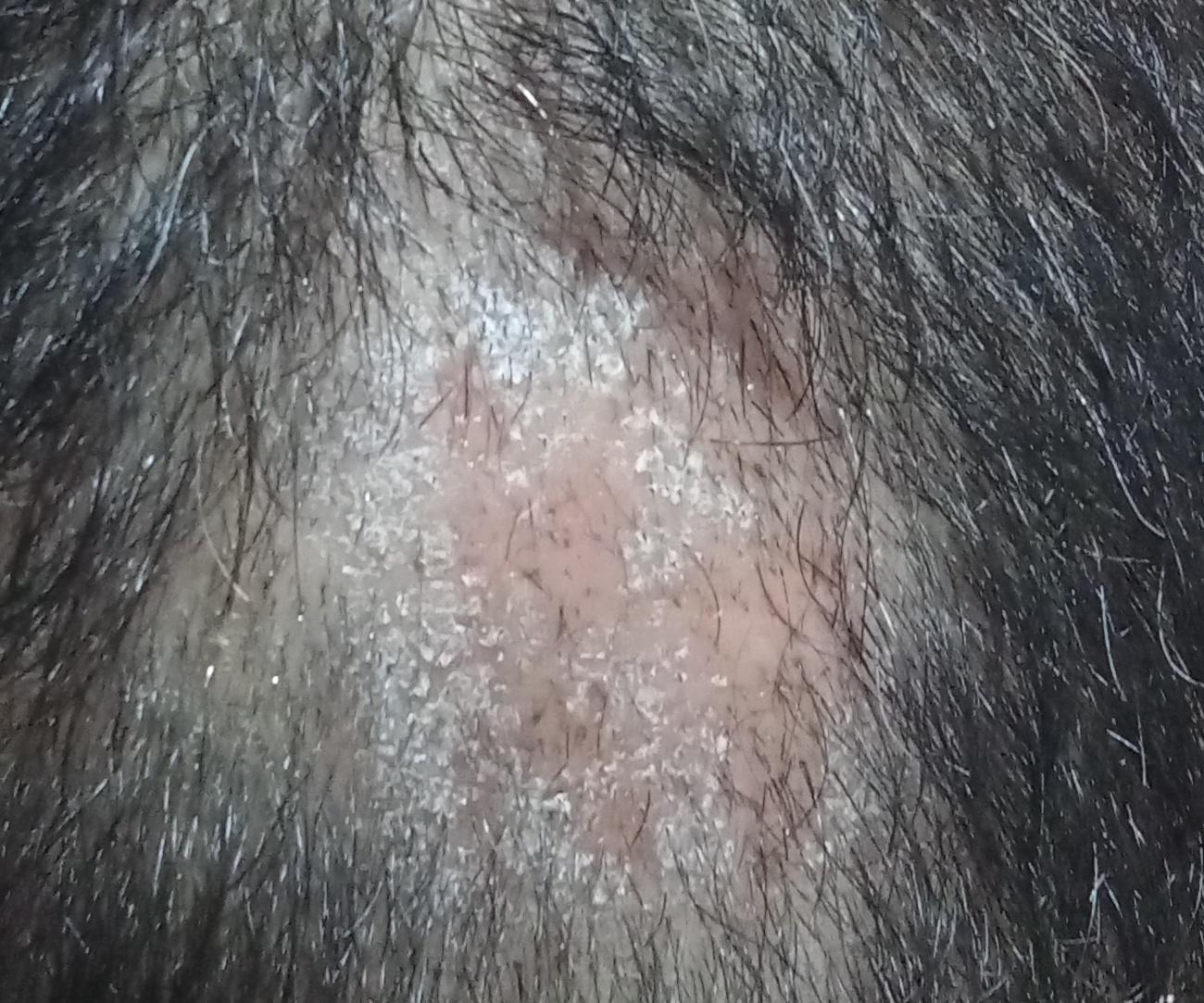
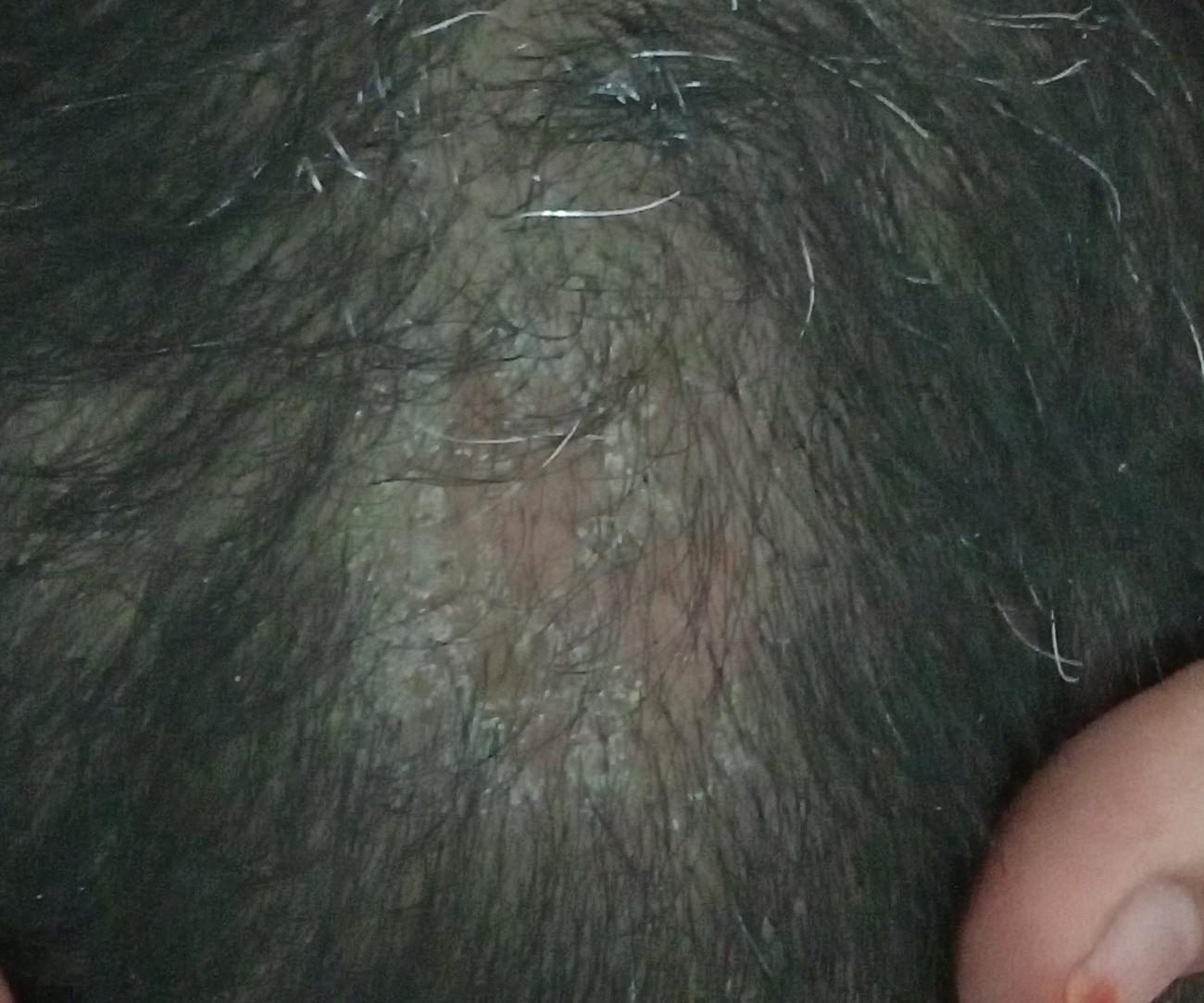
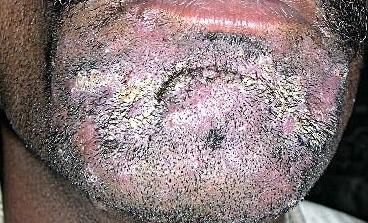


** Should you identify any copyright infringement regarding the images on this page, kindly reach out to us at info@skinive.com.
Furthermore, please be advised that these photos are not authorized for any purpose.