
Healthy nails are an indicator of normal body condition and proper care of hands and feet. They perform a protective function, help in daily activities, and reflect overall health status.
The main signs of healthy nails are a smooth shape, even surface, uniform color, and sufficient strength. Mild changes such as slight brittleness or dryness may occur temporarily and do not always indicate disease.
With regular care and attention to overall health, nails in most cases remain strong and healthy.
What to do to maintain nail health
The first step is regular and gentle care.
It is important to follow simple rules:
- keep nails clean and dry,
- trim and file them carefully,
- use moisturizing products for nails and cuticles,
- avoid trauma and excessive mechanical stress.
It is also important to protect hands when in contact with household chemicals — use gloves.
If persistent changes appear (color change, shape change, thickening), it is better to consult a doctor.
What healthy nails look like
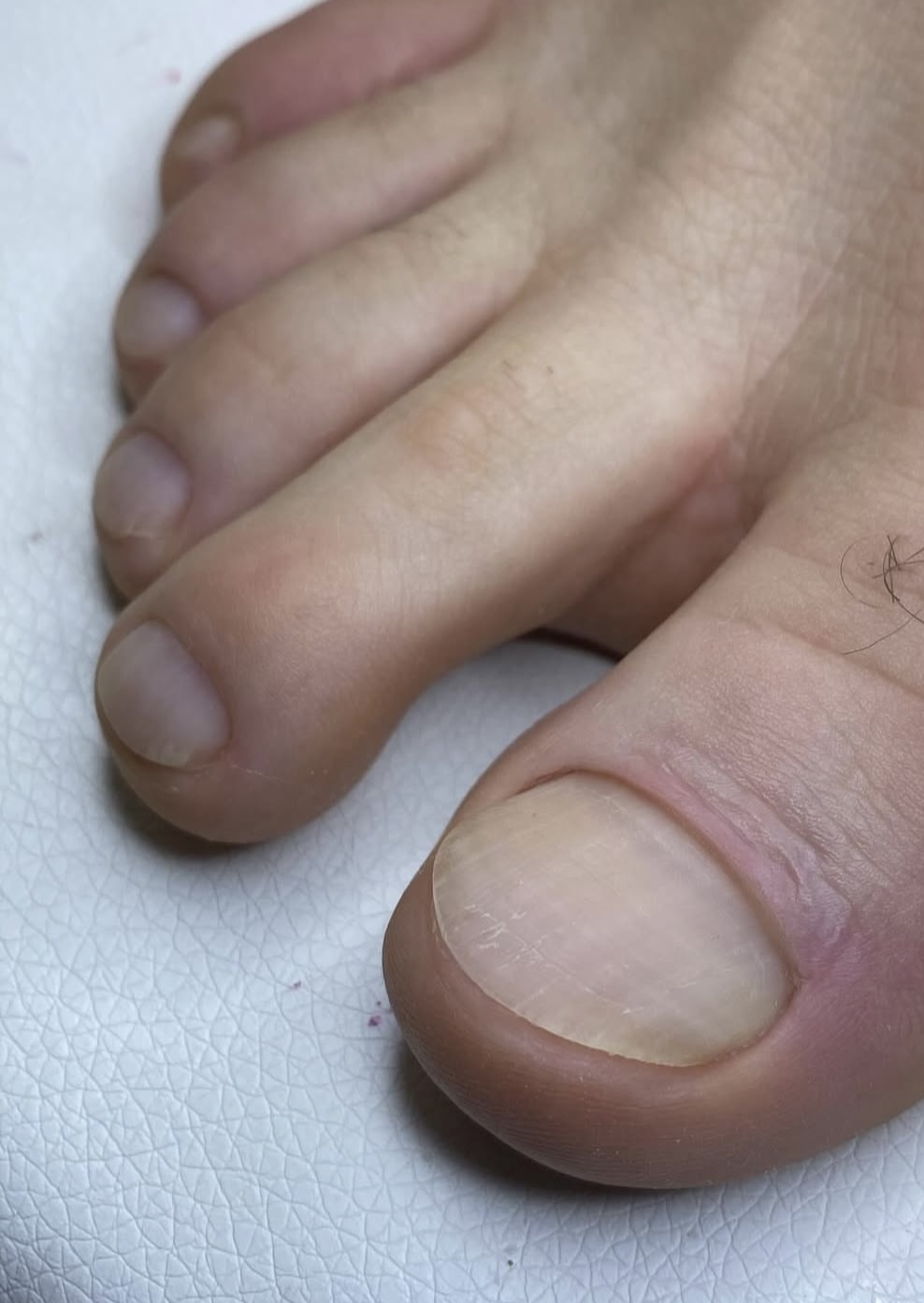
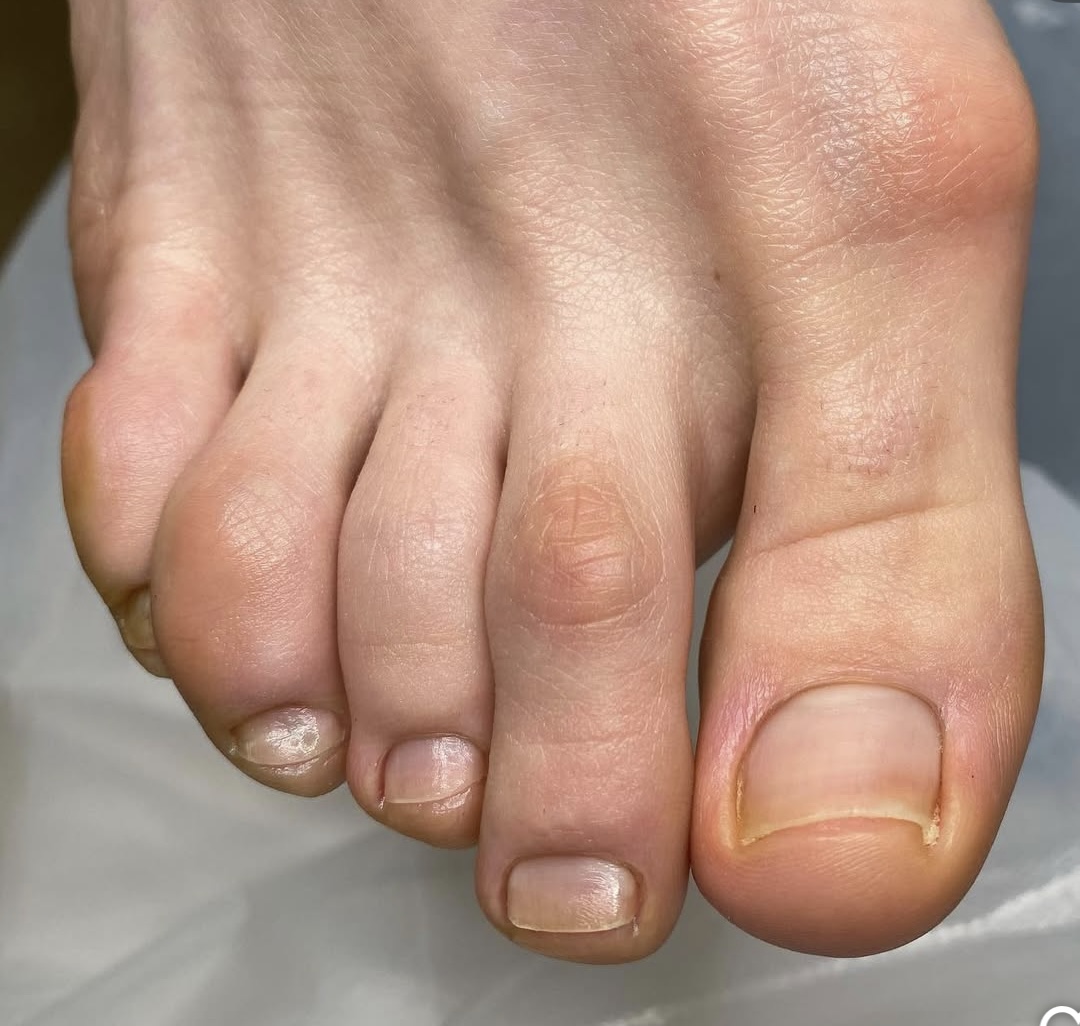
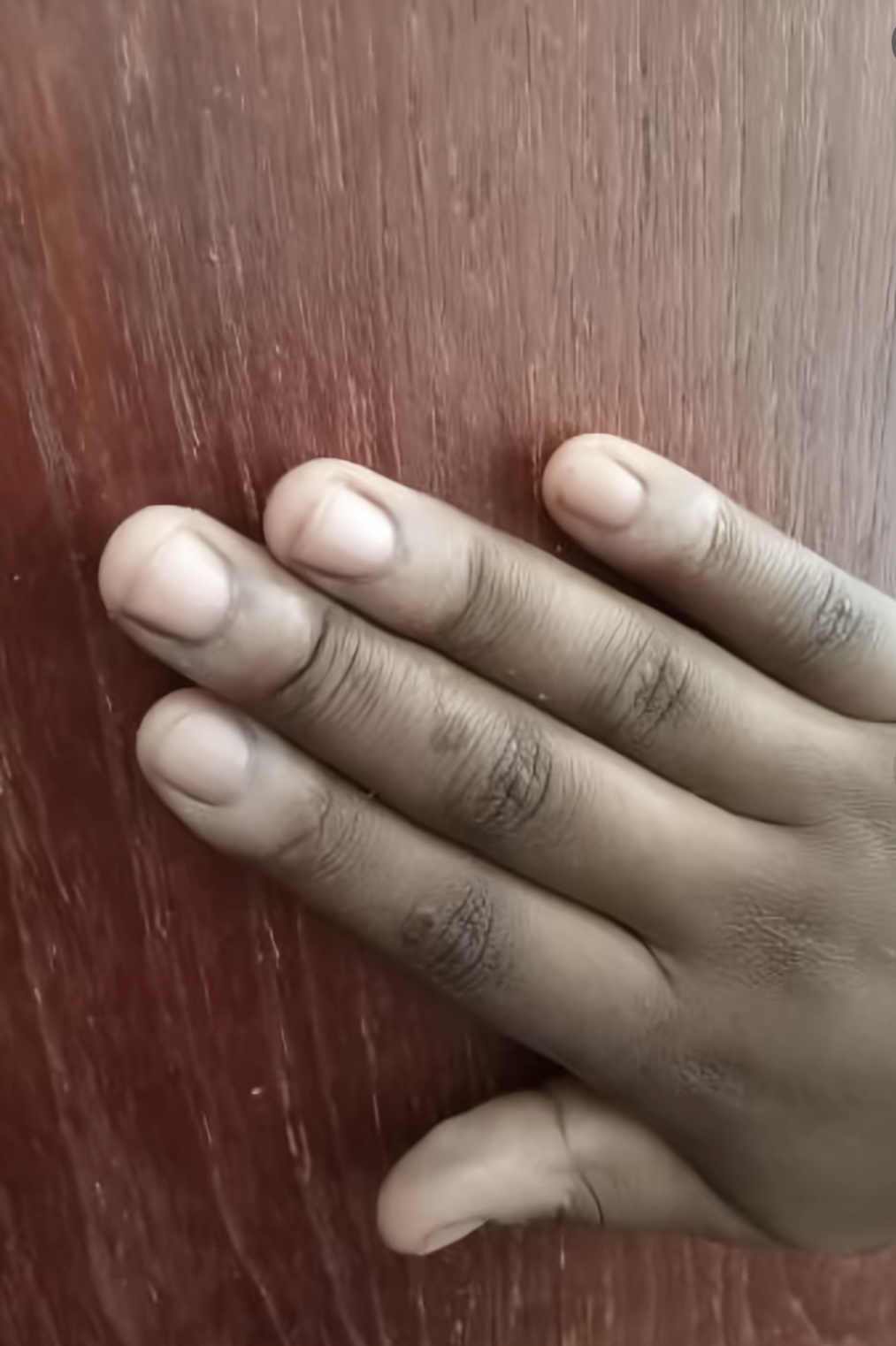
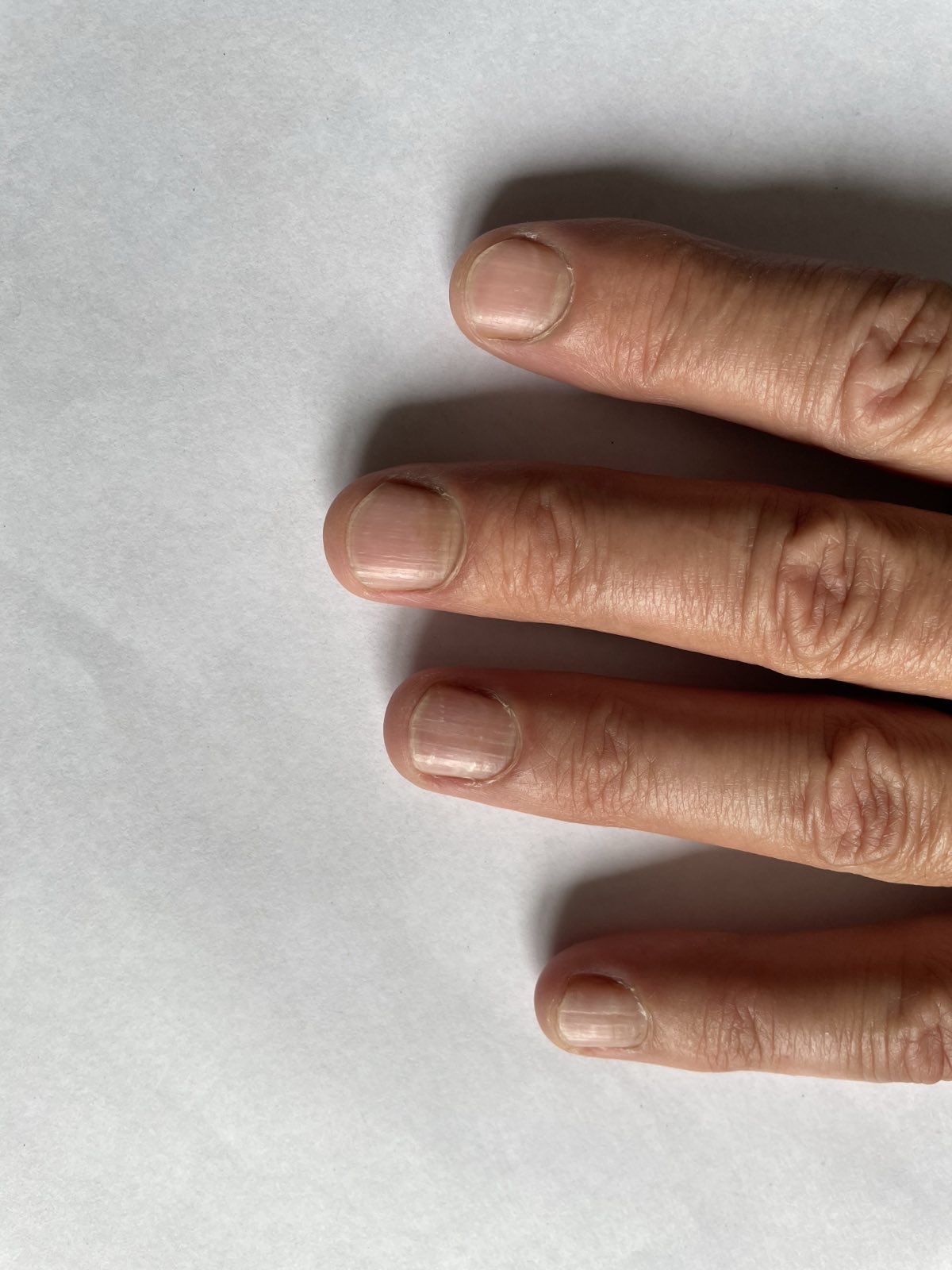
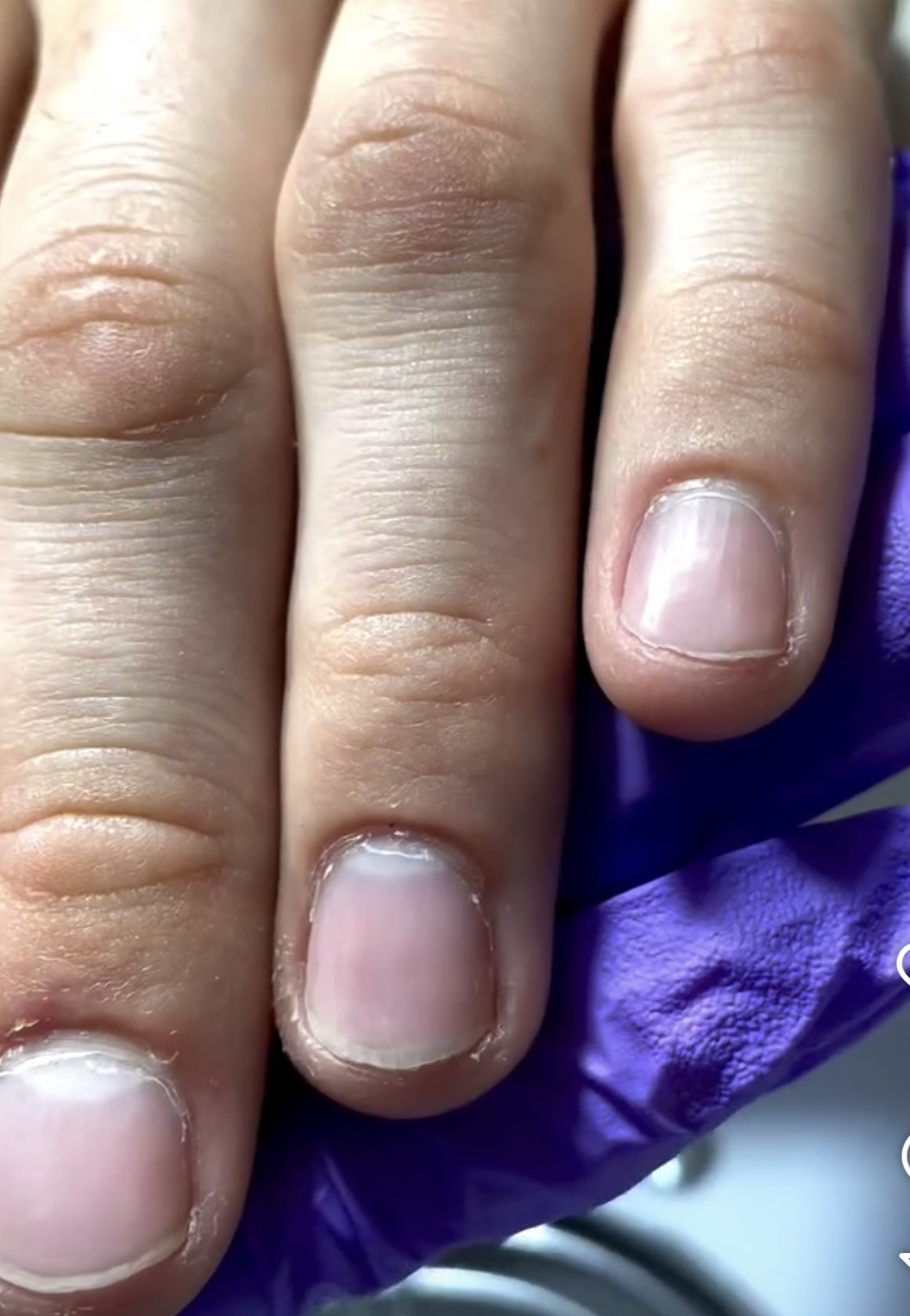
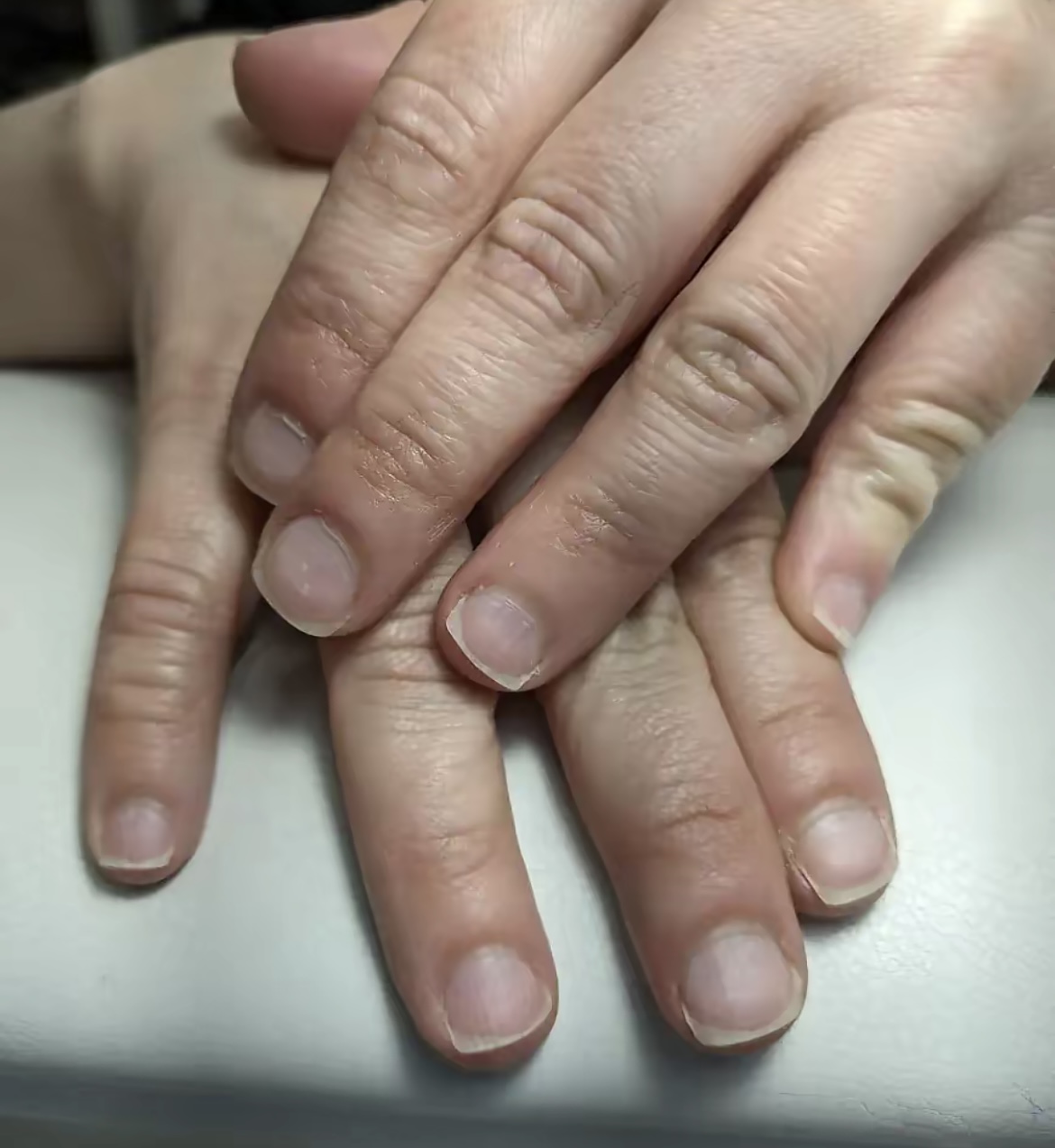
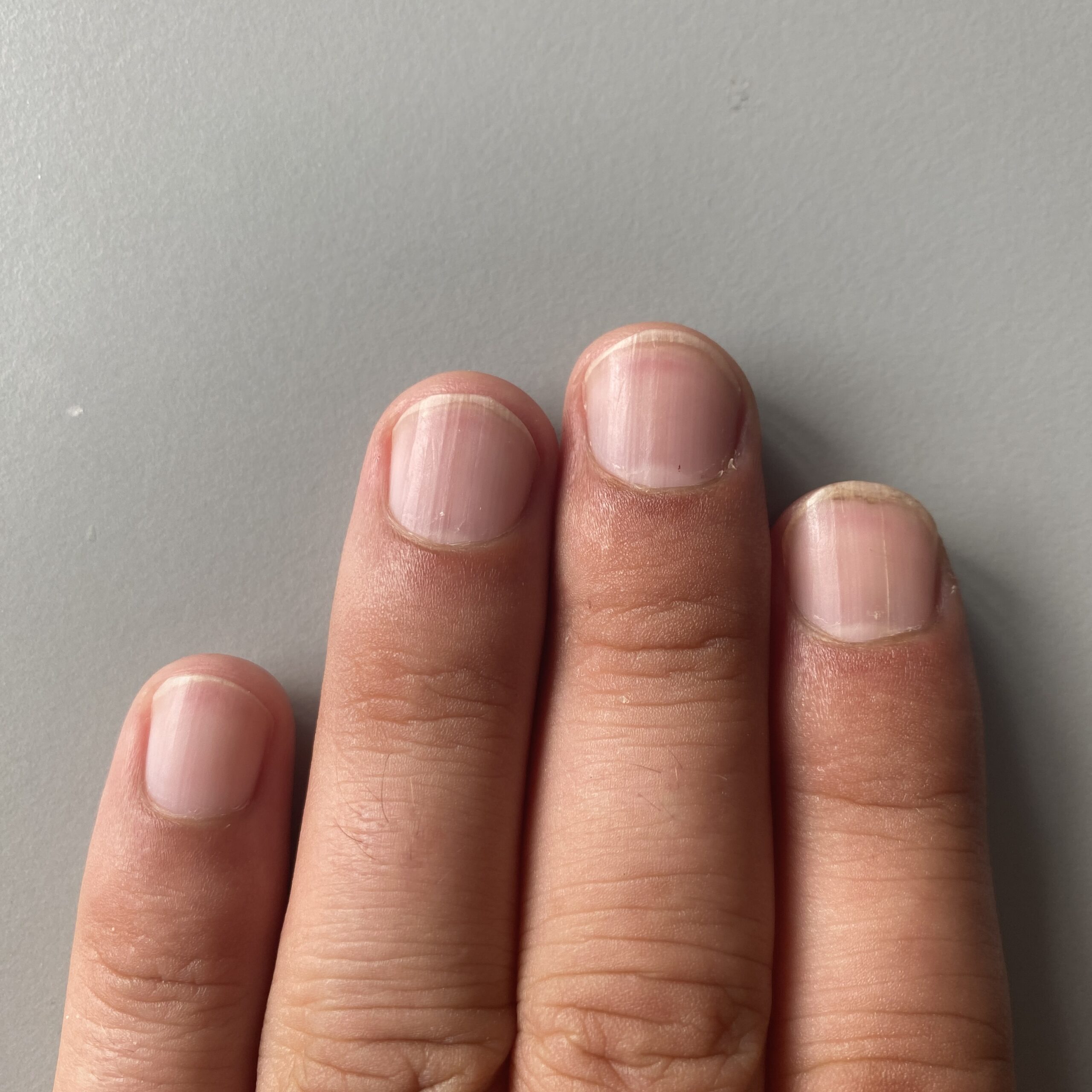
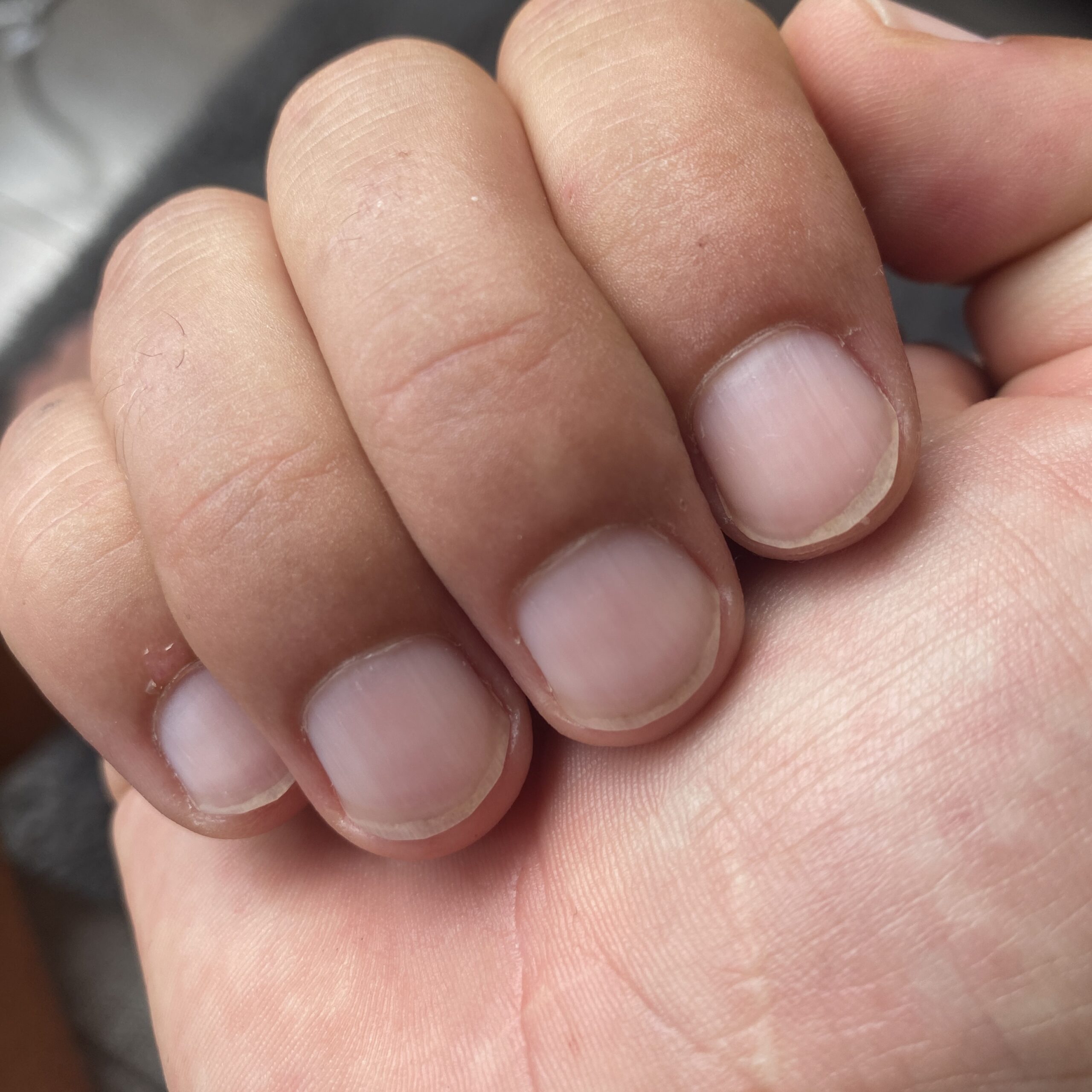
Healthy nails have a smooth and even surface without pronounced irregularities.
The color ranges from light pink to transparent with a natural shine. The nail plate is firmly attached to the nail bed and does not separate.
Shape may vary between individuals, but normally it is symmetrical and neat.
Nails should be strong enough not to break under normal load and should not split.
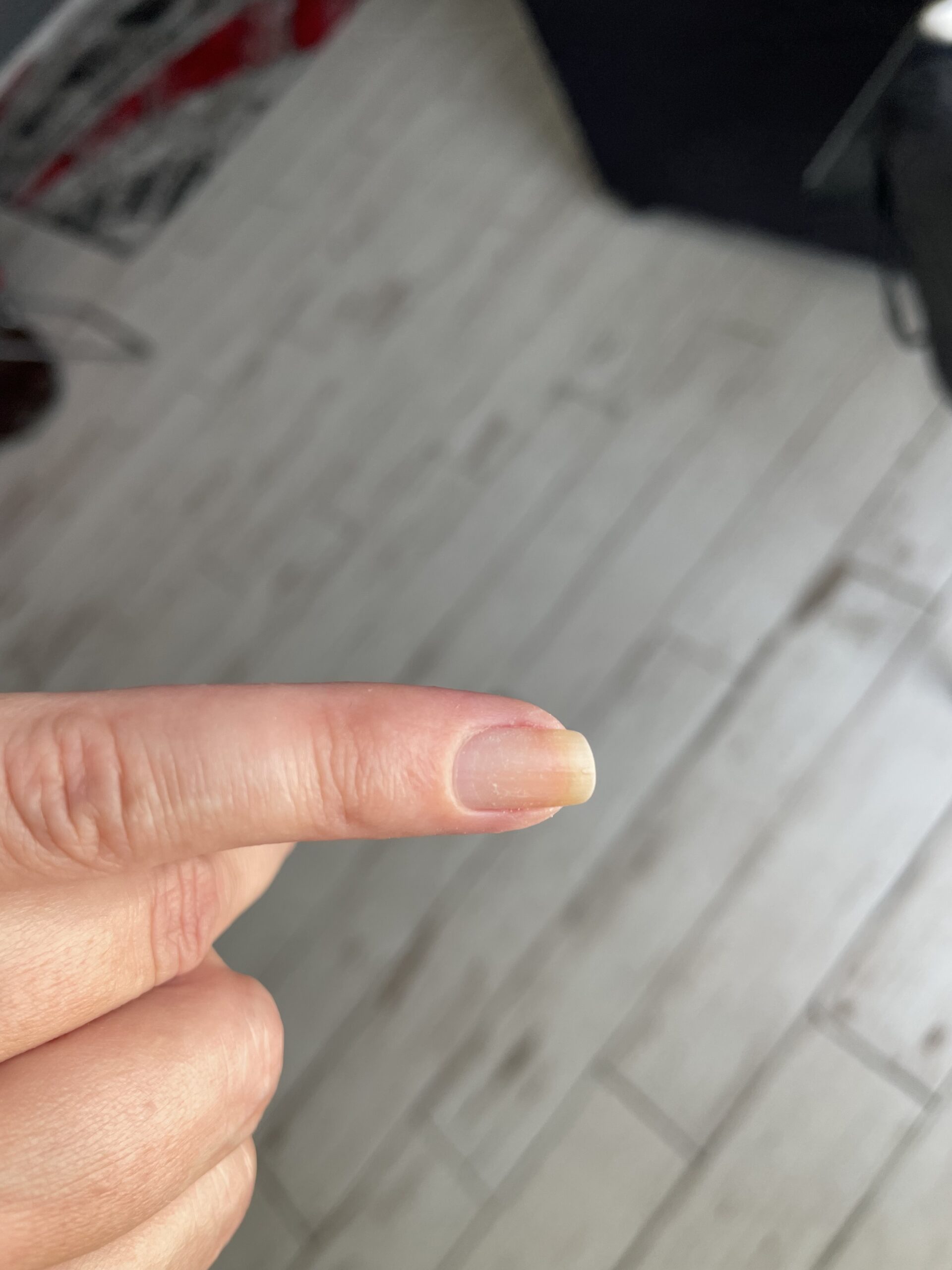
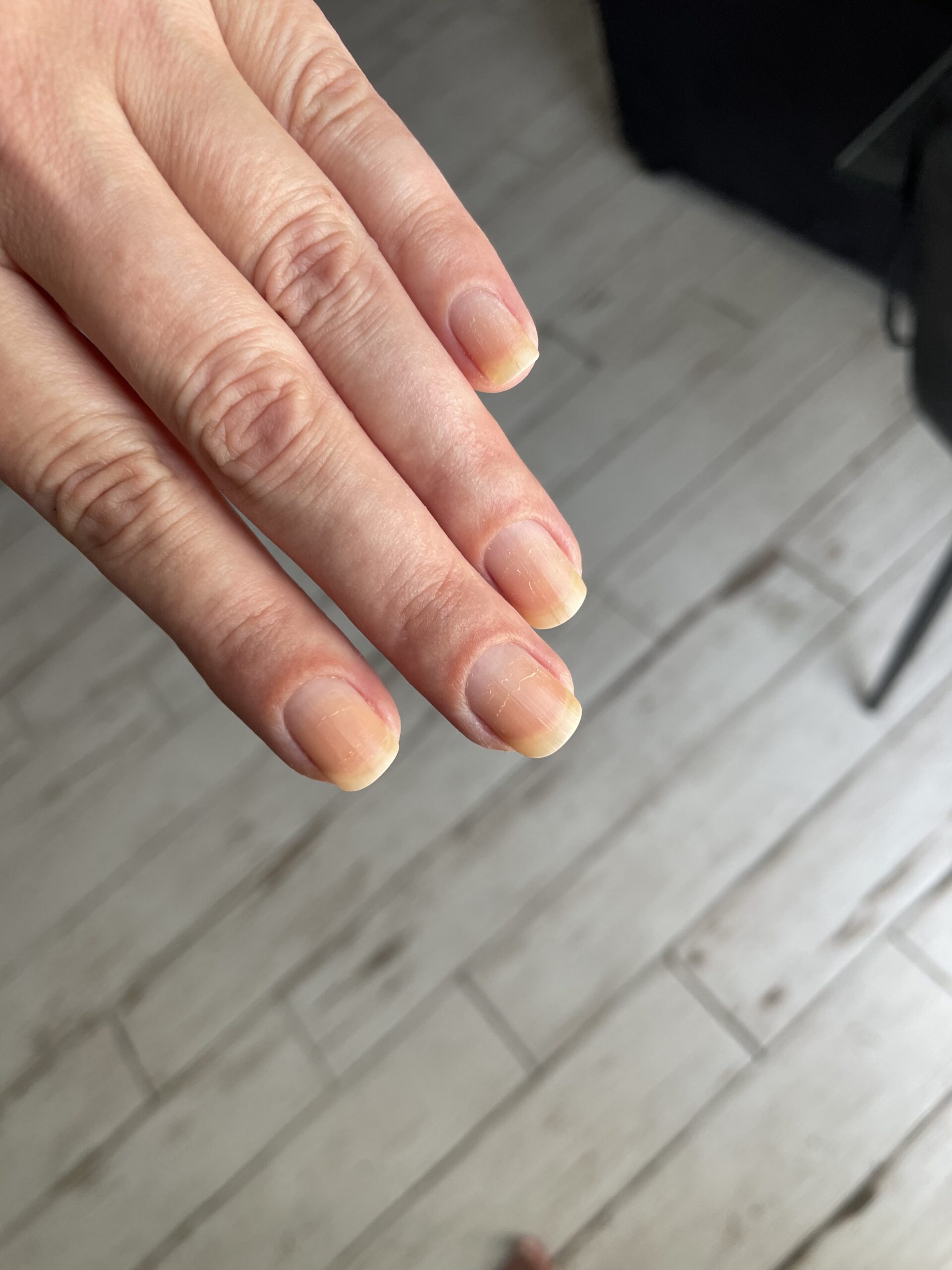
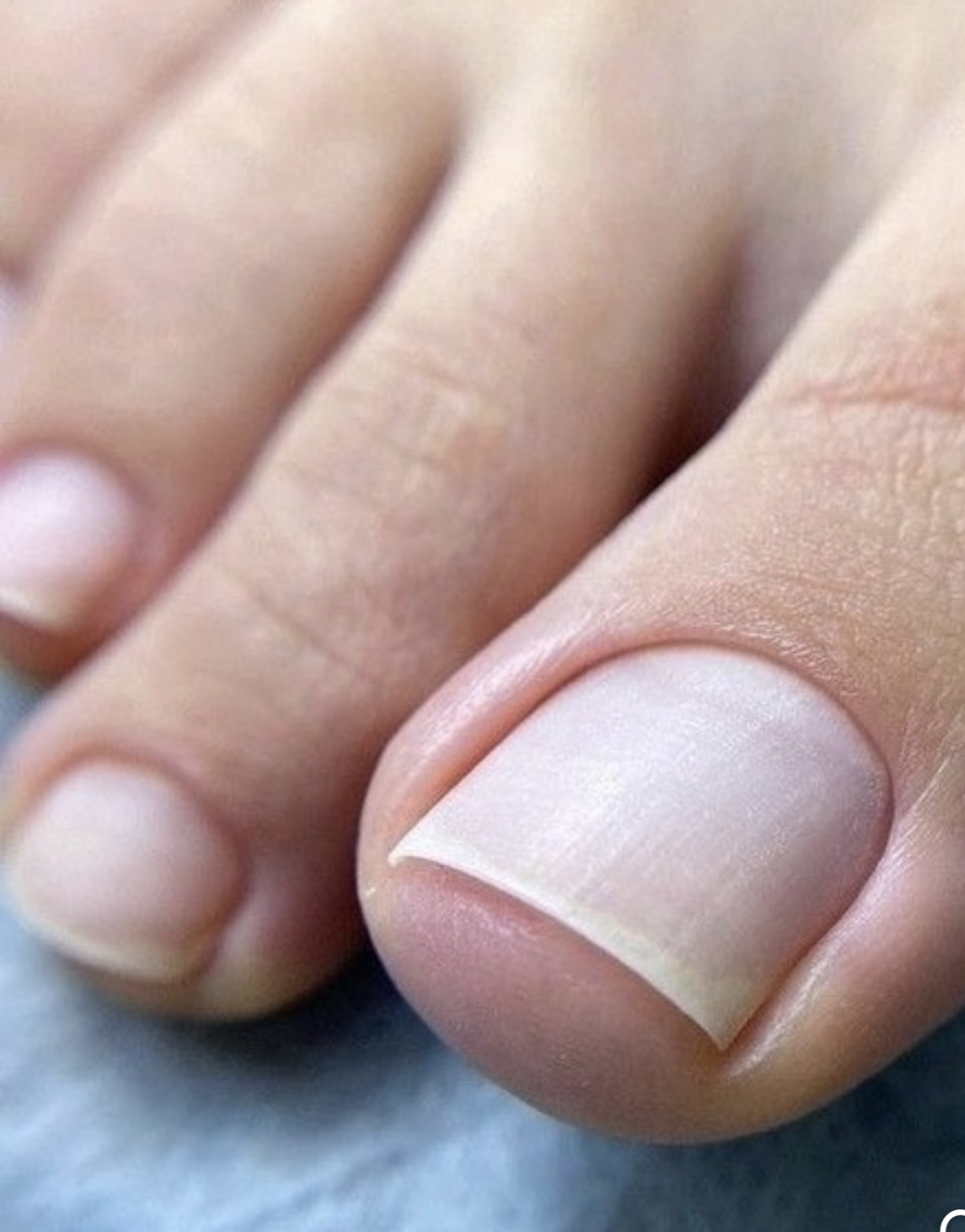
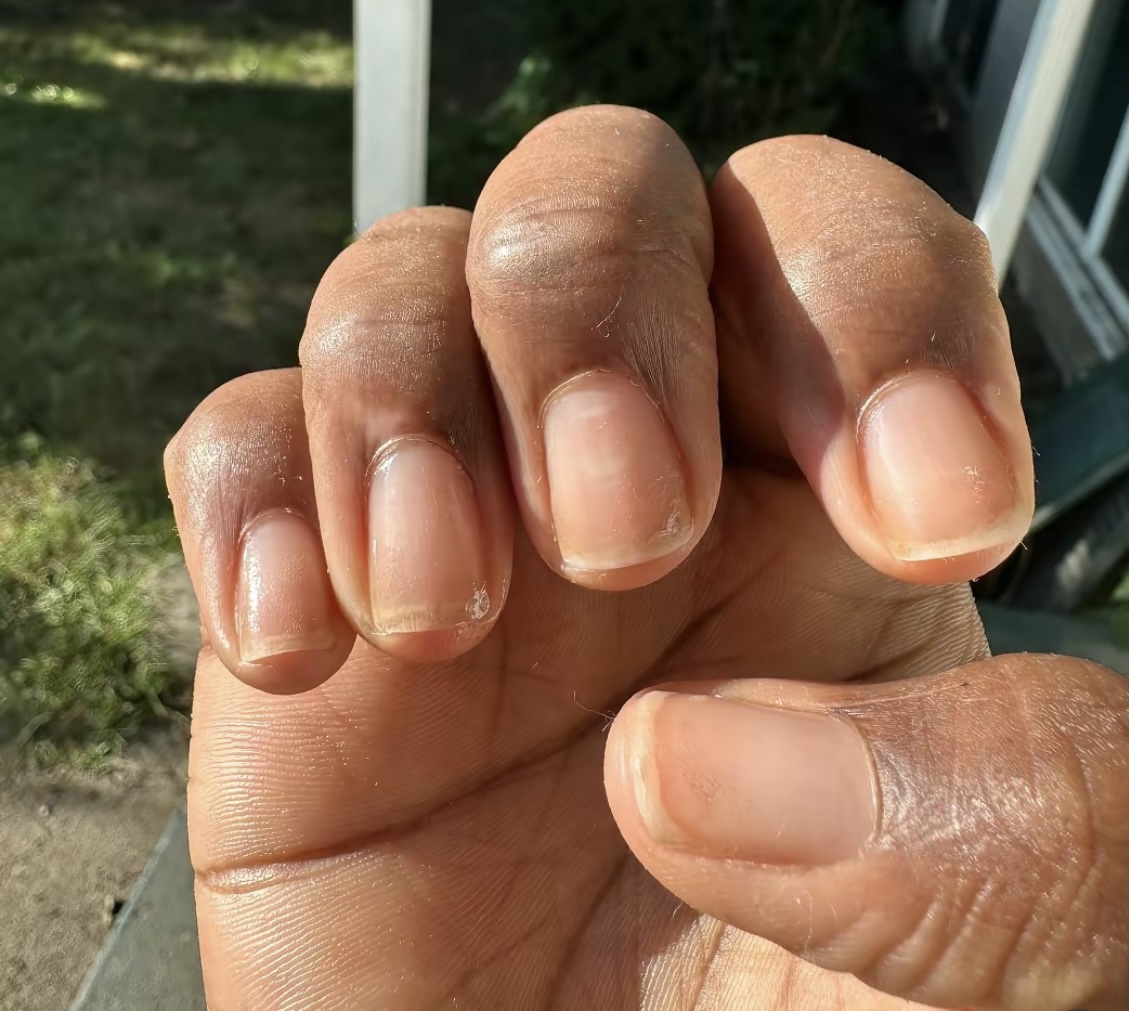
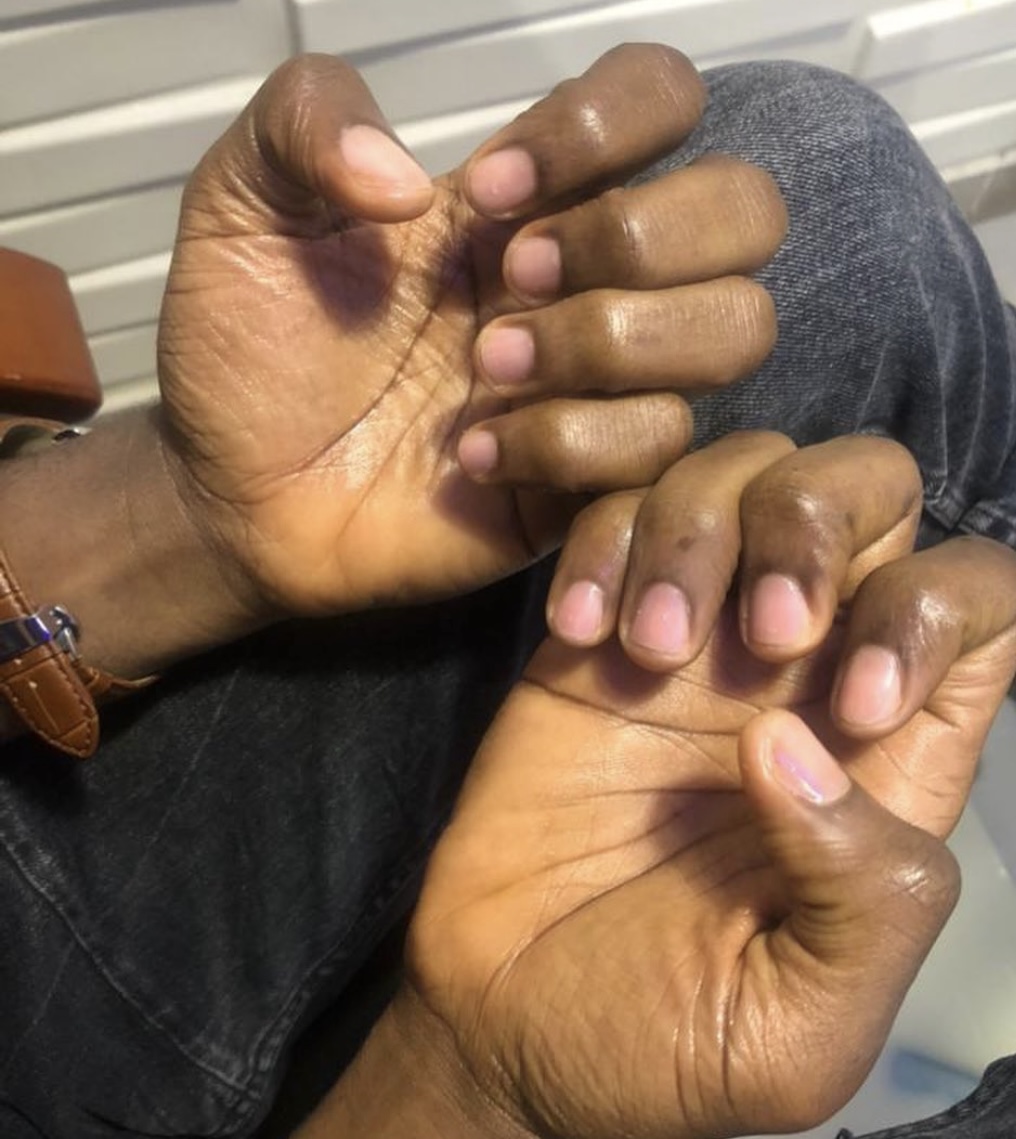
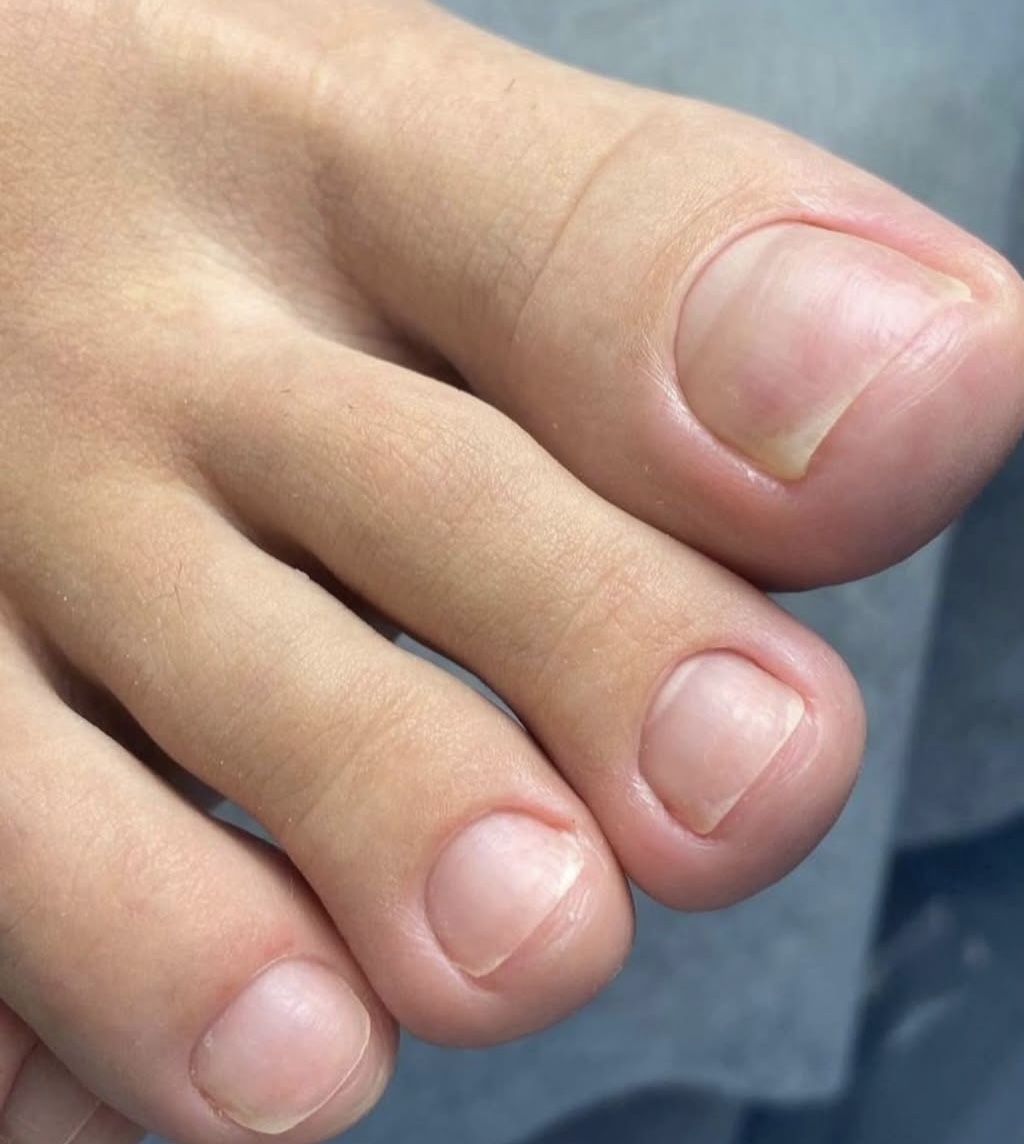
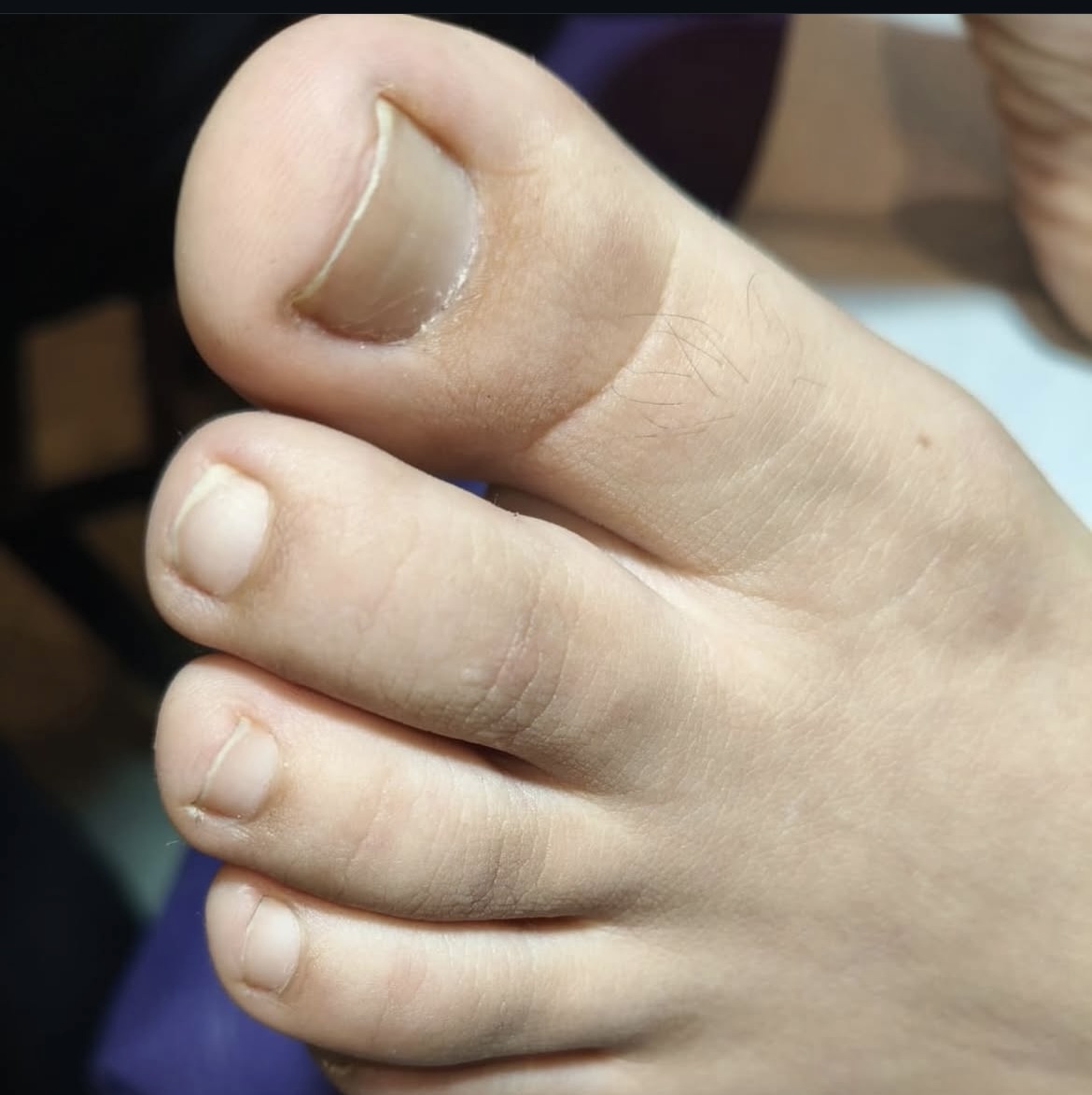
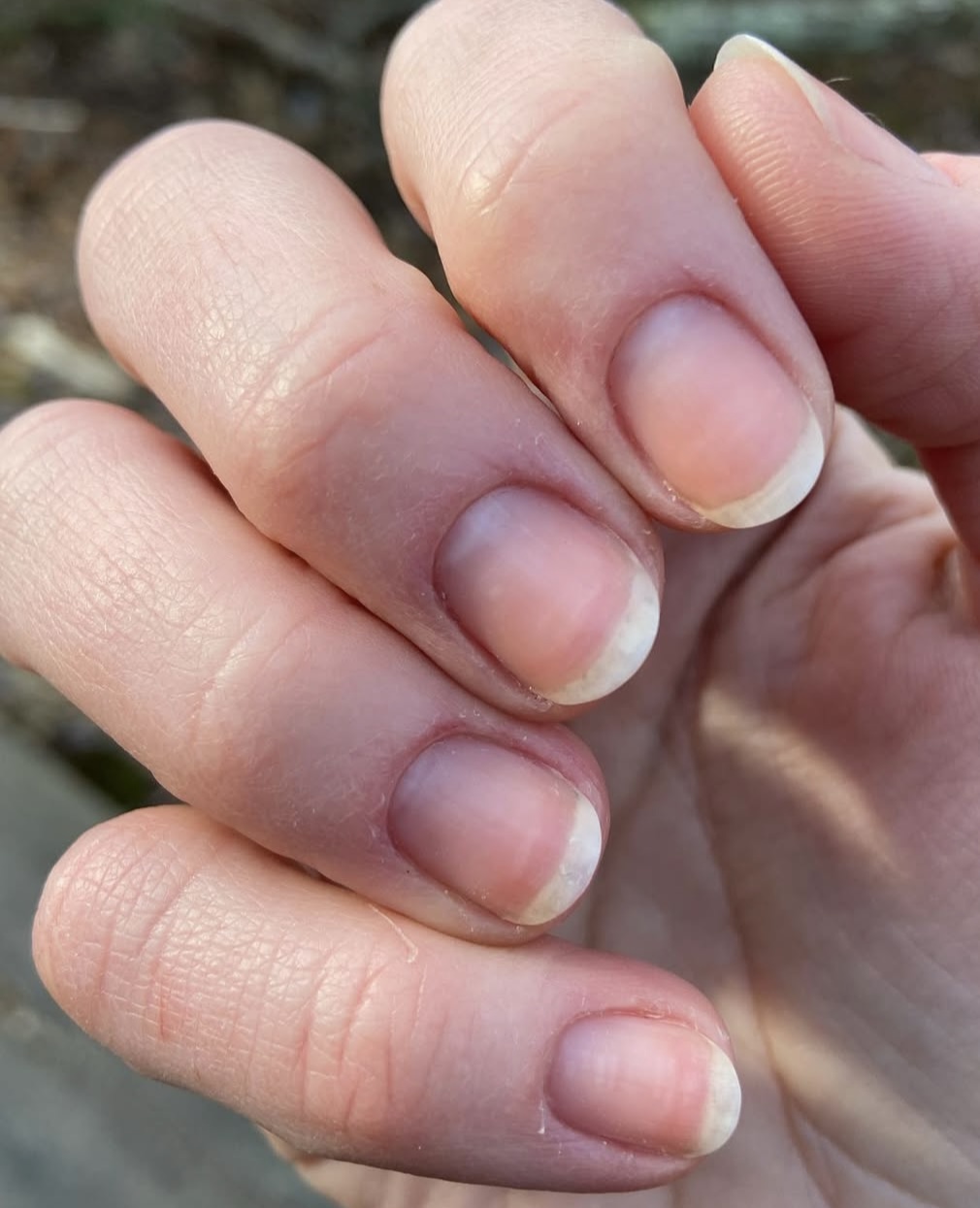
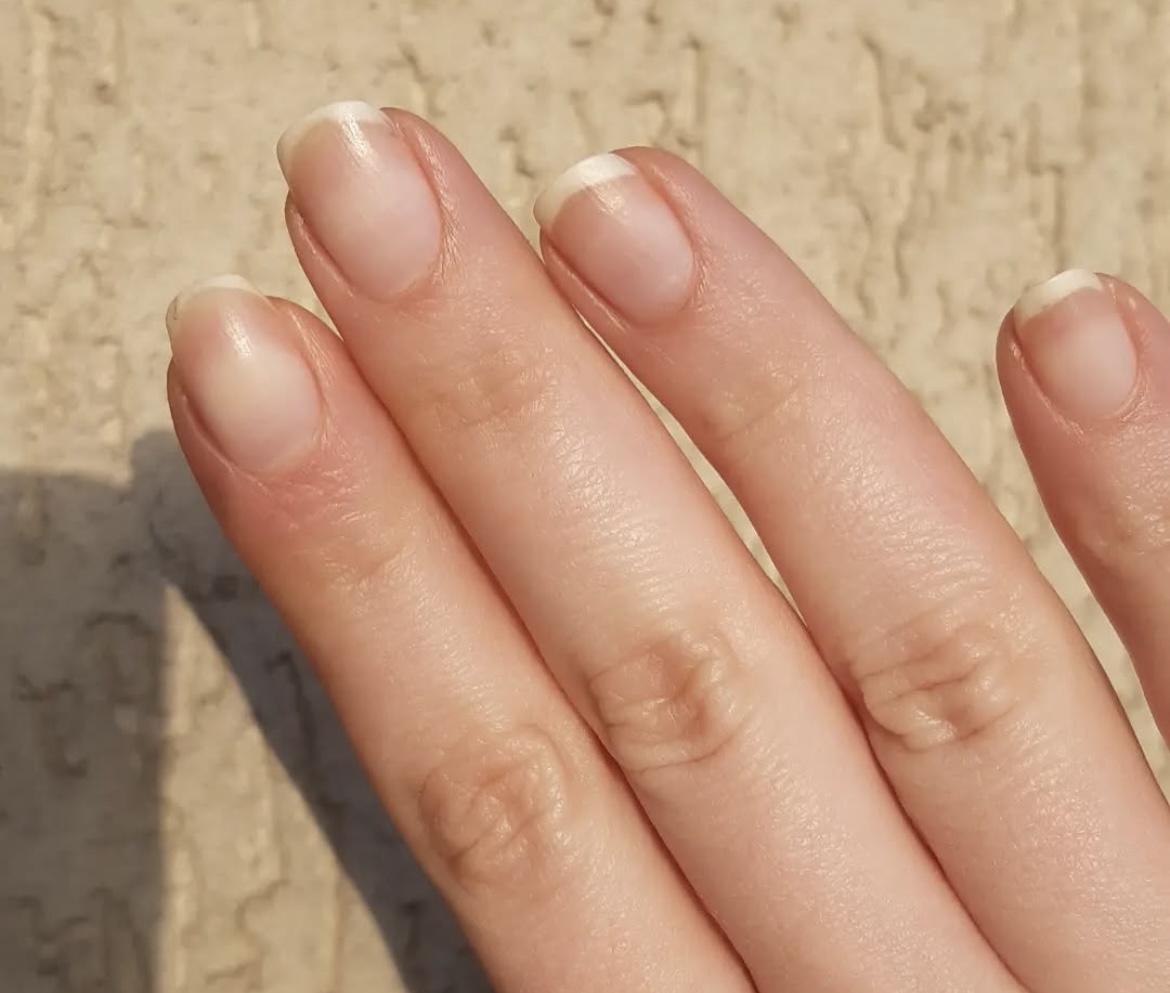
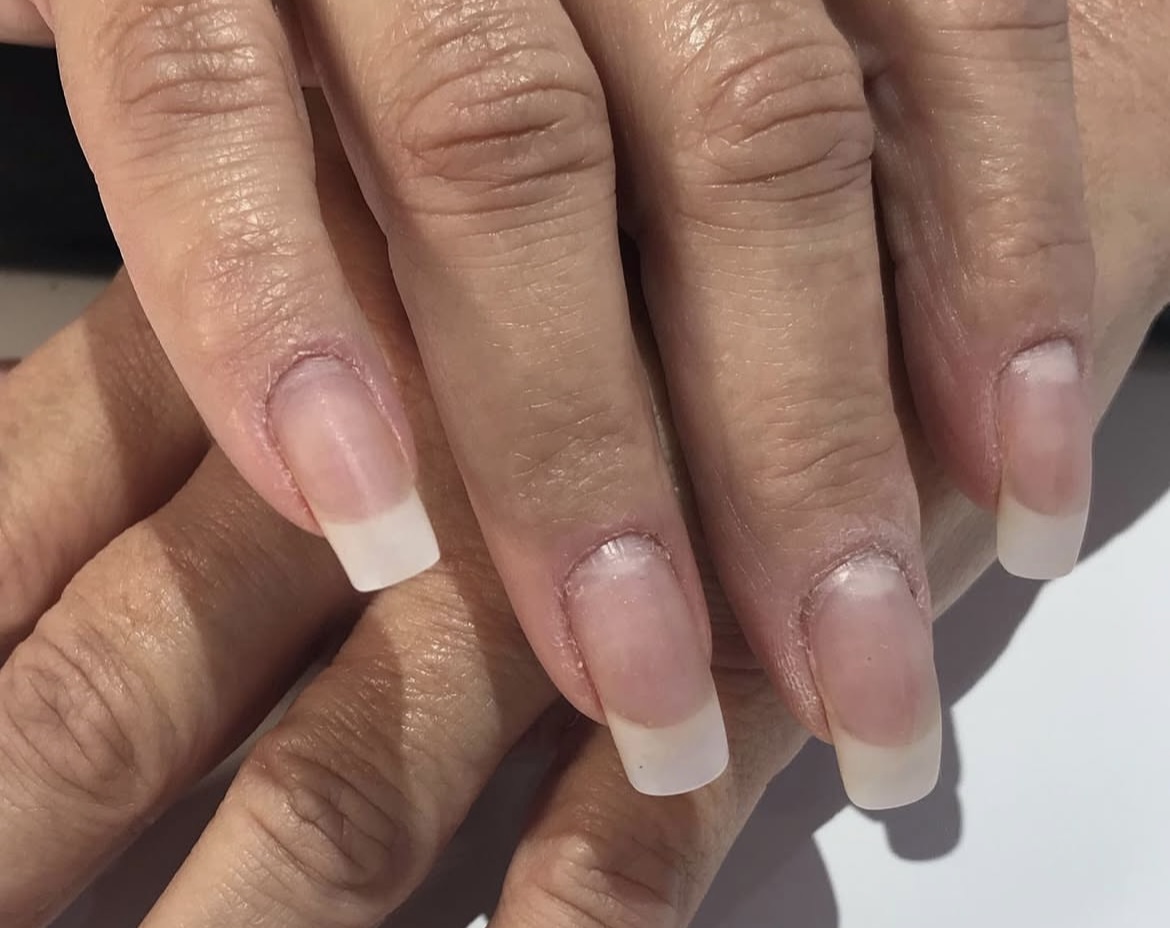
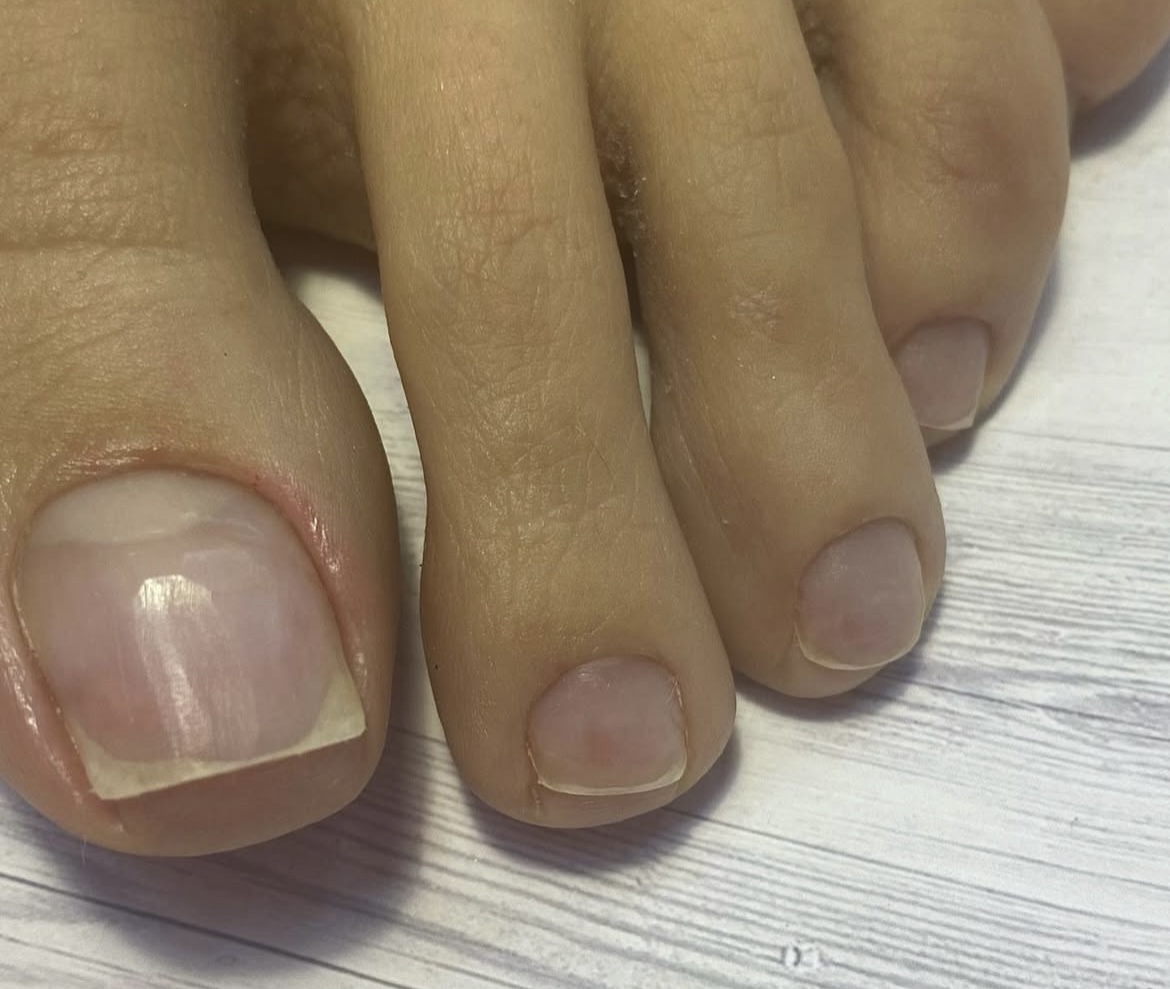
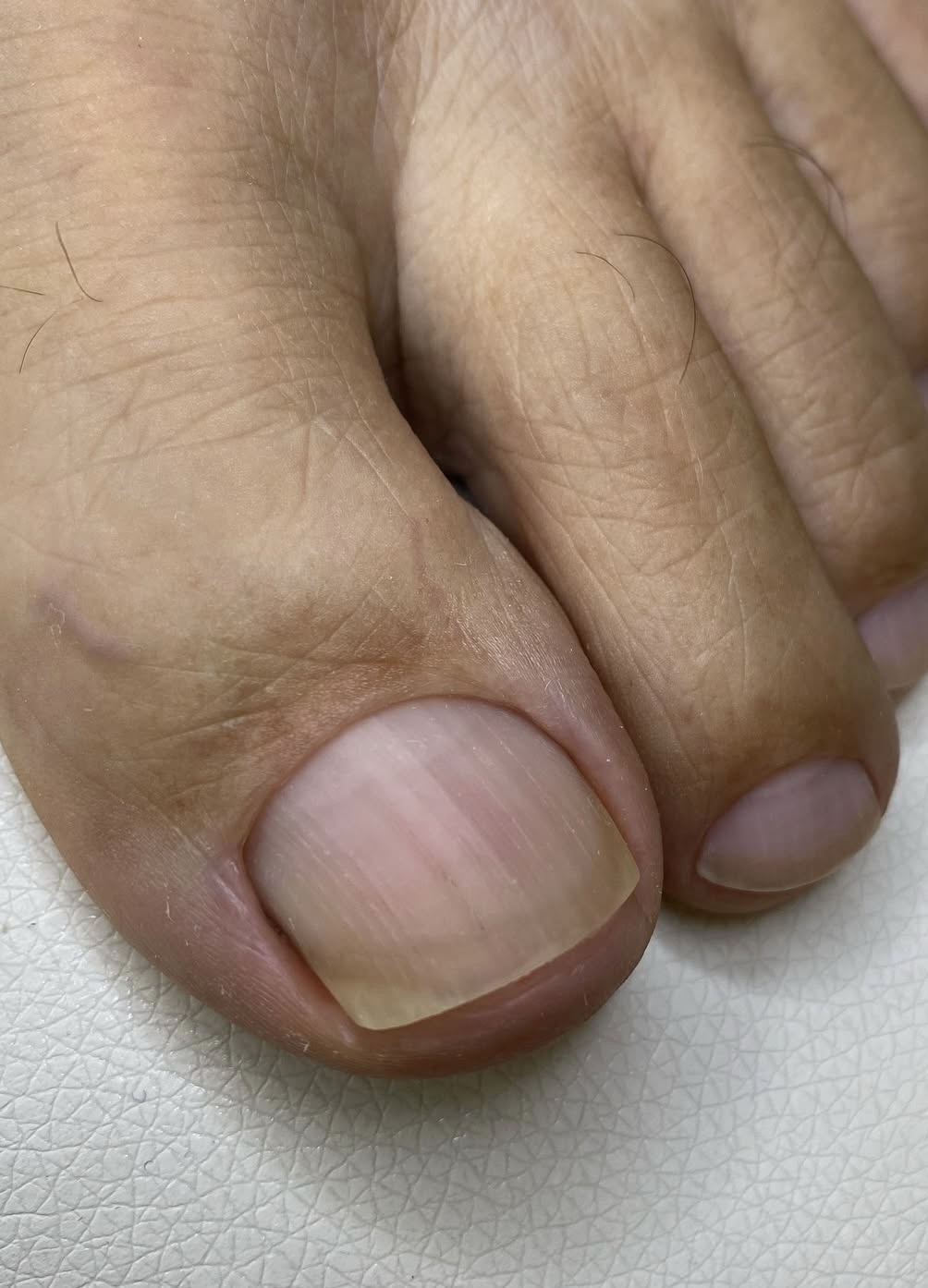
Below in the article you can view real photos to better understand what healthy nails look like.
Main signs of healthy nails
Key characteristics:
- smooth and even surface,
- uniform color without spots,
- moderate strength and flexibility,
- absence of pain or discomfort,
- firm attachment to the nail bed (skin under the nail).
Small longitudinal ridges or temporary brittleness may be a normal variation.
What affects nail condition
Nail condition depends on a combination of internal and external factors.
Internal factors:
- genetic characteristics,
- nutrition and vitamin levels,
- overall health condition.
External factors:
- frequent contact with water and chemical agents,
- mechanical damage,
- improper manicure or pedicure,
- exposure to cold and dry air.
Lifestyle also plays a role — stress and lack of sleep can affect nail condition.
How nails grow and renew
Nails grow from an area located at their base — the matrix. This is where new nail cells are formed.
As the nail grows, it gradually moves forward. Fingernails generally grow faster than toenails.
If the matrix is damaged, it can affect the shape and quality of the nail.
When to pay attention to changes
Even with good care, changes may occur that require attention.
A doctor should be consulted if:
- nails change color (yellow, dark, or spotted),
- there is pronounced thickening or deformation,
- the nail separates from the skin,
- pain or inflammation appears around the nail,
- brittleness becomes severe and persistent.
Such signs may indicate nail diseases or general health conditions.
Nail care
Proper care helps maintain healthy nails.
Basic principles:
- regular trimming and filing,
- gentle manicure without damaging the cuticle,
- use of moisturizing products,
- limiting exposure to harsh substances.
It is important to avoid overly aggressive tools and not cut the cuticle too deeply.
Hygiene and daily habits
Maintaining hygiene plays an important role.
It is recommended to:
- wash hands and dry them thoroughly,
- not use other people’s manicure tools,
- wear comfortable shoes to avoid pressure on toenails,
- give nails a “rest” from decorative coatings.
Such habits reduce the risk of damage and nail problems.
Q&A
Do I need to care for nails if they look healthy?
Yes, regular care helps maintain their condition and prevent problems.
How can I strengthen nails?
Gentle handling, protection from external factors, and regular moisturizing are important. A doctor may give additional recommendations if needed.
Can I do manicure often?
Yes, but it must be gentle and not damage the nails or surrounding skin.
Why do nails become brittle?
It may be related to dryness, frequent contact with water, or external damage.
Do I need to use oils for nails?
Yes, they help moisturize nails and cuticles.
Can cuticles be cut?
It is better to do so carefully or use gentle methods to avoid skin damage.
How often should nails be trimmed?
As they grow — usually every 1–2 weeks.
Does nutrition affect nails?
Yes, a balanced diet is important for normal growth and strength.
Sources
- American Academy of Dermatology (AAD)
- European Academy of Dermatology and Venereology (EADV)
- World Health Organization (WHO)
Images of healthy nails:
** Should you identify any copyright infringement regarding the images on this page, kindly reach out to us at info@skinive.testovii.fun.
Furthermore, please be advised that these photos are not authorized for any purpose.