
Flat wart is a benign skin growth caused by the human papillomavirus (HPV). It appears as a small, smooth, slightly raised spot on the skin.
These warts are most common in children, teenagers, and young adults. They usually appear on the face, neck, hands, or forearms and often occur in groups.
This is a common and generally harmless condition. Warts can be transmitted through contact, but in most cases they are painless and often disappear on their own over time.
What to do if you suspect it
If you notice small flat lesions on the skin, especially multiple ones, it is important not to take immediate self-treatment actions.
The first step is to see a dermatologist. A specialist will confirm the diagnosis and help distinguish warts from other skin conditions.
Until consultation, avoid scratching or damaging the skin. Even minor injury can lead to new lesions appearing nearby.
It is especially important not to use aggressive treatments without medical advice if the warts are on the face. This can cause irritation or scarring.
Timely consultation helps choose a safe and gentle treatment approach.
How the condition looks
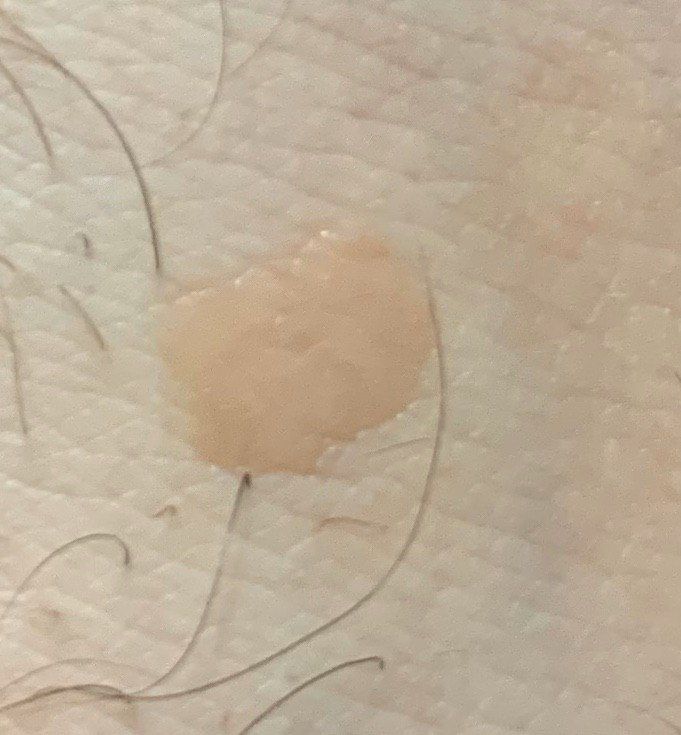
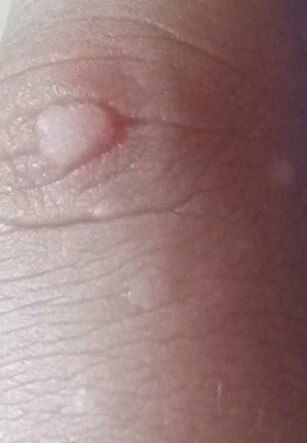
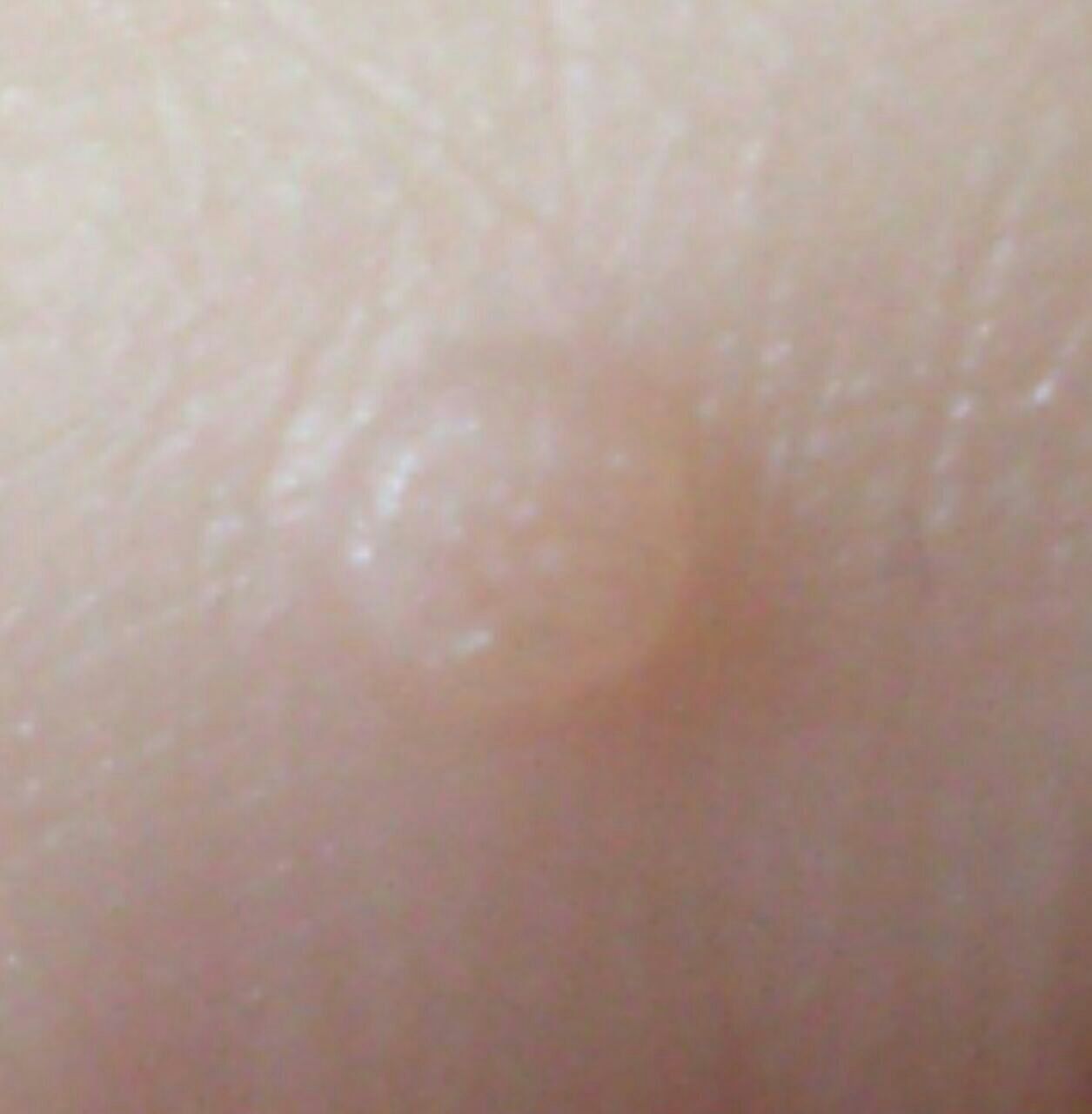
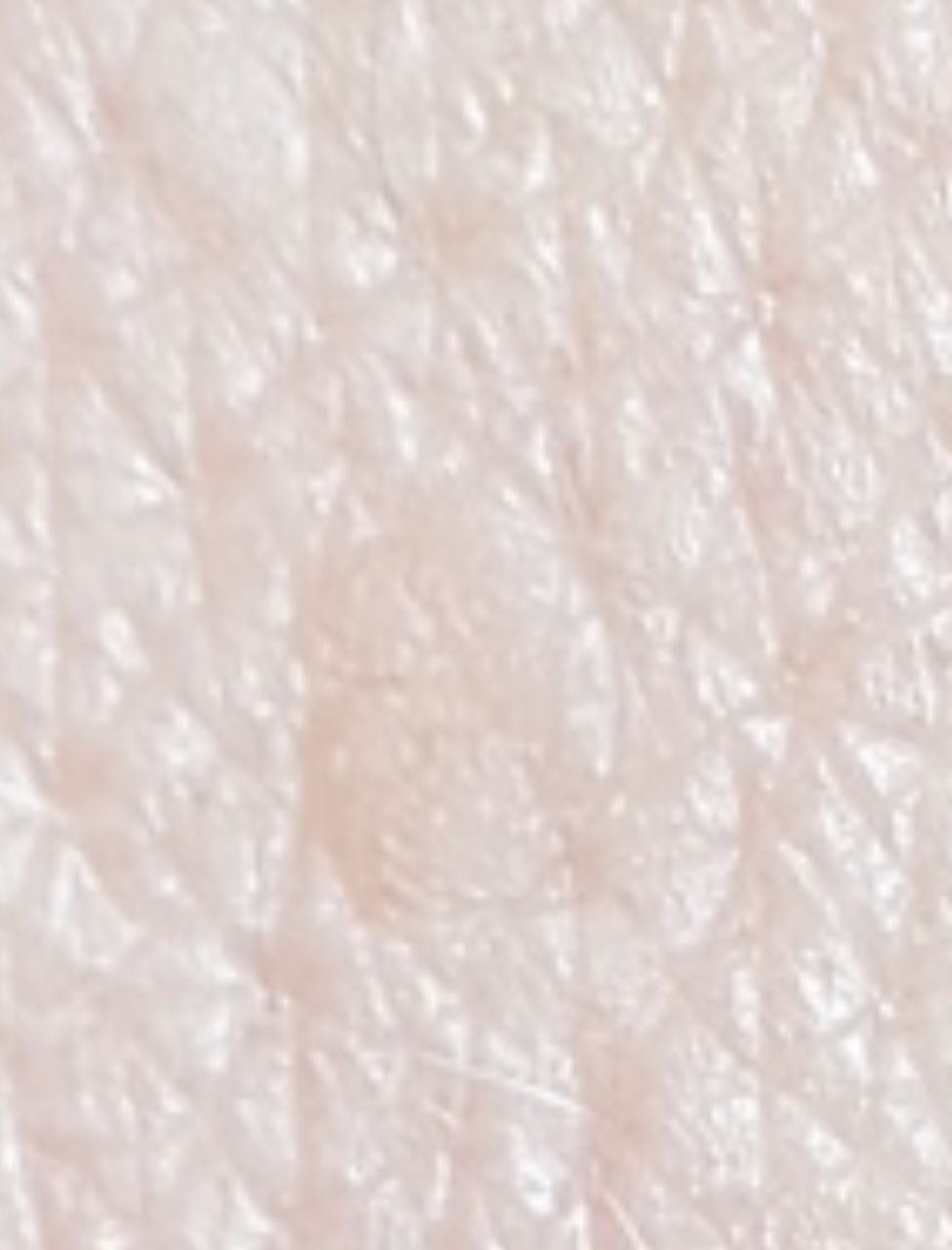
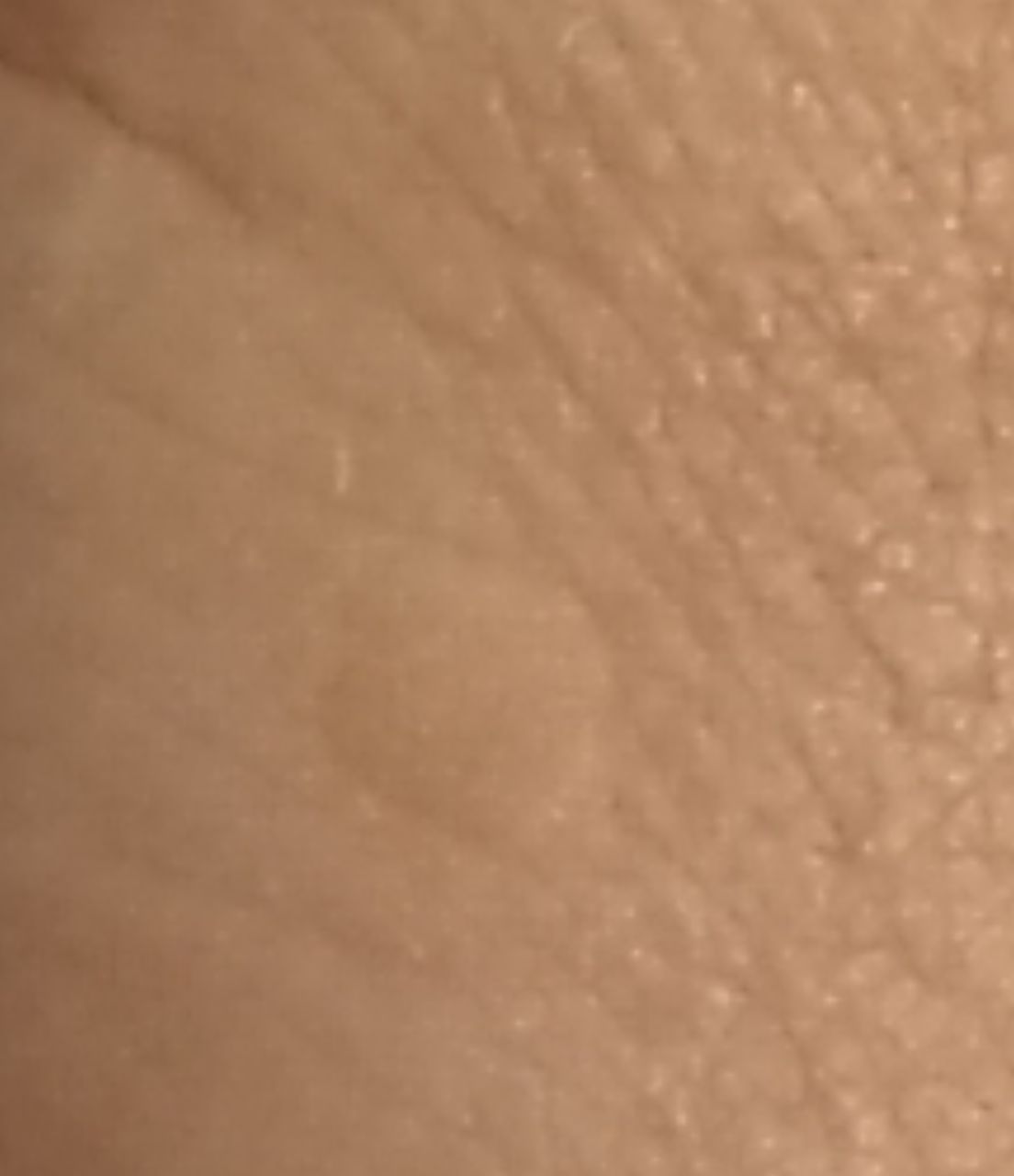
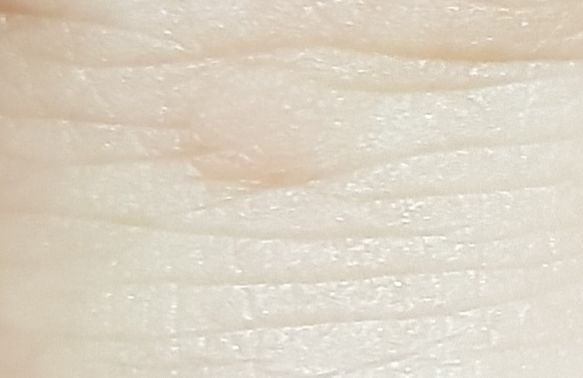
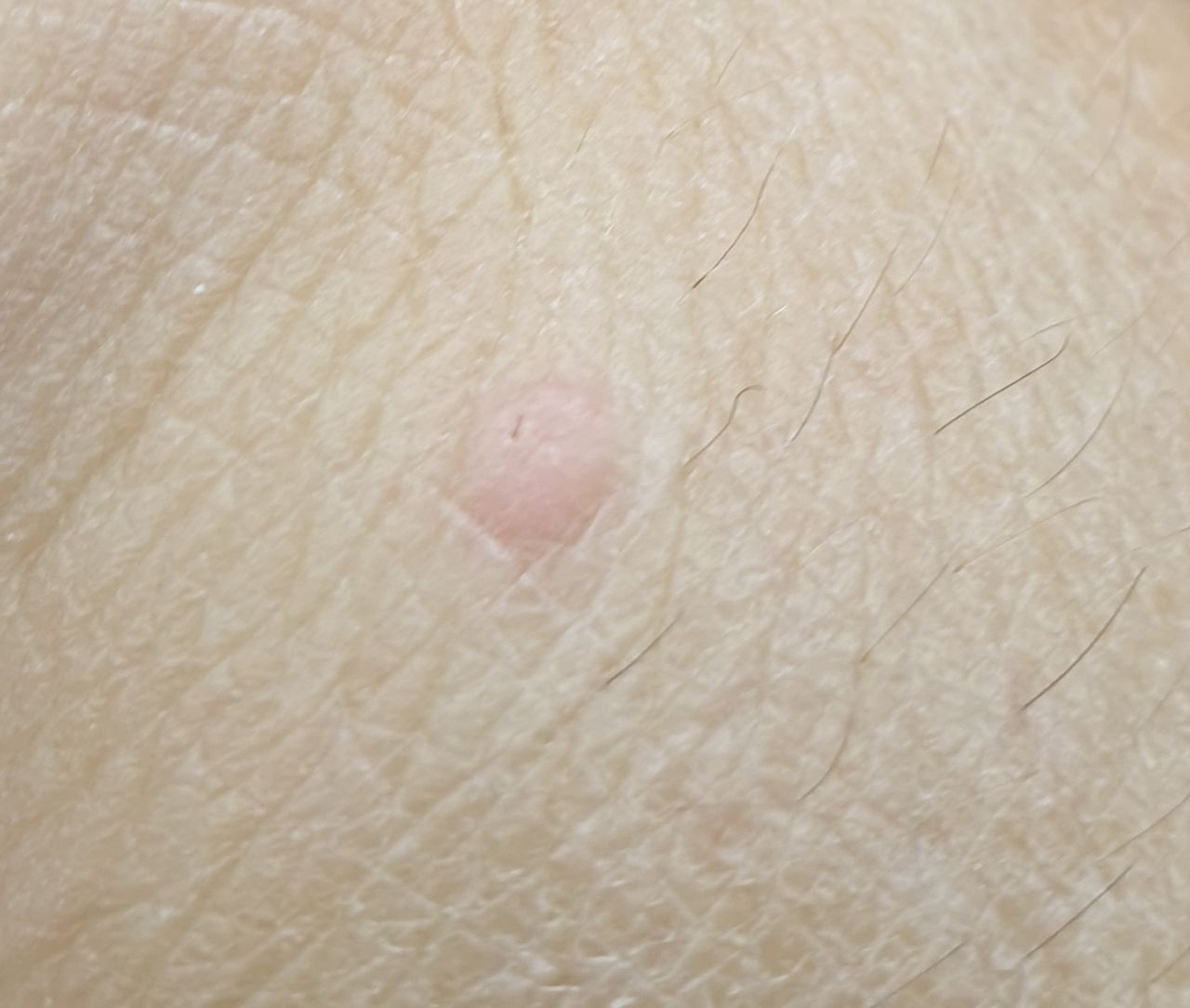
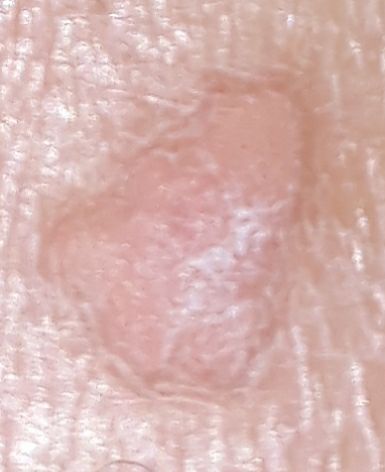
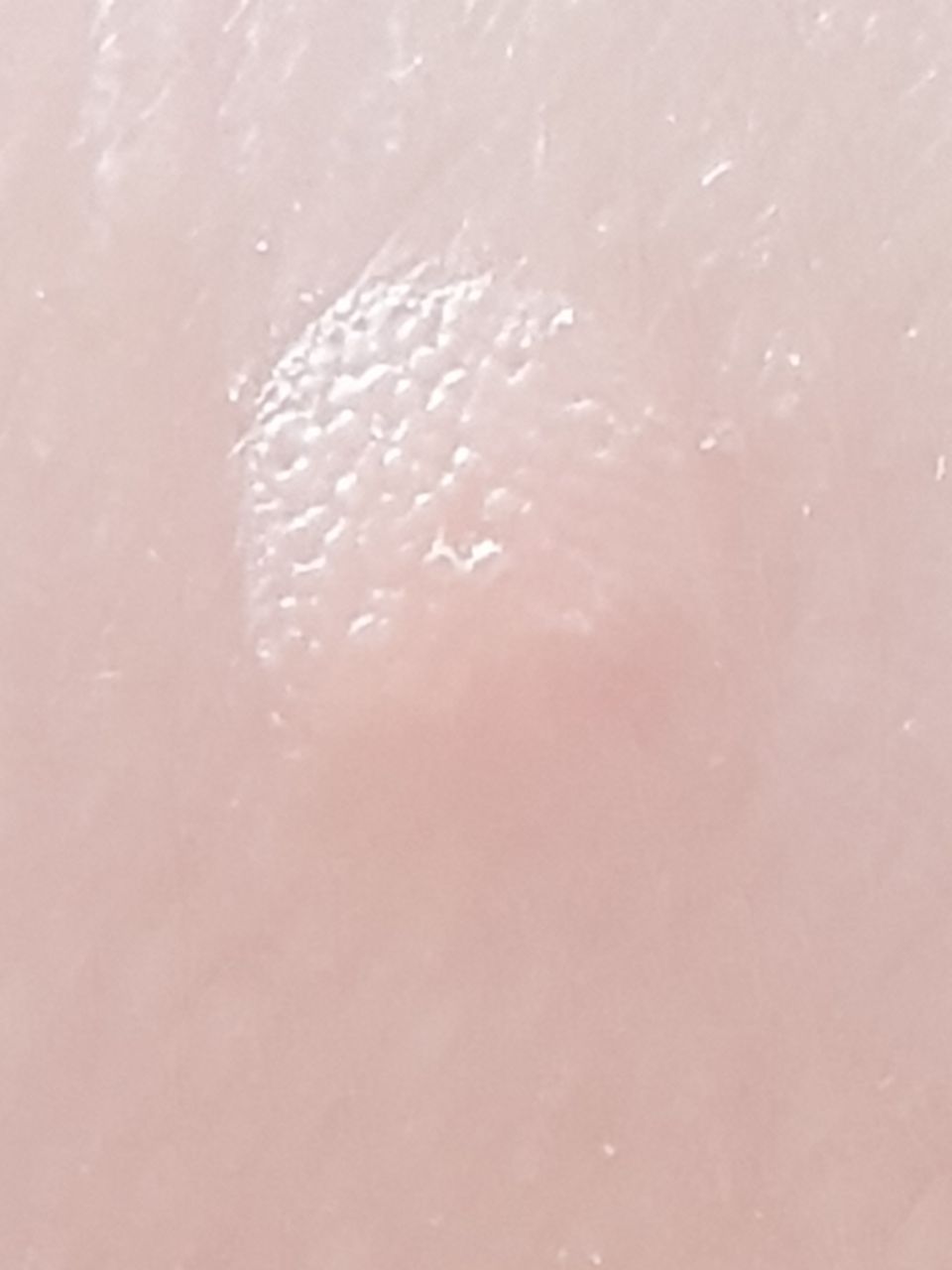
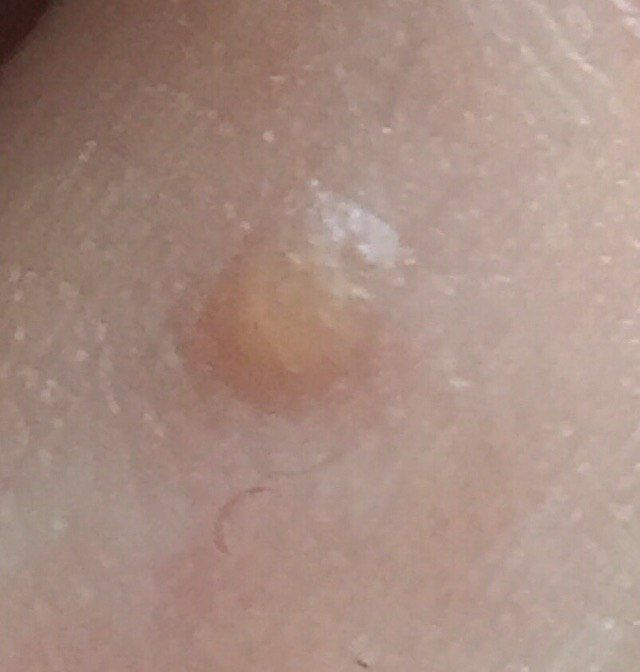
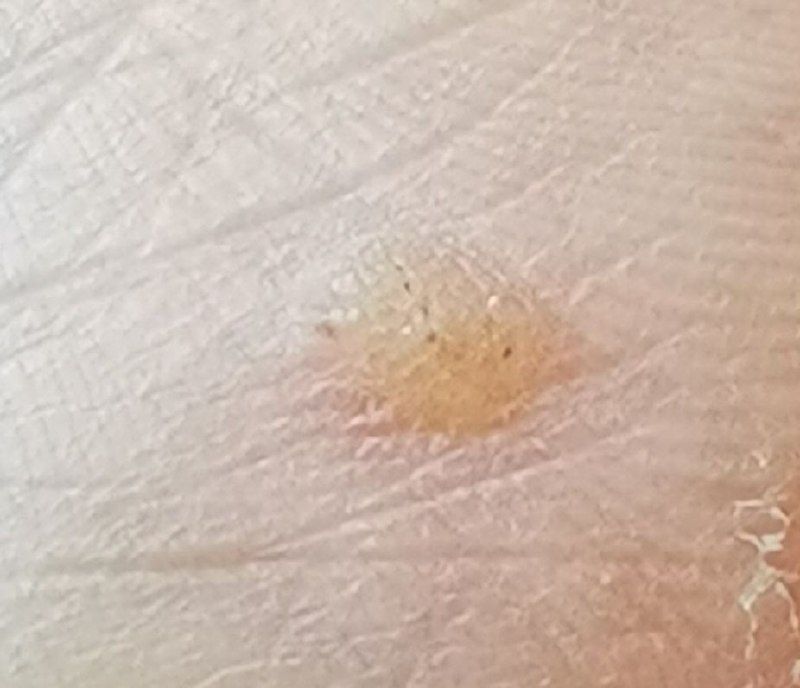
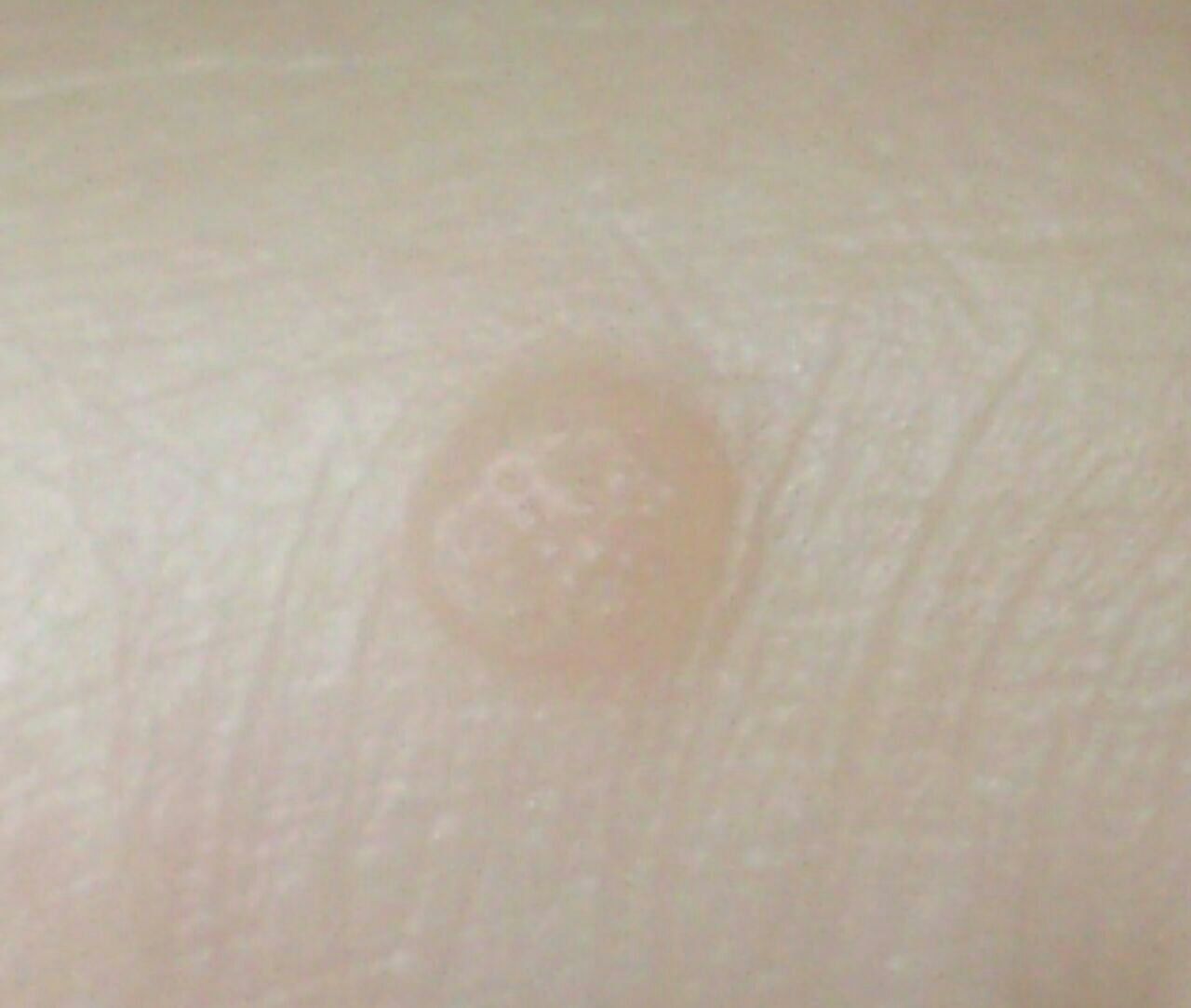
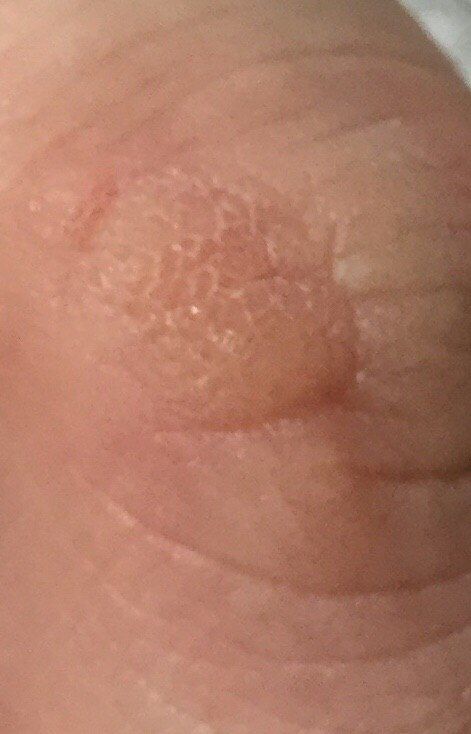
Flat warts usually appear as small (about 1–3 mm) smooth spots on the skin. They may be skin-colored, pinkish, or light brown.
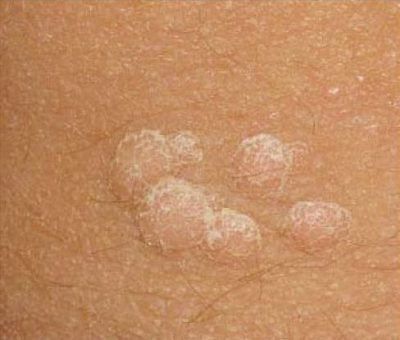
The lesions are slightly raised but remain flat in shape. They often appear in groups—sometimes dozens at a time.
On the face, warts may align along scratch lines or irritated skin areas, due to how the virus spreads through damaged skin.
Over time, lesions may increase in number or merge together.
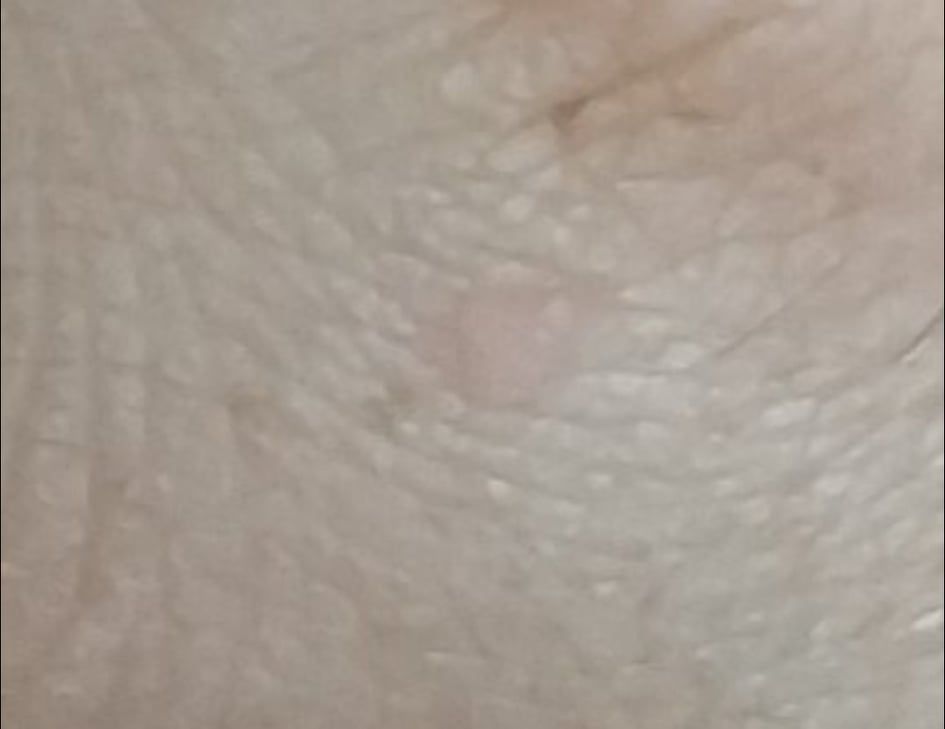
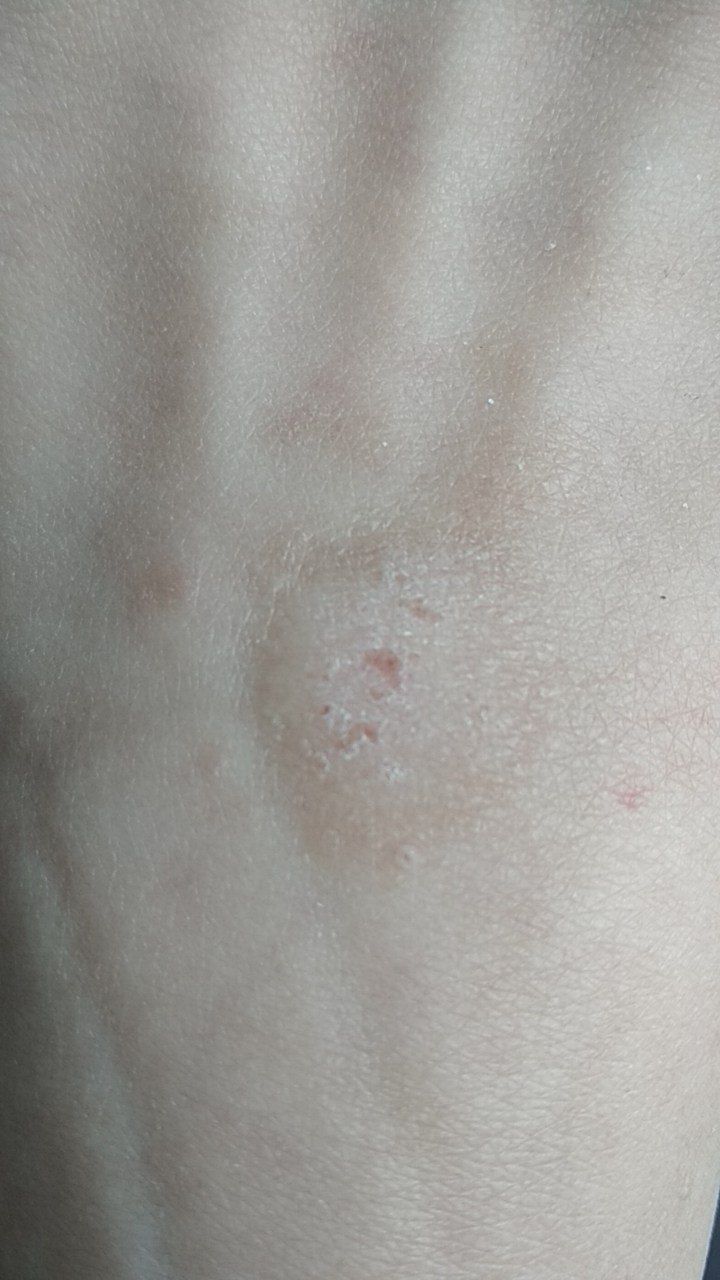
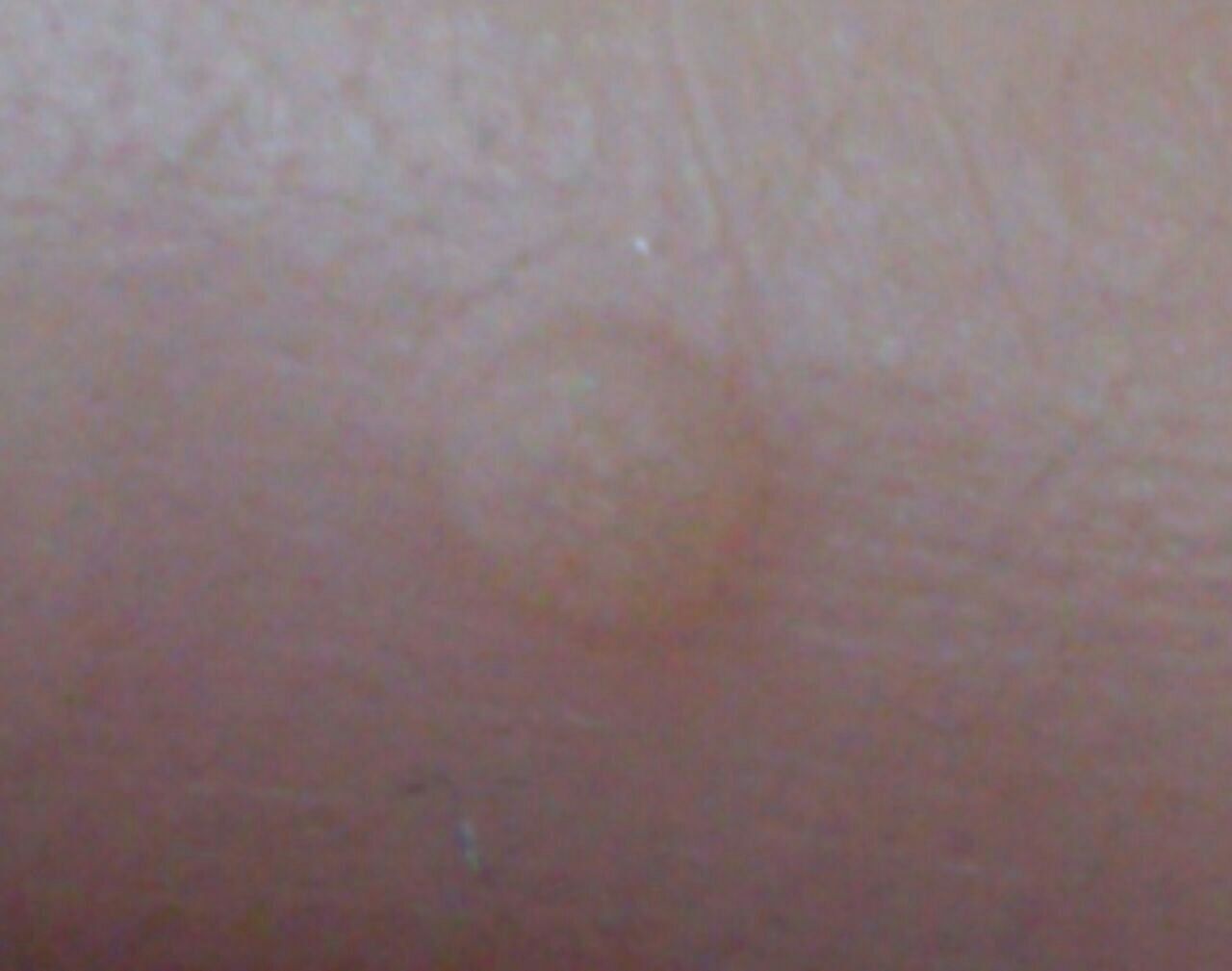
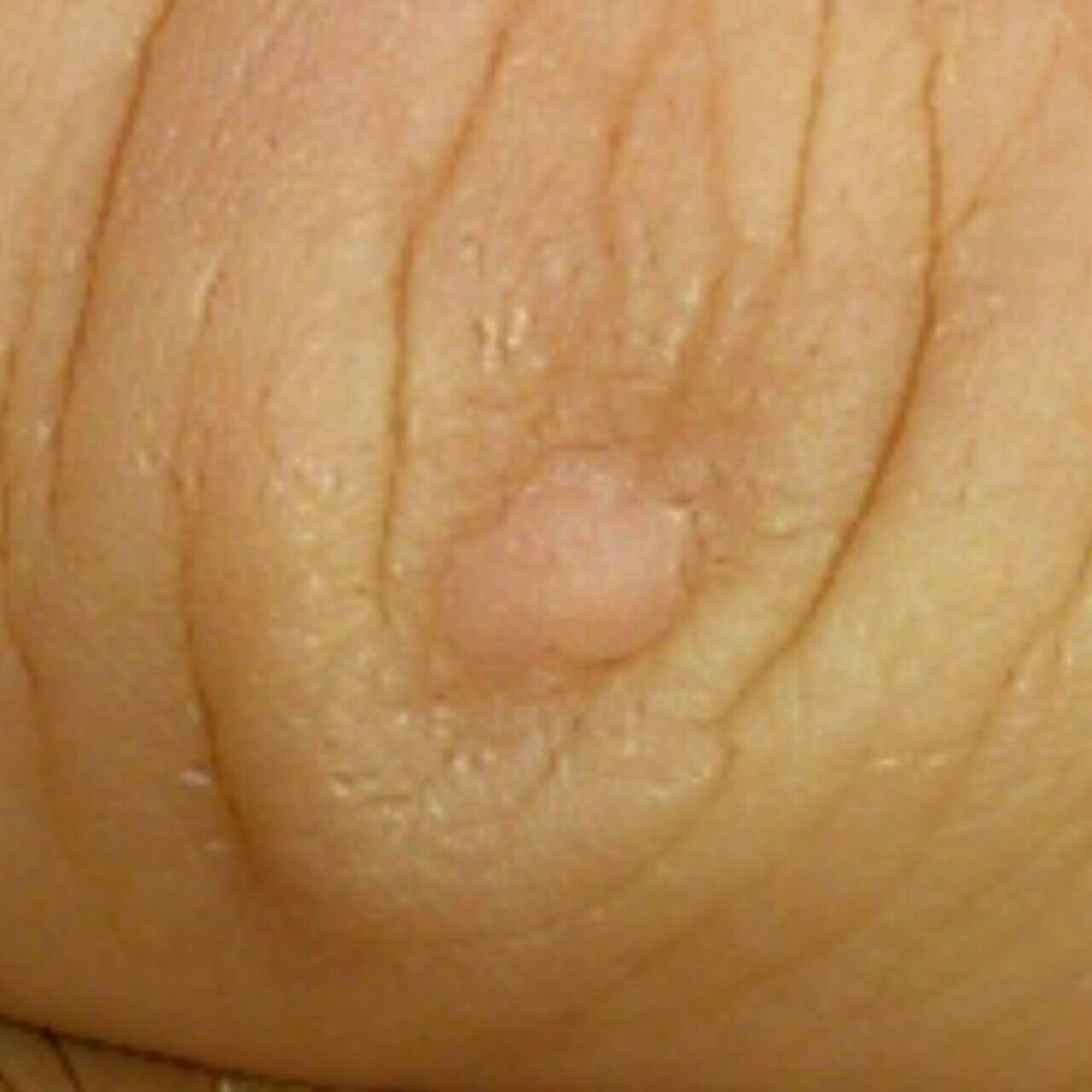
Below in the article you can view real photos to better understand how the condition looks.
Main symptoms
The main sign is multiple small flat lesions on the skin.
They are usually painless and do not itch. The main concern is cosmetic appearance, especially when located on the face.
Sometimes there is a gradual increase in the number of lesions.
Causes of the condition
The cause is infection with specific types of human papillomavirus.
The virus enters the skin through micro-injuries such as cuts, scratches, or irritated areas. It then stimulates rapid skin cell growth, leading to small skin growths.
Transmission may occur through:
- direct skin-to-skin contact
- shared personal items
- damaged skin exposure
How the condition develops
After entering the skin, the virus activates rapid growth of cells in the outer skin layer.
This leads to small flat lesions. If the skin is injured, the virus can spread to nearby areas, which is why warts may appear in lines.
Over time, the immune system may suppress the virus, and the warts can disappear naturally.
Forms and types
Flat warts usually have a similar appearance but differ in number and distribution.
They may be single, but more often appear as multiple grouped lesions on the same area of skin.
When to see a doctor
See a specialist if:
- warts are spreading quickly
- they cause cosmetic discomfort
- they appear on the face
- there is uncertainty about the diagnosis
- the lesions change in appearance
Medical advice is also important if you are unsure whether the lesions are truly warts.
Treatment
Flat warts often disappear on their own, especially in children and adolescents. However, treatment may be needed if they spread or cause discomfort.
Treatment usually includes gentle methods aimed at gradual skin renewal. These may involve topical agents that mildly affect the outer skin layer.
In some cases, removal methods such as cryotherapy or laser treatment may be used.
Doctors may also recommend treatments that stimulate local immune response.
Treatment is always individualized, especially for facial lesions to avoid irritation or scarring.
Q&A
Do flat warts go away on their own?
Yes, in many cases they disappear spontaneously, especially in young people.
Do they need to be removed?
Not always. Treatment is needed if they spread or cause discomfort.
Can facial warts be treated with over-the-counter products?
Not all products are safe for the face. Medical guidance is recommended to avoid skin damage.
Why do warts appear in groups?
This is due to viral spread through the skin, especially in areas with micro-injuries.
Are flat warts dangerous?
Usually not. They are benign and rarely cause complications.
Can you touch them?
It is better to avoid frequent contact to prevent spreading the virus.
Will there be marks after treatment?
With proper care, the risk is minimal, especially under medical supervision.
How can new lesions be prevented?
Avoid skin trauma, maintain good hygiene, and care for the skin gently.
Check Your Skin Instantly
Use the Skin Scanner app – Skinive AI to take a photo of a skin lesion and get an AI-based risk assessment. It helps determine whether professional consultation is recommended, giving you fast guidance and peace of mind.
Medical sources
- World Health Organization (WHO) — Human Papillomavirus (HPV)
- Centers for Disease Control and Prevention (CDC) — HPV and Skin Warts
- American Academy of Dermatology (AAD) — Warts: Diagnosis and Treatment
- British Association of Dermatologists (BAD) — Viral Warts
🇬🇧 Flat Wart: Diagnosis and Care in the UK
If you notice plane warts (flat, smooth, slightly raised skin bumps), it’s important to get a professional opinion. In the UK, you can access dermatology care via the NHS, private clinics, or online dermatology consultations.
👉 How to See a Dermatologist in the UK NHS – This main guide explains how NHS referrals work, what to expect from specialist dermatology services, and how to choose between public and private care.
Dermatologists in Major UK Cities:
- Dermatologist in London
- Dermatologist in Manchester
- Dermatologist in Liverpool
- Dermatologist in Birmingham
- Dermatologist in Leeds
- Dermatologists in Other UK cities
Online Dermatology
If you prefer remote care or faster access, try online dermatology consultations. They allow dermatologists to review images, provide advice, and guide next steps without visiting a clinic. Read more in this article: Online Dermatologists in UK.
🇦🇺 Flat Wart: Diagnosis and Care in Australia
If you notice benign neoplasms, nevi, or moles, it’s important to get a professional opinion. In Australia, you can access dermatology care via Medicare (public system), private clinics, or online consultations.
👉 How to See a Dermatologist in Australia – This main guide explains how referrals work through GPs and public clinics, what to expect from specialist dermatology services, and how to choose between public and private care.
Dermatologists in Major Australian Cities:
- Dermatologist in Sydney
- Dermatologist in Melbourne
- Dermatologist in Brisbane
- Dermatologist in Perth
- Dermatologist in Adelaide
- Dermatologists in other Australian cities
Online Dermatology
For faster access or remote care, online dermatology consultations allow dermatologists to review images, provide advice, and guide next steps without visiting a clinic. Read more in this article: Online Dermatologists in Australia.
Images of flat wart:
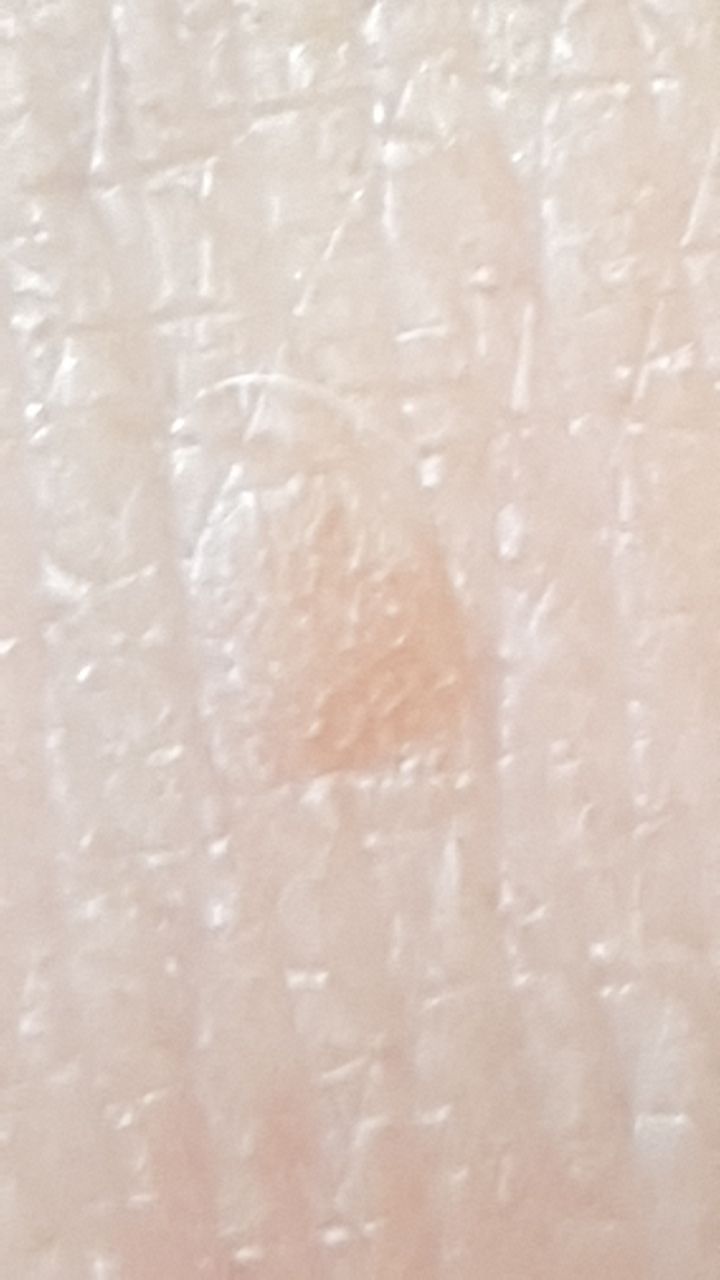
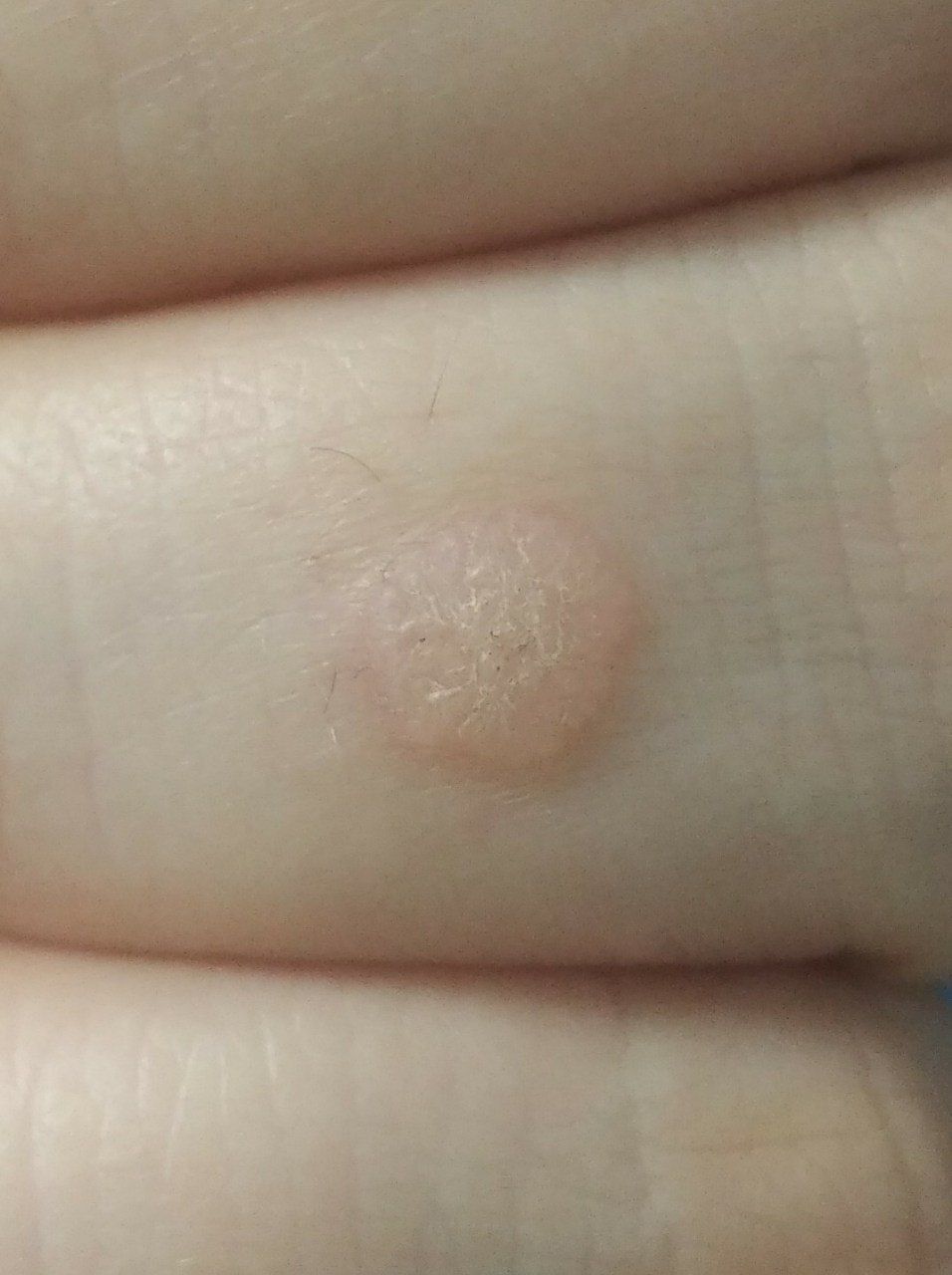
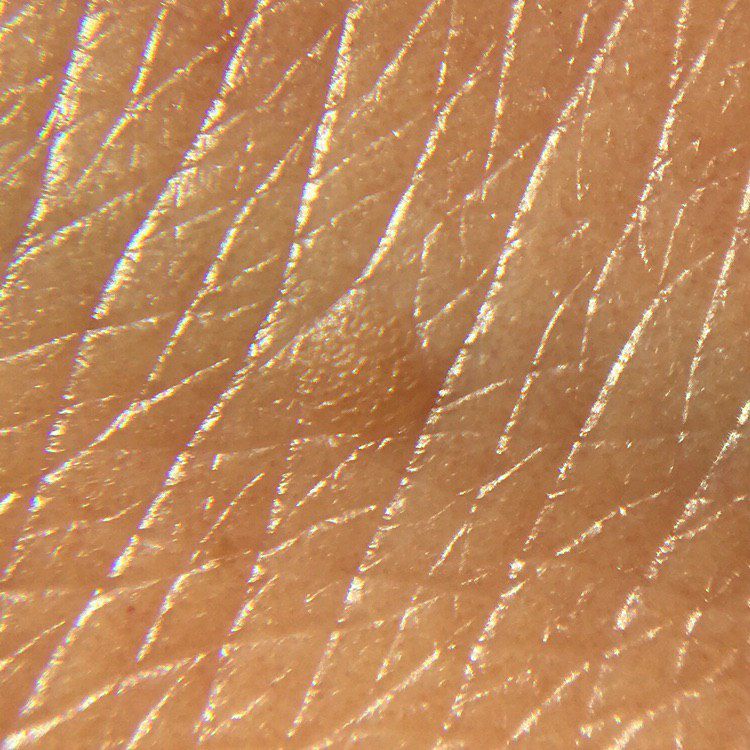



** Should you identify any copyright infringement regarding the images on this page, kindly reach out to us at info@skinive.com.
Furthermore, please be advised that these photos are not authorized for any purpose.