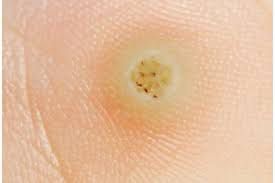
A common wart is a benign skin growth caused by the human papillomavirus (HPV). It typically appears as a firm, rough bump and most often develops on the fingers, around the nails, and on the hands.
This is a very common condition, especially in children and teenagers. In most cases, warts are not dangerous, but they may slowly grow or spread to nearby skin. They can be transmitted through direct skin contact or shared objects.
Warts are not considered a serious disease, but they are contagious through close contact. In some cases, they may disappear on their own, although this can take a long time.
What to do if you suspect it
If you notice a firm, rough skin growth, it is important to stay calm and take a structured approach.
The first step is to consult a dermatologist. A specialist will examine the skin and confirm the diagnosis. This is important because other skin conditions can look similar.
Additionally, avoid irritating the area. Constant friction, cutting, or burning the wart may lead to spreading or the appearance of new lesions nearby.
It is important not to self-treat. Even if the lesion seems harmless, incorrect treatment may worsen inflammation and delay healing. Early medical evaluation helps manage the condition safely and effectively.
What it looks like
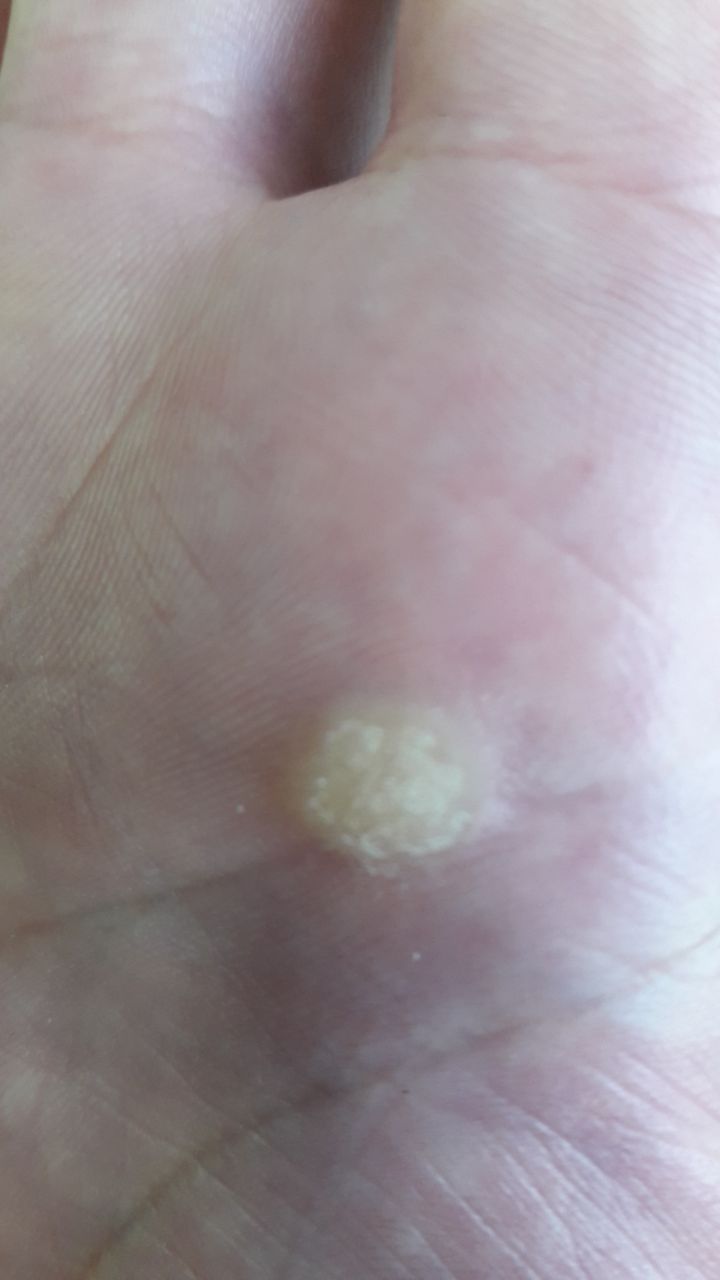
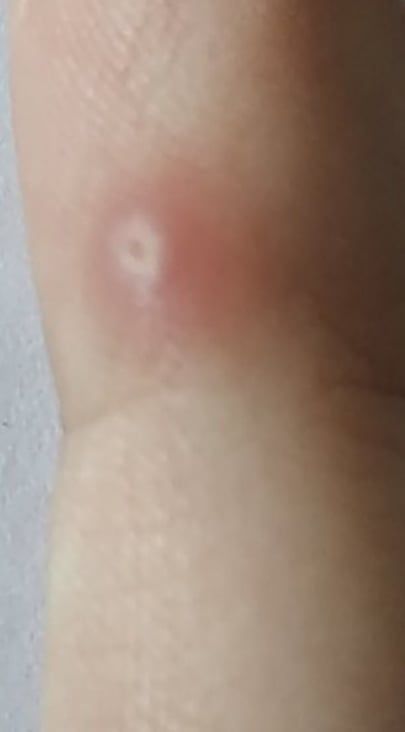
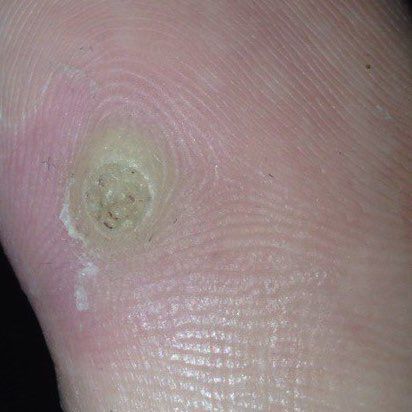
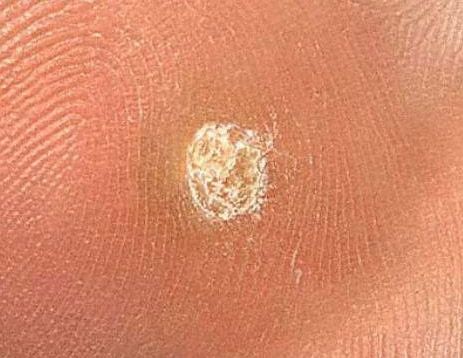
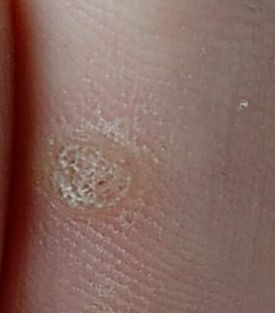
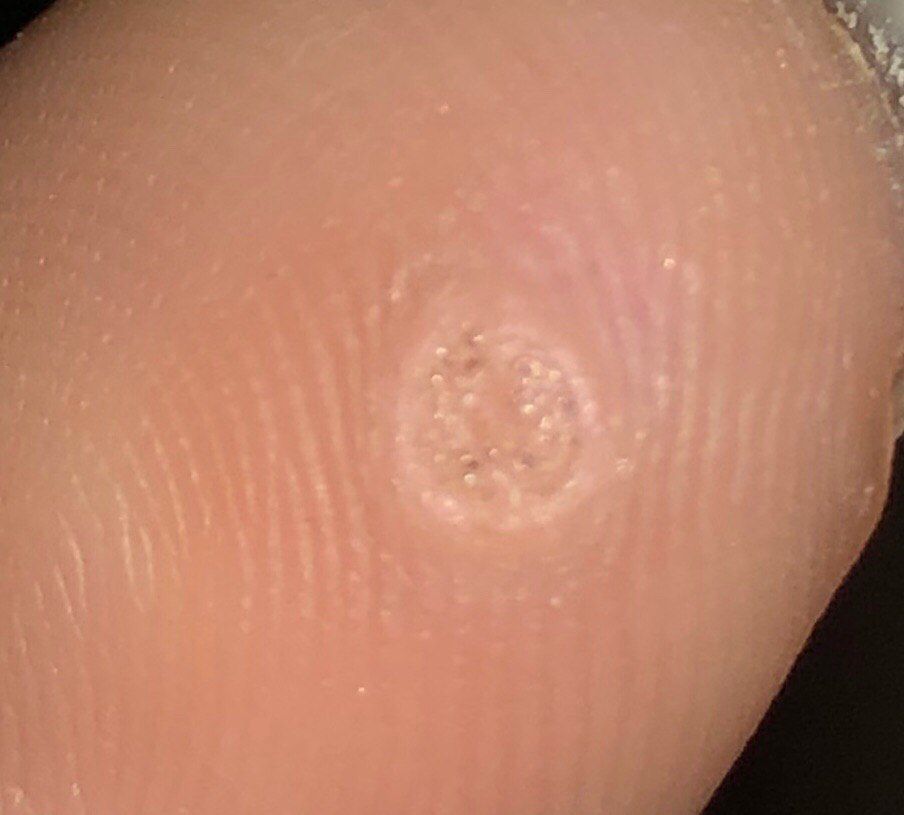
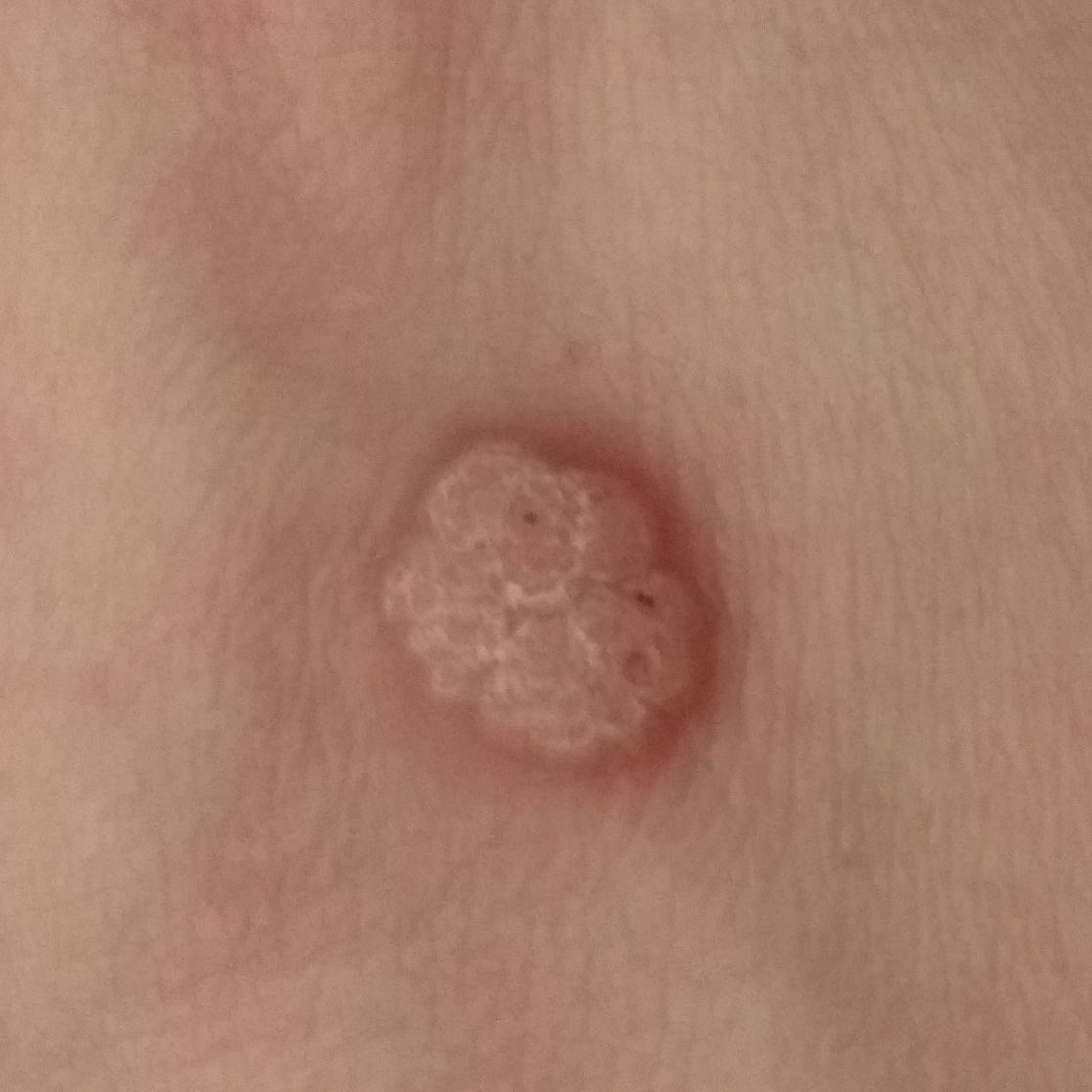
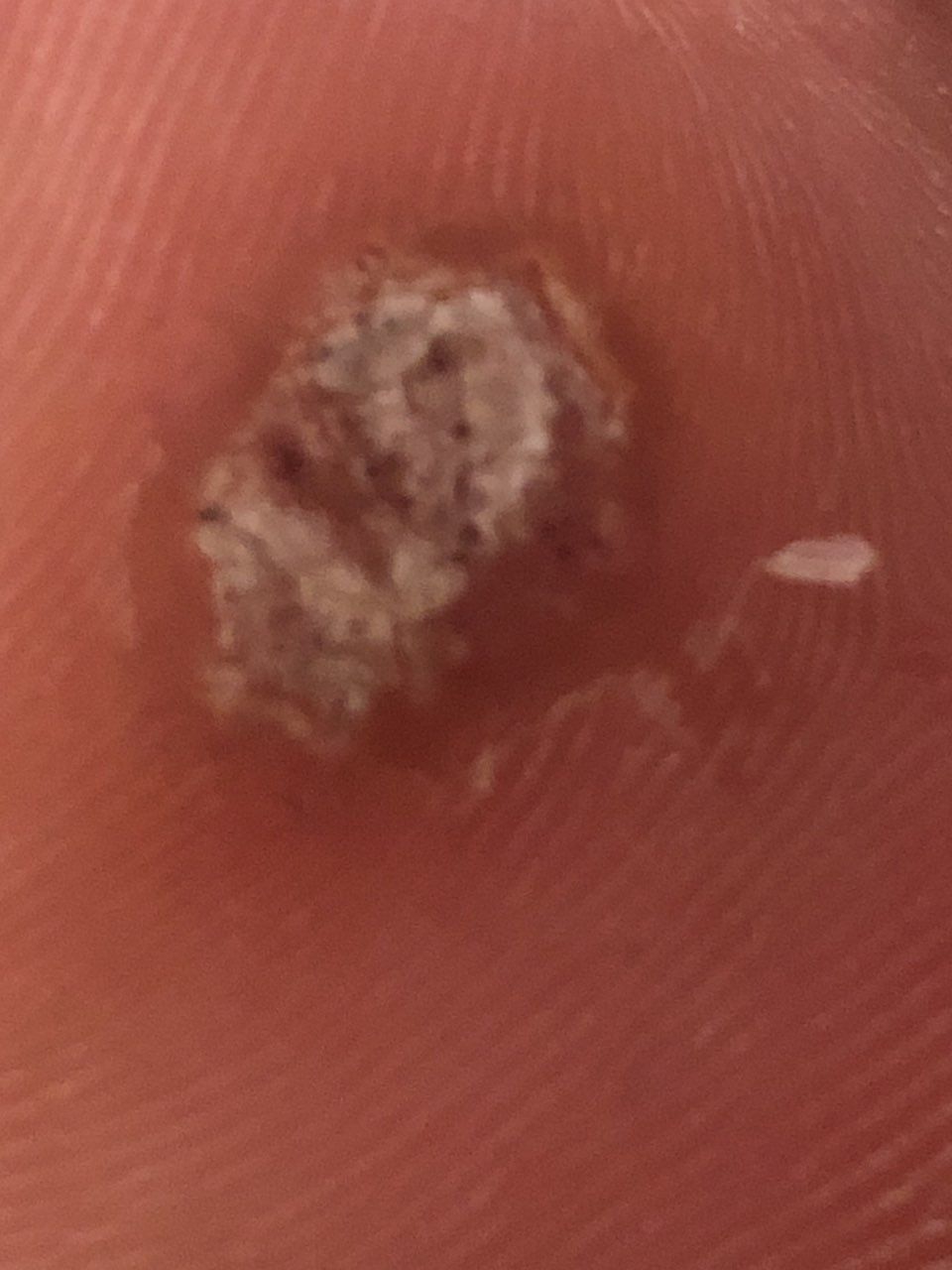
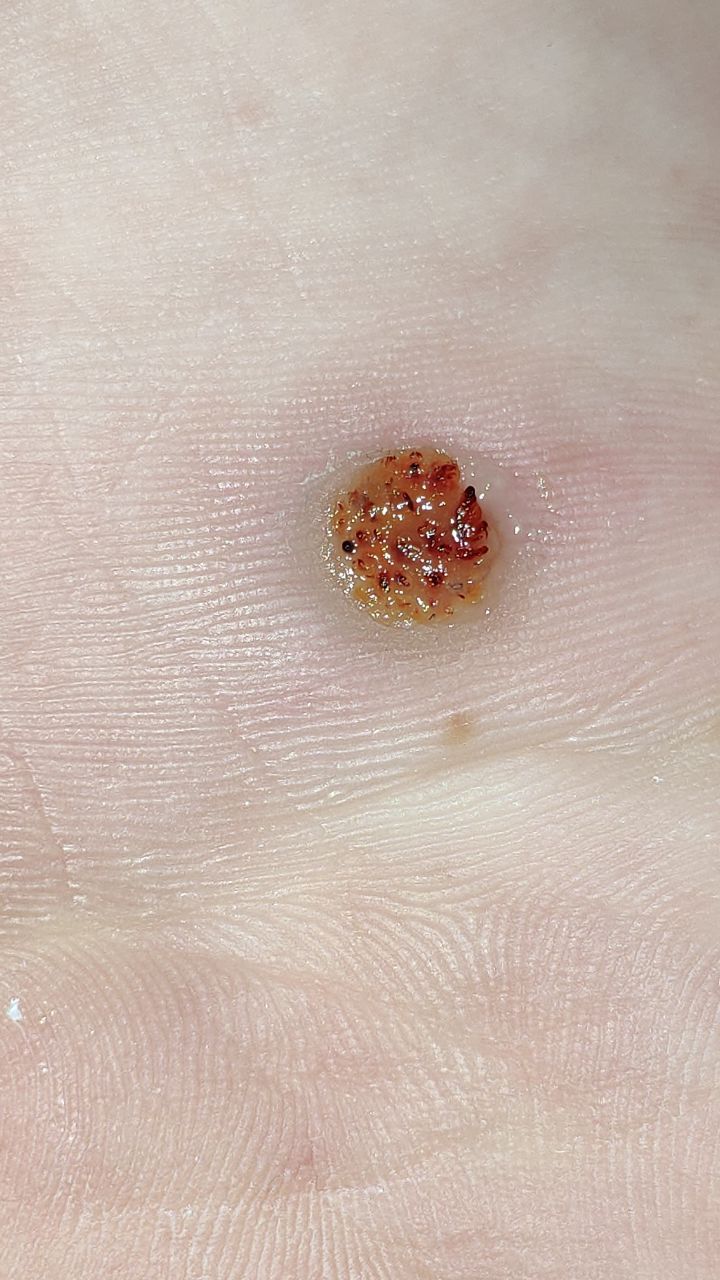
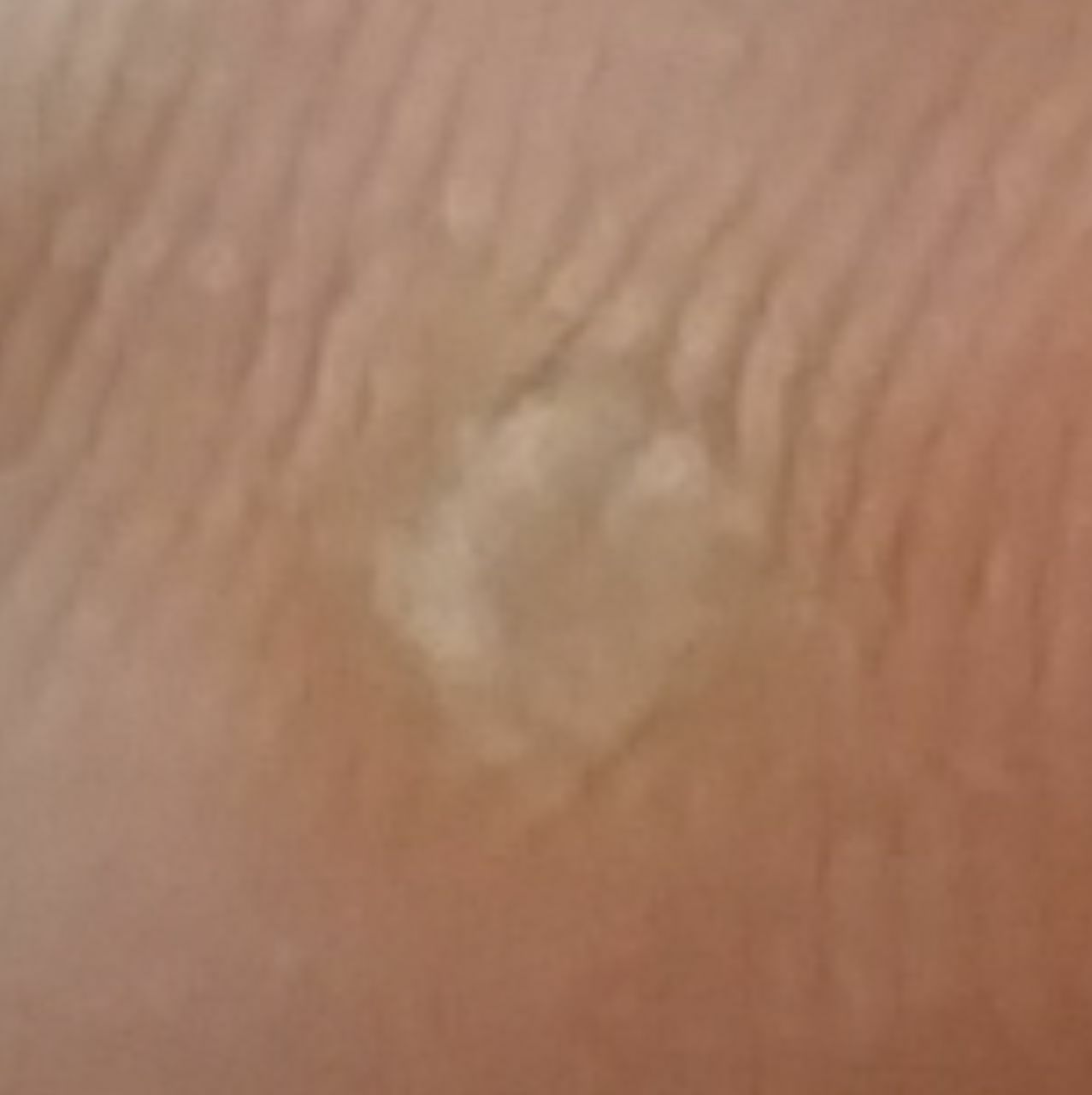
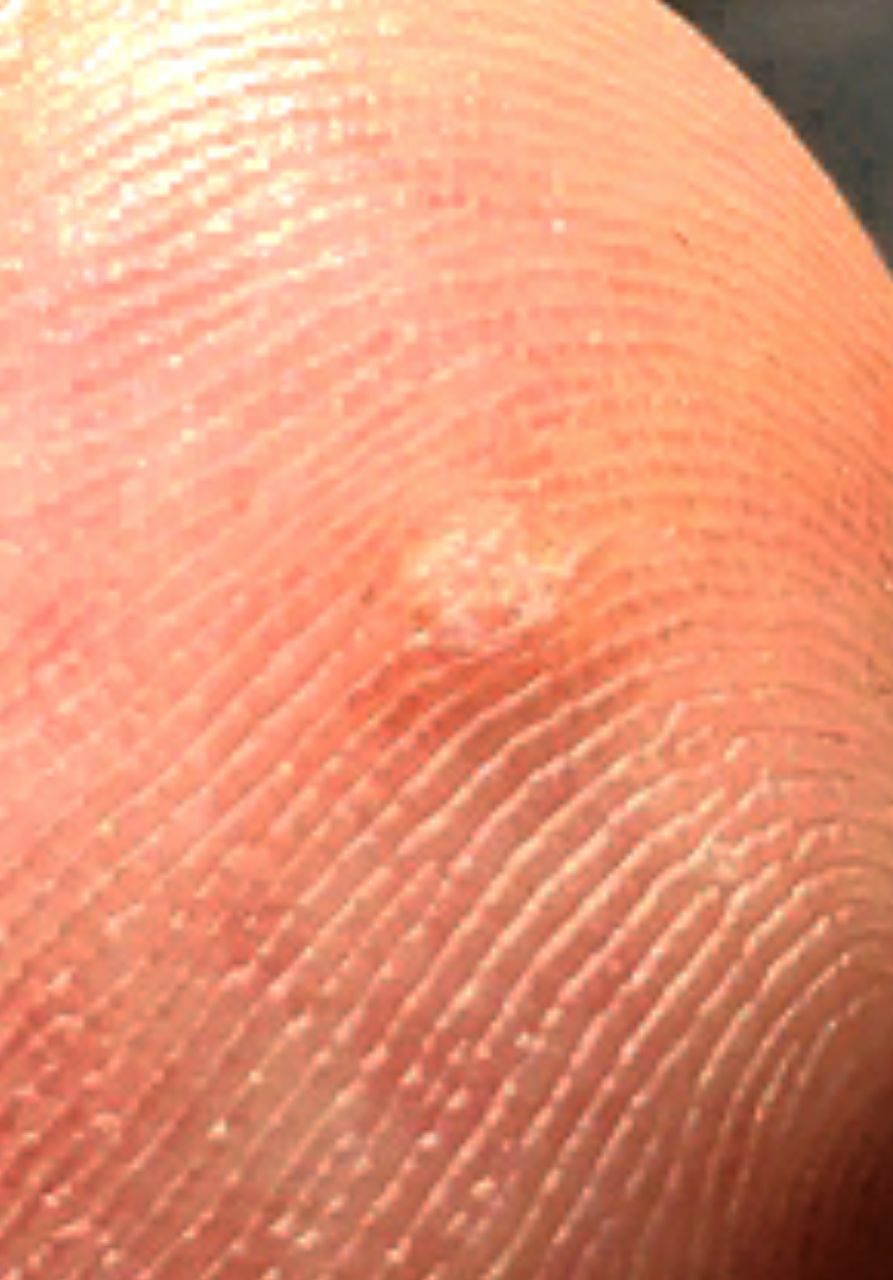
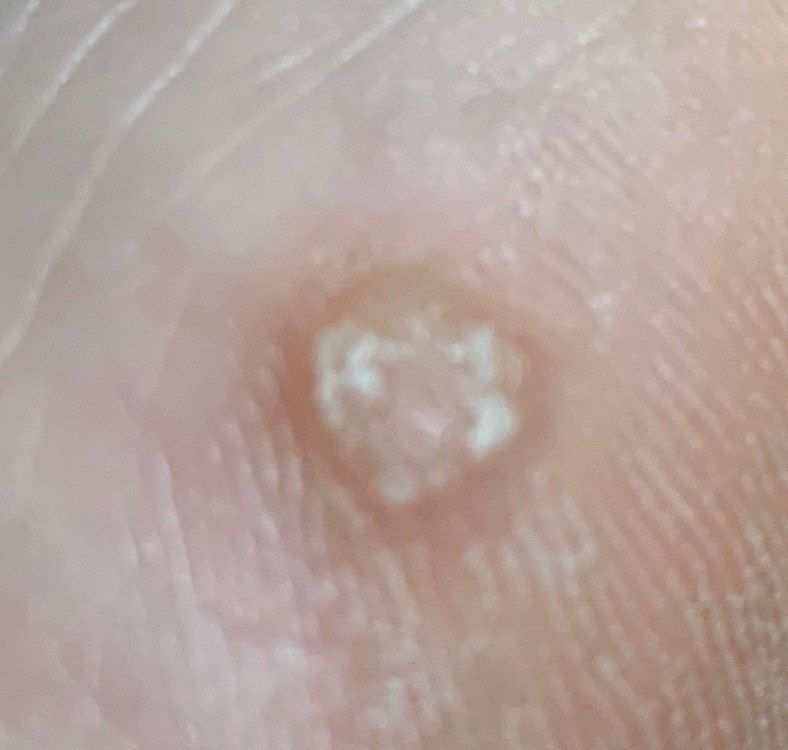
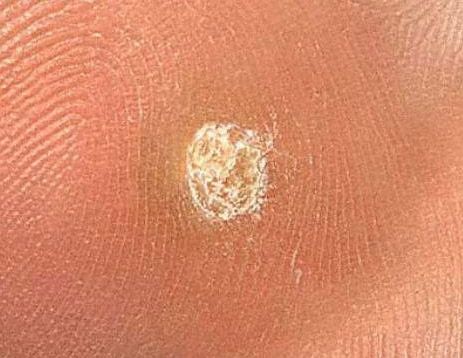
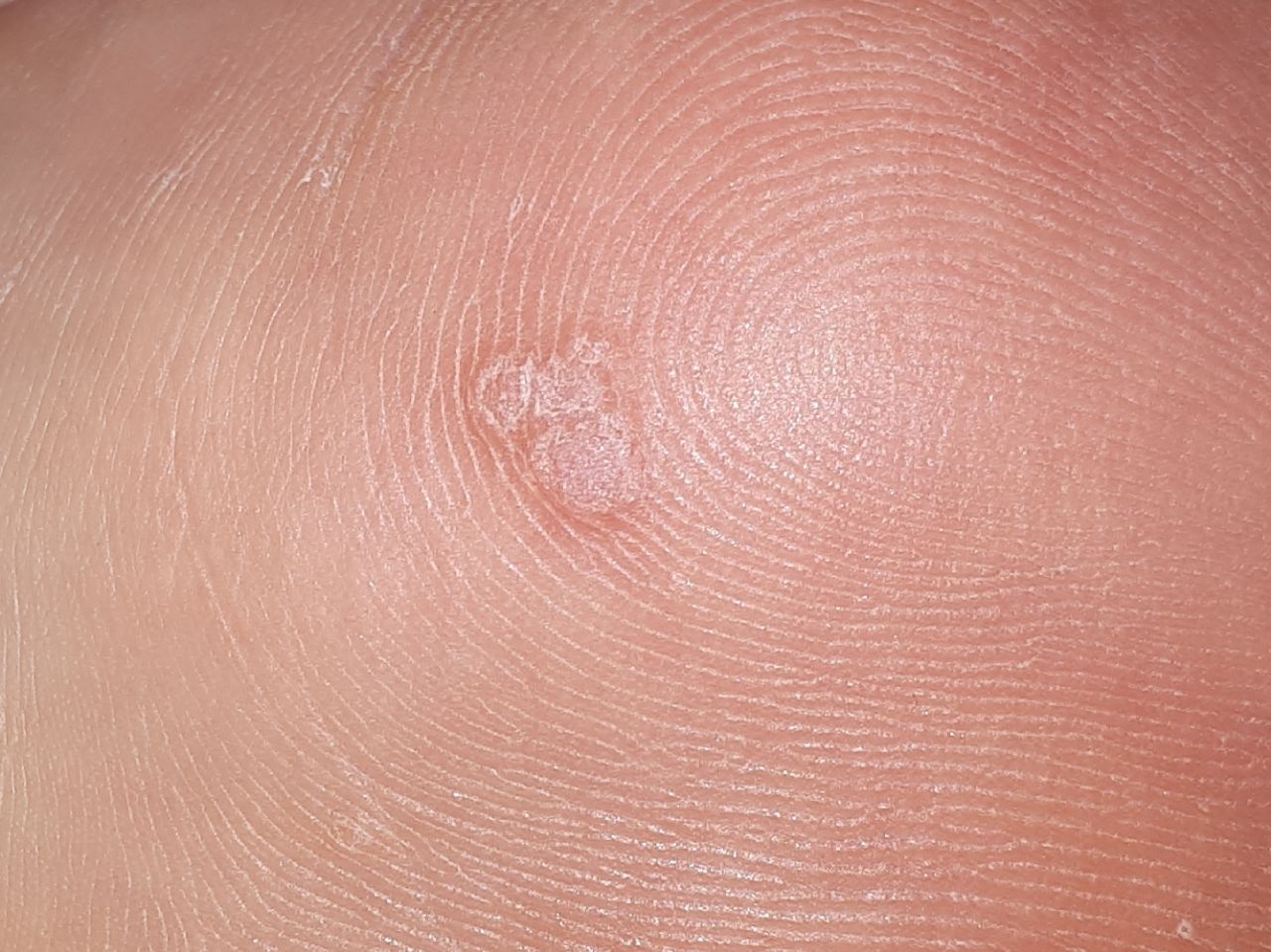
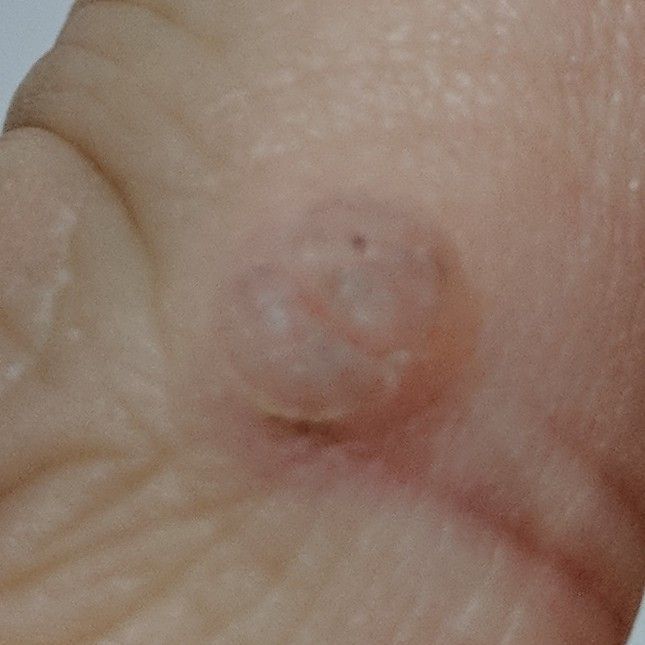
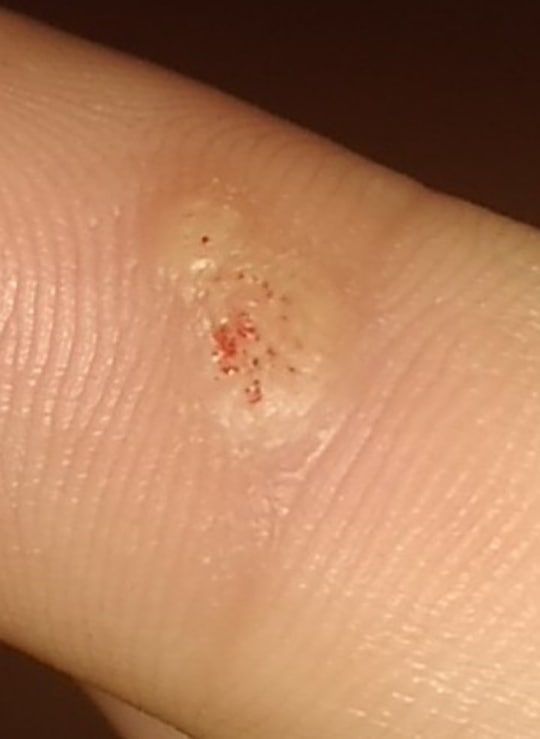
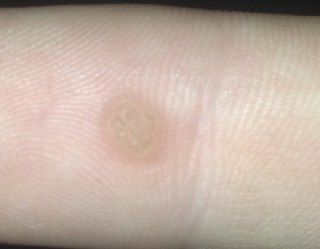
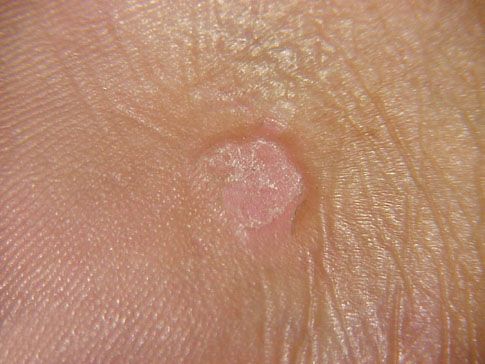
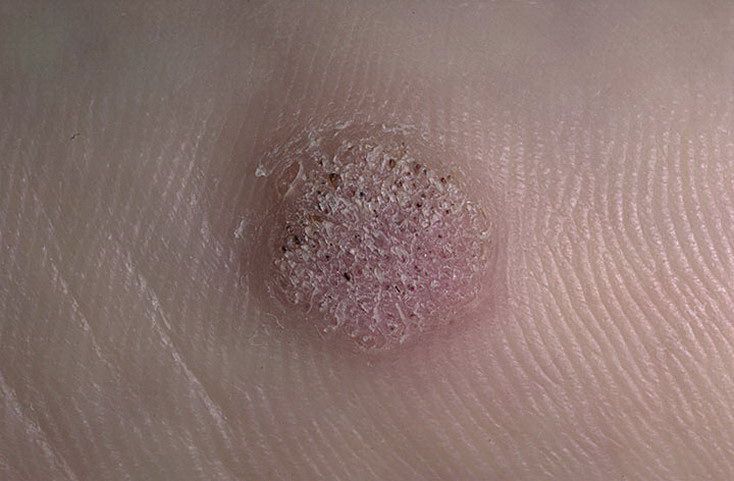
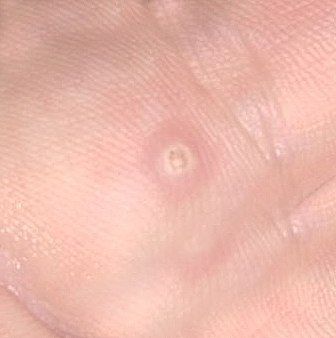
A common (vulgar) wart usually appears as a firm, round bump with a rough, uneven surface. Its color may be skin-toned, grayish, or light brown.
These growths most often appear on the fingers, hands, and around the nails. They can also occur on other parts of the body. Warts may be single or appear in clusters.
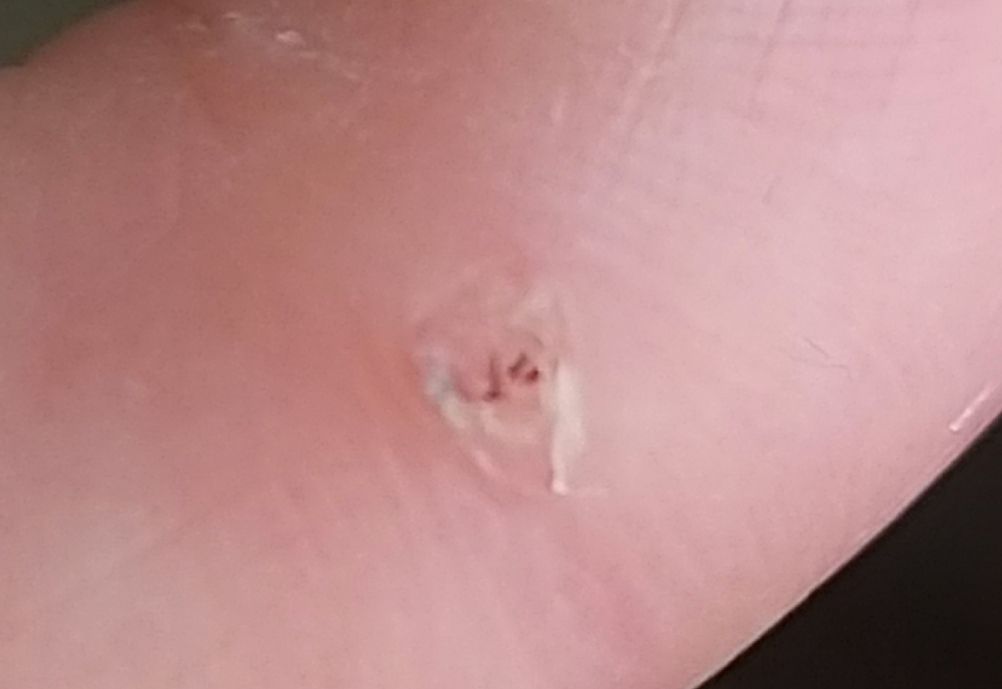
Over time, they may grow or new ones may appear nearby. Small dark dots can sometimes be seen on the surface — these are tiny blood vessels inside the lesion.
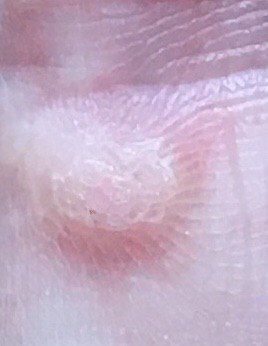
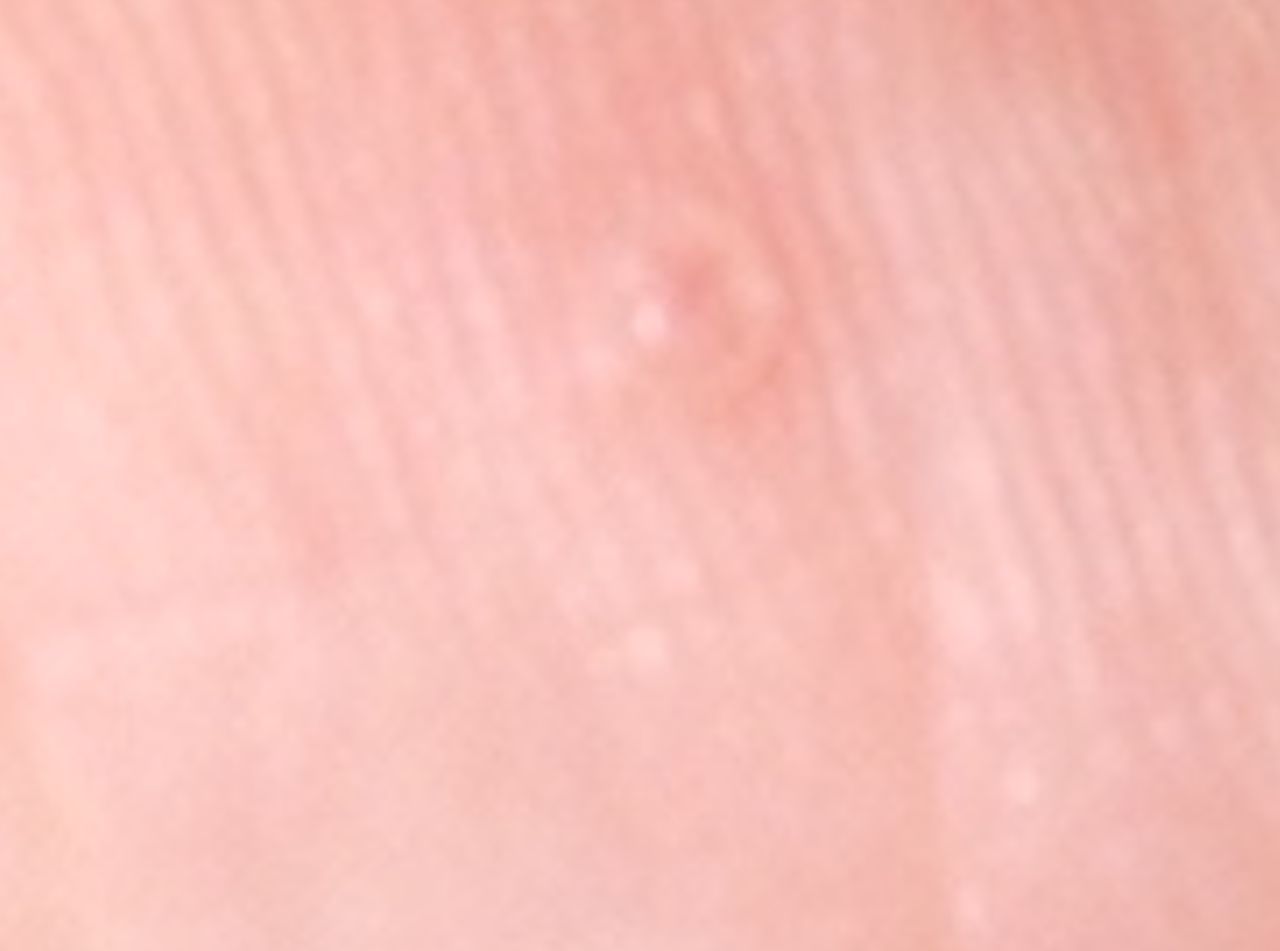
Below in the article you can view real photos to better understand how the condition looks.
Main symptoms
The main sign is the appearance of a firm, rough bump on the skin. The surface is usually uneven and may resemble a small “cauliflower-like” structure.
Size is typically small — from a few millimeters up to about 1 cm. Pressure may cause discomfort or pain, especially if the wart is located in an area of friction.
If the lesion is near the nail, it may gradually affect nail shape.
Causes
The main cause is infection with the human papillomavirus (HPV).
The virus enters the skin through small breaks such as tiny cuts, hangnails, or abrasions. It then triggers rapid skin cell growth, forming the characteristic thickened lesion.
Infection can occur through:
- direct skin-to-skin contact
- shared personal items (towels, tools)
- moist environments such as swimming pools or showers
How it develops
After entering the skin, the virus integrates into cells of the outer skin layer. This leads to increased cell growth and accumulation.
As a result, a thickened skin growth (wart) forms. Over time, the immune system may suppress the virus, and in some cases, the wart may disappear on its own.
However, this process may take months or even years.
Forms and types
Common warts are the most frequent type of wart. They may vary in size and number but generally share a similar appearance.
Some people develop single lesions, while others may develop multiple grouped warts.
When to see a doctor
You should consult a specialist if:
- the wart grows quickly
- pain or bleeding appears
- the lesion changes color or shape
- multiple new lesions develop
- the wart is located on the face or around the nails
Medical evaluation is also important if there is uncertainty about the diagnosis.
Treatment
Treatment is chosen individually depending on size, location, and number of warts.
Common approaches involve removal methods that destroy the affected tissue. These include cryotherapy (liquid nitrogen), laser treatment, or electrocautery. These procedures remove the visible lesion.
Topical treatments may also be used to gradually soften thickened skin and promote renewal.
In some cases, immune-modulating therapies may be recommended to help the body clear the virus.
There is no single universal treatment. Management is guided by a doctor, and results may take time. In some cases, warts may resolve spontaneously.
Q&A
Can warts be completely cured?
In many cases, warts can be successfully removed. However, the virus may remain in the skin, so recurrence is possible.
Are warts contagious?
Yes, HPV can spread through direct contact or shared objects, especially if the skin is damaged.
Do warts go away on their own?
Sometimes they do, but this may take a long time. If a wart grows or causes discomfort, medical care is recommended.
Can I touch a wart?
It is best to avoid frequent contact to prevent spreading the virus to other areas of skin.
Why do multiple warts appear?
This happens due to viral spread across the skin, especially when the skin is injured or immunity is reduced.
Are warts dangerous?
Usually not. They are benign growths that can typically be managed effectively.
Can I remove a wart myself?
Self-removal may cause infection or spread. It is safer to treat it under medical supervision.
How can I reduce the risk of new warts?
Protect skin from injury, maintain hygiene, and avoid sharing personal items.
Check Your Skin Instantly
Use the Skin Scanner app – Skinive AI to take a photo of a skin lesion and get an AI-based risk assessment. It helps determine whether professional consultation is recommended, giving you fast guidance and peace of mind.
Medical sources
- World Health Organization (WHO) — ICD-11 disease classification
- Centers for Disease Control and Prevention (CDC) — Human Papillomavirus (HPV)
- American Academy of Dermatology (AAD) — Warts: Diagnosis and Treatment
- British Association of Dermatologists (BAD) — Viral Warts
🇬🇧 Common Wart: Diagnosis and Care in the UK
If you notice common warts (verruca vulgaris)—small, rough, raised bumps on the skin, it’s important to get a professional opinion. In the UK, you can access dermatology care via the NHS, private clinics, or online dermatology consultations.
👉 How to See a Dermatologist in the UK NHS – This main guide explains how NHS referrals work, what to expect from specialist dermatology services, and how to choose between public and private care.
Dermatologists in Major UK Cities:
- Dermatologist in London
- Dermatologist in Manchester
- Dermatologist in Liverpool
- Dermatologist in Birmingham
- Dermatologist in Leeds
- Dermatologists in Other UK cities
Online Dermatology
If you prefer remote care or faster access, try online dermatology consultations. They allow dermatologists to review images, provide advice, and guide next steps without visiting a clinic. Read more in this article: Online Dermatologists in UK.
🇦🇺 Common Wart: Diagnosis and Care in Australia
If you notice common warts (verruca vulgaris)—small, rough, raised bumps on the skin, it’s important to get a professional opinion. In Australia, dermatology care is available via Medicare (public system), private clinics, or online consultations.
👉 How to See a Dermatologist in Australia – This main guide explains how referrals work through GPs and public clinics, what to expect from specialist dermatology services, and how to choose between public and private care.
Dermatologists in Major Australian Cities:
- Dermatologist in Sydney
- Dermatologist in Melbourne
- Dermatologist in Brisbane
- Dermatologist in Perth
- Dermatologist in Adelaide
- Dermatologists in other Australian cities
Online Dermatology
For faster access or remote care, online dermatology consultations allow dermatologists to review images, provide advice, and guide next steps without visiting a clinic. Read more in this article: Online Dermatologists in Australia.
Images of common wart: