
Seborrheic dermatitis is a chronic inflammatory skin condition that causes redness, flaking, and sometimes itching. It most often occurs in areas with a high concentration of sebaceous glands, such as the scalp, face, and behind the ears.
This condition is not contagious and usually does not lead to hair loss, but it can cause significant cosmetic discomfort. Symptoms may range from mild (such as dandruff) to more noticeable inflammation.
Seborrheic dermatitis often follows a relapsing course, with periods of improvement followed by flare-ups. In most cases, it can be managed with proper care and treatment.
What to do if suspected
If you notice scalp flaking, facial redness, or greasy scales, it is important not to ignore the symptoms.
The first step is to see a dermatologist. The specialist will examine the skin and may order additional tests to confirm the diagnosis and rule out other conditions.
Additionally:
- pay attention to factors that may worsen symptoms (stress, cold weather, cosmetics)
- avoid harsh skincare products
- do not attempt self-treatment without understanding the cause
Timely consultation helps select appropriate treatment faster and reduces the frequency of flare-ups.
How it looks
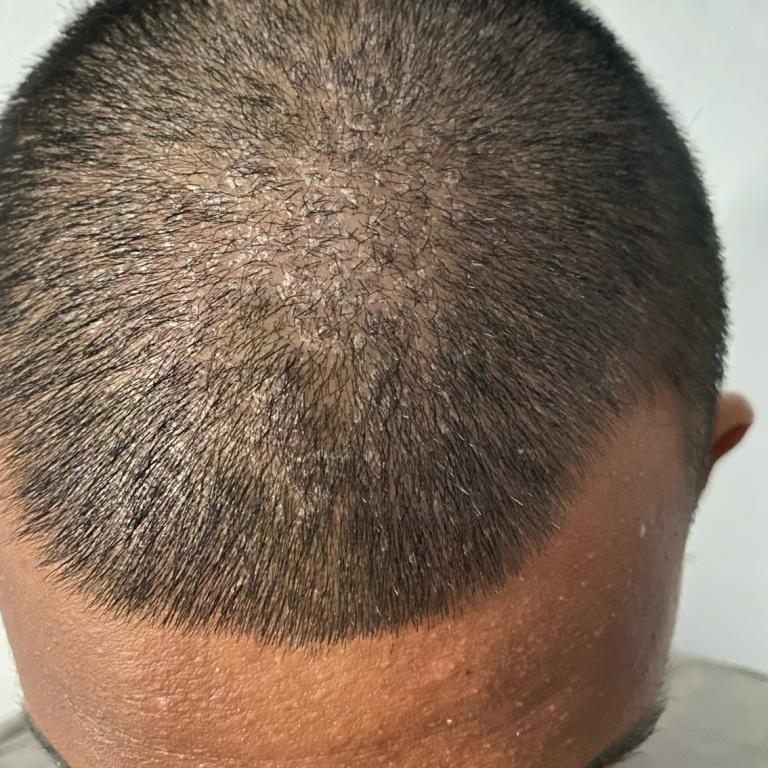
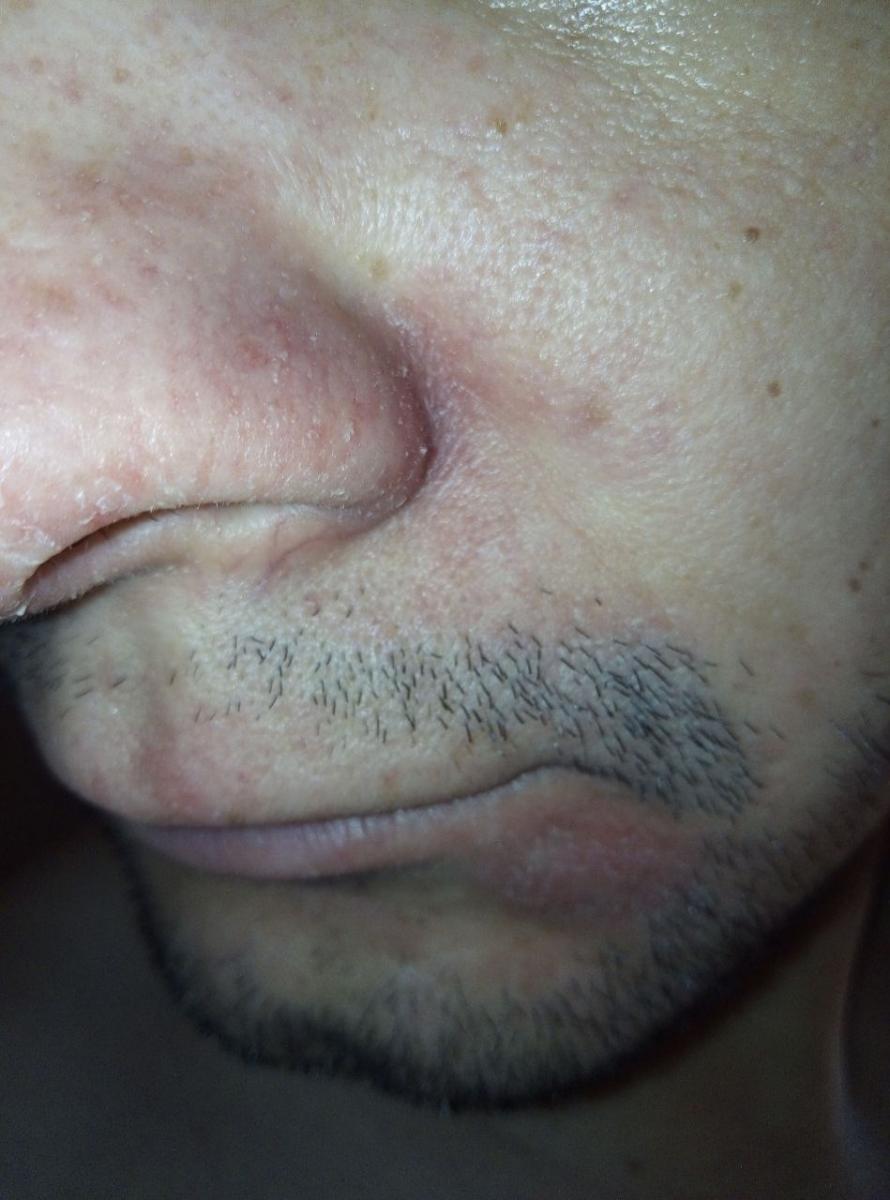
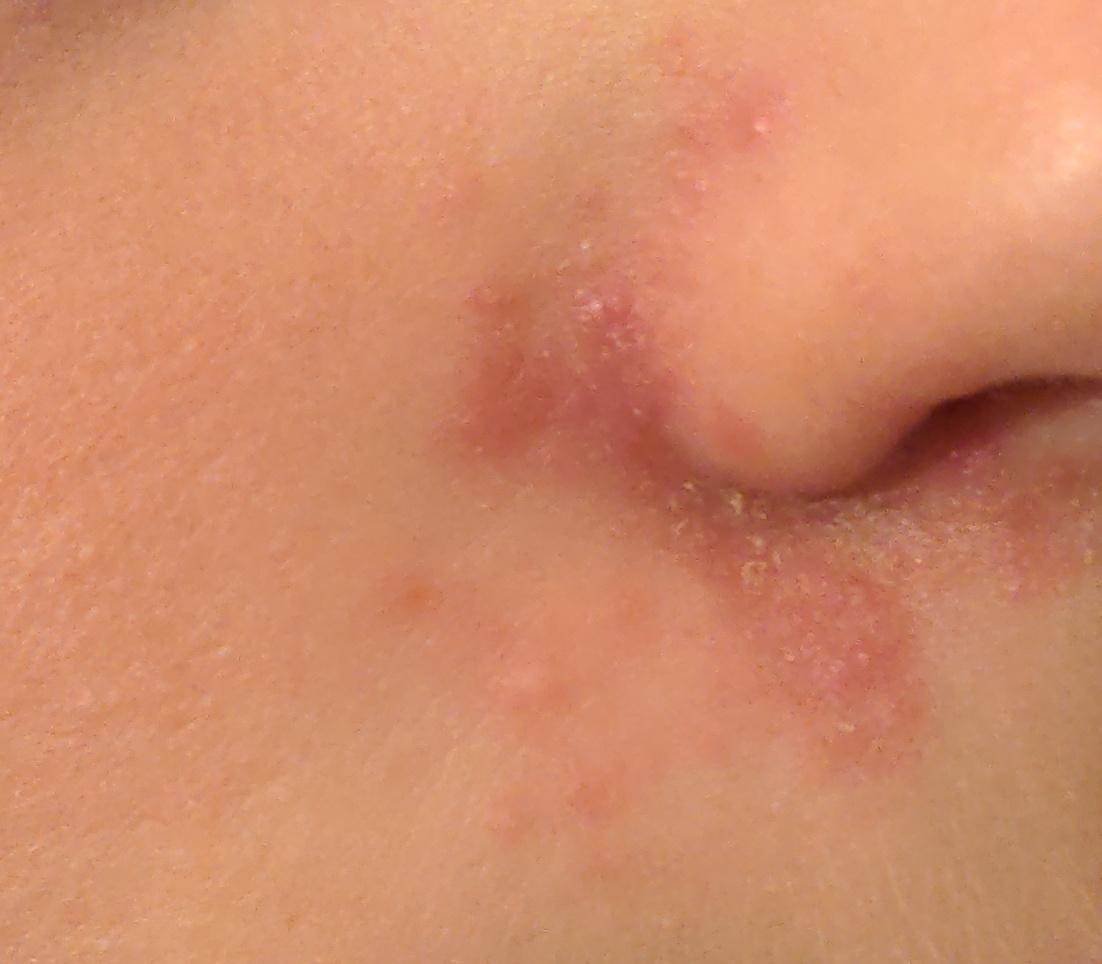
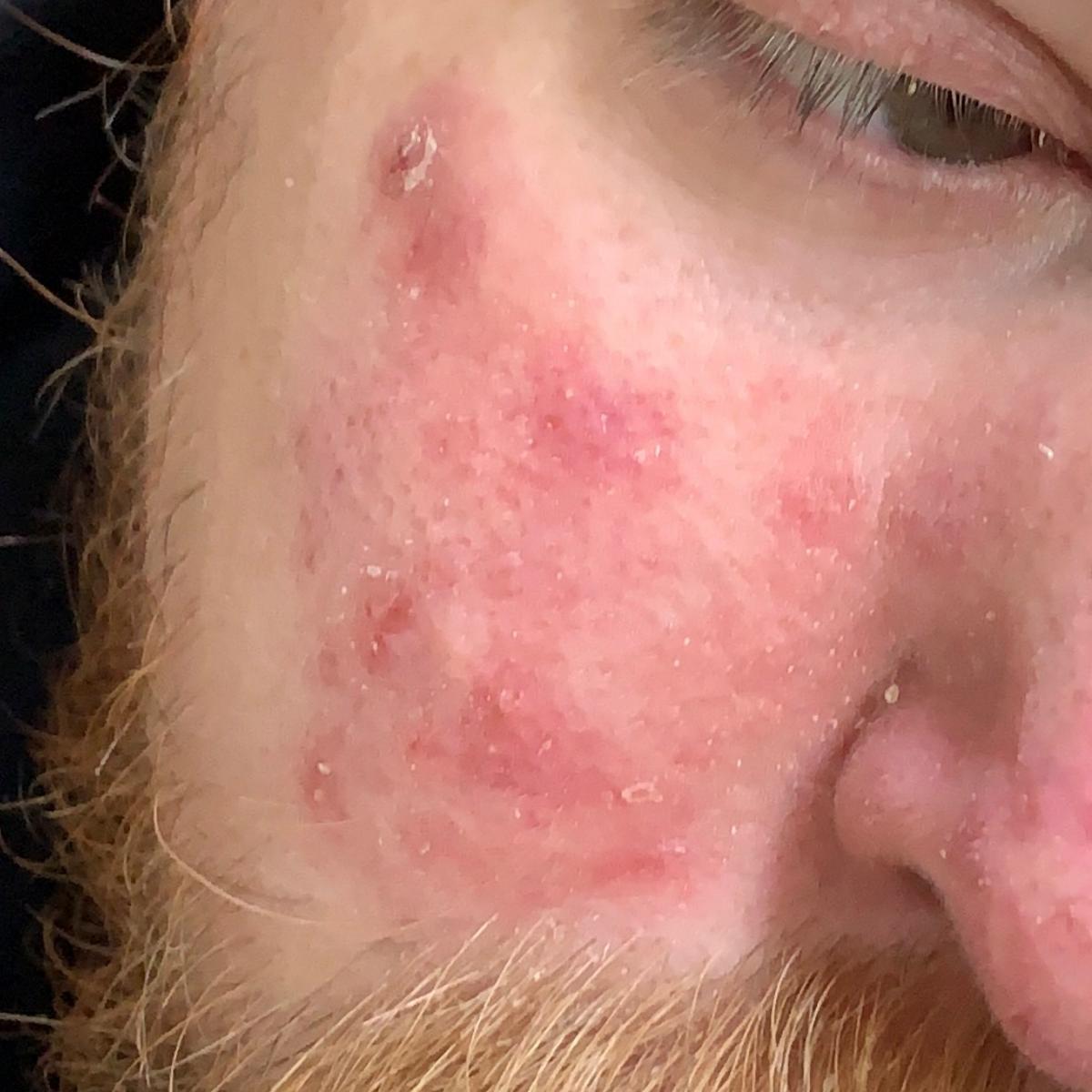
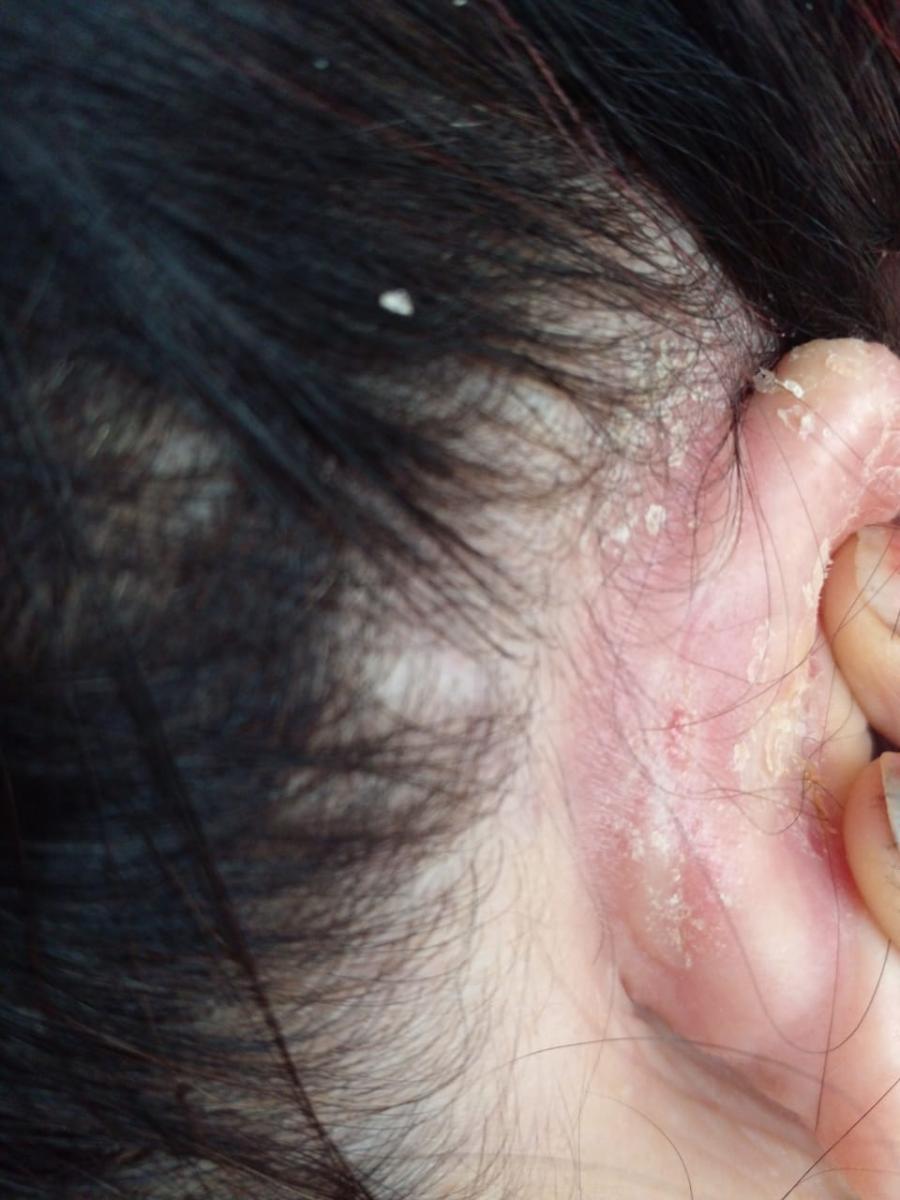
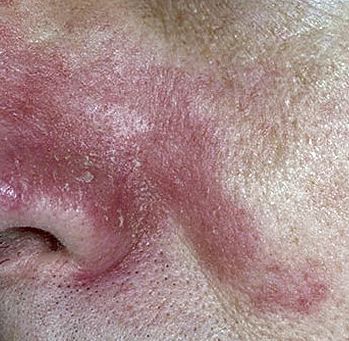
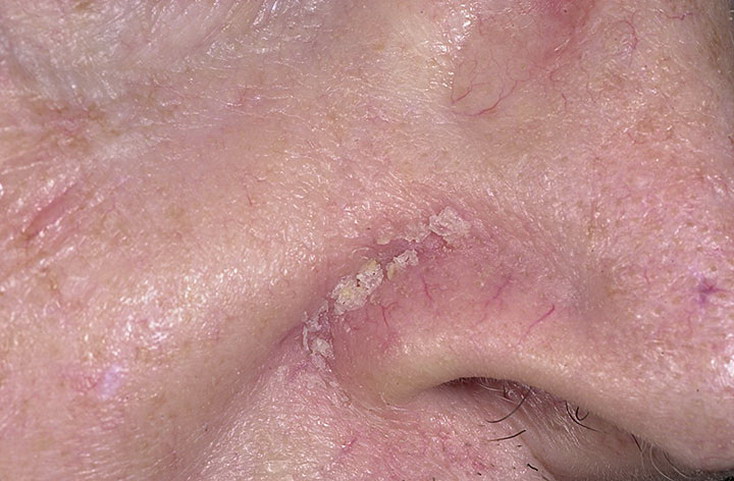
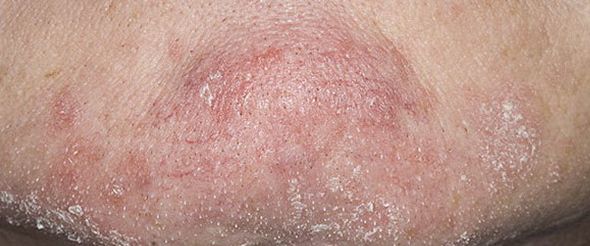
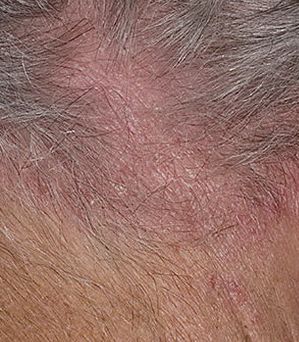
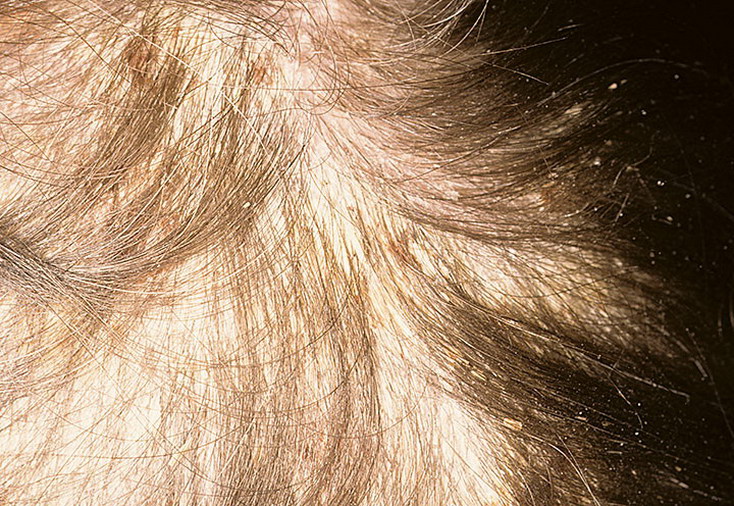
Seborrheic dermatitis can vary in appearance depending on location.
Common signs include:
- skin redness
- flaking (dry or oily)
- white or yellowish scales
Typical affected areas:
- scalp (dandruff)
- eyebrows, eyelashes
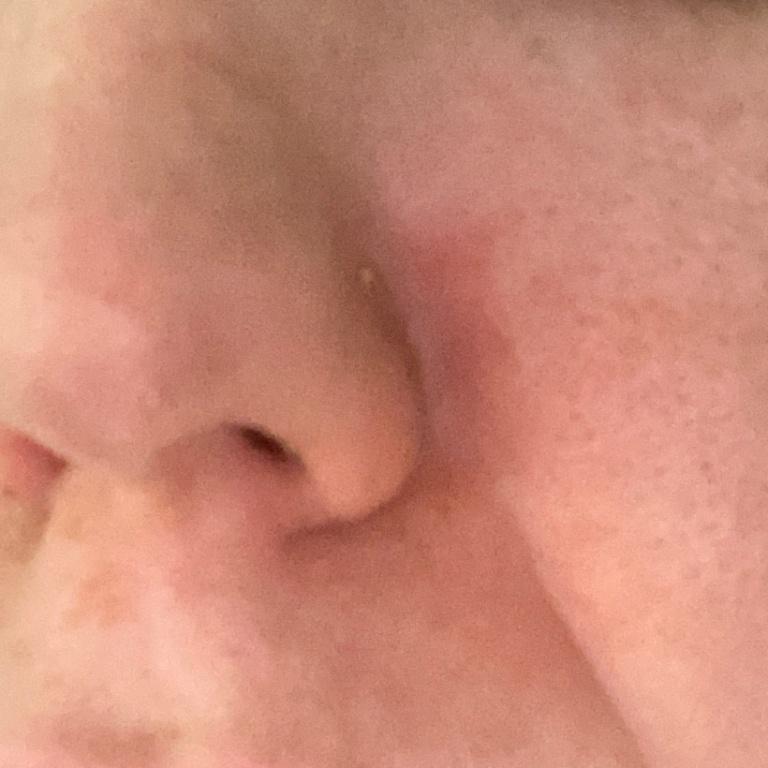
- around the nose and forehead
- behind the ears
- upper chest and back
In some cases, the skin may look waxy or slightly shiny. Itching may be absent or mild.
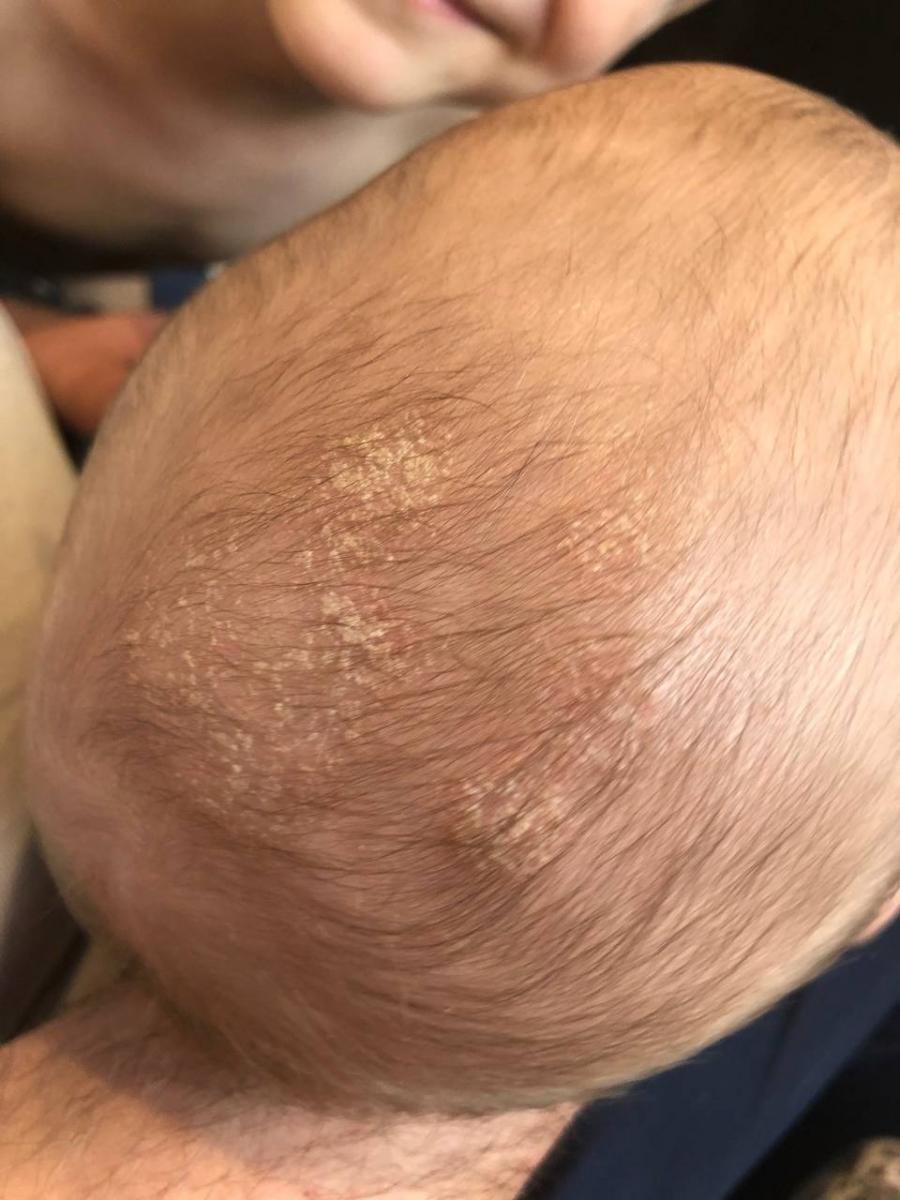
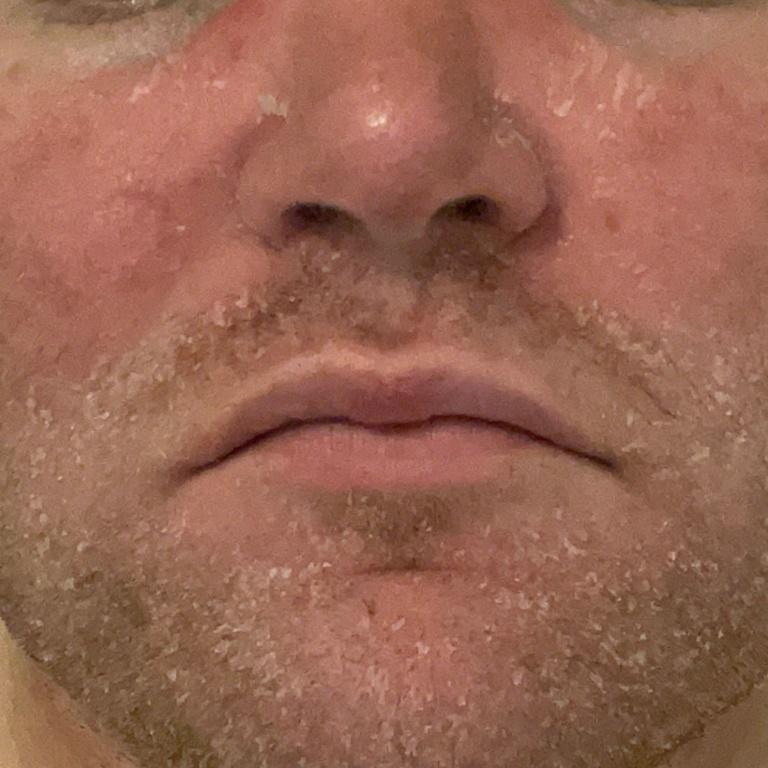
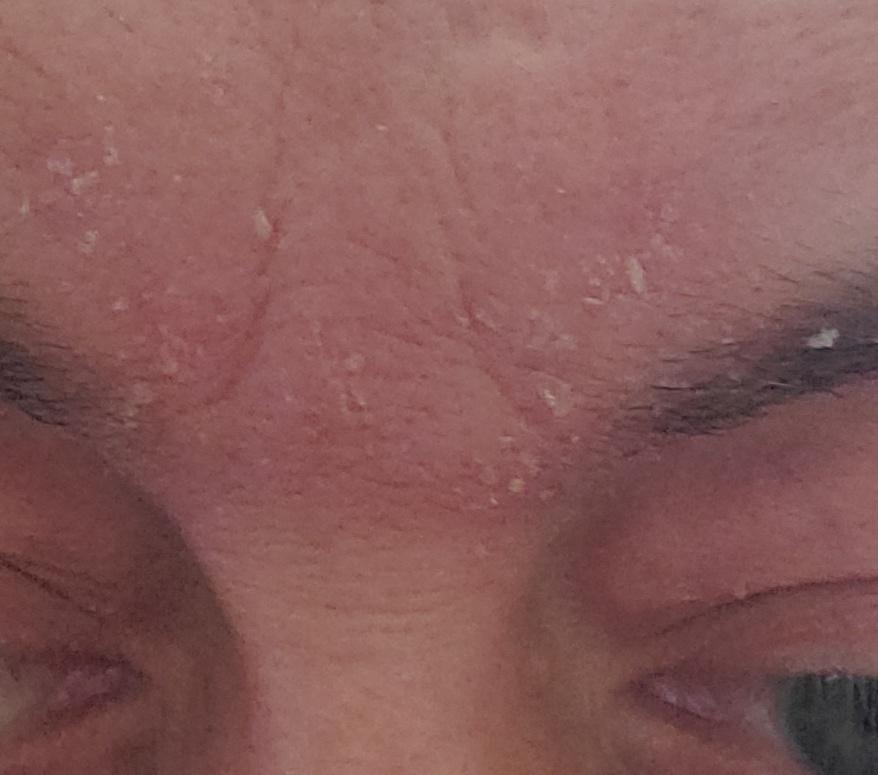
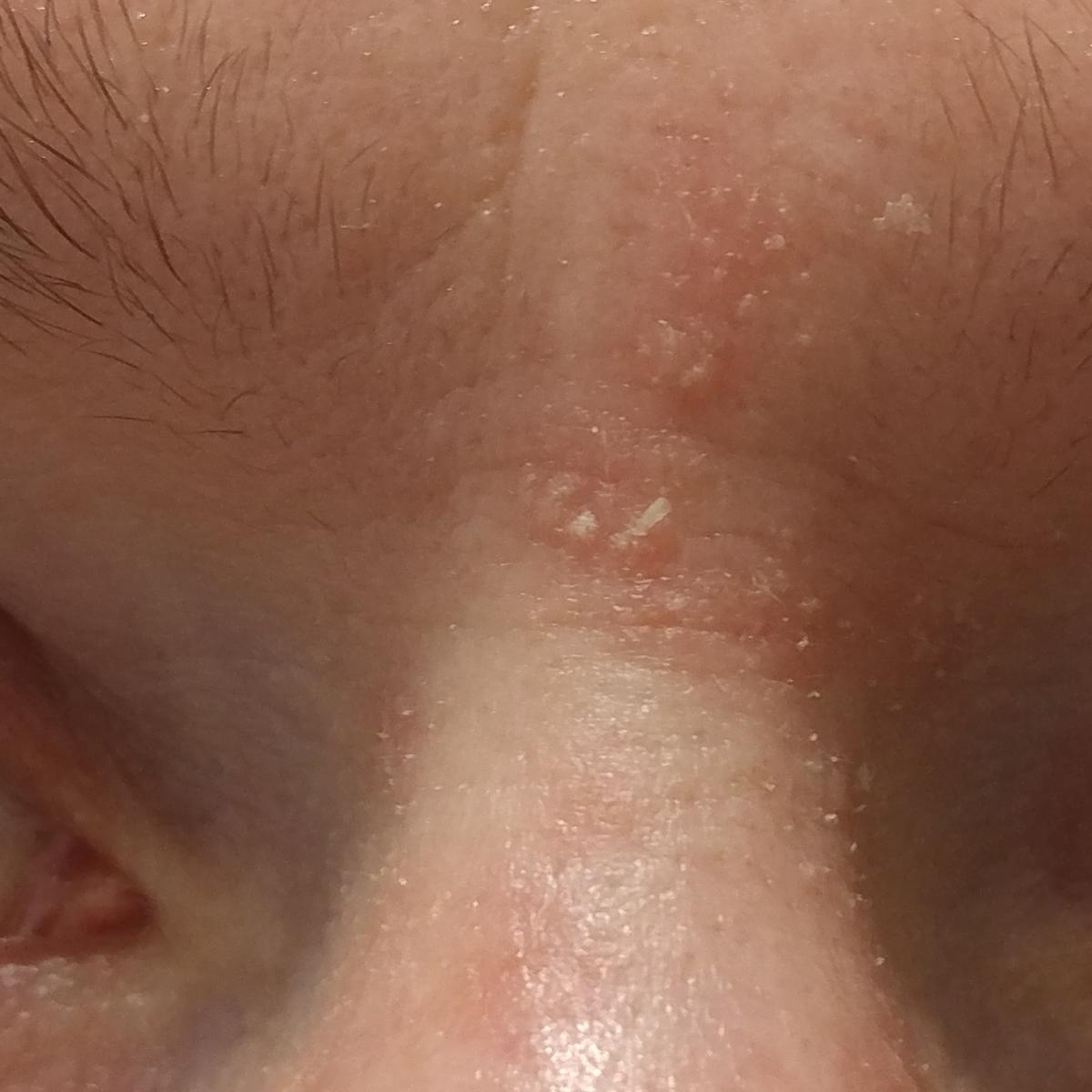
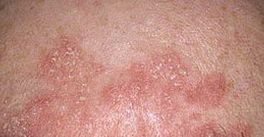
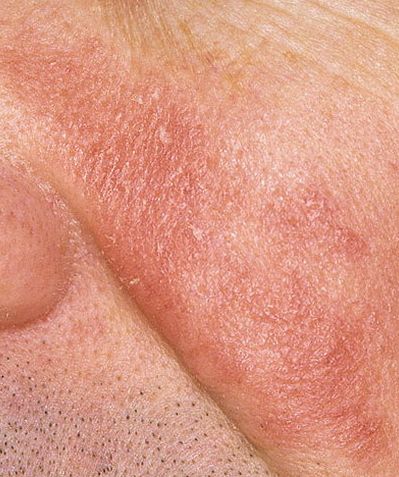
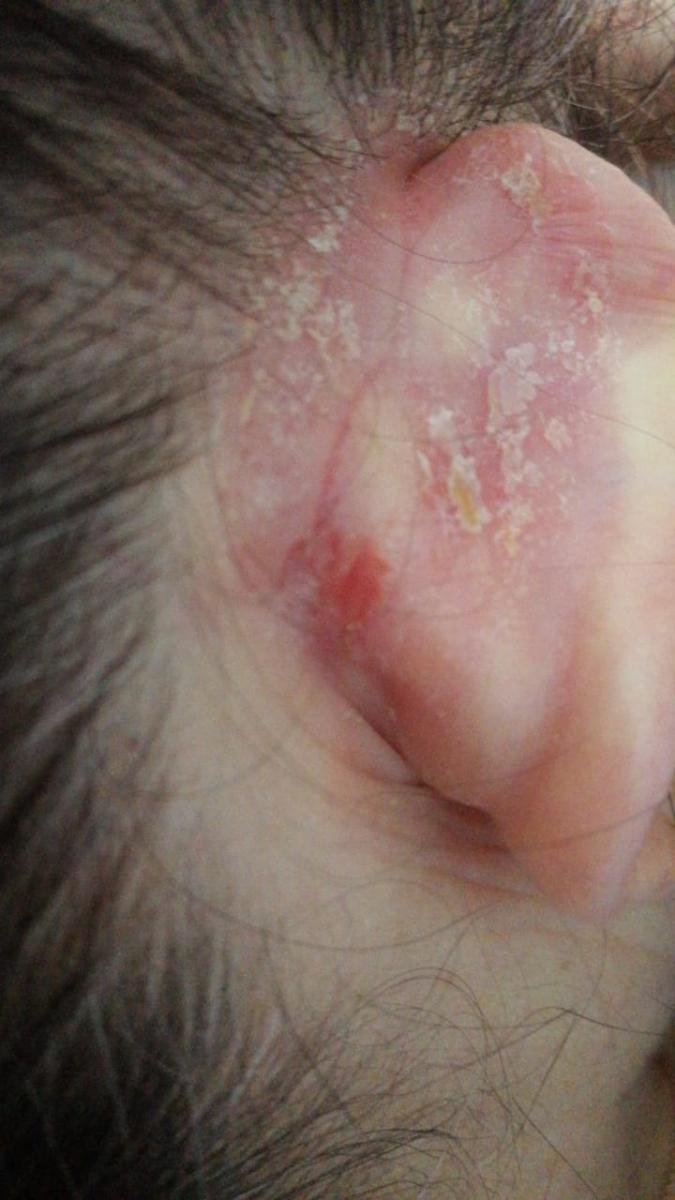
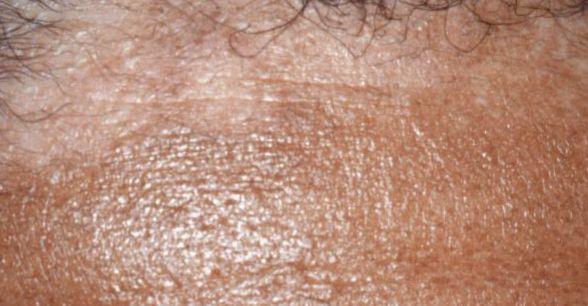
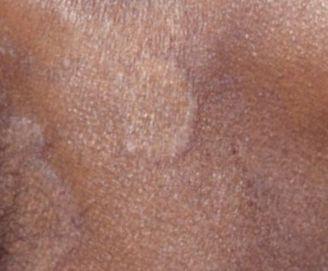
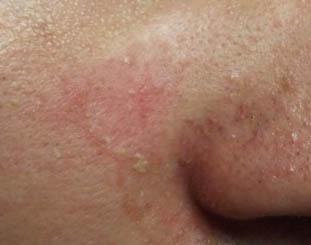
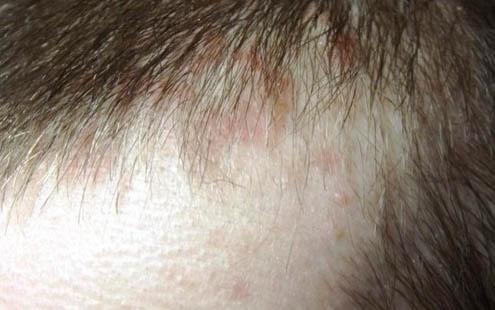
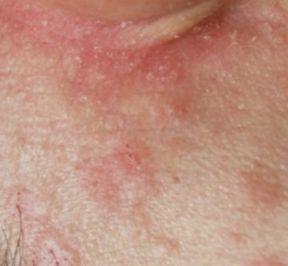
Below in the article you can view real photos to better understand how the condition looks.
Main symptoms
Common symptoms include:
- skin flaking (dandruff on the scalp)
- redness
- oily or dry scales
- mild itching
In more severe cases:
- skin irritation
- thick scaly patches
- discomfort in affected areas
Causes
The exact cause of seborrheic dermatitis is not fully understood.
It is believed to be linked to:
- activity of yeast-like fungi that normally live on the skin
- sebaceous gland activity
- individual skin sensitivity
Factors that may trigger or worsen symptoms:
- stress
- cold and dry weather
- hormonal changes
- harsh skincare products
- reduced immune function
Certain medical conditions may also increase the risk.
How it develops
The skin naturally hosts microorganisms, including yeast-like fungi. Under normal conditions, they do not cause problems.
When conditions change, their activity increases. This can trigger an inflammatory response, leading to redness and flaking.
At the same time, sebum production may increase, making scales appear oily and more noticeable.
The condition is often chronic, with recurring flare-ups.
Forms and types
Seborrheic dermatitis may present in different forms:
- mild form — dandruff only
- moderate form — redness and flaking on the face and scalp
- severe form — widespread affected areas
In infants, it may appear as thick scales on the scalp.
When to see a doctor
See a specialist if:
- symptoms are persistent or worsening
- the condition spreads to the face or body
- significant redness or irritation appears
- treatments you tried are not effective
It is also important to consult a doctor to rule out other skin conditions with similar symptoms.
Treatment
Treatment depends on severity and location.
Main approaches:
- medicated shampoos for scalp involvement
- topical anti-inflammatory treatments
- basic skin care to maintain skin balance
Additionally:
- use gentle cleansers regularly
- avoid harsh cosmetics
- do not irritate or damage the skin
If needed, a doctor may prescribe additional treatments, especially in more severe cases.
Seborrheic dermatitis is a chronic condition, so treatment may need to be repeated during flare-ups.
Q&A
Can seborrheic dermatitis be cured?
The underlying tendency cannot be completely eliminated, but symptoms can usually be well controlled.
Is it contagious?
No, seborrheic dermatitis is not transmitted from person to person.
Do medicated shampoos help?
Yes, especially for scalp involvement, as they reduce flaking and inflammation.
Why does dandruff occur?
Dandruff is one of the manifestations of seborrheic dermatitis caused by scalp flaking.
Can it go away on its own?
Sometimes symptoms improve, but without maintenance care it often returns.
Can I use cosmetics?
Yes, but it is better to choose gentle, non-irritating products.
Is it dangerous?
Usually not, but it can cause significant discomfort and cosmetic concerns.
Why do symptoms worsen in winter?
Cold and dry air can worsen skin condition.
Check Your Skin Instantly
Use the Rash identifier app – Skinive AI to take a photo of a skin lesion and get an AI-based risk assessment. It helps determine whether professional consultation is recommended, giving you fast guidance and peace of mind.
Used medical sources
- World Health Organization (WHO) — Skin conditions
- Fitzpatrick’s Dermatology, 9th Edition
- European Academy of Dermatology and Venereology (EADV) Guidelines
- American Academy of Dermatology (AAD) — Seborrheic dermatitis
- Clinical Dermatology (Bolognia et al.)
🇬🇧 Seborrheic Dermatitis: Diagnosis and Care in the UK
If you notice dermatitis (inflammation of the skin)—such as redness, itching, swelling, or rashes—it’s important to get a professional opinion. In the UK, you can access dermatology care via the NHS, private clinics, or online dermatology consultations.
👉 How to See a Dermatologist in the UK NHS – This main guide explains how NHS referrals work, what to expect from specialist dermatology services, and how to choose between public and private care.
Dermatologists in Major UK Cities:
- Dermatologist in London
- Dermatologist in Manchester
- Dermatologist in Liverpool
- Dermatologist in Birmingham
- Dermatologist in Leeds
- Dermatologists in Other UK cities
Online Dermatology
If you prefer remote care or faster access, try online dermatology consultations. They allow dermatologists to review images, provide advice, and guide next steps without visiting a clinic. Read more in this article: Online Dermatologists in UK.
🇦🇺 Seborrheic Dermatitis: Diagnosis and Care in Australia
If you notice dermatitis (inflammation of the skin)—such as redness, itching, swelling, or rashes, it’s important to get a professional opinion. In Australia, dermatology care is available via Medicare (public system), private clinics, or online consultations.
👉 How to See a Dermatologist in Australia – This main guide explains how referrals work through GPs and public clinics, what to expect from specialist dermatology services, and how to choose between public and private care.
Dermatologists in Major Australian Cities:
- Dermatologist in Sydney
- Dermatologist in Melbourne
- Dermatologist in Brisbane
- Dermatologist in Perth
- Dermatologist in Adelaide
- Dermatologists in other Australian cities
Online Dermatology
For faster access or remote care, online dermatology consultations allow dermatologists to review images, provide advice, and guide next steps without visiting a clinic. Read more in this article: Online Dermatologists in Australia.
Images of seborrheic dermatitis:



** Should you identify any copyright infringement regarding the images on this page, kindly reach out to us at info@skinive.com.
Furthermore, please be advised that these photos are not authorized for any purpose.