
Dermatofibroma is a benign skin lesion that appears as a firm nodule within the skin or slightly raised above its surface. It is formed from connective tissue (the skin’s structural layer) and is not related to pigment cells. These lesions are not contagious and cannot be transmitted from person to person.
Dermatofibromas most commonly appear in adults, especially after the age of 25–30. They are usually solitary and, in most cases, harmless, requiring no treatment.
What to Do if You Suspect a Dermatofibroma
If you notice a firm nodule on your skin, it is important to have it properly evaluated.
First step: consult a dermatologist. If needed, an oncologist may also be involved.
Pay attention to:
- The appearance of a new firm nodule
- Changes in size, shape, or color
- Itching or other sensations
- Frequent trauma (e.g., from clothing)
Important: Do not try to remove the lesion yourself. Timely medical consultation helps determine the exact nature of the nodule and rule out other skin conditions.
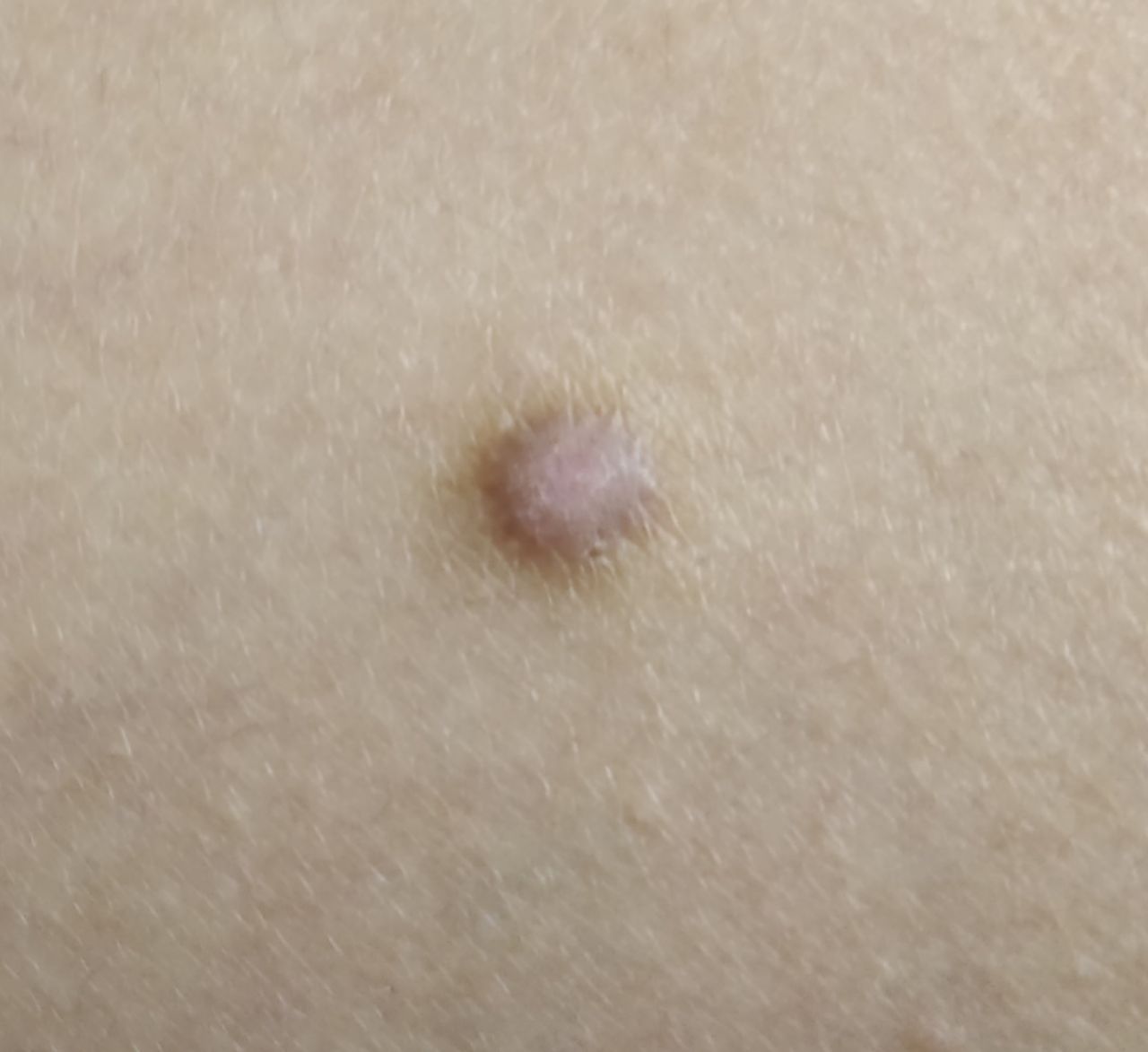
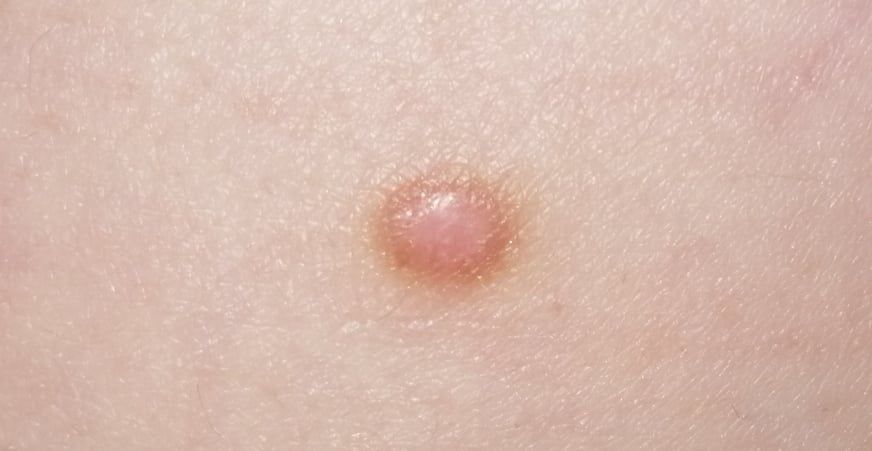
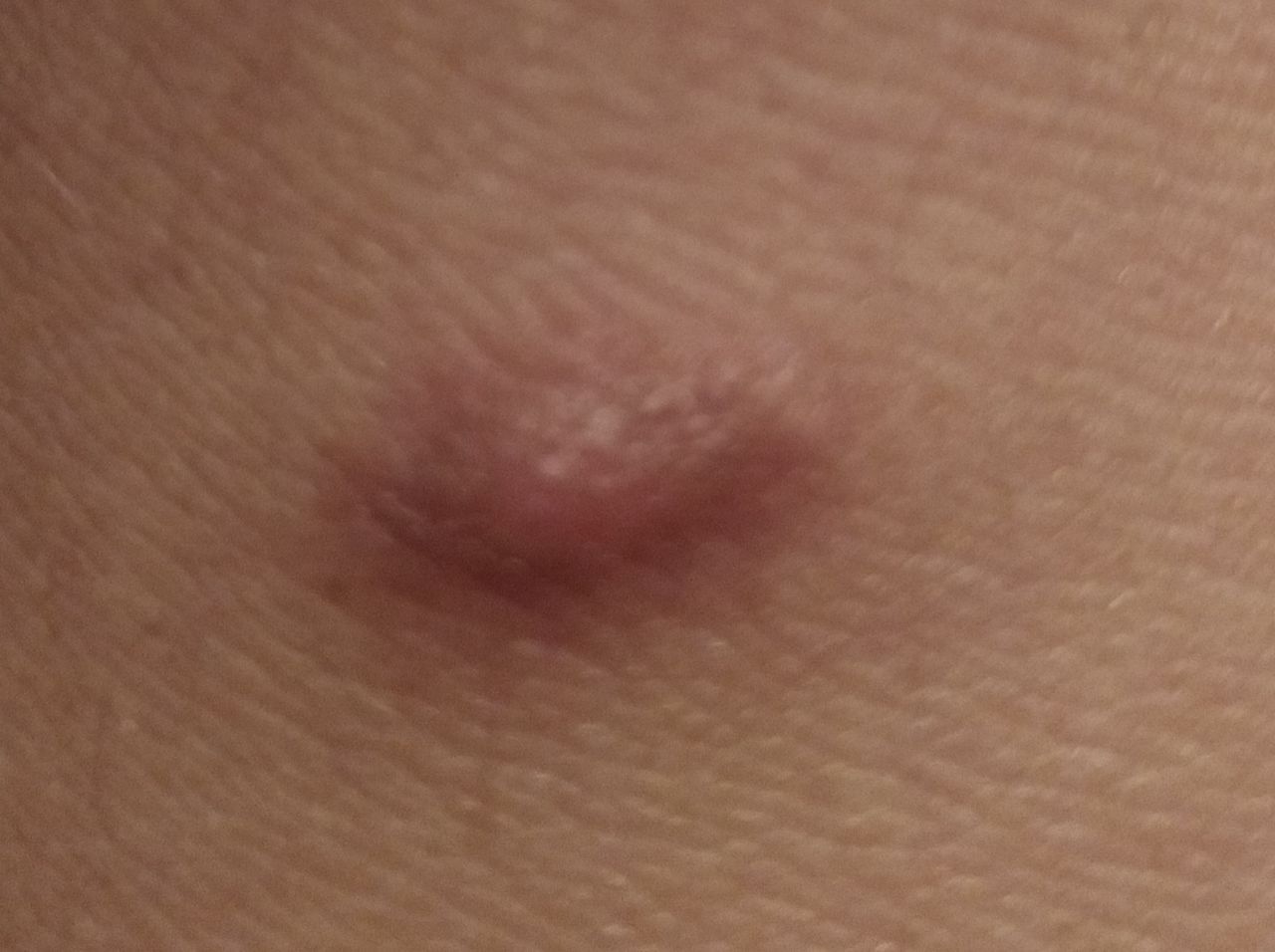
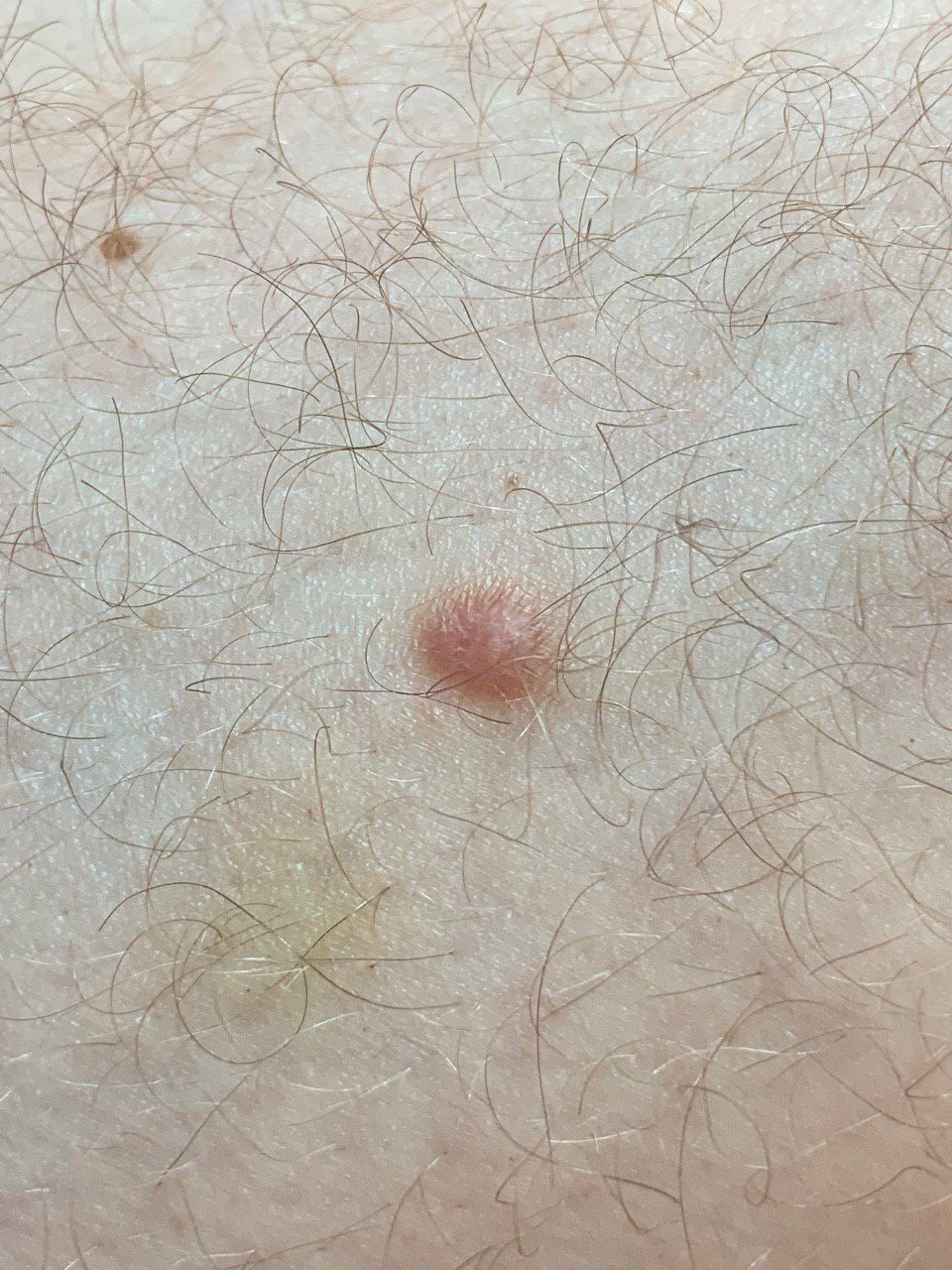
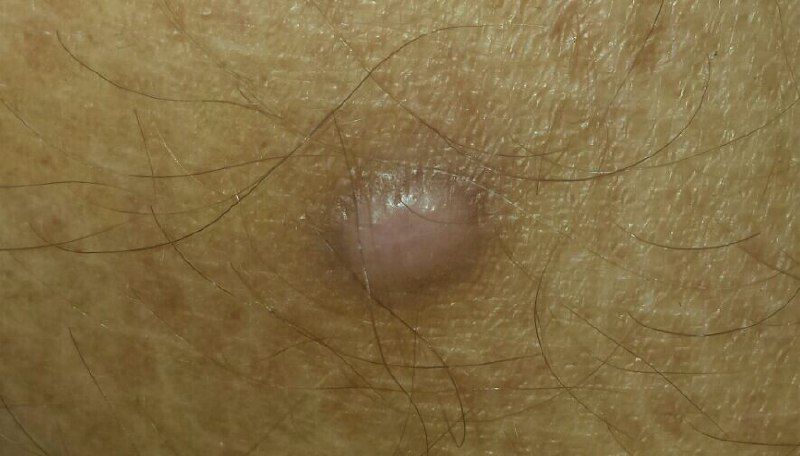
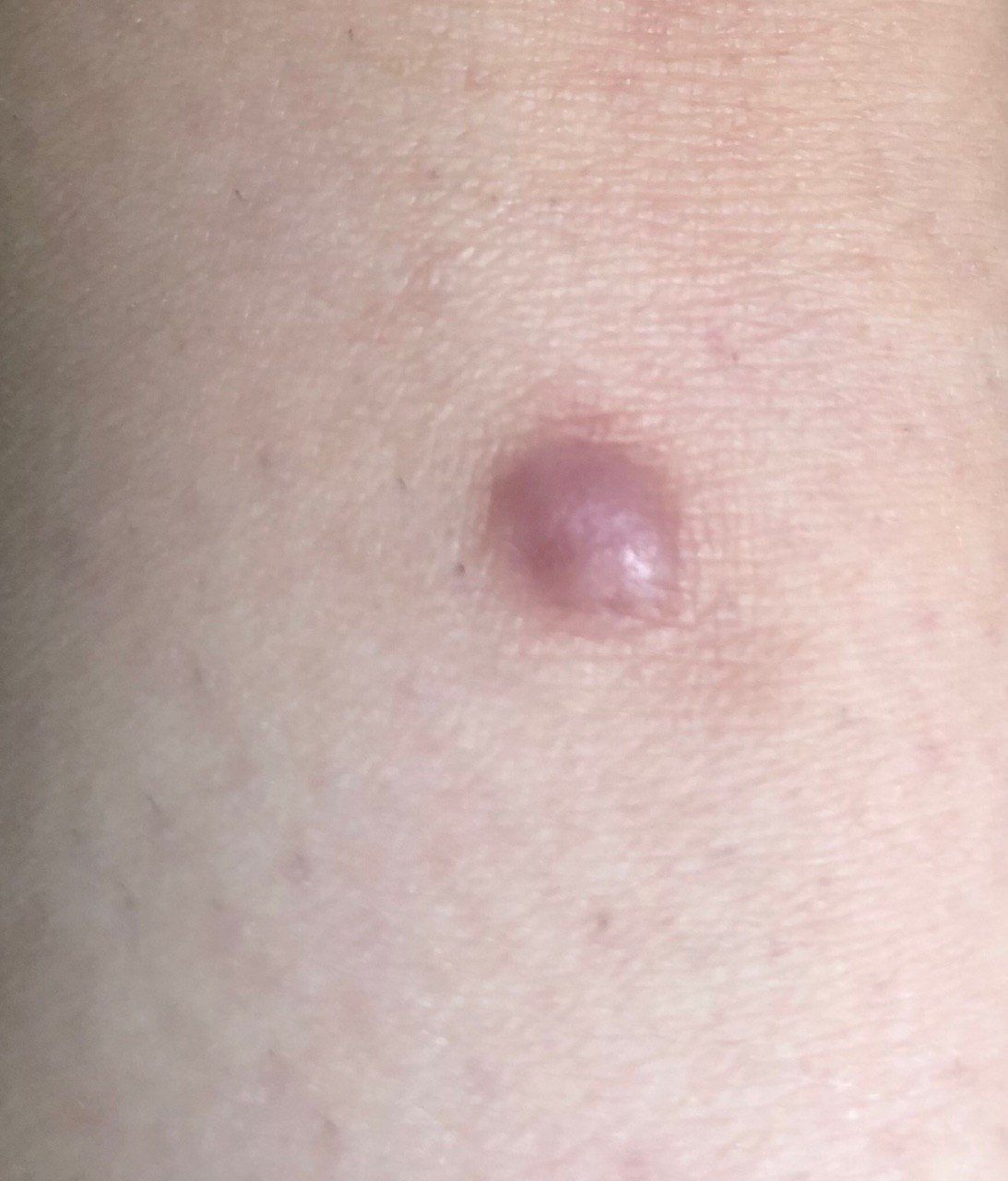
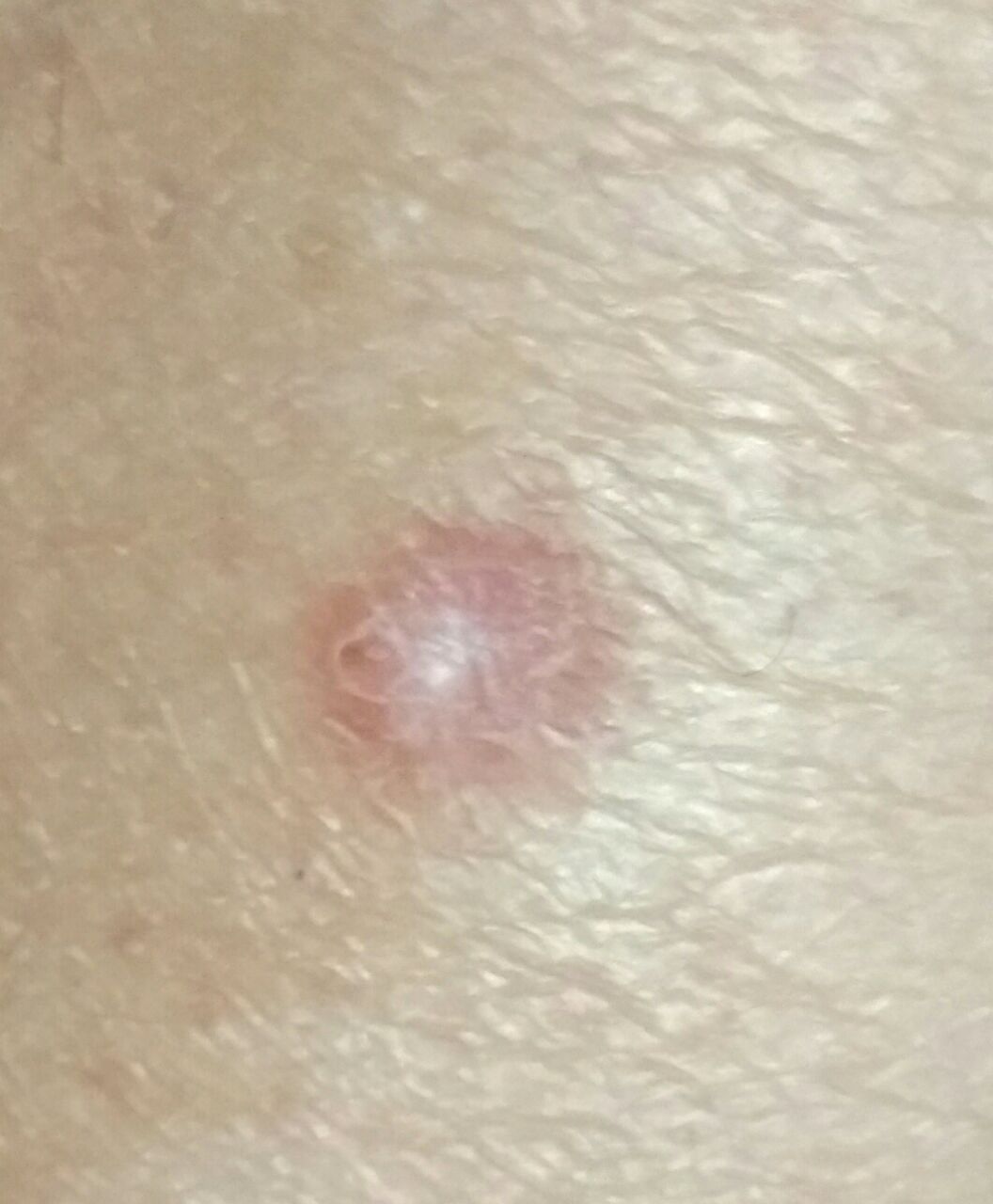
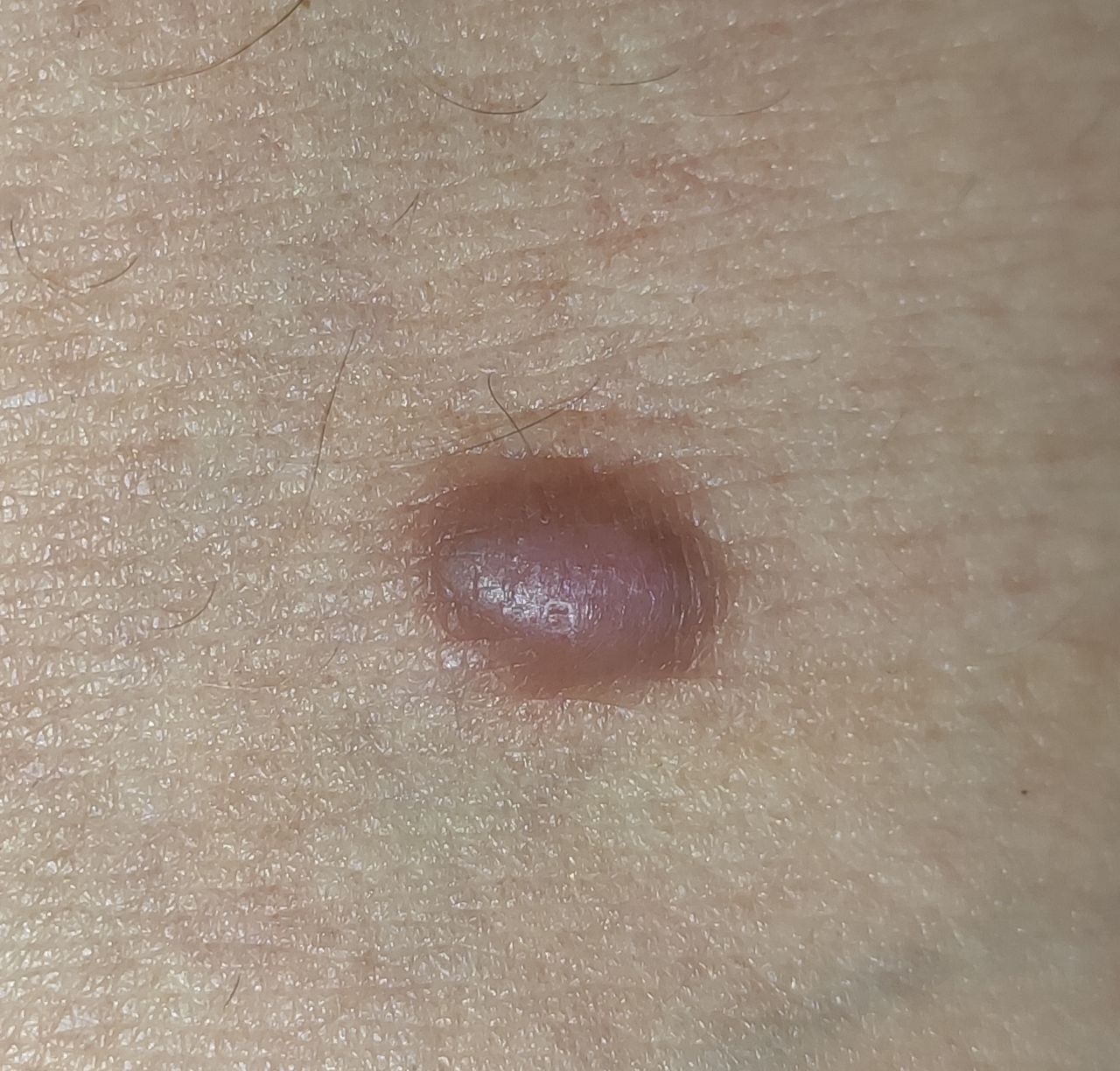
Appearance of Dermatofibroma
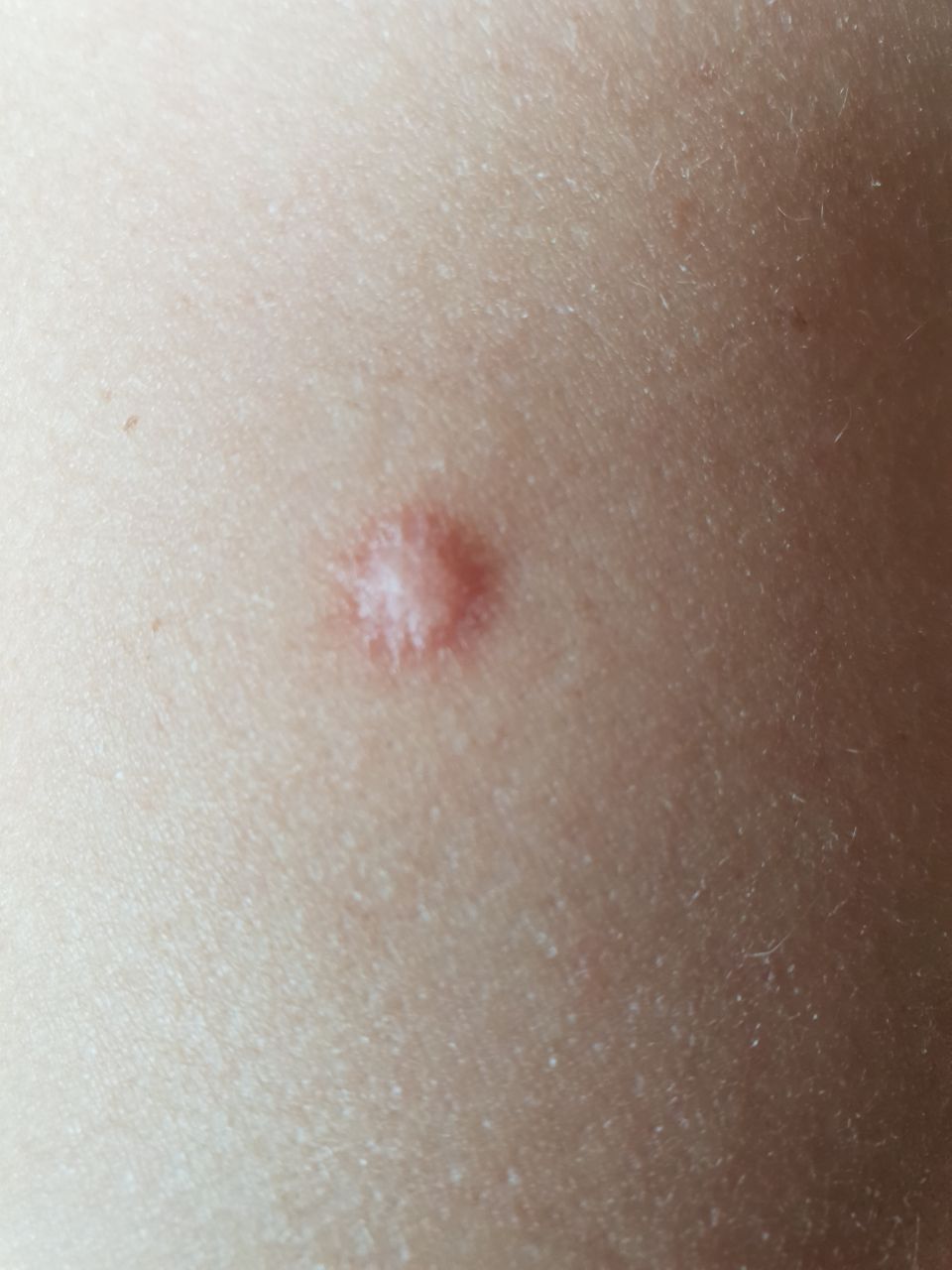
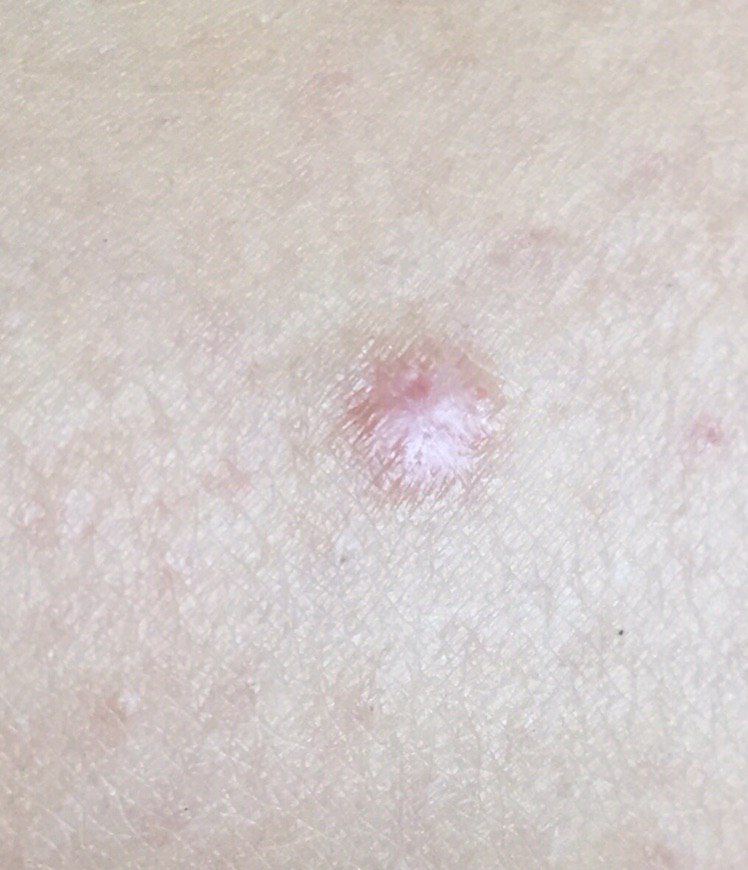
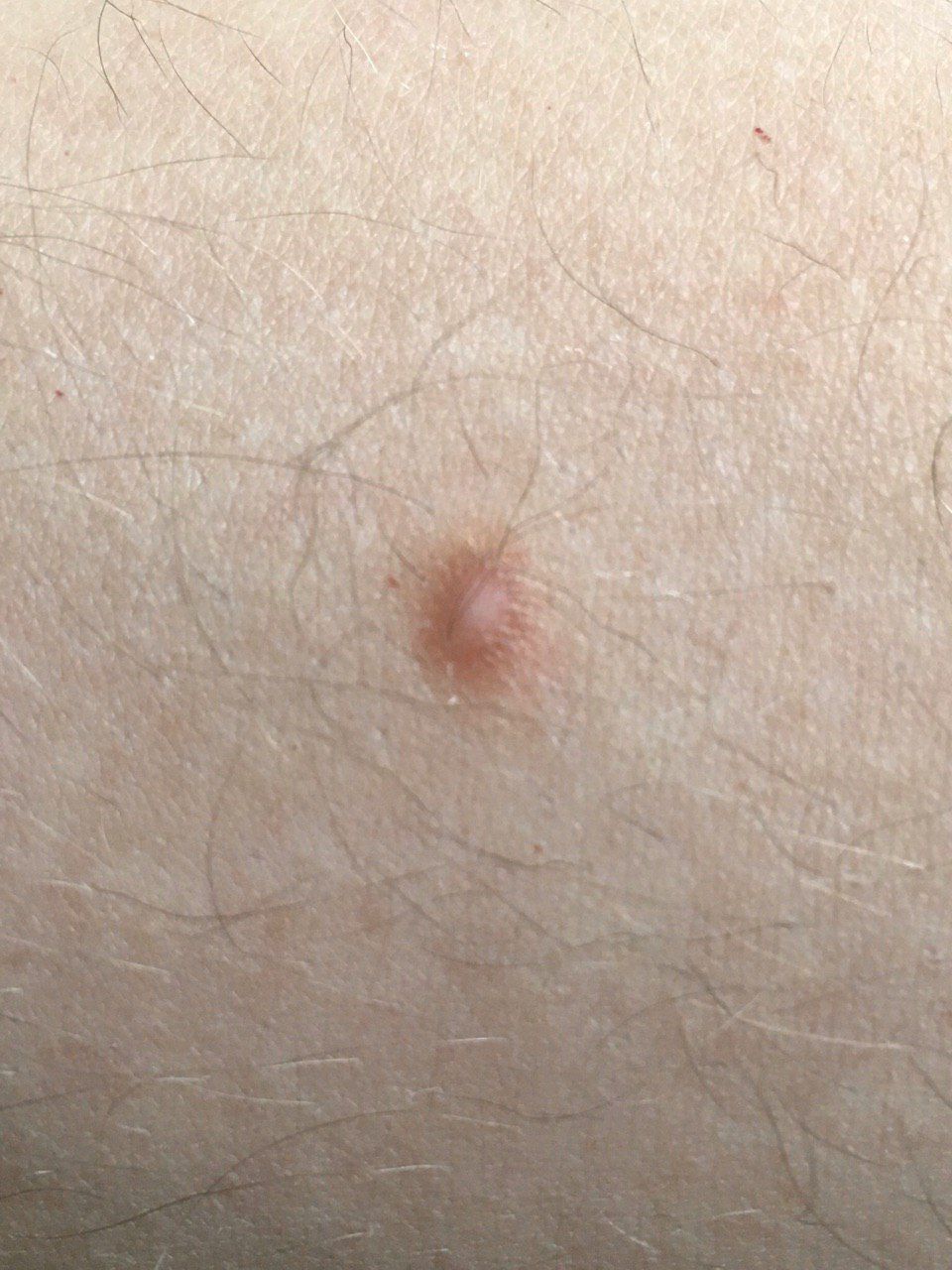
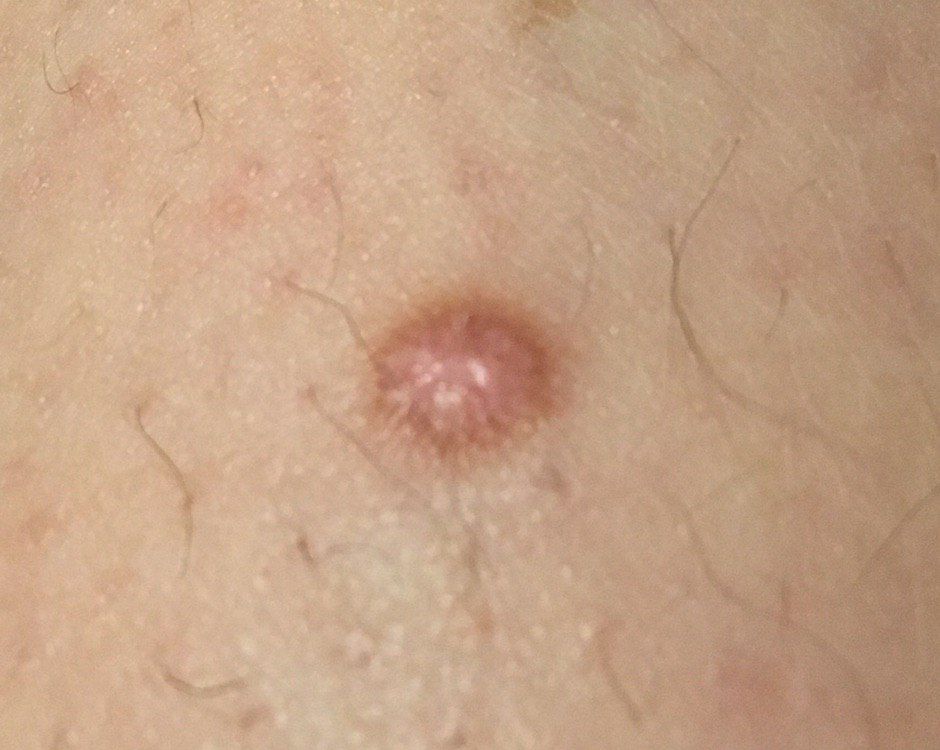
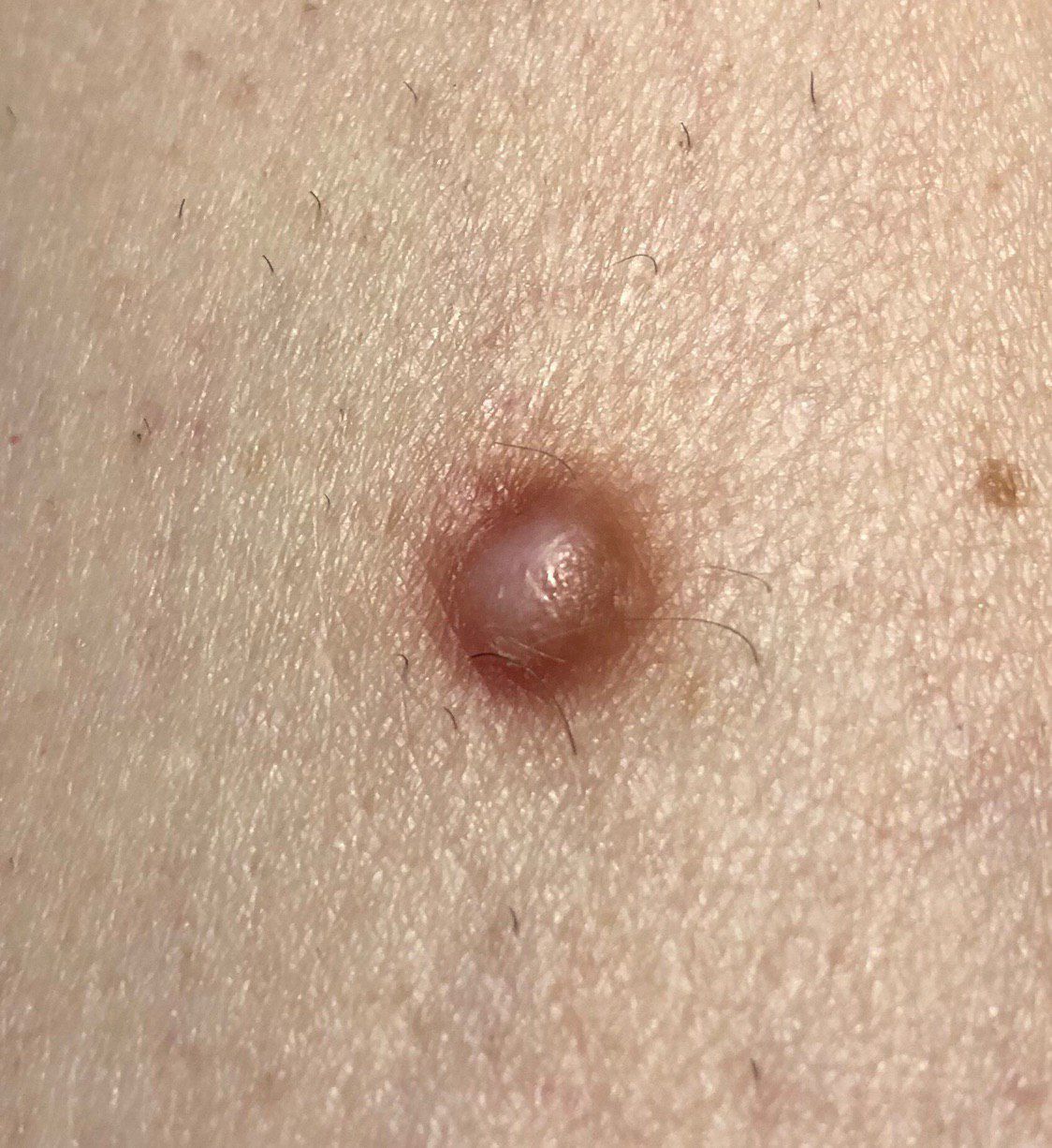
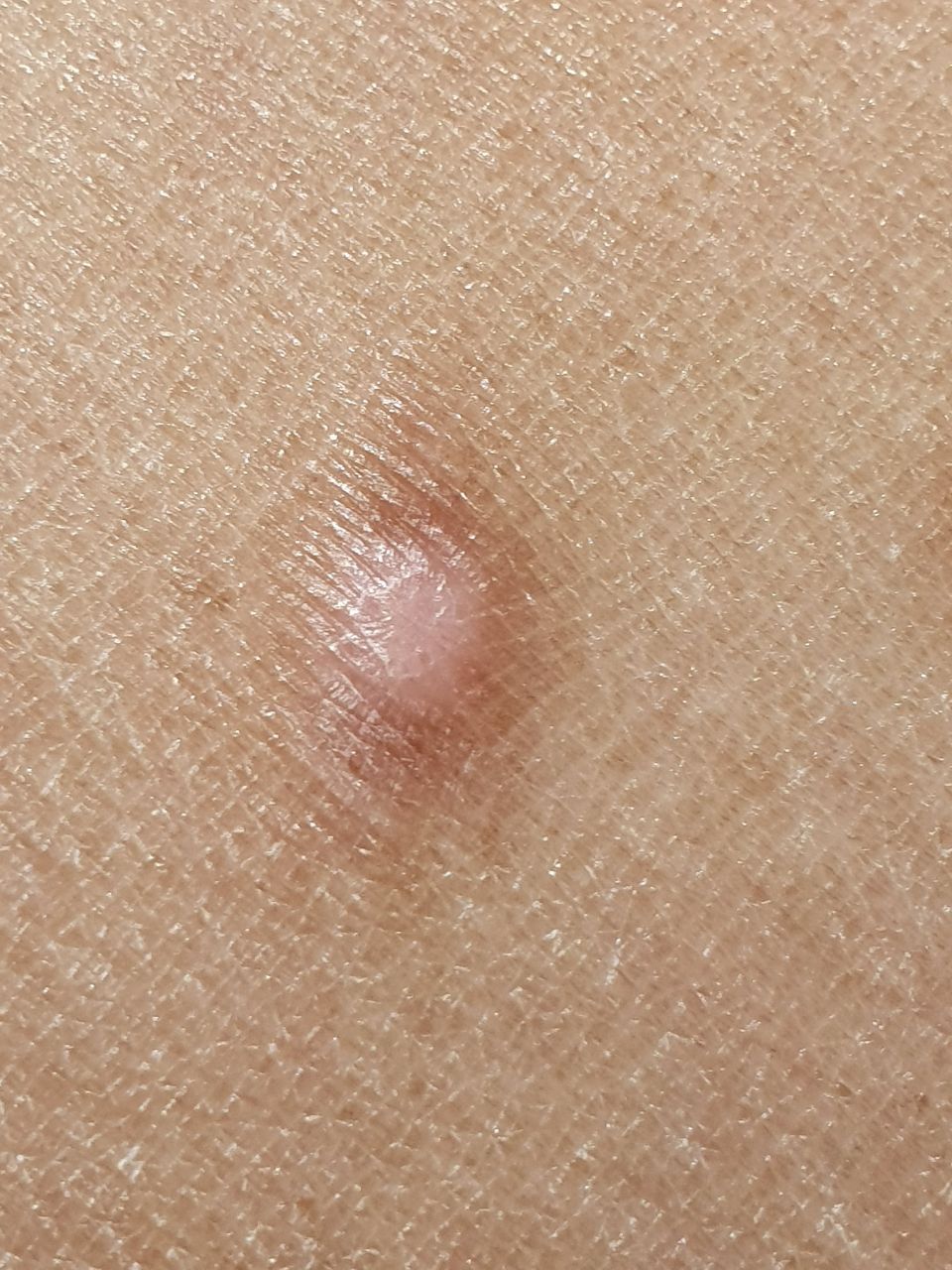
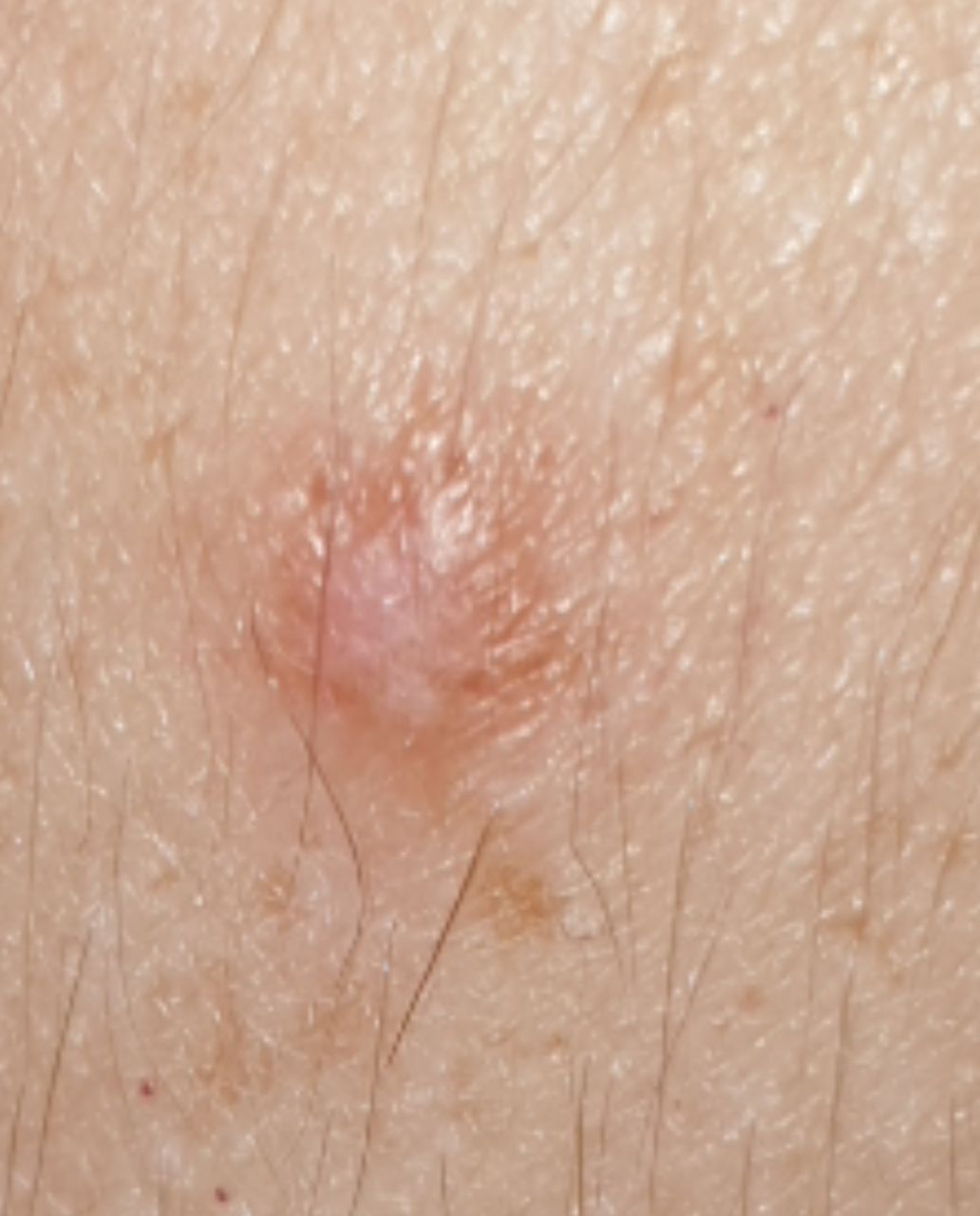
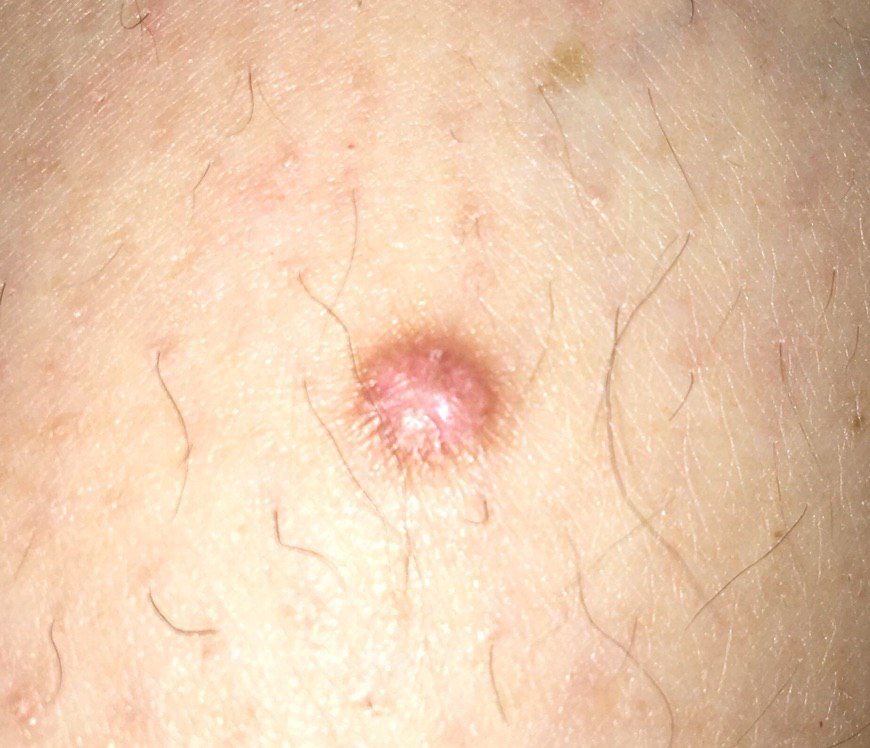
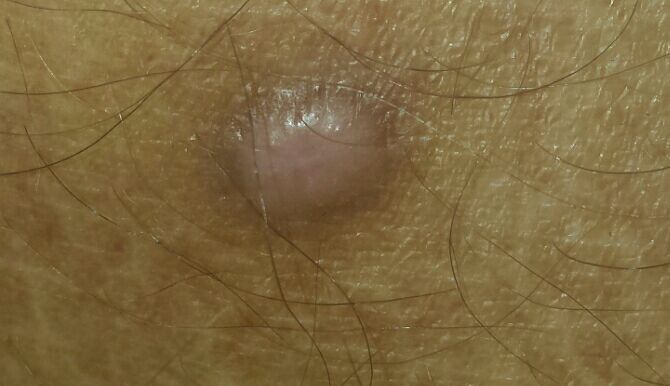
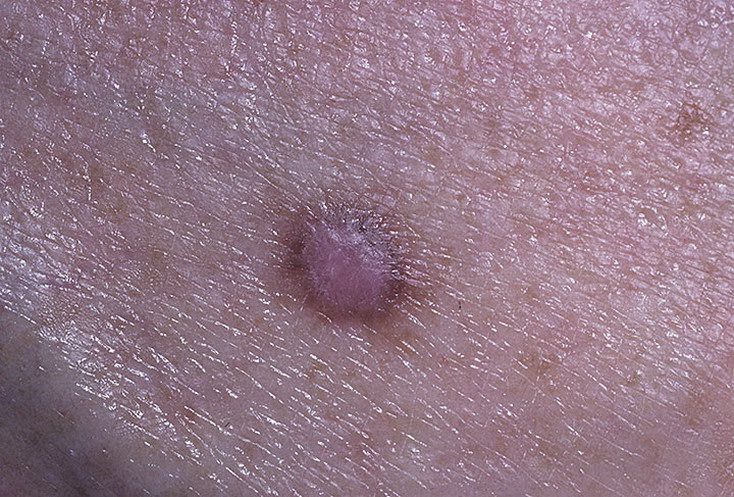
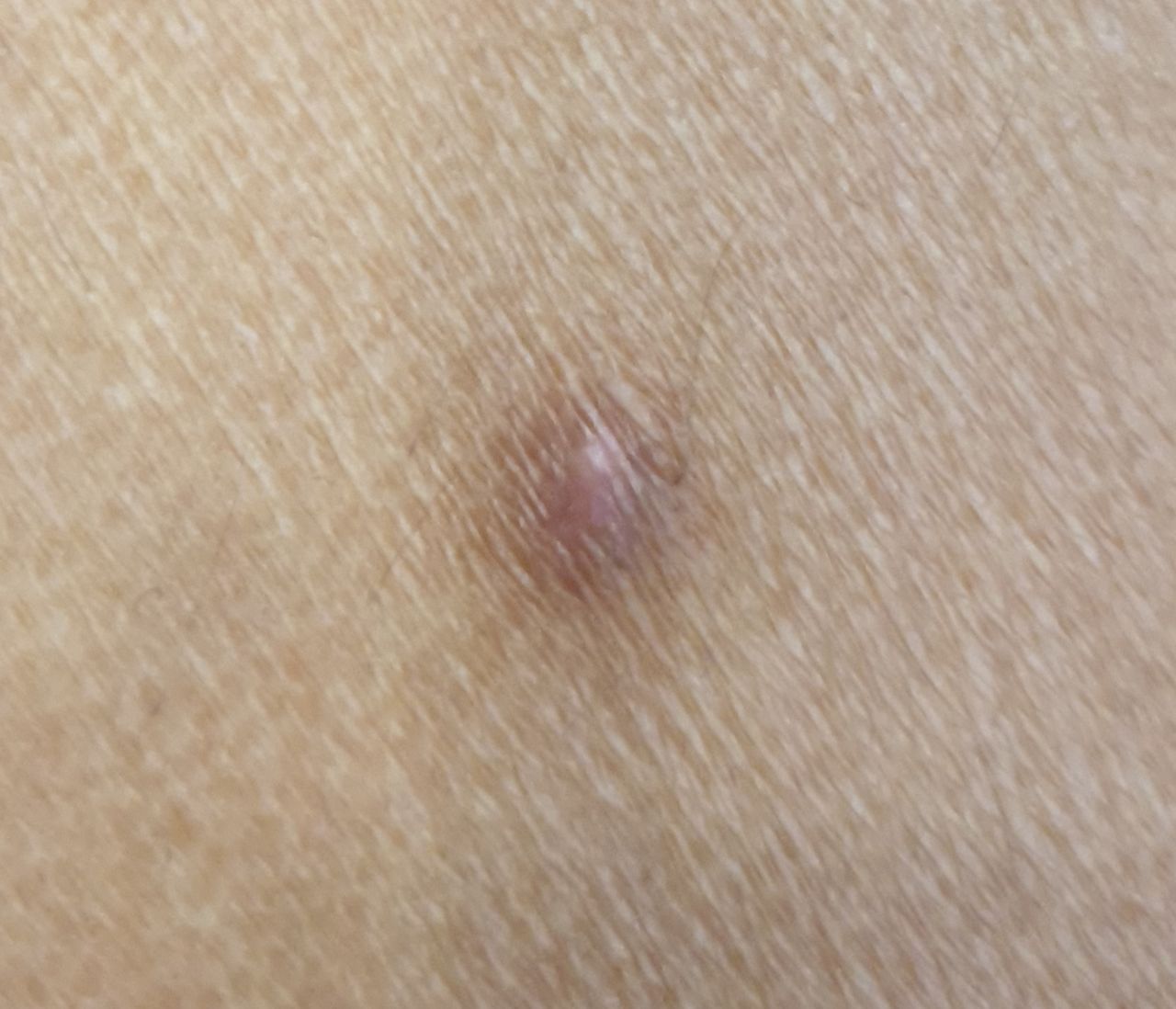
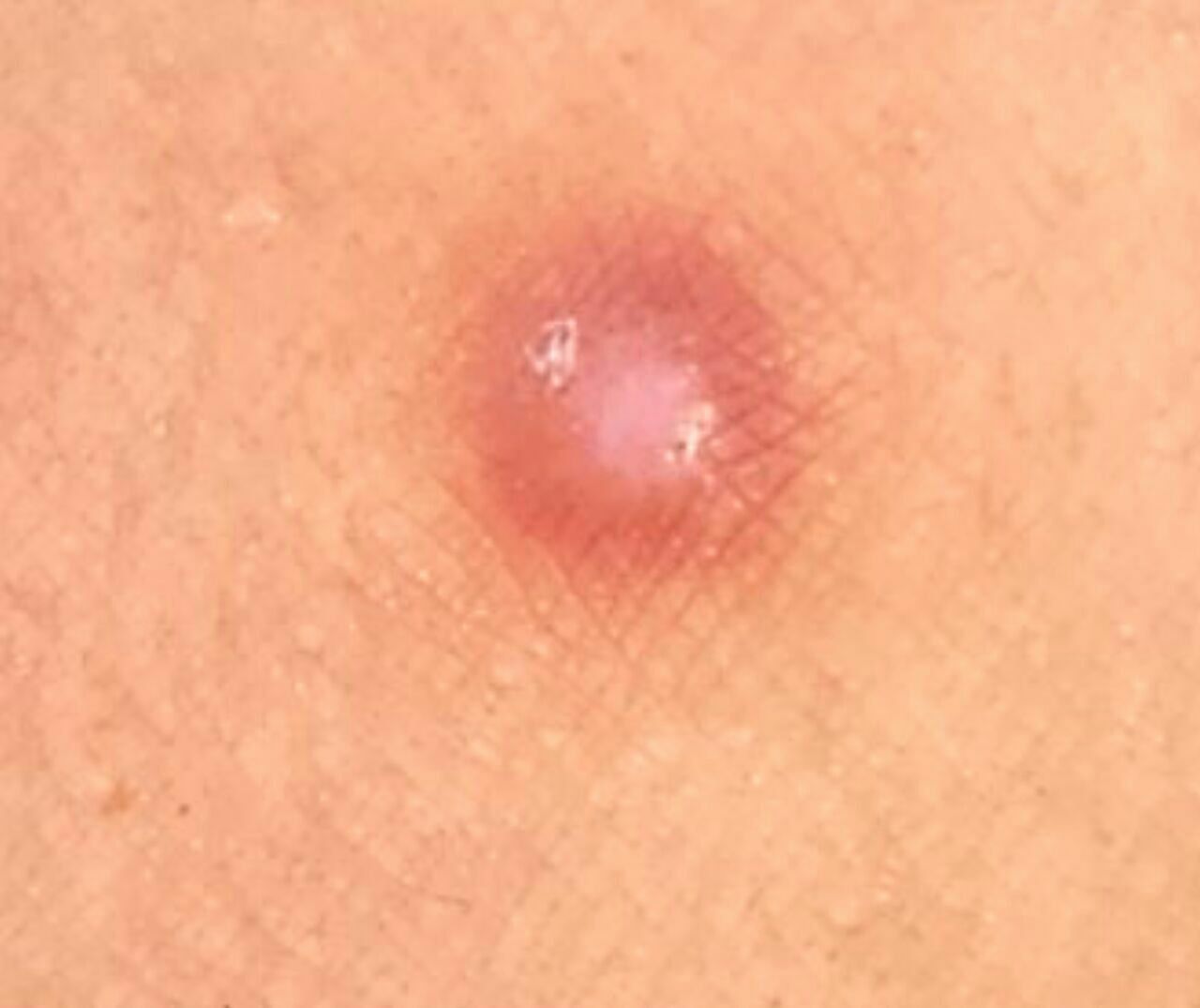
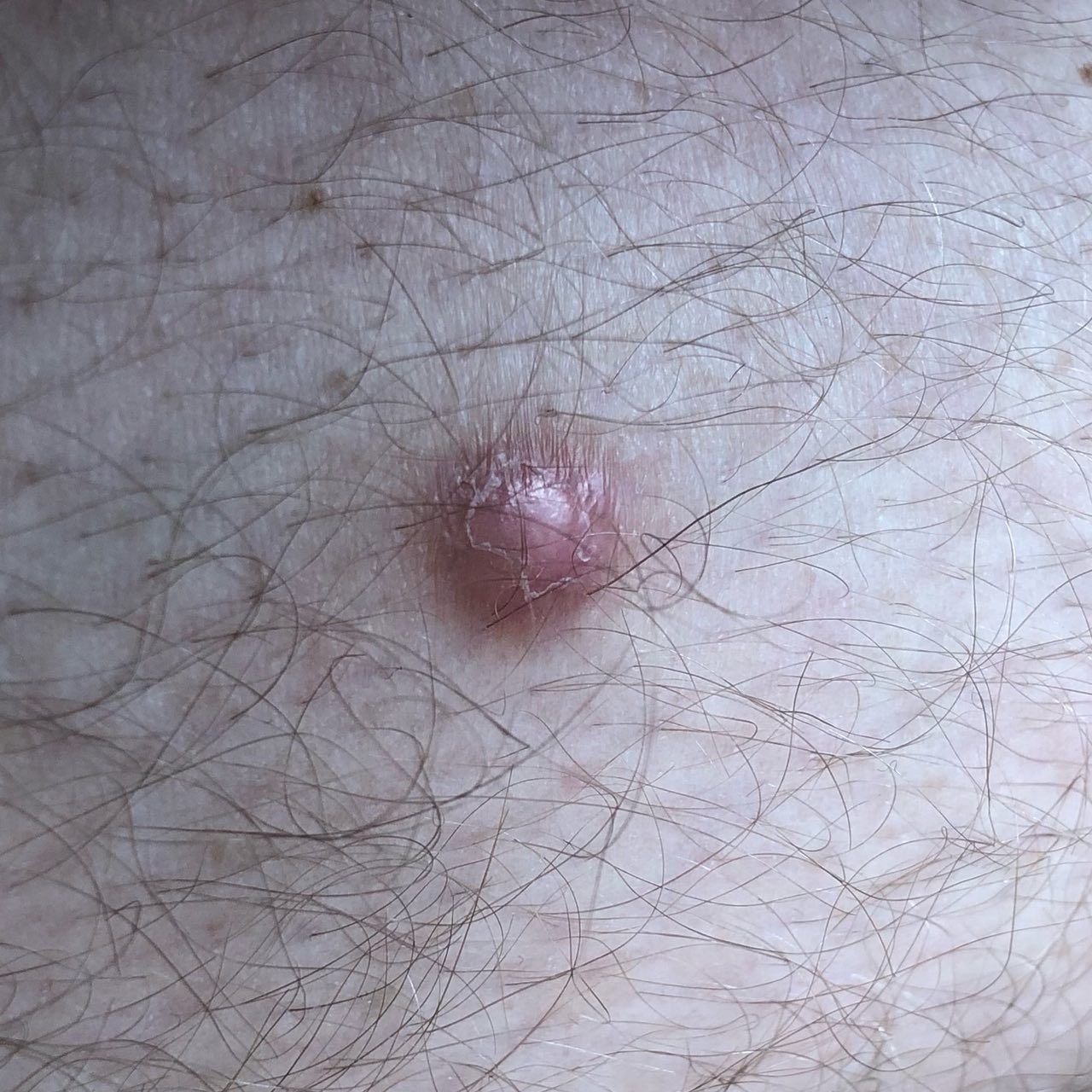
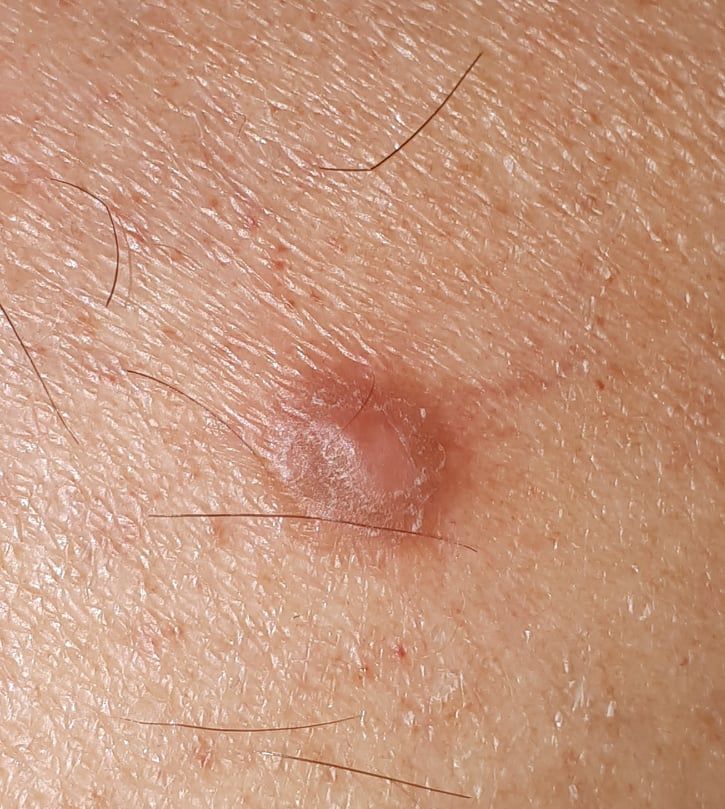
Dermatofibromas can vary in appearance but typically have the following features:
- Small nodule or slightly depressed lesion
- Round or oval shape
- Often symmetrical
Color may be:
- Skin-colored
- Grayish
- Brown or dark brown
Characteristic: lighter center with darker periphery
Surface:
- Usually smooth
- Sometimes slightly bumpy
- Skin lines in the center may be flattened
Size: usually small, up to 1 cm
Common locations:
- Legs
- Shoulder area
- Less commonly, other body parts
Characteristic sign: when the surrounding skin is pinched, the lesion “dimpling” inward forms a small depression.
Main Symptoms
In most cases, dermatofibromas do not cause significant symptoms.
Typically:
- No pain
- No discomfort
- Sometimes mild itching
The lesion usually feels firm or even hard.
Any new symptoms should prompt a medical consultation.
Causes
The exact cause of dermatofibroma is unknown, but several factors may contribute:
- Minor skin injuries
- Insect bites
- Individual skin characteristics
- Genetic predisposition
In simple terms, dermatofibroma may develop as the skin’s reaction to damage.
Disease Progression
Dermatofibroma develops from the skin’s connective tissue. After minor damage (e.g., a bite or microtrauma), localized growth of cells responsible for skin structure and strength can occur, resulting in a firm nodule. It grows slowly and usually remains stable.
Forms and Types
Dermatofibromas can differ in:
- Shape (raised or slightly depressed)
- Color
- Firmness
These differences generally do not affect safety.
When to See a Doctor
Seek a specialist if:
- The lesion grows quickly
- Color or shape changes
- Pain, itching, or bleeding occurs
- The nodule is frequently traumatized
Also, any suspicious skin lesion should be shown to a doctor.
Treatment
In most cases, treatment is not required.
If necessary (e.g., uncertain diagnosis or constant trauma), surgical removal with histopathological examination is performed.
Principles:
- Monitor the lesion
- Protect the skin from trauma
- Individualized approach
The treatment method is always determined by a doctor. Laser or other destructive methods are usually not recommended due to possible recurrence.
Q&A
Is dermatofibroma dangerous?
No, it is benign and usually not a health threat.
Does it need removal?
Not always. Removal is only indicated when necessary.
Why is it firm?
Because it consists of dense connective tissue.
Can it be confused with a mole?
Yes, they may look similar; a doctor’s assessment is recommended.
Can it disappear on its own?
Usually no, but it may remain stable for a long time.
Is it harmful to traumatize it?
Better to avoid trauma, as this may cause irritation.
How to distinguish dermatofibroma at home?
One sign is that the lesion “dimpling inward” when the surrounding skin is pinched.
How often should it be monitored?
Periodic self-checks are sufficient, with doctor consultation if changes occur.
Check Your Skin Instantly
Use the Mole Checker app: Skinive AI to take a photo of a mole or lesion and get an AI-based risk assessment. It helps determine whether professional consultation is recommended, giving you fast guidance and peace of mind.
Sources
- World Health Organization (WHO)
- American Academy of Dermatology (AAD)
- National Cancer Institute (NCI)
- Fitzpatrick’s Dermatology
- DermNet NZ
🇬🇧 Dermatofibroma: When to Seek Medical Advice in the UK
If you notice benign neoplasms, nevi, or moles, it’s important to get a professional opinion. In the UK, you can access dermatology care via the NHS, private clinics, or online consultations.
👉 How to See a Dermatologist in the UK NHS – This main guide explains how NHS referrals work, what to expect from specialist dermatology services, and how to choose between public and private care.
Dermatologists in Major UK Cities:
- Dermatologist in London
- Dermatologist in Manchester
- Dermatologist in Liverpool
- Dermatologist in Birmingham
- Dermatologist in Leeds
- Dermatologists in Other UK cities
Online Dermatology
If you prefer remote care or faster access, try online dermatology consultations. They allow dermatologists to review images, provide advice, and guide next steps without visiting a clinic. Read more in this article: Online Dermatologists in UK.
🇦🇺 Dermatofibroma: When to Seek Medical Advice in Australia
If you notice benign neoplasms, nevi, or moles, it’s important to get a professional opinion. In Australia, you can access dermatology care via Medicare (public system), private clinics, or online consultations.
👉 How to See a Dermatologist in Australia – This main guide explains how referrals work through GPs and public clinics, what to expect from specialist dermatology services, and how to choose between public and private care.
Dermatologists in Major Australian Cities:
- Dermatologist in Sydney
- Dermatologist in Melbourne
- Dermatologist in Brisbane
- Dermatologist in Perth
- Dermatologist in Adelaide
- Dermatologists in other Australian cities
Online Dermatology
For faster access or remote care, online dermatology consultations allow dermatologists to review images, provide advice, and guide next steps without visiting a clinic. Read more in this article: Online Dermatologists in Australia.
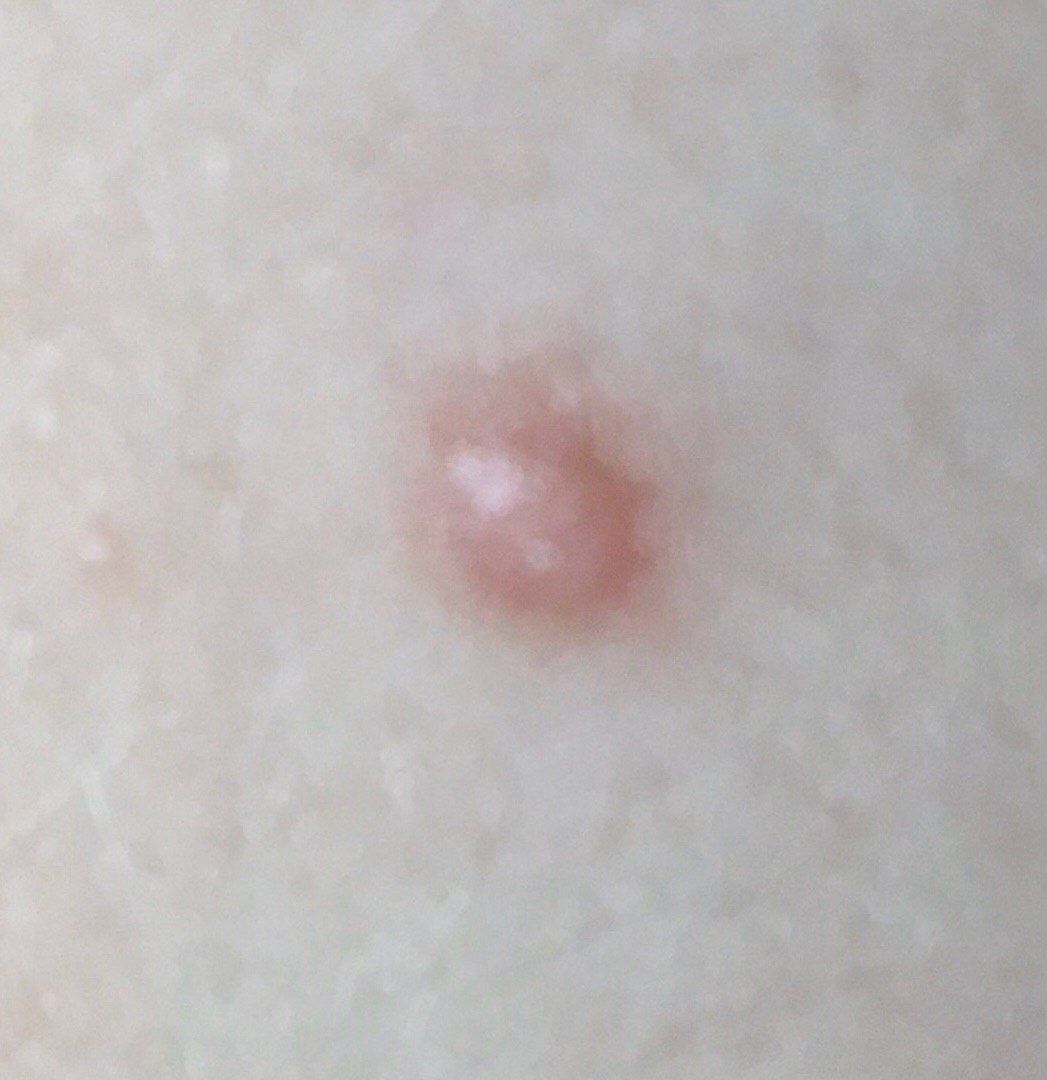
Images of dermatofibroma:

** Should you identify any copyright infringement regarding the images on this page, kindly reach out to us at info@skinive.com.
Furthermore, please be advised that these photos are not authorized for any purpose.