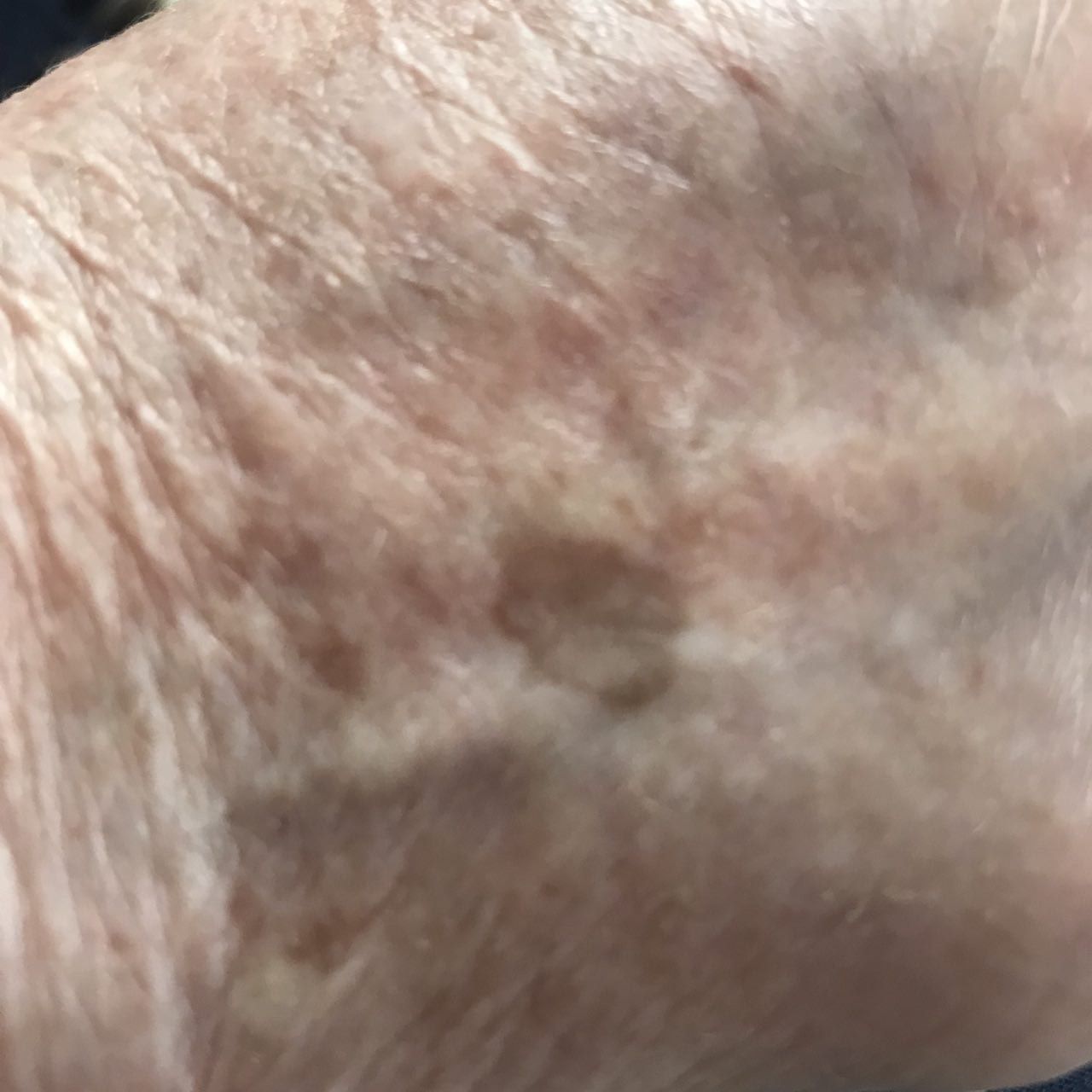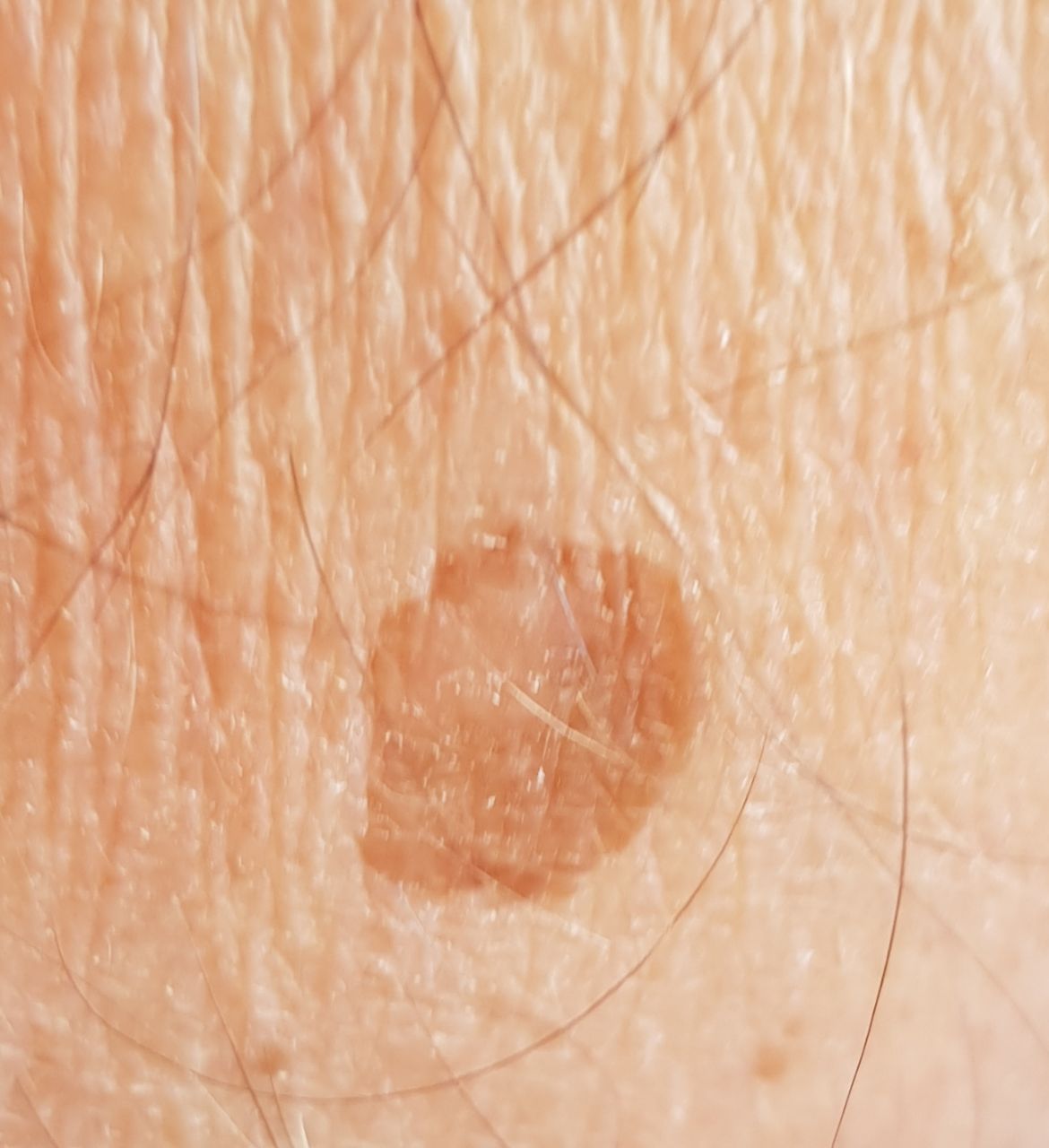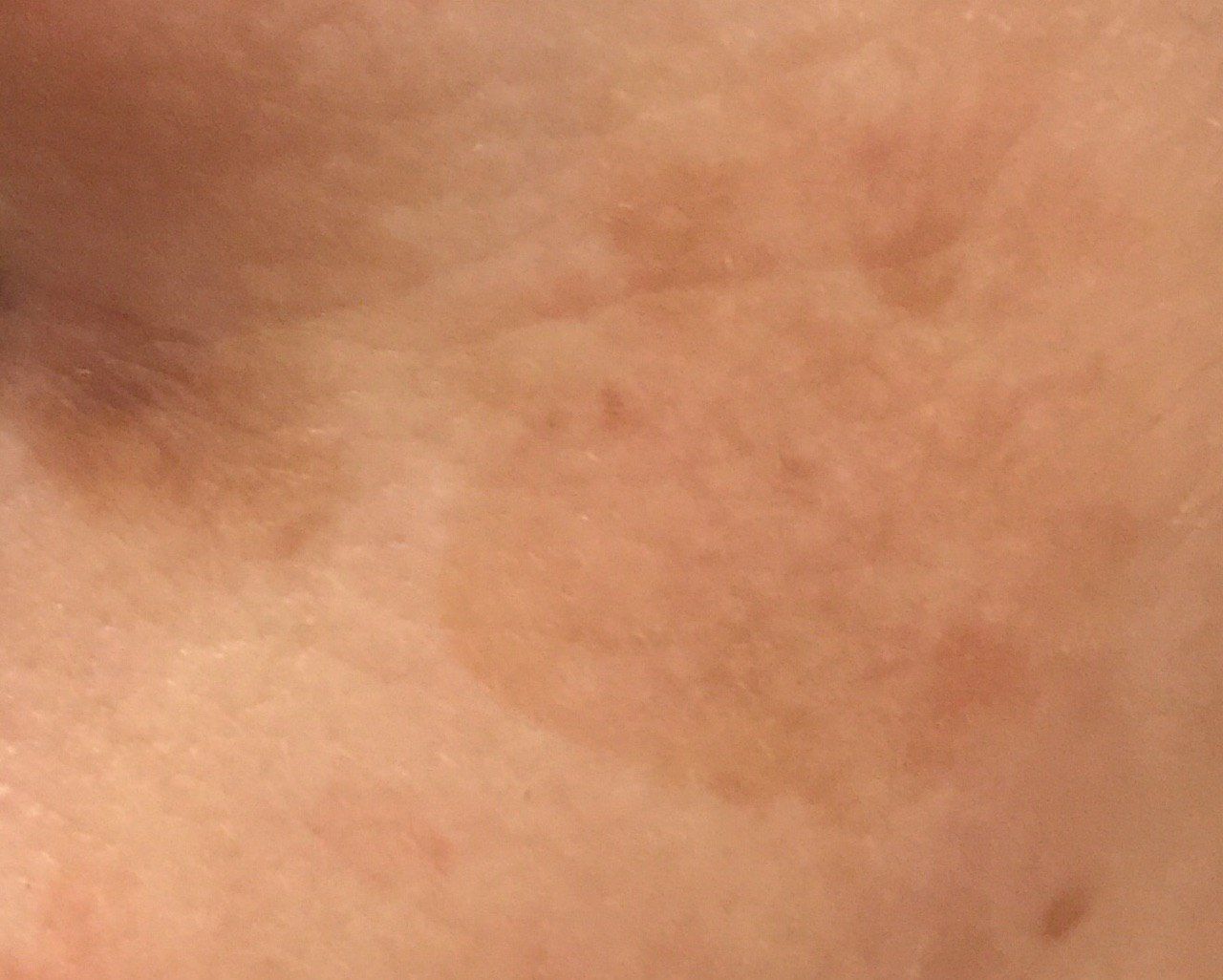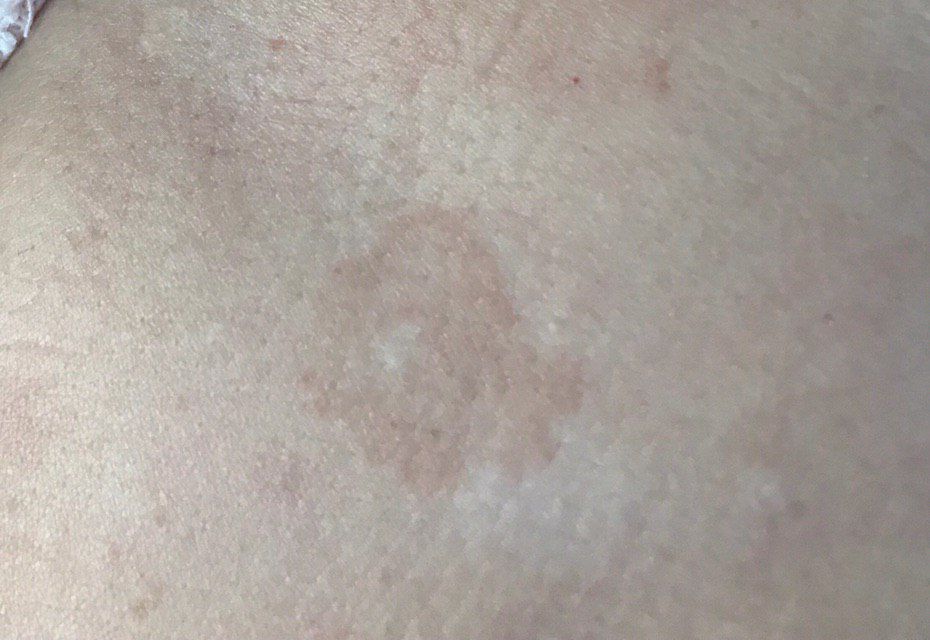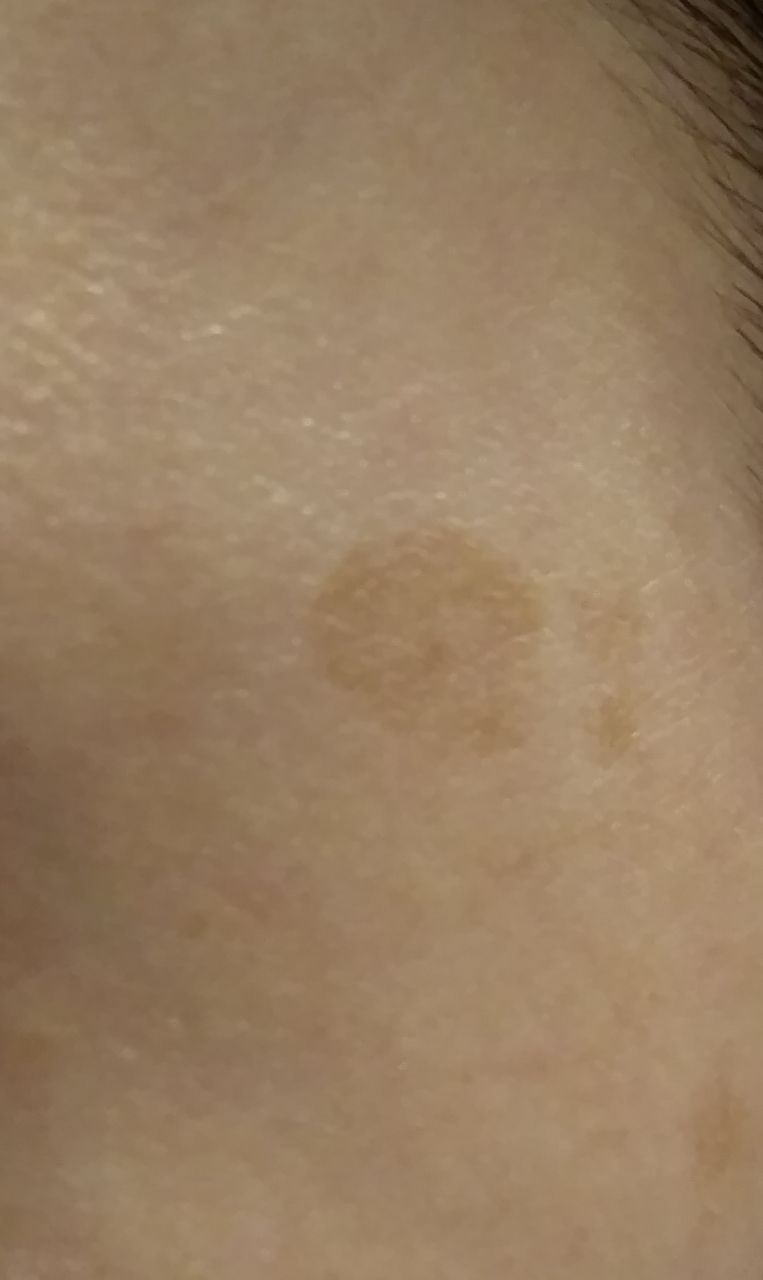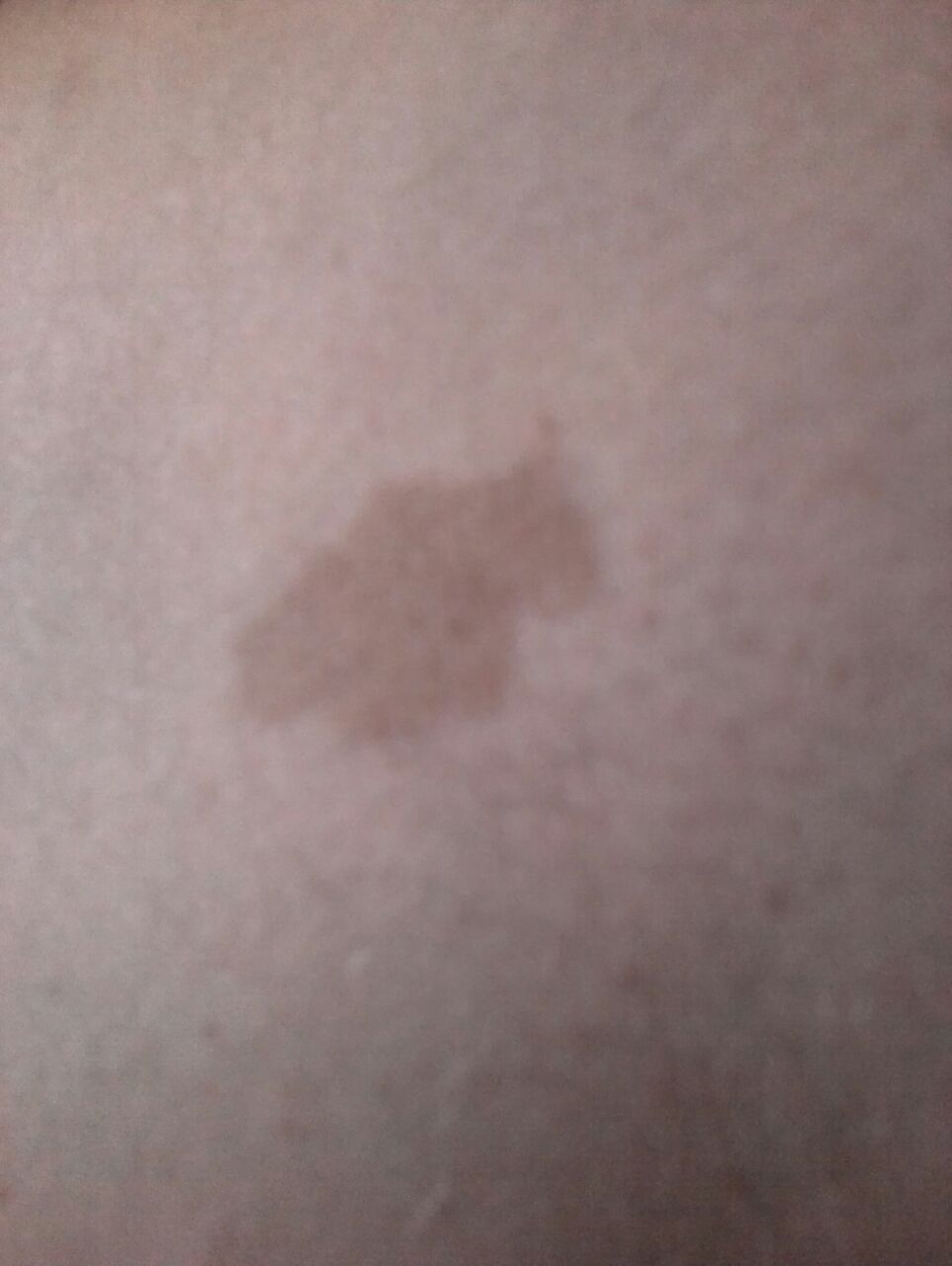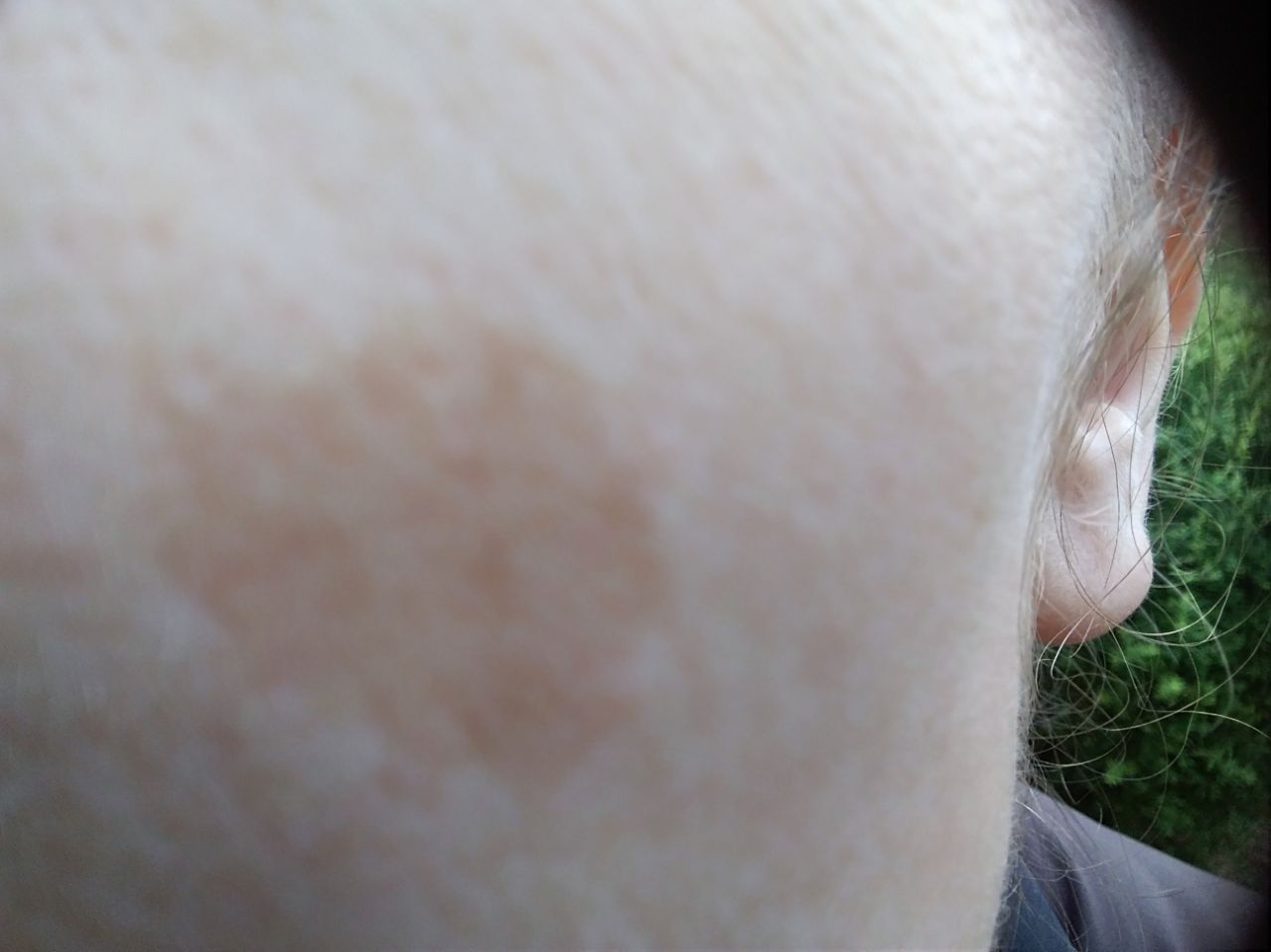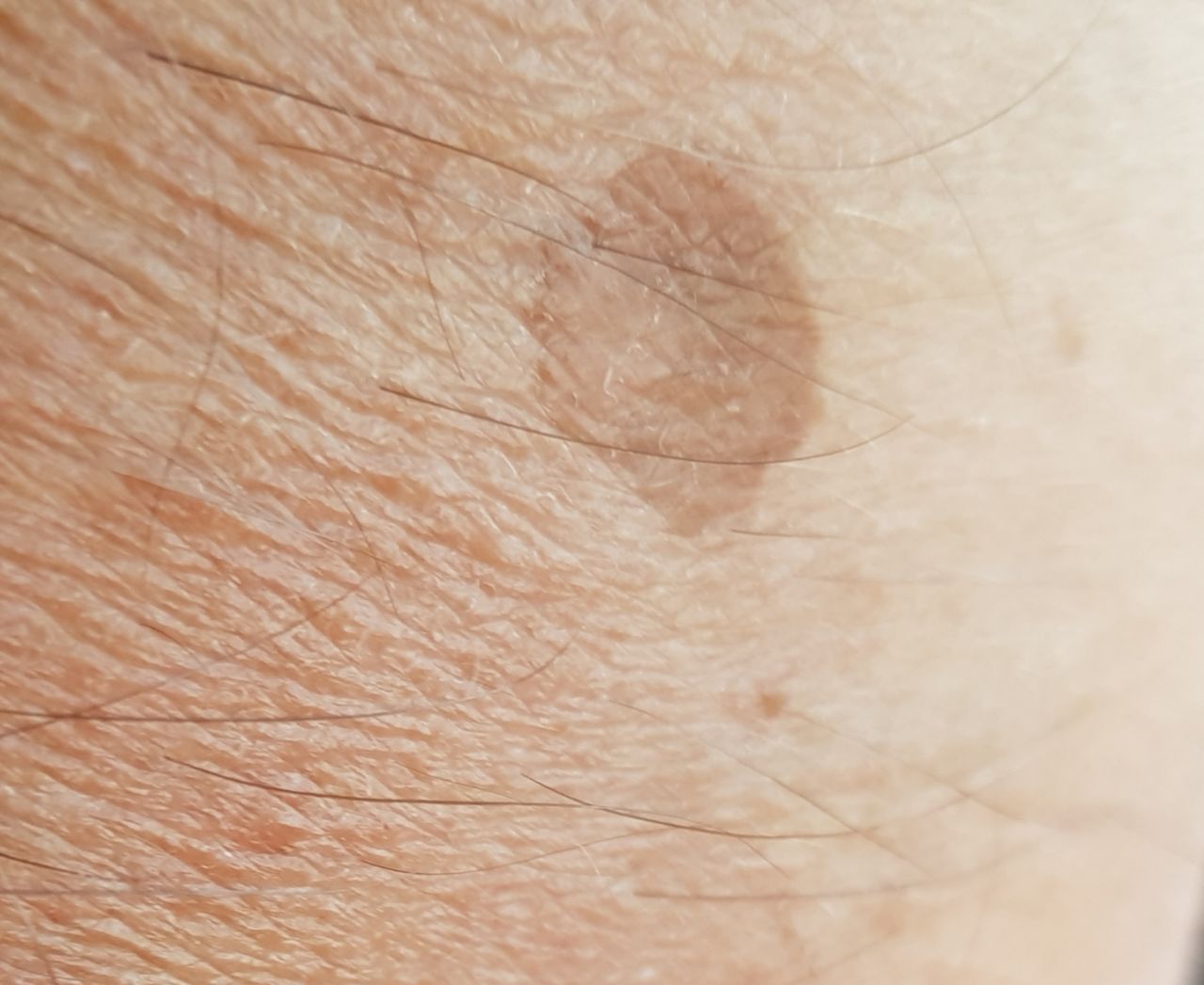
Lentigo is a benign pigmented spot on the skin, most often light brown in color, which appears due to sun exposure. These spots are not contagious and cannot be transmitted from person to person.
Lentigo most commonly develops after the age of 35, especially in people who spend a lot of time in the sun. With age, such spots appear more frequently and are considered a common skin condition.
What to Do if You Suspect Lentigo
If you notice a new pigmented spot on your skin, it is important to have it properly evaluated.
First step: consult a dermatologist. If necessary, an oncologist may also be involved.
Pay attention to:
- Appearance of a new spot or group of spots
- Changes in color, shape, or size
- Darkening or uneven pigmentation
- Itching or other sensations
Important: Do not try to remove spots yourself or use aggressive methods without professional guidance.
Consulting a doctor helps distinguish harmless lentigo from other pigmented lesions that may require treatment.
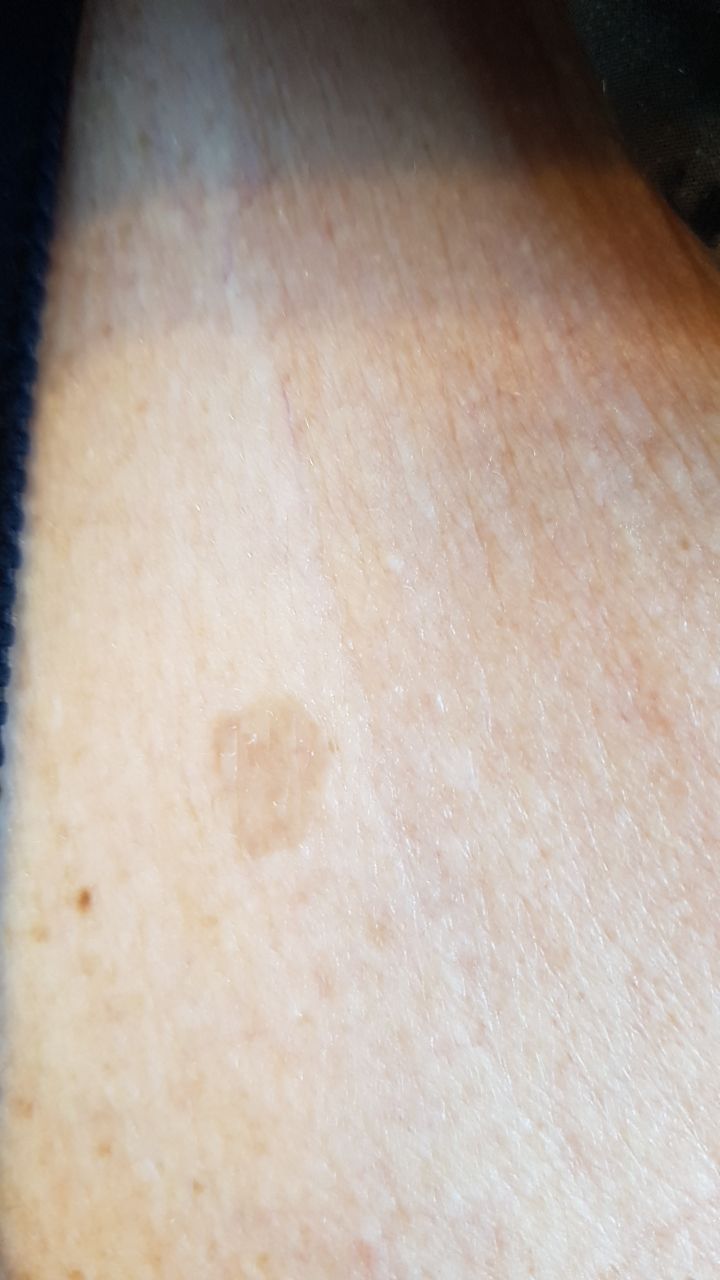
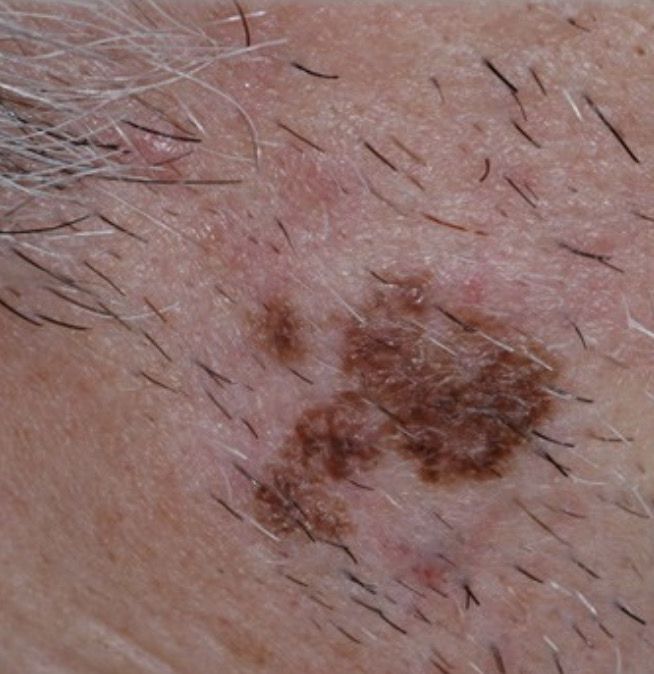
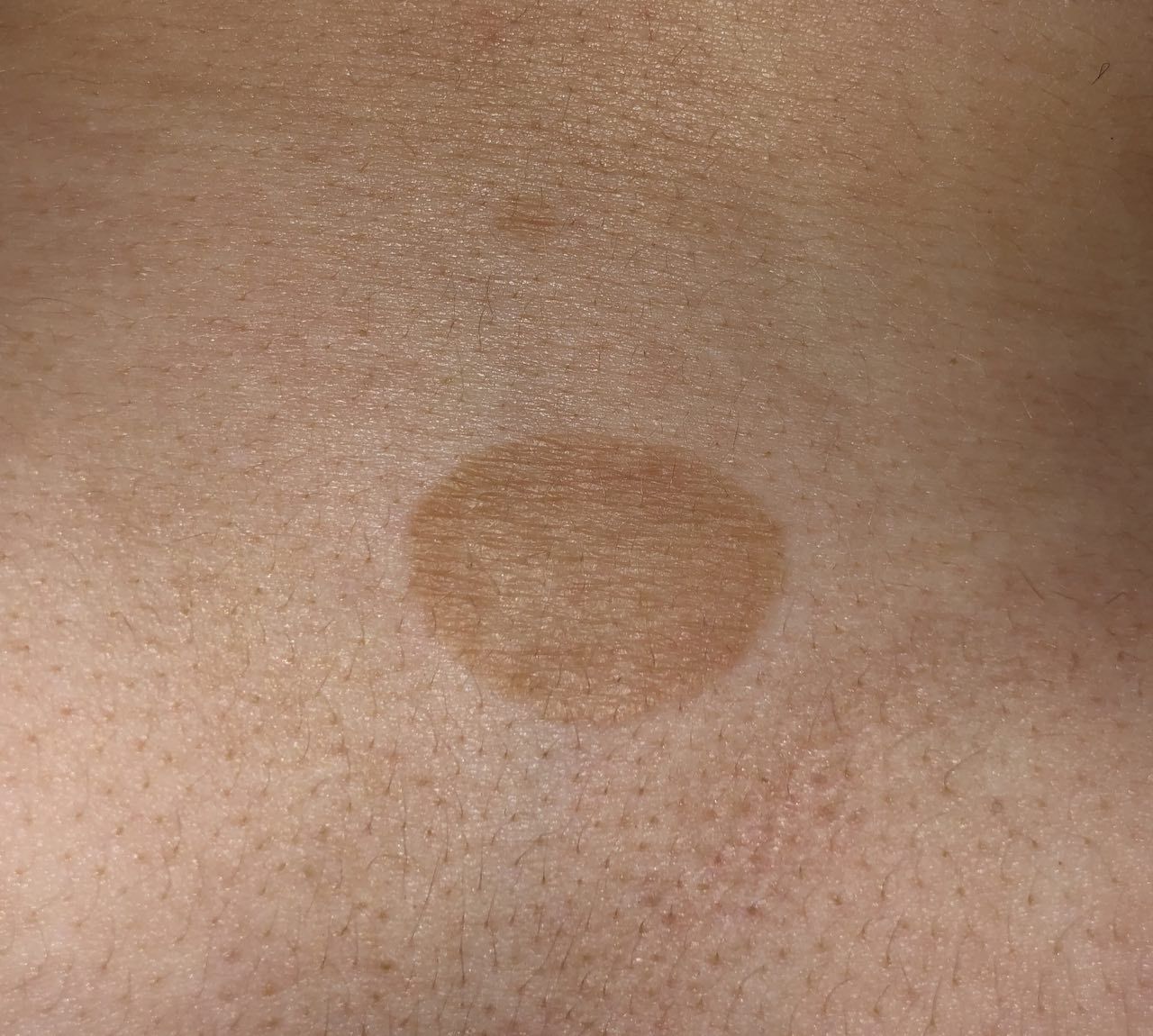
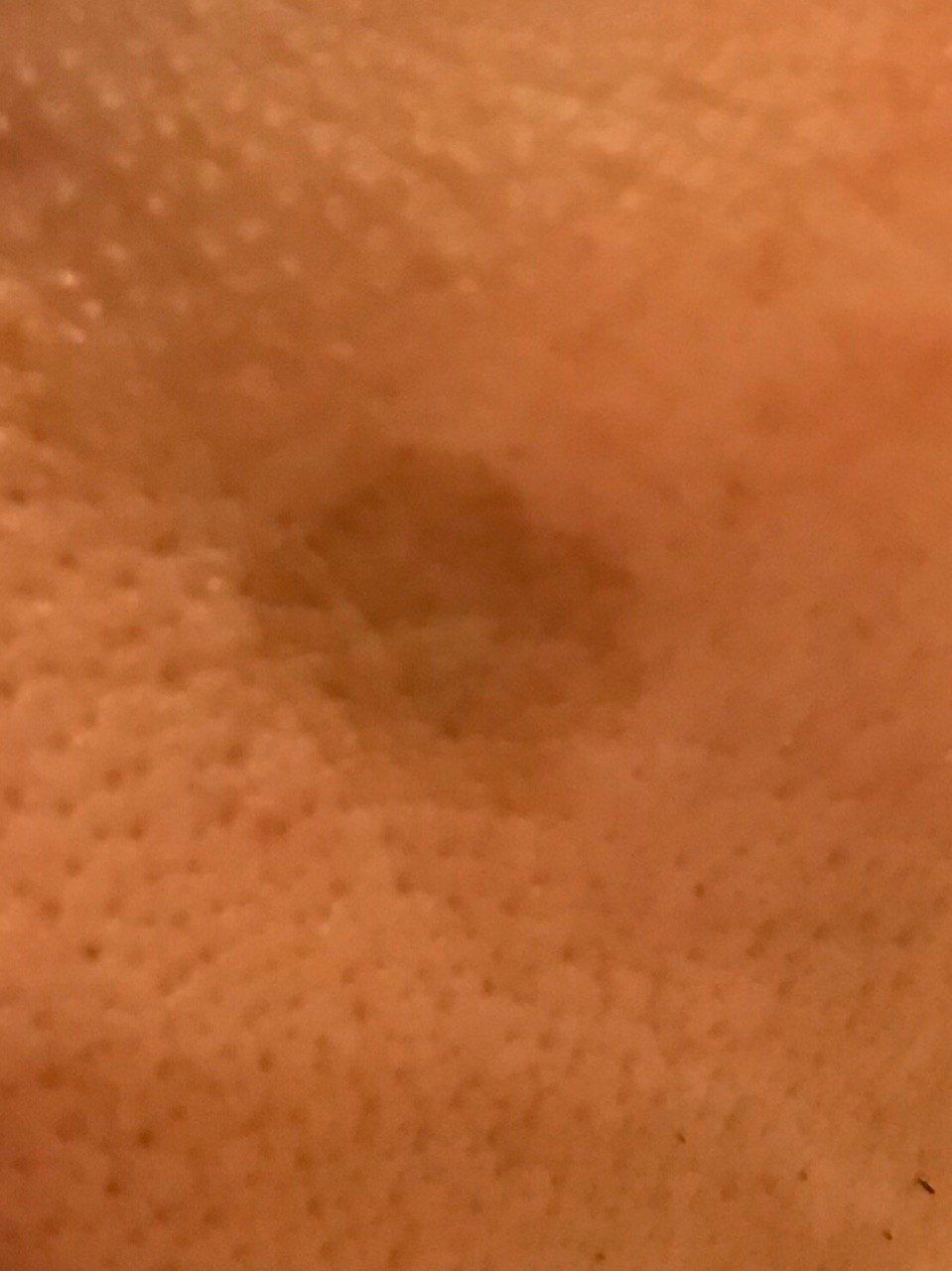
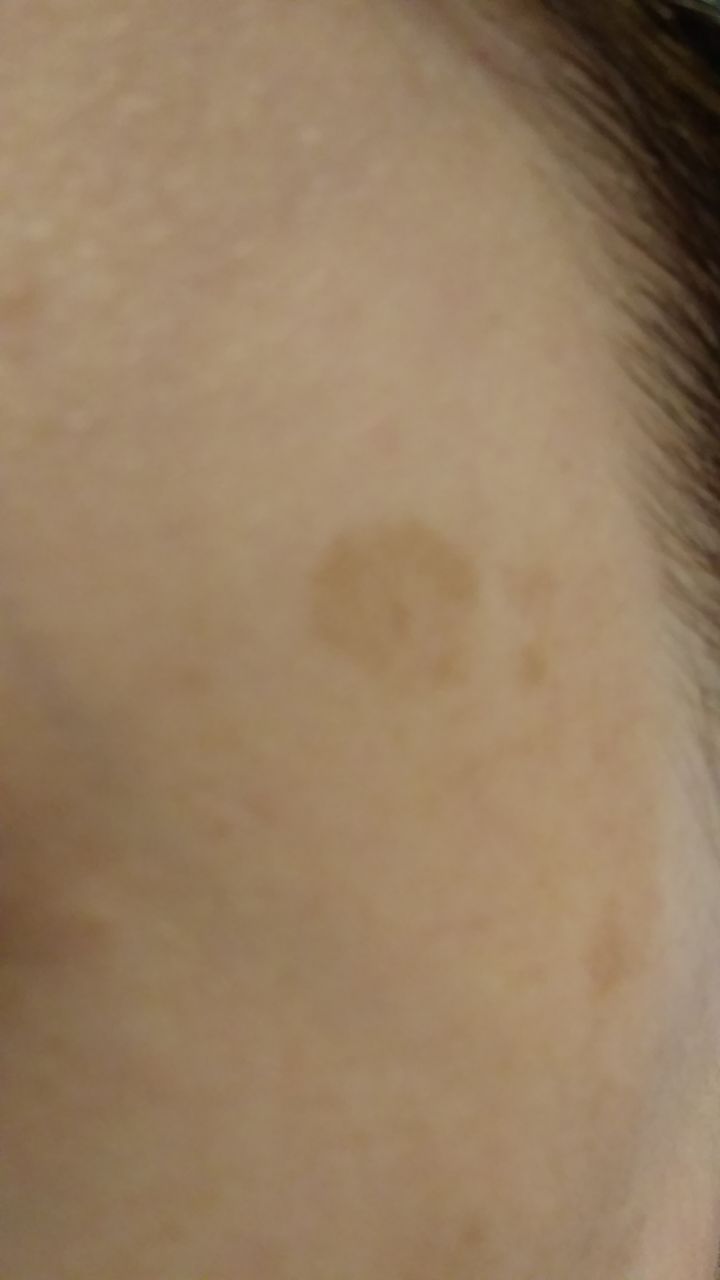
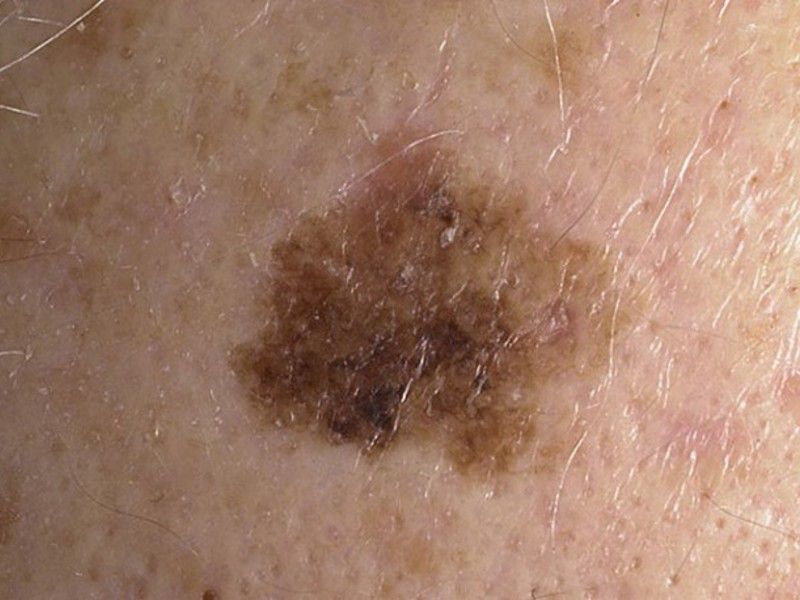
Appearance
Lentigo usually appears as:
- A flat spot or group of spots
- Clear, often irregular borders
- Color ranging from light brown to brown
Sometimes spots may:
- Merge together
- Cover larger areas of skin
- Have a slightly rough surface
Size: varies widely, from a few millimeters to several centimeters
Common locations:
- Face
- Hands
- Other sun-exposed areas
Over time, spots may become more noticeable and slightly darker.
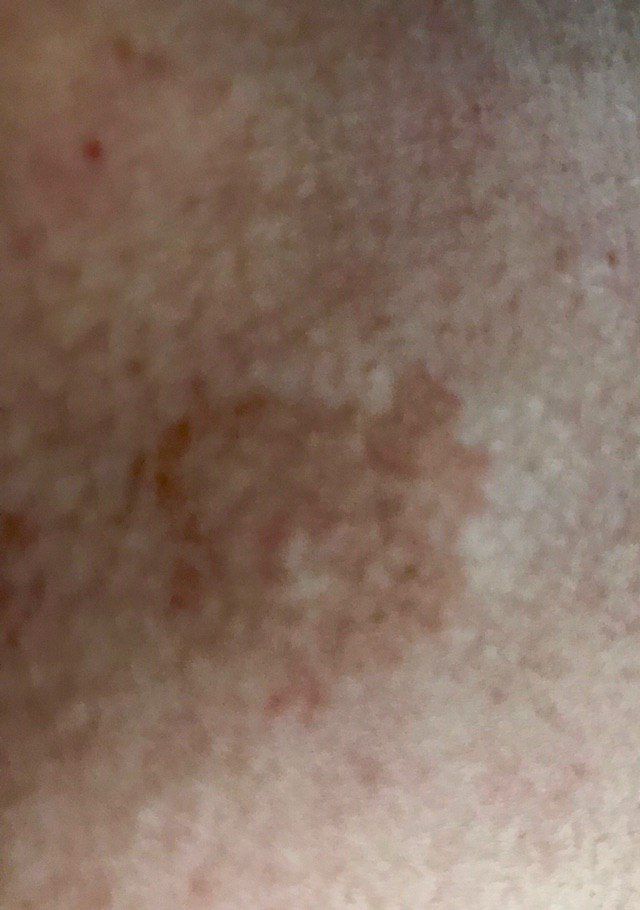
Below you can see real images in articles to better understand how lentigo looks.
Main Symptoms
In most cases, lentigo does not cause symptoms.
Typically:
- No pain
- No discomfort
Sometimes:
- Mild itching
- Slightly rough surface
The main characteristic is a change in skin pigmentation.
Causes
The main cause of lentigo is ultraviolet (UV) exposure.
Key contributing factors:
- Prolonged sun exposure
- Use of tanning beds
- Age-related skin changes
- Fair skin type (more sensitive to sun)
- Hormonal changes
In simple terms, UV exposure triggers increased pigment production, which accumulates in localized areas.
How Lentigo Develops
Lentigo develops due to local accumulation of melanin, the pigment that gives skin its color.
UV exposure causes skin cells to produce more pigment, which is distributed unevenly, leading to visible spots. Over time, these areas may become more noticeable, especially with repeated sun exposure.
Forms and Types
Lentigo can appear in different forms:
- Single spots
- Multiple small spots
- Large areas of hyperpigmentation
In most cases, this only affects appearance and is not associated with serious risks.
When to See a Doctor
Consult a specialist if:
- The spot grows quickly
- Color changes or becomes uneven
- Borders become blurred or highly irregular
- Itching, pain, or bleeding occurs
Also, check any new or unusual pigmented skin changes with a doctor.
Treatment
Lentigo usually does not require treatment, unless it causes cosmetic concern.
Possible approaches:
- Observation
- Surgical removal of individual spots
- Cosmetic procedures (as prescribed by a doctor)
Principles:
- Preliminary diagnosis
- Individual choice of treatment
- Monitoring skin condition after procedures
All removal methods should be applied only after examination by a specialist.
Q&A
Is lentigo dangerous?
In most cases, it is a safe condition with a low risk of complications.
Can sun spots be removed?
Yes, but the need and method of removal are determined by a doctor.
Why do these spots appear?
The main cause is UV exposure and pigment accumulation in the skin.
Can lentigo be prevented?
Yes, sun protection significantly reduces the risk.
Is it the same as freckles?
No, lentigo is usually more persistent and associated with age and sun exposure.
Can lentigo disappear on its own?
Usually no, but spots may become less noticeable.
Can you sunbathe with lentigo?
Yes, but it is important to use sunscreen.
When does lentigo become dangerous?
If appearance changes or symptoms appear — see a doctor.
Check Your Skin Instantly
Use the Mole Checker app: Skinive AI to take a photo of a mole or lesion and get an AI-based risk assessment. It helps determine whether professional consultation is recommended, giving you fast guidance and peace of mind.
Sources
- World Health Organization (WHO)
- American Academy of Dermatology (AAD)
- National Cancer Institute (NCI)
- Fitzpatrick’s Dermatology
- DermNet NZ
🇬🇧 Lentigo: When to Seek Medical Advice in the UK
If you notice benign neoplasms, nevi, or moles, it’s important to get a professional opinion. In the UK, you can access dermatology care via the NHS, private clinics, or online consultations.
👉 How to See a Dermatologist in the UK NHS – This main guide explains how NHS referrals work, what to expect from specialist dermatology services, and how to choose between public and private care.
Dermatologists in Major UK Cities:
- Dermatologist in London
- Dermatologist in Manchester
- Dermatologist in Liverpool
- Dermatologist in Birmingham
- Dermatologist in Leeds
- Dermatologists in Other UK cities
Online Dermatology
If you prefer remote care or faster access, try online dermatology consultations. They allow dermatologists to review images, provide advice, and guide next steps without visiting a clinic. Read more in this article: Online Dermatologists in UK.
🇦🇺 Lentigo: When to Seek Medical Advice in Australia
If you notice benign neoplasms, nevi, or moles, it’s important to get a professional opinion. In Australia, you can access dermatology care via Medicare (public system), private clinics, or online consultations.
👉 How to See a Dermatologist in Australia – This main guide explains how referrals work through GPs and public clinics, what to expect from specialist dermatology services, and how to choose between public and private care.
Dermatologists in Major Australian Cities:
- Dermatologist in Sydney
- Dermatologist in Melbourne
- Dermatologist in Brisbane
- Dermatologist in Perth
- Dermatologist in Adelaide
- Dermatologists in other Australian cities
Online Dermatology
For faster access or remote care, online dermatology consultations allow dermatologists to review images, provide advice, and guide next steps without visiting a clinic. Read more in this article: Online Dermatologists in Australia.
Images of lentigo: