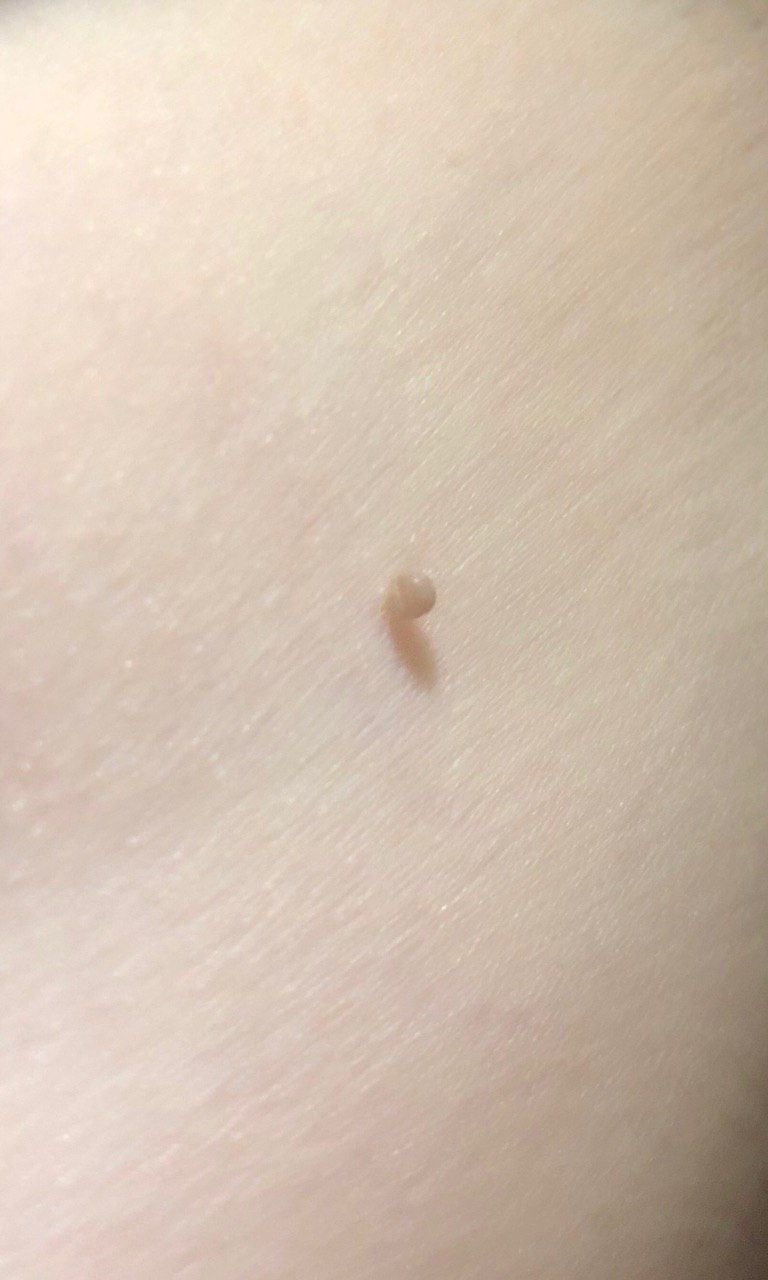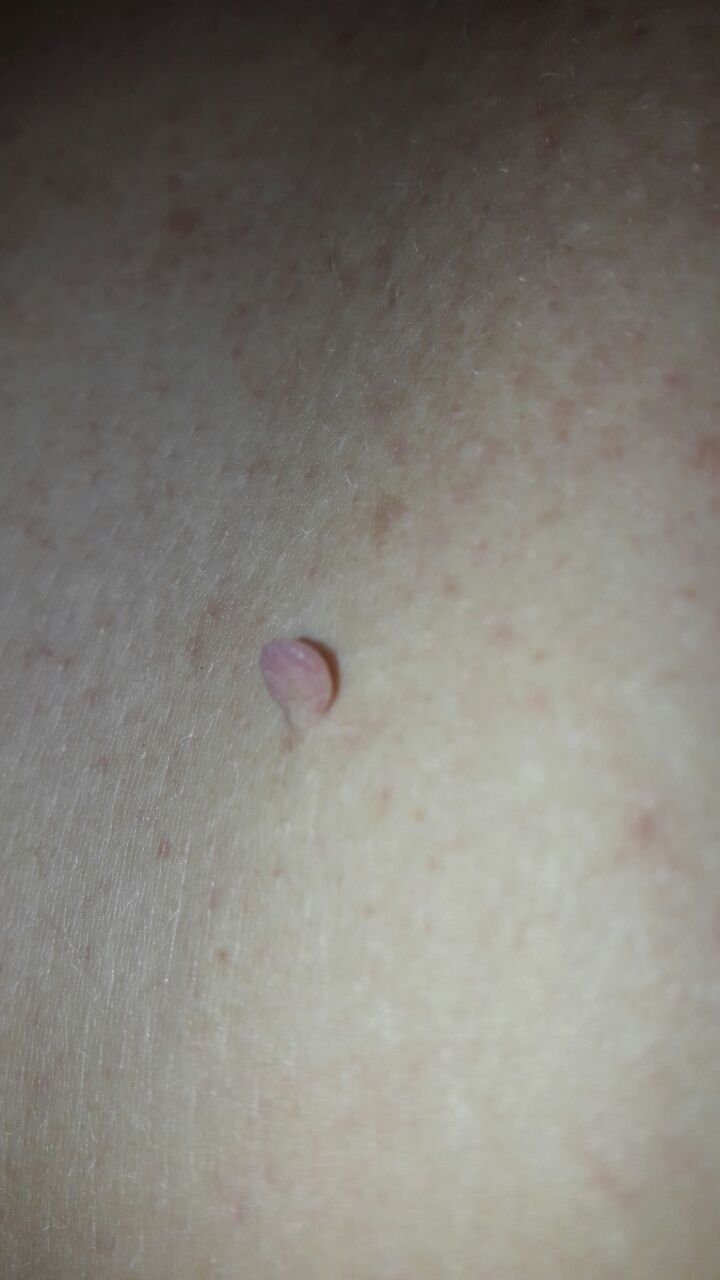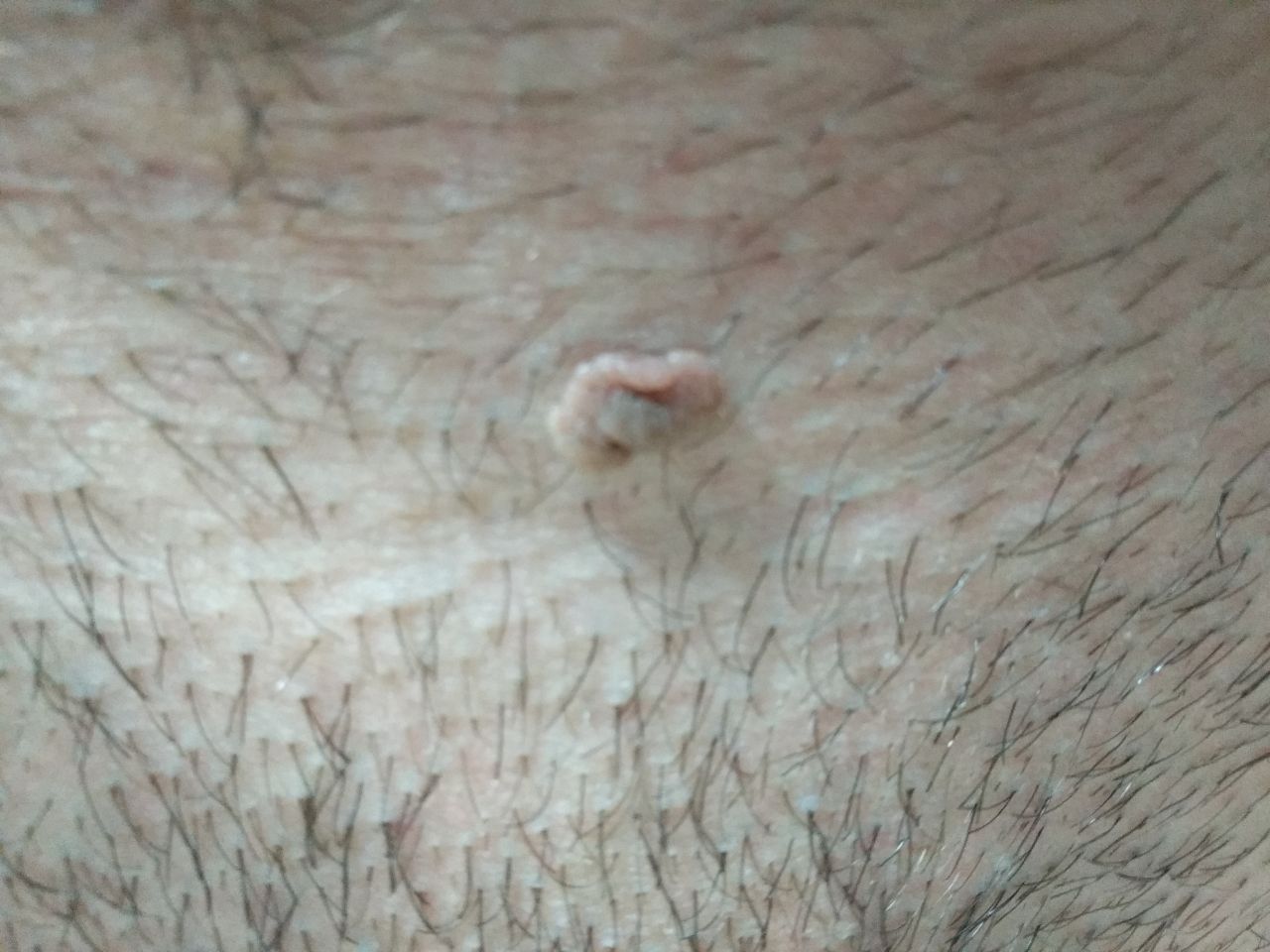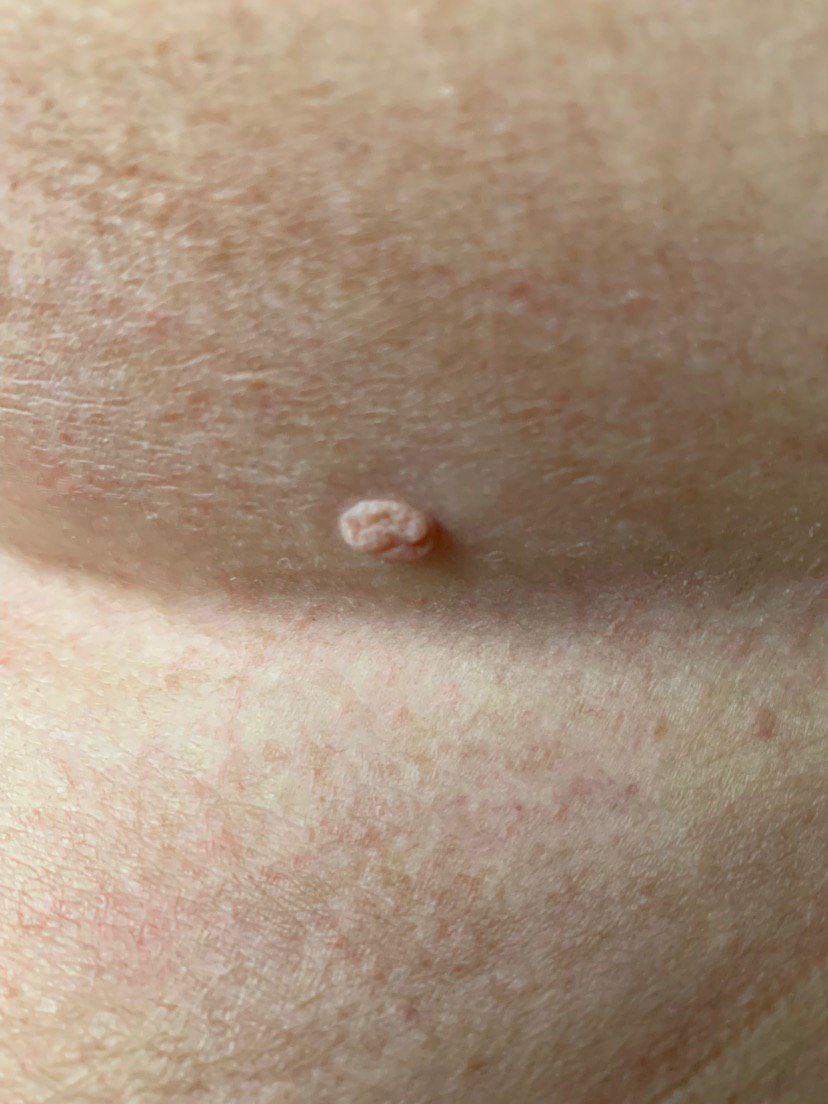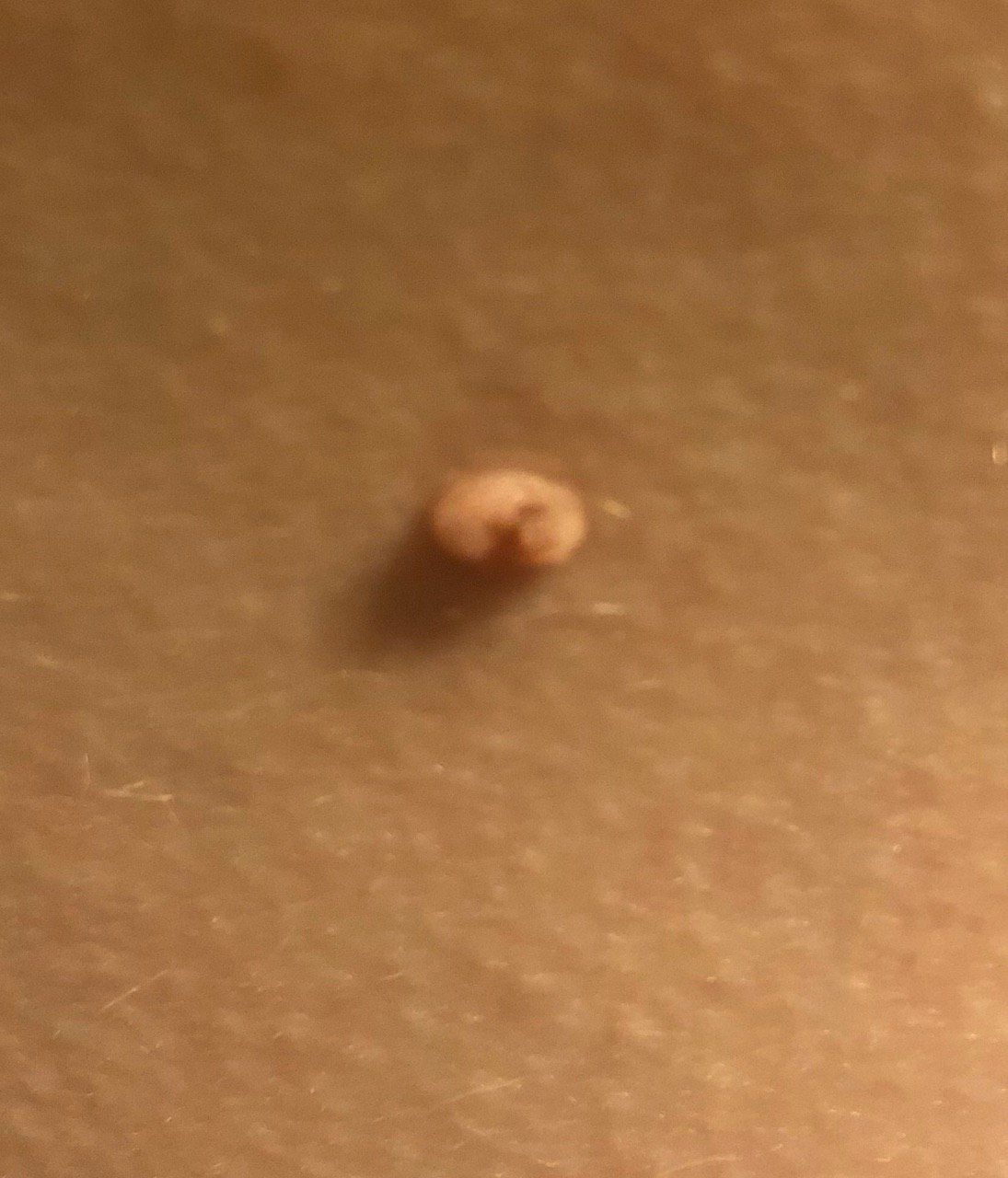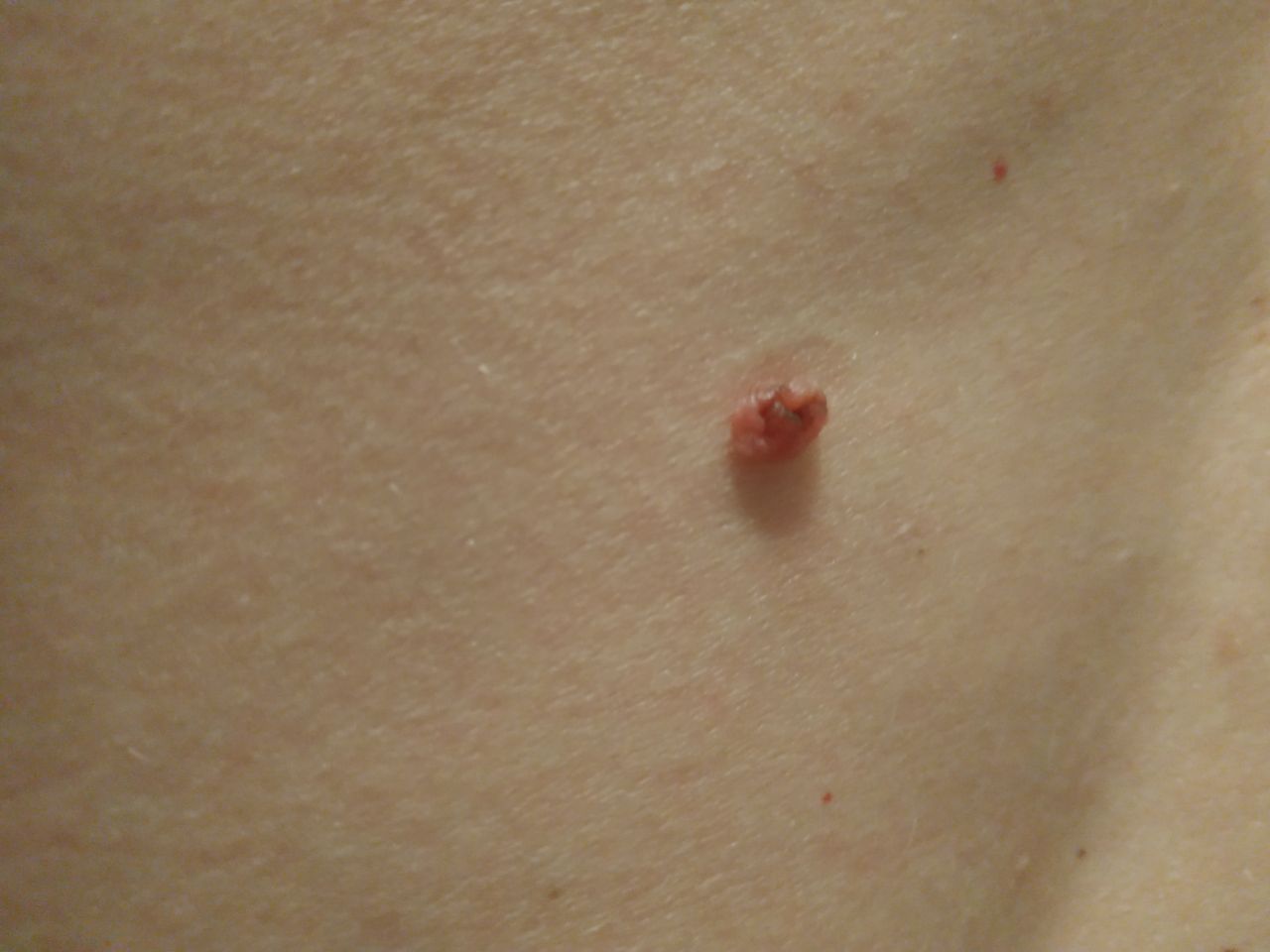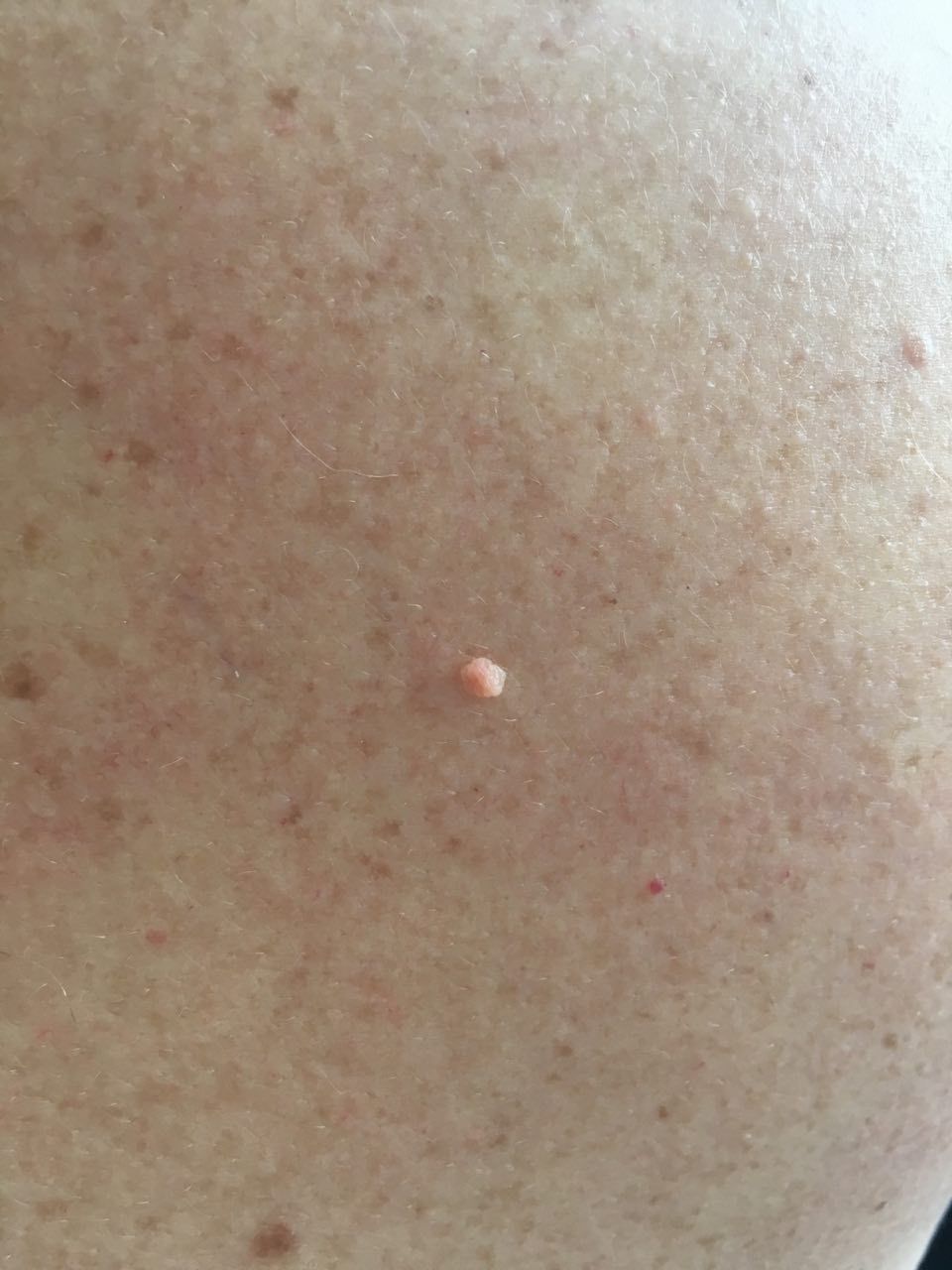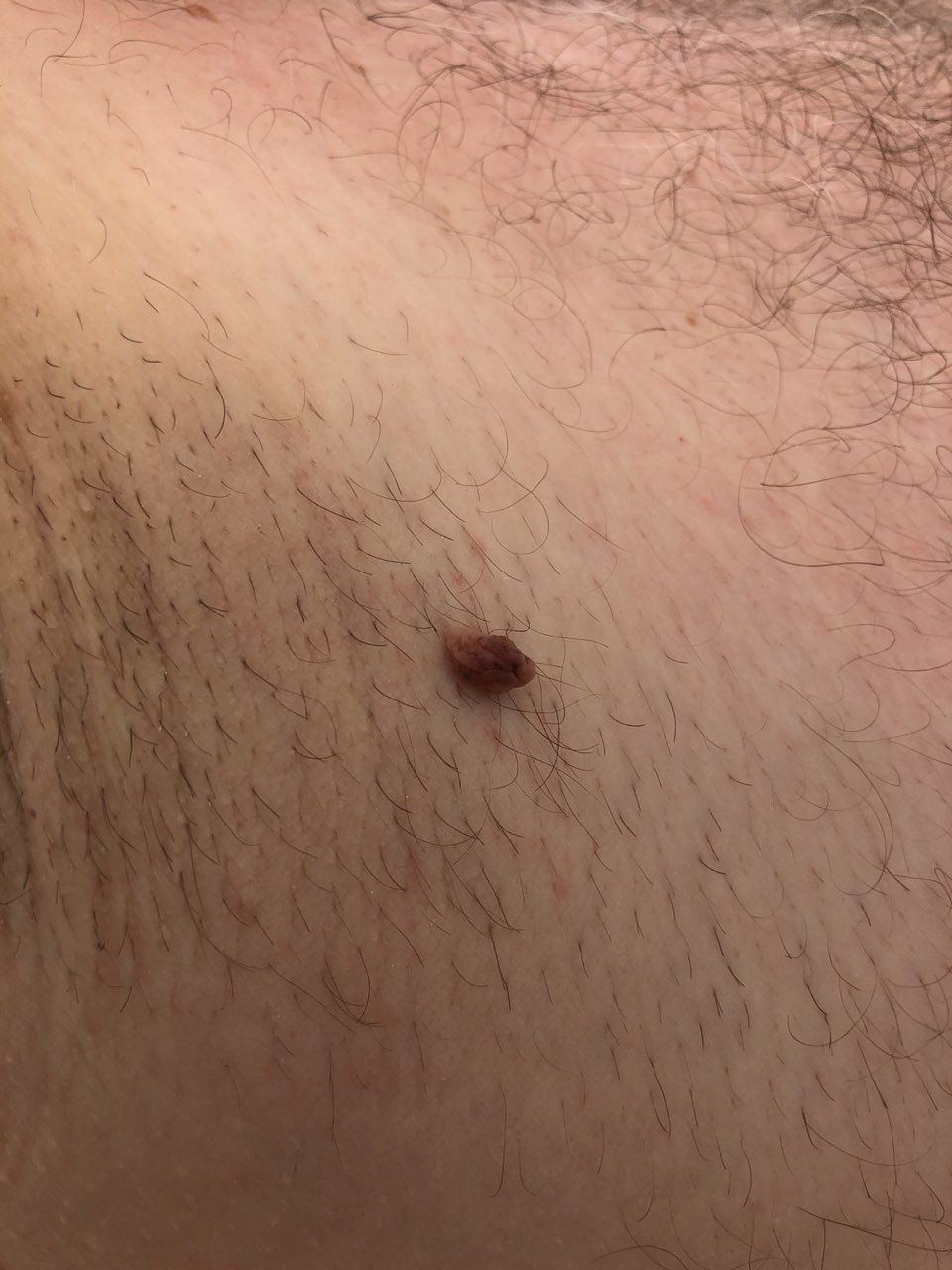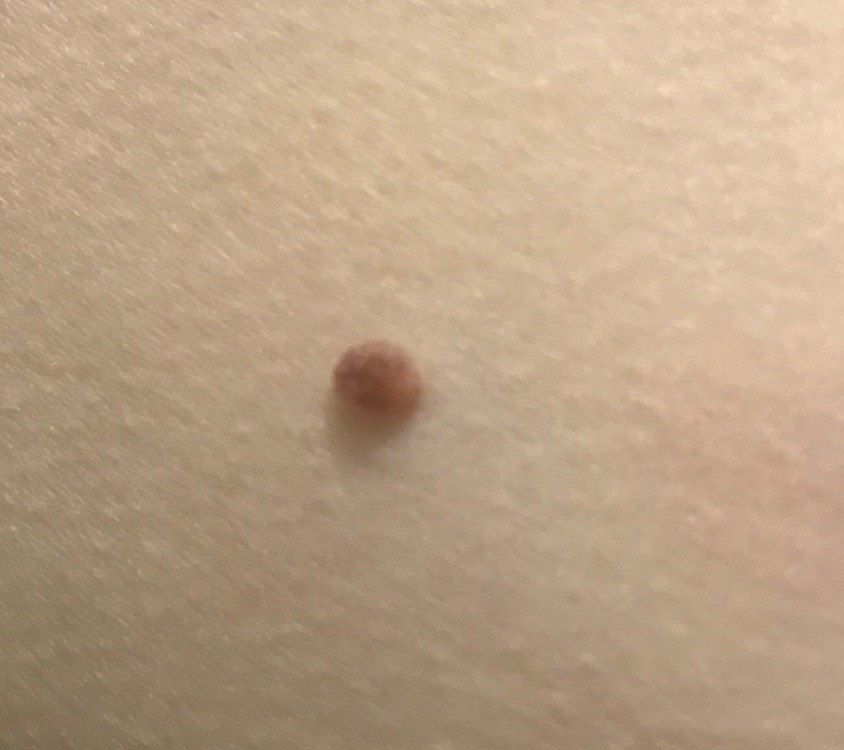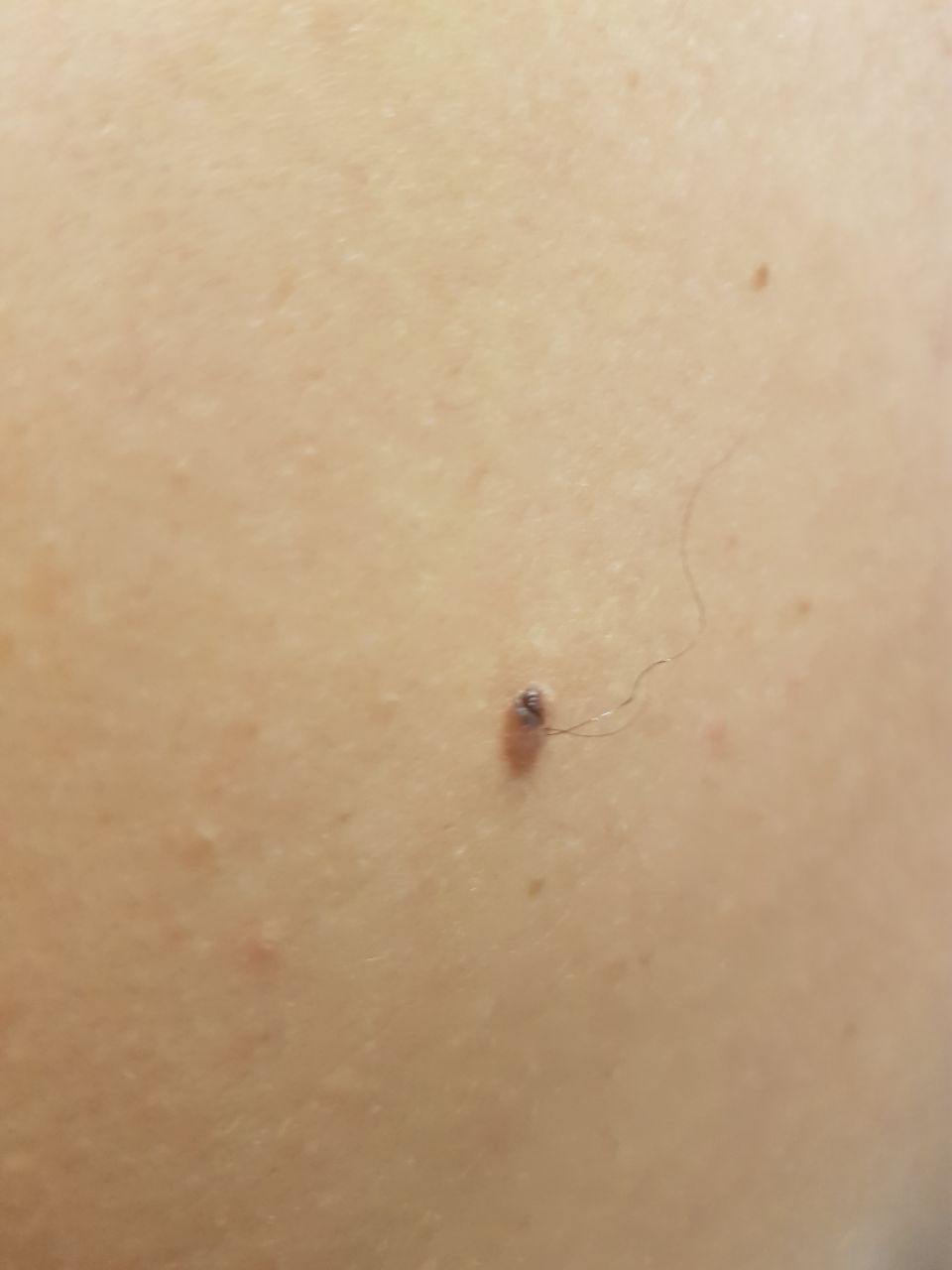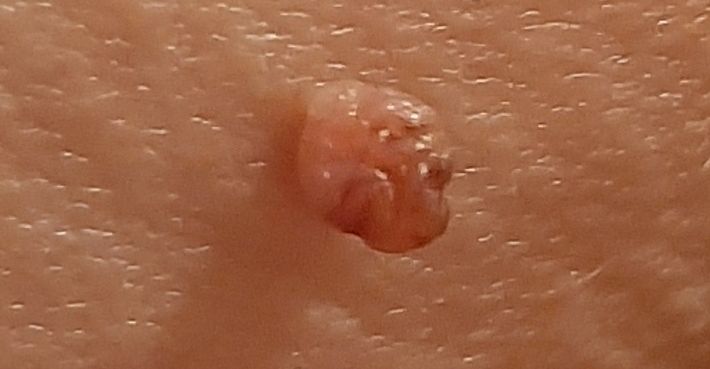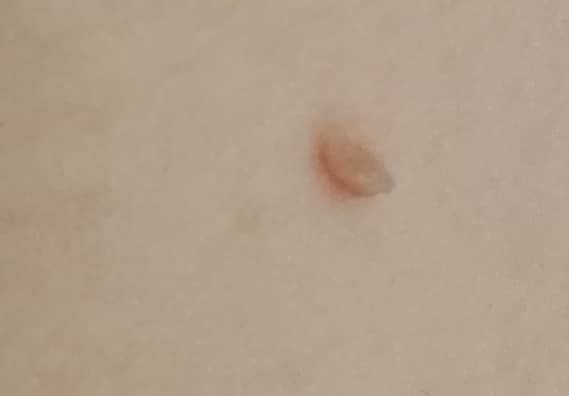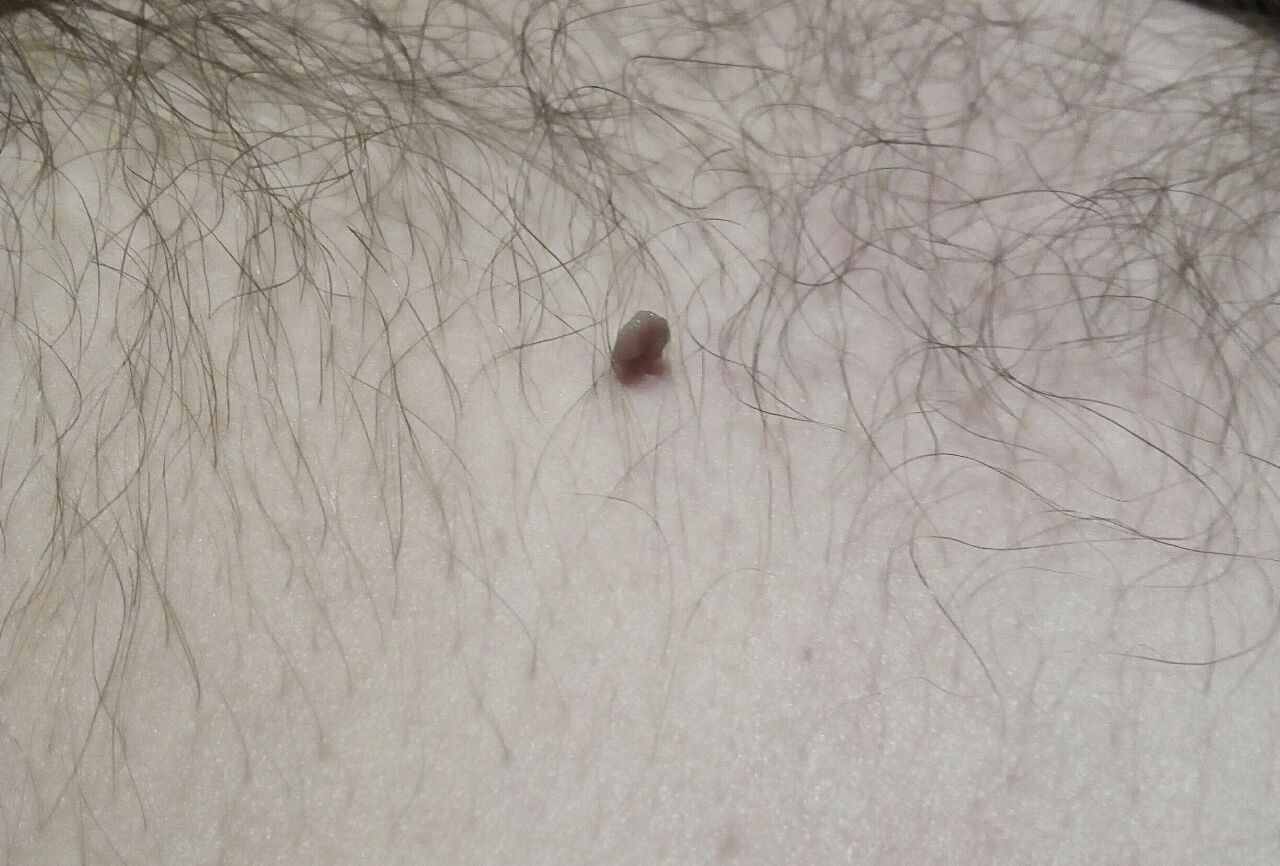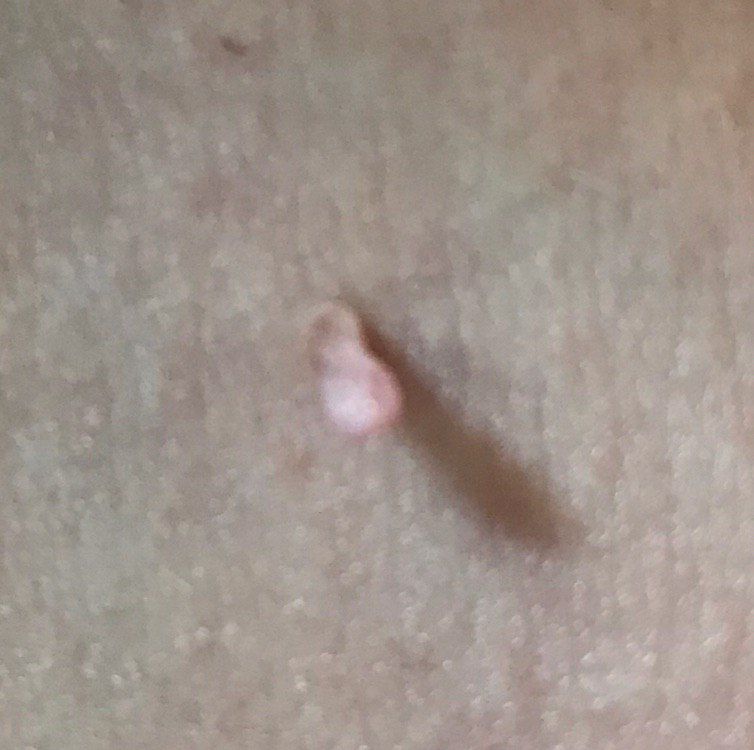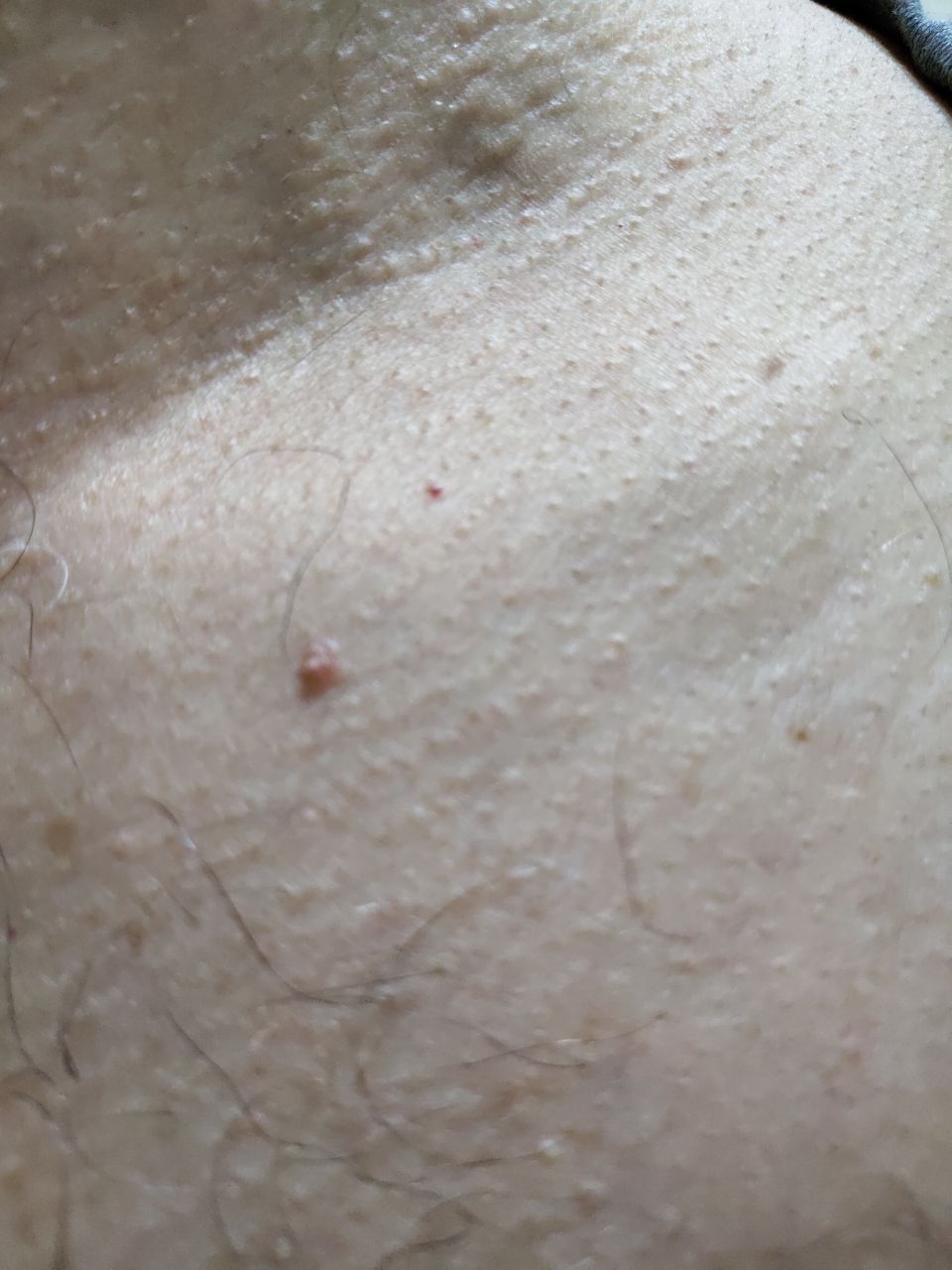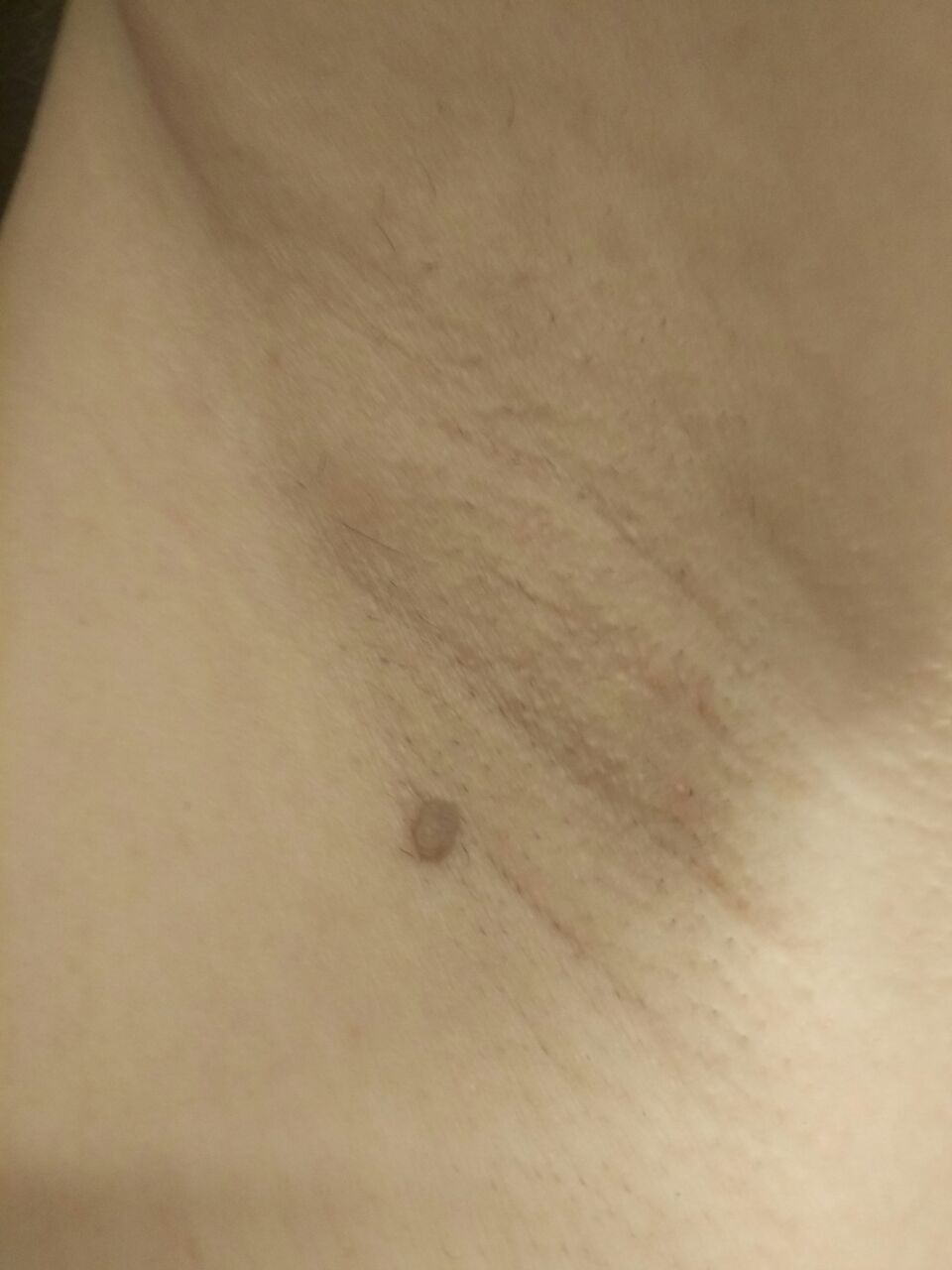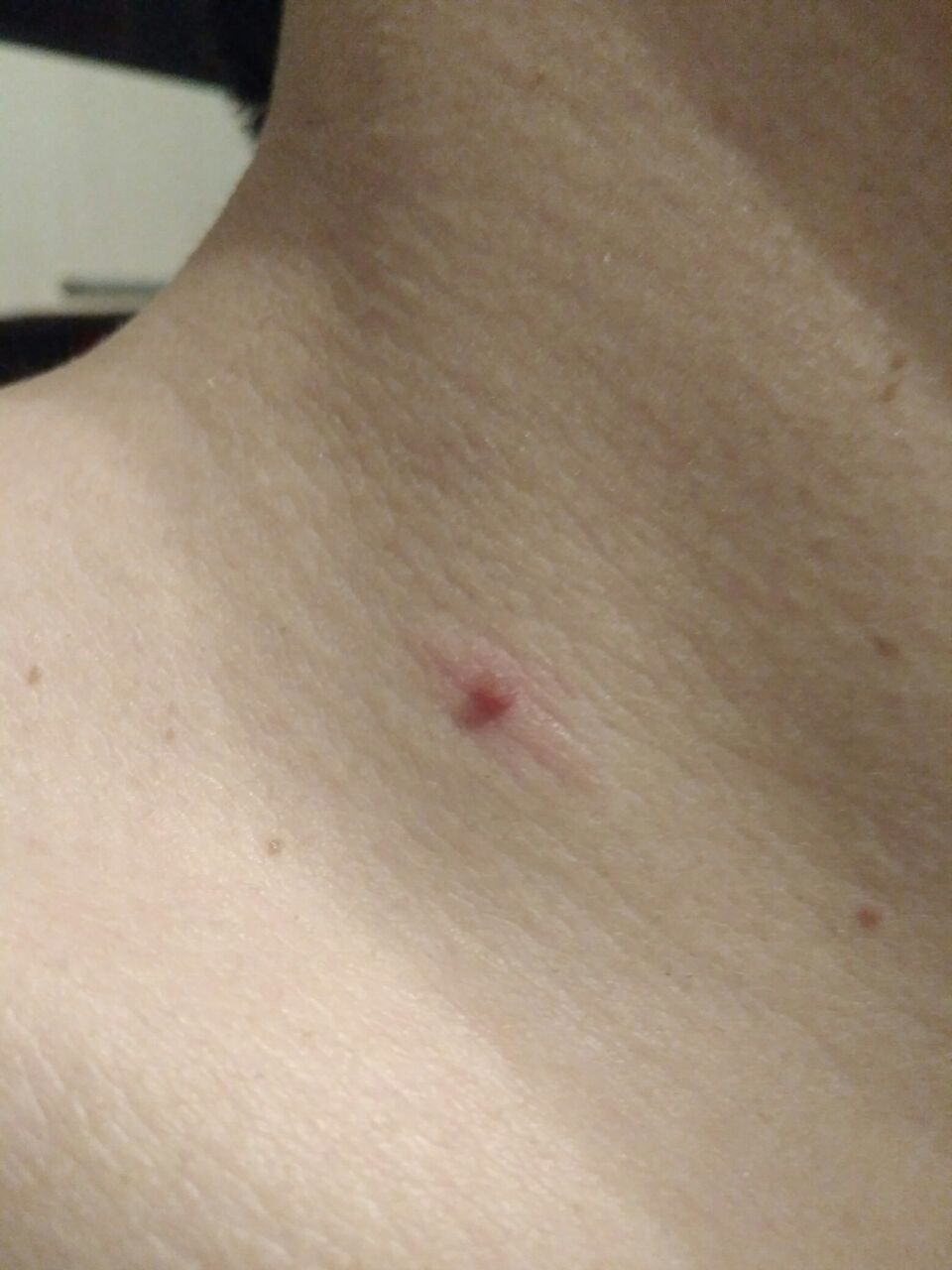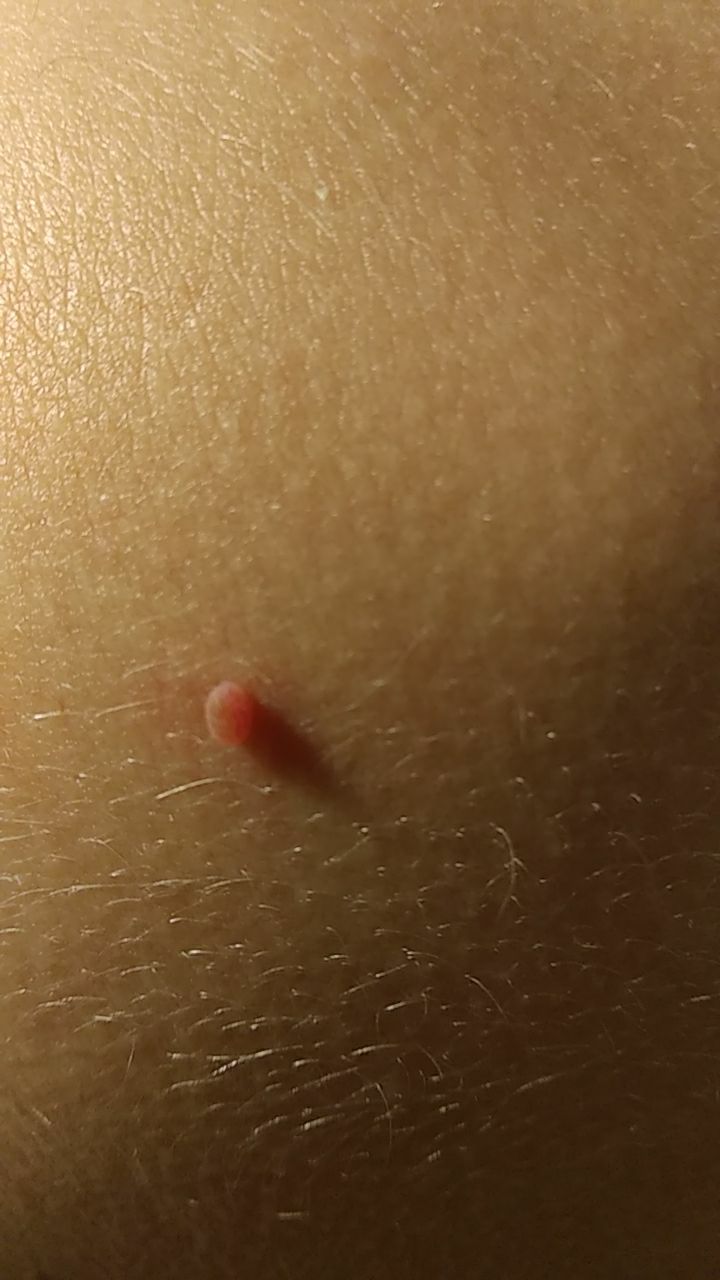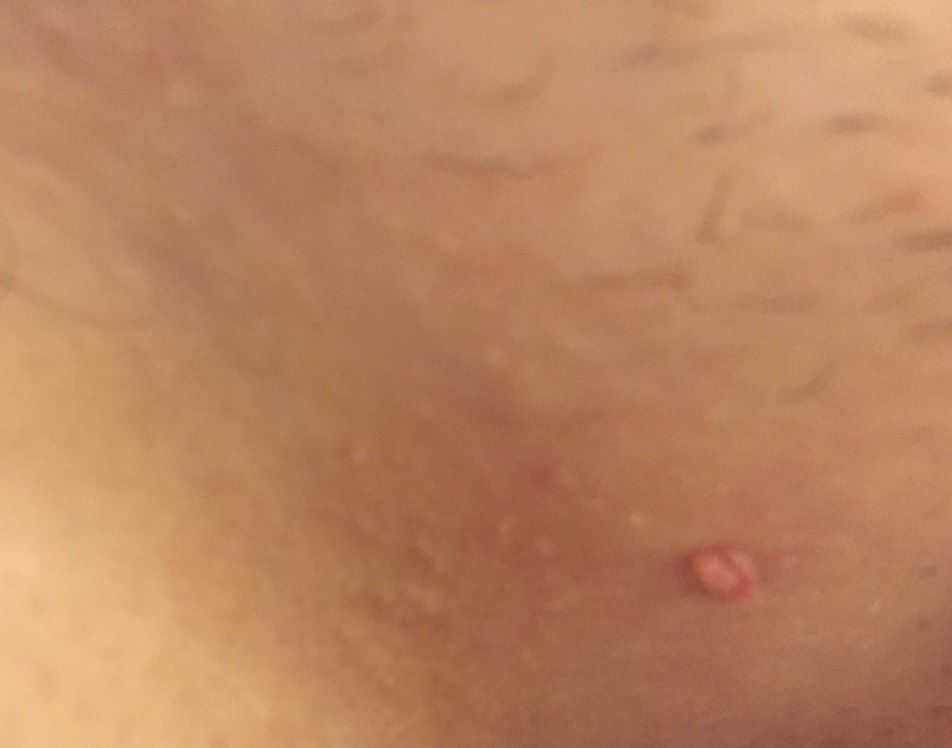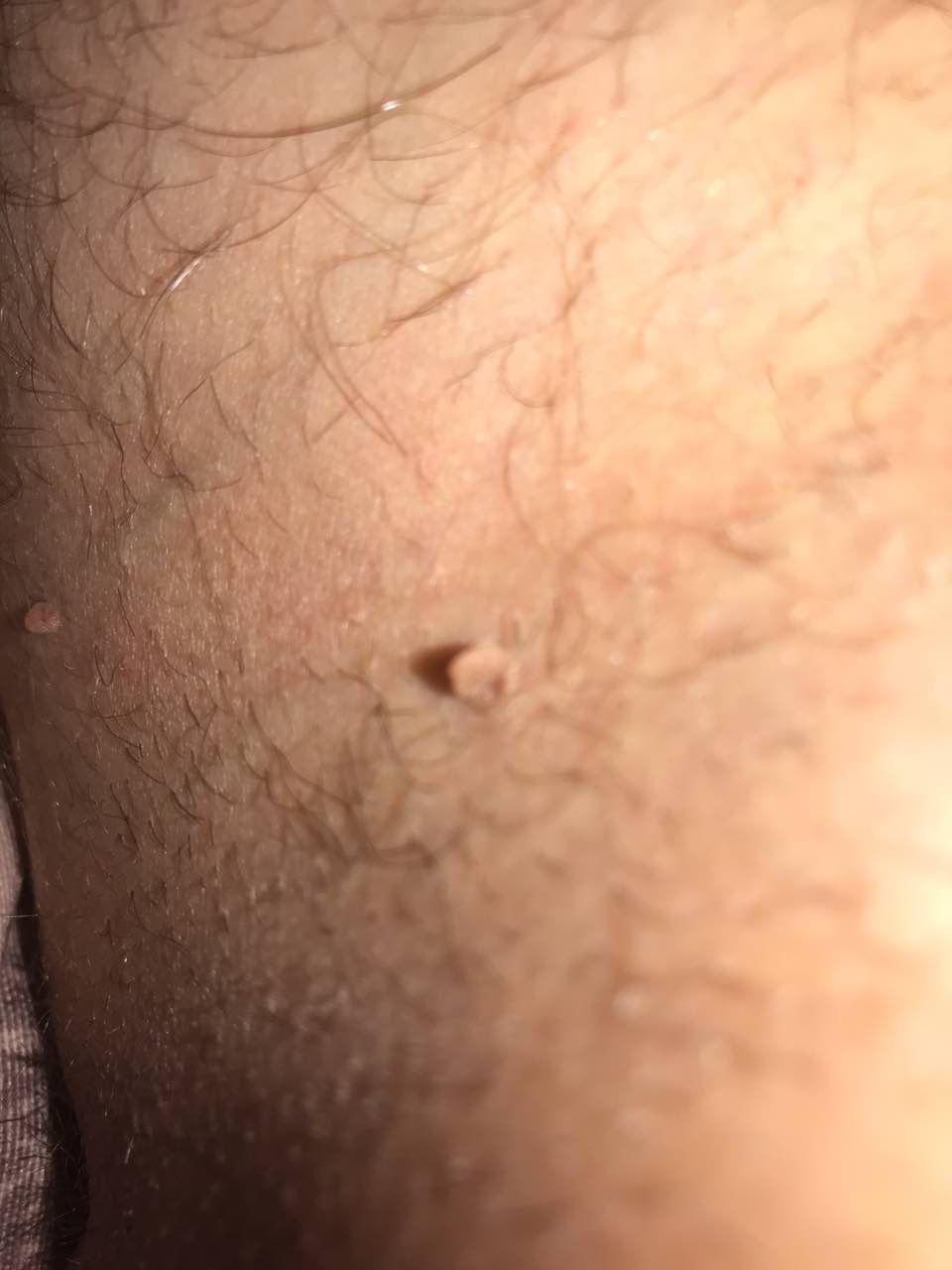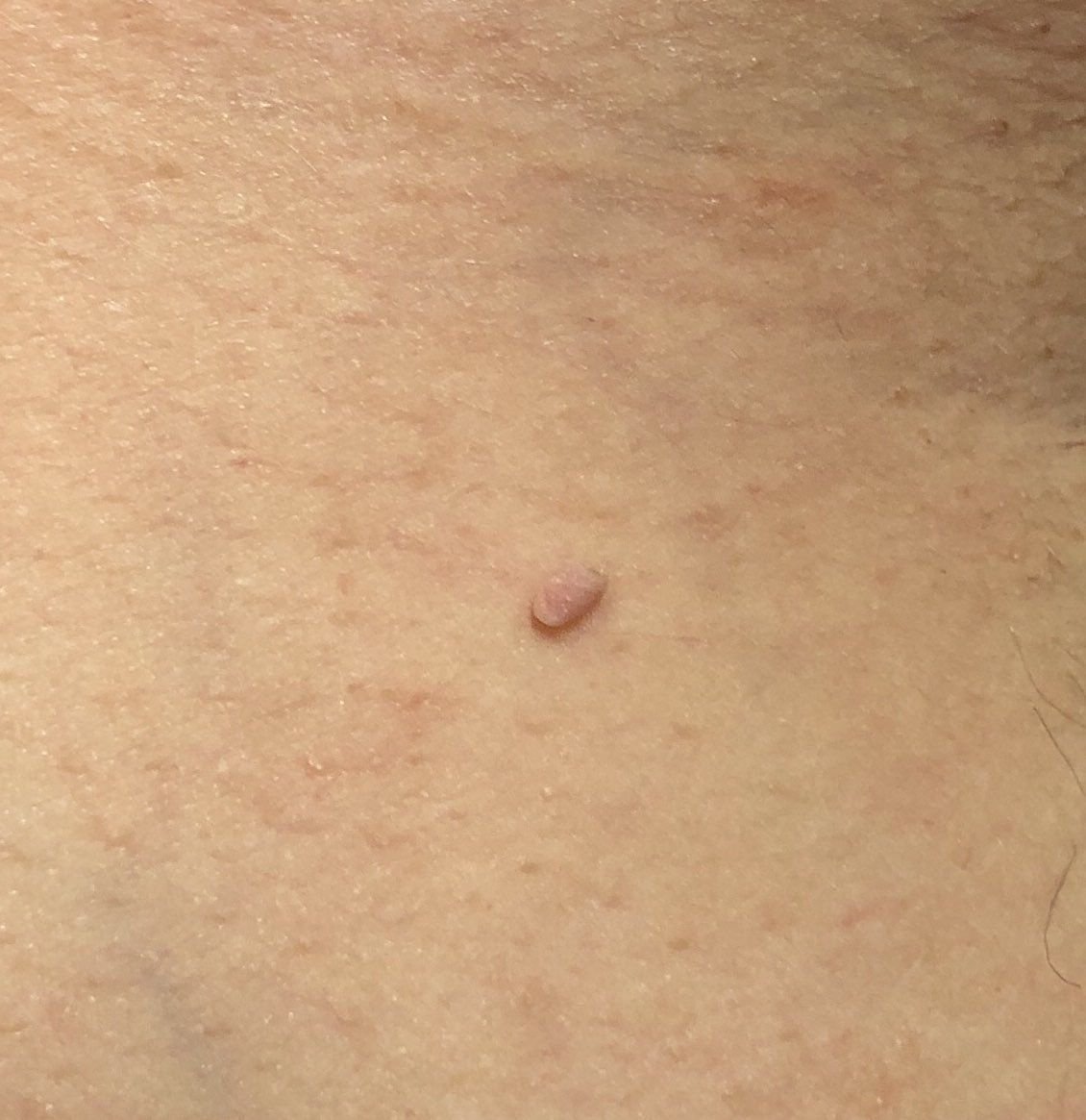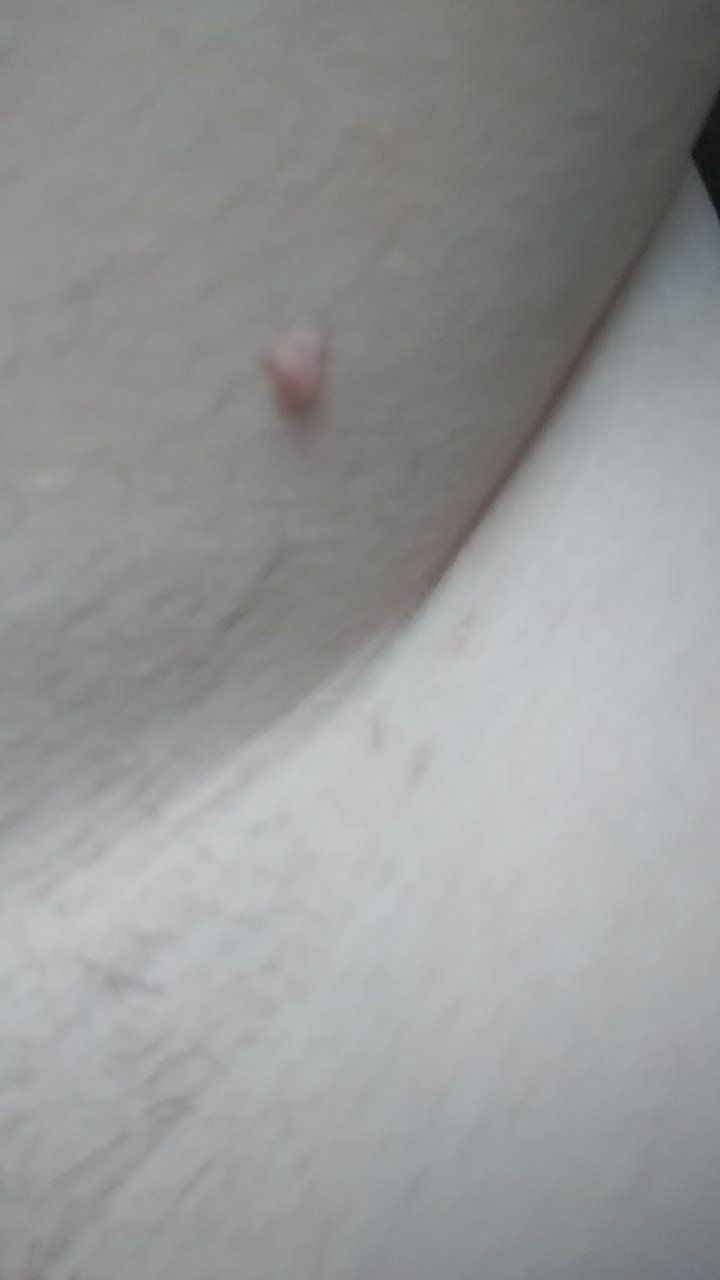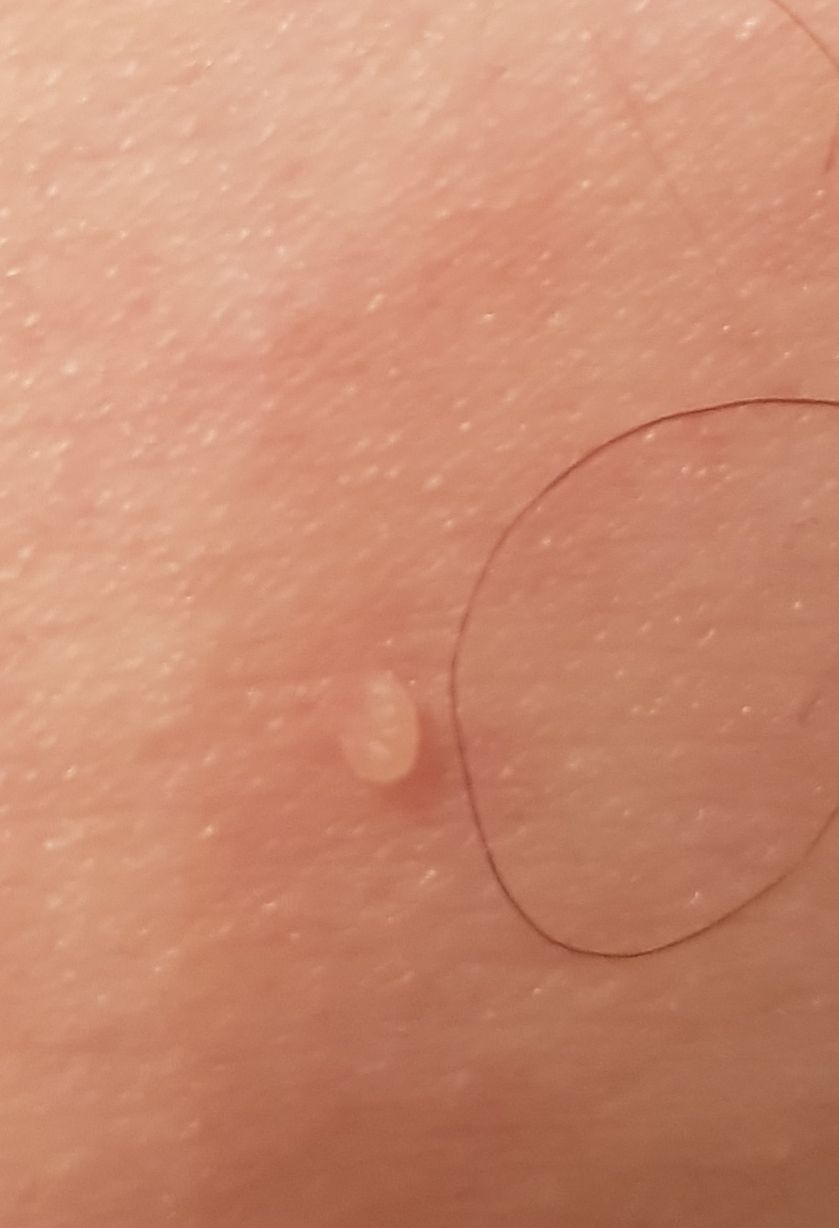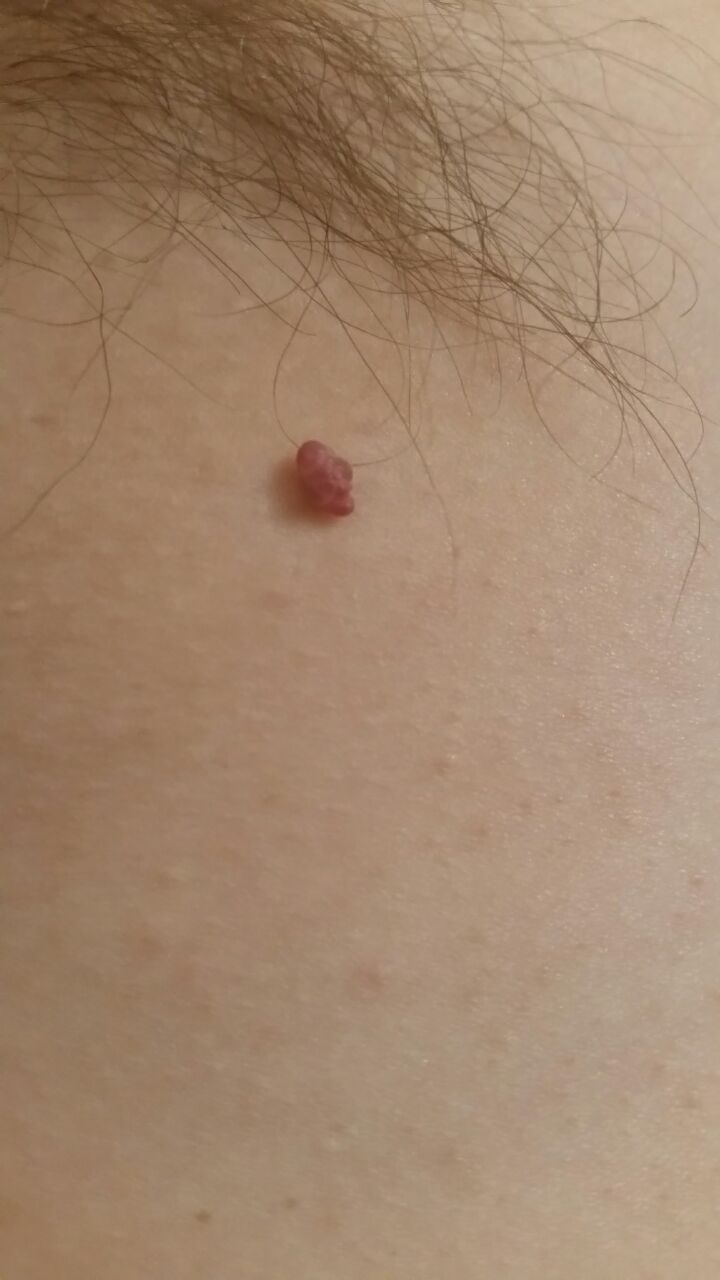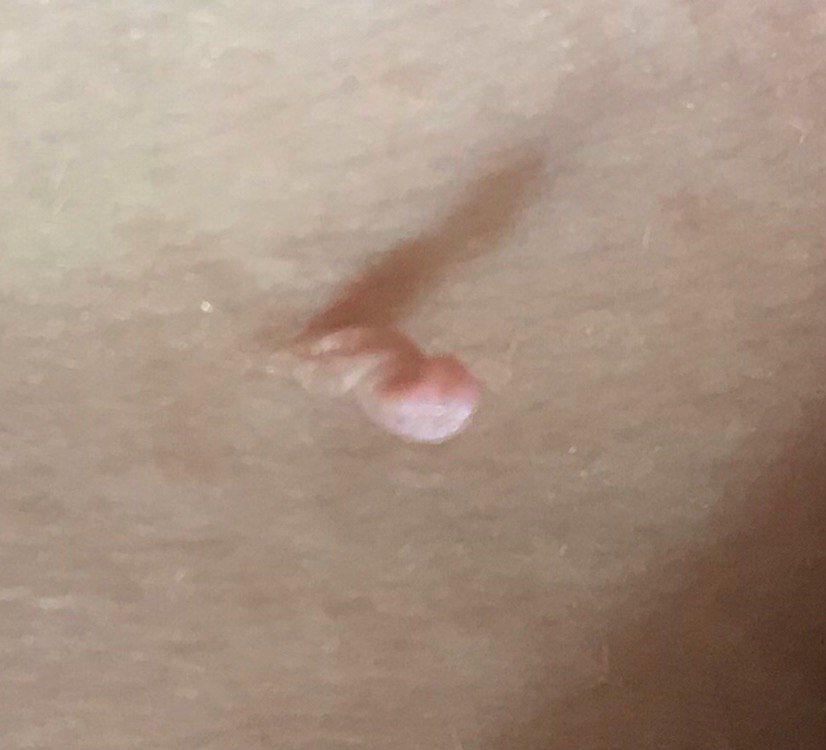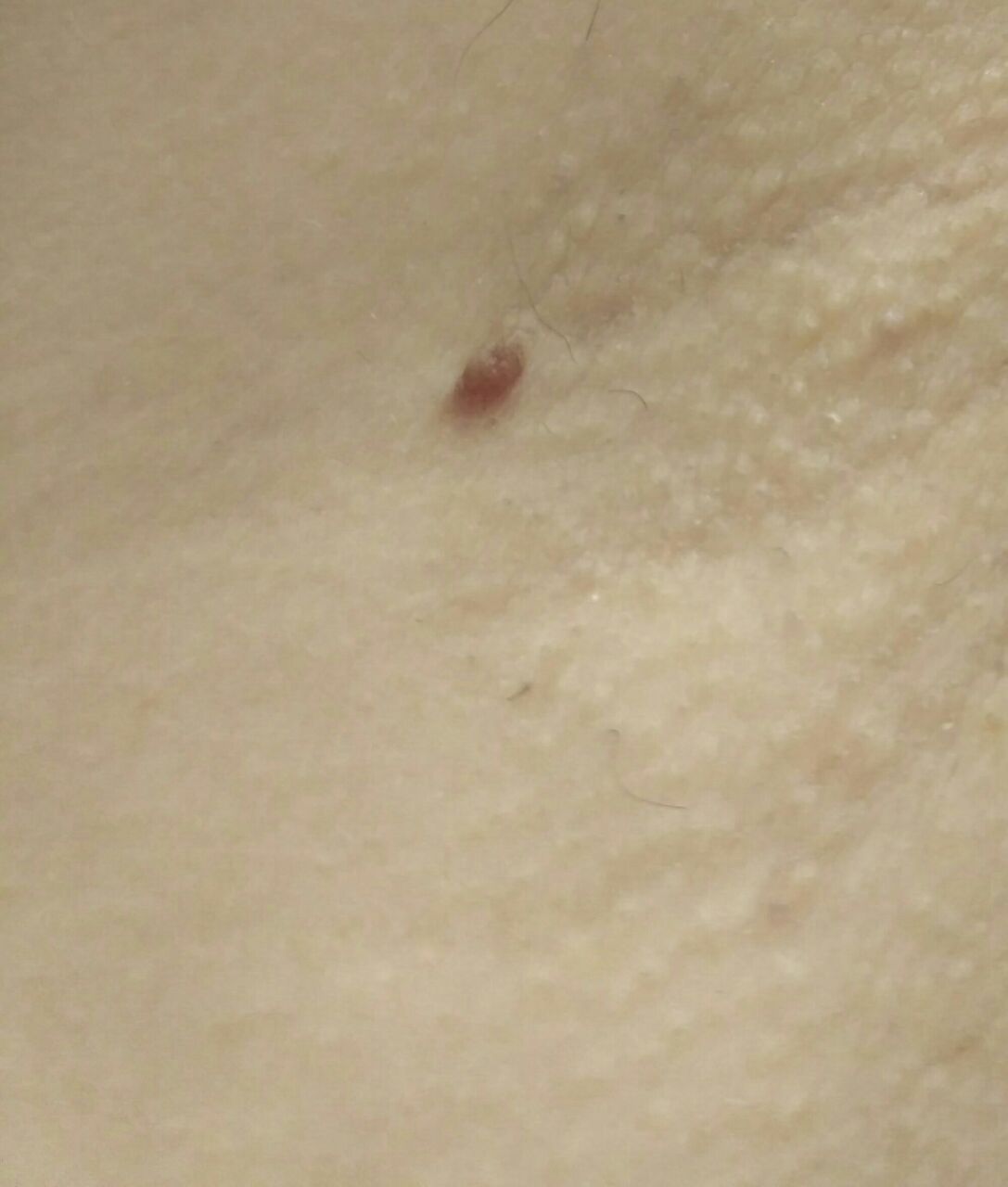
Cutaneous papilloma is a benign growth that usually appears as a small soft protrusion on the skin, often on a thin stalk, and is not dangerous to health.
These lesions usually appear gradually, often starting in adolescence, and may increase in number over time. Papillomas are not contagious through casual contact.
Most papillomas do not cause pain or discomfort, but they can be traumatized and may cause cosmetic concerns.
What to Do if You Suspect a Papilloma
If you notice a lesion on your skin resembling a papilloma, it is best to consult a dermatologist.
The doctor will perform an examination and, if needed, dermoscopy—a simple, painless method to examine the lesion under magnification. In rare cases, additional tests may be required to rule out other skin conditions.
If the papilloma is located in an area prone to trauma (e.g., neck, armpits, or groin), the doctor may recommend removal.
Important: Do not attempt to remove a papilloma yourself. This can cause bleeding, inflammation, and infection. Without a doctor’s assessment, it is impossible to determine the type of lesion accurately.
Timely consultation helps avoid complications and choose a safe approach—either monitoring or removal.
Appearance
Papillomas usually appear as small elongated skin growths, often on a thin stalk.
They can be:
- Skin-colored or light brown
- Soft or slightly firm to the touch
- Smooth or irregular (“wart-like”) on the surface
Size: usually a few millimeters.
Common locations:
- Neck
- Armpits
- Groin
- Chest or back
Occasionally, they may appear on mucous membranes.
Over time, papillomas may remain unchanged or gradually increase in number.
Main Symptoms
Most papillomas do not cause any sensations.
Sometimes they may cause:
- Discomfort from friction with clothing
- Bleeding if injured
- Mild tenderness when damaged
The main feature is the presence of a characteristic soft skin growth.
Causes
External factors:
- Skin damage
- Sun ultraviolet (UV) exposure
Internal factors:
- Heredity
- Hormonal changes (e.g., during pregnancy)
- Chronic conditions (e.g., diabetes)
- Stress and fatigue
These factors may reduce the body’s protective ability, contributing to new growths.
How Papillomas Develop
Papillomas form from cells of the epidermis.
Chronic trauma, hereditary factors, or UV exposure can cause skin cells to divide faster than usual, forming a small growth—a papilloma.
The process remains benign: the cells do not spread throughout the body and do not destroy surrounding tissue.
Forms and Types
There are several types of papillomas, differing in shape and appearance.
The most common are filiform papillomas—small elongated growths on a stalk.
For patients, distinctions between types usually do not matter; the doctor determines the approach.
When to See a Doctor
Consult a doctor if:
- The papilloma grows quickly
- Its shape or color changes
- Pain or bleeding occurs
- The lesion is repeatedly traumatized
- Multiple new papillomas appear in a short time
Even without these signs, regular checks are recommended if there are multiple papillomas.
Treatment
Papillomas may not require treatment if they do not cause discomfort or trauma.
If removal is needed, gentle methods are used:
- Laser
- Radio-wave method
- Electrocoagulation
- Cryodestruction (freezing)
These procedures allow careful removal with minimal skin damage.
If there is diagnostic uncertainty, surgical removal with tissue analysis may be performed.
Important: the treatment method is always determined individually by the doctor.
After removal, papillomas may recur, as it is nearly impossible to eliminate all contributing factors.
Q&A
Are papillomas contagious?
No.
Do papillomas need removal?
Not always; removal is recommended if they are traumatized, growing, or causing discomfort.
How are papillomas treated?
Usually removed with minimally invasive procedures; the method is chosen by the doctor.
Are papillomas dangerous?
In most cases, they are safe benign lesions and are not associated with skin cancer risk.
Can a papilloma be removed at home?
No, this can lead to complications and inaccurate assessment. Always see a doctor.
Why do multiple papillomas appear?
This may be related to individual skin characteristics.
Can papillomas be prevented?
It is impossible to completely prevent them, but a healthy lifestyle and proper skin care reduce the risk.
Do scars remain after removal?
Most often, the skin heals well, depending on the removal method and individual skin characteristics.
Check Your Skin Instantly
Use the Mole Checker app: Skinive AI to take a photo of a mole or lesion and get an AI-based risk assessment. It helps determine whether professional consultation is recommended, giving you fast guidance and peace of mind.
Medical Sources
- Fitzpatrick’s Dermatology
- American Academy of Dermatology (AAD)
- DermNet NZ
- World Health Organization (WHO)
- UpToDate
🇬🇧 Papilloma: When to Seek Medical Advice in the UK
If you notice benign neoplasms, nevi, or moles, it’s important to get a professional opinion. In the UK, you can access dermatology care via the NHS, private clinics, or online consultations.
👉 How to See a Dermatologist in the UK NHS – This main guide explains how NHS referrals work, what to expect from specialist dermatology services, and how to choose between public and private care.
Dermatologists in Major UK Cities:
- Dermatologist in London
- Dermatologist in Manchester
- Dermatologist in Liverpool
- Dermatologist in Birmingham
- Dermatologist in Leeds
- Dermatologists in Other UK cities
Online Dermatology
If you prefer remote care or faster access, try online dermatology consultations. They allow dermatologists to review images, provide advice, and guide next steps without visiting a clinic. Read more in this article: Online Dermatologists in UK.
🇦🇺 Papilloma: When to Seek Medical Advice in Australia
If you notice benign neoplasms, nevi, or moles, it’s important to get a professional opinion. In Australia, you can access dermatology care via Medicare (public system), private clinics, or online consultations.
👉 How to See a Dermatologist in Australia – This main guide explains how referrals work through GPs and public clinics, what to expect from specialist dermatology services, and how to choose between public and private care.
Dermatologists in Major Australian Cities:
- Dermatologist in Sydney
- Dermatologist in Melbourne
- Dermatologist in Brisbane
- Dermatologist in Perth
- Dermatologist in Adelaide
- Dermatologists in other Australian cities
Online Dermatology
For faster access or remote care, online dermatology consultations allow dermatologists to review images, provide advice, and guide next steps without visiting a clinic. Read more in this article: Online Dermatologists in Australia.
Images of cutaneous papilloma: