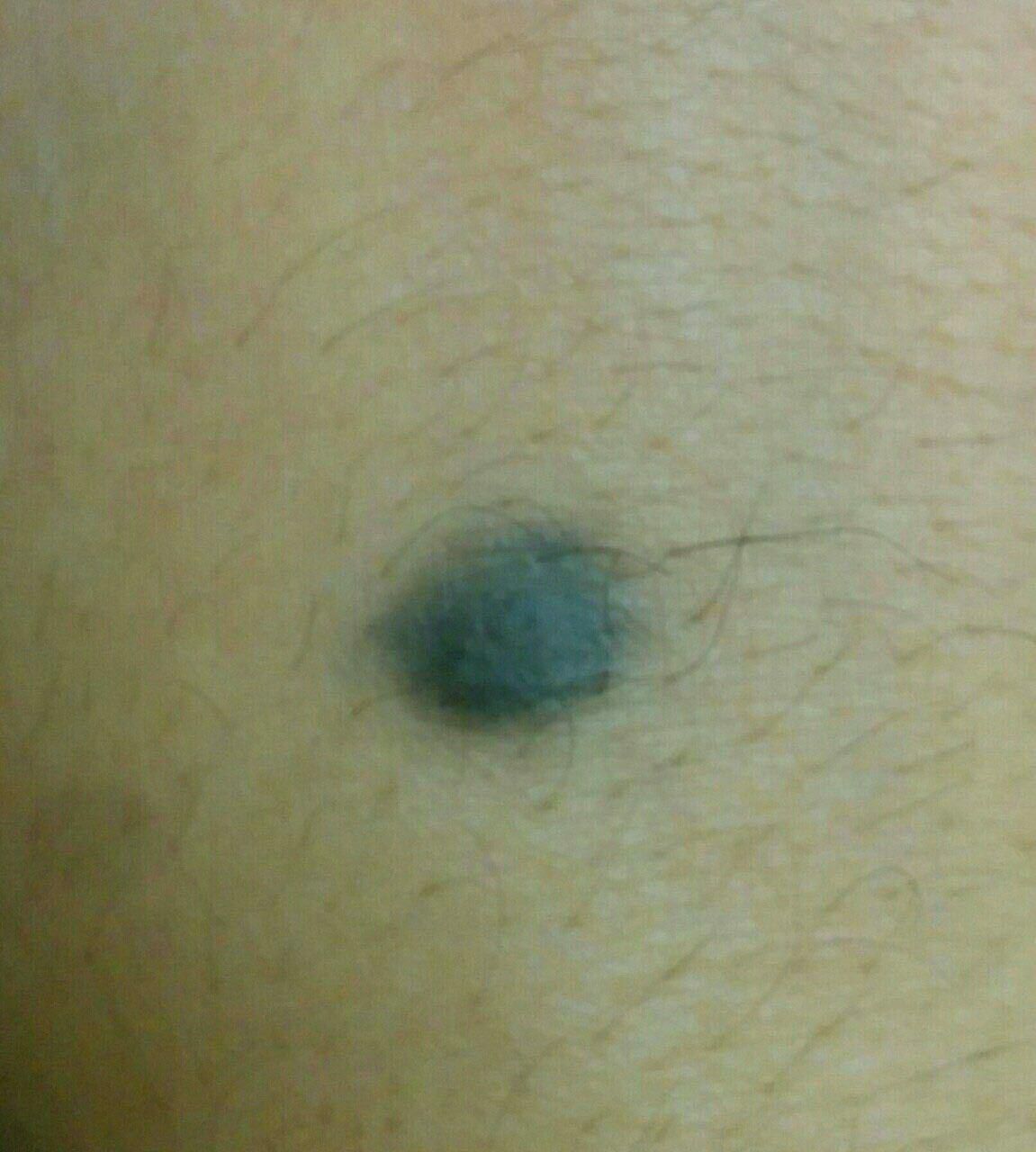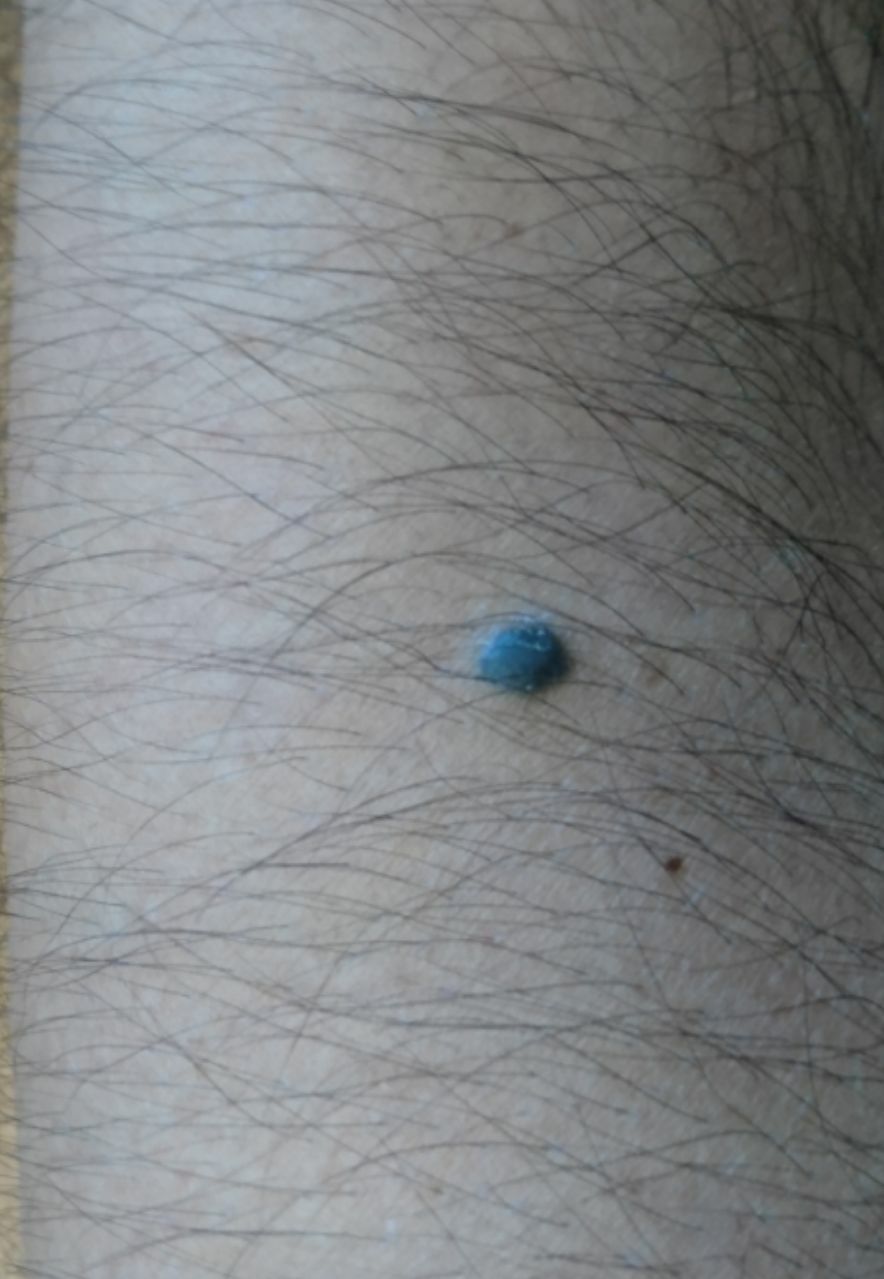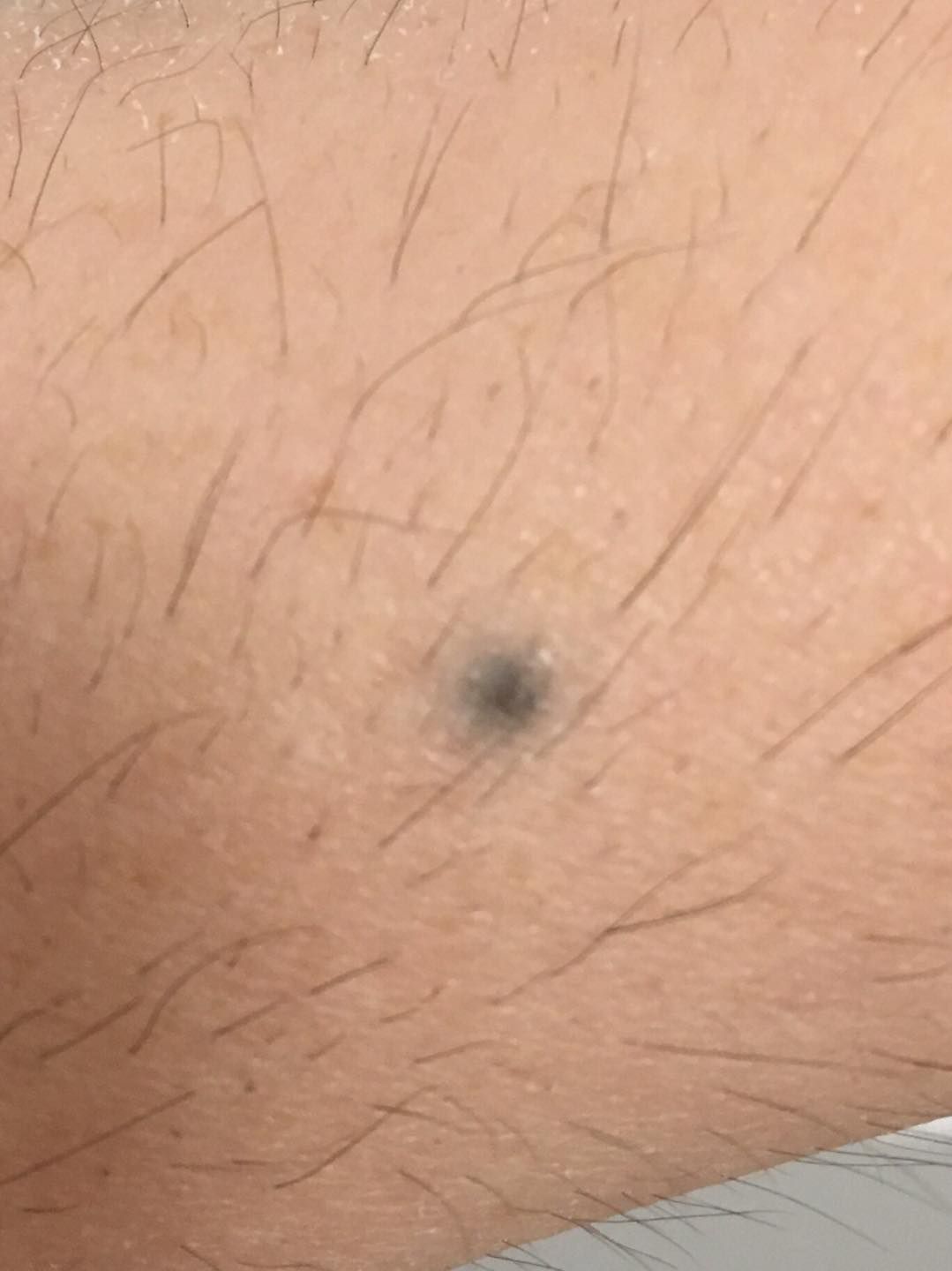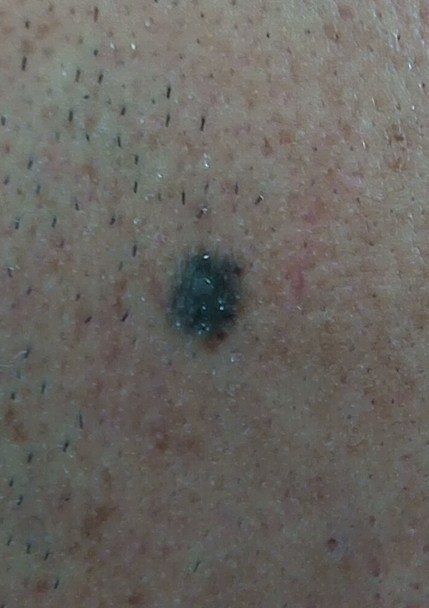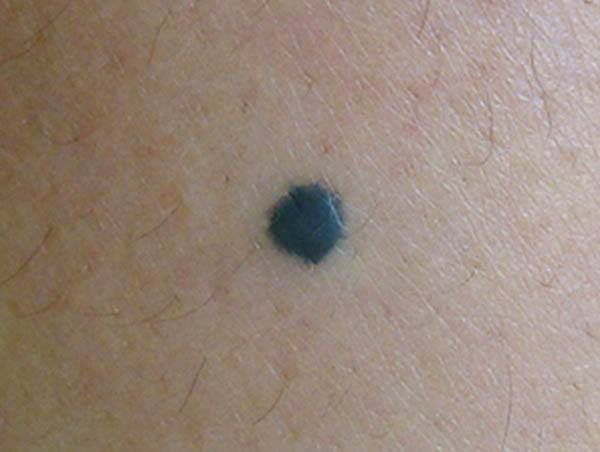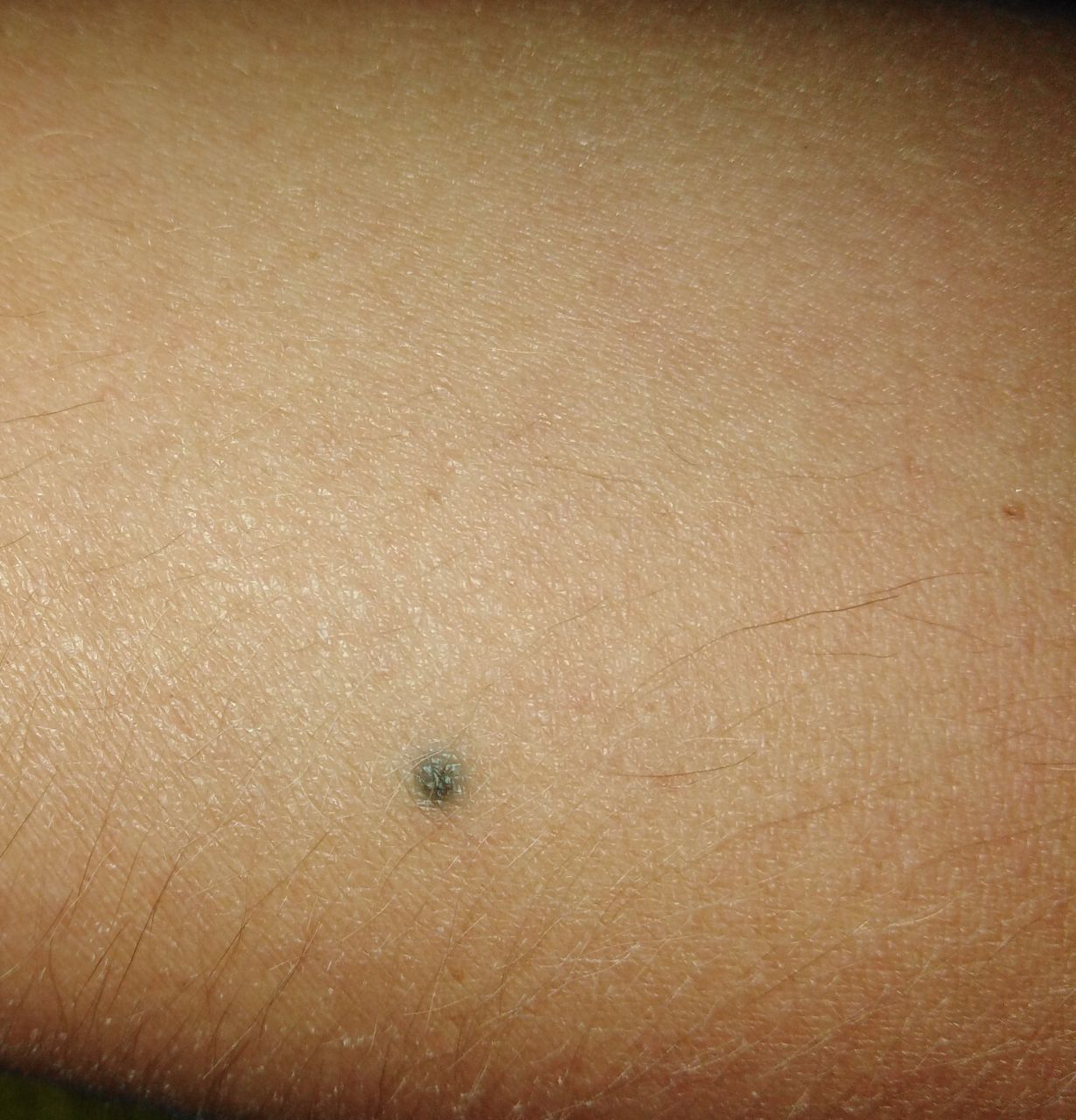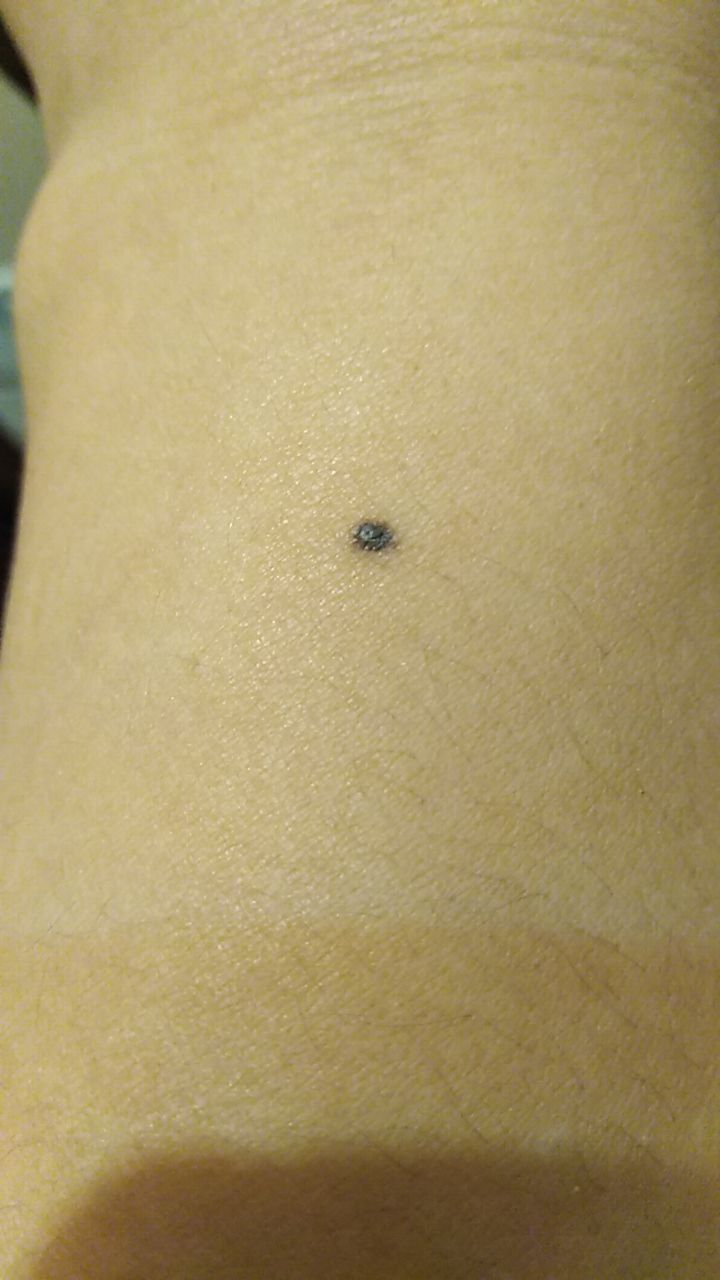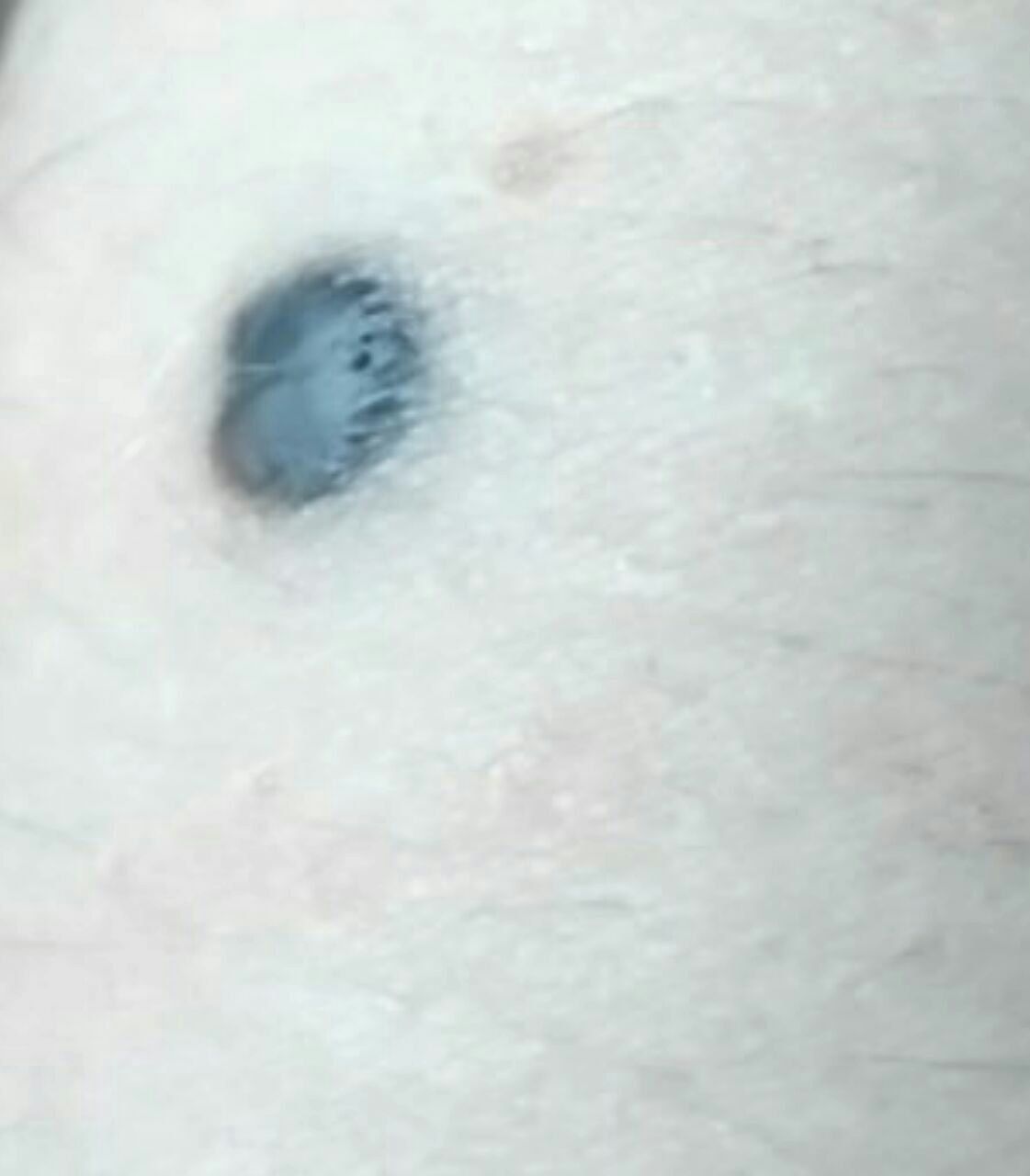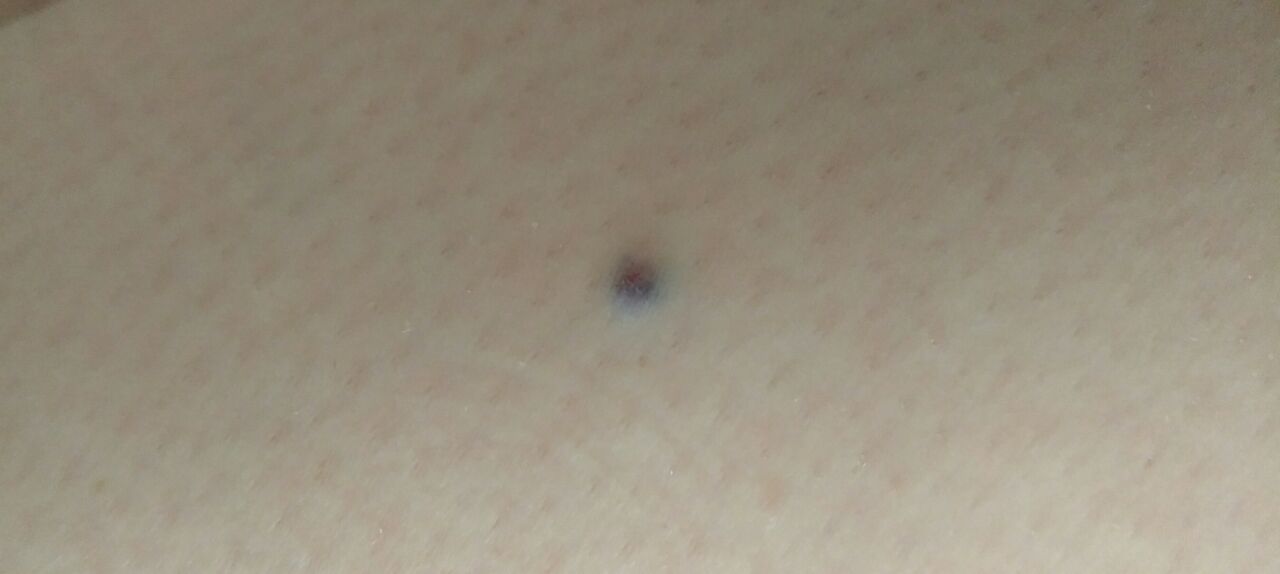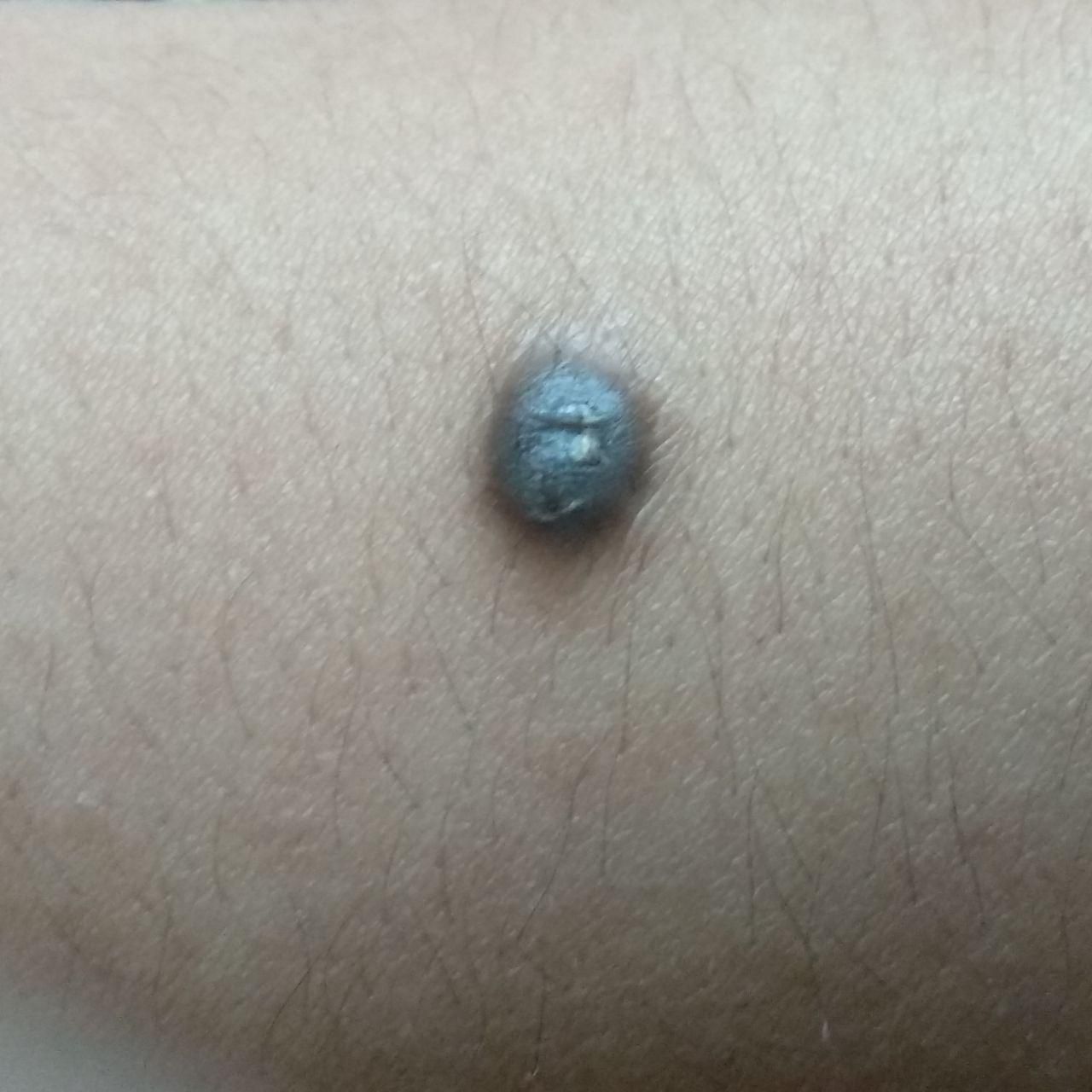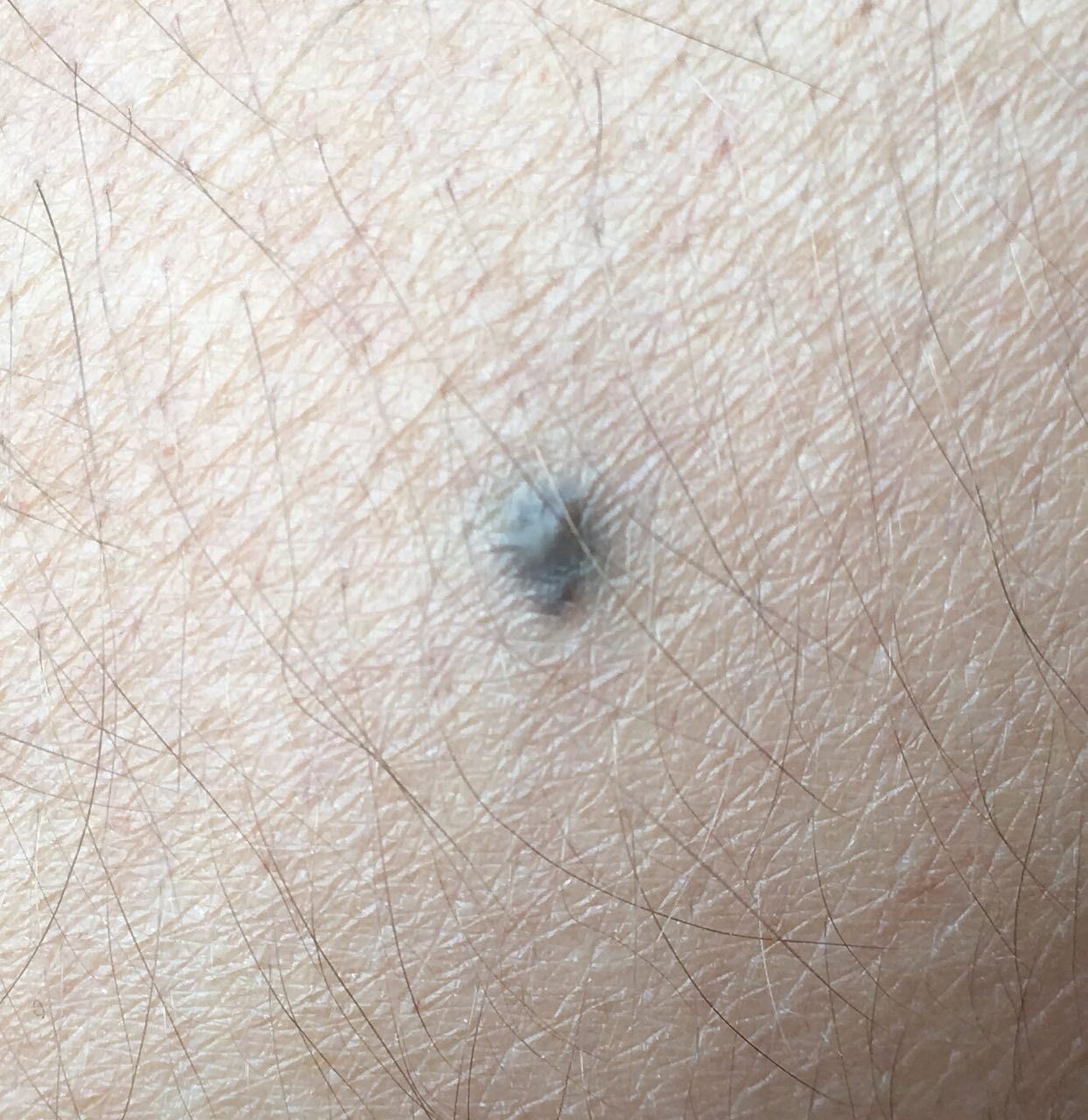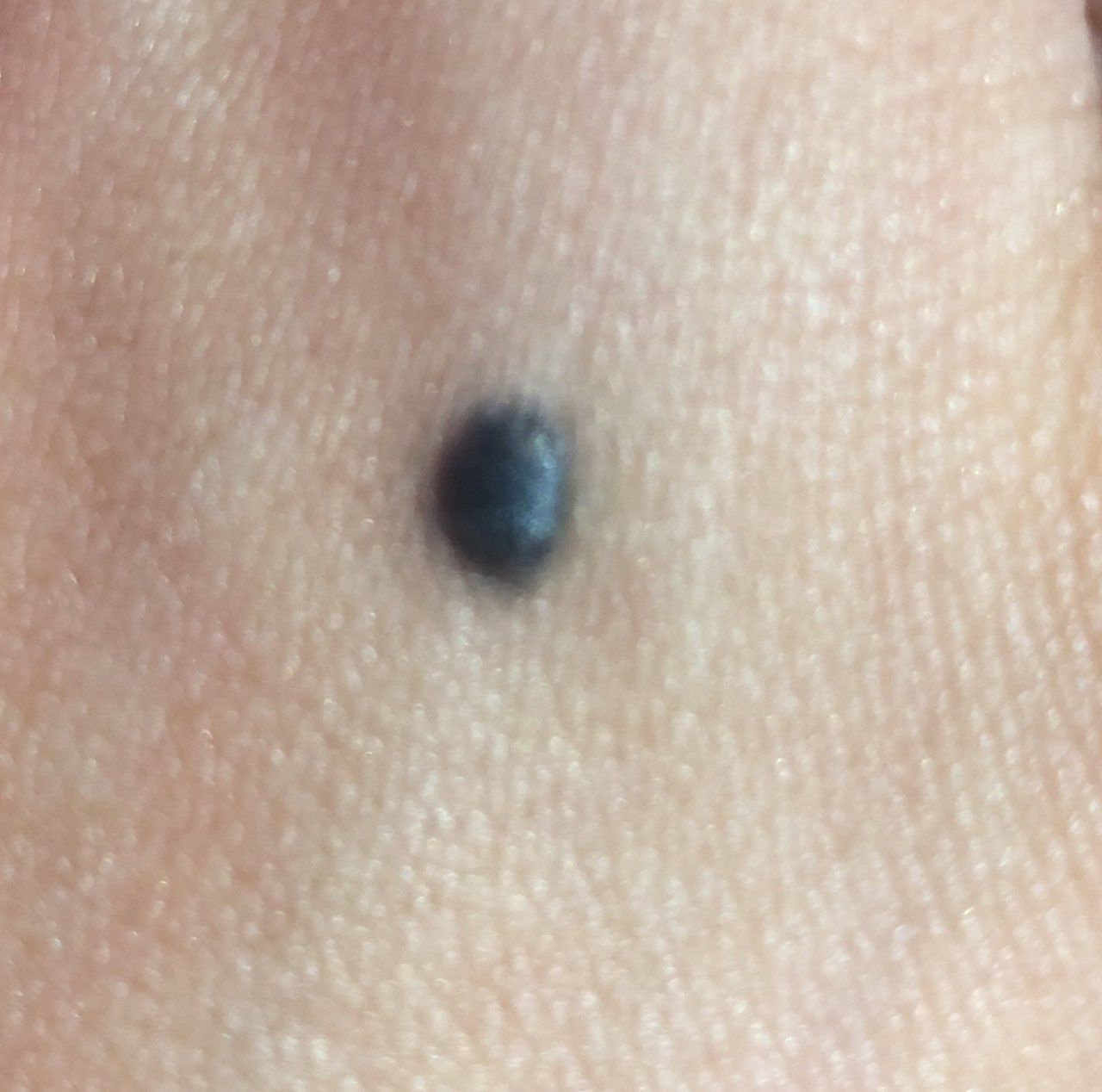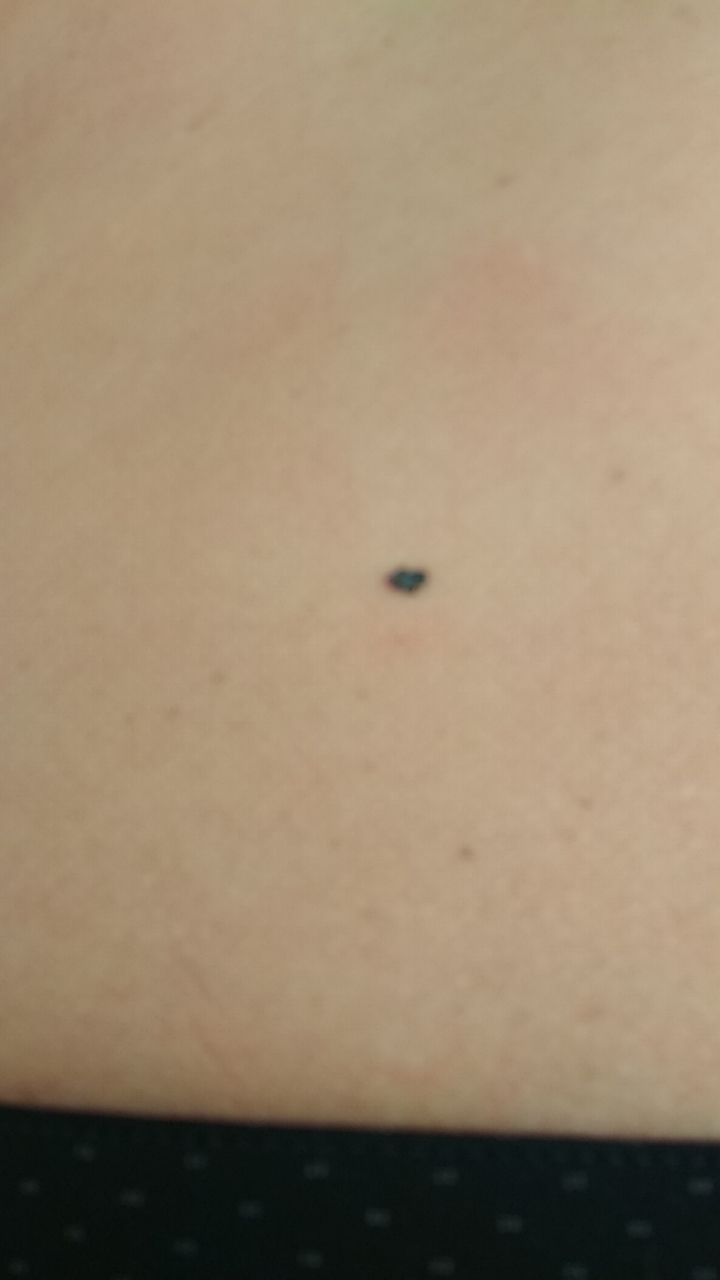
A blue nevus is a benign skin lesion with a characteristic blue or bluish-gray color. Essentially, it is a type of mole, but because the pigment is located deeper in the skin, it appears unusual—ranging from blue-gray to dark blue. Blue nevi are not contagious and cannot be passed from person to person.
They most often appear during adolescence but can develop at any age. They are usually solitary and are generally considered safe.
What to do if you suspect one
If you notice a bluish or unusually dark spot on your skin, it’s important not to ignore it.
The first step is to consult a dermatologist. If necessary, a referral to an oncologist may be made.
Watch for:
- appearance of a new blue or gray spot
- changes in size, shape, or color
- itching, pain, or discomfort
- trauma to the lesion
Do not attempt to remove a blue nevus yourself.
Medical evaluation is important because a blue nevus can resemble other, more serious skin lesions.
What it looks like
A blue nevus usually appears as:
- a small spot or nodule
- round or oval in shape
- with blurred but smooth borders
Color is the main feature:
- blue
- gray-blue
- dark blue
This color occurs because the pigment is located deeper than in a typical mole.
Size is usually small—up to 1 cm; larger lesions are rare.
Surface can be:
- smooth
- slightly shiny
- occasionally a bit bumpy (for larger nevi)
They are most commonly found on the trunk, arms, legs, or neck. They typically grow slowly and often remain stable over time.
Main symptoms
Most blue nevi cause no symptoms:
- no pain
- no itching
- no discomfort
They may feel slightly firmer than surrounding skin but do not usually cause problems. Any new symptoms should prompt a medical check.
Causes
The exact cause of blue nevi is unknown, but several factors may contribute.
Internal factors:
- genetic predisposition
- hormonal changes
External factors:
- ultraviolet exposure
- skin trauma
- certain types of radiation or infections
In simple terms, a blue nevus forms from a cluster of pigment-producing cells located deeper in the ski
How it develops
Blue nevi develop from melanocytes (pigment-producing cells) that are deeper in the skin than in ordinary moles. The depth causes light to scatter differently, giving the lesion its blue color—similar to why deep water appears blue. This process is gradual and usually not associated with inflammation.
Types and variations
Blue nevi can vary slightly:
- in size (small or rarely larger)
- in density
- in shade of color
Larger forms are uncommon but require closer observation.
When to see a doctor
See a specialist if:
- the nevus begins to grow rapidly
- the shape or borders change
- the color becomes uneven
- itching, pain, or bleeding occurs
Any new pigmented lesion with an unusual color should also be checked.
Treatment
Most blue nevi do not require treatment.
If necessary (e.g., for suspicious changes or repeated trauma), surgical removal is performed with tissue examination.
Key principles:
- monitor the lesion
- protect skin from sun
- avoid trauma
Treatment is determined by a doctor. Laser or other destructive methods are generally not recommended.
Q&A
Is a blue nevus dangerous?
Usually safe, but monitoring is recommended due to a slightly increased risk of changes.
Why is it blue?
Because the pigment is deeper in the skin, altering light scattering.
Does it need to be removed?
Not always; a doctor decides after examination.
How is it different from a regular mole?
The primary difference is the color, due to pigment depth.
Can it become dangerous?
Risk is low but slightly higher than ordinary moles; observation is important.
Can you sunbathe with it?
Yes, but protect the skin from excessive UV exposure.
Should it be checked regularly?
Yes, periodic monitoring is recommended, especially if changes occur.
Can it be injured?
Avoid trauma; see a doctor if damaged.
Check Your Skin Instantly
Use the Mole Checker app: Skinive AI to take a photo of a mole or lesion and get an AI-based risk assessment. It helps determine whether professional consultation is recommended, giving you fast guidance and peace of mind.
Sources of medical information
- World Health Organization (WHO)
- American Academy of Dermatology (AAD)
- National Cancer Institute (NCI)
- Fitzpatrick’s Dermatology
- DermNet NZ
🇬🇧 Blue Nevus: When to Seek Medical Advice in the UK
If you notice benign neoplasms, nevi, or moles, it’s important to get a professional opinion. In the UK, you can access dermatology care via the NHS, private clinics, or online consultations.
👉 How to See a Dermatologist in the UK NHS – This main guide explains how NHS referrals work, what to expect from specialist dermatology services, and how to choose between public and private care.
Dermatologists in Major UK Cities:
- Dermatologist in London
- Dermatologist in Manchester
- Dermatologist in Liverpool
- Dermatologist in Birmingham
- Dermatologist in Leeds
- Dermatologists in Other UK cities
Online Dermatology
If you prefer remote care or faster access, try online dermatology consultations. They allow dermatologists to review images, provide advice, and guide next steps without visiting a clinic. Read more in this article: Online Dermatologists in UK.
🇦🇺 Blue Nevus: When to Seek Medical Advice in Australia
If you notice benign neoplasms, nevi, or moles, it’s important to get a professional opinion. In Australia, you can access dermatology care via Medicare (public system), private clinics, or online consultations.
👉 How to See a Dermatologist in Australia – This main guide explains how referrals work through GPs and public clinics, what to expect from specialist dermatology services, and how to choose between public and private care.
Dermatologists in Major Australian Cities:
- Dermatologist in Sydney
- Dermatologist in Melbourne
- Dermatologist in Brisbane
- Dermatologist in Perth
- Dermatologist in Adelaide
- Dermatologists in other Australian cities
Online Dermatology
For faster access or remote care, online dermatology consultations allow dermatologists to review images, provide advice, and guide next steps without visiting a clinic. Read more in this article: Online Dermatologists in Australia.
Images of blue nevus: