
Spitz nevus is a benign skin lesion, most often appearing as a small raised nodule on the skin. It usually develops in childhood or adolescence and is not contagious.
It is most often a solitary lesion with well-defined borders and uniform coloration, ranging from pink to brown. In most cases, Spitz nevus is harmless and does not progress to skin cancer.
Sometimes it may grow slightly over time, but usually remains stable and does not cause discomfort.
What to Do if You Suspect a Spitz Nevus
If you notice a new lesion resembling a Spitz nevus, it is important not to panic—this is a common and usually safe condition.
First step: consult a dermatologist. If necessary, the doctor may refer you to an oncologist for further evaluation.
The doctor will perform a skin examination and dermoscopy—a painless method in which the lesion is examined under magnification. In some cases, a biopsy (removal of a small tissue sample for analysis) may be needed to rule out malignancy.
Important: Do not attempt to treat or remove the lesion yourself. Do not ignore changes—timely consultation helps reduce risks and choose the appropriate monitoring or treatment strategy.
Appearance
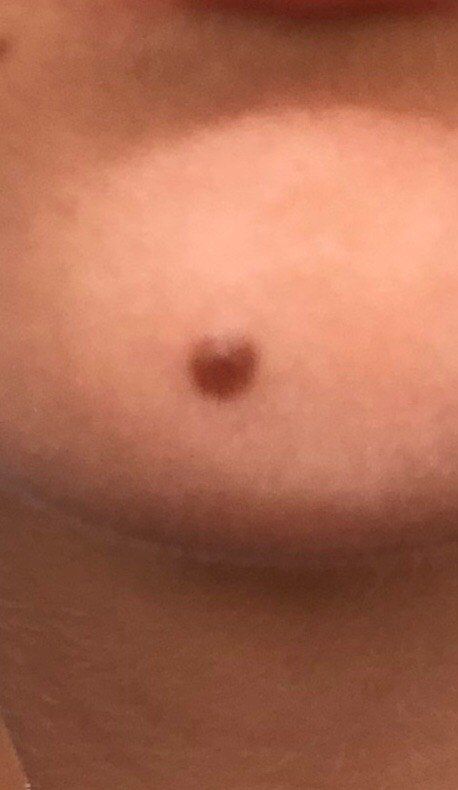
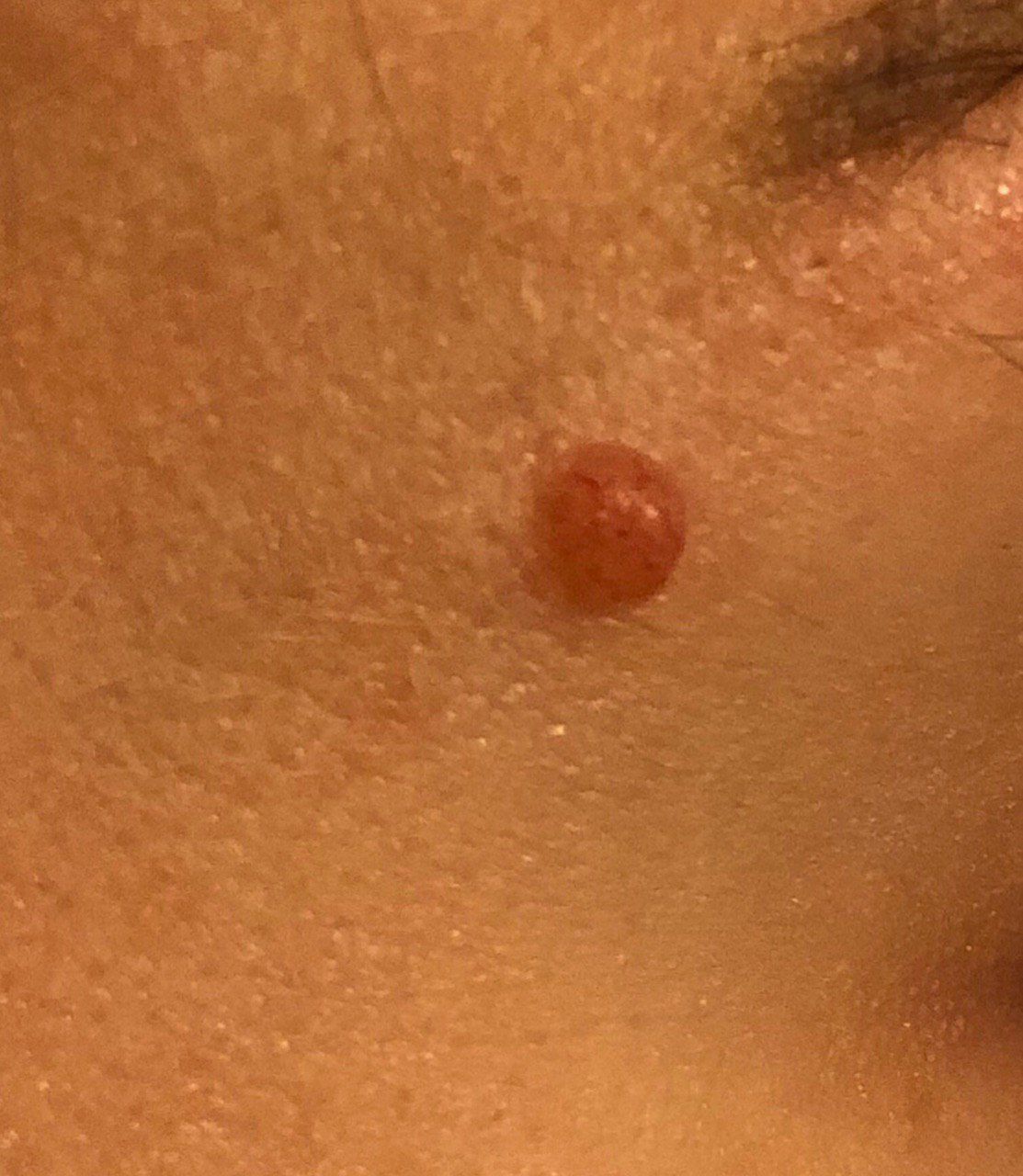
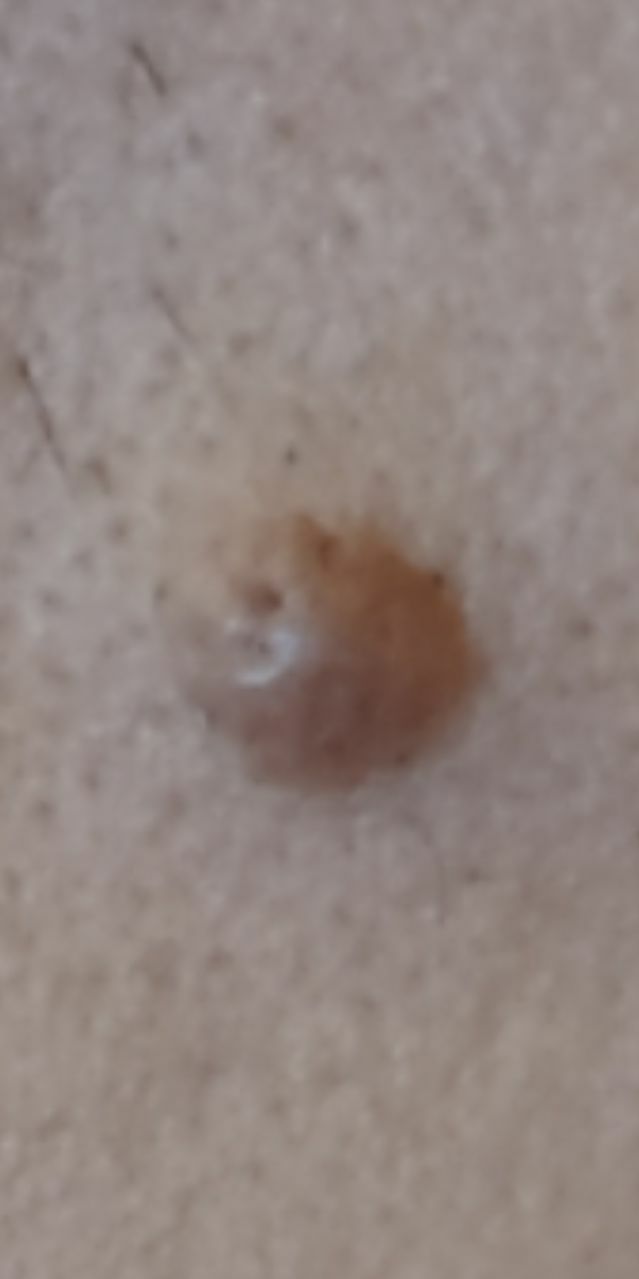
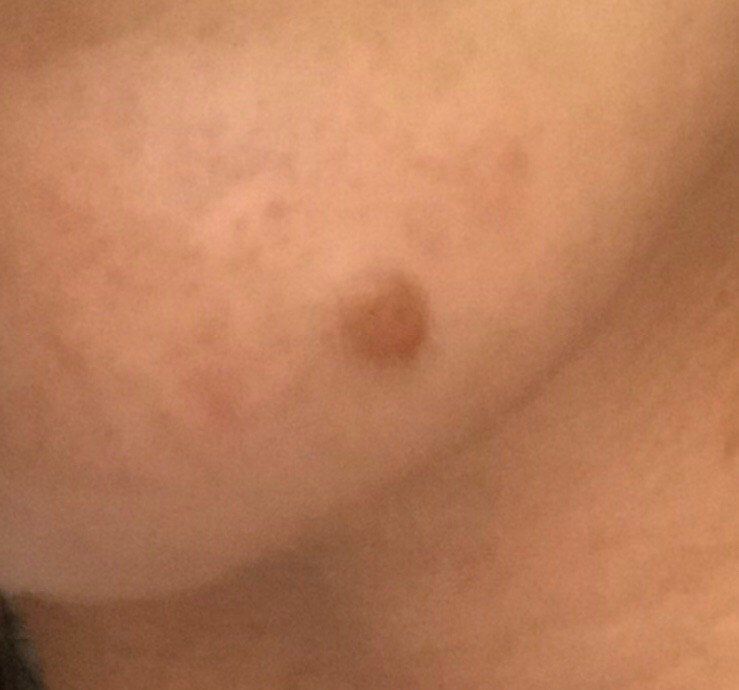
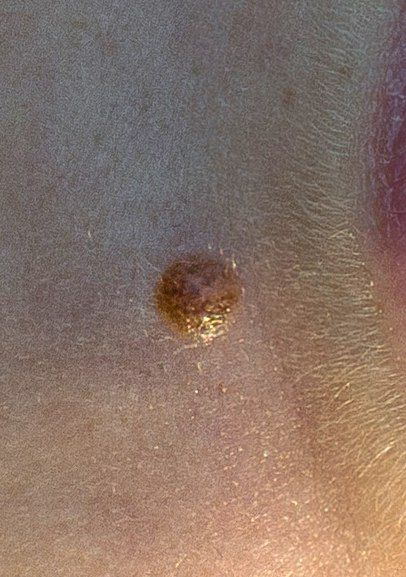
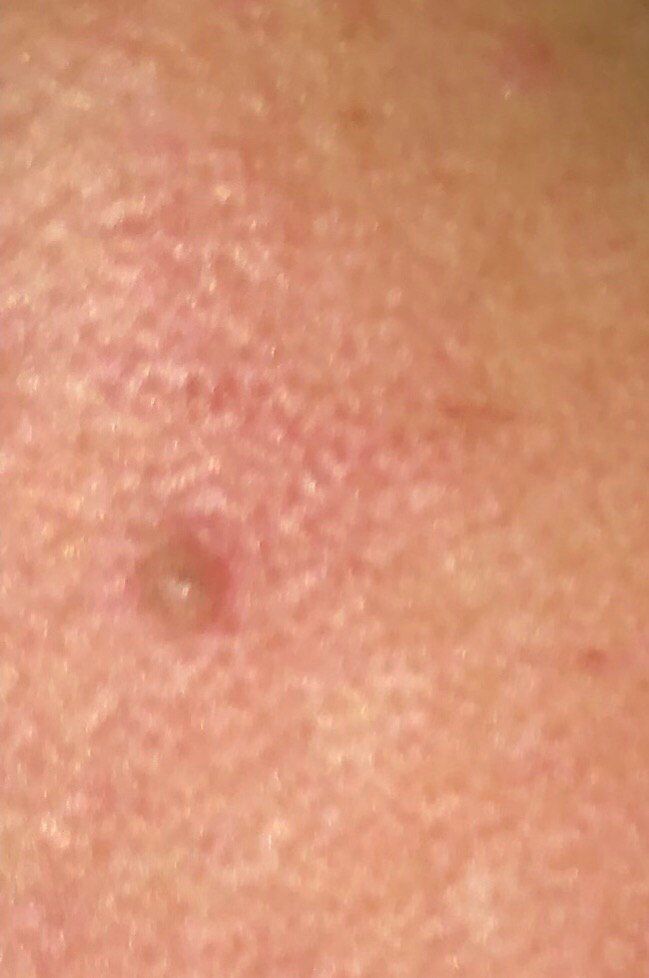
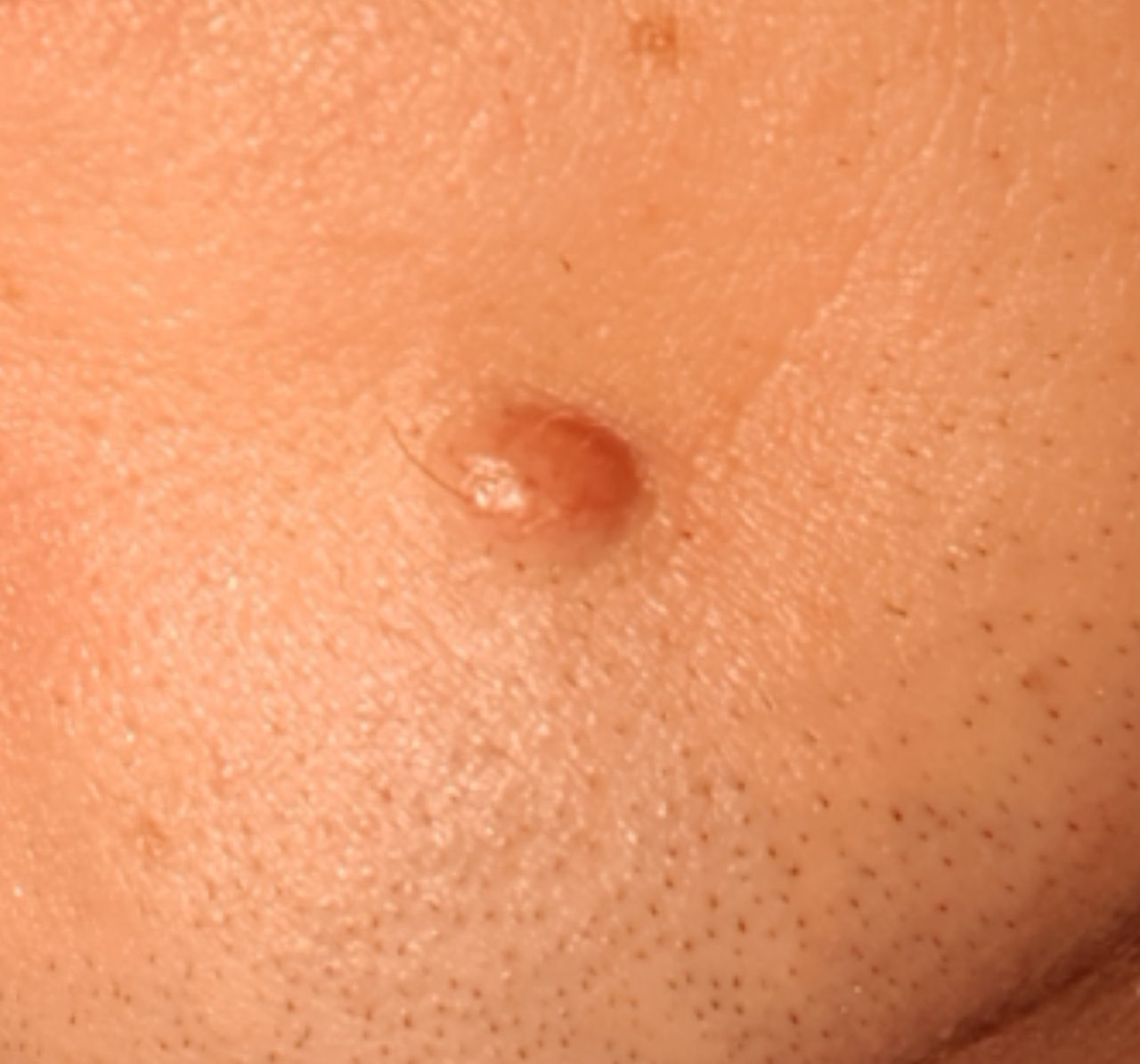
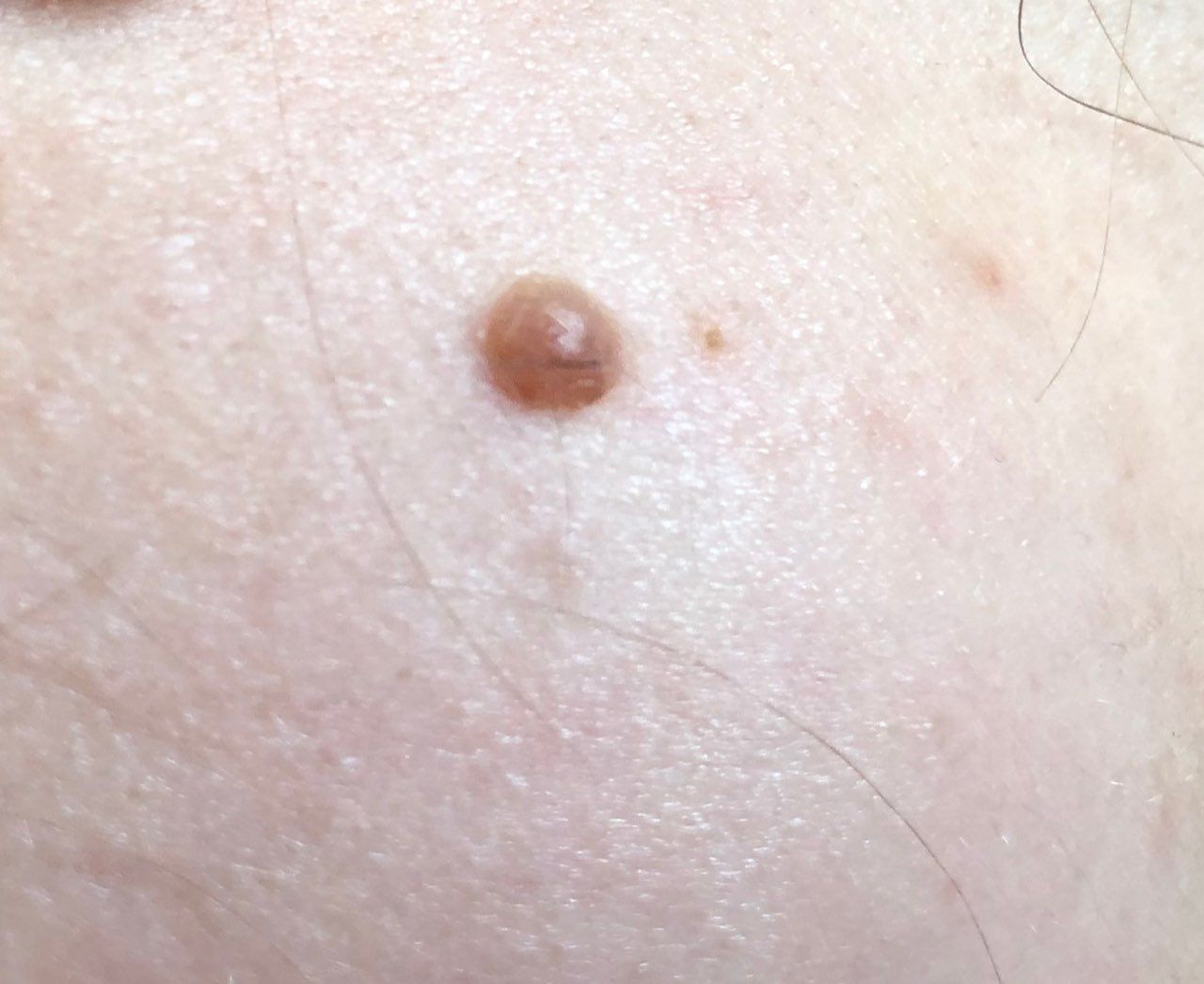
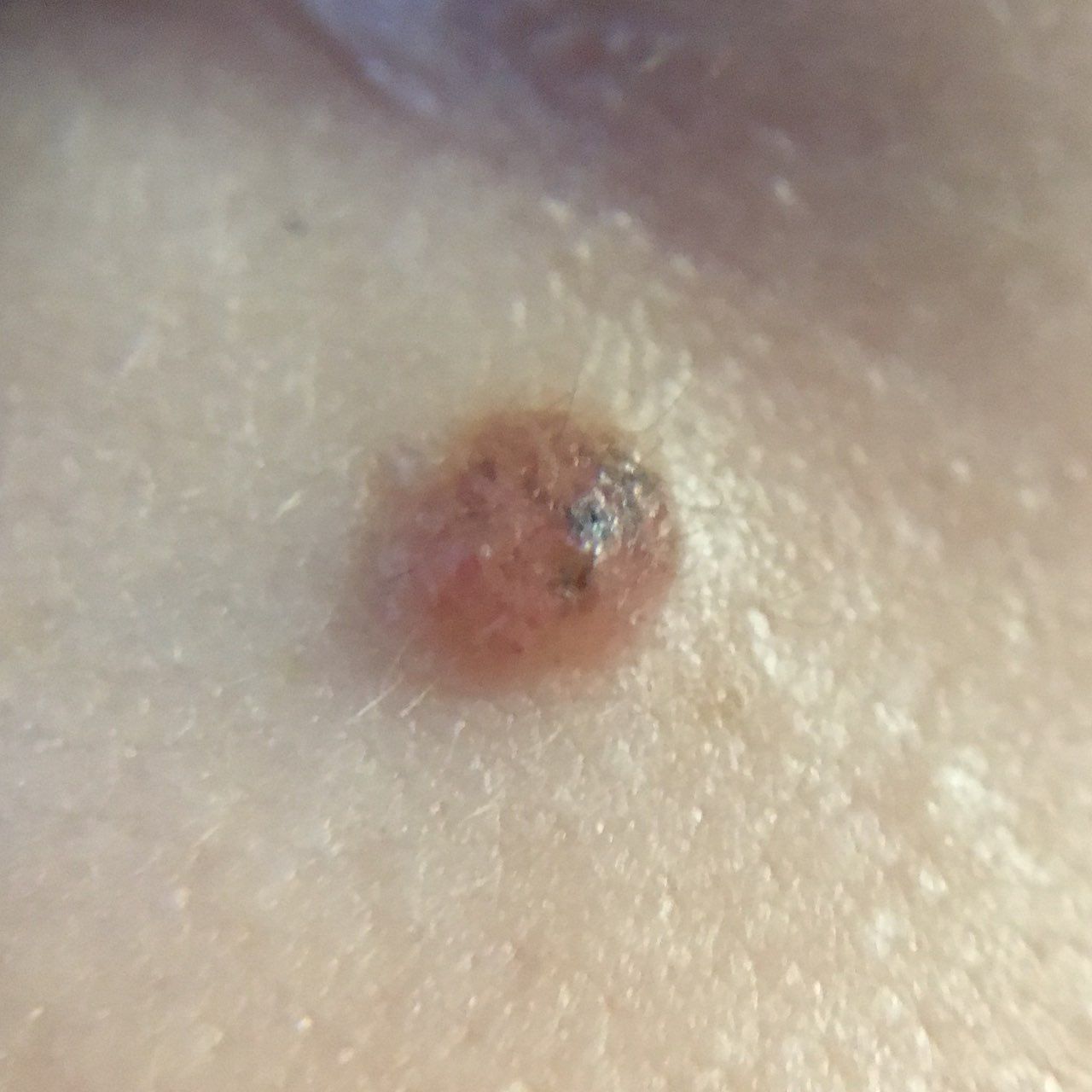
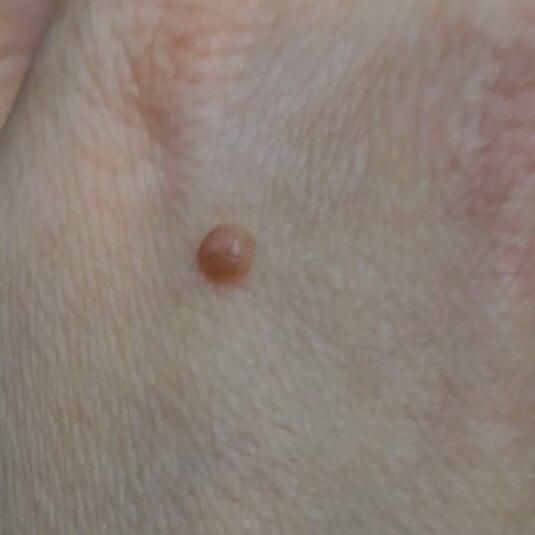
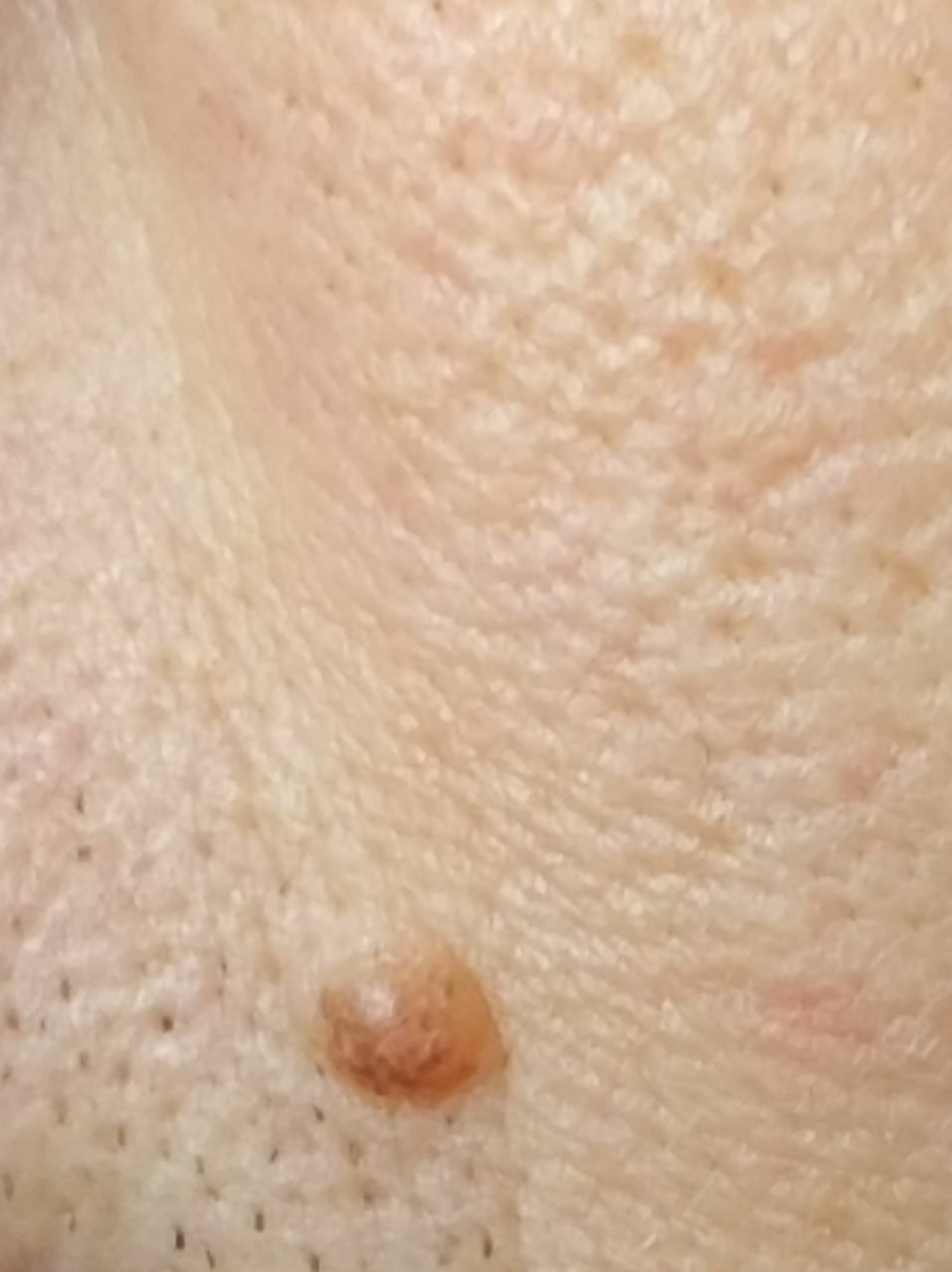
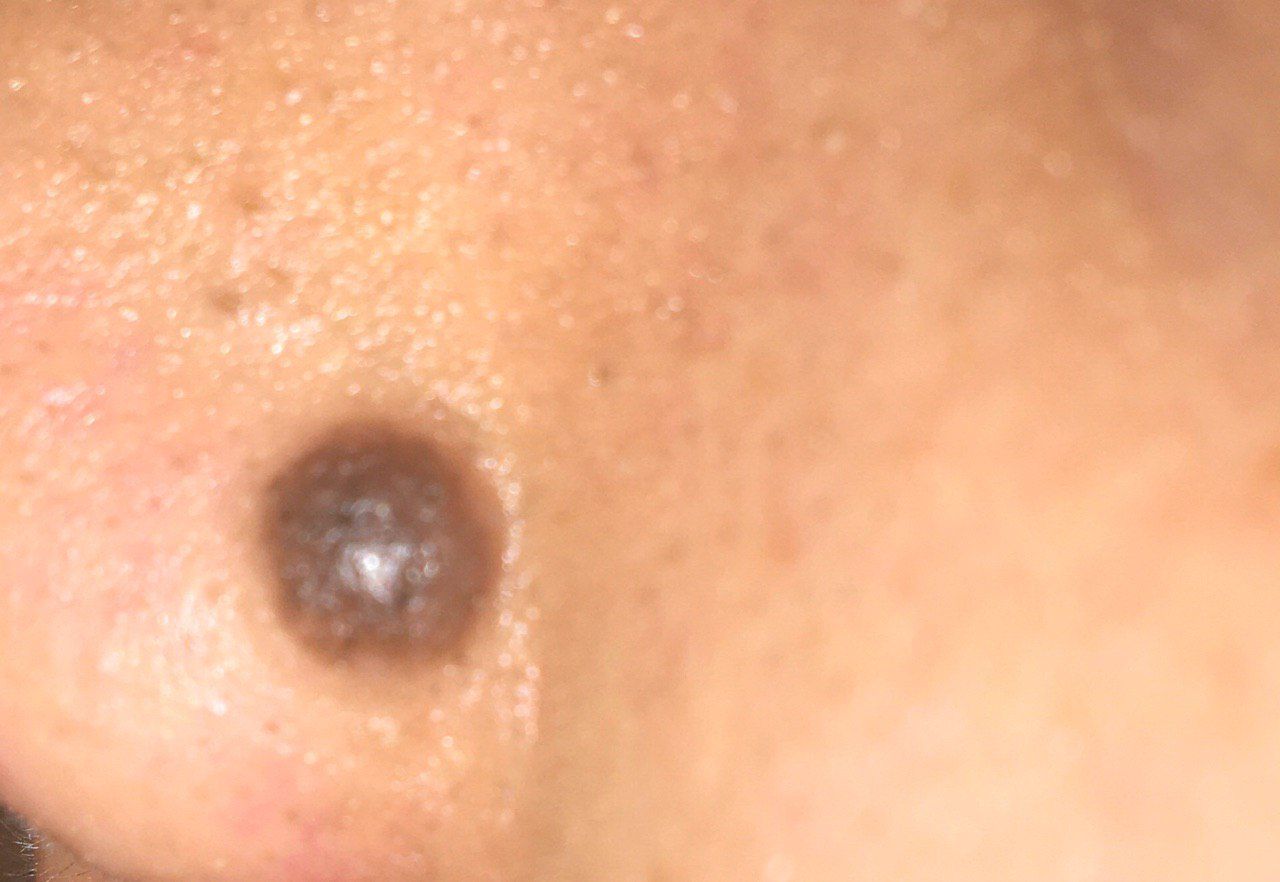
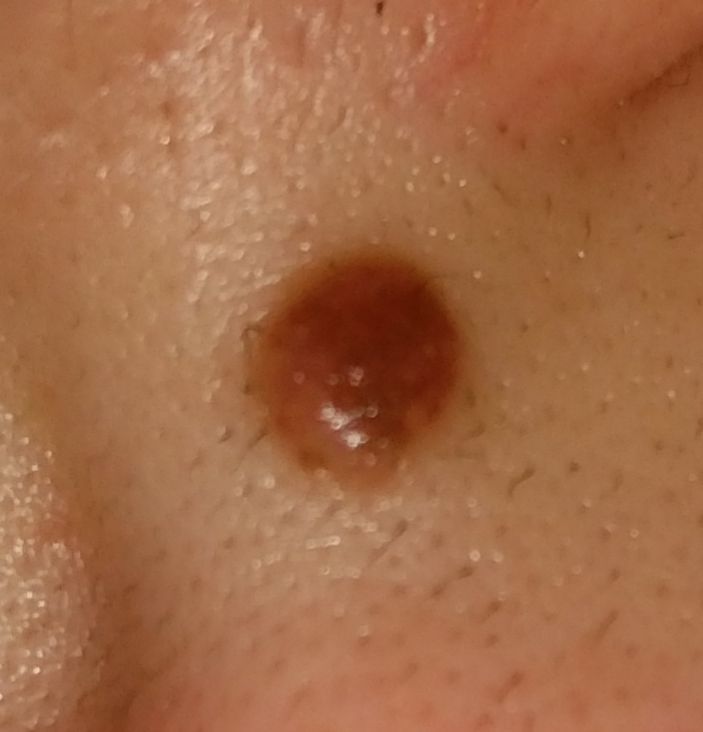
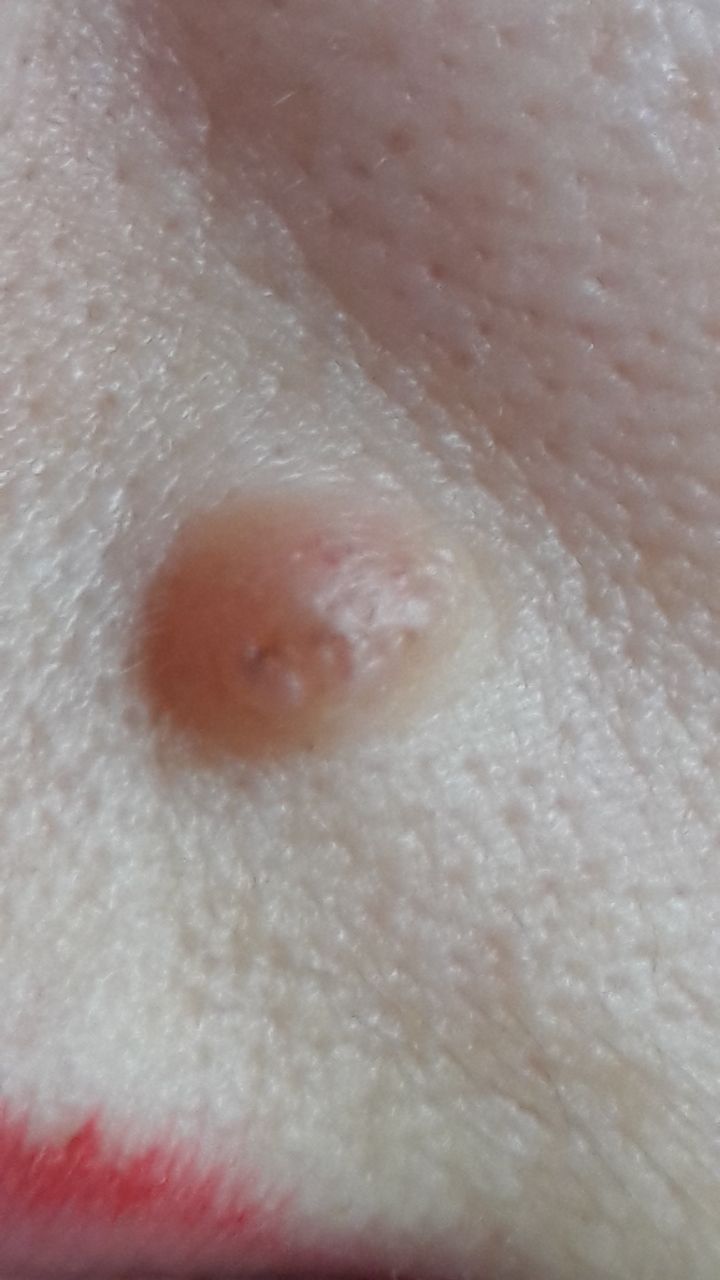
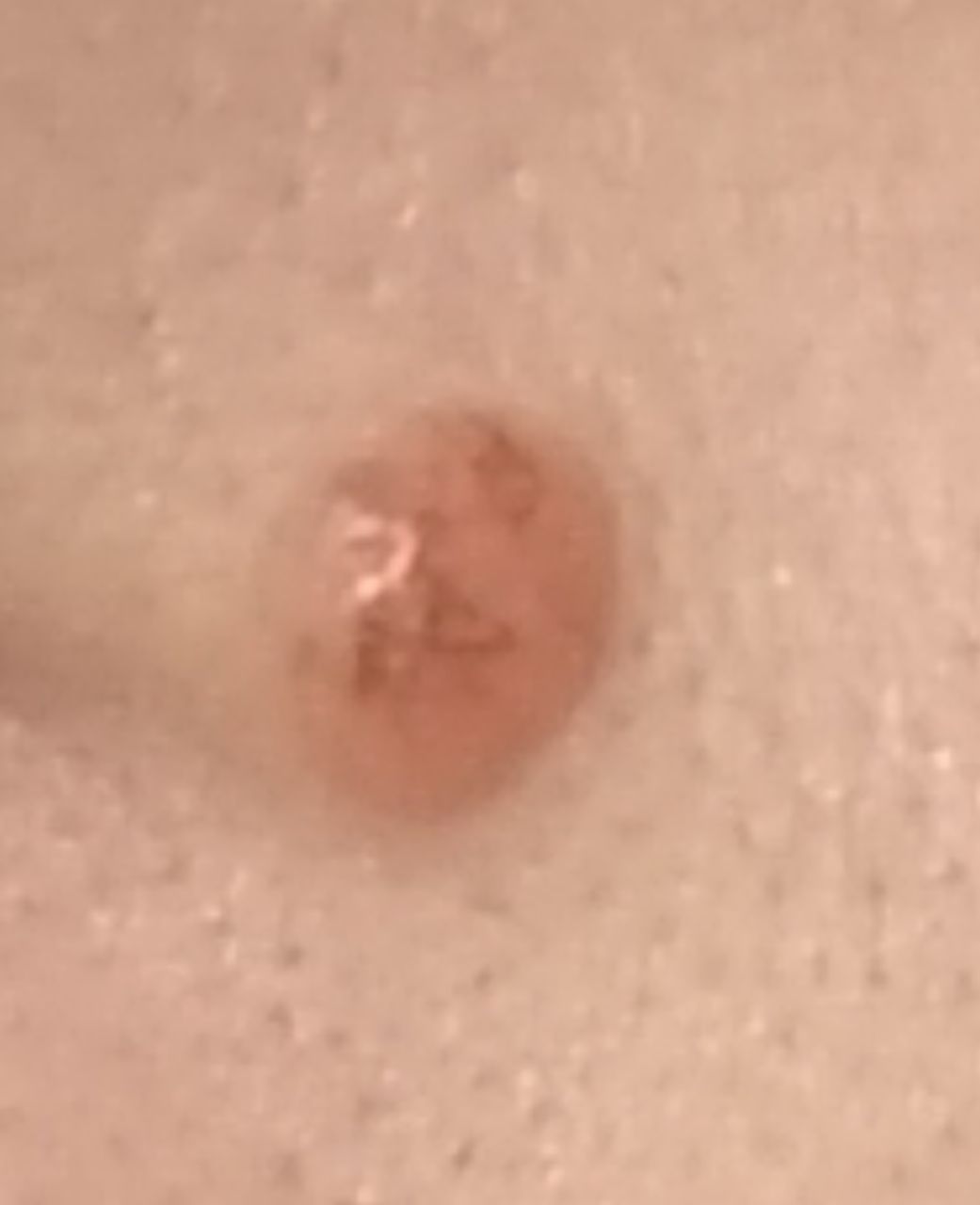
Spitz nevus usually appears as a small dome-shaped or slightly flattened nodule on the skin. It is often symmetrical, with smooth and well-defined borders.
Color may vary: from light pink or flesh-colored to brown. The pigmentation is usually uniform, sometimes with subtle shading. The surface may be smooth or slightly bumpy.
Size: usually 3–8 mm in diameter, with height of a few millimeters above the skin. Hair usually does not grow on the lesion—a characteristic feature.
Common locations:
- Face
- Neck
- Limbs
- Less commonly, the trunk
Over time, the nevus may change slightly, but in most cases it maintains its symmetrical shape and clear borders.
Main Symptoms
In most cases, Spitz nevus does not cause any discomfort.
Key features:
- Small raised lesion on the skin
- Symmetrical shape with clear borders
- Uniform color
- No pain, itching, or burning
When pressed, it may feel slightly firmer than surrounding skin.
Causes
The exact cause of Spitz nevus is unknown, but several factors may play a role.
External factors:
- Ultraviolet (UV) exposure (sunlight or tanning beds)
Internal factors:
- Genetic predisposition
- Hormonal changes (e.g., during adolescence or pregnancy)
These factors do not always lead to the formation of a nevus, but may increase the likelihood.
How Spitz Nevus Develops
Spitz nevus forms from melanocytes—the skin cells responsible for pigment production.
Under various influences, these cells start dividing actively, forming a small nodule. The process remains benign—cells do not invade surrounding tissue and do not behave like cancer.
Forms and Types
There are several variants of Spitz nevus, based on cell structure and appearance.
For patients, this distinction is usually not significant, as monitoring or treatment strategies are determined individually by the doctor.
When to See a Doctor
Consult a doctor if:
- The lesion appeared recently and is growing quickly
- Color, shape, or size has changed
- Pain, itching, or burning occurs
- The nevus has been traumatized
- The lesion is repeatedly rubbed by clothing or jewelry
Even without these signs, periodic dermatological checks are recommended, especially if multiple lesions are present.
Treatment
In most cases, Spitz nevus does not require urgent treatment and can be monitored.
Approaches include:
- Regular check-ups (including photographic monitoring if necessary)
- Gentle skin care
- Avoiding trauma to the lesion
If there is diagnostic uncertainty, risk of damage, or changes in appearance, a doctor may recommend surgical removal.
Surgical removal is usually followed by histological examination to confirm the diagnosis.
Tissue-destructive methods (e.g., laser or cryotherapy) are generally not used, as preserving tissue for analysis is important.
Treatment method is always determined individually by the doctor.
Q&A
Is Spitz nevus dangerous?
In most cases, it is a benign, safe lesion that does not increase the risk of melanoma.
Can Spitz nevus be “treated”?
It is not “treated” in the conventional sense, but can be fully removed surgically if needed.
Does Spitz nevus need removal?
Not always—the decision is made by a doctor if changes occur, trauma risk exists, or diagnosis is uncertain.
Can Spitz nevus disappear on its own?
Sometimes it may slightly shrink, but usually remains stable.
Can you sunbathe with Spitz nevus?
Sun exposure should be limited, and sunscreen used to reduce the risk of changes.
How is Spitz nevus different from melanoma?
Spitz nevus is usually symmetrical with uniform color, whereas melanoma often has irregular borders and uneven pigmentation. Only a doctor can provide an accurate diagnosis.
Should a stable Spitz nevus be monitored?
Yes, periodic checks are recommended to detect changes early.
Can Spitz nevus be traumatized?
Accidental trauma can occur, but repeated irritation should be avoided to prevent changes and the need for removal.
Check Your Skin Instantly
Use the Mole Checker app: Skinive AI to take a photo of a mole or lesion and get an AI-based risk assessment. It helps determine whether professional consultation is recommended, giving you fast guidance and peace of mind.
Medical Sources
- Fitzpatrick’s Dermatology
- WHO Classification of Skin Tumours
- American Academy of Dermatology (AAD)
- DermNet NZ
- UpToDate
🇬🇧 Spitz Nevus: When to Seek Medical Advice in the UK
If you notice benign neoplasms, nevi, or moles, it’s important to get a professional opinion. In the UK, you can access dermatology care via the NHS, private clinics, or online consultations.
👉 How to See a Dermatologist in the UK NHS – This main guide explains how NHS referrals work, what to expect from specialist dermatology services, and how to choose between public and private care.
Dermatologists in Major UK Cities:
- Dermatologist in London
- Dermatologist in Manchester
- Dermatologist in Liverpool
- Dermatologist in Birmingham
- Dermatologist in Leeds
- Dermatologists in Other UK cities
Online Dermatology
If you prefer remote care or faster access, try online dermatology consultations. They allow dermatologists to review images, provide advice, and guide next steps without visiting a clinic. Read more in this article: Online Dermatologists in UK.
🇦🇺 Spitz Nevus: When to Seek Medical Advice in Australia
If you notice benign neoplasms, nevi, or moles, it’s important to get a professional opinion. In Australia, you can access dermatology care via Medicare (public system), private clinics, or online consultations.
👉 How to See a Dermatologist in Australia – This main guide explains how referrals work through GPs and public clinics, what to expect from specialist dermatology services, and how to choose between public and private care.
Dermatologists in Major Australian Cities:
- Dermatologist in Sydney
- Dermatologist in Melbourne
- Dermatologist in Brisbane
- Dermatologist in Perth
- Dermatologist in Adelaide
- Dermatologists in other Australian cities
Online Dermatology
For faster access or remote care, online dermatology consultations allow dermatologists to review images, provide advice, and guide next steps without visiting a clinic. Read more in this article: Online Dermatologists in Australia.
Images of Spitz nevus:



** Should you identify any copyright infringement regarding the images on this page, kindly reach out to us at info@skinive.com.
Furthermore, please be advised that these photos are not authorized for any purpose.