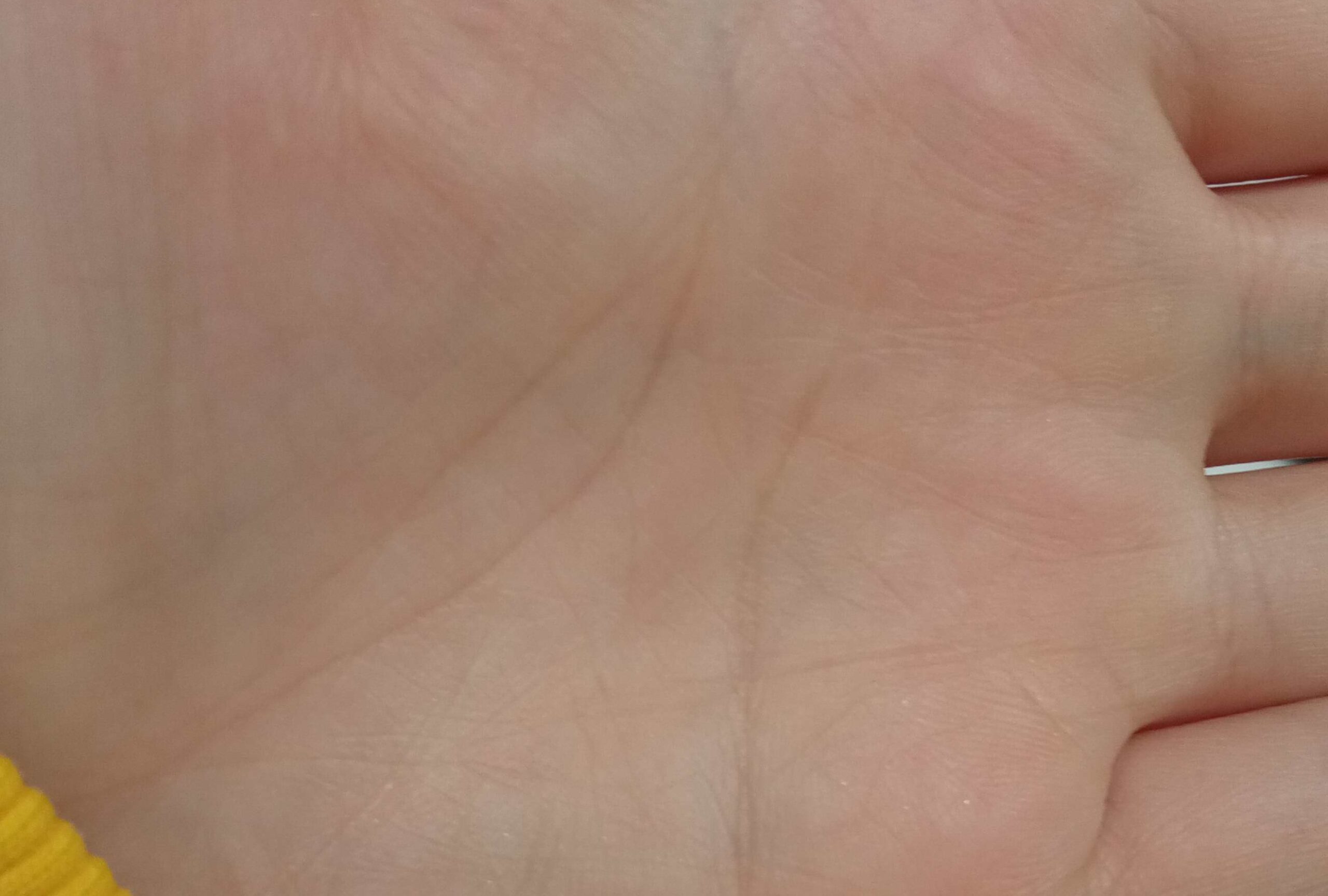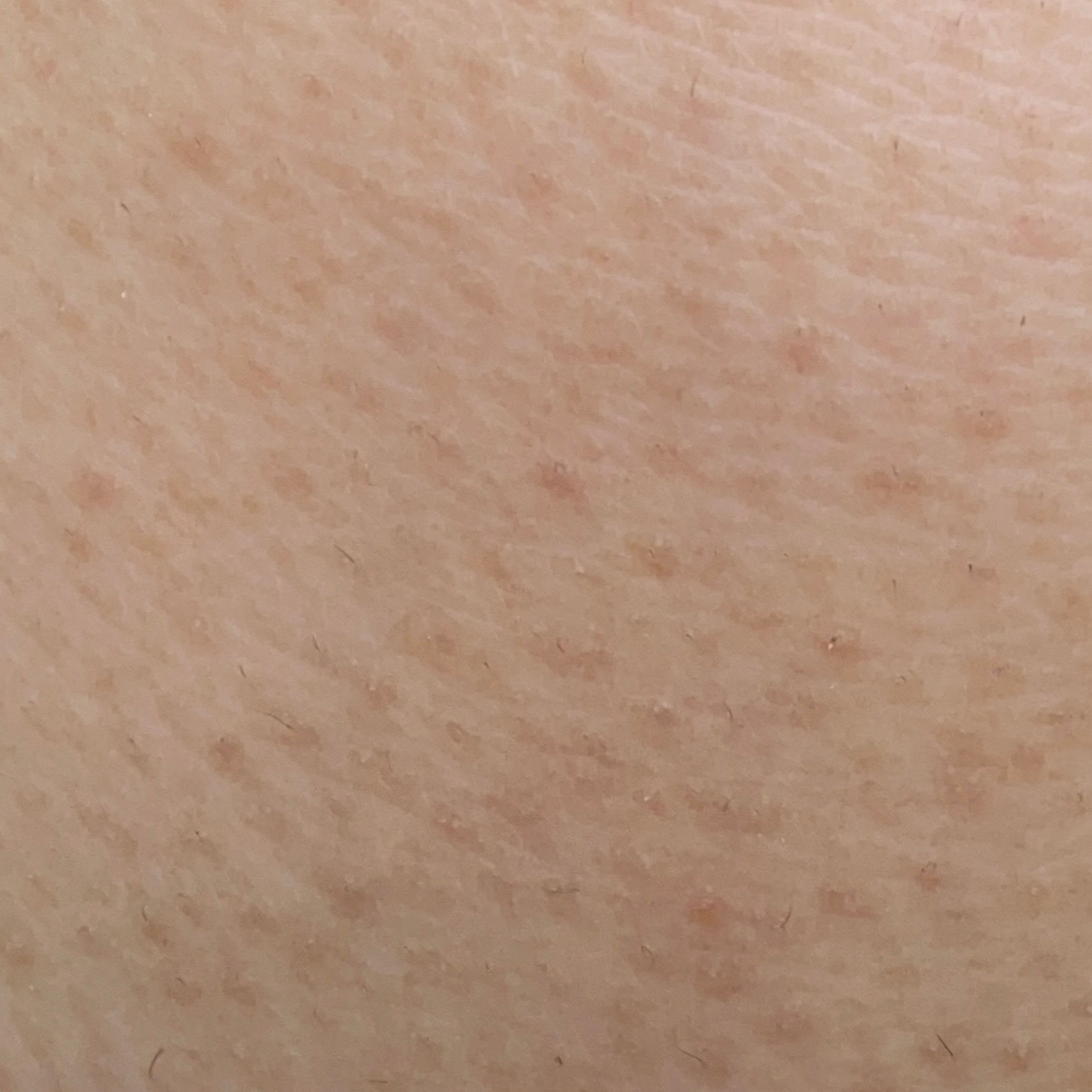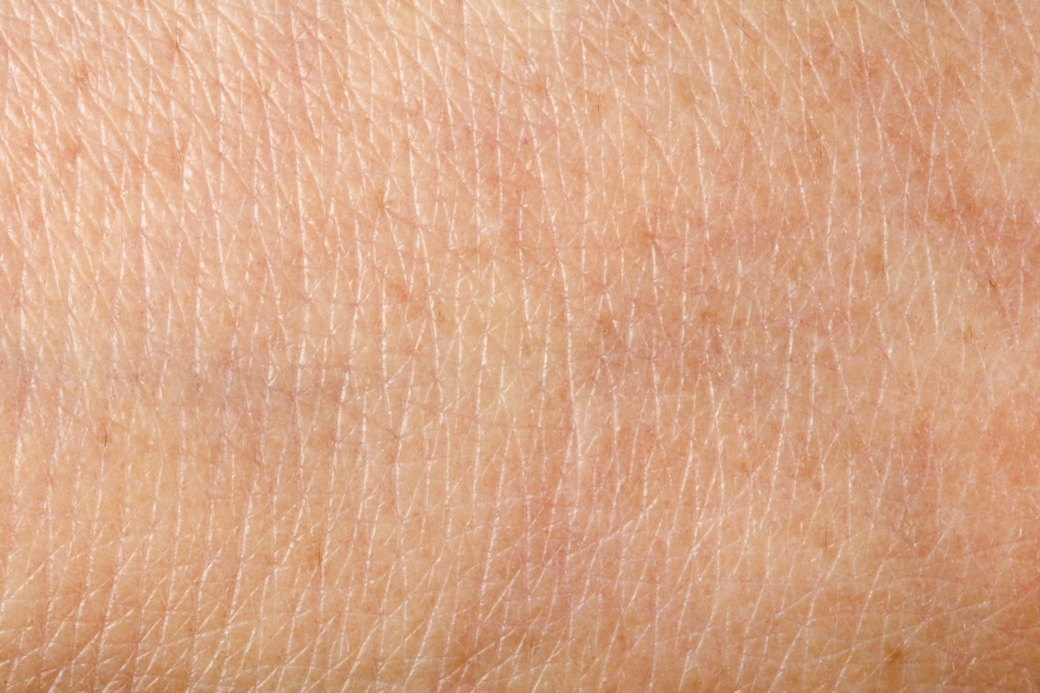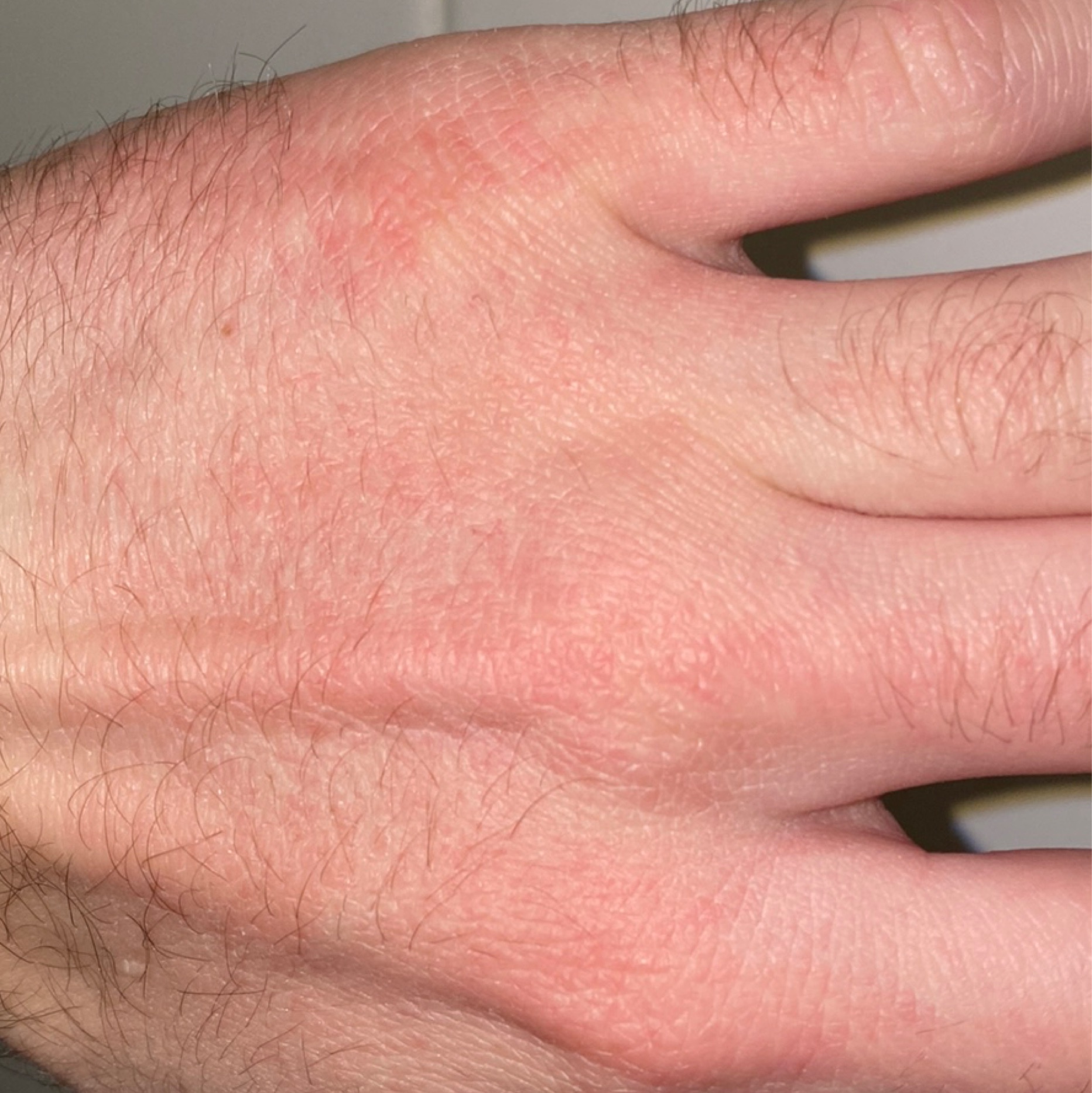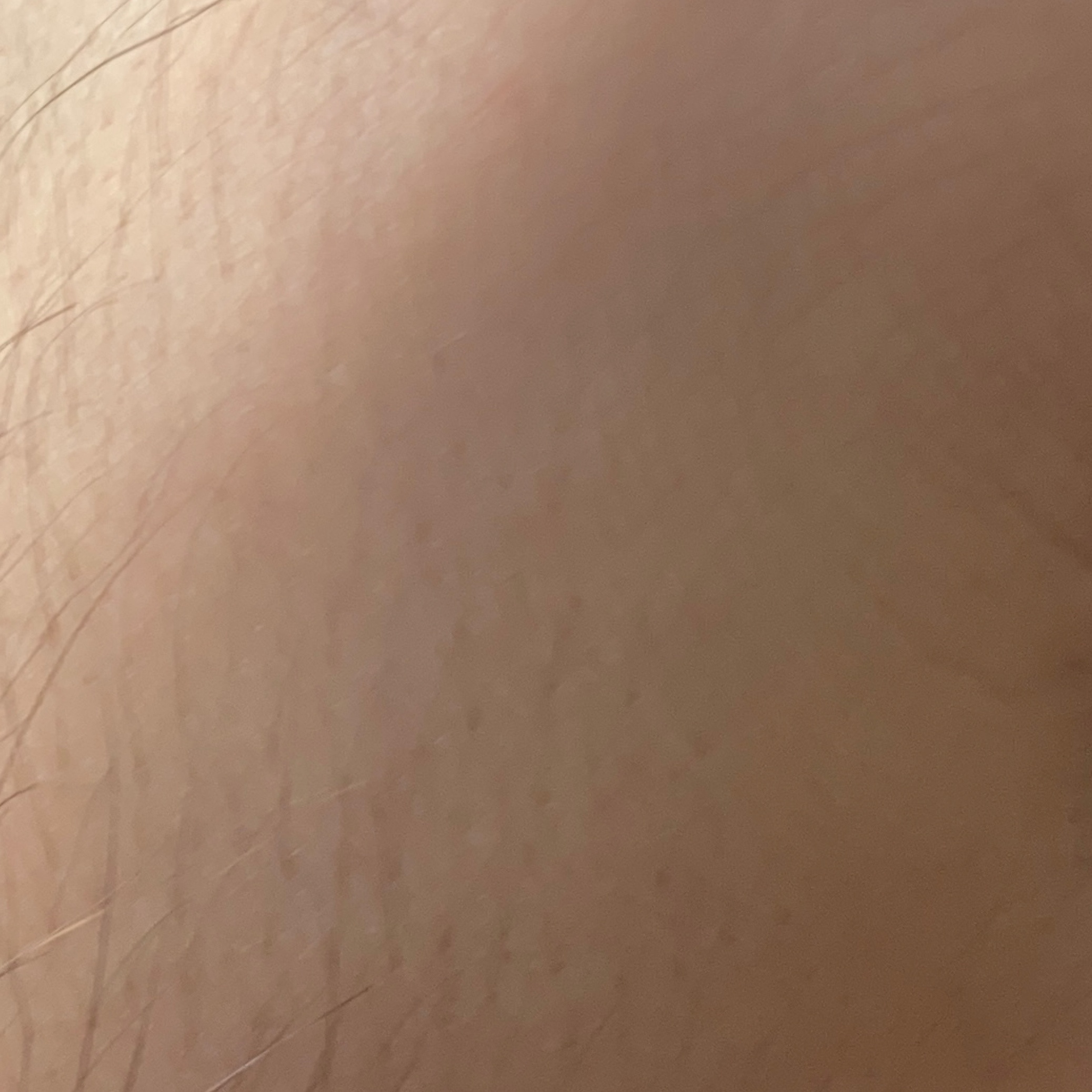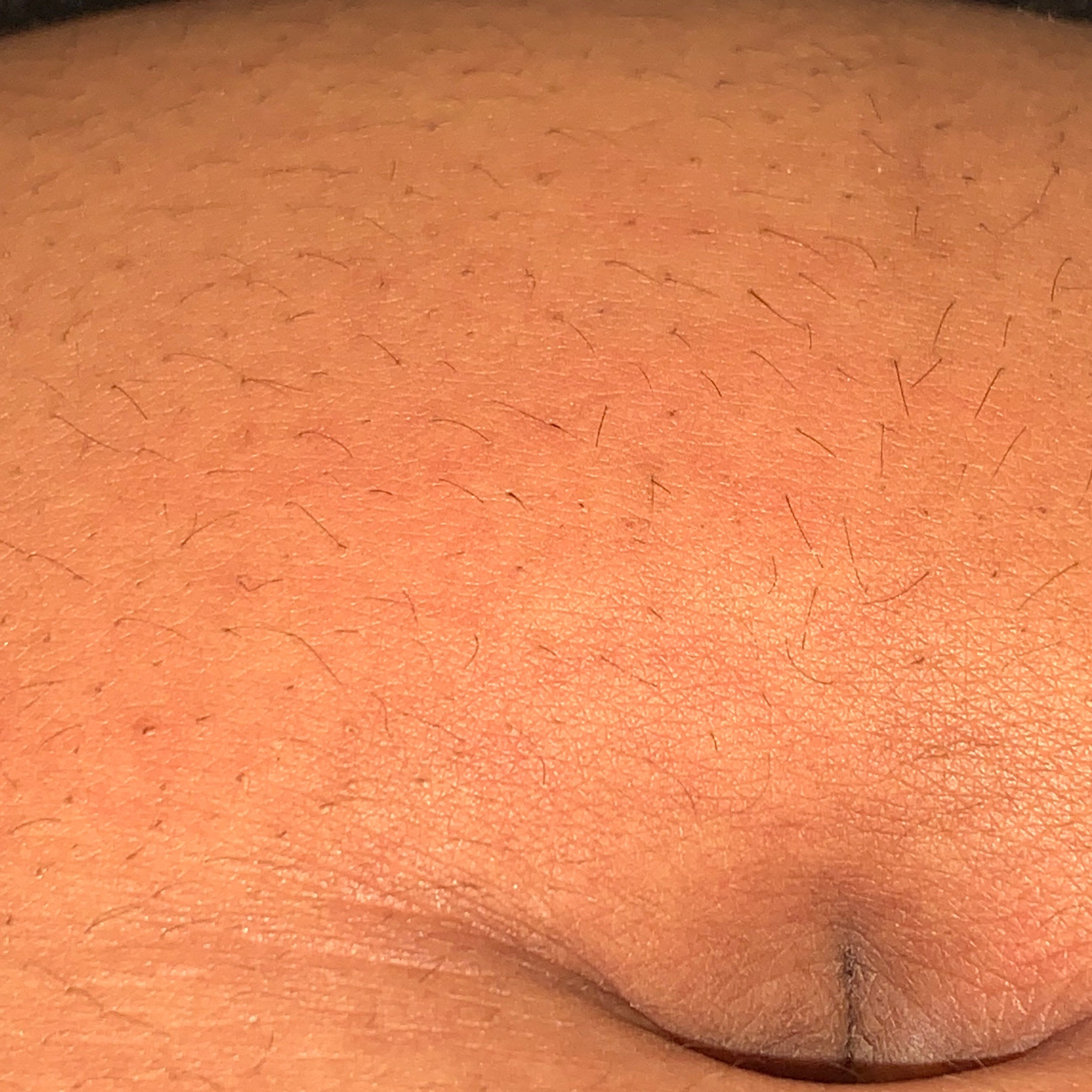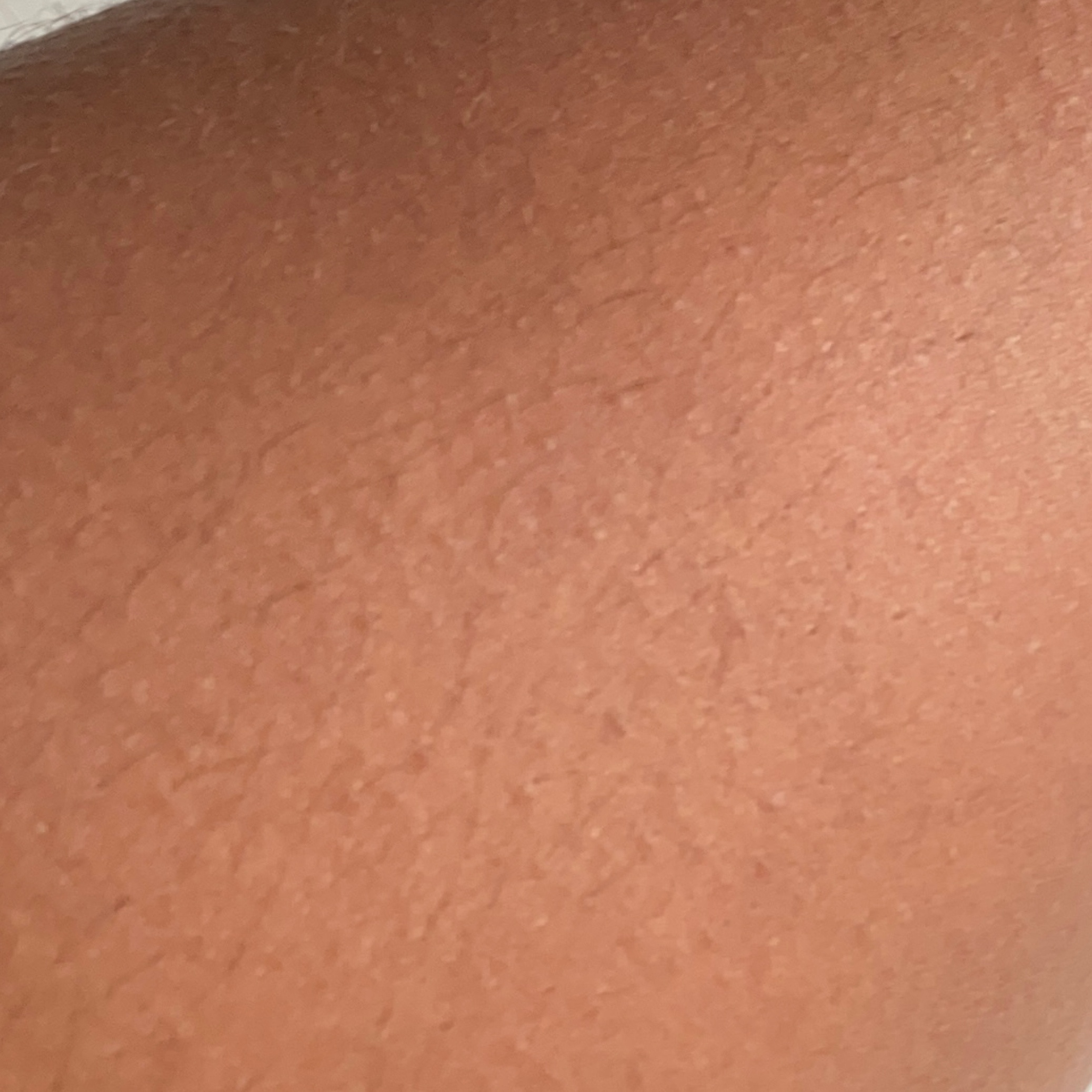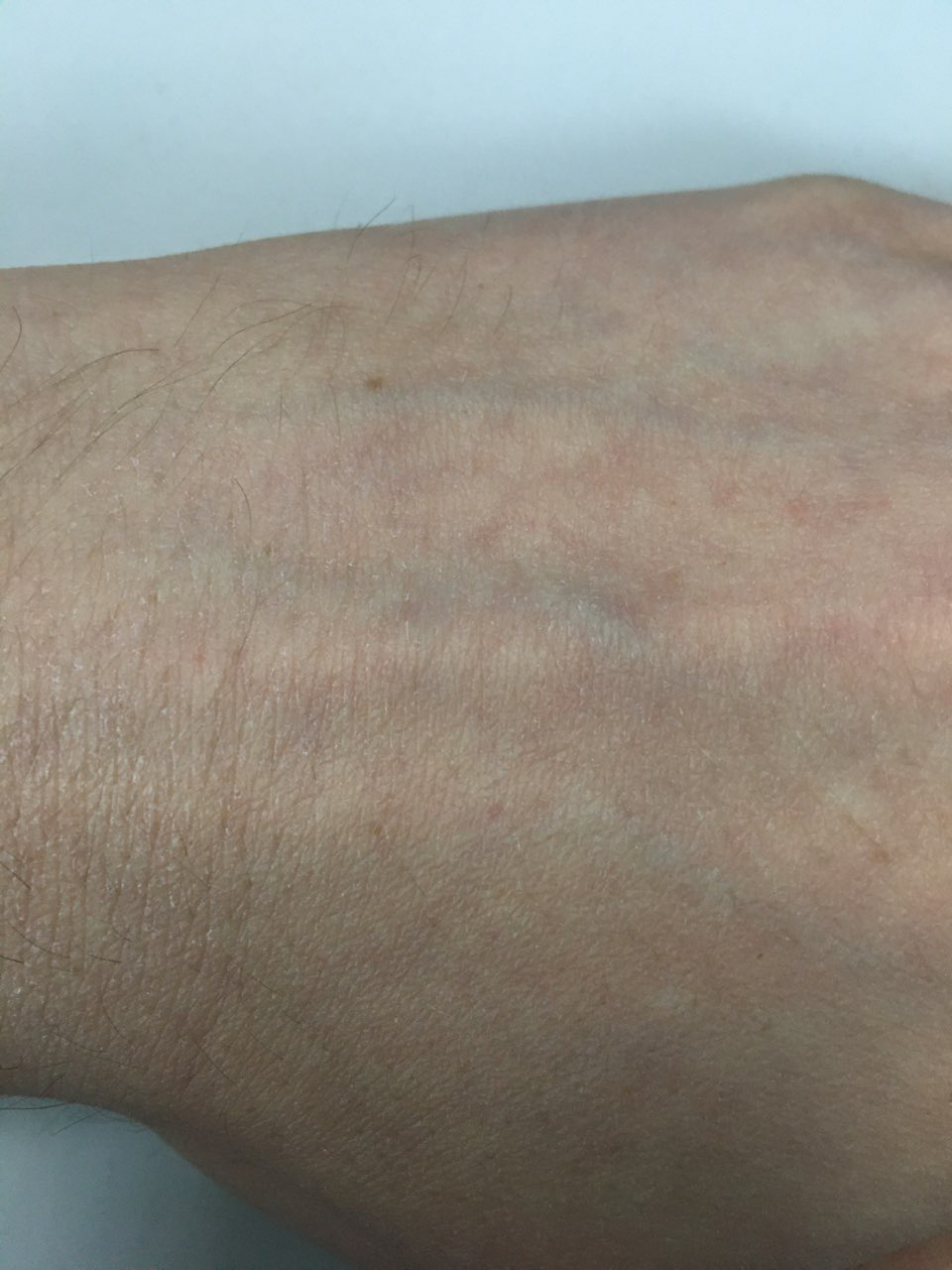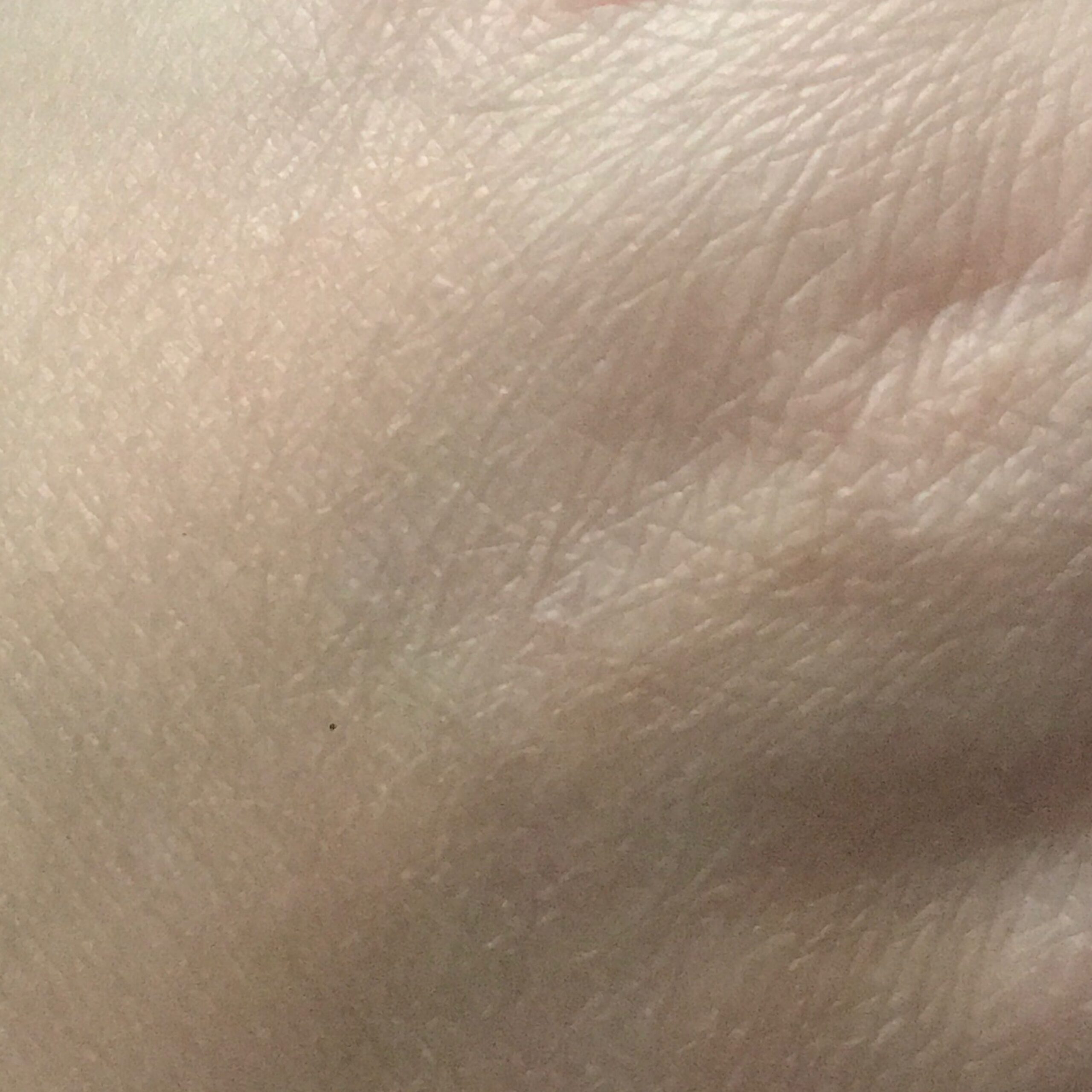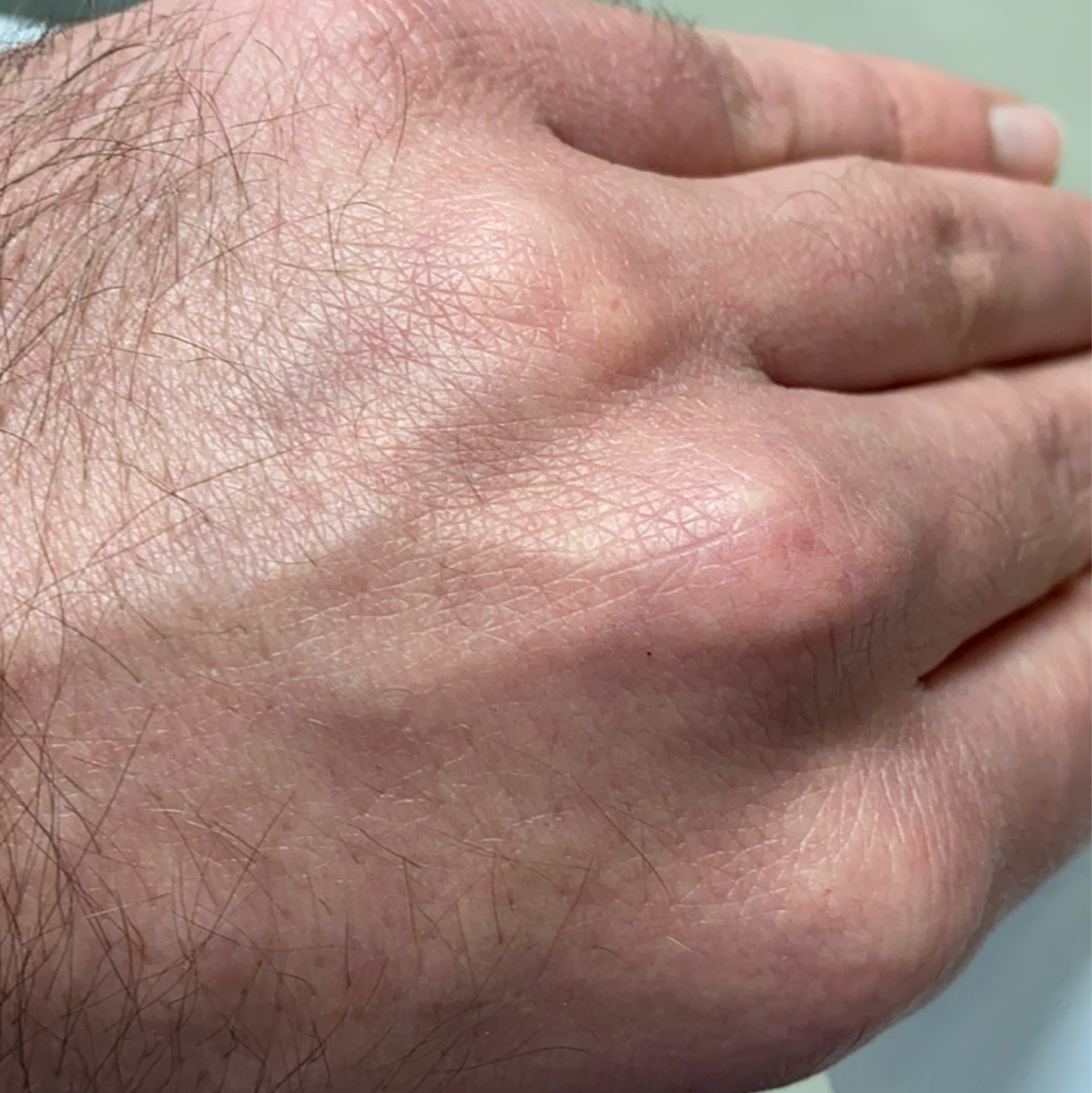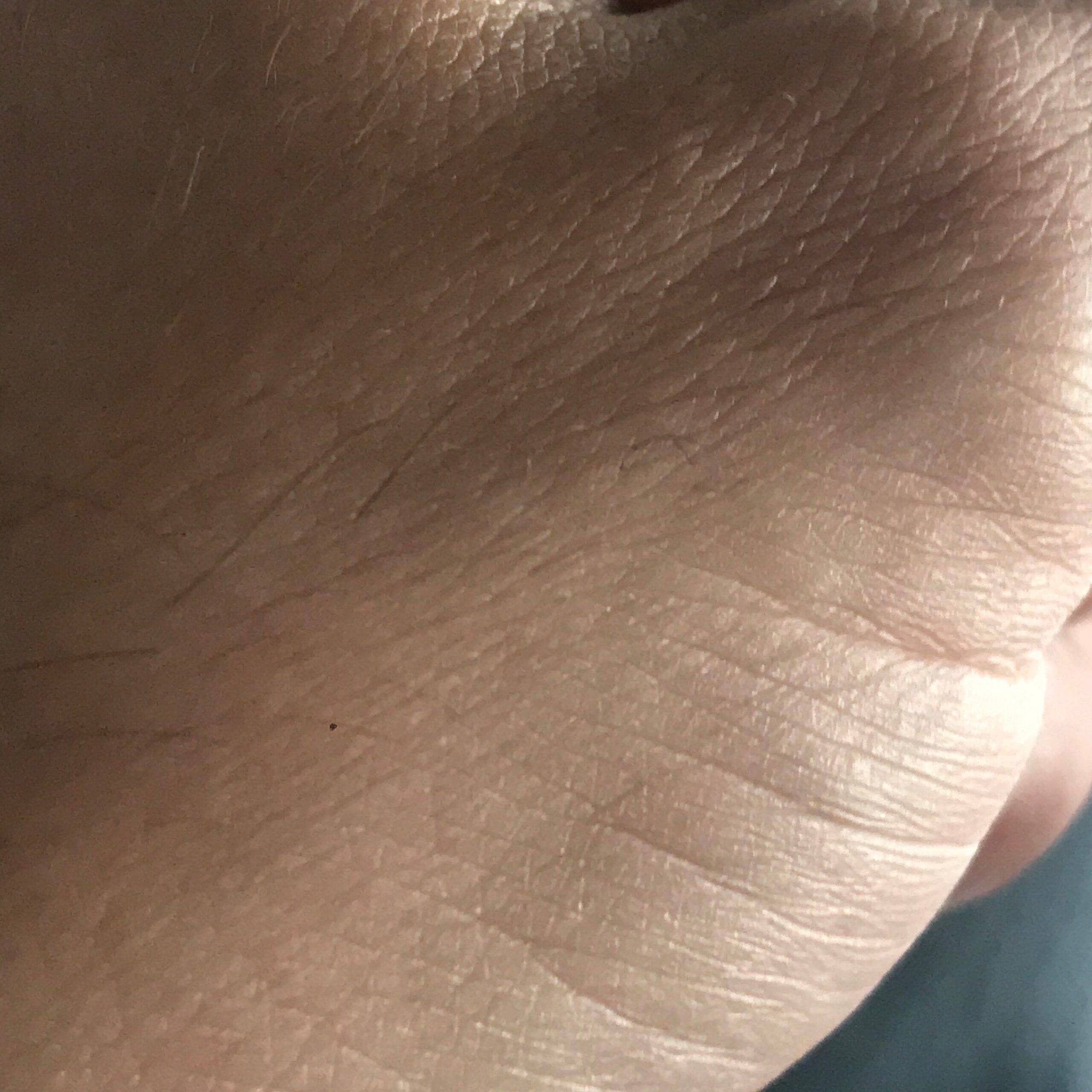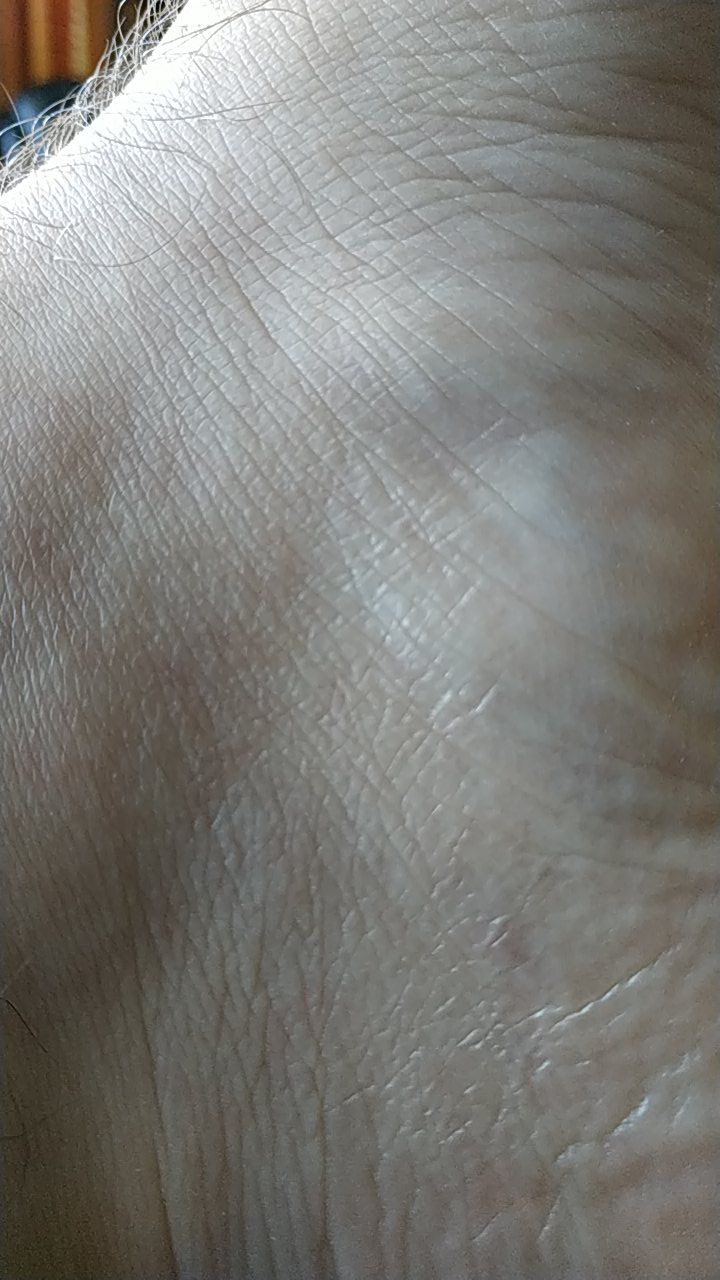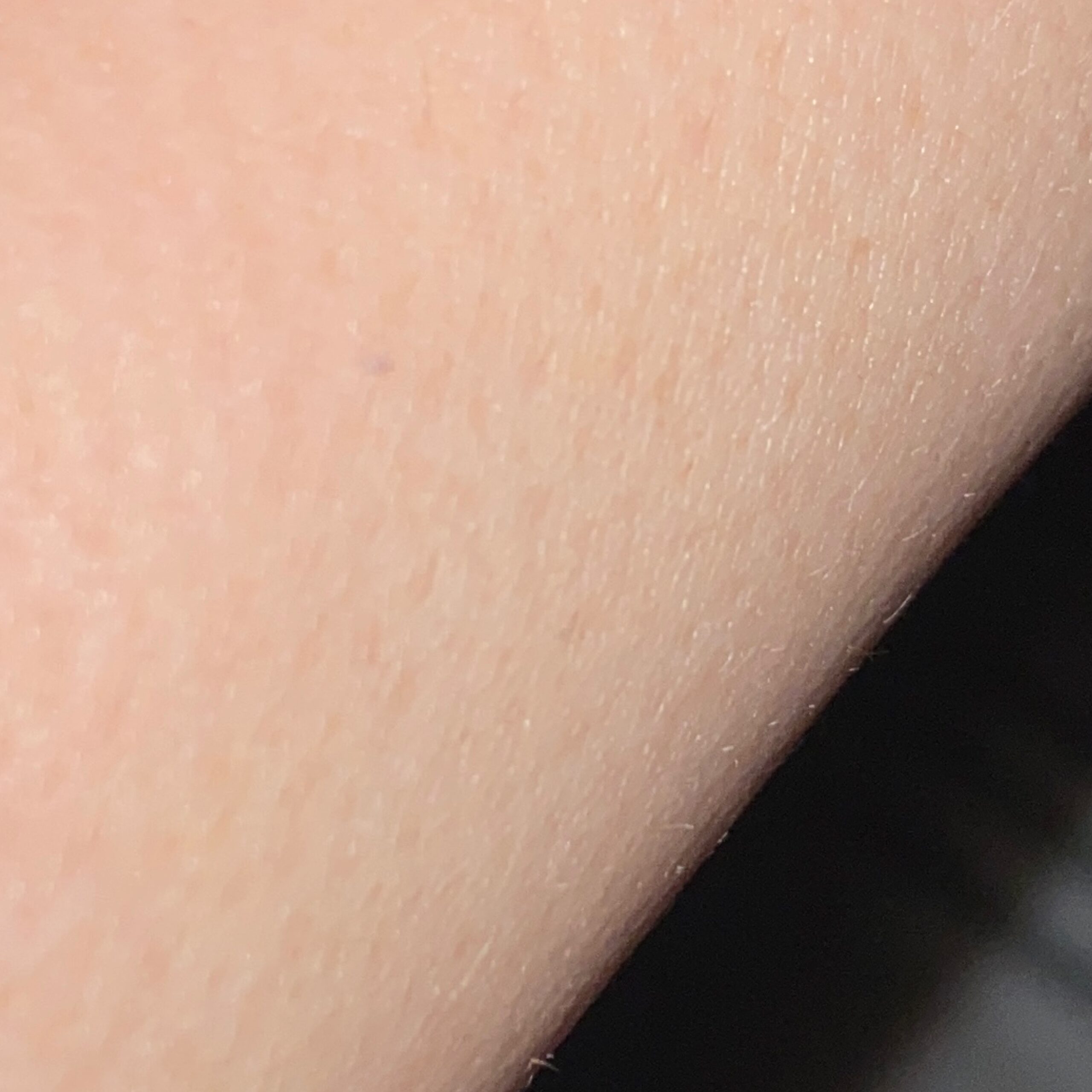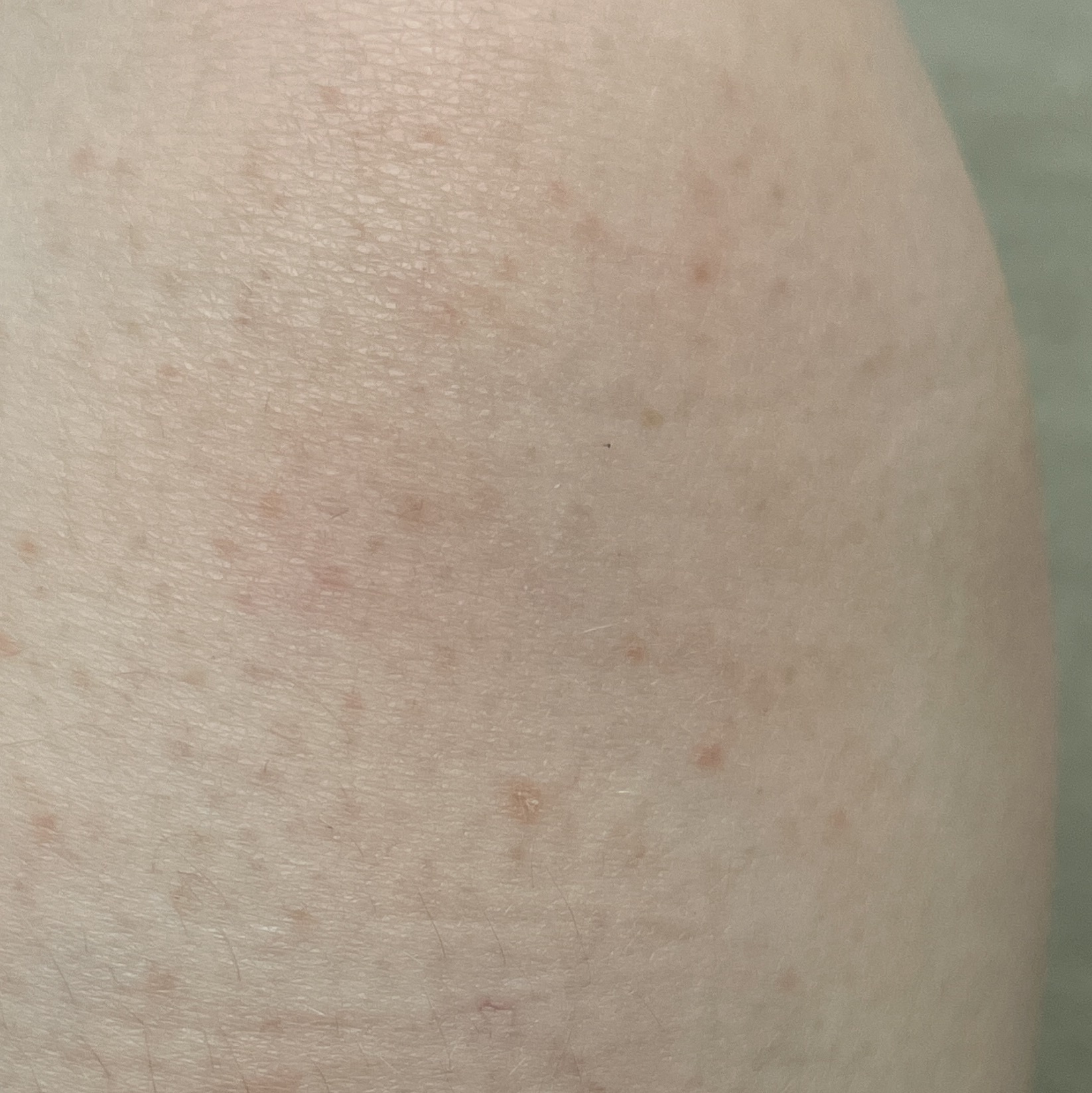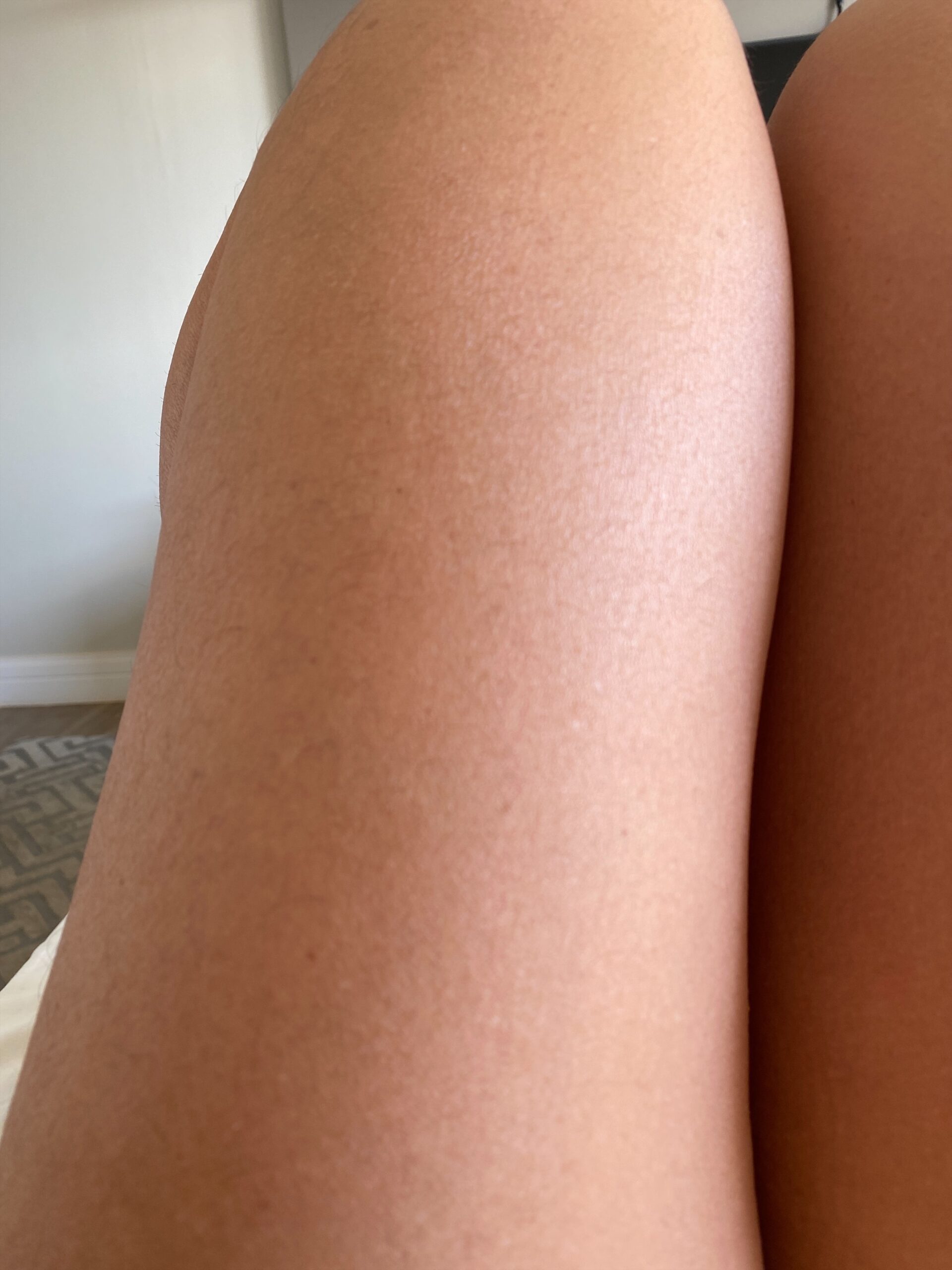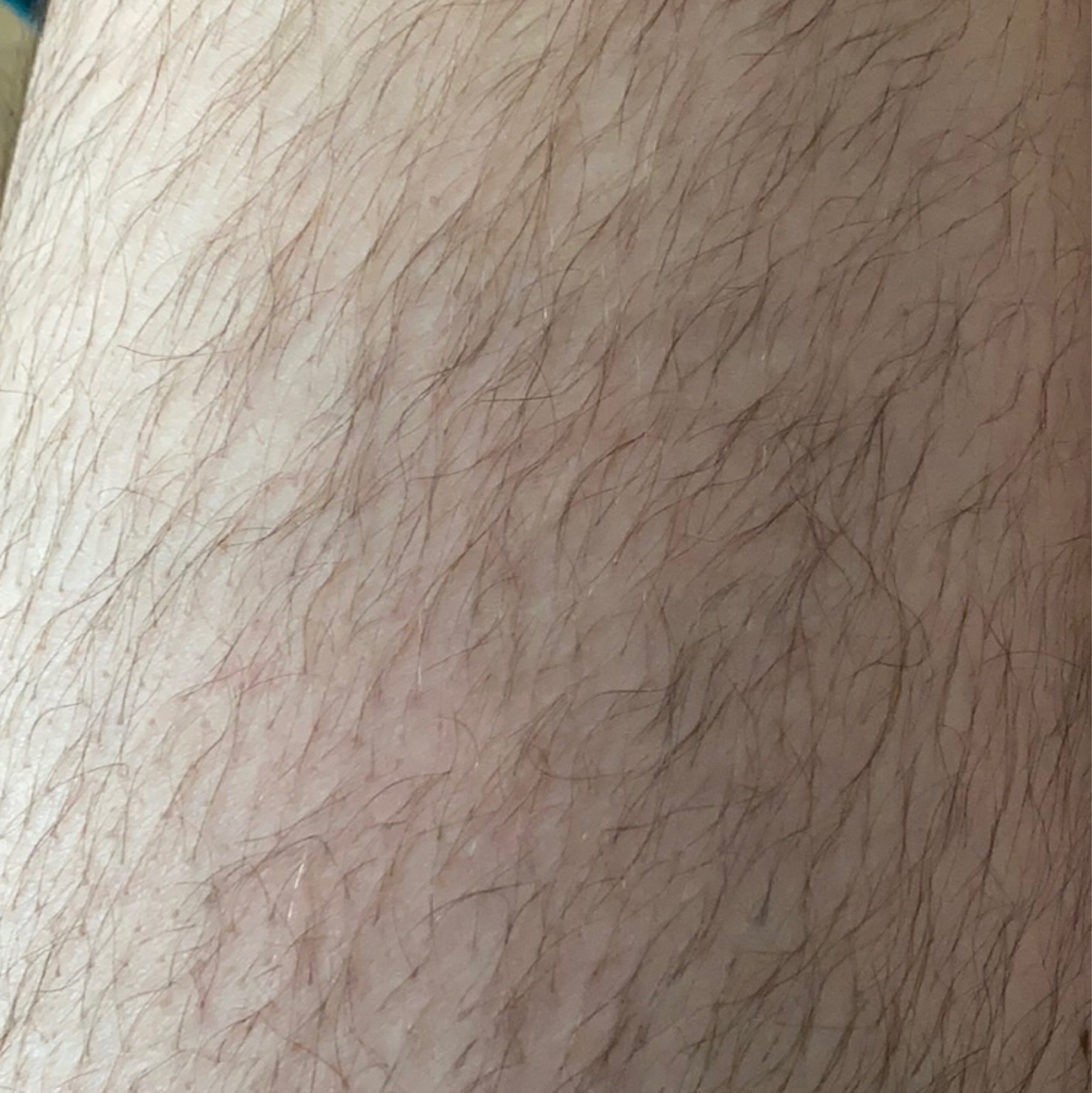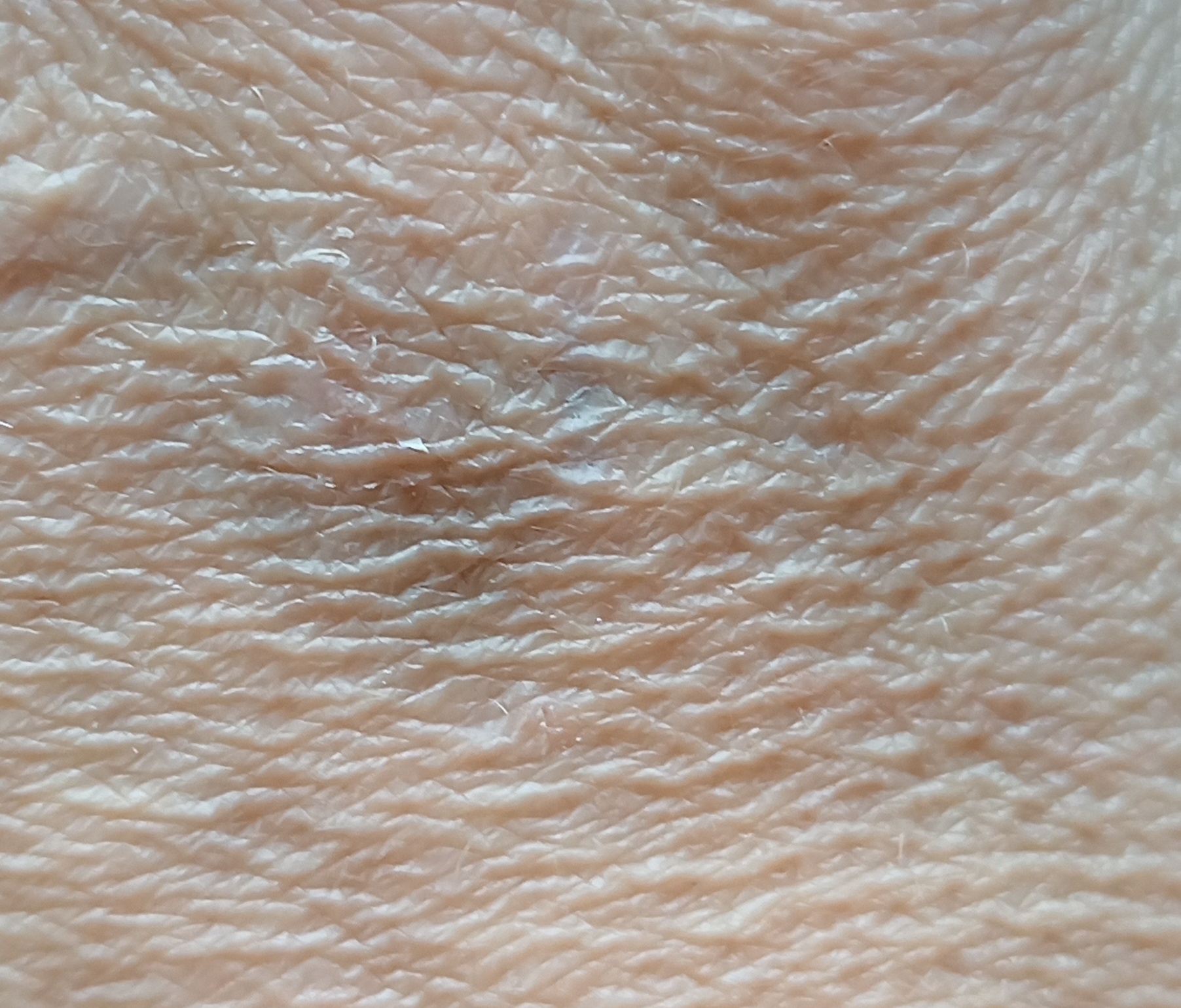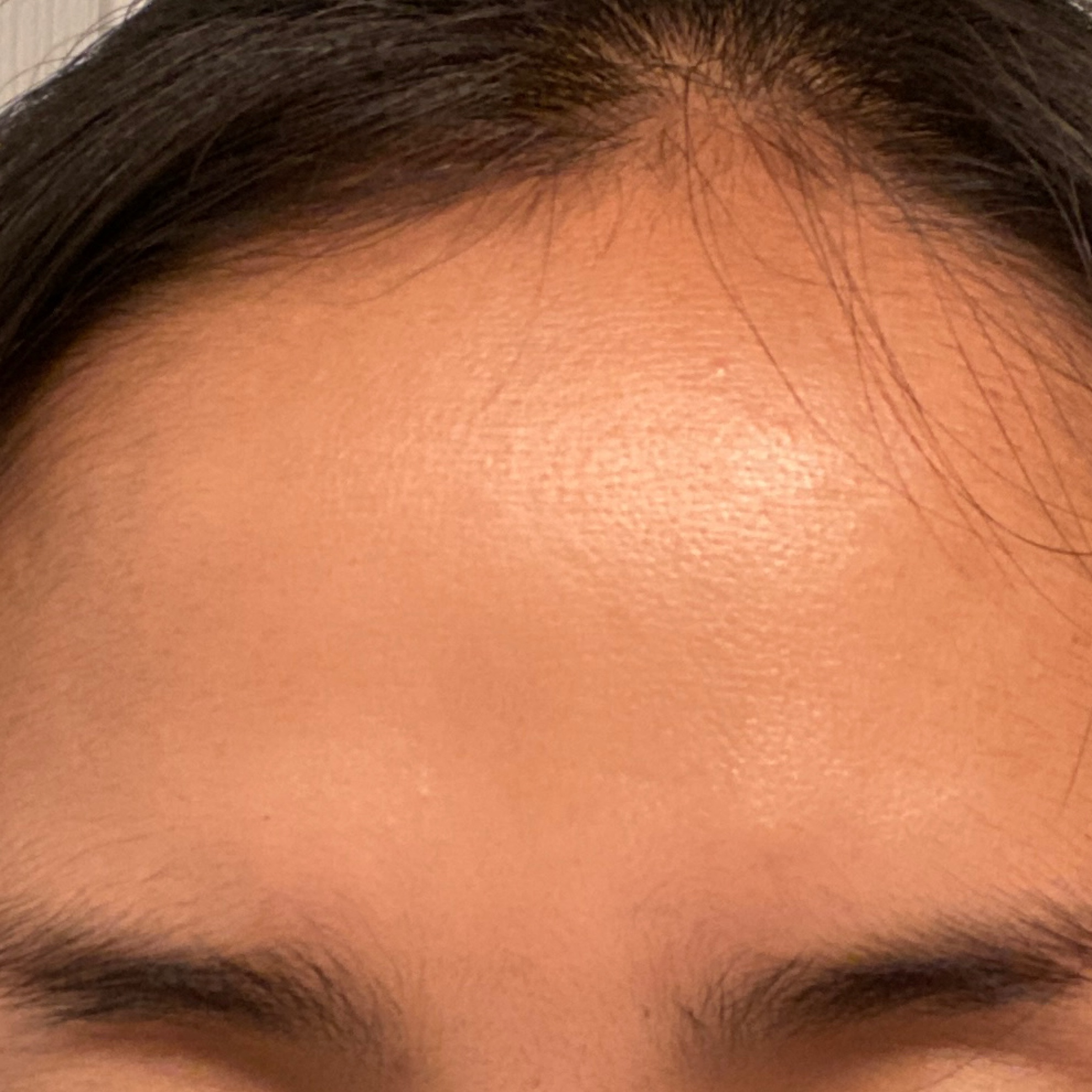
Healthy skin is a condition in which the skin performs its main functions: protecting the body, retaining moisture, and maintaining balance between the external environment and internal processes.
Signs of healthy skin include an even tone, adequate hydration, elasticity, and the absence of pronounced inflammation or discomfort. Mild dryness or occasional breakouts can occur in anyone and do not always indicate a problem.
Healthy skin does not require complex care, but it does need regular maintenance. With proper lifestyle and care, its condition usually remains stable.
What to do to maintain skin health
The first step is a regular basic skincare routine. It includes gentle cleansing, moisturizing, and protection from external factors.
It is important to follow simple rules:
- use products suitable for your skin type
- do not over-dry the skin with frequent washing or harsh cleansers
- moisturize regularly, even if the skin seems “normal”
- protect the skin from the sun
In addition, lifestyle factors matter — diet, sleep, and stress levels directly affect skin condition.
If persistent changes appear (spots, itching, breakouts), it is better to consult a dermatologist rather than try to solve the problem on your own.
What healthy skin looks like
Healthy skin usually has an even tone and smooth texture.
It may be slightly dry or oily depending on individual characteristics, but it maintains balance and does not cause significant discomfort.
The skin surface is firm, without cracks, pronounced flaking, or inflammation. Pores may be visible, especially on the face, but are not accompanied by persistent breakouts.
It is important to understand that “perfect” skin is rare. Minor variations are considered normal.
Below in the article you can view real photos to better understand what healthy skin looks like.
Main signs of healthy skin
Key characteristics:
- even or near-even skin tone
- adequate hydration without tightness
- absence of itching, pain, or burning
- elasticity and softness
- rare and short-lived breakouts
Skin condition may change depending on season, age, and lifestyle — this is normal.
Skin phototypes
Human skin reacts differently to sunlight depending on its phototype — the individual ability to produce pigment.
Commonly, several phototypes are distinguished:
- light skin that burns easily and hardly tans
- light skin with moderate tanning ability
- medium phototype — tans gradually
- dark skin — rarely burns and tans easily
The lighter the skin, the higher the risk of sunburn and skin damage. Therefore, sun protection is important for everyone, especially for people with fair skin.
What affects skin condition
Skin condition depends on many factors.
Internal factors:
- genetics
- hormonal balance
- overall health status
- External factors:
- climate and humidity
- sun exposure
- skincare routine
- contact with chemicals
Diet, stress levels, and sleep quality also play an important role.
How the skin maintains itself
The skin performs a protective function — it retains moisture and protects the body from external influences.
This mechanism is called the skin barrier. In simple terms, the skin acts as a “shield” that prevents water loss and protects against irritants.
When the barrier is disrupted, the skin becomes dry, sensitive, and prone to irritation.
Maintaining this balance is the foundation of skincare.
When to pay attention to changes
Even healthy skin can develop changes.
You should see a doctor if:
- persistent breakouts or spots appear
- itching, burning, or pain occurs
- the skin changes color or texture suddenly
- non-healing lesions appear
- moles or other formations change
Early attention helps detect possible problems in time.
Skincare
Basic skincare principles are simple and suitable for most people.
Cleansing should be gentle, without harsh ingredients that dry out the skin.
Moisturizing helps maintain the skin barrier and prevents dryness.
Sun protection is one of the key factors. Regular use of sunscreen reduces the risk of skin damage.
It is also important to:
- avoid excessive skin friction
- choose cosmetics based on individual needs
- avoid overusing irritating procedures
Q&A
Do I need skincare if my skin is “normal”?
Yes, even healthy skin needs basic care — cleansing, moisturizing, and protection.
How should I tan properly?
It is better to avoid prolonged sun exposure and use protective products, especially during peak sun hours.
How can I maintain healthy skin?
Regular care, protection from external factors, and a healthy lifestyle help maintain good skin condition.
How often should I wash my face?
Usually 1–2 times per day is enough to avoid drying out the skin.
Do I need to use cream every day?
Yes, regular moisturizing helps maintain the skin barrier.
Does nutrition affect the skin?
Yes, a balanced diet can positively influence skin condition.
Can I wear any clothing?
It is better to choose soft, breathable fabrics to avoid irritation.
Do I need sun protection in winter?
Yes, cold and dry air can also dry out the skin, so care is important year-round.
Sources
- American Academy of Dermatology (AAD)
- European Academy of Dermatology and Venereology (EADV)
- World Health Organization (WHO)
Images of healthy skin: