
An open comedone is a small skin lesion that forms when a hair follicle (sebaceous gland pore) becomes blocked. Inside it, sebum and dead skin cells accumulate, and on the surface a characteristic black dot appears.
The black color is not dirt. It is caused by oxidation when the pore contents come into contact with air, which causes the plug to darken. These lesions are commonly called “blackheads.”
Open comedones are not inflammatory, but they are part of acne. They are not contagious and are usually not dangerous, but they may develop into inflammatory acne if the skin is not properly cared for.
What to do if suspected
If you notice black dots on the skin, the first step is to consult a dermatologist. A specialist will assess the skin condition and help distinguish comedones from other lesions.
Additionally:
- if they appear on the face — it is important to review skincare habits
- if there are many lesions — a more comprehensive evaluation may be needed
- if the appearance of lesions changes — do not delay a visit
Important:
- do not try to aggressively squeeze comedones
- do not use harsh or abrasive products
- do not ignore increasing numbers of lesions
Early consultation helps prevent progression to inflammatory acne and allows proper skincare selection.
How the disease looks
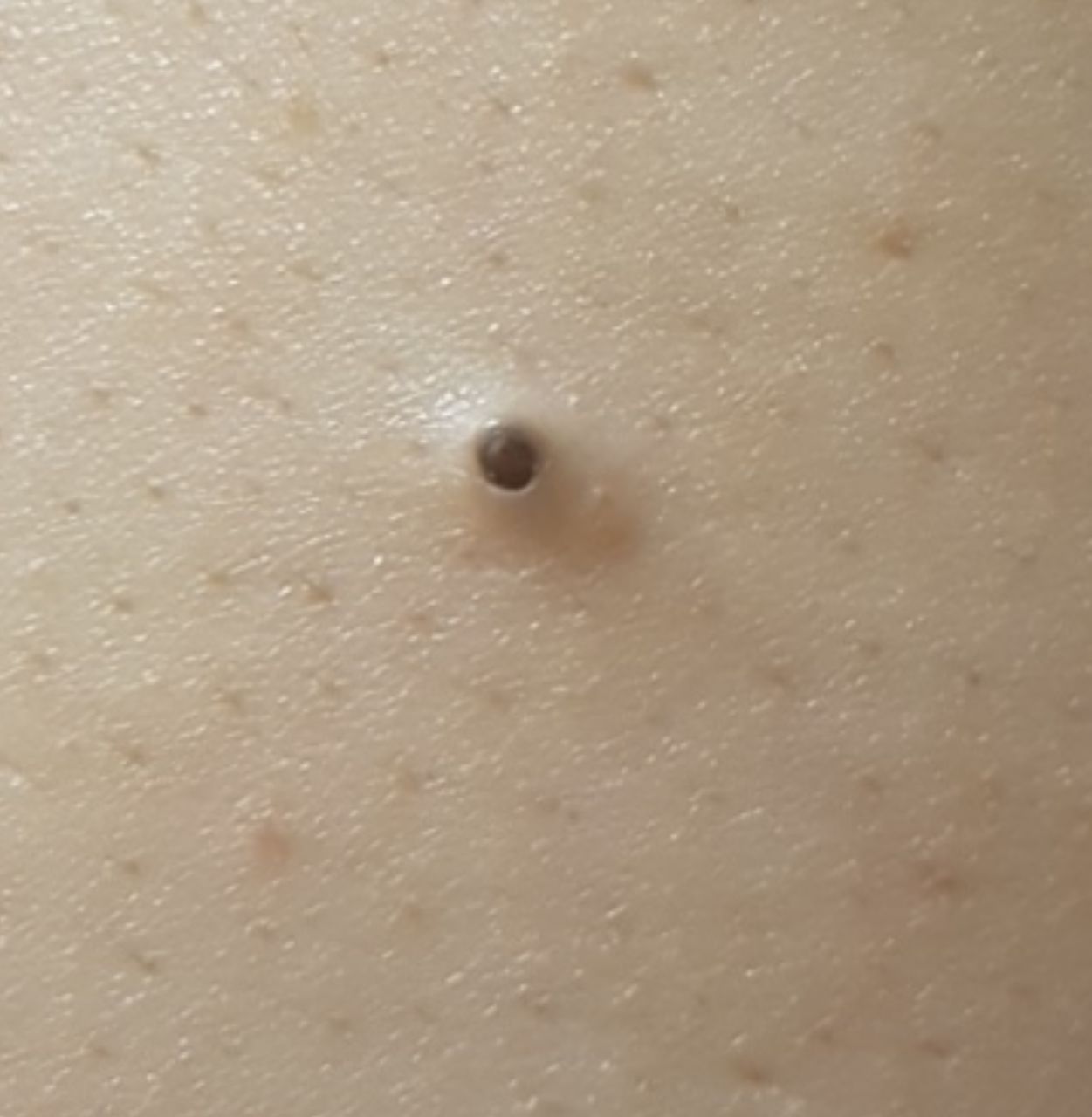
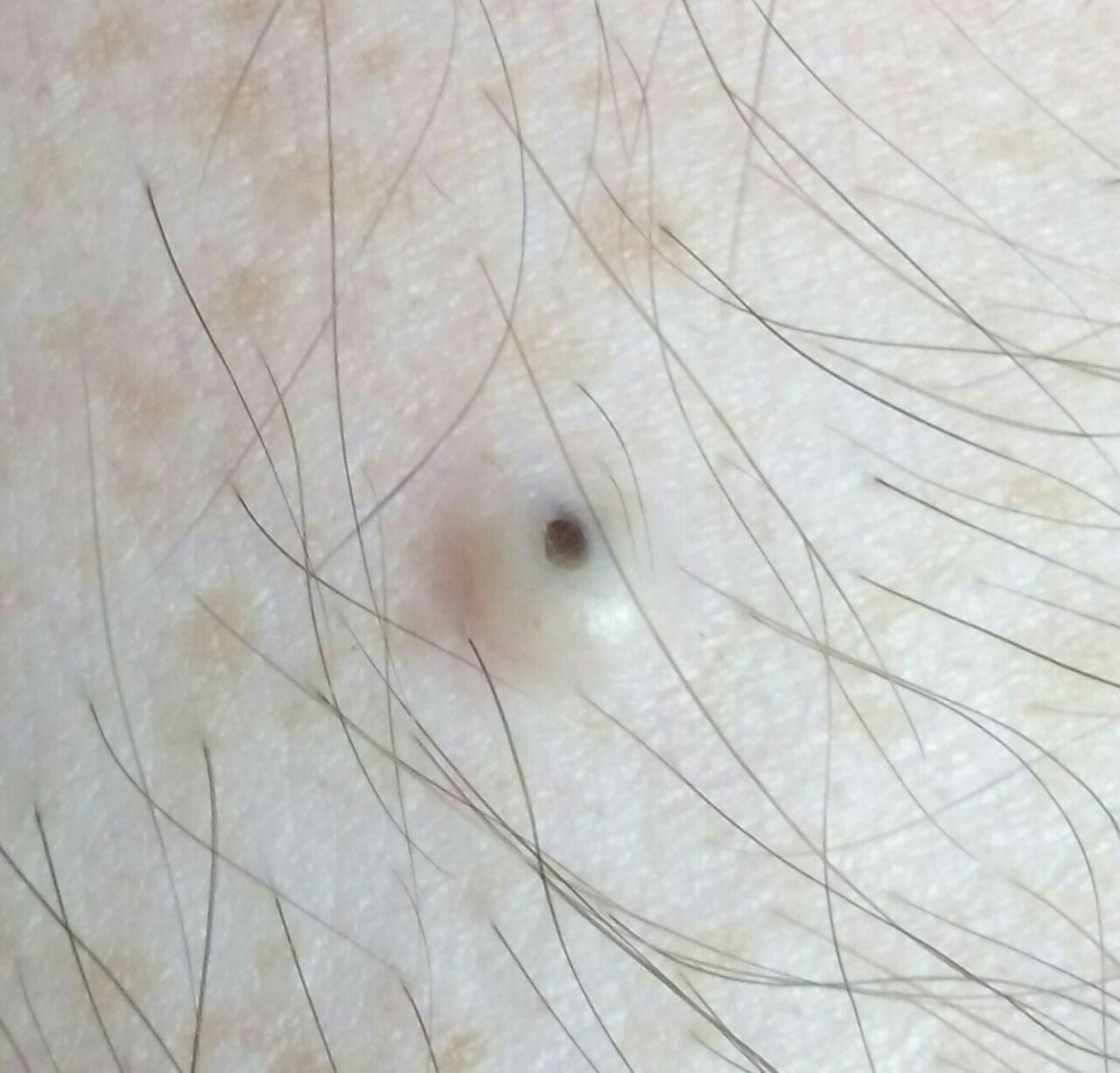
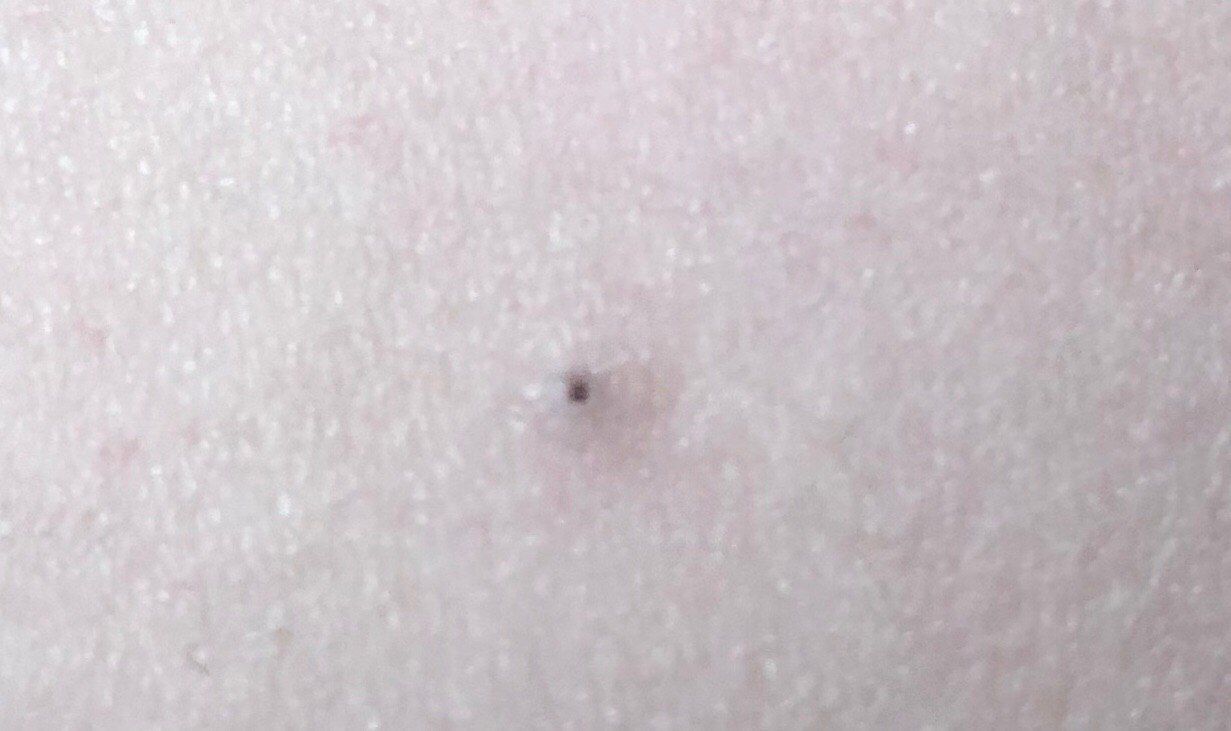
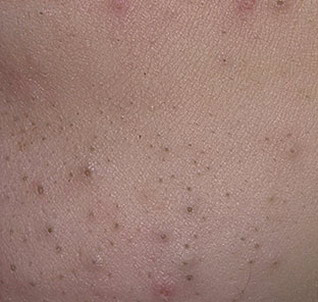
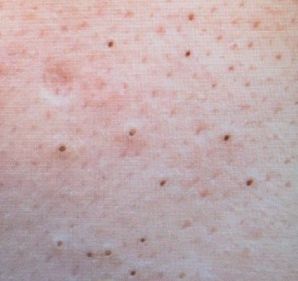
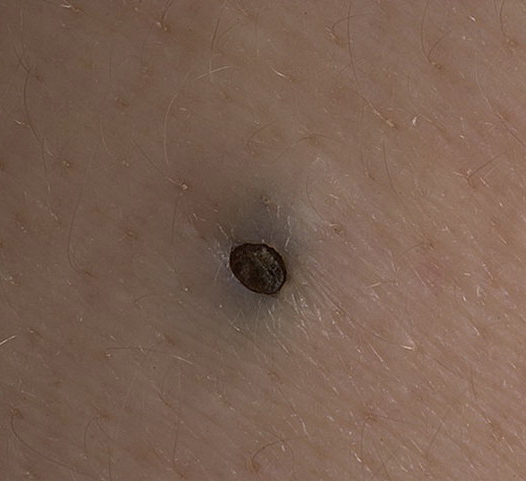
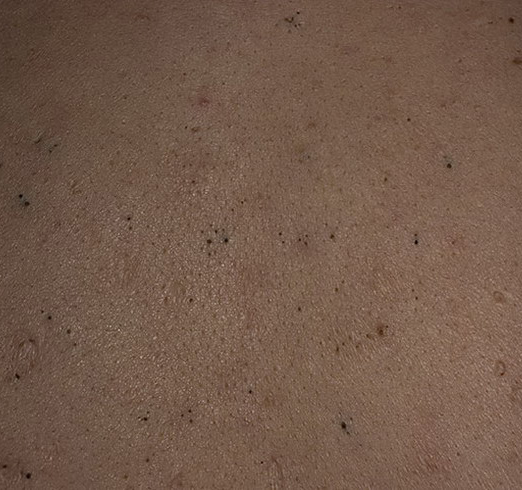
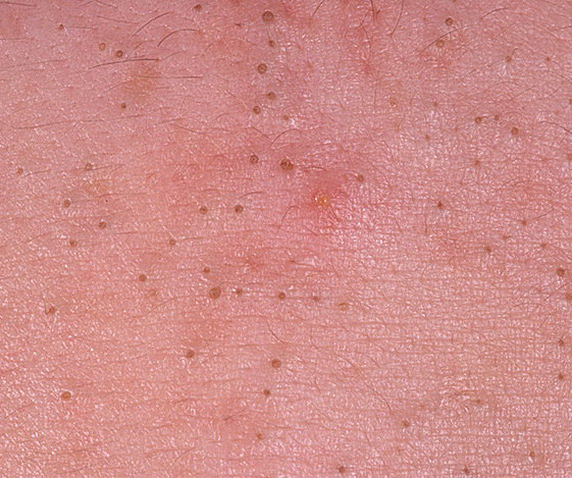
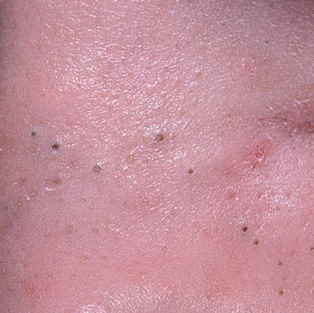
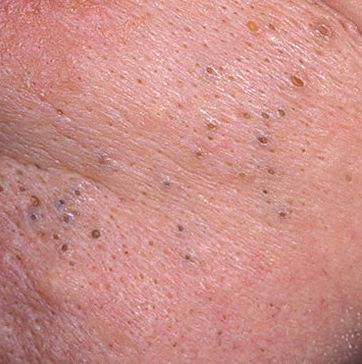
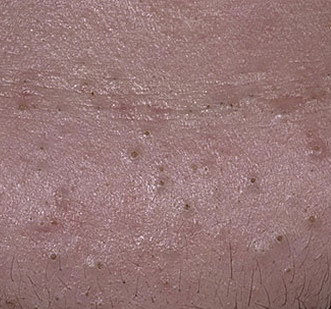
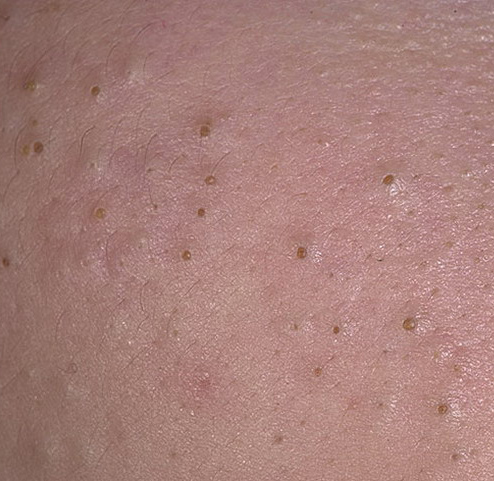
An open comedone appears as a small raised lesion on the skin with a dark center. It is usually round and about 1–3 mm in size.
The surrounding skin is usually normal, without redness or inflammation. In the center there is a visible pore filled with a dark plug.
Comedones may appear:
- on the face (most commonly)
- on the back and chest
- on the scalp and neck
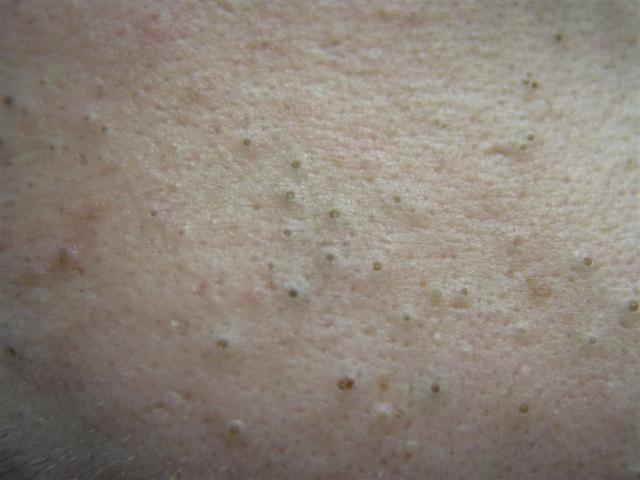
They may be single or multiple.
Over time, they may remain stable or increase in number. Sometimes they progress into inflammatory acne lesions.
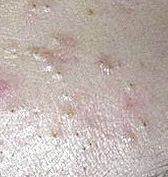
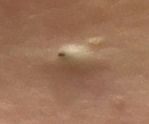
Below in the article you can view real photos to better understand what the condition looks like.
Main symptoms
Open comedones usually do not cause discomfort.
Typical signs:
- black dot on the skin
- small firm bump
- no pain or itching
Most concern is related to cosmetic appearance rather than physical symptoms.
Causes of the disease
The main cause is blockage of the sebaceous gland.
External factors:
- incorrect skincare routine
- inappropriate cosmetics
- sun exposure
- smoking
Internal factors:
- hormonal changes (e.g., puberty)
- genetic predisposition
- metabolic disturbances
A key role is also played by hyperkeratosis — a condition where the skin does not shed dead cells properly. These cells accumulate and block pores.
How the disease develops
Normally, sebum flows freely to the skin surface through pores.
When this process is disrupted:
- skin shedding becomes irregular
- dead skin cells accumulate
- the pore becomes blocked
The sebaceous gland continues producing oil, forming a dense plug.
When this plug is exposed to air, it oxidizes and turns dark — forming a blackhead.
Forms and types
Comedones are:
- open (blackhead visible on the surface)
- closed (white, skin-covered bump under the skin)
A large number of comedones may be considered a non-inflammatory form of acne.
When to see a doctor
You should consult a dermatologist if:
- the number of comedones increases
- they appear repeatedly
- their appearance changes
- redness, pain, or inflammation develops
Also seek advice if the condition affects quality of life or causes psychological distress.
Treatment
Treatment depends on the number of comedones and skin condition.
Main principles:
Skin care
Regular gentle cleansing helps reduce pore blockage. Products should be suitable for your skin type.
Correction of contributing factors
Adjusting skincare, diet, and lifestyle may significantly improve the condition.
Topical treatment
Doctors may recommend products that promote skin renewal and pore cleansing (e.g., retinoids or acids).
Cosmetic procedures
Peels may be used to remove the outer layer of dead skin cells and help clear pores. Modern approaches aim to minimize skin damage.
Treatment is always individual. There is no universal solution for everyone.
Self-treatment and aggressive methods may worsen the condition.
Q&A
Can you squeeze blackheads?
It is not recommended. Self-removal may cause inflammation and skin damage.
Can comedones be completely eliminated?
They can usually be controlled and significantly reduced, but they may reappear due to skin tendency.
Should you treat them if they do not bother you?
Small isolated comedones do not always require treatment, but skin monitoring is important.
Why do blackheads keep coming back?
This is related to skin type and sebaceous gland activity. Even with good care, they may recur.
Are open comedones dangerous?
Usually not. However, without care they may progress to inflammatory acne.
Do home remedies help?
Some may temporarily improve skin condition, but effects are often not long-lasting without proper care.
Are comedones related to diet?
Yes, diet can influence skin condition, especially high-fat or high-sugar foods.
Can their appearance be prevented?
Not completely, but proper skincare and healthy habits can reduce their number.
Check Your Skin Instantly
Use the Skin Scanner app – Skinive AI to take a photo of a skin lesion and get an AI-based risk assessment. It helps determine whether professional consultation is recommended, giving you fast guidance and peace of mind.
Medical literature and sources
- American Academy of Dermatology (AAD)
- European Academy of Dermatology and Venereology (EADV)
- Fitzpatrick’s Dermatology
- Journal of the American Academy of Dermatology (JAAD)
- British Journal of Dermatology
🇬🇧 Blackheads: Diagnosis and Treatment in the UK
If you notice comedones (blackheads or whiteheads) or persistent clogged pores, it’s important to get a professional opinion. In the UK, you can access dermatology care via the NHS, private clinics, or online dermatology consultations.
👉 How to See a Dermatologist in the UK NHS – This main guide explains how NHS referrals work, what to expect from specialist dermatology services, and how to choose between public and private care.
Dermatologists in Major UK Cities:
- Dermatologist in London
- Dermatologist in Manchester
- Dermatologist in Liverpool
- Dermatologist in Birmingham
- Dermatologist in Leeds
- Dermatologists in Other UK cities
Online Dermatology
If you prefer remote care or faster access, try online dermatology consultations. They allow dermatologists to review images, provide advice, and guide next steps without visiting a clinic. Read more in this article: Online Dermatologists in UK.
🇦🇺 Blackheads: Diagnosis and Treatment in Australia
f you notice comedones (blackheads or whiteheads) or persistent clogged pores, it’s important to get a professional opinion. In Australia, dermatology care is available via Medicare (public system), private clinics, or online consultations.
👉 How to See a Dermatologist in Australia – This main guide explains how referrals work through GPs and public clinics, what to expect from specialist dermatology services, and how to choose between public and private care.
Dermatologists in Major Australian Cities:
- Dermatologist in Sydney
- Dermatologist in Melbourne
- Dermatologist in Brisbane
- Dermatologist in Perth
- Dermatologist in Adelaide
- Dermatologists in other Australian cities
Online Dermatology
For faster access or remote care, online dermatology consultations allow dermatologists to review images, provide advice, and guide next steps without visiting a clinic. Read more in this article: Online Dermatologists in Australia.
Images of Blackheads:

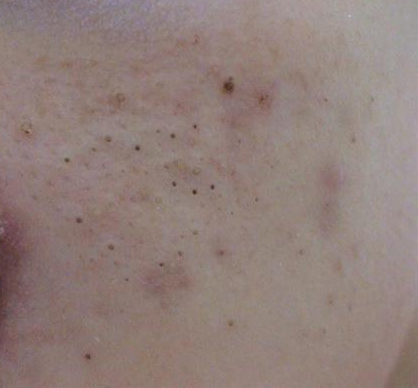
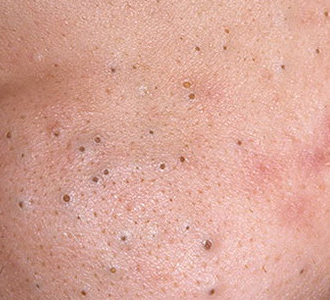
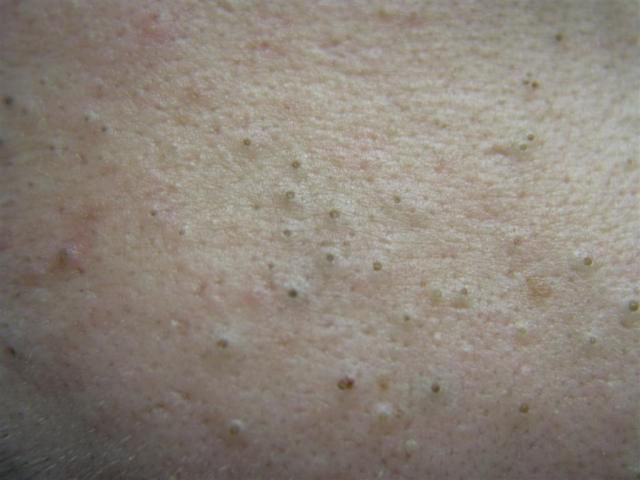
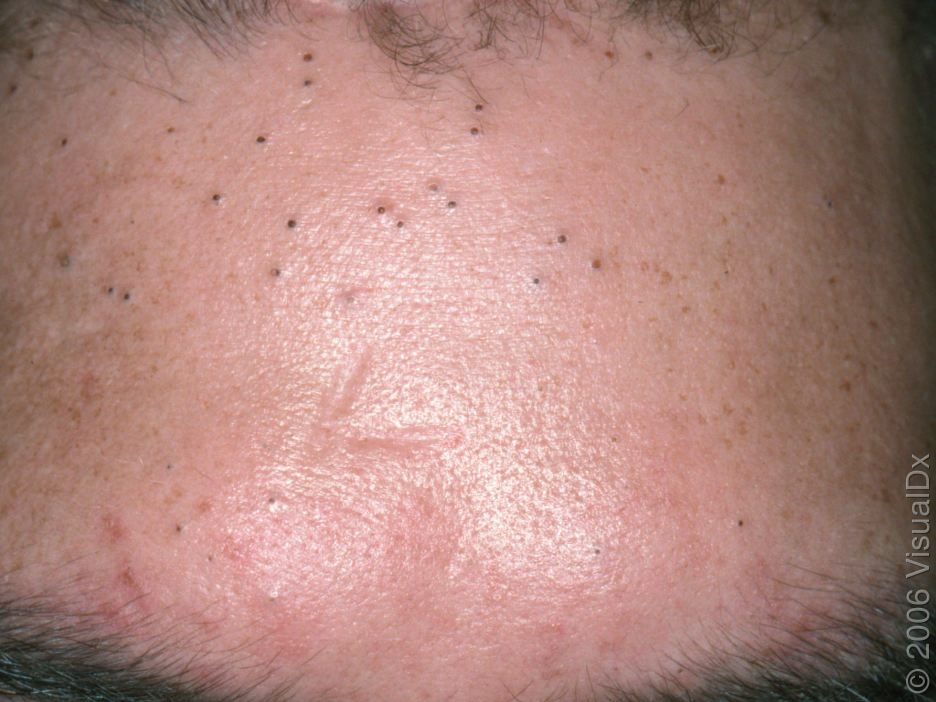
** Should you identify any copyright infringement regarding the images on this page, kindly reach out to us at info@skinive.com.
Furthermore, please be advised that these photos are not authorized for any purpose.