
Pustular acne is a form of acne in which inflamed pimples with purulent (pus-filled) content dominate on the skin. In simple terms, this is acne where “white” or yellowish inflamed elements are most visible.
In addition to them, blackheads and small red pimples may also be present, but pustules become the main manifestation. Most often, breakouts appear on the face, back, chest, and shoulders.
This condition is not contagious. In most cases, it develops during adolescence but can persist later in life. Despite its prevalence, pustular acne requires attention, as it may leave marks on the skin.
What to do if suspected
If you notice multiple inflamed pimples with purulent content on the skin, it is important not to delay seeing a specialist.
The first step is to book an appointment with a dermatologist. The doctor will determine the form of acne and select appropriate treatment.
Additionally:
- in severe or persistent breakouts, further diagnostics may be required
- if marks (spots or scars) appear, cosmetic procedures may be involved
- if it affects self-esteem, psychological support may be helpful
Important:
- do not squeeze pustular lesions
- do not use harsh products without medical recommendation
- do not ignore worsening skin condition
Early treatment helps reduce inflammation faster and lower the risk of complications.
How the disease looks
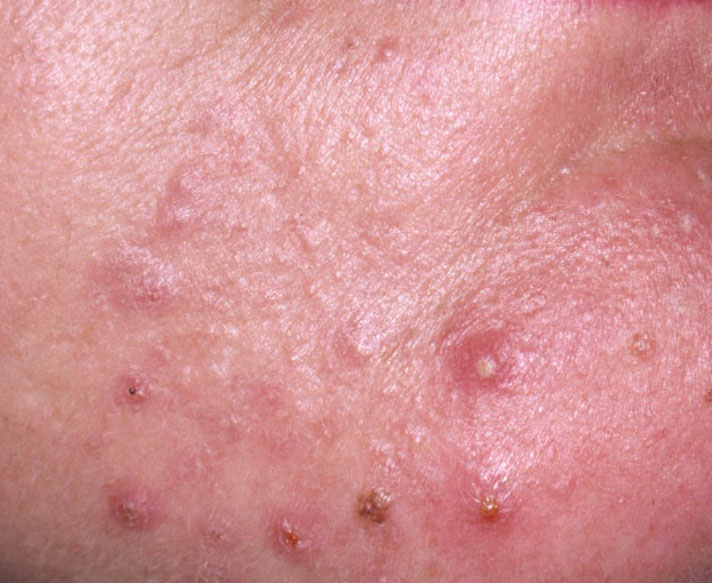
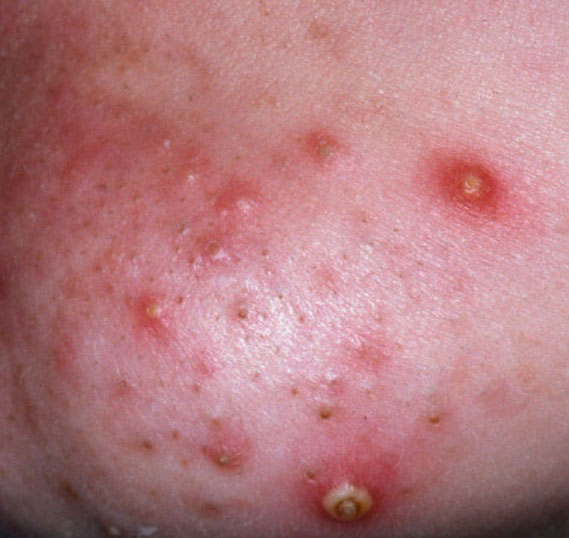
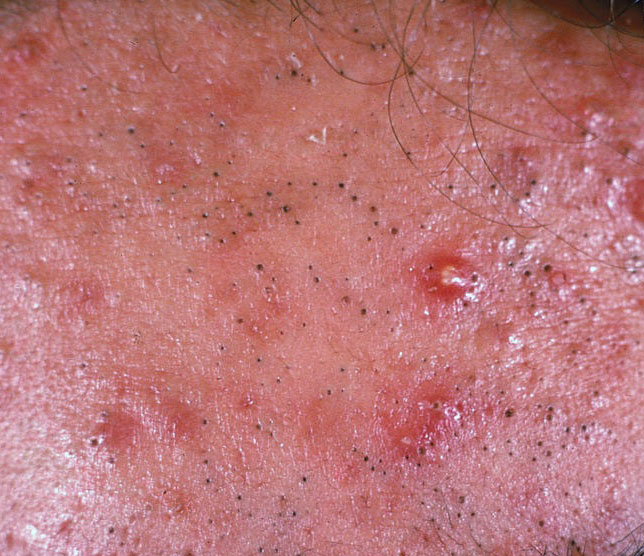
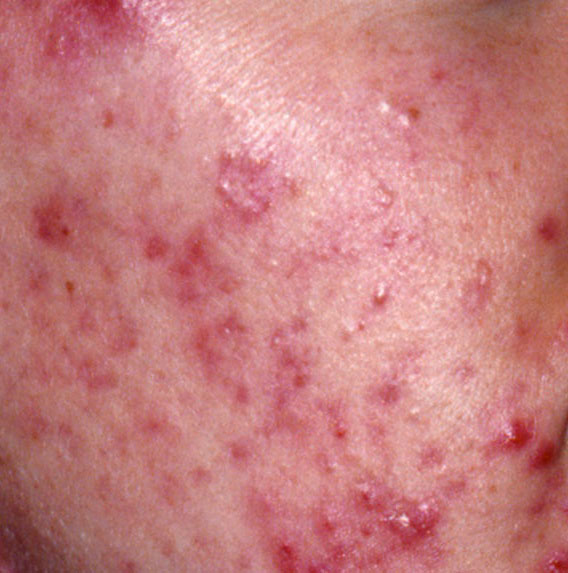
Pustular acne has characteristic visual features.
On the skin you can see:
- comedones — blackheads or light bumps under the skin
- papules — red inflamed pimples without pus
- pustules — pimples with white or yellowish content
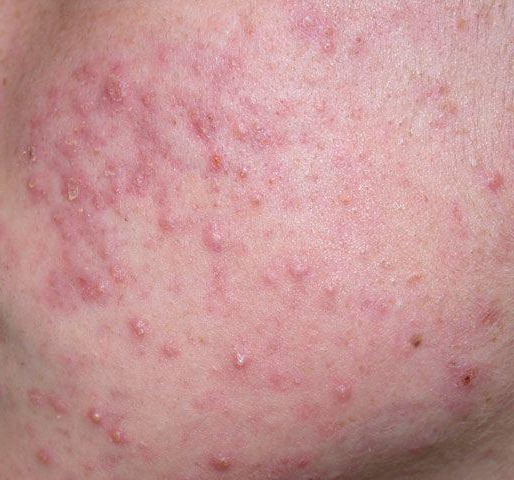
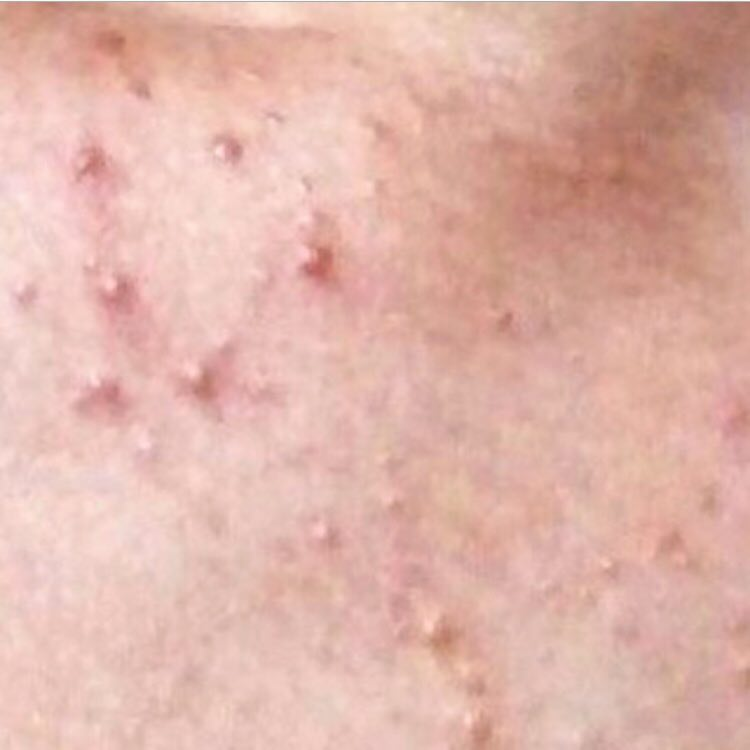
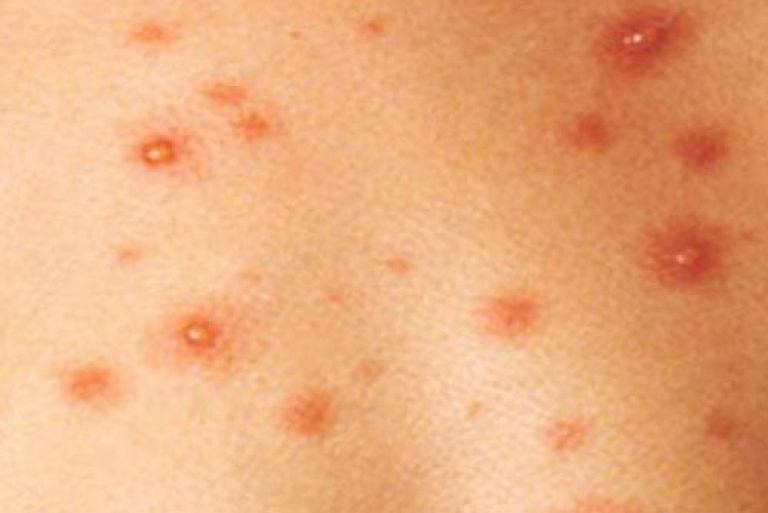
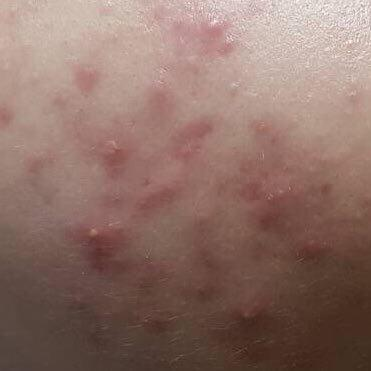
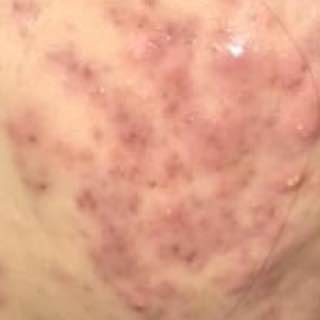
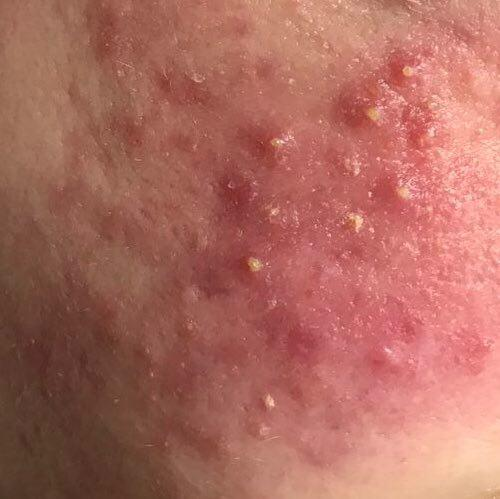
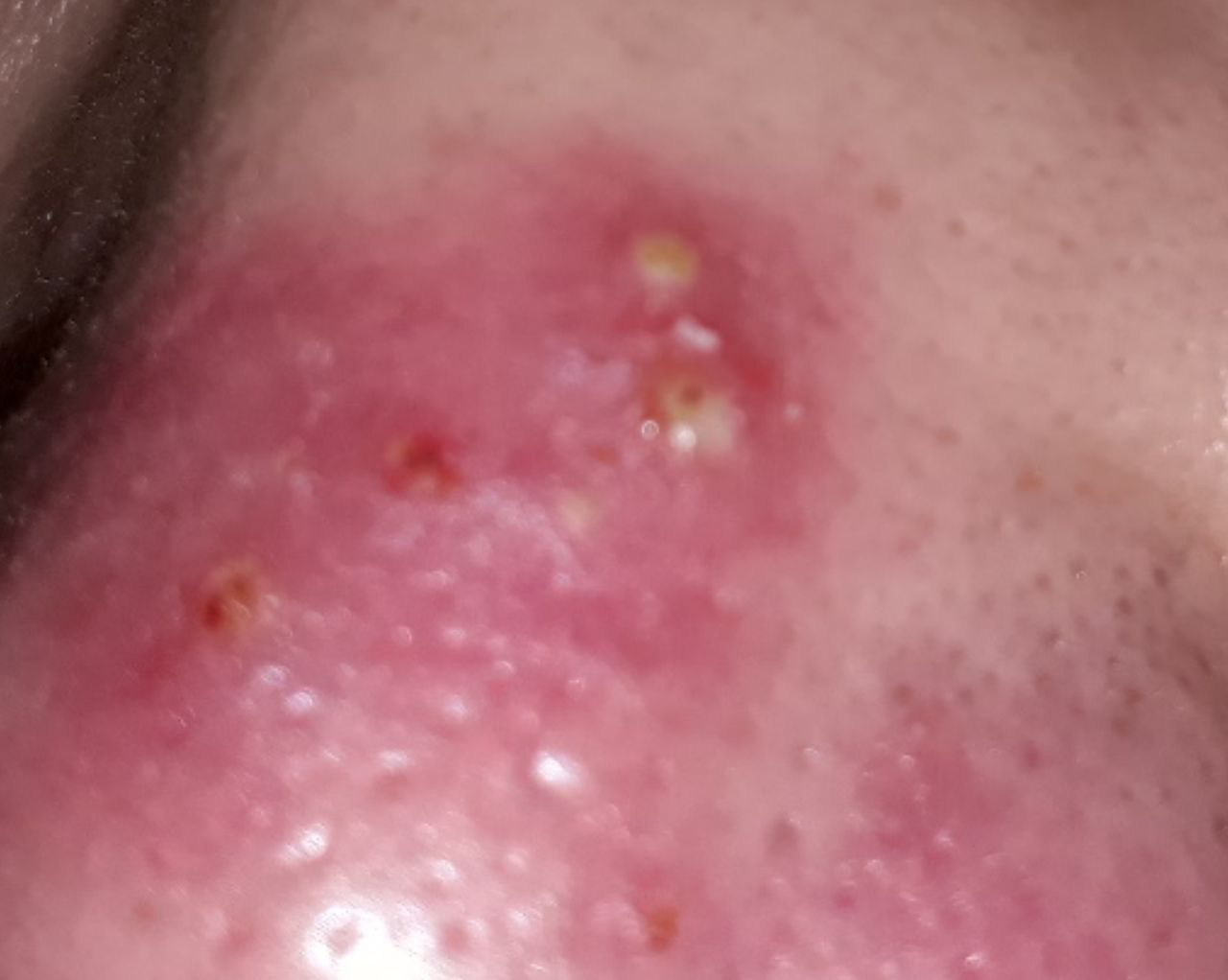
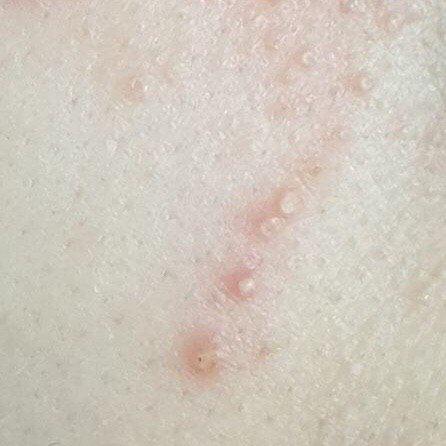
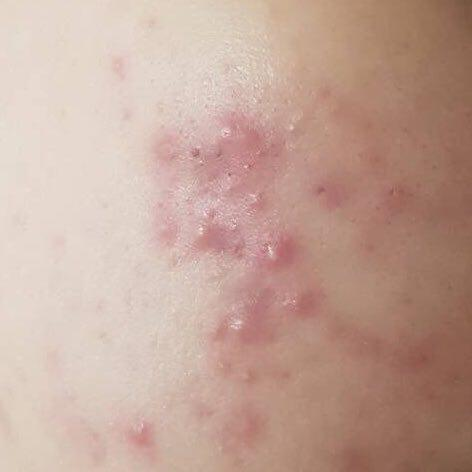
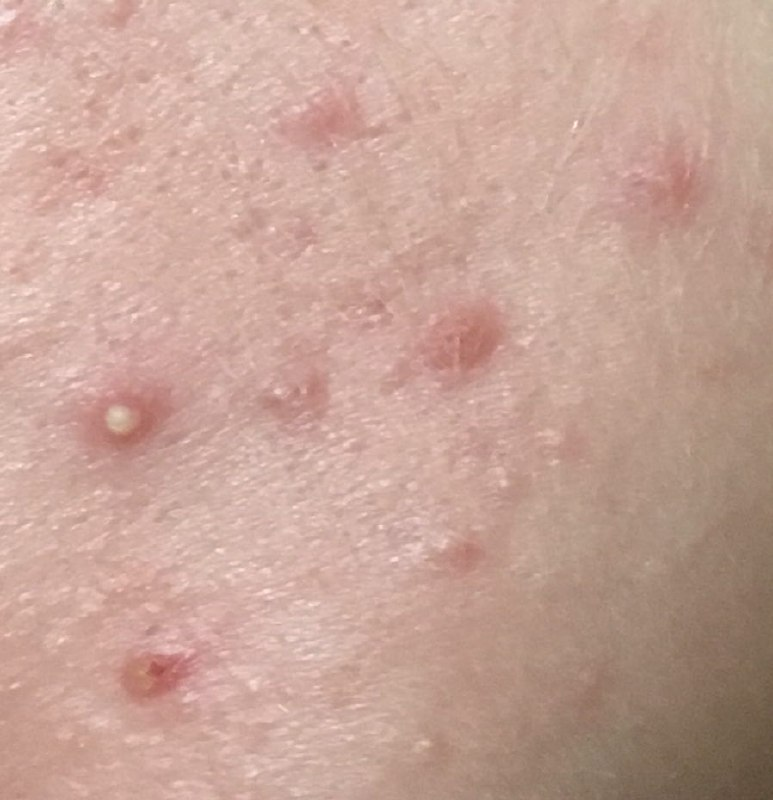
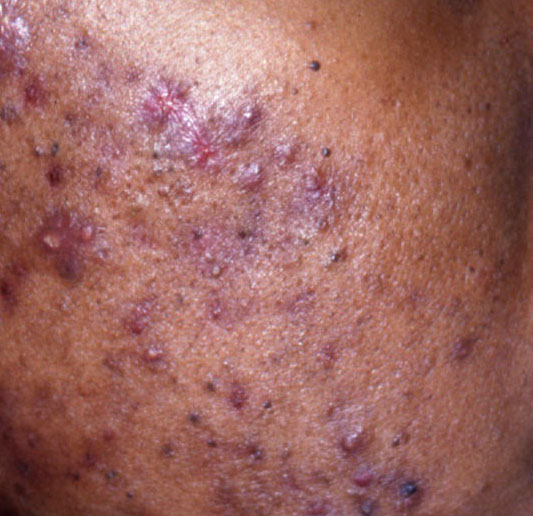
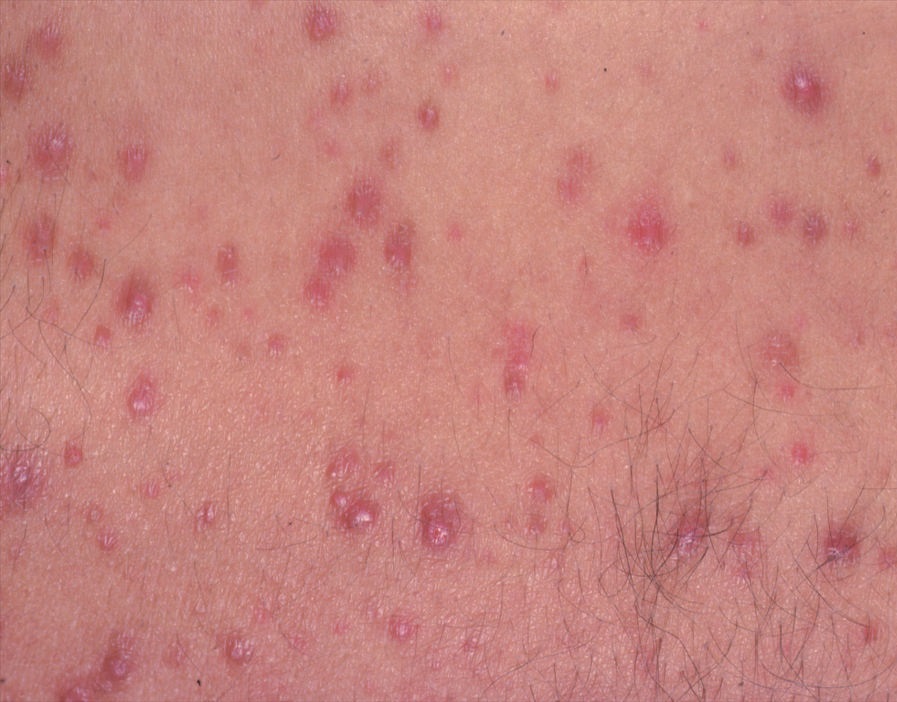
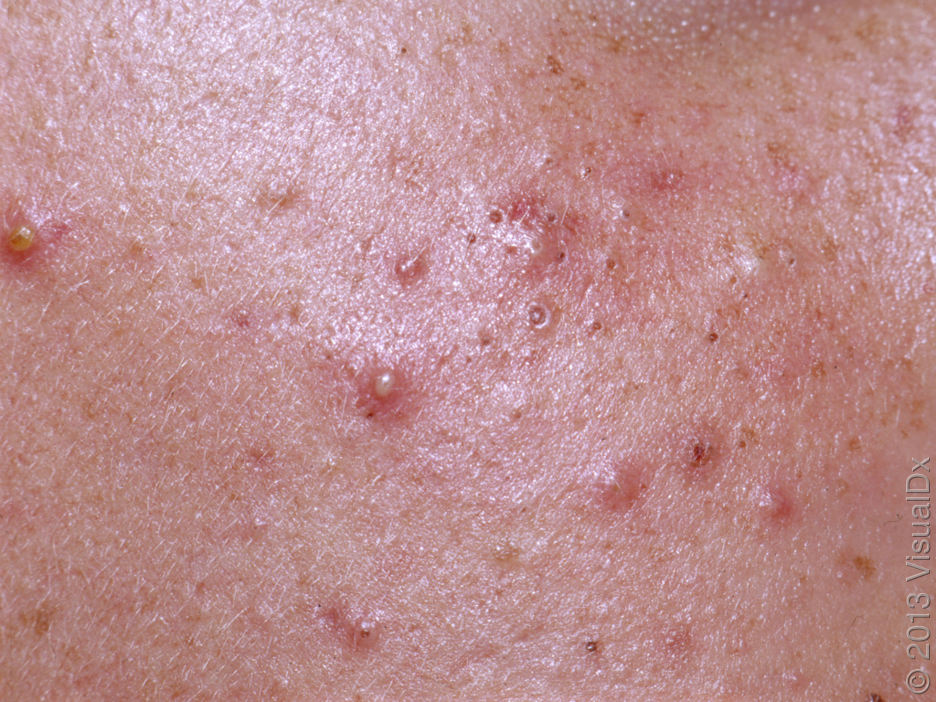
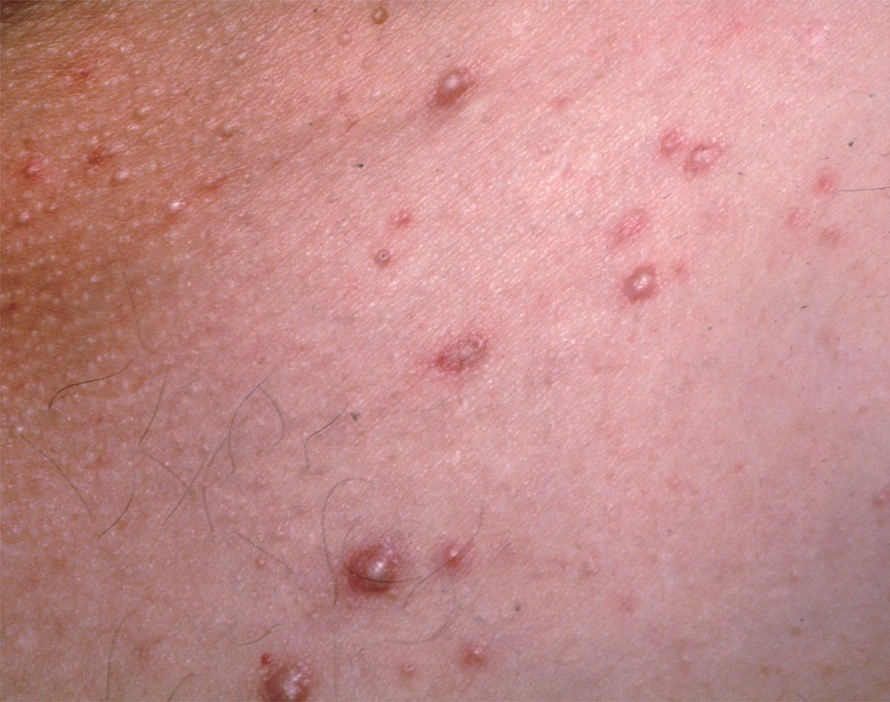
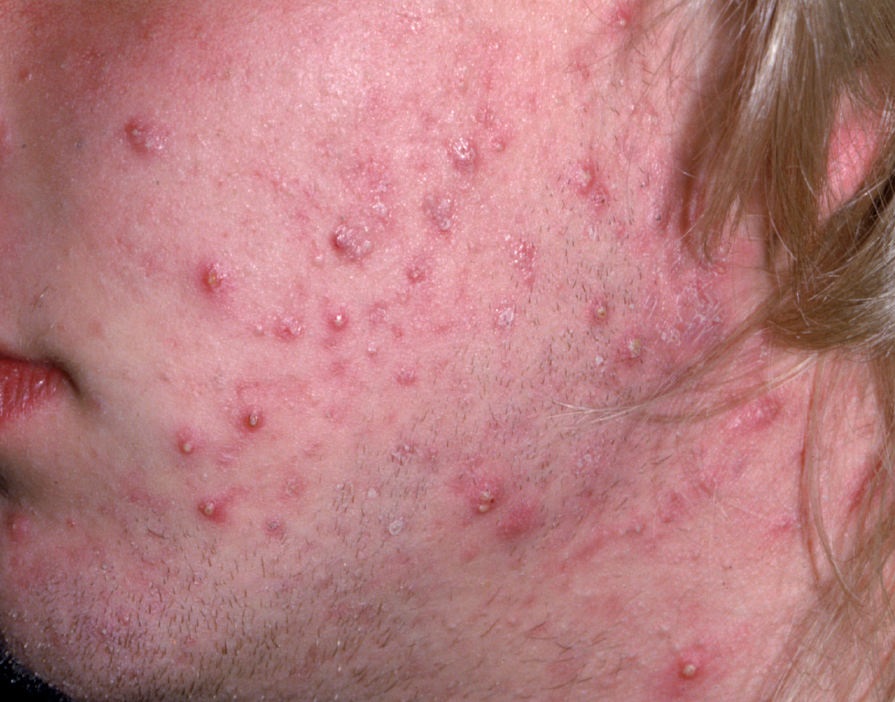
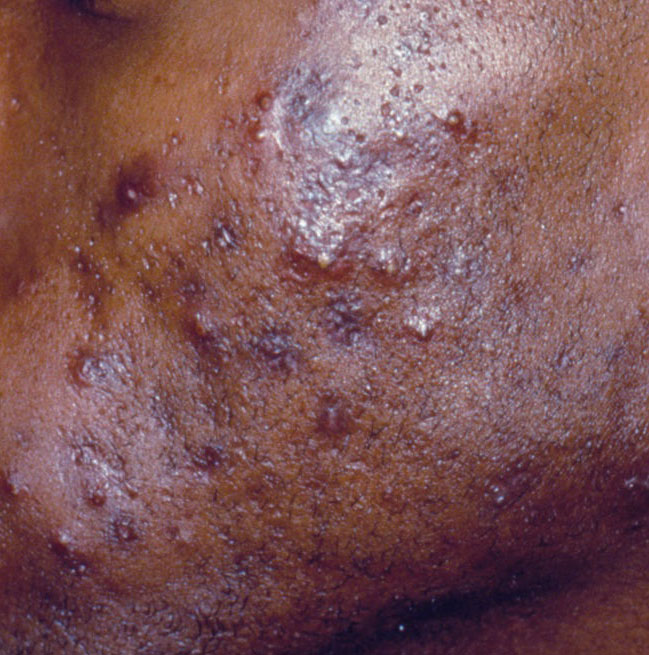
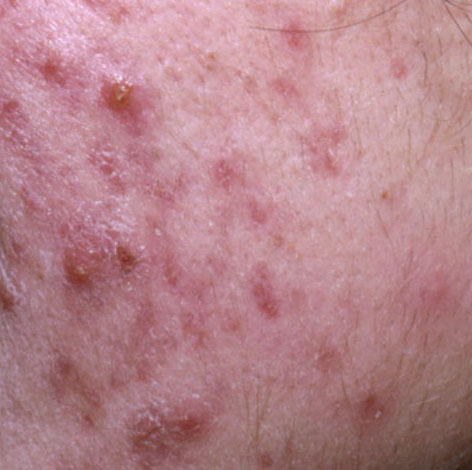
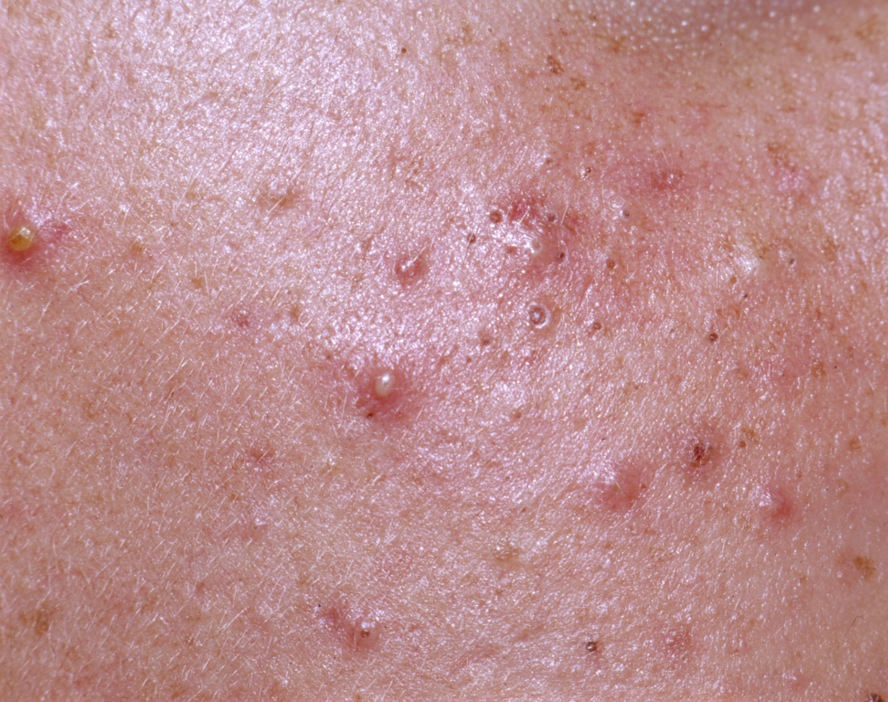
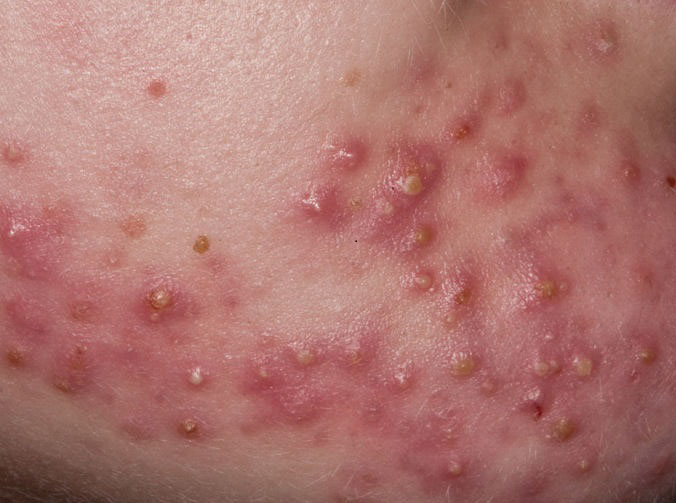
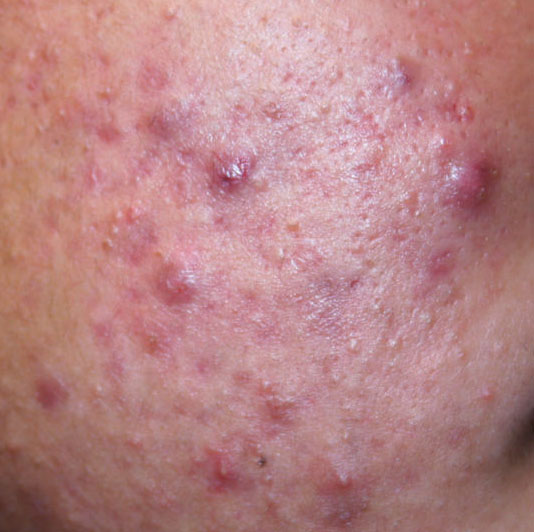
Pustules look like small raised lesions with redness around them and a light “head” in the center. They may be painful to the touch.
Sometimes the following may also appear:
- deeper inflamed lesions
- post-inflammatory spots
- scars (more often in prolonged or severe cases)
Breakouts are usually located on the face (forehead, cheeks, chin), as well as on the back and chest.
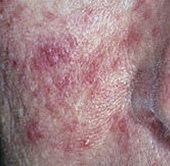
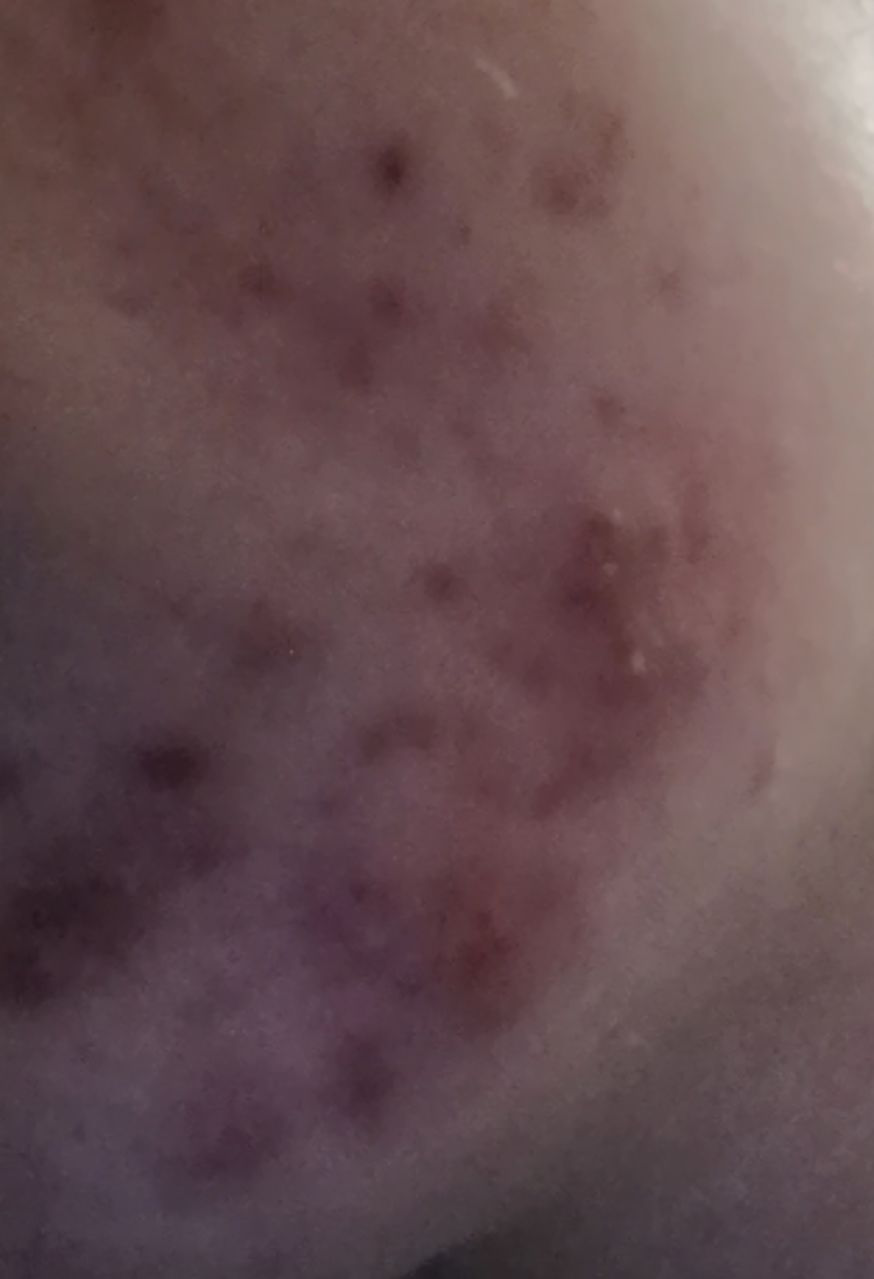
Below in the article you can view real photos to better understand what the condition looks like.
Main symptoms
Pustular acne is characterized by:
- multiple pus-filled pimples
- redness around lesions
- pain on touch
- periodic appearance of new breakouts
- post-healing spots
Unlike milder forms, inflammation is more pronounced here.
Causes of the disease
Pustular acne develops due to a combination of several factors.
External factors:
- inappropriate cosmetics
- skin irritation (friction, pressure)
- stress
- dietary factors (individual effect)
Internal factors:
- hormonal changes
- increased sebaceous gland activity
- genetic predisposition
- immune response characteristics
A key role is played by the bacterium Cutibacterium acnes, which can intensify inflammation when pores are blocked, leading to pustule formation.
How the disease develops
First, sebum production increases. Pores become blocked, forming comedones.
Then inflammation develops in these areas. The body reacts to bacteria and accumulated material, forming papules and pustules.
In pustular form, inflammation is more pronounced, which is why pus-filled lesions appear.
Forms and types
Acne can vary in presentation.
Pustular form is characterized by:
- presence of comedones and inflamed lesions
- predominance of pustules
- moderate inflammation severity
If the condition worsens, deeper lesions may appear.
When to see a doctor
You should see a dermatologist if:
- the number of pustules increases
- lesions do not heal for a long time
- pain develops
- spots or scars remain
- treatment is not effective
Urgent consultation is needed if:
- lesions are traumatized
- their appearance changes suddenly
- unusual sensations appear
Treatment
Treatment of pustular acne is individualized and aimed at reducing inflammation and preventing new breakouts.
Main principles:
Skin care
Regular gentle cleansing and use of non-comedogenic products.
Topical treatment
Most often includes anti-inflammatory and antibacterial agents.
Systemic treatment
In cases with many inflamed lesions, the doctor may prescribe medications that act on the whole body.
Correction of factors
Cosmetic selection, reduction of irritants, lifestyle adjustments.
Additionally, the following may be used:
- physiotherapy
- light-based treatments
- cosmetic procedures
It is important to remember that treatment takes time and consistency. Self-medication often worsens the condition.
Q&A
Why do pus-filled pimples appear?
They result from inflammation in blocked pores where bacteria and sebum accumulate.
Can pustular acne be treated quickly?
Sometimes improvement happens quickly, but more often it requires weeks or months of treatment.
When are stronger medications prescribed?
If inflammation is severe or topical treatment is ineffective, the doctor may intensify therapy.
Is pustular acne dangerous?
Usually not, but without treatment it may leave spots and scars.
Can you squeeze pustules?
No, this increases the risk of infection and skin damage.
Why do spots remain after pimples?
This is a temporary skin response to inflammation.
How long does treatment take?
Most often several months of regular therapy are required.
Can acne go away on its own?
Sometimes yes, but treatment speeds up recovery and reduces the risk of consequences.
Check Your Skin Instantly
Use the Skin Scanner app – Skinive AI to take a photo of a skin lesion and get an AI-based risk assessment. It helps determine whether professional consultation is recommended, giving you fast guidance and peace of mind.
Medical literature and sources
- American Academy of Dermatology (AAD)
- European Academy of Dermatology and Venereology (EADV)
- Fitzpatrick’s Dermatology, 9th Edition
- Bolognia Dermatology, 4th Edition
- Journal of the American Academy of Dermatology (JAAD)
- World Health Organization (WHO) guidelines on skin conditions
🇬🇧 Acne Pustular: Diagnosis and Treatment in the UK
If you notice acne, pimples, or persistent breakouts, it’s important to get a professional opinion. In the UK, you can access dermatology care via the NHS, private clinics, or online dermatology consultations.
👉 How to See a Dermatologist in the UK NHS – This main guide explains how NHS referrals work, what to expect from specialist dermatology services, and how to choose between public and private care.
Dermatologists in Major UK Cities:
- Dermatologist in London
- Dermatologist in Manchester
- Dermatologist in Liverpool
- Dermatologist in Birmingham
- Dermatologist in Leeds
- Dermatologists in Other UK cities
Online Dermatology
If you prefer remote care or faster access, try online dermatology consultations. They allow dermatologists to review images, provide advice, and guide next steps without visiting a clinic. Read more in this article: Online Dermatologists in UK.
🇦🇺 Acne Pustular: Diagnosis and Treatment in Australia
If you notice acne, pimples, or persistent breakouts, it’s important to get a professional opinion. In Australia, dermatology care is available via Medicare (public system), private clinics, or online consultations.
👉 How to See a Dermatologist in Australia – This main guide explains how referrals work through GPs and public clinics, what to expect from specialist dermatology services, and how to choose between public and private care.
Dermatologists in Major Australian Cities:
- Dermatologist in Sydney
- Dermatologist in Melbourne
- Dermatologist in Brisbane
- Dermatologist in Perth
- Dermatologist in Adelaide
- Dermatologists in other Australian cities
Online Dermatology
For faster access or remote care, online dermatology consultations allow dermatologists to review images, provide advice, and guide next steps without visiting a clinic. Read more in this article: Online Dermatologists in Australia.
Images of pustular acne:


** Should you identify any copyright infringement regarding the images on this page, kindly reach out to us at info@skinive.com.
Furthermore, please be advised that these photos are not authorized for any purpose.