
Cystic acne is a severe form of acne in which inflammation affects not only the surface of the skin but also its deeper layers. In simple terms, it consists of large, painful “subcutaneous” lesions that can leave marks and scars.
The main manifestations include a combination of different lesions: blackheads, inflamed pimples, firm nodules, and deep cysts. Most often, breakouts appear on the face, back, chest, and shoulders.
This condition is not contagious. In most cases, it develops during adolescence, but it can persist into adulthood. The disease often has a long course with periods of improvement and flare-ups.
What to do if you suspect it
If you notice painful deep lesions that do not go away or leave marks, it is important not to delay seeing a doctor.
The first step is to schedule an appointment with a dermatologist. This specialist evaluates the skin condition, determines the type of acne, and selects appropriate treatment.
Additionally:
- in cases of significant hormonal changes, an endocrinologist consultation may be needed
- if scars or spots remain, cosmetic procedures may be considered
- if there is significant stress or reduced self-esteem, psychological support can be helpful
Important:
- do not squeeze lesions — this increases the risk of scarring
- do not start treatment based on internet advice
- do not ignore worsening skin condition
Early medical consultation helps reduce complications and allows for gentler treatment options.
What the disease looks like
Cystic acne can appear in different ways, but there are characteristic features.
On the skin you may see:
- blackheads and whiteheads (comedones)
- red inflamed pimples
- pustules
- firm painful nodules
- deep subcutaneous lesions (cysts)
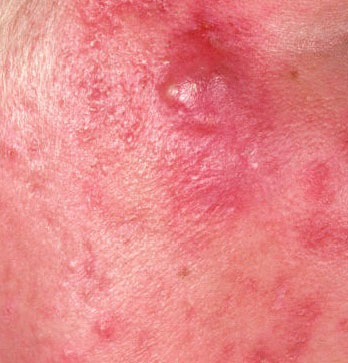
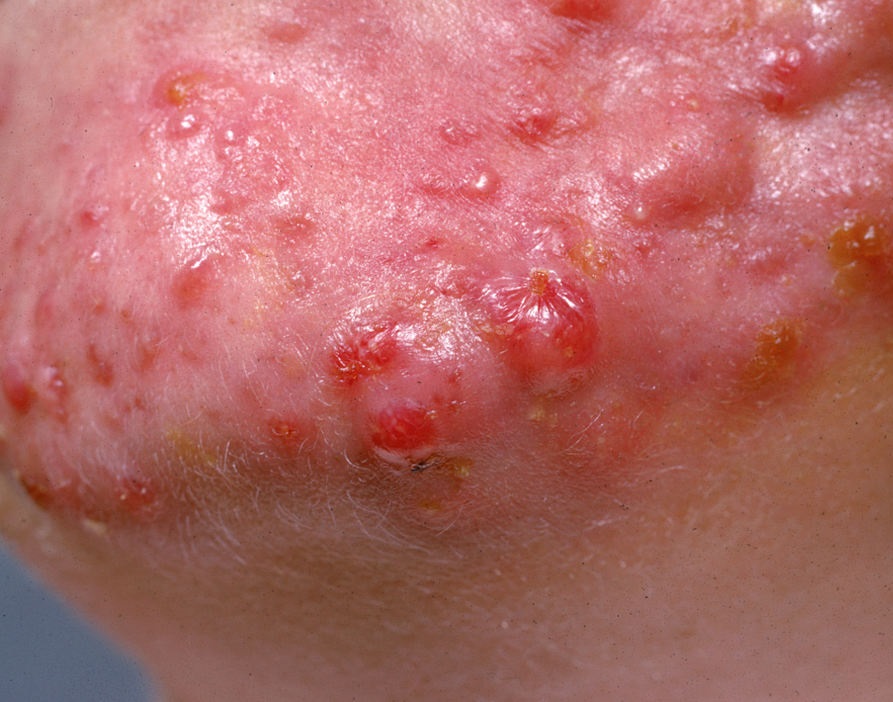
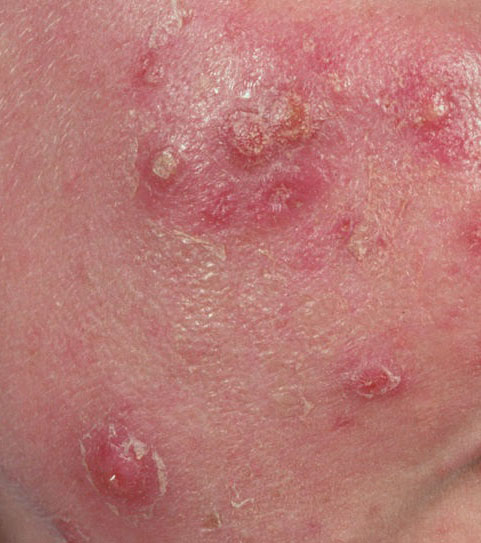
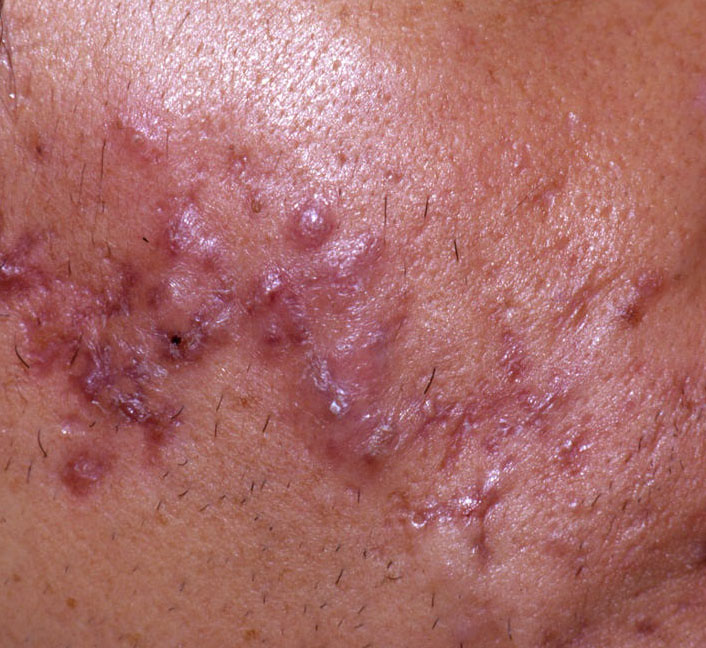
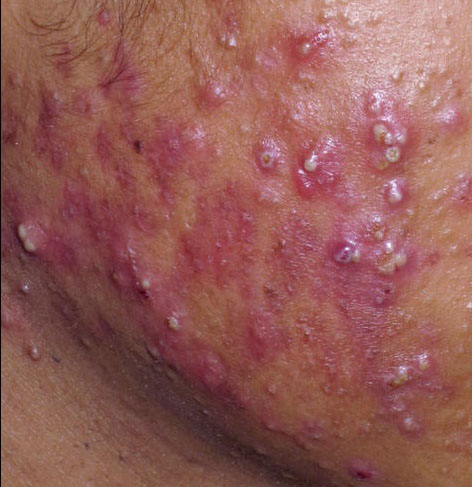
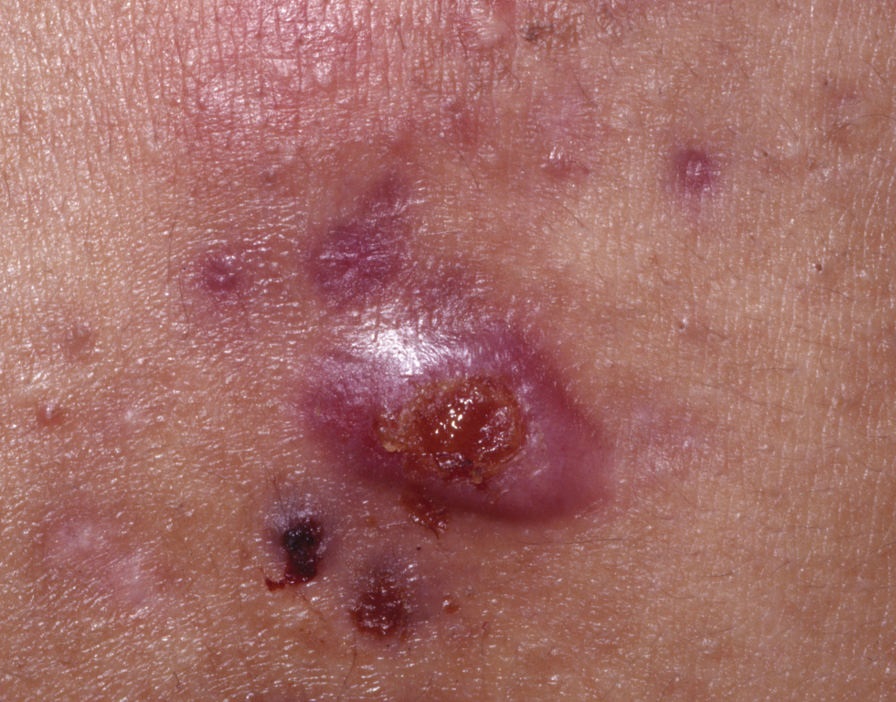
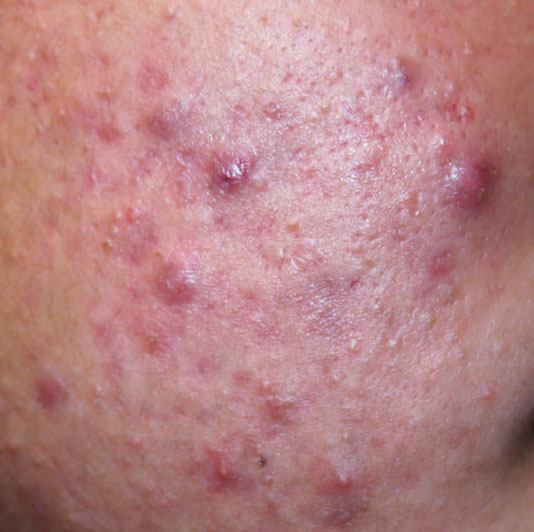
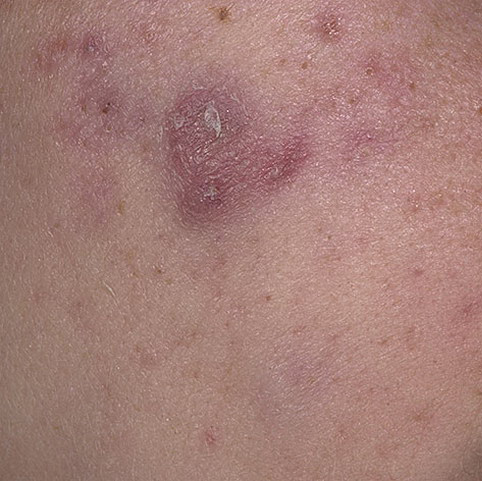
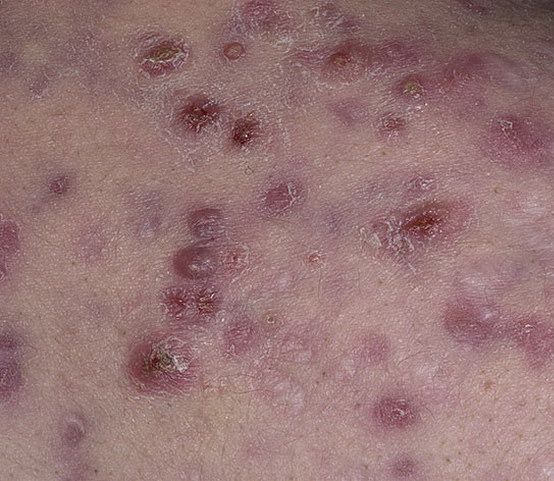
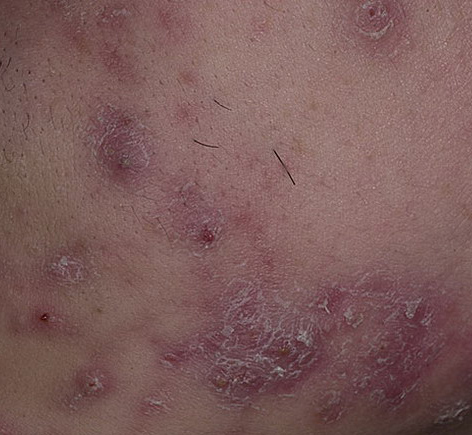
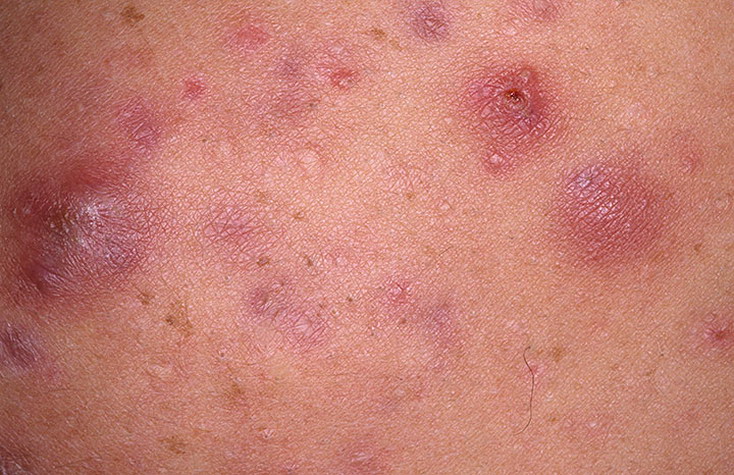
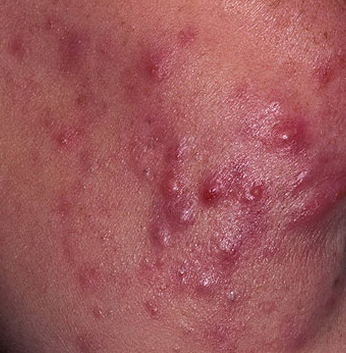
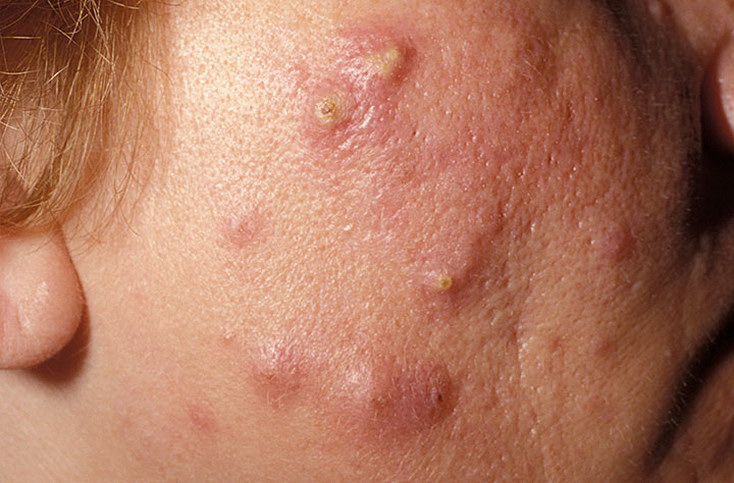
Cysts are the most characteristic element. They appear as firm, painful bumps under the skin, sometimes with redness and swelling. Over time, these lesions may merge.
After healing, the following often remain:
- dark spots (hyperpigmentation)
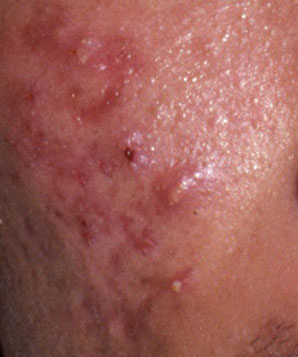
- scars — either depressed or raised areas
Lesions most commonly appear on the face (forehead, cheeks, chin), as well as on the back, chest, and shoulders.
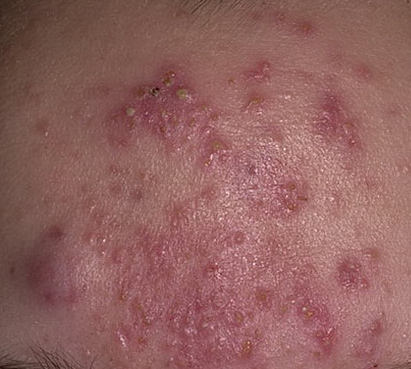
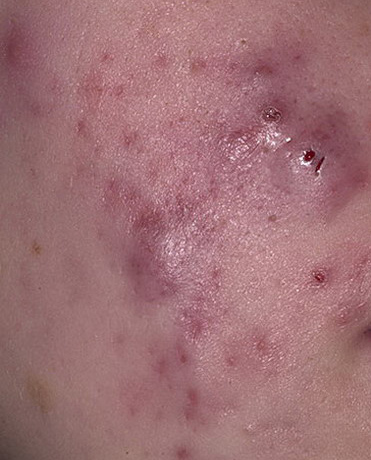
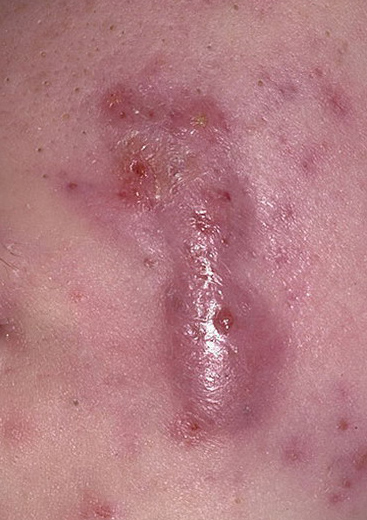
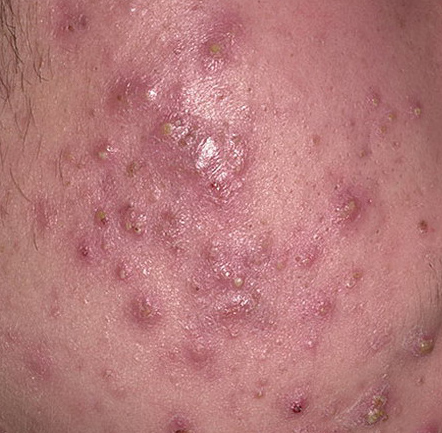
Below in the article you can view real photos to better understand what the disease looks like.
Main symptoms
In cystic acne, a person usually notices:
- painful deep lesions
- redness and swelling of the skin
- feeling of firm “lumps” under the skin
- presence of pus in some lesions
- slow healing
- post-inflammatory marks — spots or scars
It is important that these lesions can persist for weeks and often recur.
Causes of the disease
Cystic acne is a multifactorial condition, meaning it develops due to a combination of several causes.
External factors:
- improperly selected skincare products
- mechanical irritation of the skin (friction, pressure)
- stress
- dietary factors (although a direct link is not always proven)
Internal factors:
- hormonal changes (especially during adolescence)
- increased activity of sebaceous glands
- genetic predisposition
- reduced skin barrier function
The bacterium Cutibacterium acnes also plays an important role. It normally lives on the skin harmlessly, but under certain conditions it can intensify inflammation.
How the disease develops
Acne is based on several processes.
First, the skin begins to produce more sebum. Then pores (openings of sebaceous glands) become blocked, forming comedones (“clogs”).
If bacteria become active in these areas, inflammation develops. The body responds, forming painful lesions.
In the cystic form, inflammation spreads deeper into the lower layers of the skin. This is why firm nodules and cysts form, and the risk of scarring increases.
Forms and types
Acne can vary from mild forms with occasional breakouts to severe forms such as cystic acne.
The cystic form is characterized by:
- deep inflammatory lesions
- long disease course
- high likelihood of scarring
When to see a doctor
You should see a dermatologist in the following cases:
- painful deep lesions appear
- breakouts persist for a long time
- scars or spots remain
- skin condition worsens
- previous treatment does not help
It is also important to seek medical attention urgently if:
- a lesion has been injured
- the appearance of lesions has changed
- new unusual sensations appear
Treatment
Treatment for cystic acne is always individualized and usually includes several approaches.
Main principles:
Skin care
Regular gentle cleansing and use of non-comedogenic products.
Eliminating triggers
Adjusting skincare routine, lifestyle, and, if necessary, treating underlying conditions.
Topical treatment
Creams and gels with anti-inflammatory and sebum-regulating effects.
Systemic treatment
In more severe cases, a doctor may prescribe medications that act on the whole body.
Additionally, the following may be used:
- physiotherapy
- light-based therapies
- cosmetic procedures
It is important to understand that there is no universal cure for acne. Treatment requires time, consistency, and medical supervision.
Q&A
Can cystic acne be completely cured?
In many cases, the condition can be controlled. Complete disappearance is possible, but more often it results in long-term remission.
Do I need to treat acne if it “will go away on its own”?
Yes, especially in severe forms. Without treatment, the risk of scarring and prolonged disease increases.
What treatments are most commonly used?
Usually a combination of topical treatments and, if needed, systemic therapy prescribed by a doctor.
Is cystic acne dangerous?
It is not usually life-threatening, but it can lead to scarring and significant discomfort.
Can I squeeze cystic acne lesions?
No. This increases the risk of infection and scarring.
Why do spots remain after acne?
This is a skin response to inflammation — temporary increased pigmentation.
How long does treatment take?
Treatment usually takes months and requires regular monitoring.
Can diet affect acne?
In some people, certain foods may worsen breakouts, but this is individual.
Check Your Skin Instantly
Use the Skin disease scanner – SKinive AI to take a photo of a skin lesion and get an AI-based risk assessment. It helps determine whether professional consultation is recommended, giving you fast guidance and peace of mind.
Medical literature and sources
- American Academy of Dermatology (AAD)
- European Academy of Dermatology and Venereology (EADV)
- Fitzpatrick’s Dermatology, 9th Edition
- Bolognia Dermatology, 4th Edition
- Journal of the American Academy of Dermatology (JAAD)
- World Health Organization (WHO) guidelines on skin conditions
🇬🇧 Acne Cystic: Diagnosis and Treatment in the UK
If you notice acne, pimples, or persistent breakouts, it’s important to get a professional opinion. In the UK, you can access dermatology care via the NHS, private clinics, or online dermatology consultations.
👉 How to See a Dermatologist in the UK NHS – This main guide explains how NHS referrals work, what to expect from specialist dermatology services, and how to choose between public and private care.
Dermatologists in Major UK Cities:
- Dermatologist in London
- Dermatologist in Manchester
- Dermatologist in Liverpool
- Dermatologist in Birmingham
- Dermatologist in Leeds
- Dermatologists in Other UK cities
Online Dermatology
If you prefer remote care or faster access, try online dermatology consultations. They allow dermatologists to review images, provide advice, and guide next steps without visiting a clinic. Read more in this article: Online Dermatologists in UK.
🇦🇺 Acne Cystic: Diagnosis and Treatment in Australia
If you notice acne, pimples, or persistent breakouts, it’s important to get a professional opinion. In Australia, dermatology care is available via Medicare (public system), private clinics, or online consultations.
👉 How to See a Dermatologist in Australia – This main guide explains how referrals work through GPs and public clinics, what to expect from specialist dermatology services, and how to choose between public and private care.
Dermatologists in Major Australian Cities:
- Dermatologist in Sydney
- Dermatologist in Melbourne
- Dermatologist in Brisbane
- Dermatologist in Perth
- Dermatologist in Adelaide
- Dermatologists in other Australian cities
Online Dermatology
For faster access or remote care, online dermatology consultations allow dermatologists to review images, provide advice, and guide next steps without visiting a clinic. Read more in this article: Online Dermatologists in Australia.
Images of cystic acne:
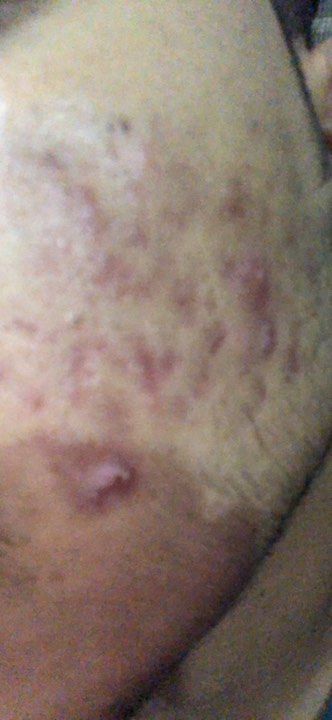
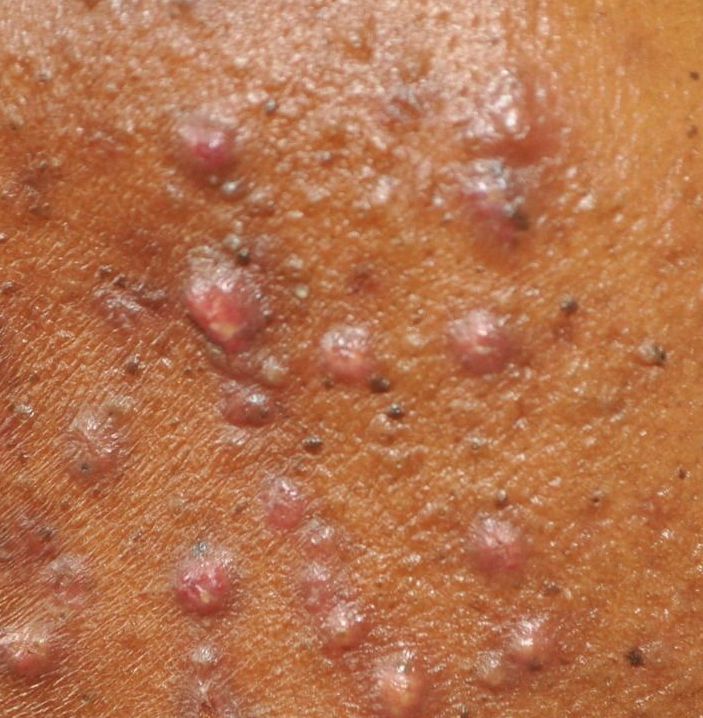
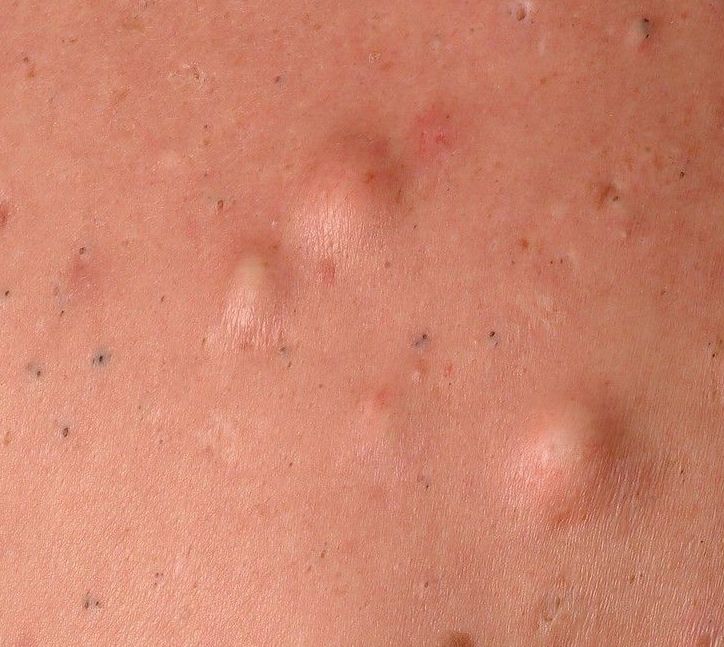
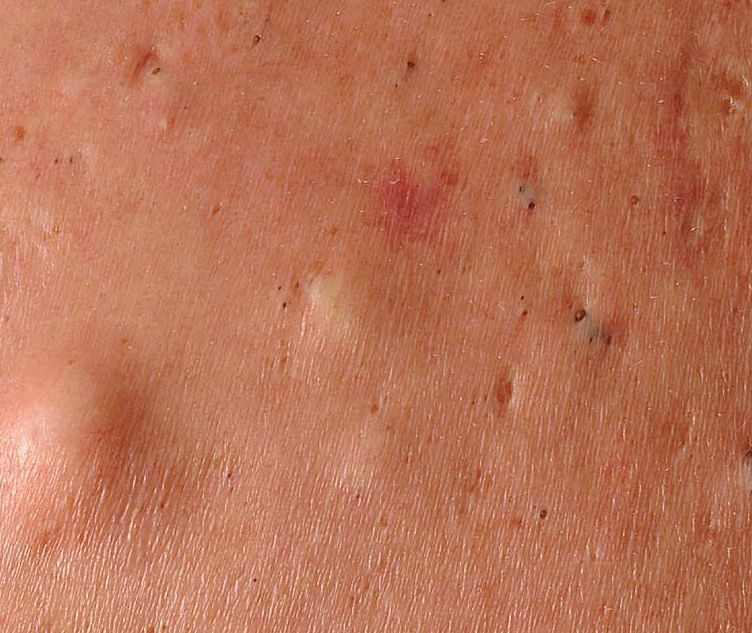
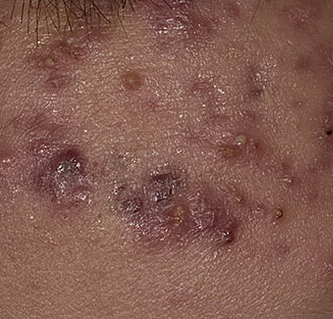
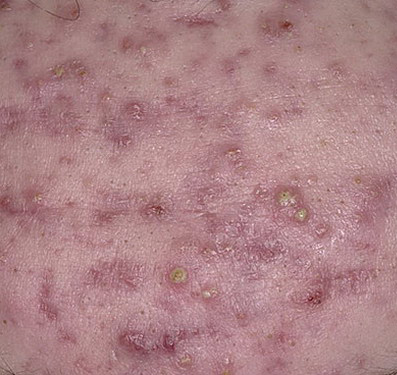
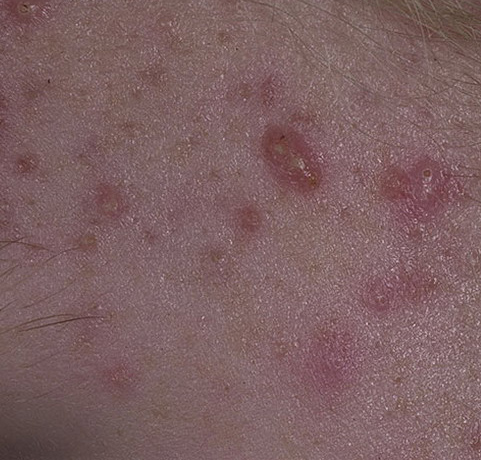
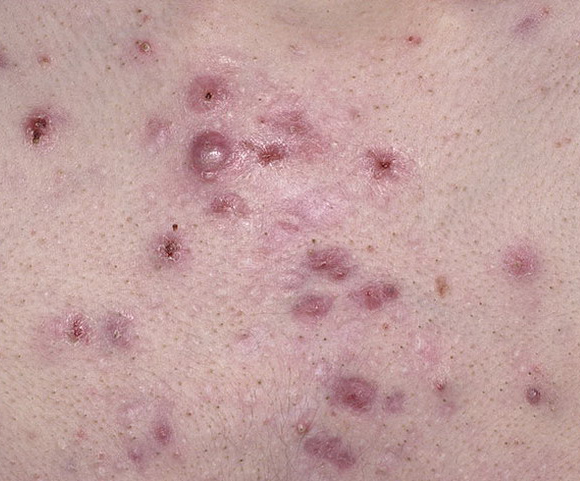
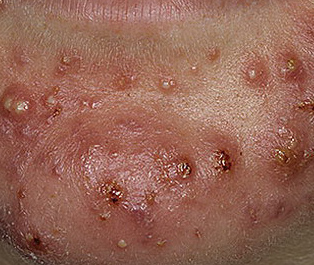
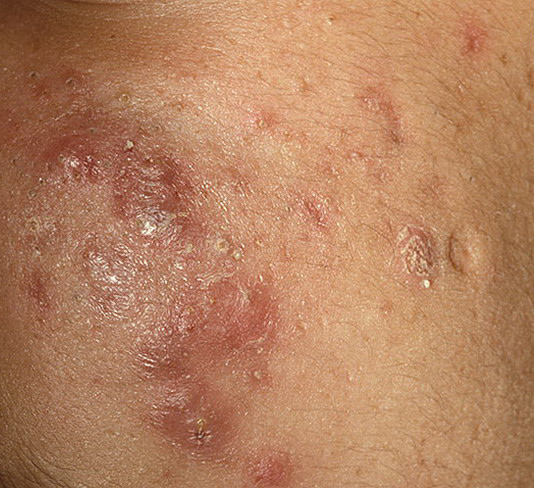
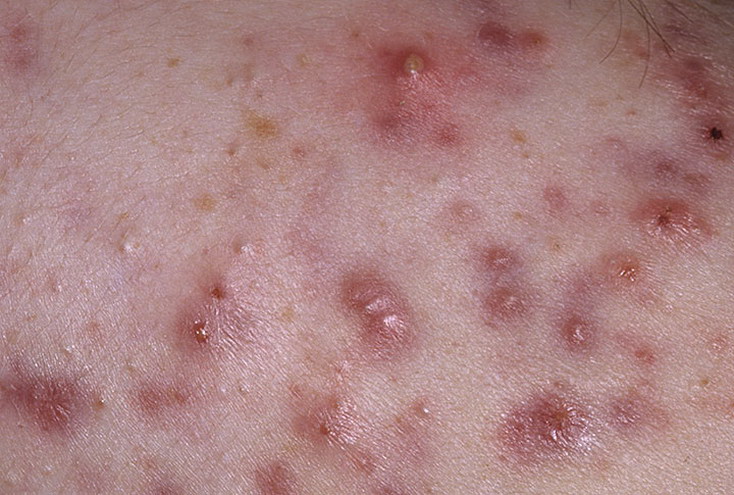
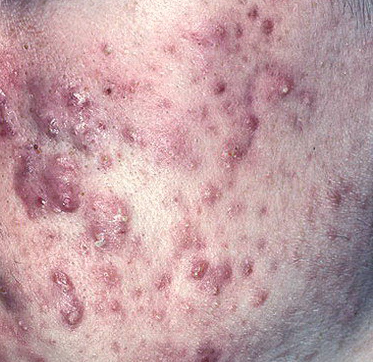
** Should you identify any copyright infringement regarding the images on this page, kindly reach out to us at info@skinive.com.
Furthermore, please be advised that these photos are not authorized for any purpose.