

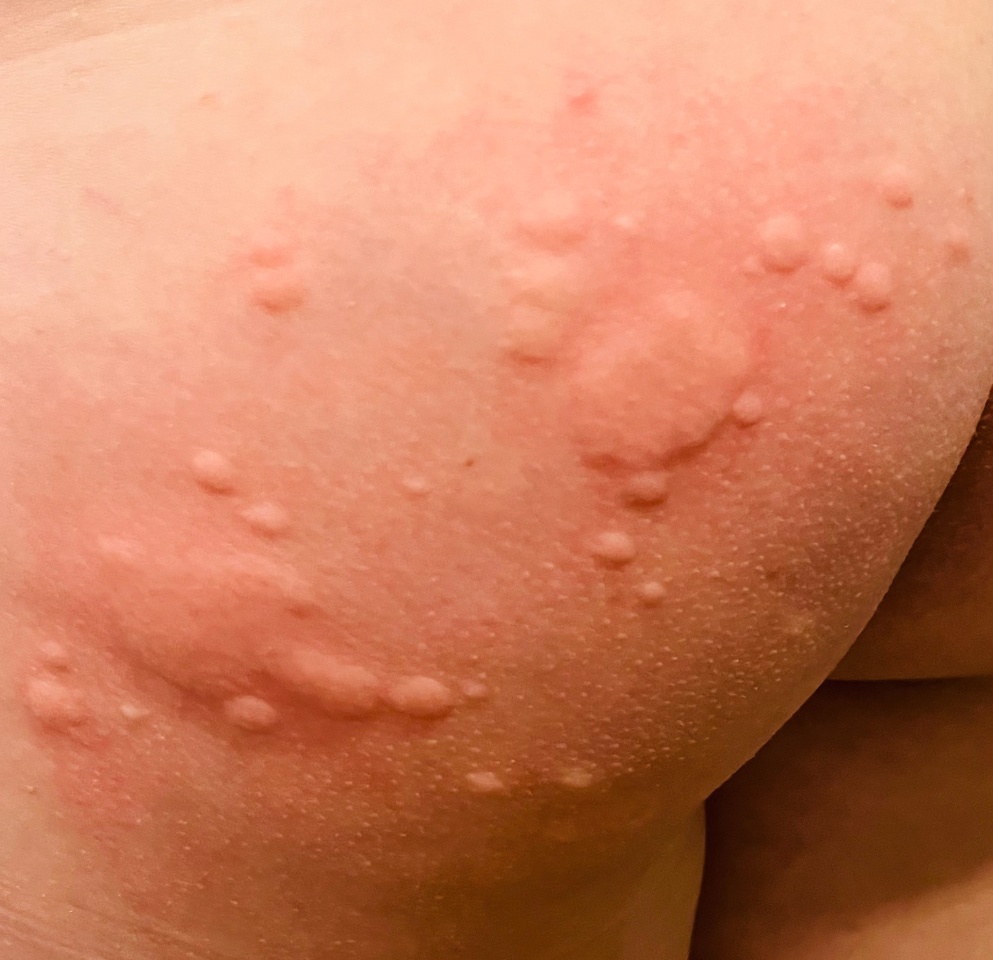
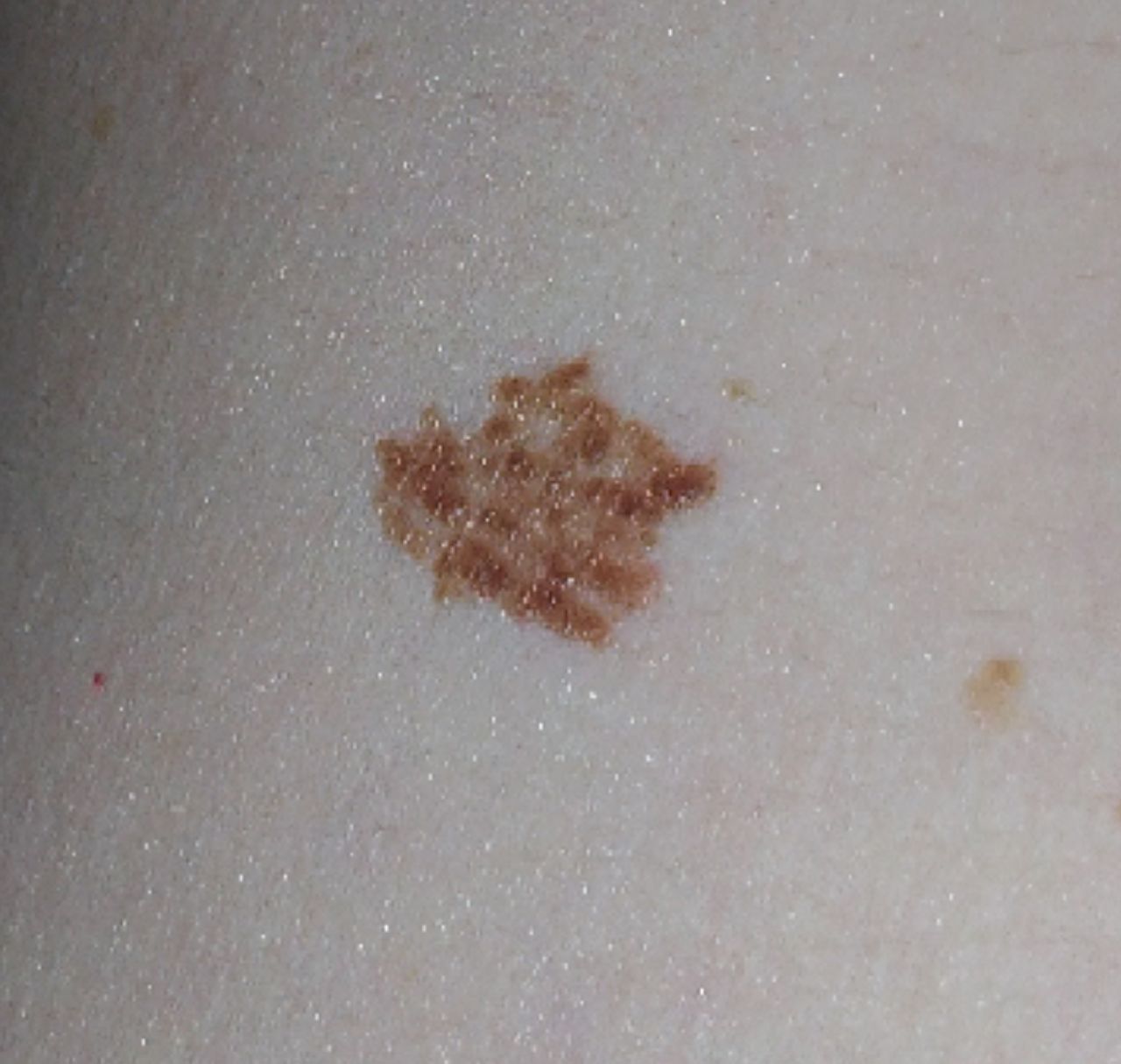

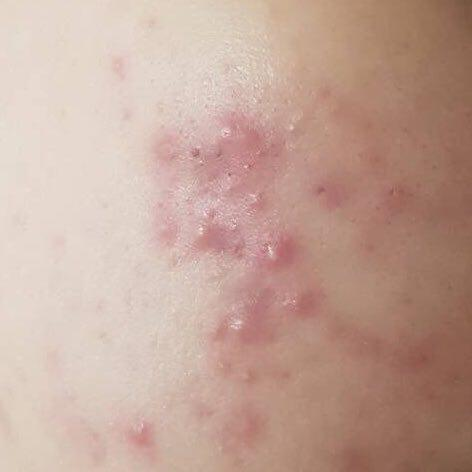
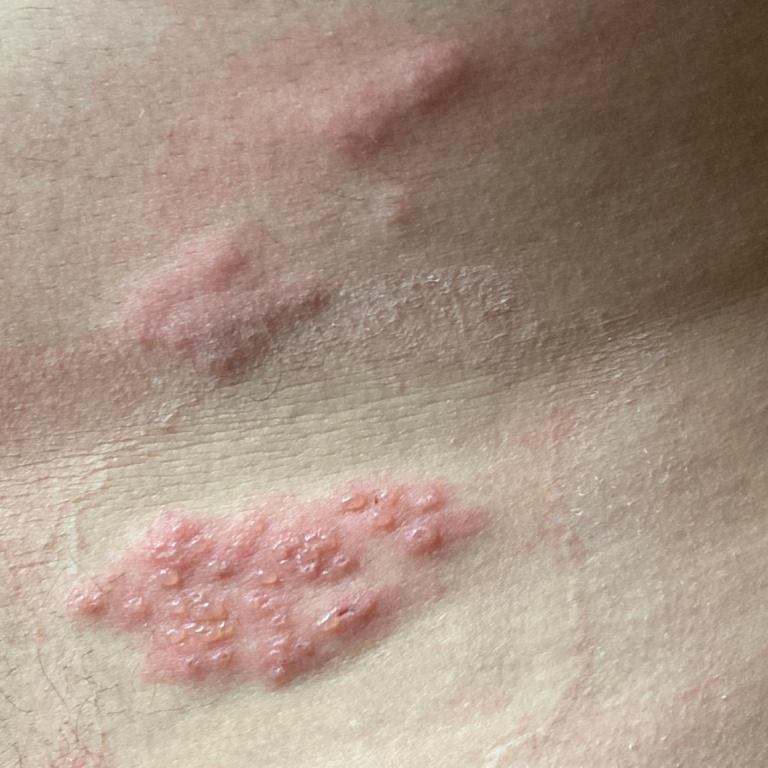
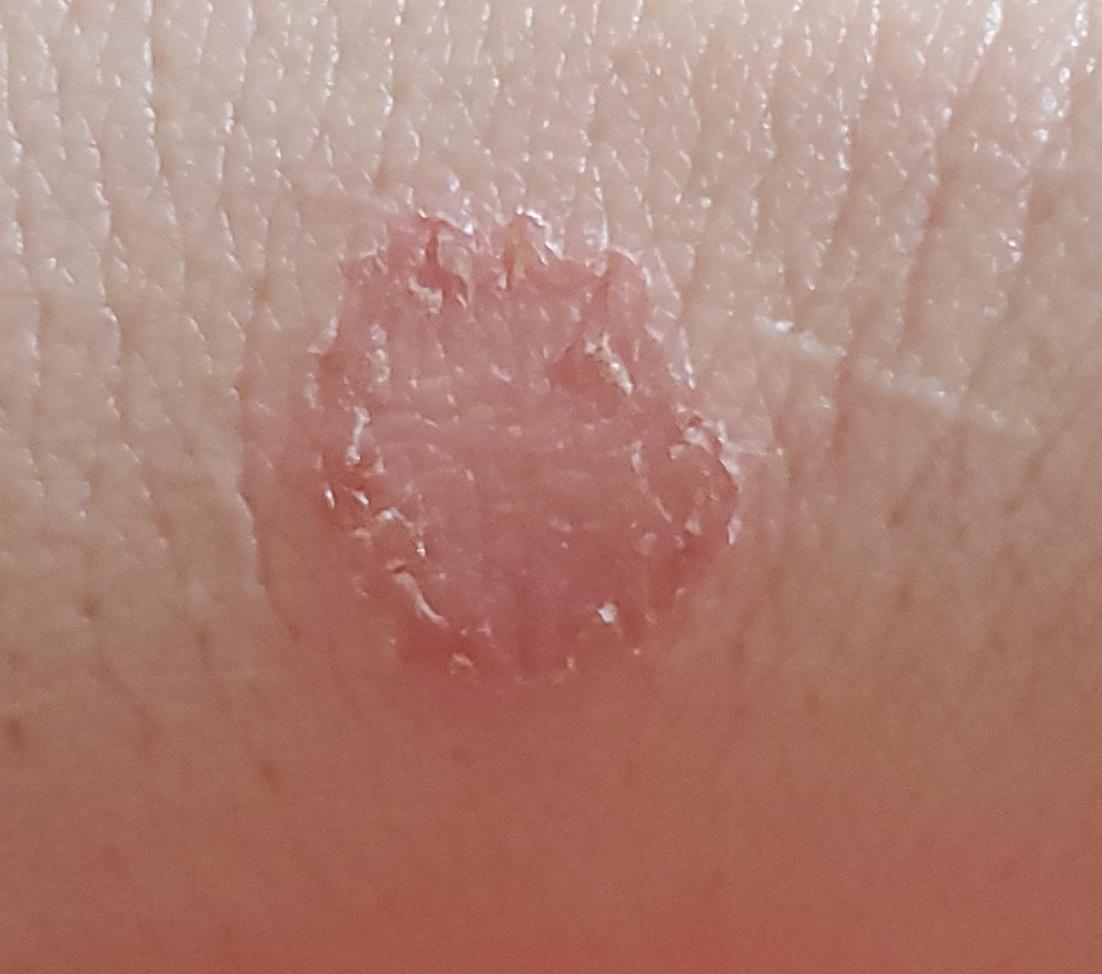
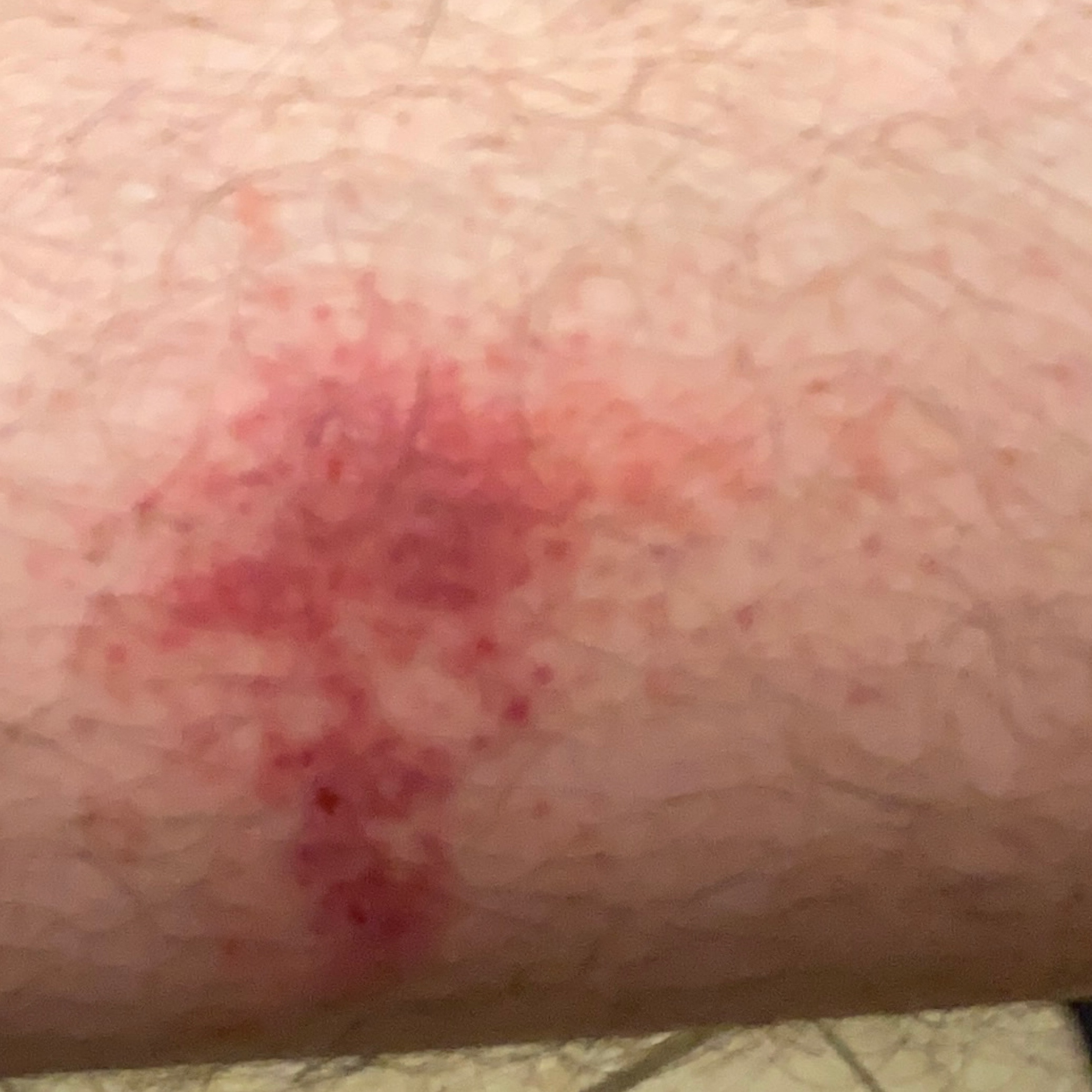
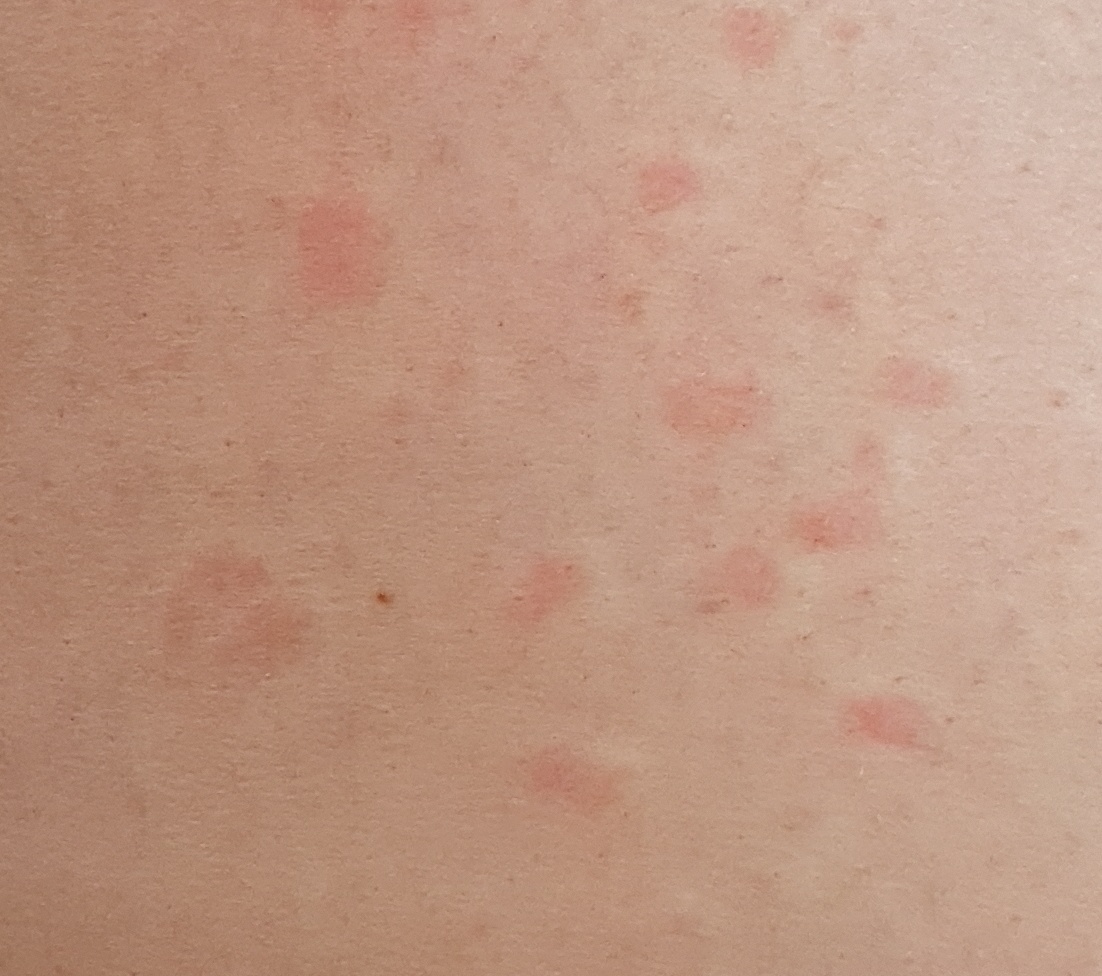
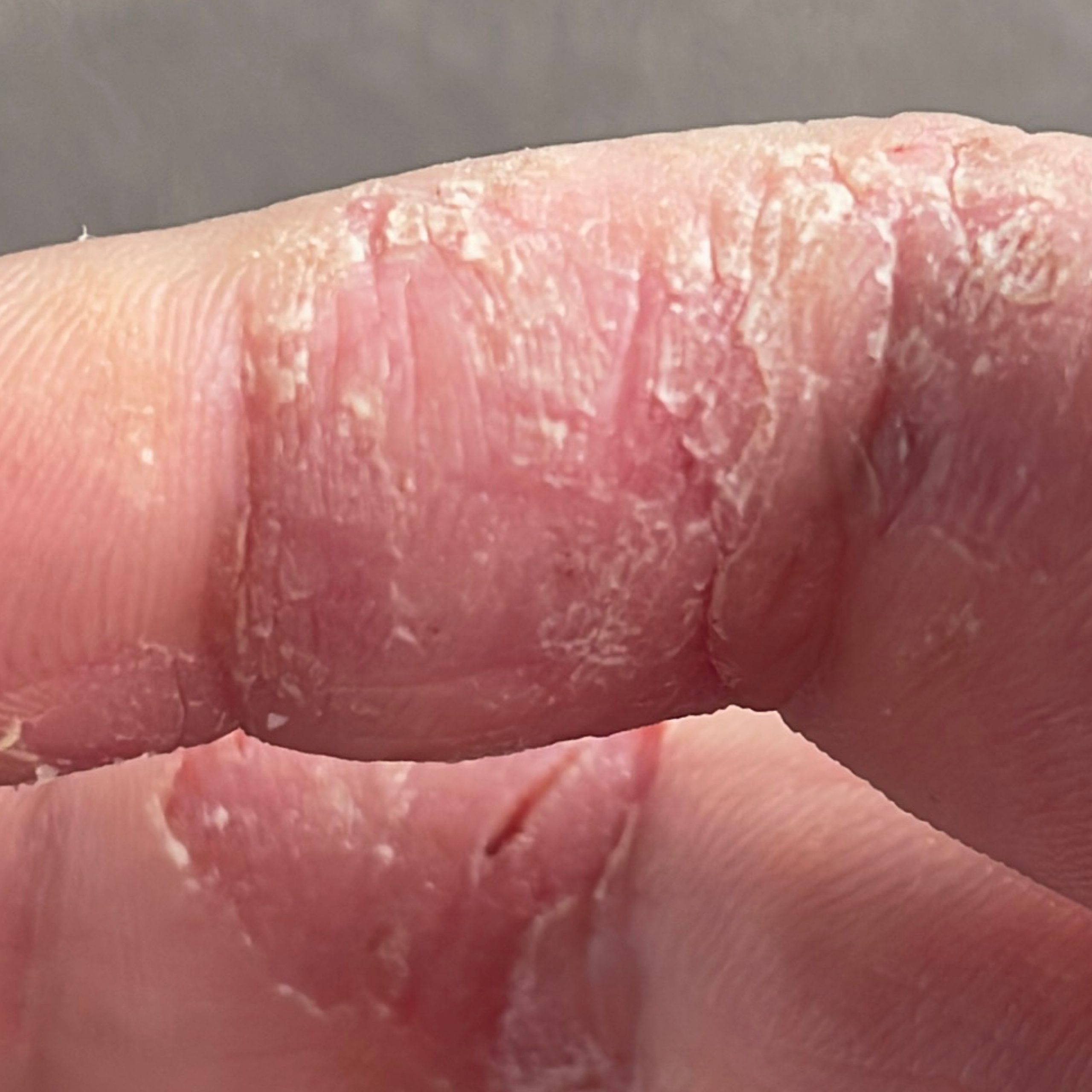

Welcome to the Skinive Dermatological Atlas, the ultimate online resource for understanding, identifying, and managing a wide range of skin conditions. Whether you’re dealing with common issues like acne, eczema, or psoriasis, or more serious concerns such as skin cancer and fungal infections, our atlas provides detailed, expert-backed information to help you recognize symptoms, understand causes, and explore treatment options.
With comprehensive dermatology insights, high-quality visual guides, and practical advice, Skinive helps you take control of your skin health and make informed decisions about care and prevention.
Understanding Skin Condition Risks
We categorize skin pathologies based on risk levels to help you prioritize care:
💚 Low Risk Skin Conditions – These are safe, non-threatening pathologies that typically do not require medical intervention. Self-monitor your skin 1–2 times per month. Treatment or removal is usually only necessary for cosmetic reasons or if the condition worsens.
⚠️ Medium Risk Skin Conditions – These include non-cancerous or borderline (precancerous) skin lesions. It’s recommended to consult a dermatologist during a routine checkup or within 1–3 months. Monitor your skin 1–2 times per month and seek professional advice if symptoms progress.
🚨 High Risk Skin Conditions – These are oncologic or infectious skin diseases, including certain HPV infections, which can sometimes resolve on their own but remain contagious and have a small risk (~5%) of developing into skin cancer. Immediate consultation with a dermatologist or dermato-oncologist is essential for timely diagnosis and treatment.
Why Choose Skinive Dermatological Atlas?
- Expert-reviewed dermatology content
- High-quality images and visual references
- Guides for symptom recognition, causes, and treatment options
- Risk assessment for safe self-monitoring
Explore the Skinive Dermatology Atlas today and gain the knowledge to care for your skin, detect issues early, and make informed treatment decisions.