
Pityriasis rosea (Gibert’s disease) is a common benign skin condition characterized by pink patches with mild scaling. It usually begins with a single larger patch, followed by multiple smaller lesions spreading across the body.
The main symptoms include oval pink patches, sometimes with itching and characteristic fine scaling at the edges. The condition is not contagious: it is not transmitted through contact and is not caused by a fungal infection.
Pityriasis rosea typically resolves on its own within 4–8 weeks, sometimes longer. In most cases, the skin heals completely without leaving marks.
What to do if you suspect it
If you notice pink patches on the skin, especially after a recent cold or viral illness, it is important to consult a dermatologist.
The first step is a medical examination. This is necessary to distinguish pityriasis rosea from other conditions that may look similar, such as fungal infections or other rashes.
In atypical or prolonged cases, a doctor may recommend additional tests.
It is important not to use harsh ointments, alcohol-based solutions, or irritating treatments, as these may worsen the rash and slow skin recovery.
How the disease looks
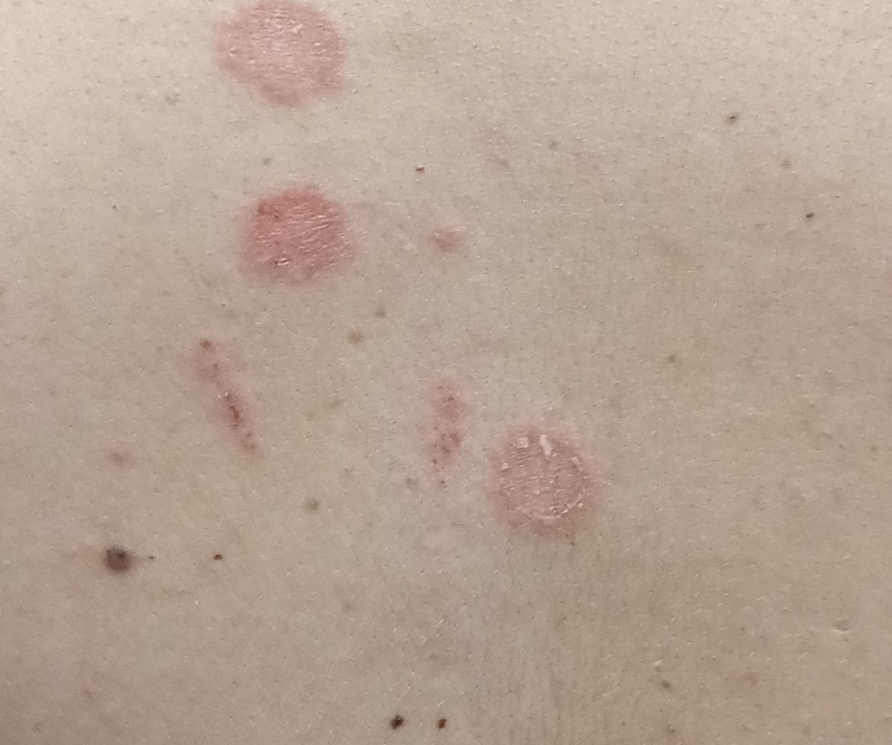
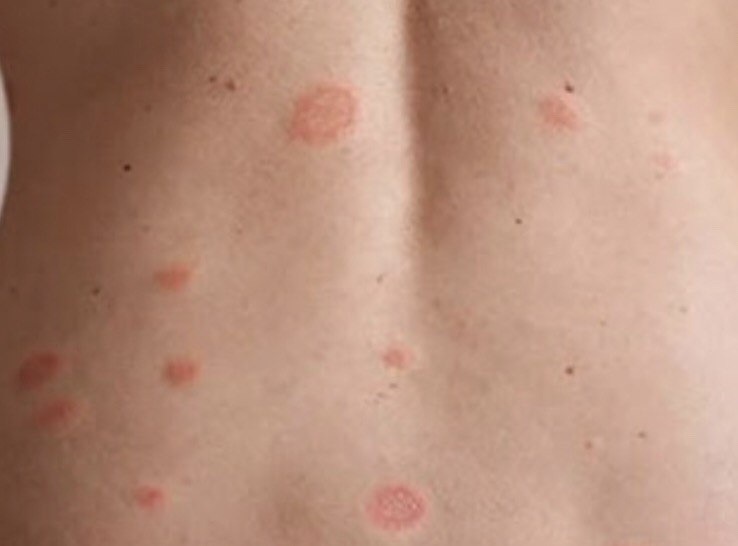
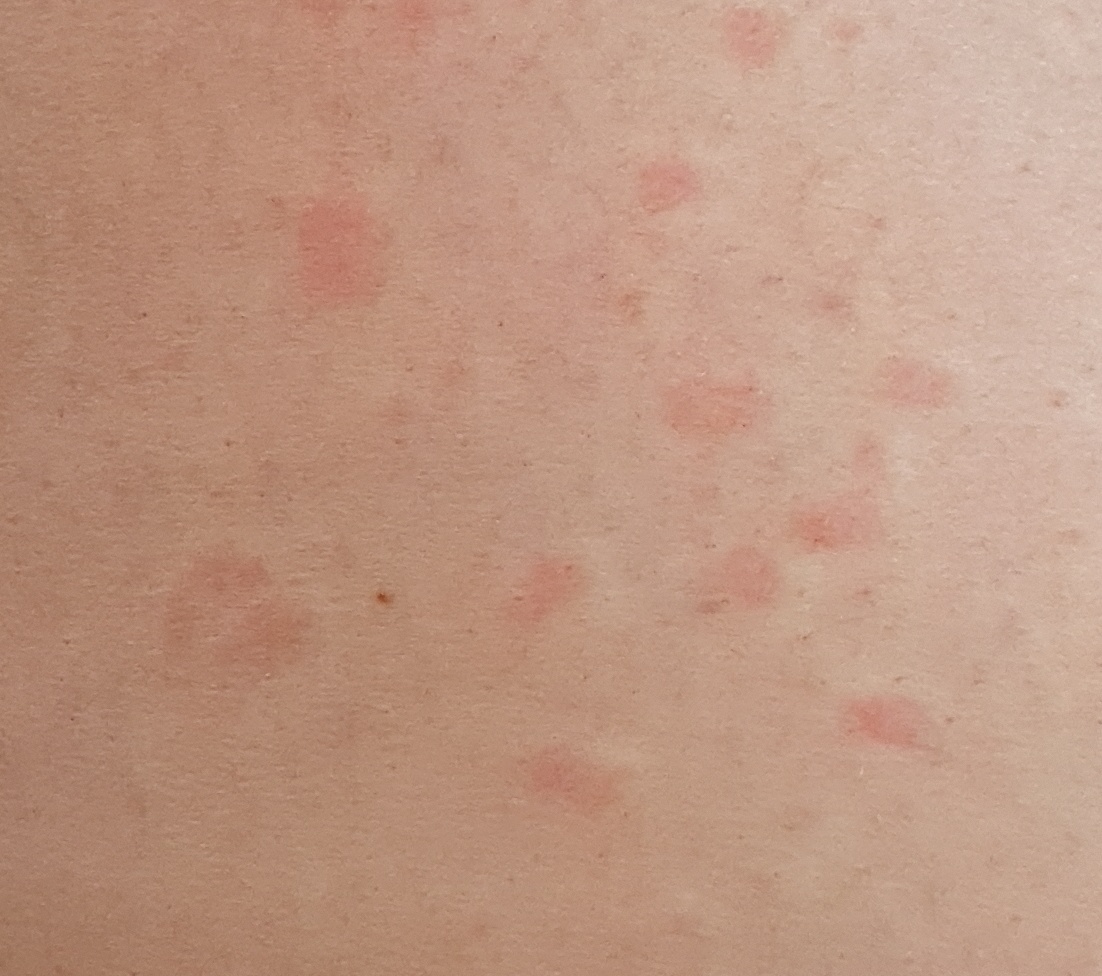
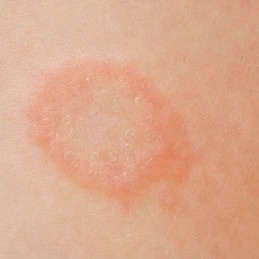
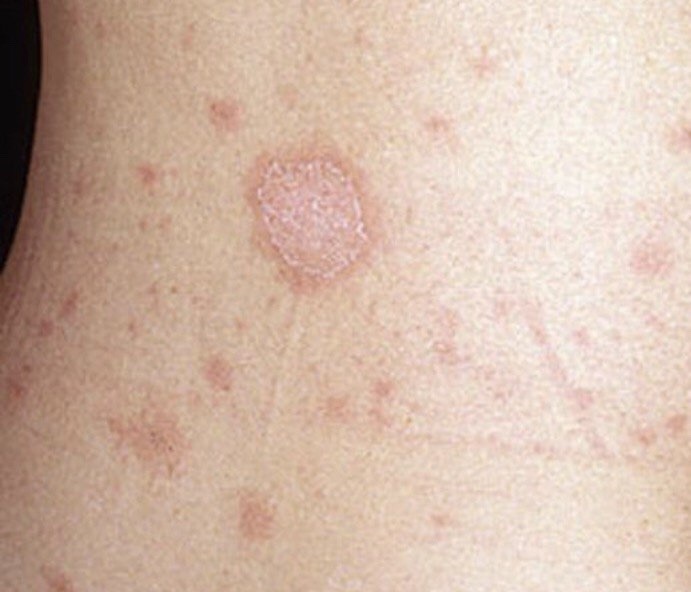
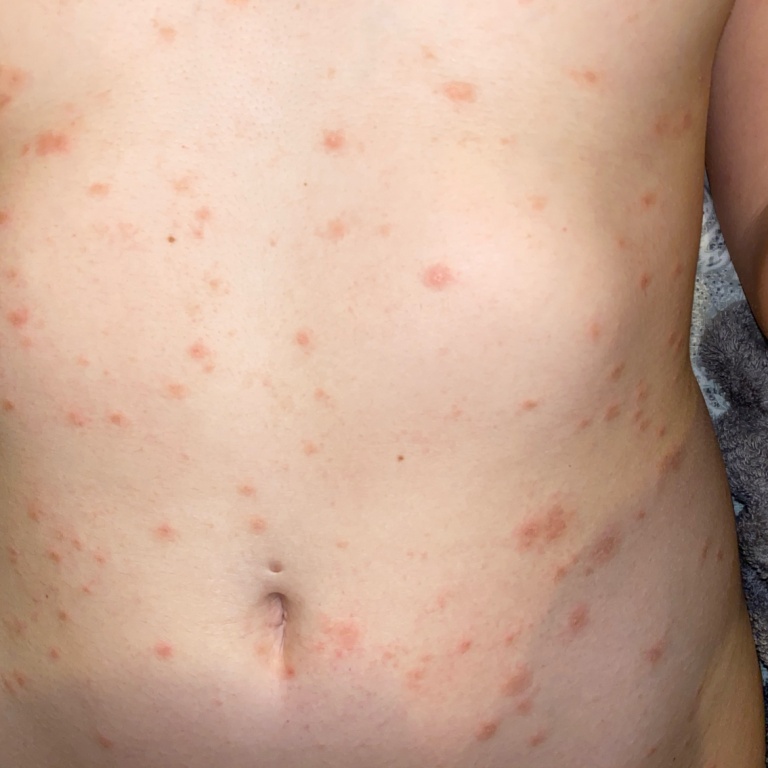
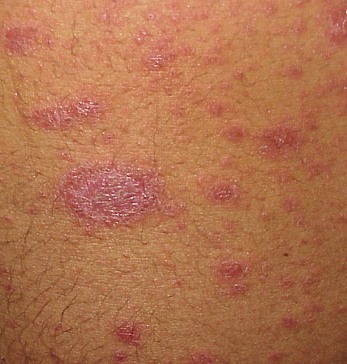
The condition usually starts with a single large pink patch called the “herald patch.” It is round or oval and may show mild scaling.
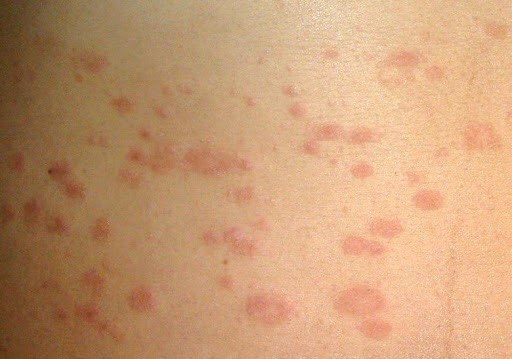
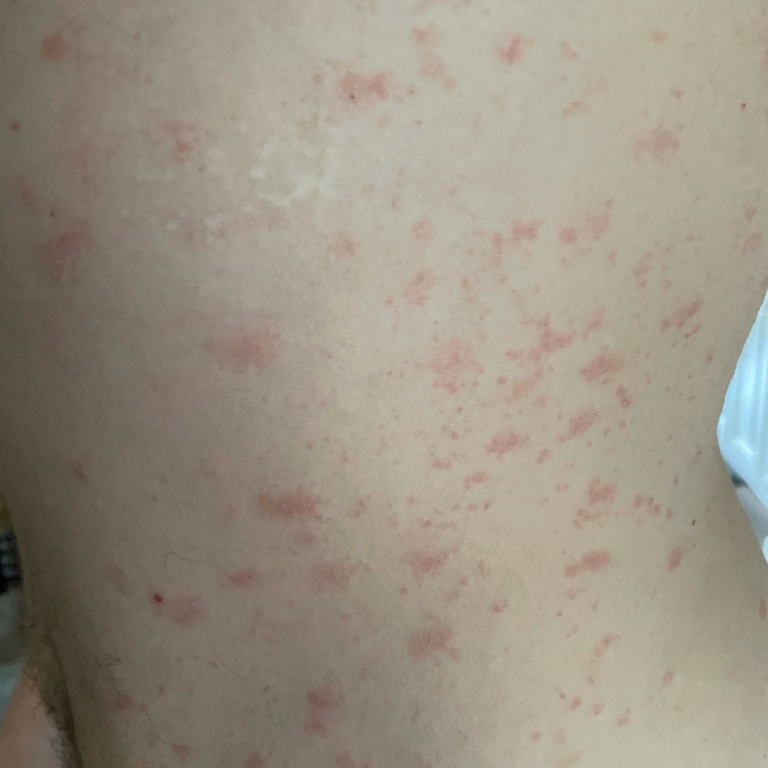
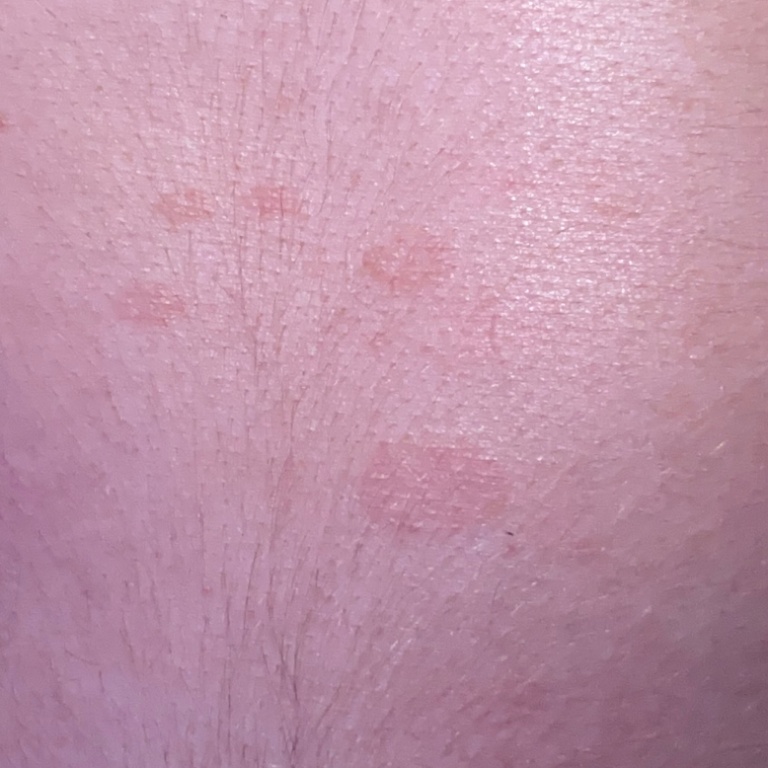
After several days or weeks, smaller oval patches appear, most often on the trunk, shoulders, and thighs.
A characteristic feature is a thin ring-like scale at the edge of the lesions, sometimes described as a “collarette” of scale.
The number, size, and severity of lesions can vary between individuals.
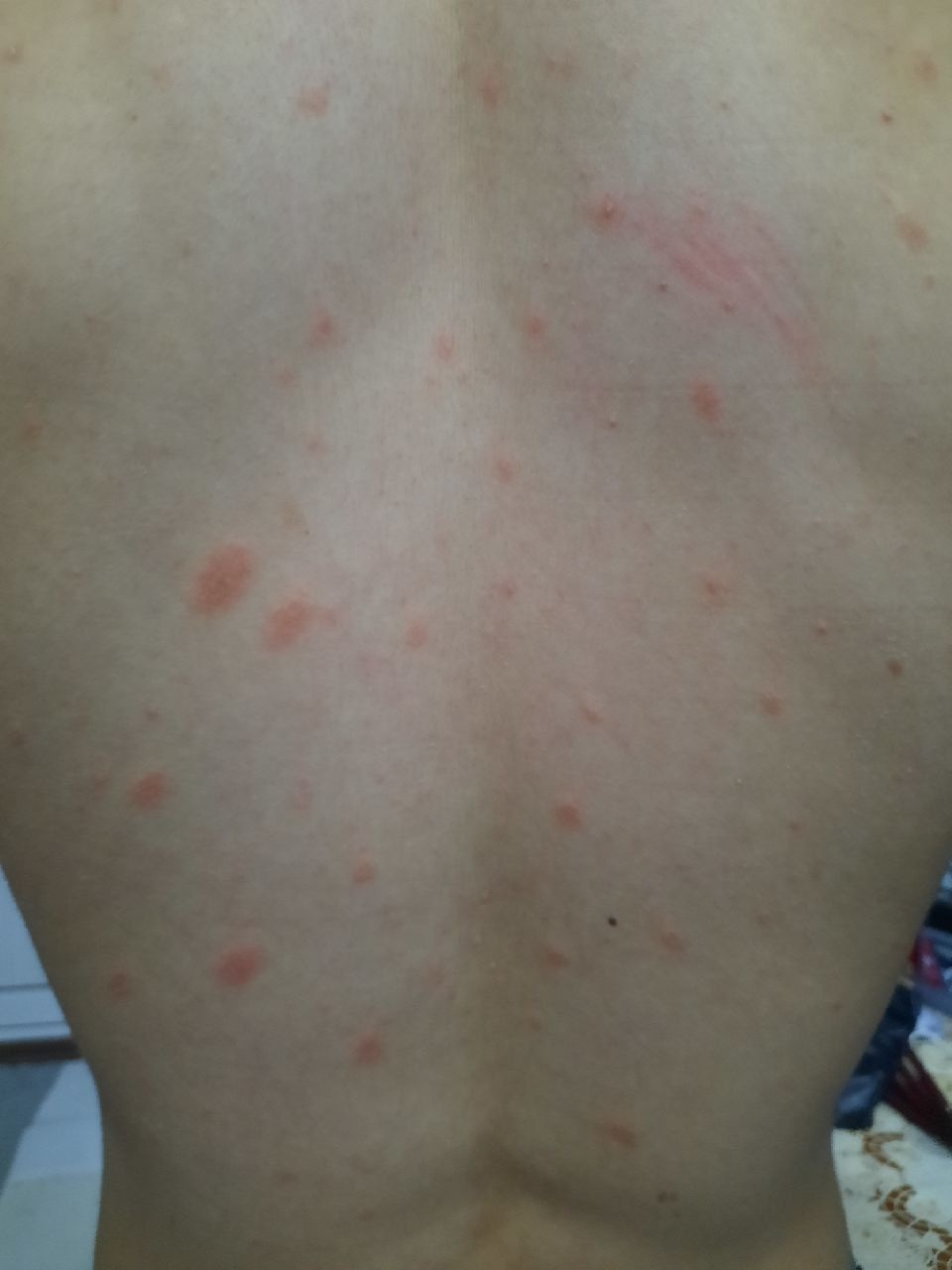
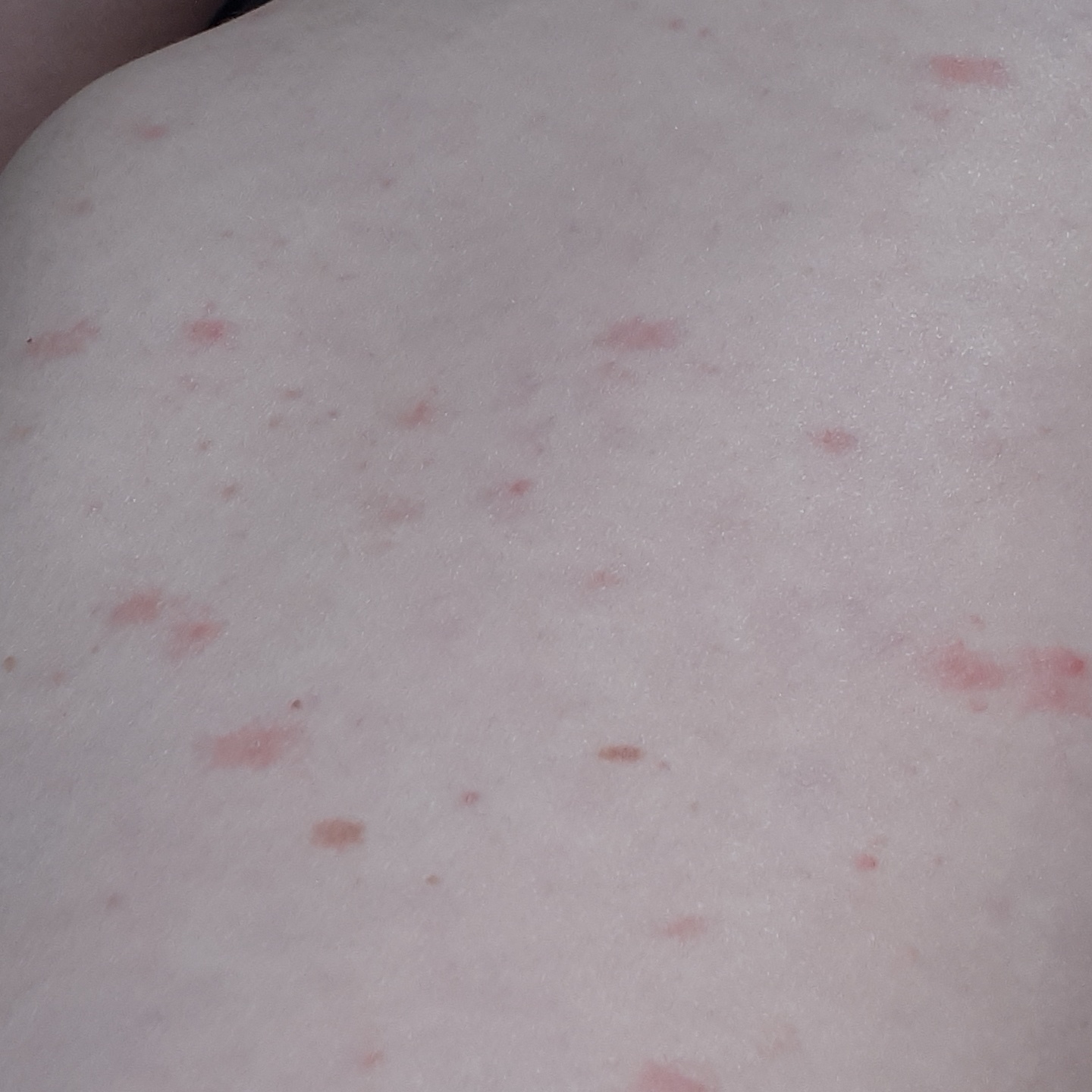
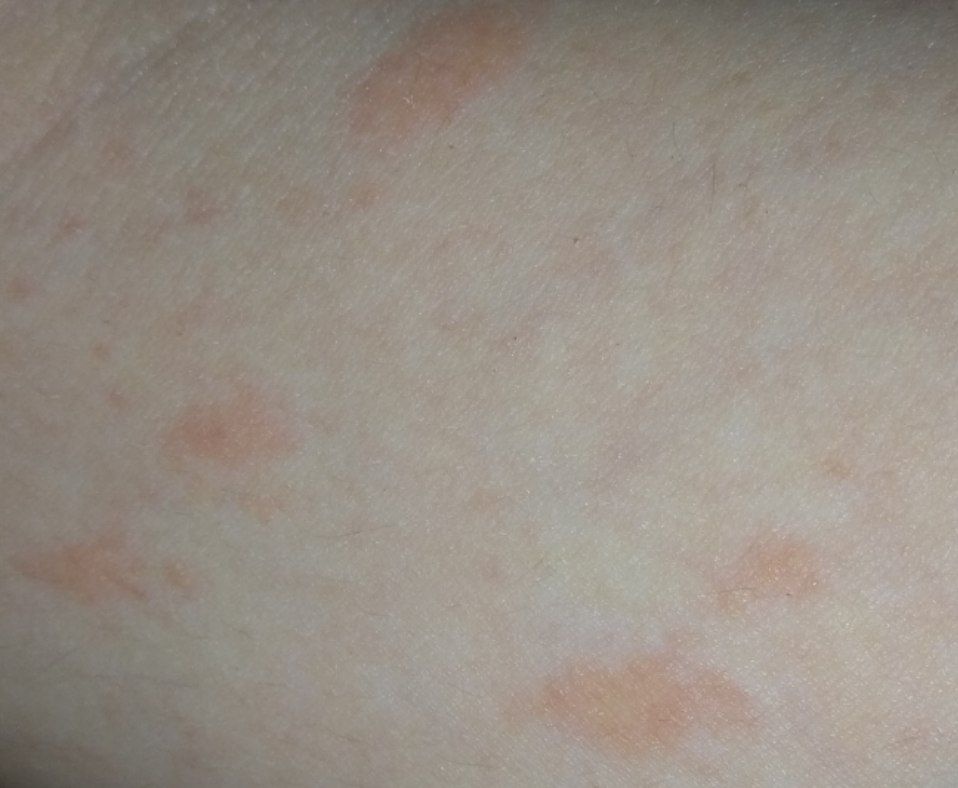
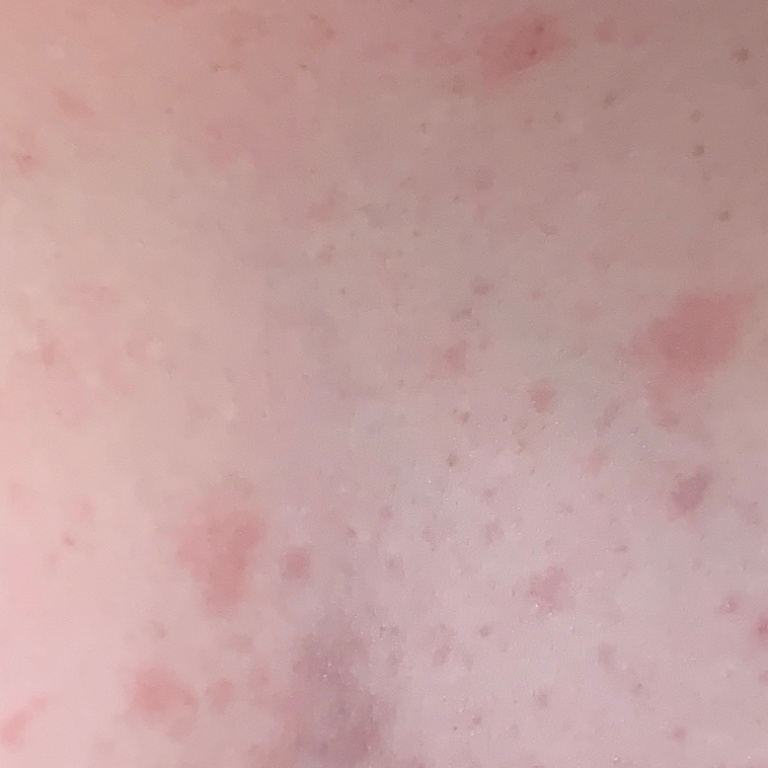
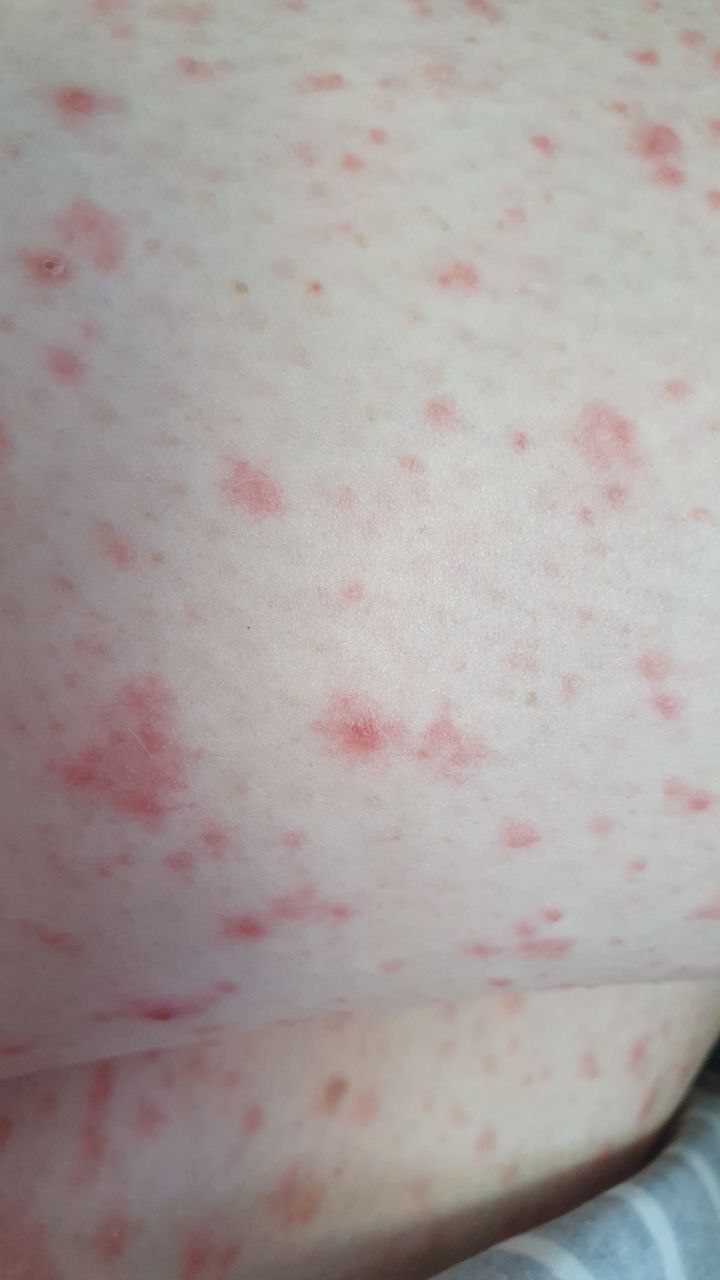
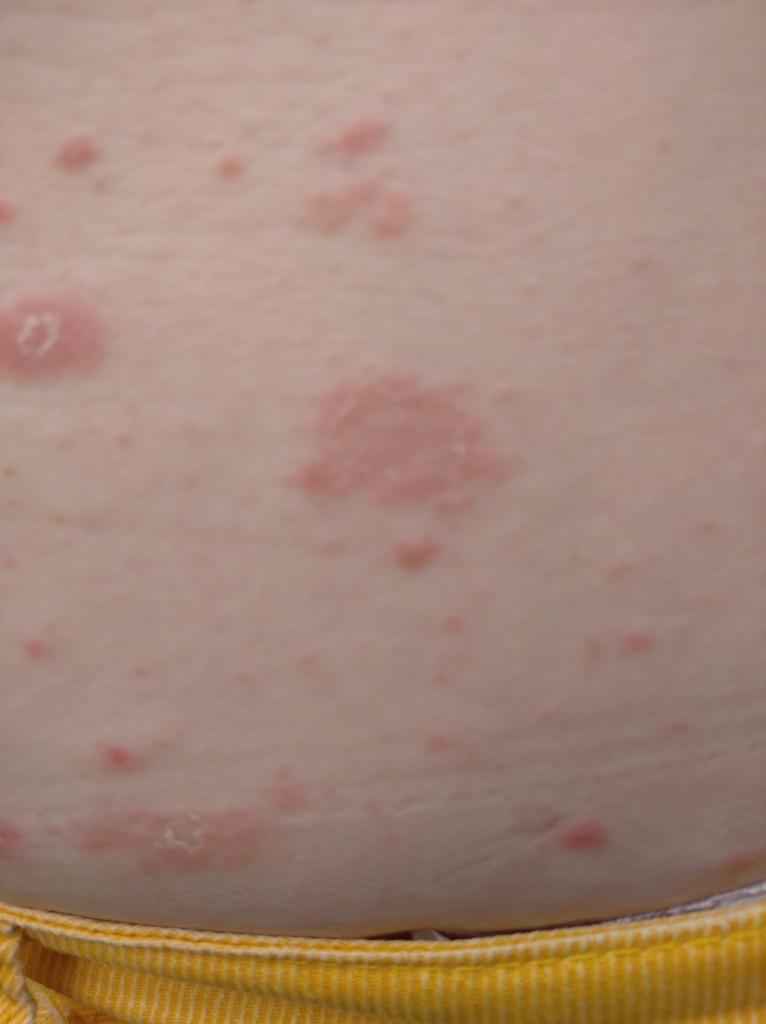
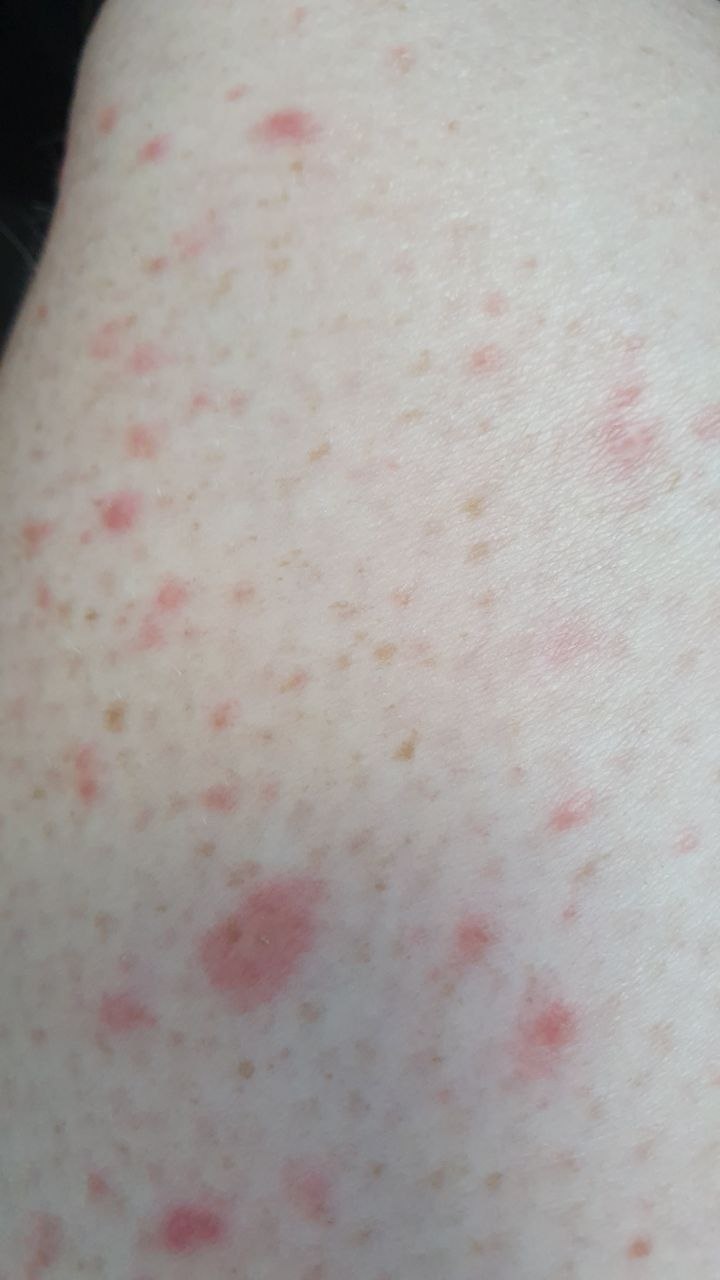
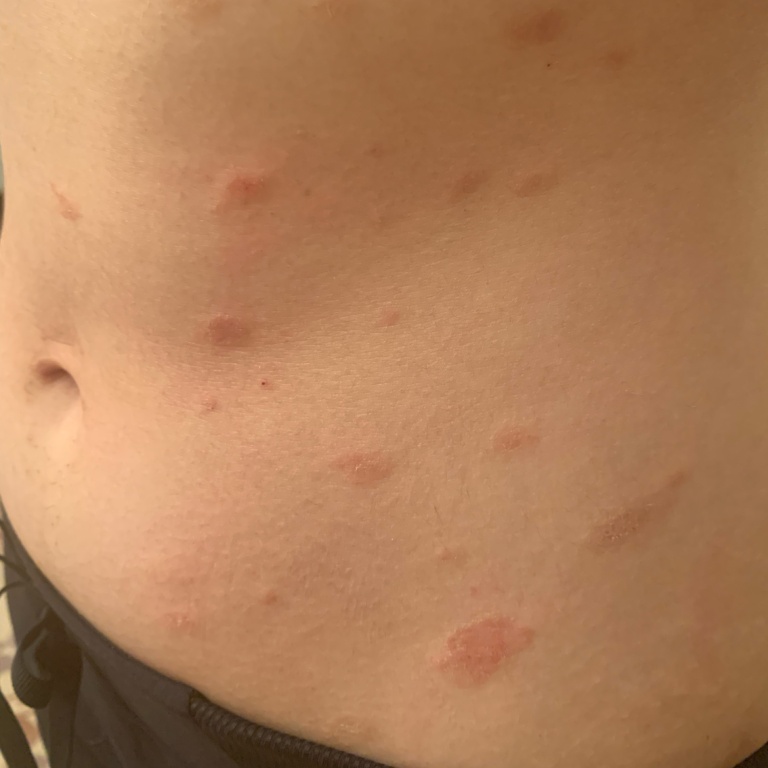
Below in the article you can view real photos to better understand how the condition looks.
Main symptoms
The main symptom is the appearance of pink patches with mild scaling.
Other possible symptoms include:
- moderate itching
- dry skin sensation
- worsening itch with heat, friction, or stress
General health is usually not affected or only minimally impacted.
Causes of the disease
The exact cause of pityriasis rosea is not fully understood.
It is thought to be related to an immune response following a viral infection. In simple terms, the skin temporarily reacts to changes occurring in the body.
Possible triggering factors include:
- recent cold or viral infection
- stress
- reduced immune function
- hormonal changes
- rarely, reaction to certain medications
These are not direct causes but may trigger the condition.
How the disease develops
After a triggering event, the immune system becomes activated and causes an inflammatory reaction in the skin.
This leads to the appearance of characteristic patches and mild scaling. The skin barrier may temporarily become more sensitive to external irritants.
Over time, inflammation gradually resolves, and the skin heals naturally.
Forms and types
Most commonly, the classic form occurs with a herald patch followed by widespread lesions.
Atypical variants exist but are less common and may differ in appearance or distribution.
When to see a doctor
See a dermatologist if:
- the rash spreads quickly or looks unusual
- the rash lasts longer than 8–12 weeks
- there is significant itching or discomfort
- there is uncertainty about the diagnosis
- symptoms worsen or new signs appear
Medical evaluation helps rule out other conditions and provides guidance for skin care.
Treatment
In most cases, no specific treatment is required, as the condition resolves on its own.
The main goal is to reduce discomfort and support skin healing.
If needed, treatments may include anti-itch or anti-inflammatory agents, as well as gentle moisturizers.
Recommended care:
- regular skin hydration
- use of mild cleansing products
- avoidance of heat, hot baths, and skin friction
In rare cases with severe or prolonged symptoms, a doctor may prescribe additional therapies.
Important: all medications should be used only under medical supervision.
Questions and answers
Is pityriasis rosea contagious?
No, it is not contagious and poses no risk to others.
Does it need treatment?
In most cases it resolves on its own. Treatment is only needed to relieve itching and discomfort.
How is it treated?
Usually with skincare measures and symptom relief. Specific recommendations are provided by a doctor.
Can I shower with pityriasis rosea?
Yes, but avoid hot water and harsh products that may irritate the skin.
Will it leave marks?
In most cases, the skin fully recovers without scars or lasting marks.
Can I sunbathe?
Moderate sun exposure may sometimes help, but overheating and sunburn should be avoided.
Why does it start with one patch?
This is typical — the “herald patch” appears first, followed by other lesions.
Can it come back?
Recurrences are possible but uncommon.
Check Your Skin Instantly
Use Dermatology scanner app – Skinive AI to take a photo of a skin lesion and get an AI-based risk assessment. It helps determine whether professional consultation is recommended, giving you fast guidance and peace of mind.
Sources
- Clinical dermatology guidelines
- American Academy of Dermatology (AAD)
- European Academy of Dermatology and Venereology (EADV)
- World Health Organization (WHO)
🇬🇧 Pityriasis Rosea: Diagnosis and Treatment in the UK
If you notice papulosquamous disorders—conditions that cause raised red bumps and scaling on the skin, such as psoriasis or lichen planus—it’s important to get a professional opinion. In the UK, you can access dermatology care via the NHS, private clinics, or online dermatology consultations.
👉 How to See a Dermatologist in the UK NHS – This main guide explains how NHS referrals work, what to expect from specialist dermatology services, and how to choose between public and private care.
Dermatologists in Major UK Cities:
- Dermatologist in London
- Dermatologist in Manchester
- Dermatologist in Liverpool
- Dermatologist in Birmingham
- Dermatologist in Leeds
- Dermatologists in Other UK cities
Online Dermatology
If you prefer remote care or faster access, try online dermatology consultations. They allow dermatologists to review images, provide advice, and guide next steps without visiting a clinic. Read more in this article: Online Dermatologists in UK.
🇦🇺 Pityriasis Rosea: Diagnosis and Treatment in Australia
If you notice papulosquamous disorders—conditions that cause raised red bumps and scaling on the skin, such as psoriasis or lichen planus, it’s important to get a professional opinion. In Australia, dermatology care is available via Medicare (public system), private clinics, or online consultations.
👉 How to See a Dermatologist in Australia – This main guide explains how referrals work through GPs and public clinics, what to expect from specialist dermatology services, and how to choose between public and private care.
Dermatologists in Major Australian Cities:
- Dermatologist in Sydney
- Dermatologist in Melbourne
- Dermatologist in Brisbane
- Dermatologist in Perth
- Dermatologist in Adelaide
- Dermatologists in other Australian cities
Online Dermatology
For faster access or remote care, online dermatology consultations allow dermatologists to review images, provide advice, and guide next steps without visiting a clinic. Read more in this article: Online Dermatologists in Australia.
Images of pityriasis rosea:




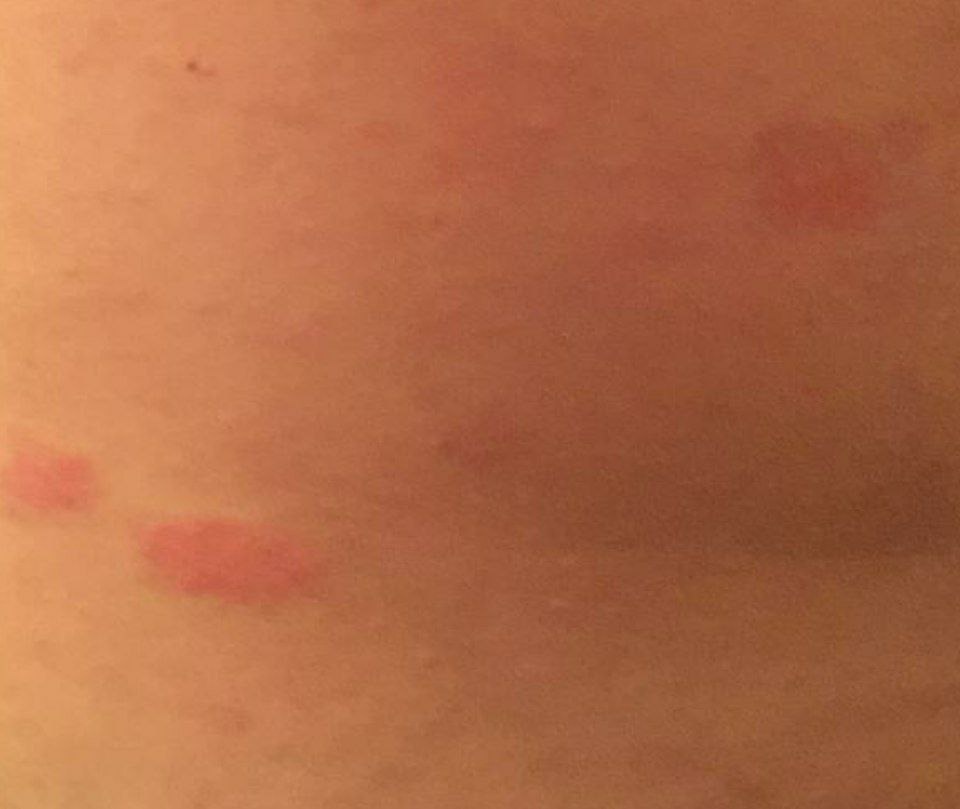
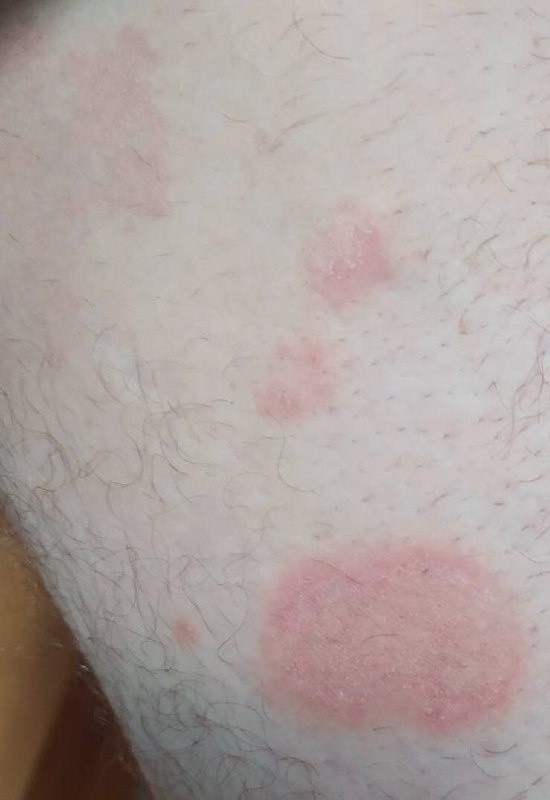
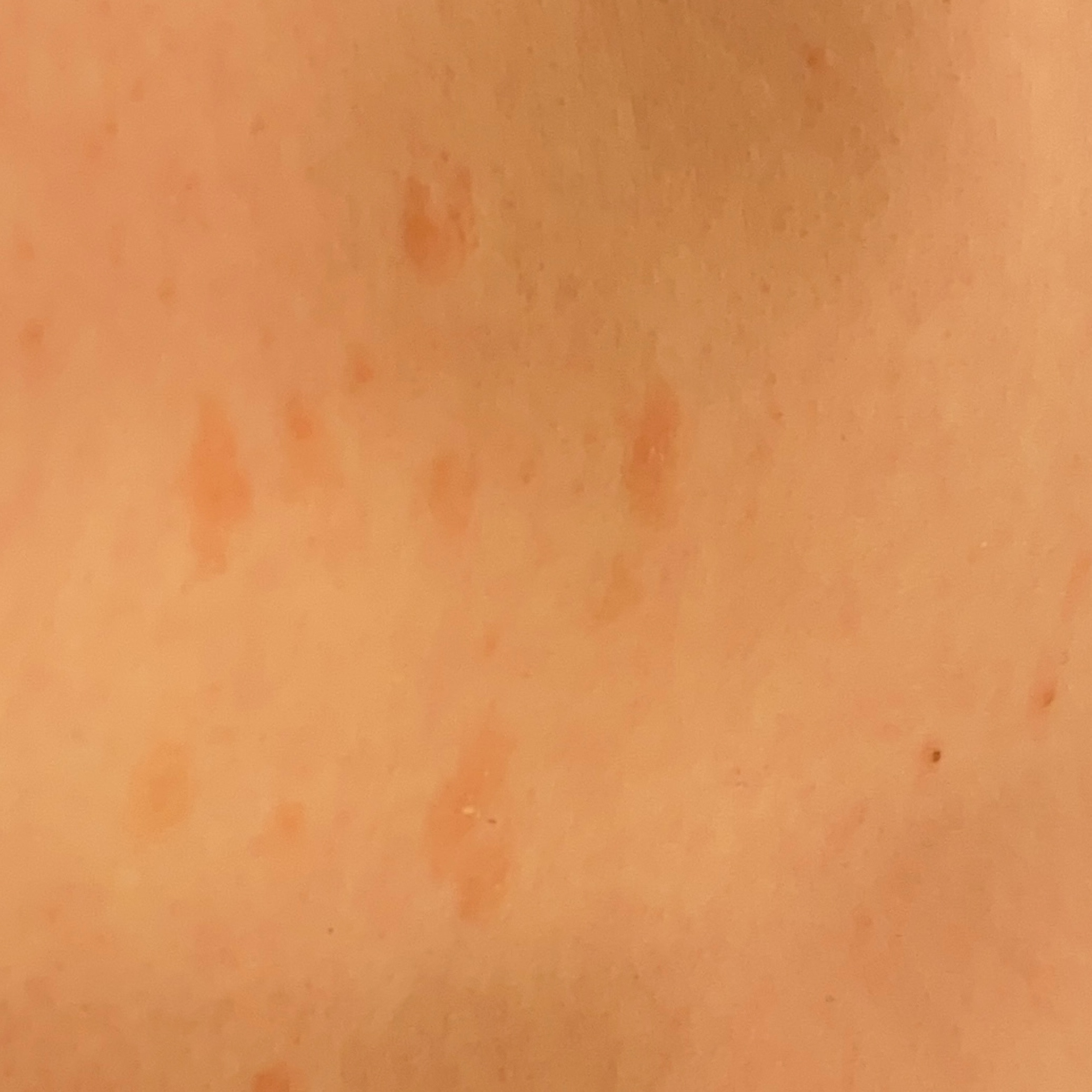
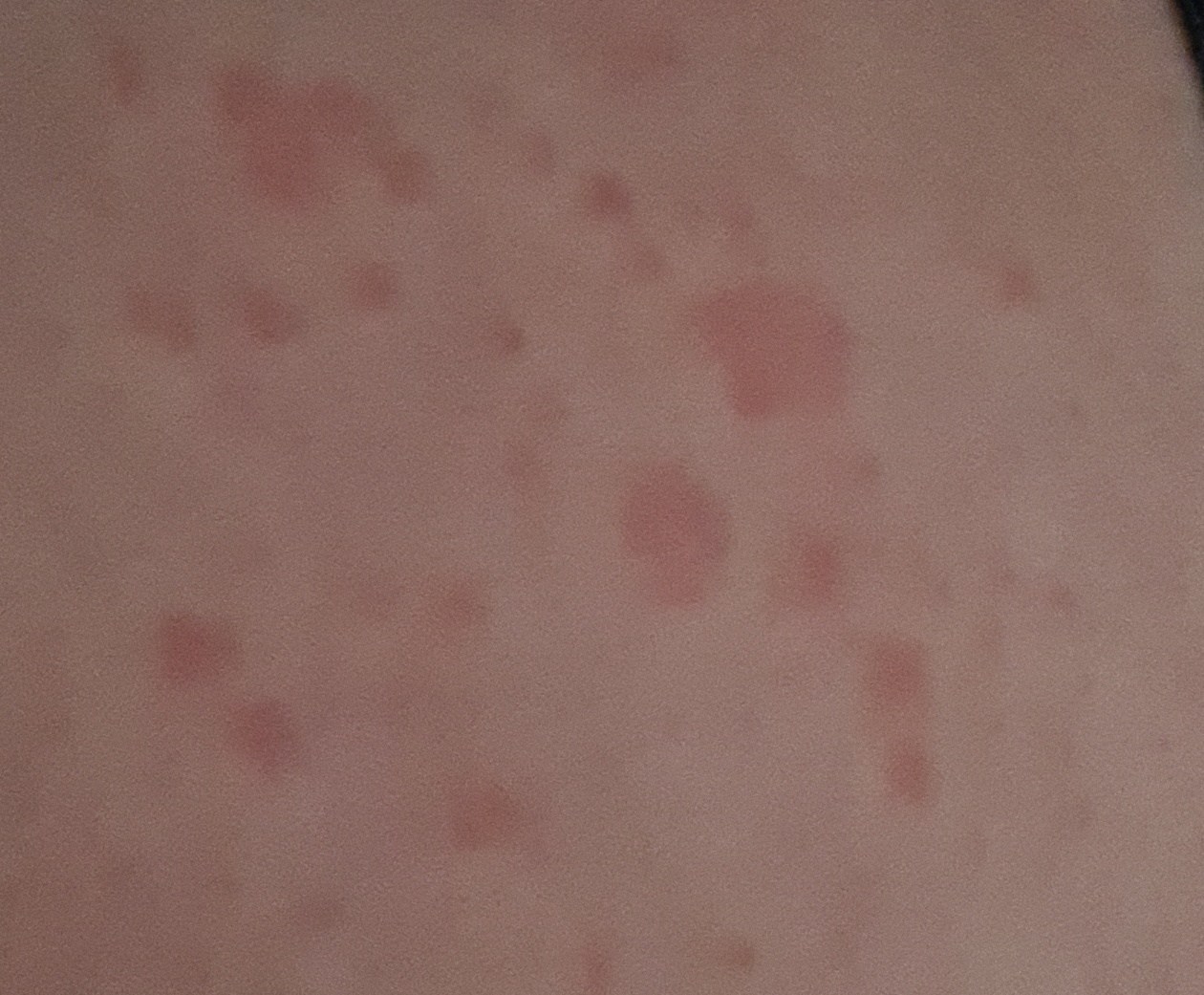
** Should you identify any copyright infringement regarding the images on this page, kindly reach out to us at info@skinive.com.
Furthermore, please be advised that these photos are not authorized for any purpose.