
Chickenpox (varicella) is a highly contagious viral disease that most commonly affects children. It presents with fever, fatigue, and a characteristic itchy rash with fluid-filled blisters on the skin.
In most healthy children, the illness is mild and resolves on its own. However, in adults, infants, and people with weakened immune systems, the course can be more severe.
The disease is contagious: the virus spreads through airborne droplets (coughing and sneezing) and through direct contact with fluid from skin blisters.
What to do if you suspect it
If fever, weakness, and a characteristic itchy rash appear, it is important not to delay action.
The first step is to see a physician, pediatrician, or infectious disease specialist. The doctor will confirm the diagnosis and assess the risk of complications.
Until medical evaluation, limit contact with others, especially pregnant women, newborns, and immunocompromised individuals.
It is important not to scratch the rash or attempt to treat the blisters with harsh or aggressive products. This may lead to skin infection and slower healing.
Timely medical care helps monitor the course of the disease and detect possible complications early.
How the condition looks
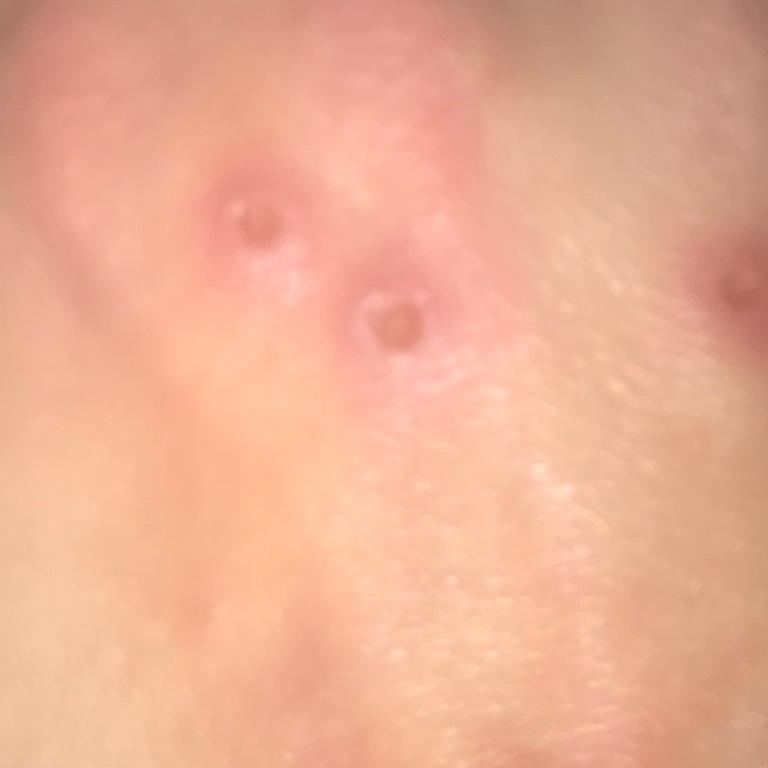
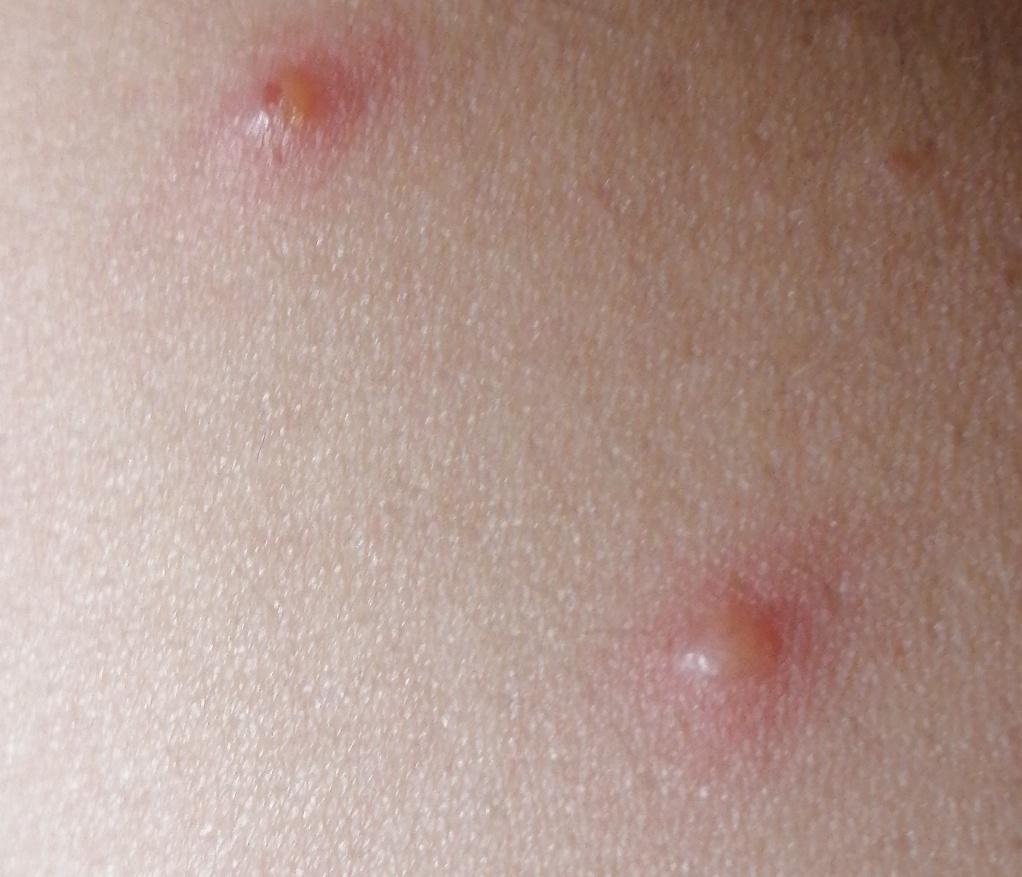
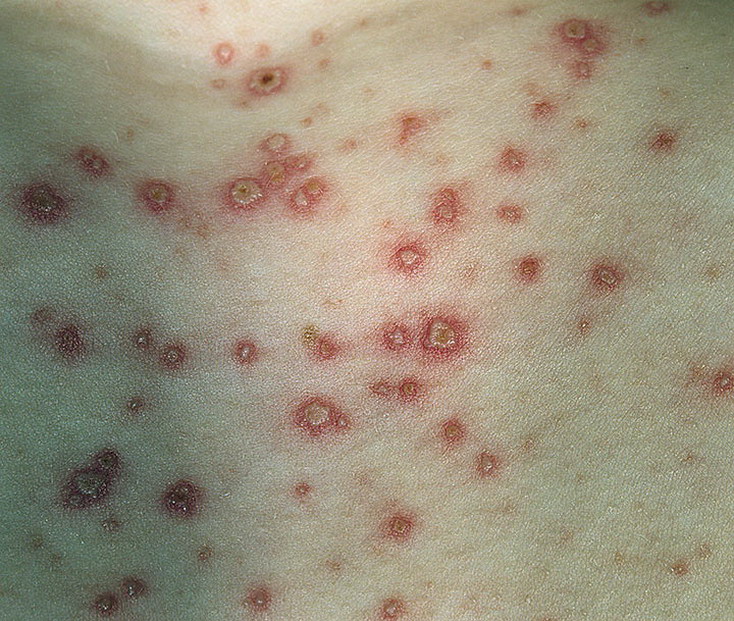
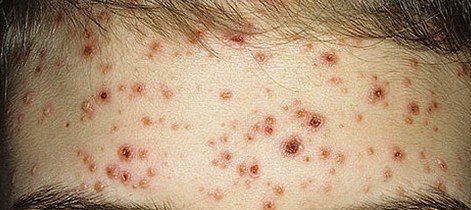
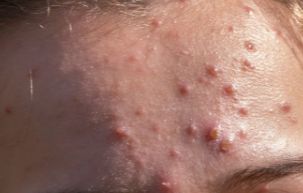
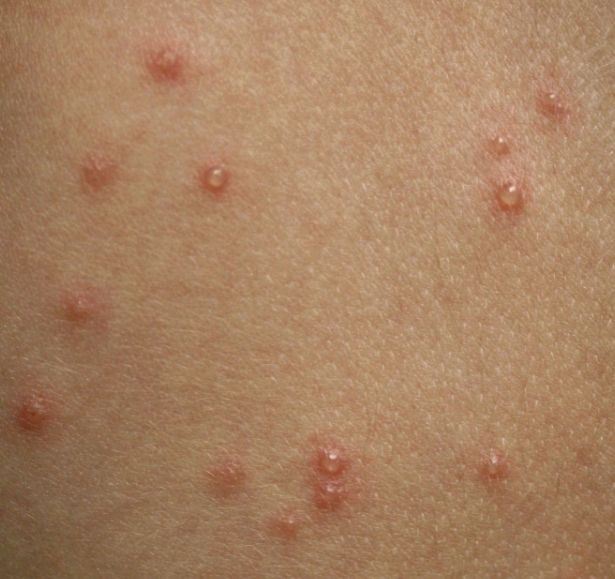
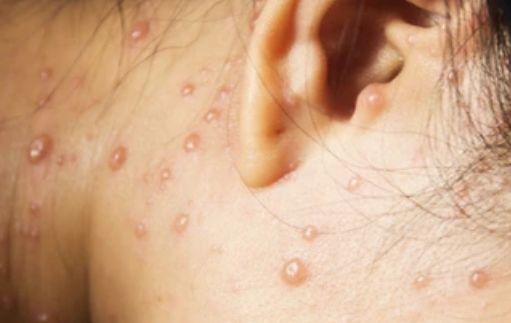
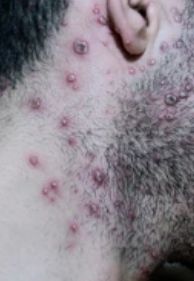
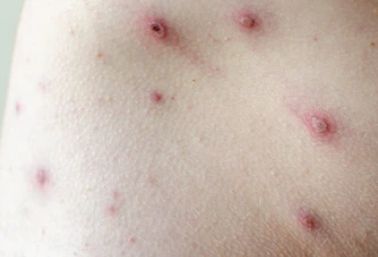
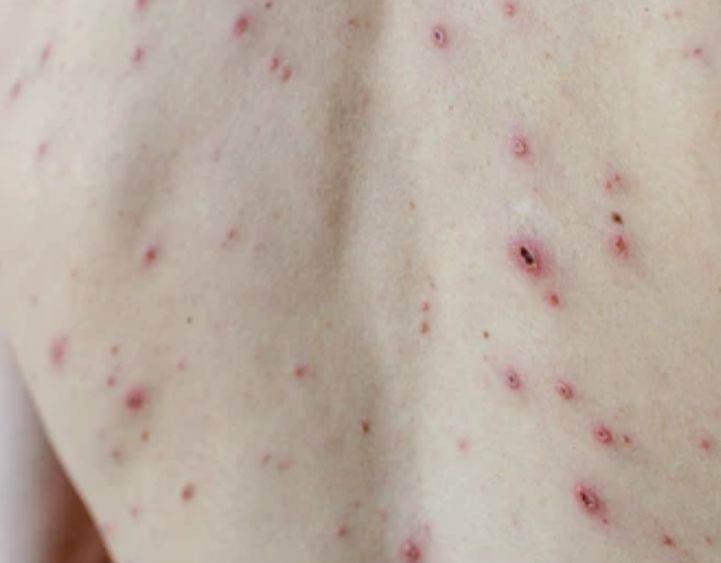
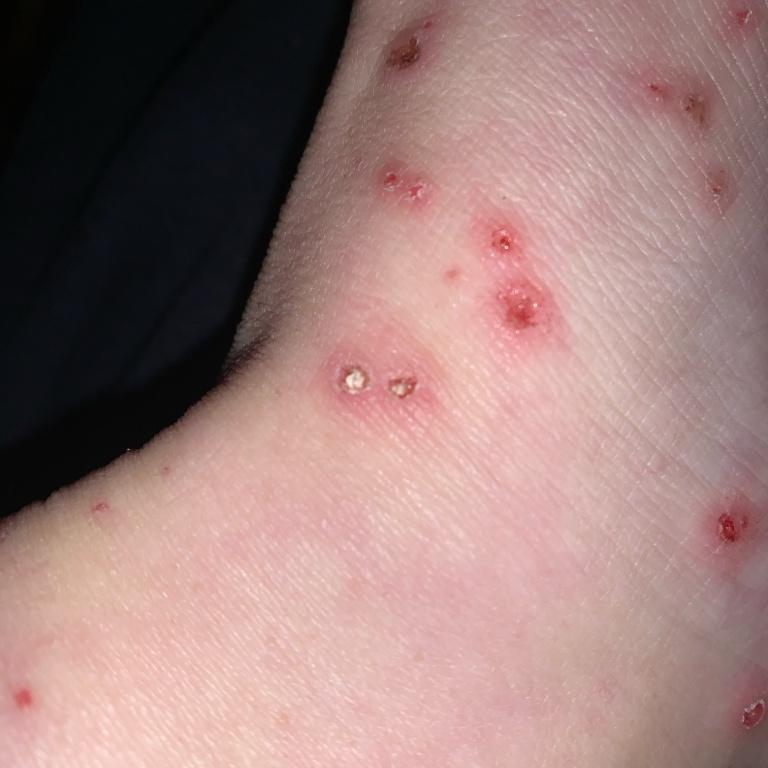
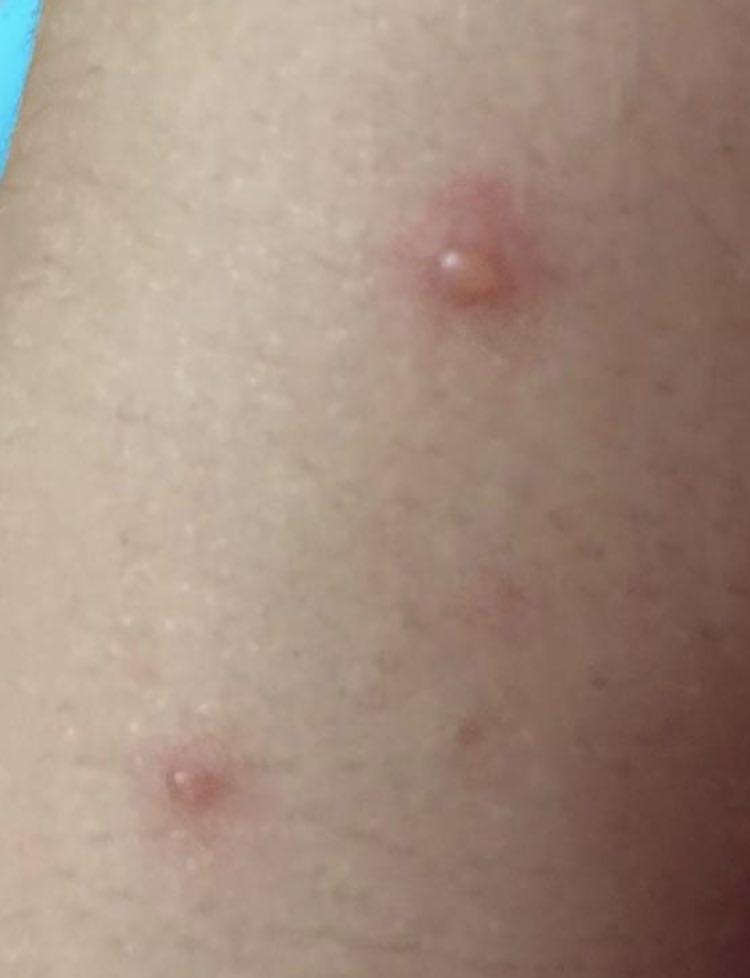
The chickenpox rash progresses through several stages. It begins as small red spots, which then turn into fluid-filled blisters.
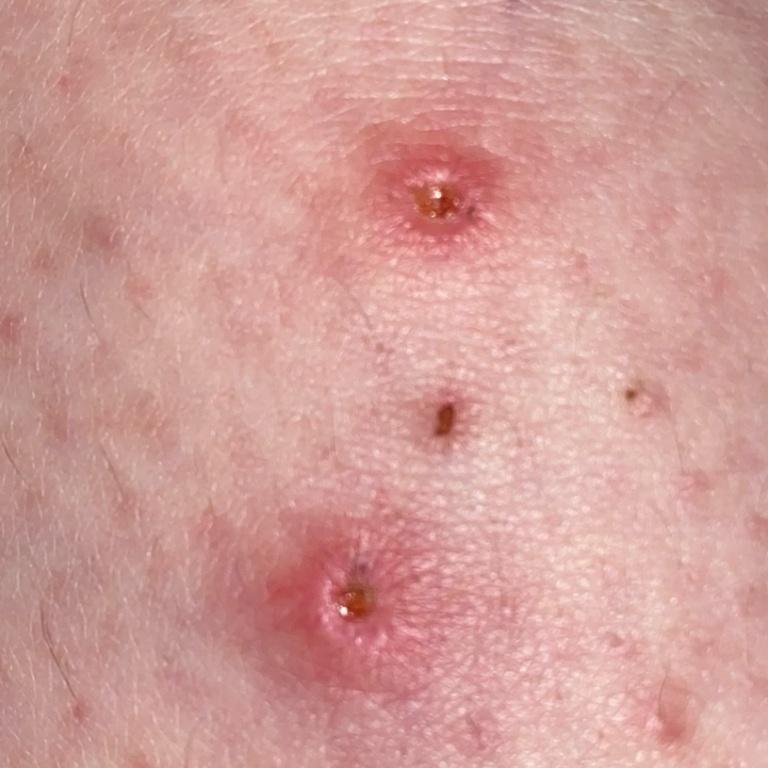
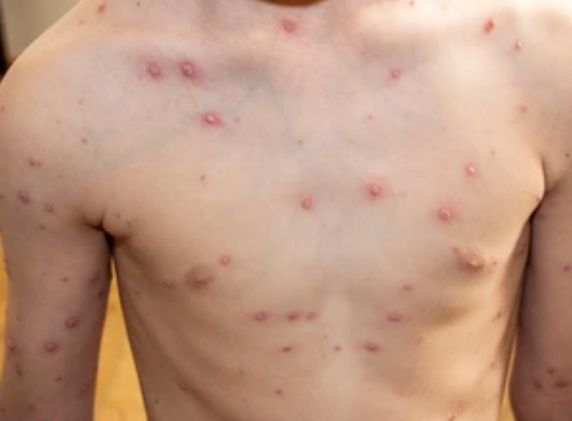
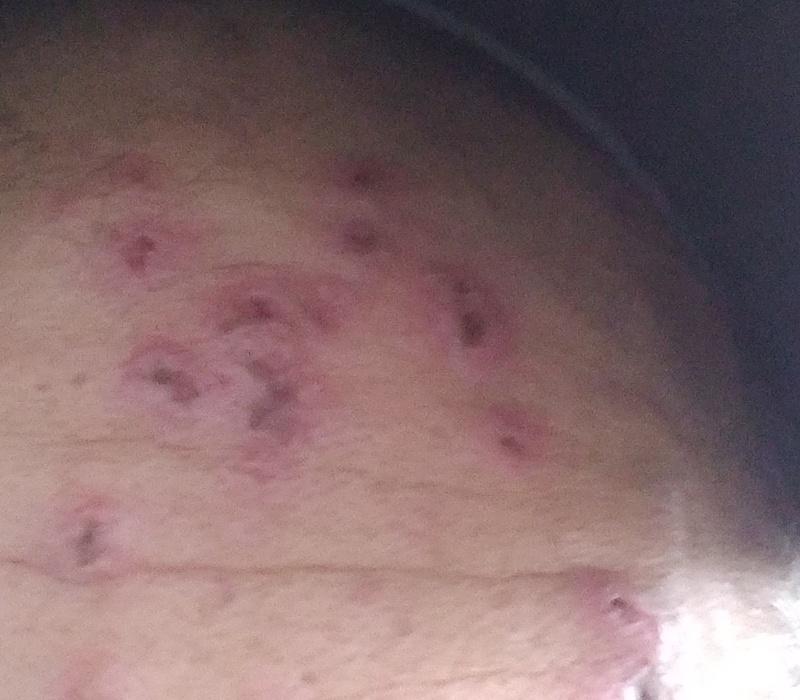
After a few days, the blisters dry out and form crusts. At the same time, different types of lesions may be present on the skin—spots, blisters, and scabs simultaneously.
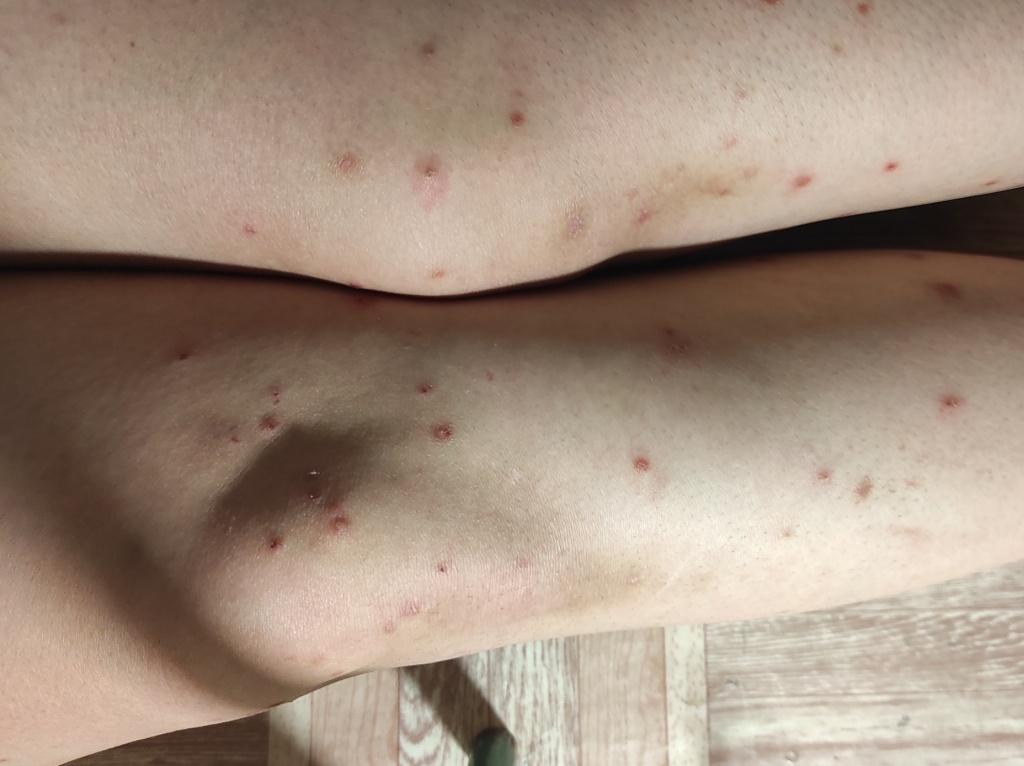
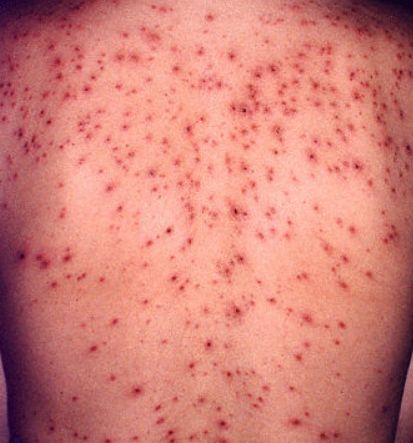
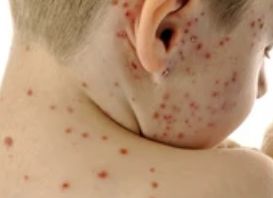
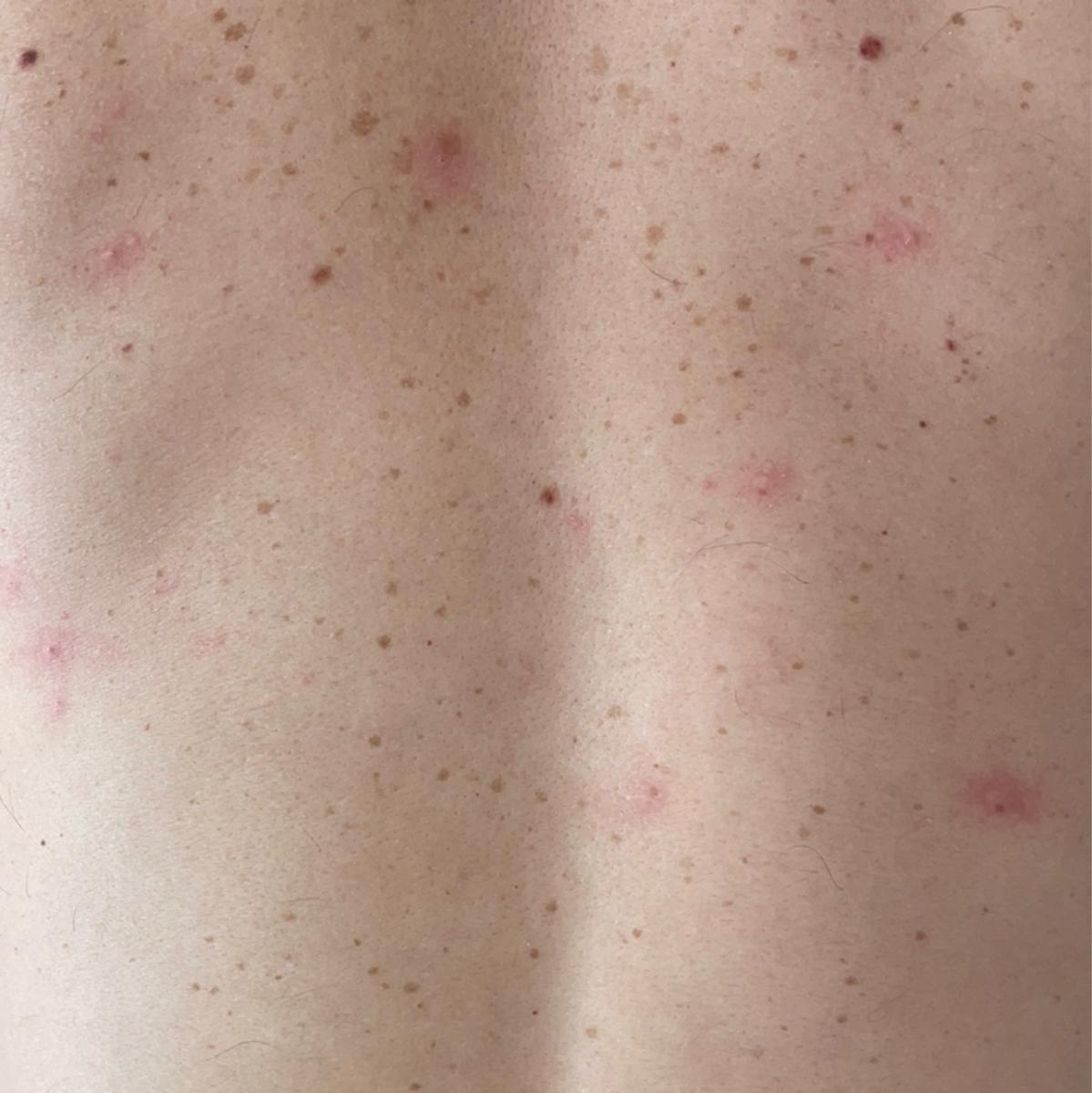
The rash usually starts on the chest or back and then spreads to the face, scalp, arms, and legs. Lesions can also appear on mucous membranes, such as inside the mouth or genital area.
The number of lesions varies widely—from a few to several hundred.
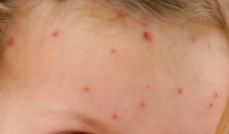
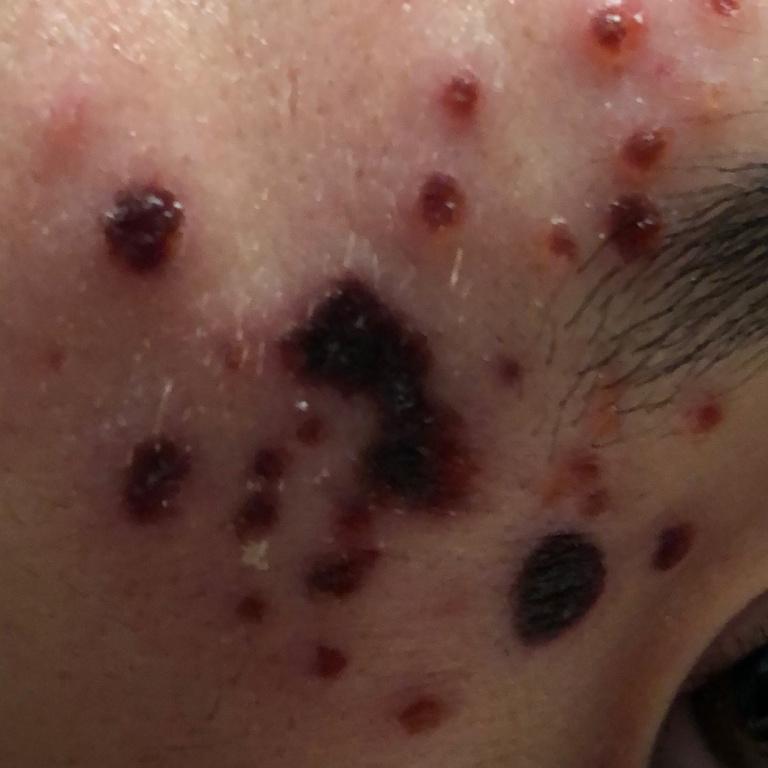
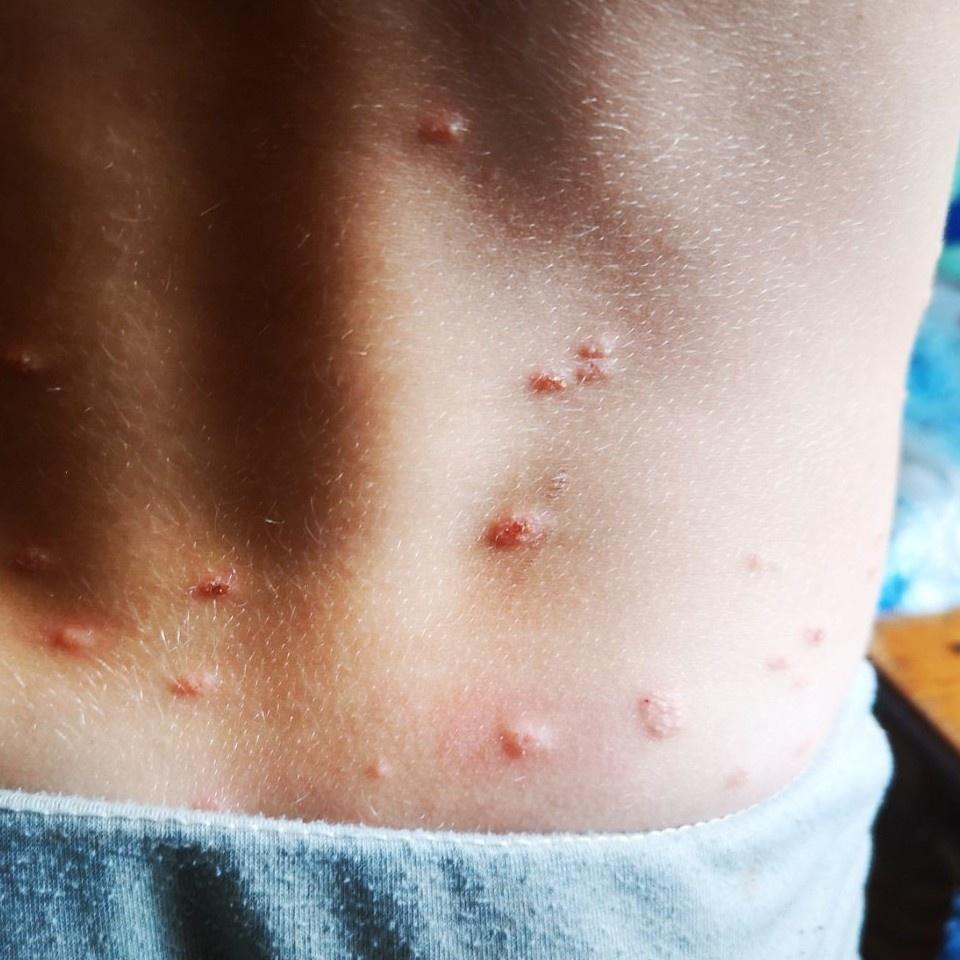
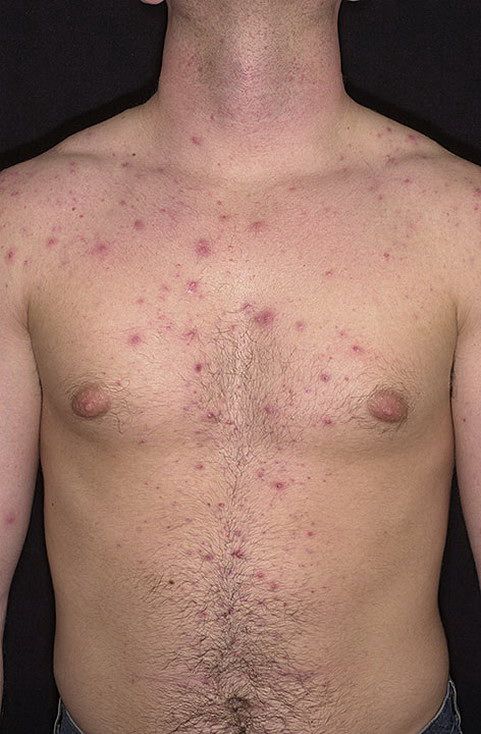
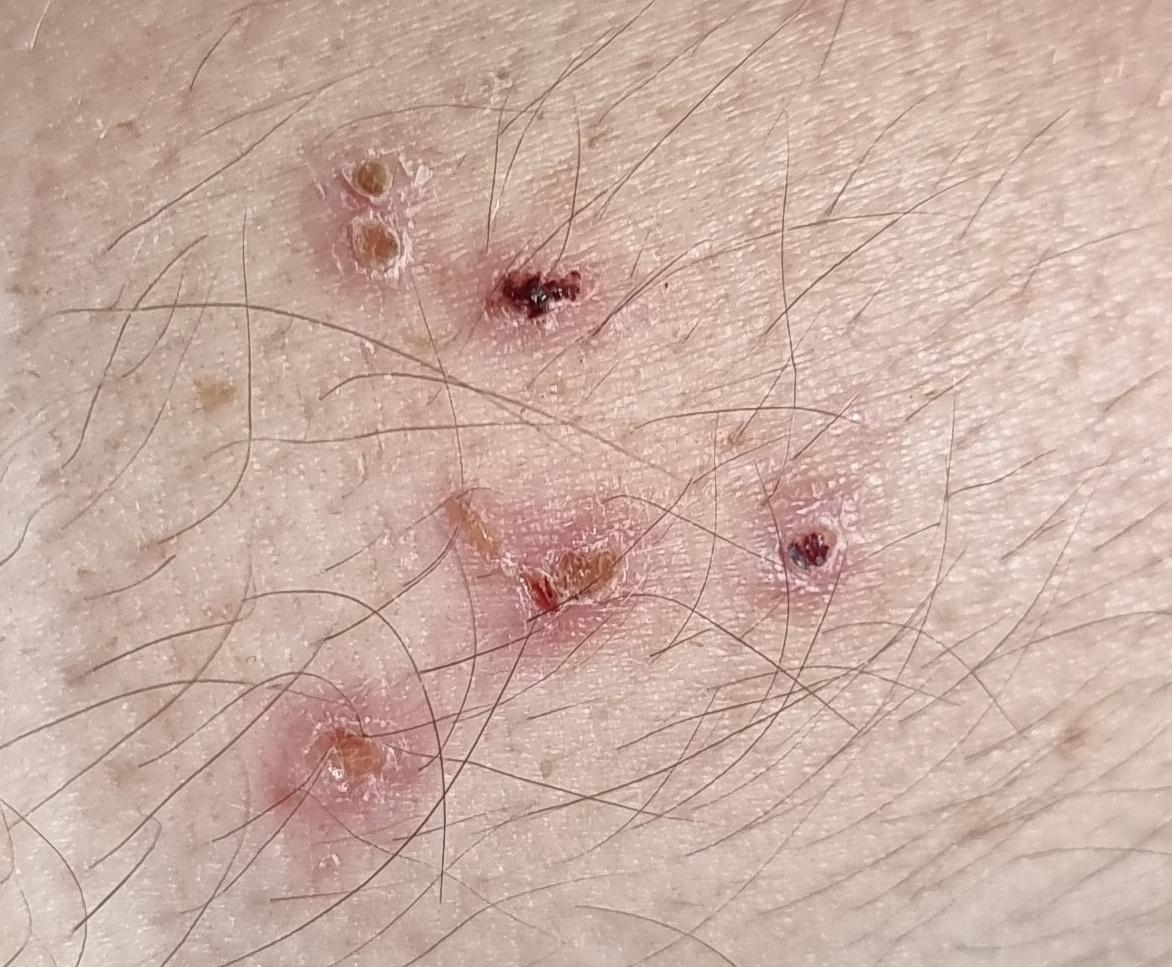
Below in the article you can view real photos to better understand how the condition looks.
Main symptoms
The illness typically begins with general signs of infection.
Common symptoms include:
- fever
- weakness and fatigue
- loss of appetite
- general malaise
Shortly after, a characteristic itchy rash appears. The itching can be intense and very uncomfortable.
Causes of the condition
Chickenpox is caused by the varicella-zoster virus.
It belongs to the herpesvirus family and spreads easily from person to person. Transmission occurs through:
- coughing and sneezing
- close contact with an infected person
- fluid from skin blisters
After infection, long-lasting immunity usually develops. However, the virus remains in the body and can later reactivate as shingles (herpes zoster).
How the condition develops
After entering the body, the virus first replicates in the respiratory tract and then spreads through the bloodstream.
This causes systemic symptoms such as fatigue and fever. The virus then affects the skin, leading to the characteristic rash.
The immune system gradually suppresses the virus, and the lesions heal. Full recovery usually occurs within 7–10 days after the rash appears.
Forms and types
The most common form is typical chickenpox with a classic rash.
Disease severity can vary—from mild cases with few lesions to more severe forms with high fever and widespread rash.
When to see a doctor
Seek medical attention if:
- fever is prolonged or very high
- severe weakness or worsening condition occurs
- rash becomes painful, infected, or highly inflamed
- respiratory or neurological symptoms appear
- the disease occurs in an adult, pregnant woman, or immunocompromised person
Even in mild cases, medical consultation is recommended to confirm the diagnosis.
Treatment
In most cases, treatment focuses on symptom relief and supportive care.
Approaches include skin care and itch reduction using soothing topical treatments.
Fever can be treated with antipyretics, and pain relief may be used if needed.
Rest, adequate hydration, and light nutrition help the body recover faster.
In some cases—especially high-risk patients—antiviral medications may be prescribed if started early.
Treatment is always individualized based on age and condition.
Q&A
Can chickenpox be fully cured?
Yes, it usually resolves on its own, and immunity develops. However, the virus remains in the body and may reactivate later.
How contagious is chickenpox?
It is one of the most contagious childhood diseases and can spread even after brief contact.
Are antiviral drugs always needed?
No, they are usually not required in children and are prescribed only in high-risk cases.
How long does chickenpox last?
Symptoms typically resolve within 7–10 days after the rash appears.
When is a person no longer contagious?
Usually after all lesions have crusted over.
Can you bathe with chickenpox?
Yes, but hygiene should be gentle, without rubbing the skin.
Is chickenpox dangerous for adults?
Yes, it is often more severe in adults and requires closer monitoring.
Can it be prevented?
Yes, vaccination significantly reduces the risk of infection and severe disease.
Check Your Skin Instantly
Use the Skin Scanner app – Skinive AI to take a photo of a skin lesion and get an AI-based risk assessment. It helps determine whether professional consultation is recommended, giving you fast guidance and peace of mind.
Medical sources
- World Health Organization (WHO) — Varicella (Chickenpox)
- Centers for Disease Control and Prevention (CDC) — Chickenpox (Varicella)
- American Academy of Pediatrics (AAP) — Varicella Guidelines
- National Health Service (NHS) — Chickenpox (Varicella)
🇬🇧 Chickenpox: Diagnosis and Care in the UK
If you notice chickenpox (red itchy blisters, fever, or rash), it’s important to get a professional opinion. In the UK, you can access dermatology care via the NHS, private clinics, or online dermatology consultations.
👉 How to See a Dermatologist in the UK NHS – This main guide explains how NHS referrals work, what to expect from specialist dermatology services, and how to choose between public and private care.
Dermatologists in Major UK Cities:
- Dermatologist in London
- Dermatologist in Manchester
- Dermatologist in Liverpool
- Dermatologist in Birmingham
- Dermatologist in Leeds
- Dermatologists in Other UK cities
Online Dermatology
If you prefer remote care or faster access, try online dermatology consultations. They allow dermatologists to review images, provide advice, and guide next steps without visiting a clinic. Read more in this article: Online Dermatologists in UK.
🇦🇺 Chickenpox: Diagnosis and Care in Australia
If you notice chickenpox (red itchy blisters, fever, or rash), it’s important to get a professional opinion. In Australia, dermatology care is available via Medicare (public system), private clinics, or online consultations.
👉 How to See a Dermatologist in Australia – This main guide explains how referrals work through GPs and public clinics, what to expect from specialist dermatology services, and how to choose between public and private care.
Dermatologists in Major Australian Cities:
- Dermatologist in Sydney
- Dermatologist in Melbourne
- Dermatologist in Brisbane
- Dermatologist in Perth
- Dermatologist in Adelaide
- Dermatologists in other Australian cities
Online Dermatology
For faster access or remote care, online dermatology consultations allow dermatologists to review images, provide advice, and guide next steps without visiting a clinic. Read more in this article: Online Dermatologists in Australia.
Images of chickenpox:




** Should you identify any copyright infringement regarding the images on this page, kindly reach out to us at info@skinive.com.
Furthermore, please be advised that these photos are not authorized for any purpose.