
Dermatitis is an inflammation of the skin that occurs in response to external factors such as chemicals, water, friction, or allergens. It can be acute (sudden onset) or chronic (long-lasting with periods of flare-ups).
This is a very common condition: many people experience it at some point in their lives. In most cases, dermatitis is not dangerous, but it can cause significant discomfort such as itching, irritation, and dry skin.
Dermatitis is not always contagious. Most often, it is related to skin irritation or individual sensitivity.
What to do if suspected
If you notice redness, itching, or skin irritation, it is important to pay attention and not delay action.
The first step is to consult a dermatologist. The specialist will help determine the cause of inflammation and distinguish dermatitis from other skin conditions.
Additionally:
- recall what the skin has been in contact with (detergents, cosmetics, metals, chemicals)
- if possible, stop exposure to the suspected irritant
- avoid scratching to prevent worsening inflammation
Do not ignore symptoms. Without removing the trigger, dermatitis may persist or become chronic.
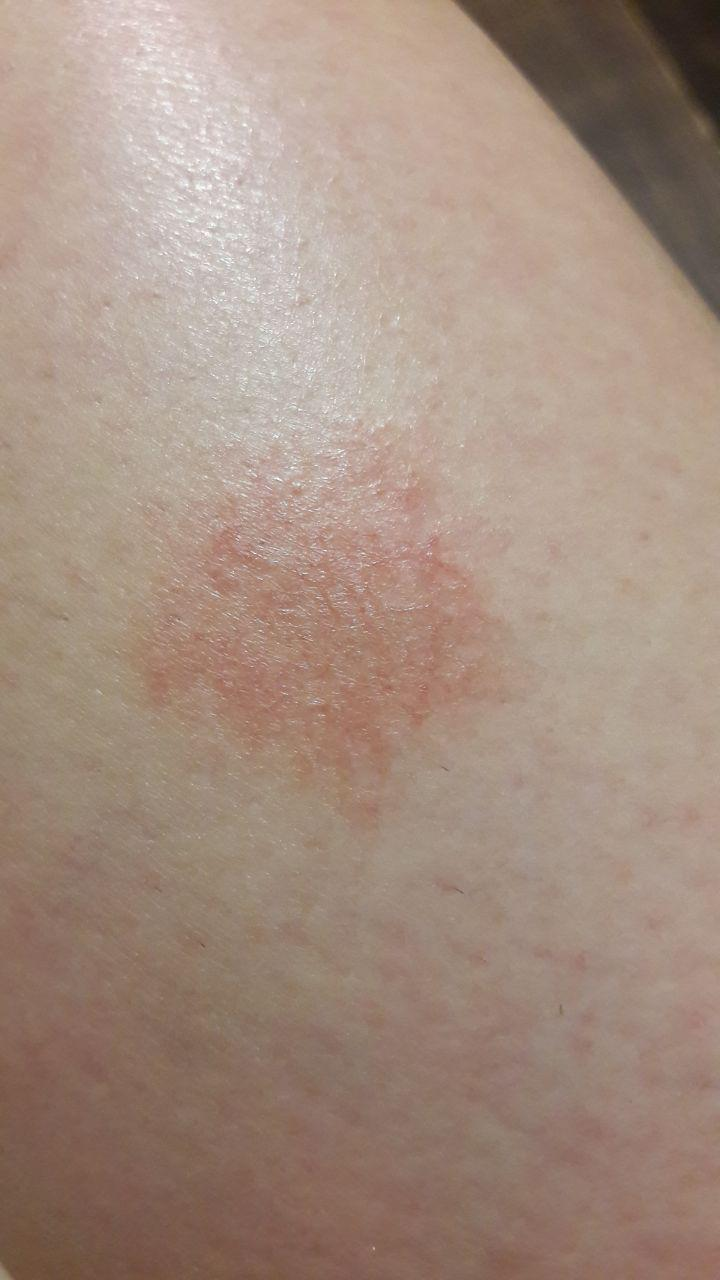
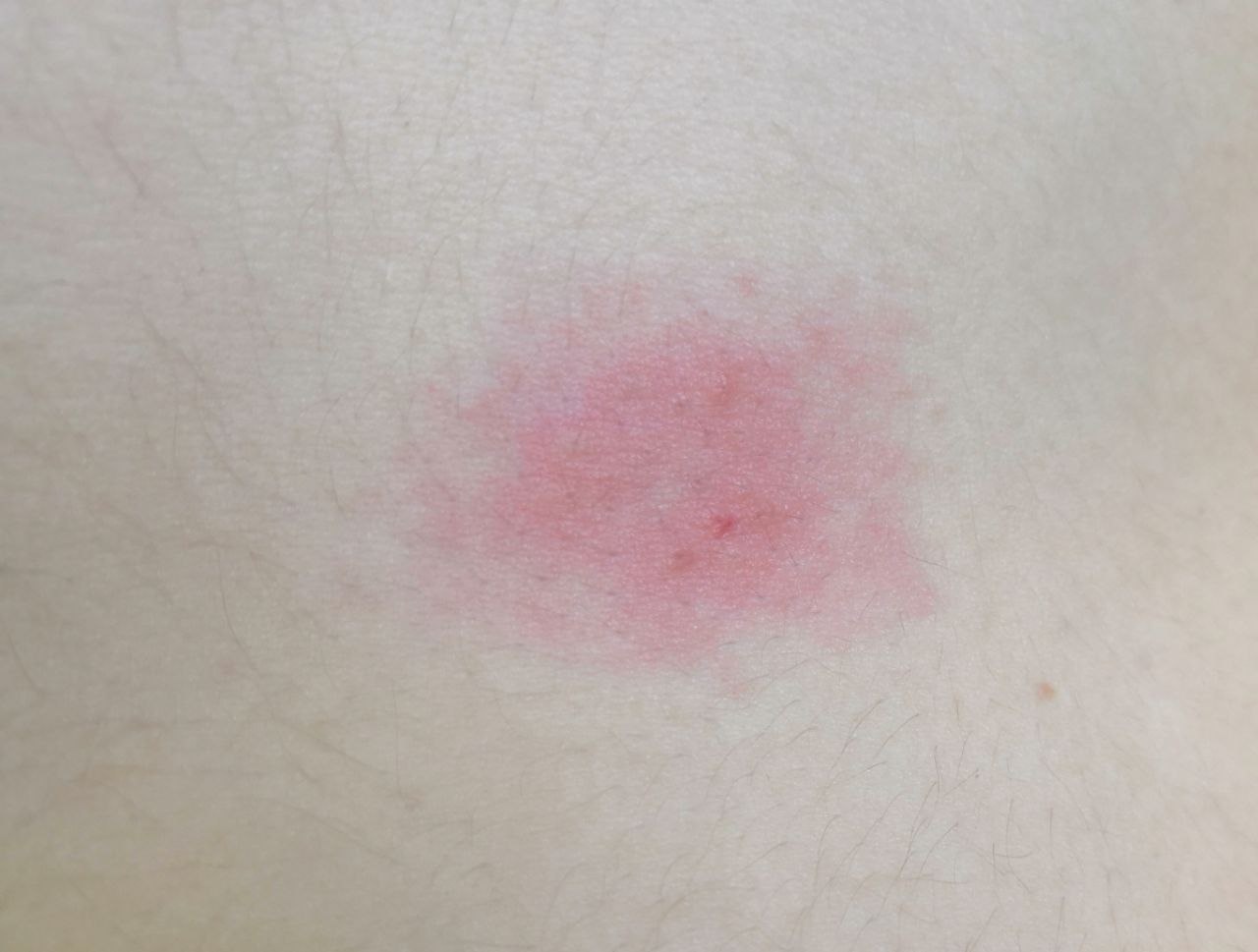
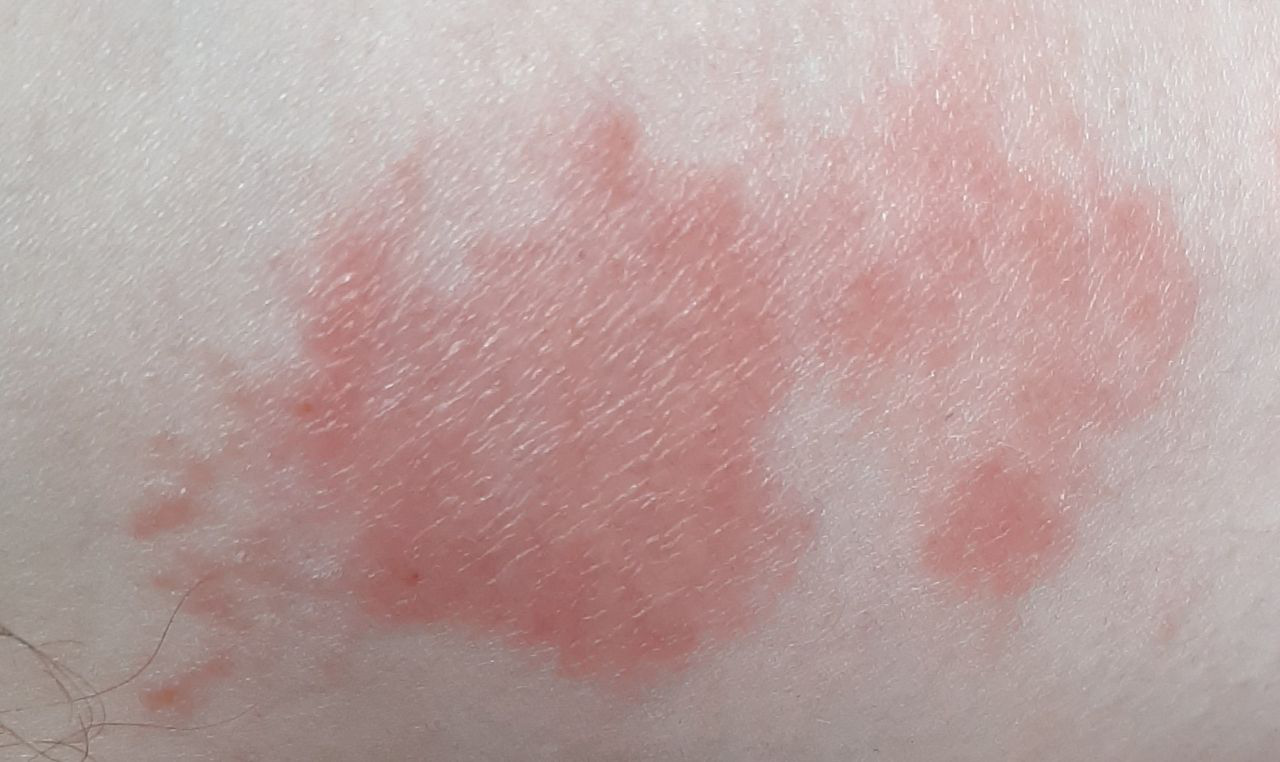
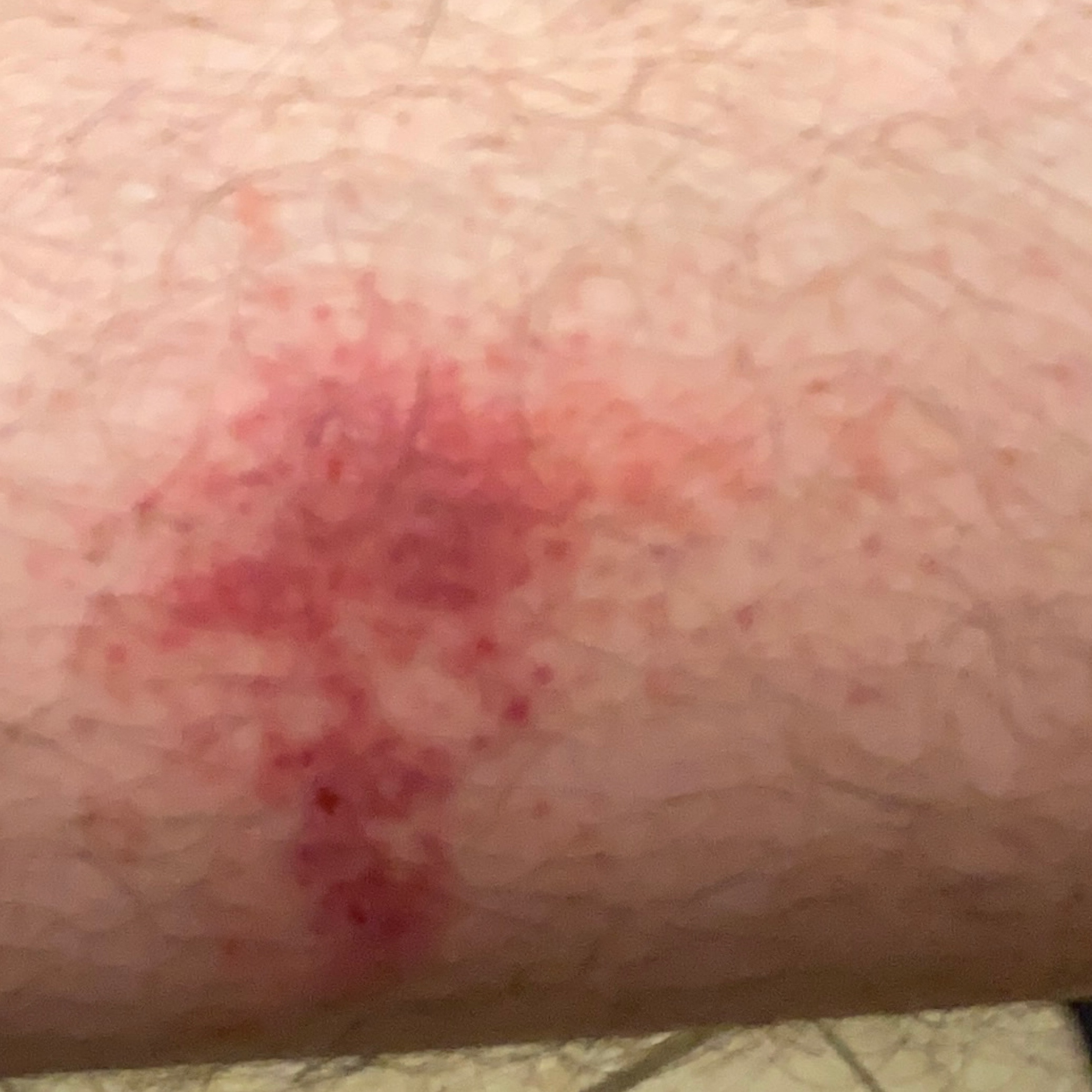
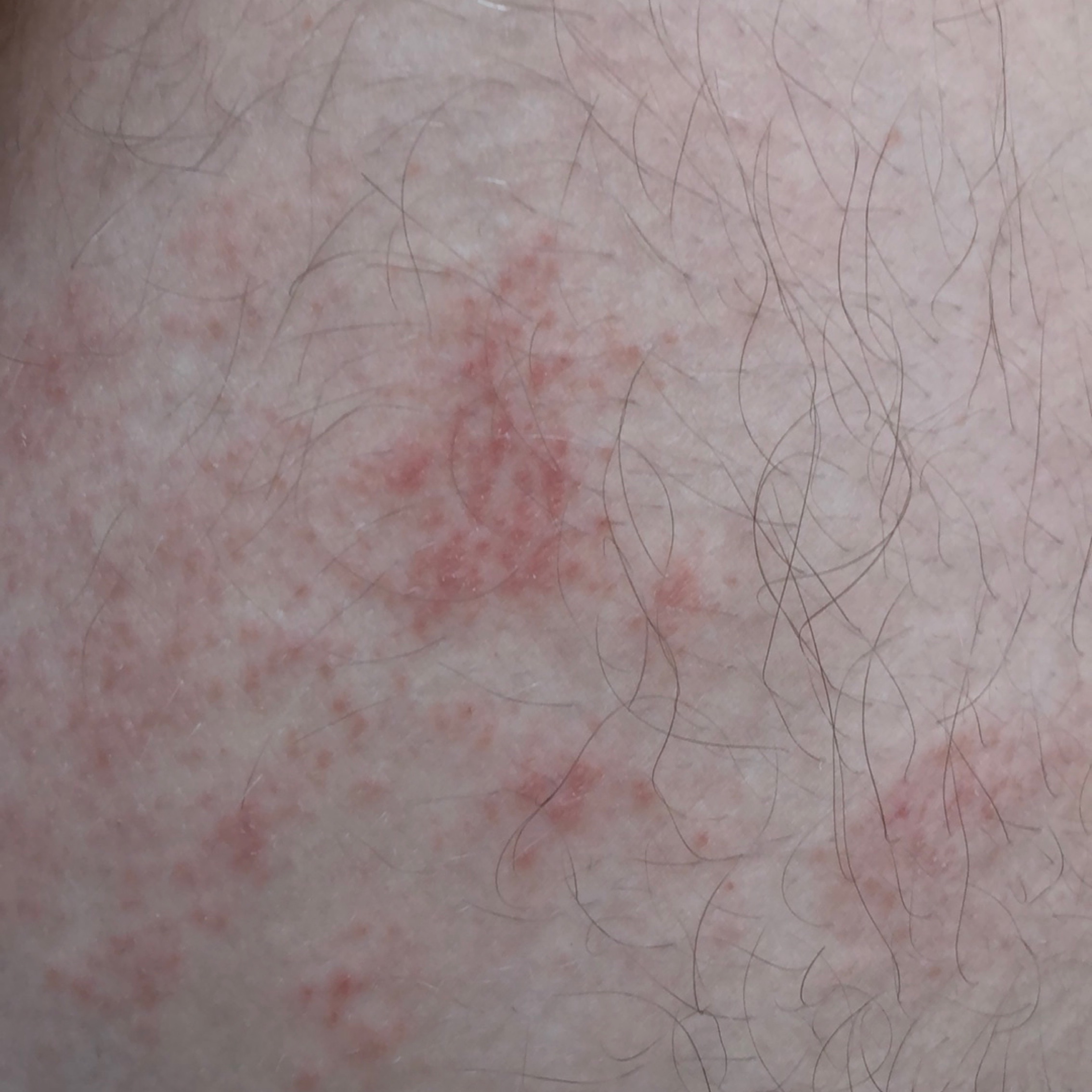
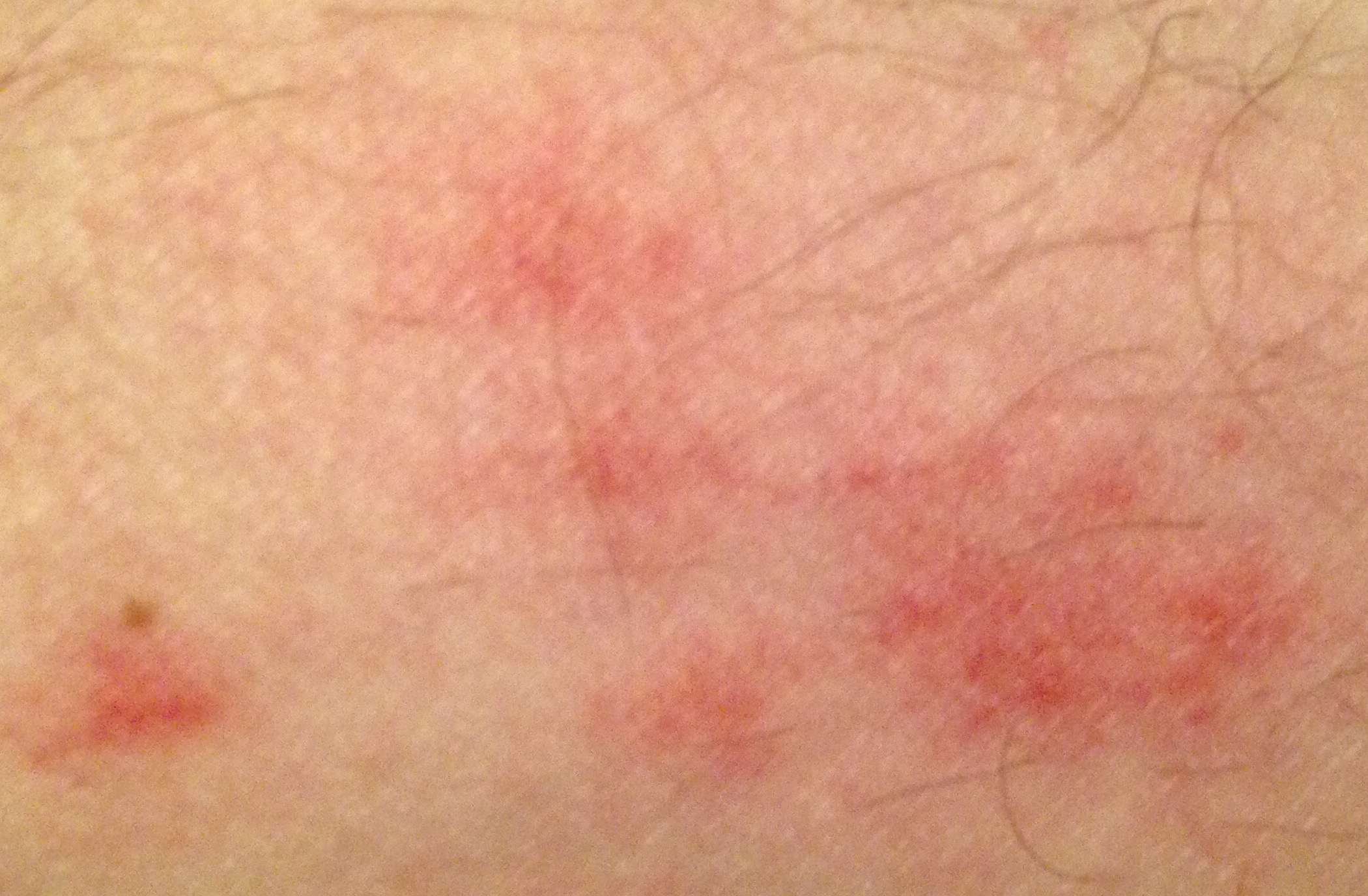
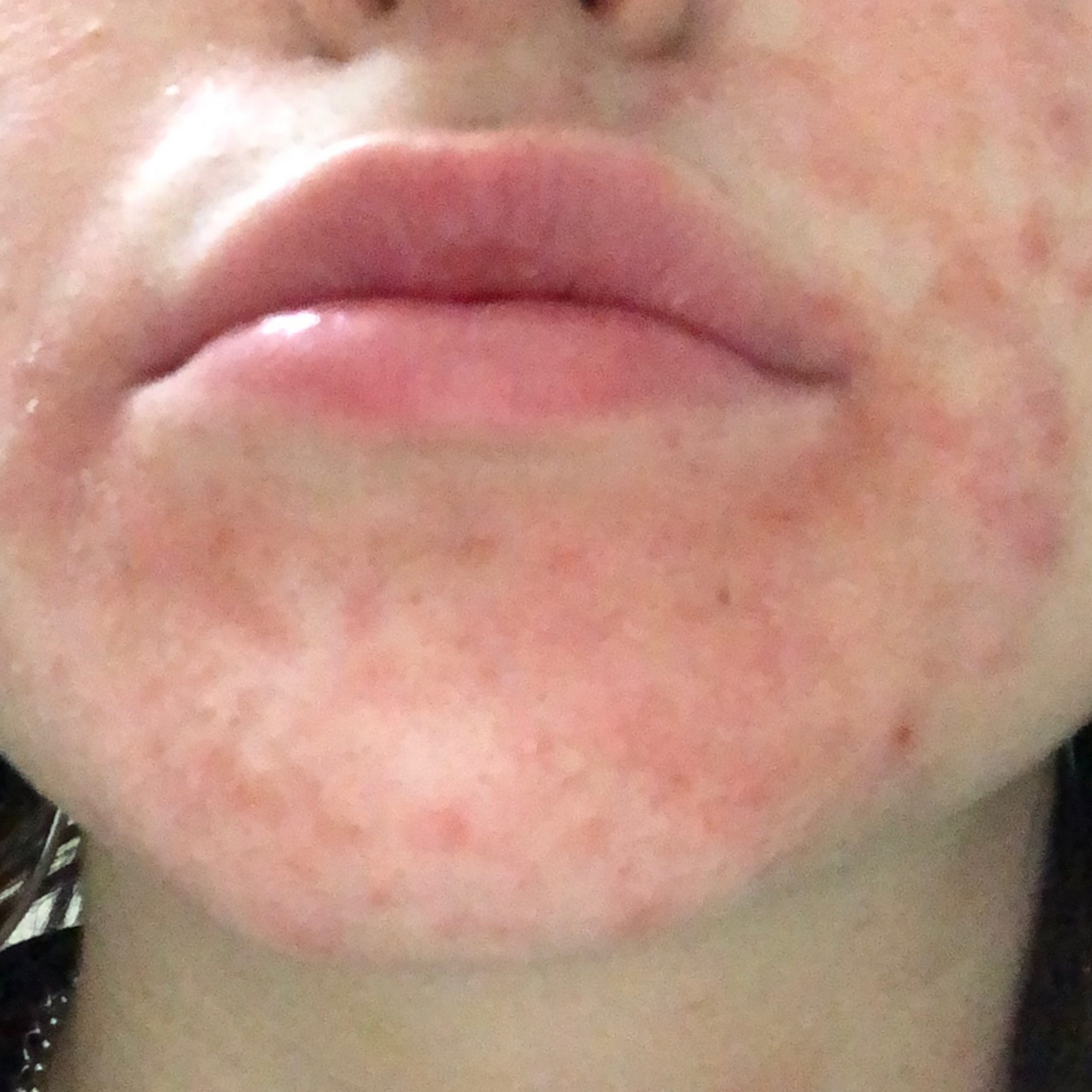
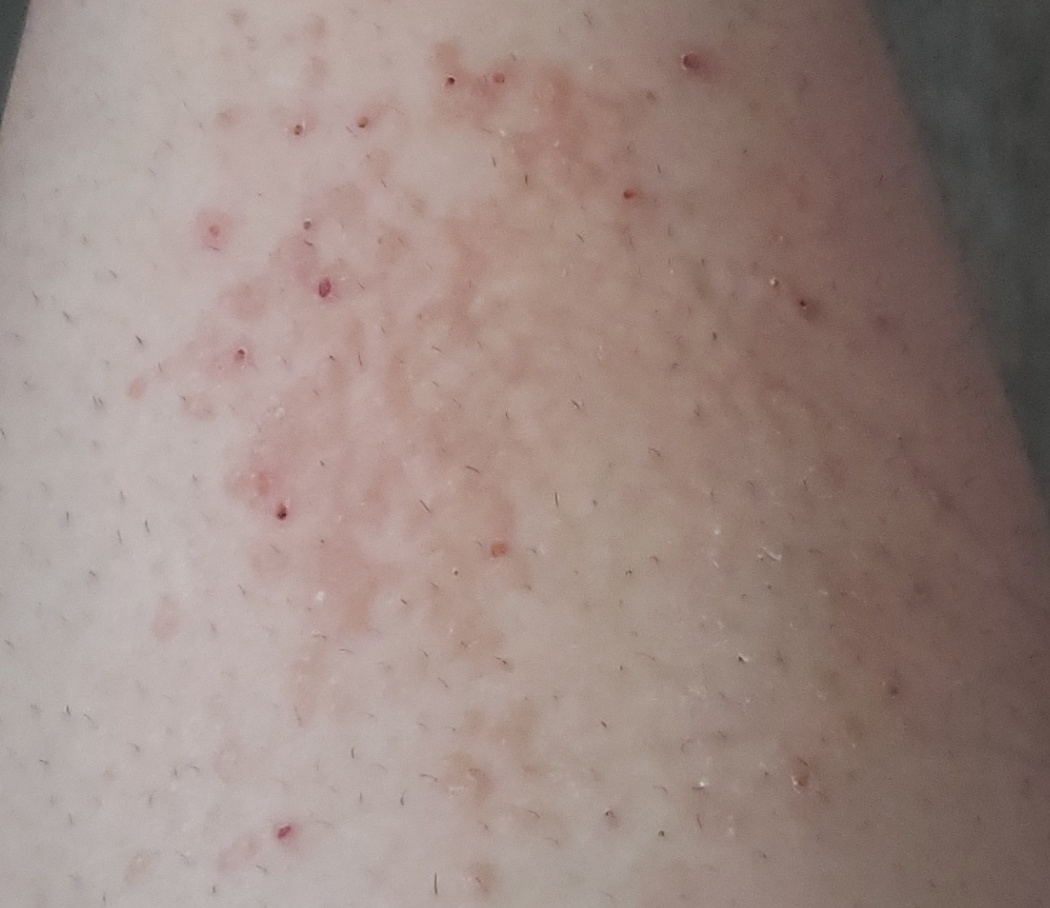
How the condition looks
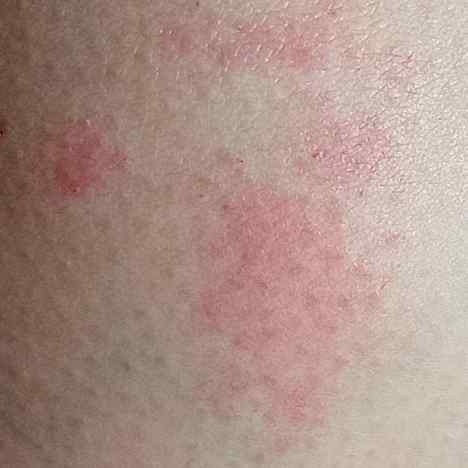
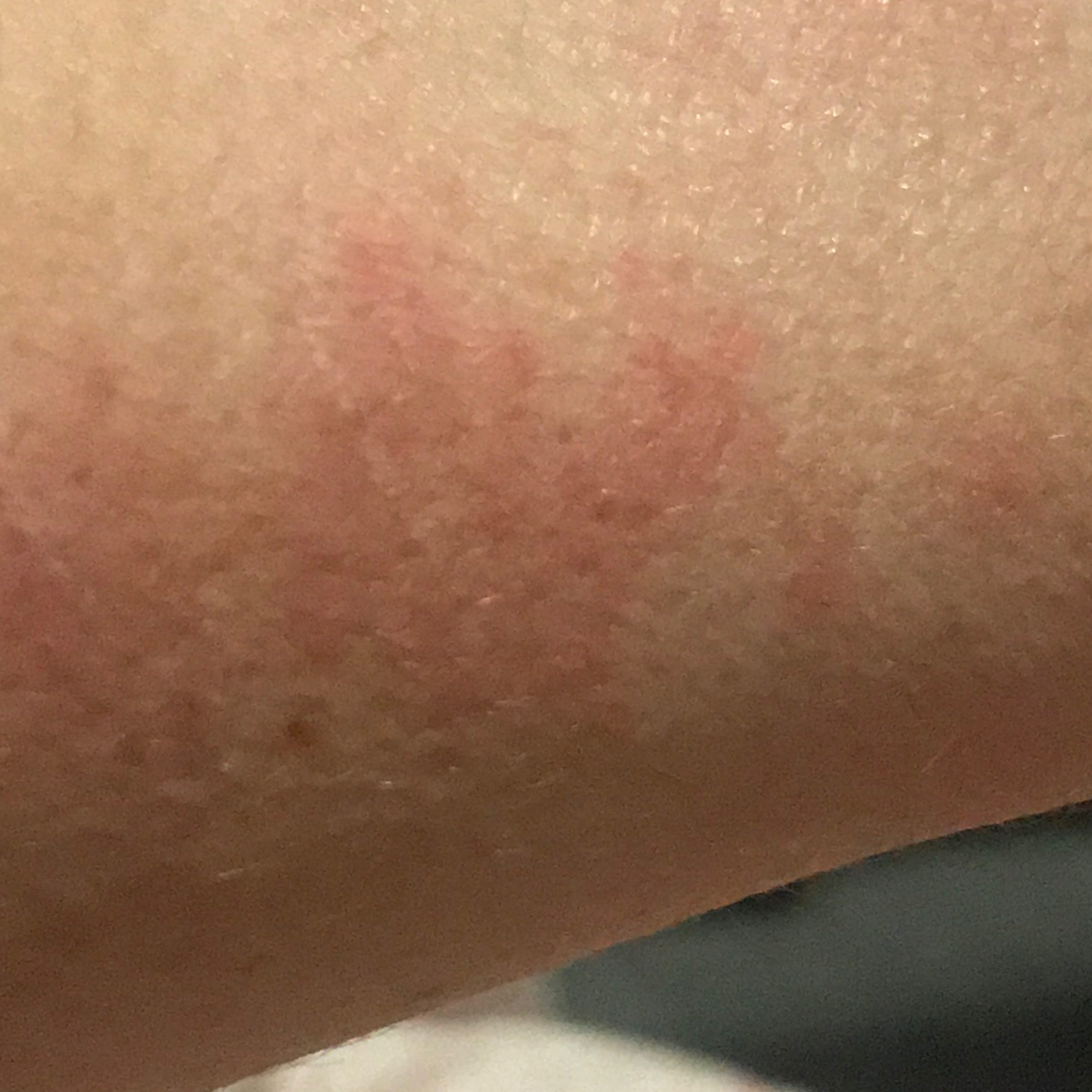
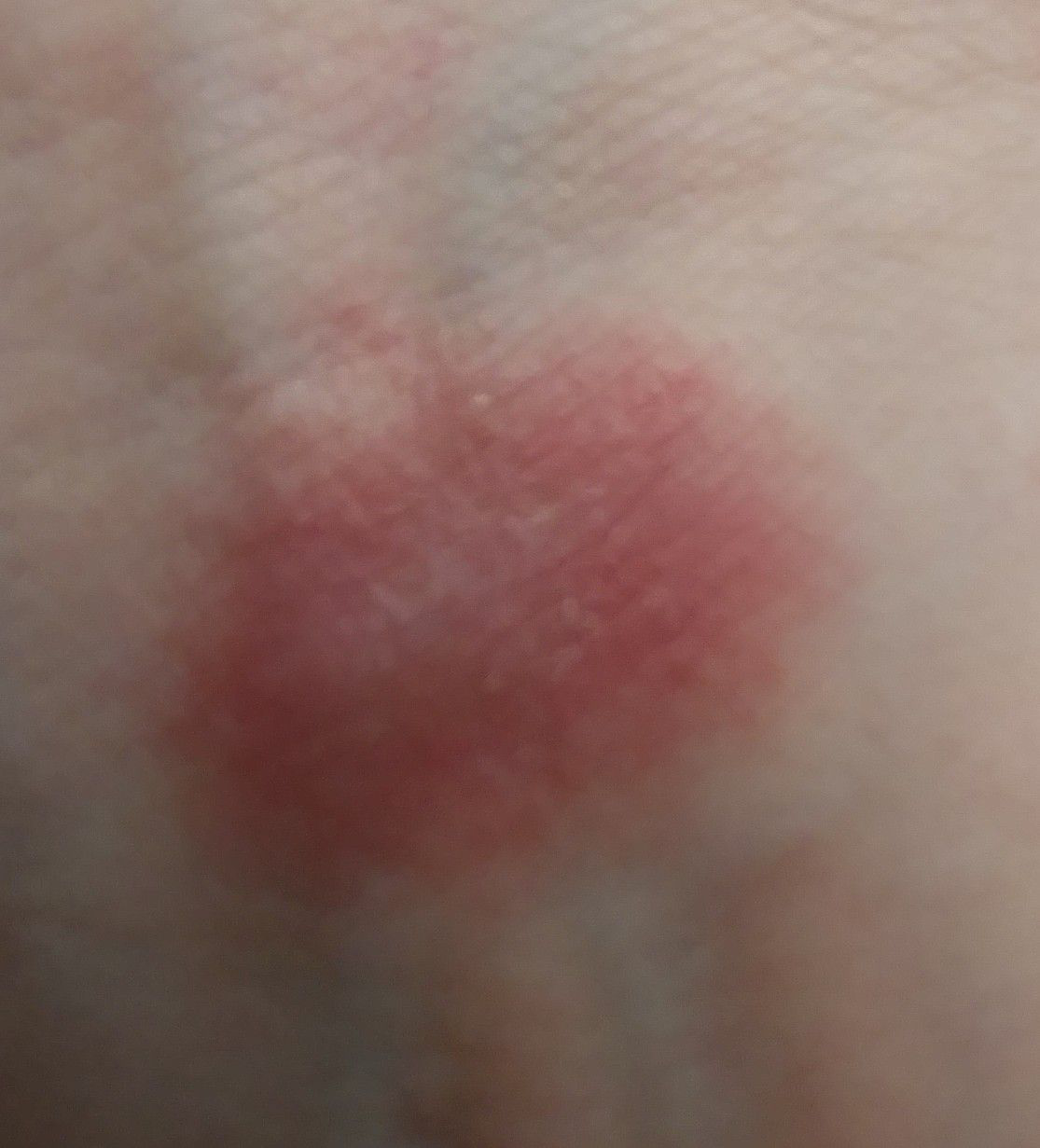
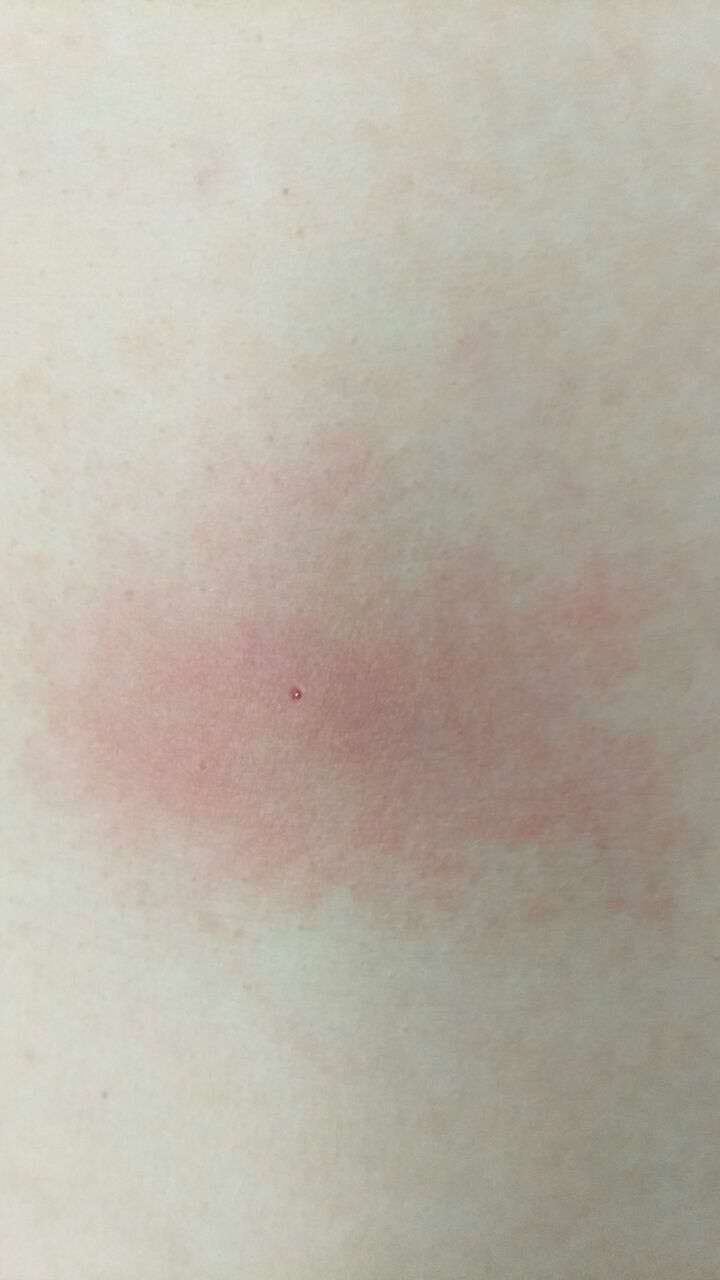
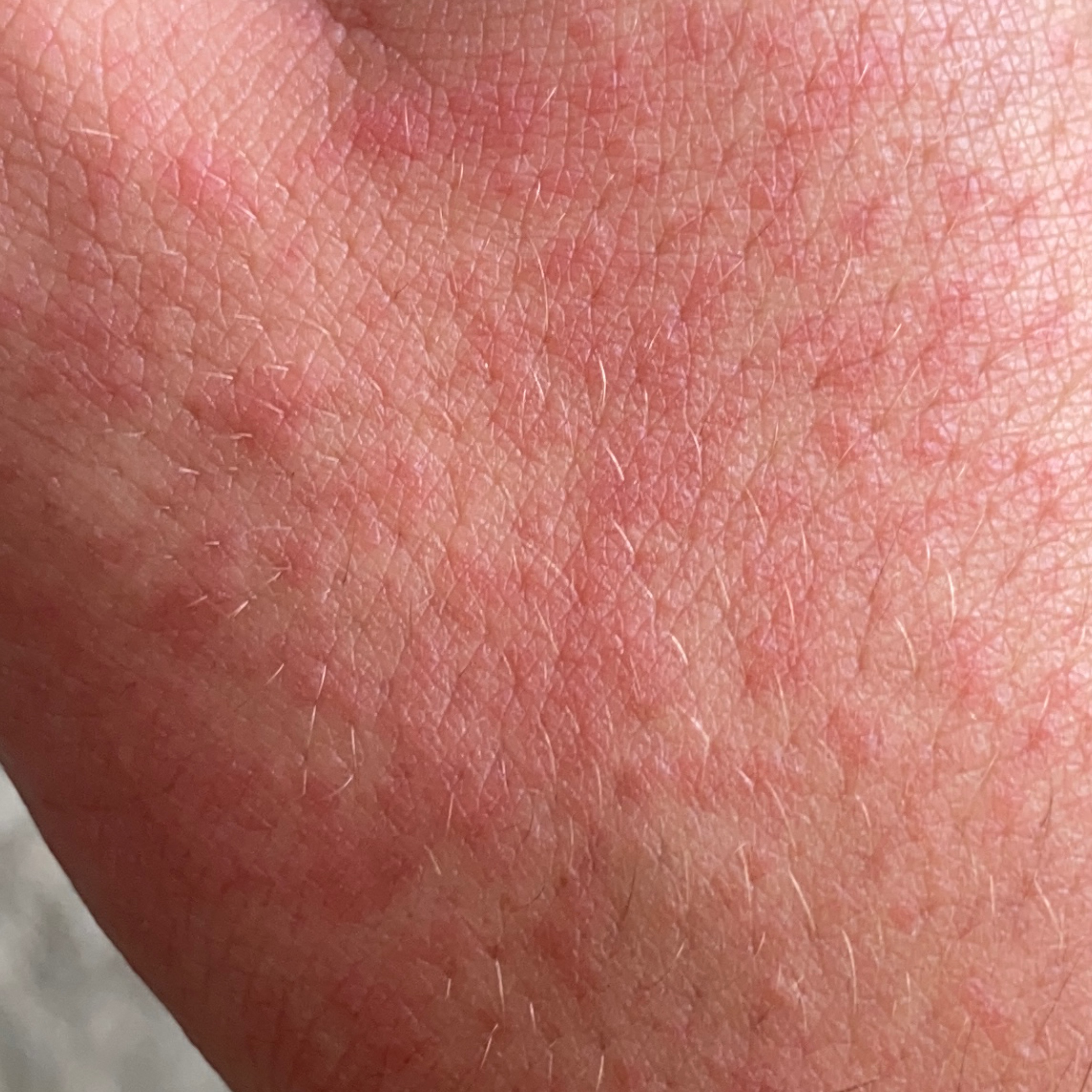
The appearance of dermatitis depends on its form and stage.
In acute inflammation, you may see:
- redness of the skin
- swelling
- small blisters
- oozing and crusting
In long-term cases, the skin may change:
- becomes thicker and rougher
- pronounced scaling appears
- cracks may form
Most commonly affected are exposed areas or zones of contact with irritants, such as hands, face, or eyelids.
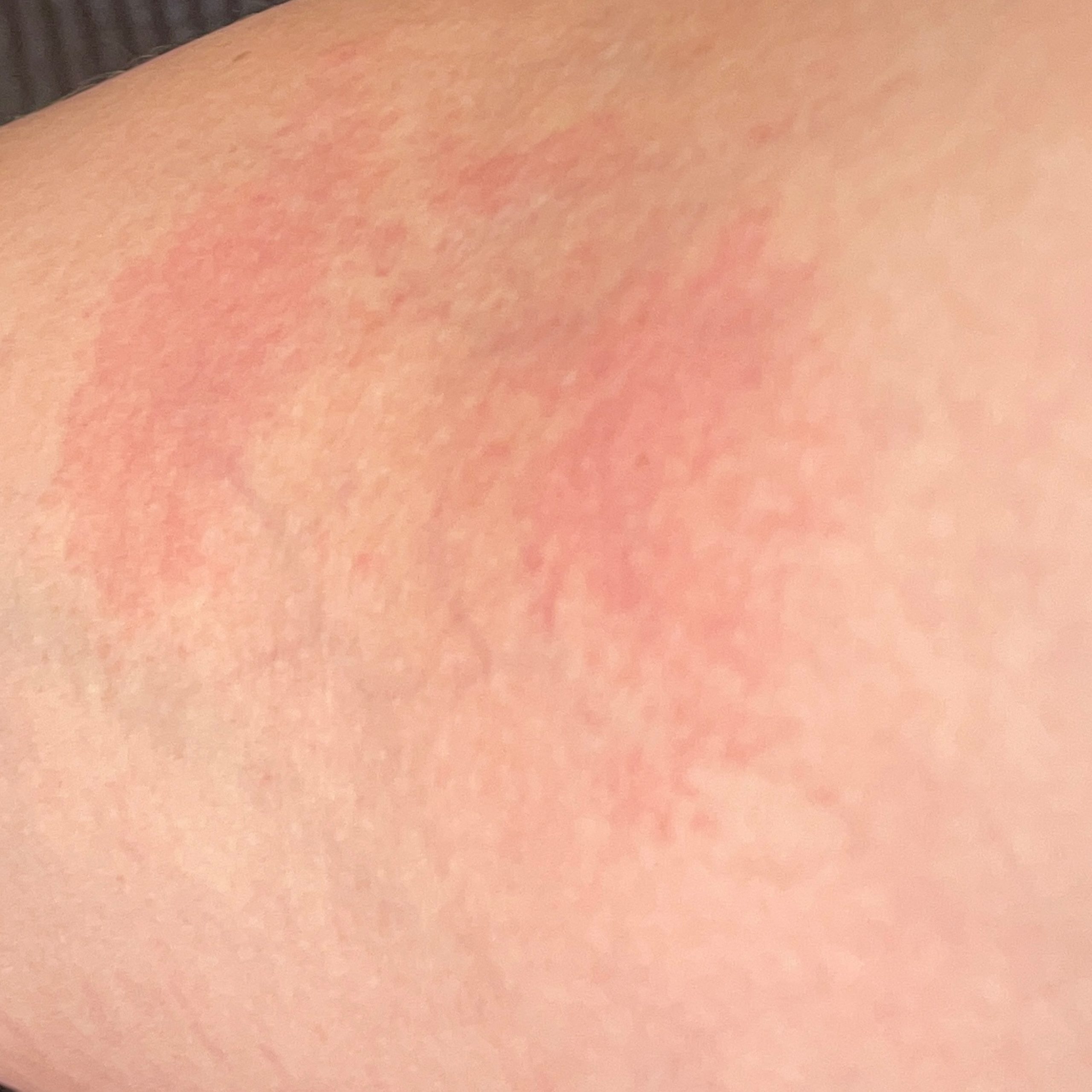
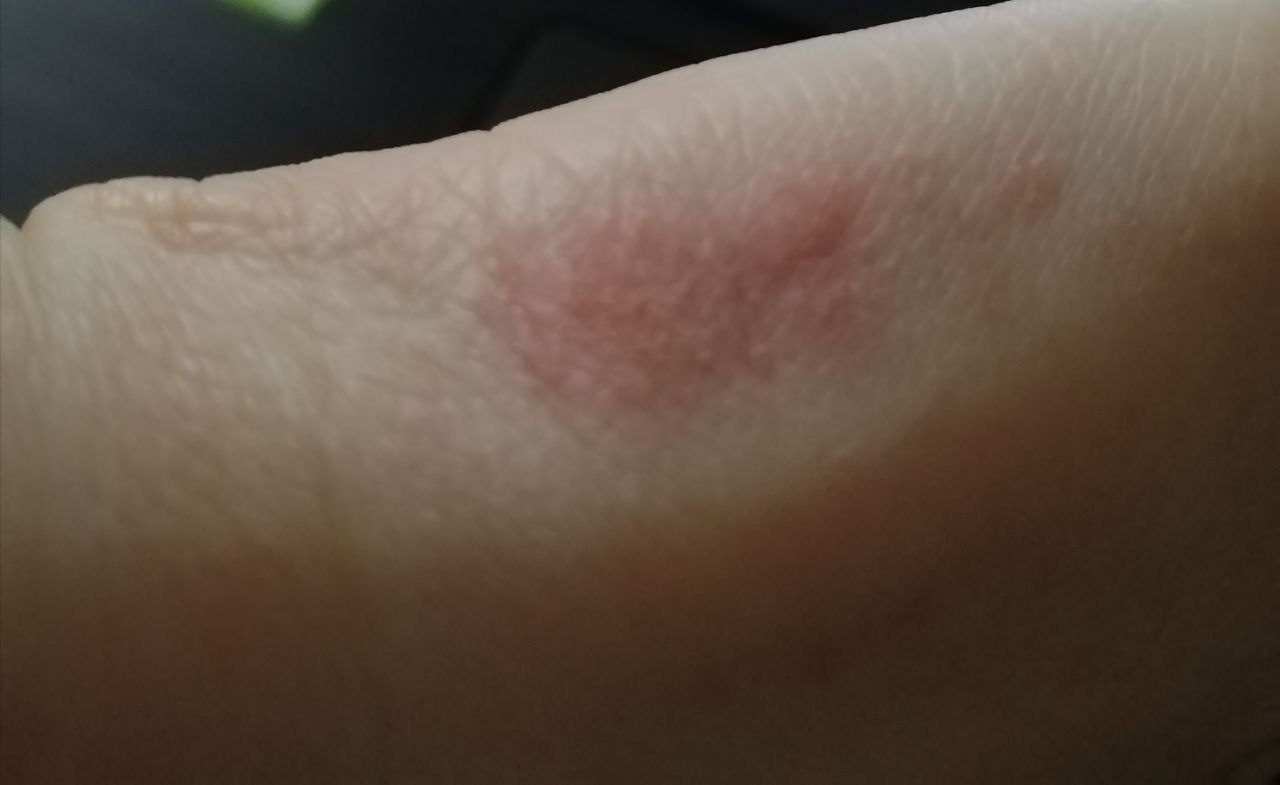
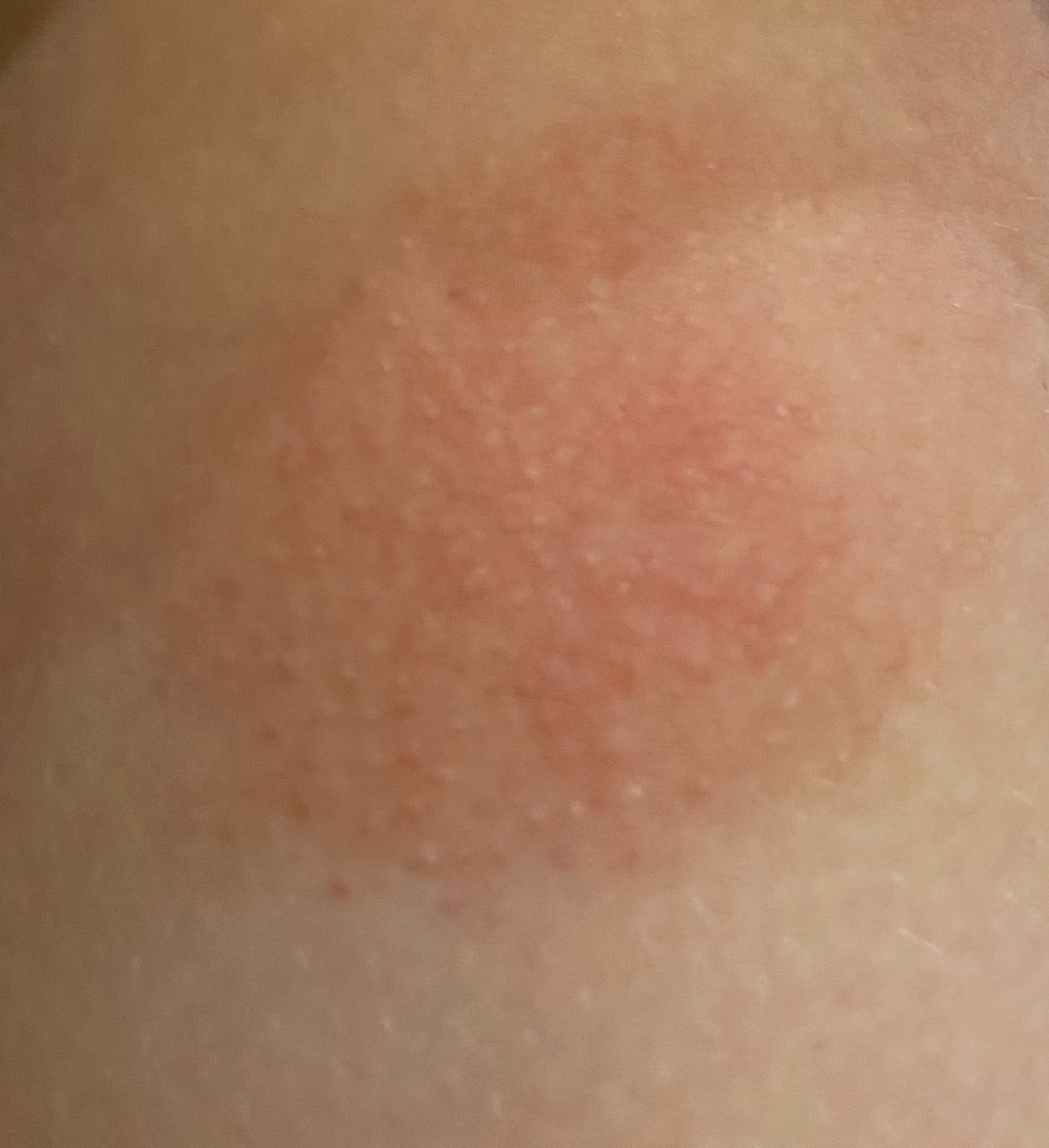
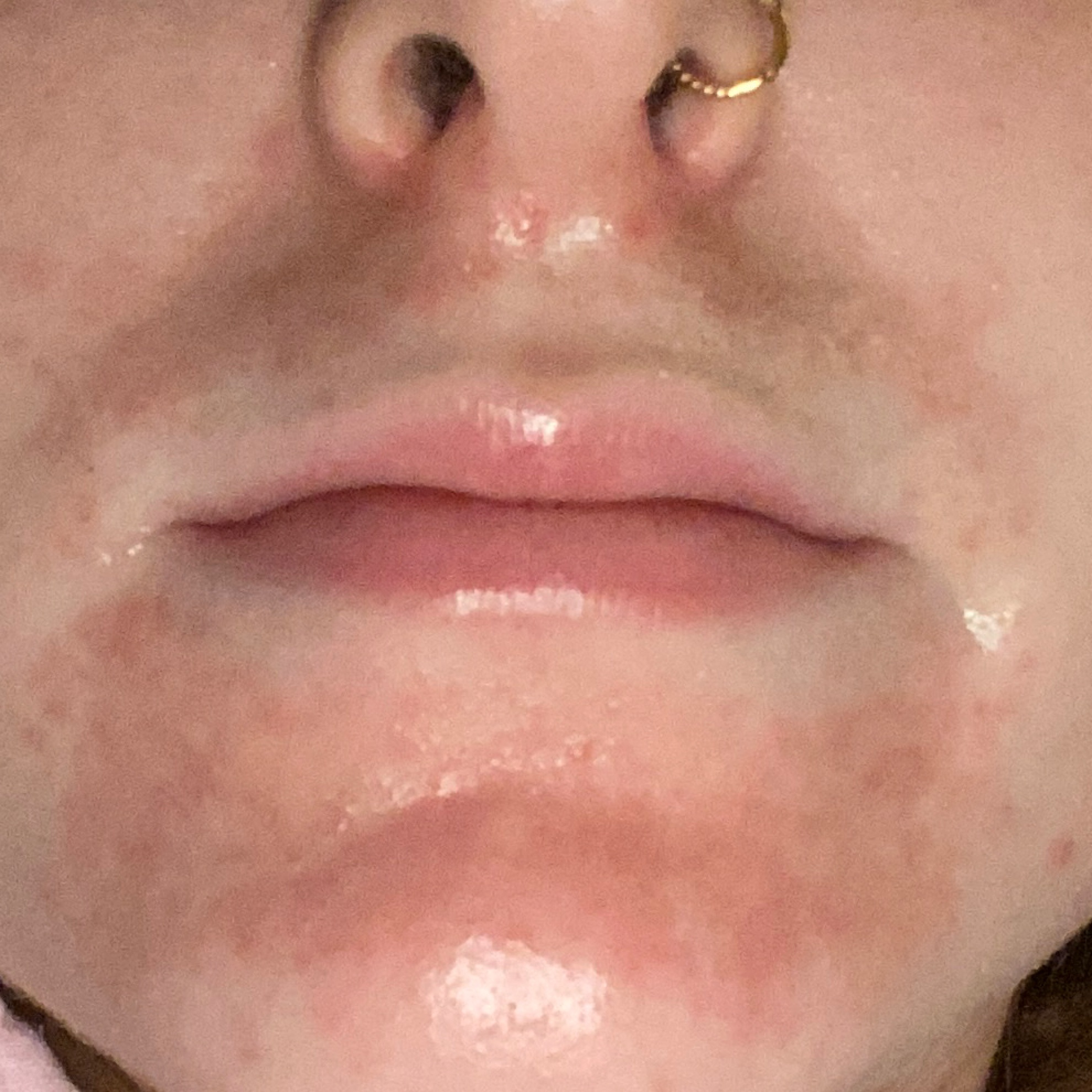
Below in the article you can view real photos to better understand how the condition looks.
Main symptoms
Main symptoms of dermatitis:
- itching or burning
- redness
- dry skin
- scaling
Sometimes:
- painful cracks
- blisters or oozing
- crusts
Symptom intensity may vary from mild irritation to severe inflammation.
Causes
Dermatitis develops due to exposure of the skin to external factors.
Main causes:
- contact with irritants (detergents, chemicals)
- allergic reaction to specific substances
- prolonged exposure to water and friction
- cosmetics and skincare products
Risk factors:
- frequent hand washing
- dry air
- skin damage
- individual skin sensitivity
- history of allergic diseases
How it develops
The skin acts as a protective barrier, but when exposed to irritants, this barrier becomes damaged.
As a result, the skin loses moisture, becomes more sensitive, and reacts with inflammation — redness, itching, and scaling appear.
In allergic dermatitis, the immune system reacts to a specific substance as if it were harmful, even if it is harmless to others.
If exposure continues, inflammation may persist and become chronic.
Forms and types
There are several main forms of dermatitis.
Irritant contact dermatitis:
- caused by direct damage from irritants
- not immune-mediated
- most often affects the hands
Allergic contact dermatitis:
- immune reaction to a specific substance
- may occur after minimal exposure
- often causes intense itching
Dermatitis may also be acute or chronic depending on duration and course.
When to see a doctor
Consult a specialist if:
- symptoms persist or worsen
- you cannot identify the cause
- blisters, oozing, or severe inflammation appear
- skin becomes cracked and painful
- dermatitis keeps recurring
It is especially important to seek help if itching is severe or the condition spreads.
Treatment
Treatment focuses on removing the cause and restoring the skin.
Main approaches:
- eliminating contact with irritants or allergens
- reducing water exposure and friction
- regular skin moisturization
- topical anti-inflammatory treatments
In some cases, a doctor may prescribe additional medications for symptom control.
Also important:
- protect skin when handling chemicals
- use gentle skincare products
- follow individual care recommendations
Treatment is always personalized and depends on the underlying cause.
Q&A
Can dermatitis be cured?
Yes, in most cases symptoms resolve once the trigger is removed and proper skin care is followed.
Is it an allergy?
Not always. Dermatitis can be allergic or caused by direct irritation.
Do I need medication?
Sometimes basic skin care is enough, but more severe cases may require treatment prescribed by a doctor.
What is the difference between allergic and irritant dermatitis?
Allergic dermatitis is an immune reaction to a specific substance, while irritant dermatitis is caused by direct damage to the skin.
Can I wash my hands with dermatitis?
Yes, but you should use gentle products and moisturize the skin afterward.
Why does dermatitis come back?
If the trigger is not removed (e.g., ongoing exposure), symptoms may recur.
Is it dangerous?
Usually not, but it can cause significant discomfort if untreated.
Can I use cosmetics?
Yes, but it is better to choose hypoallergenic products and avoid irritating ingredients.
Check Your Skin Instantly
Use the Rash identifier app – Skinive AI to take a photo of a skin lesion and get an AI-based risk assessment. It helps determine whether professional consultation is recommended, giving you fast guidance and peace of mind.
Medical sources
- World Health Organization (WHO) — Skin diseases overview
- Fitzpatrick’s Dermatology, 9th Edition
- European Academy of Dermatology and Venereology (EADV) Guidelines
- American Academy of Dermatology (AAD) — Contact dermatitis
- Clinical Dermatology (Bolognia et al.)
🇬🇧 Dermatitis: Diagnosis and Care in the UK
If you notice dermatitis (inflammation of the skin)—such as redness, itching, swelling, or rashes—it’s important to get a professional opinion. In the UK, you can access dermatology care via the NHS, private clinics, or online dermatology consultations.
👉 How to See a Dermatologist in the UK NHS – This main guide explains how NHS referrals work, what to expect from specialist dermatology services, and how to choose between public and private care.
Dermatologists in Major UK Cities:
- Dermatologist in London
- Dermatologist in Manchester
- Dermatologist in Liverpool
- Dermatologist in Birmingham
- Dermatologist in Leeds
- Dermatologists in Other UK cities
Online Dermatology
If you prefer remote care or faster access, try online dermatology consultations. They allow dermatologists to review images, provide advice, and guide next steps without visiting a clinic. Read more in this article: Online Dermatologists in UK.
🇦🇺 Dermatitis: Diagnosis and Care in Australia
If you notice dermatitis (inflammation of the skin)—such as redness, itching, swelling, or rashes, it’s important to get a professional opinion. In Australia, dermatology care is available via Medicare (public system), private clinics, or online consultations.
👉 How to See a Dermatologist in Australia – This main guide explains how referrals work through GPs and public clinics, what to expect from specialist dermatology services, and how to choose between public and private care.
Dermatologists in Major Australian Cities:
- Dermatologist in Sydney
- Dermatologist in Melbourne
- Dermatologist in Brisbane
- Dermatologist in Perth
- Dermatologist in Adelaide
- Dermatologists in other Australian cities
Online Dermatology
For faster access or remote care, online dermatology consultations allow dermatologists to review images, provide advice, and guide next steps without visiting a clinic. Read more in this article: Online Dermatologists in Australia.
Images of dermatitis:












** Should you identify any copyright infringement regarding the images on this page, kindly reach out to us at info@skinive.com.
Furthermore, please be advised that these photos are not authorized for any purpose.